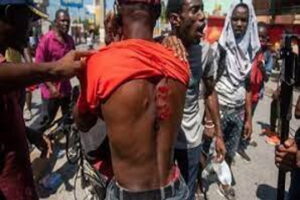
The United States Department of the Treasury’s Office of Foreign Assets Control (OFAC) has imposed sanctions on two key figures linked to Haiti’s escalating gang violence. Dimitri Herard, a former Haitian police officer and head of the National Palace’s general security unit, and Kempes Sanon, leader of the Bel Air gang, were targeted for their roles in supporting the Viv Ansanm gang coalition. OFAC accused Viv Ansanm of perpetuating violence, extortion, and terrorism, which have destabilized Haiti. Herard, previously imprisoned for his alleged involvement in the assassination of former President Jovenel Moïse, escaped custody in 2024 and has since collaborated with Viv Ansanm, providing training and firearms to gang leaders. Sanon, meanwhile, has been instrumental in consolidating the coalition’s power through civilian killings, extortion, and kidnappings. The sanctions, enacted under Executive Order 13224, freeze all US-based assets of the designated individuals and prohibit transactions involving their property. OFAC also warned that foreign financial institutions engaging with these individuals risk secondary sanctions. The move underscores the US commitment to holding accountable those who endanger Haitian citizens and destabilize the nation.
分类: politics
-
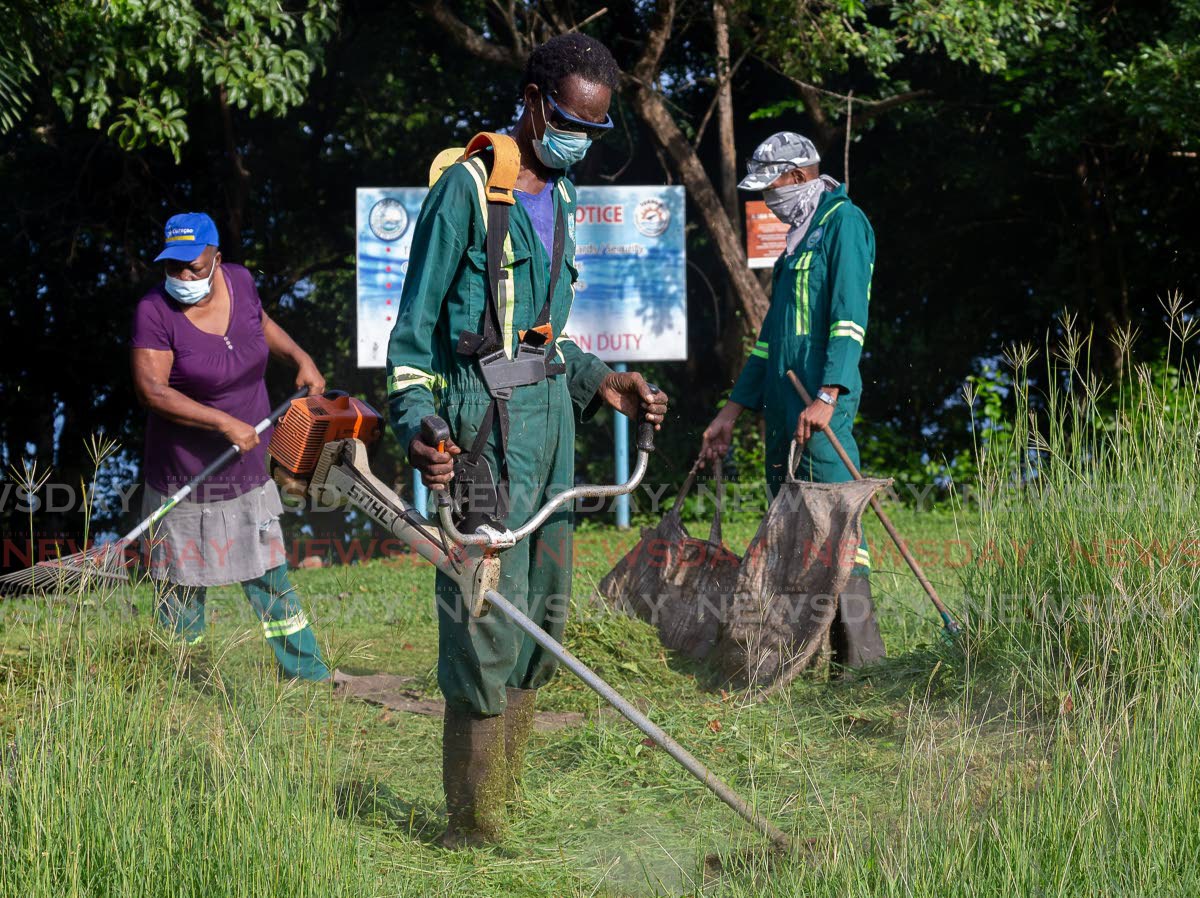
Tobago West MP: CEPEP and URP to continue in Tobago
Tobago West MP Joel Sampson has confirmed that the Community-Based Environmental Protection and Enhancement Programme (Cepep) and the Unemployment Relief Programme (URP) will persist in Tobago, despite plans to phase them out in Trinidad. Speaking during the budget debate in Parliament on October 17, Sampson emphasized that these initiatives remain under the jurisdiction of the Tobago House of Assembly (THA), which has no intention of discontinuing them. He highlighted that URP is managed by the Division of Infrastructure, Quarries and Urban Development, while Cepep falls under the Division of Community Development, Youth Development and Sport. Sampson noted that since the THA took office in 2021, the programmes have been restructured to produce meaningful outcomes, including revenue-generating workshops and agricultural units. He acknowledged that central government funding has been insufficient, but the THA has creatively addressed the shortfall using unspent balances. Sampson reassured Tobagonians employed in these programmes that their jobs are secure, emphasizing that they operate under a proper structure rather than a political contract. This announcement comes after Finance Minister Devendranath Tancoo revealed plans to eliminate Cepep and URP in Trinidad to curb state funding of criminal gangs, promising better-paid, full-time jobs for affected workers. Sampson also praised the government’s budget, calling it one of the most comprehensive in THA history, with Tobago receiving $3.724 billion, or 6.3% of the national budget.
-
A smart and necessary move: Taxing luxuries to fund necessities
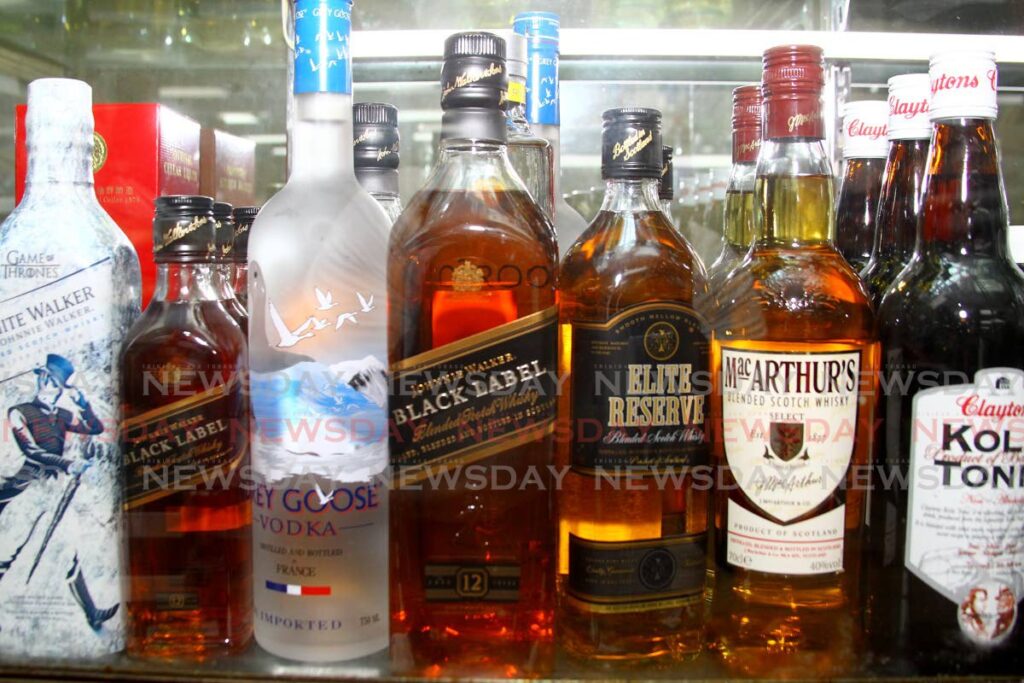
The government’s recent decision to increase taxes on alcohol and tobacco in the 2025-2026 budget marks a significant shift towards a more responsible and equitable economic framework. This policy, far from being a mere fiscal adjustment, represents a strategic move to address both public health and financial stability. By imposing higher taxes on these non-essential and harmful goods, the government is realigning national spending priorities with the country’s most pressing needs. The initiative raises critical questions about societal values: Should access to alcohol and tobacco take precedence over funding for healthcare, education, and food security? The resounding answer is no. This policy underscores the interconnectedness of public health and financial health. Higher prices on cigarettes and alcohol are expected to reduce consumption, thereby alleviating the strain on the healthcare system and freeing up resources for essential services. Additionally, the measure aims to optimize foreign exchange reserves by discouraging the import of luxury goods like scotch whisky and premium beers. Instead, these funds can be redirected towards vital sectors such as medical equipment, educational technology, and agricultural development. The tax hike also provides a competitive edge to local producers, fostering economic diversification and safeguarding domestic jobs. However, the success of this policy hinges on its integration into a broader strategy. Strengthening customs enforcement to combat illicit trade, expanding the tax framework to include other non-essential imports, and balancing regional trade dynamics within Caricom are crucial next steps. This initiative reflects a government willing to make tough decisions for long-term national well-being, prioritizing economic justice and public welfare over short-term popularity. It’s a commendable first step towards a more sustainable and equitable future.
-
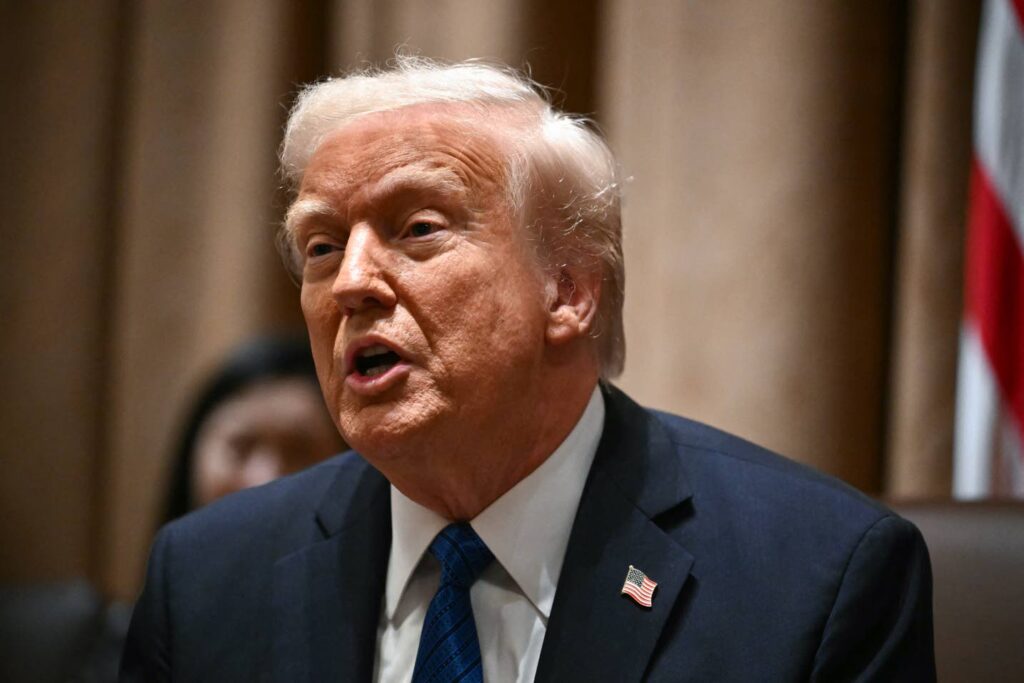
Trump says Venezuela’s Maduro offered ‘everything’ to ease tensions
In a significant development in the ongoing tensions between the United States and Venezuela, President Donald Trump confirmed on Friday that Venezuelan leader Nicolas Maduro had proposed major concessions to ease the strained relations. However, Trump dismissed these overtures with sharp criticism, stating that Maduro’s actions were driven by fear of U.S. retaliation. This comes alongside reports of a new U.S. military strike targeting a drug-smuggling vessel in the Caribbean, which allegedly left survivors onboard. The vessel, described by Trump as a ‘drug-carrying submarine,’ is part of a broader U.S. campaign against narcotics trafficking in the region. Washington has accused Maduro of leading a drug cartel and has deployed significant military assets, including stealth warplanes and naval ships, to combat the issue. Maduro, meanwhile, has accused the U.S. of orchestrating a regime change, a claim that has fueled further tensions. The U.S. has intensified its military presence in the Caribbean since September, targeting at least six vessels, mostly speedboats, allegedly linked to drug smuggling. While the U.S. claims its operations are dealing a decisive blow to drug trafficking, experts have raised concerns about the legality of summary killings, even if the targets are confirmed drug smugglers. The campaign has also drawn in neighboring countries, with Trinidad and Tobago investigating whether its citizens were killed in a recent strike, and Colombian President Gustavo Petro expressing concerns about Colombian casualties. Amid these developments, Trump has hinted at expanding U.S. military operations to include land targets, while the head of U.S. Southern Command announced his unexpected retirement, adding another layer of complexity to the situation.
-
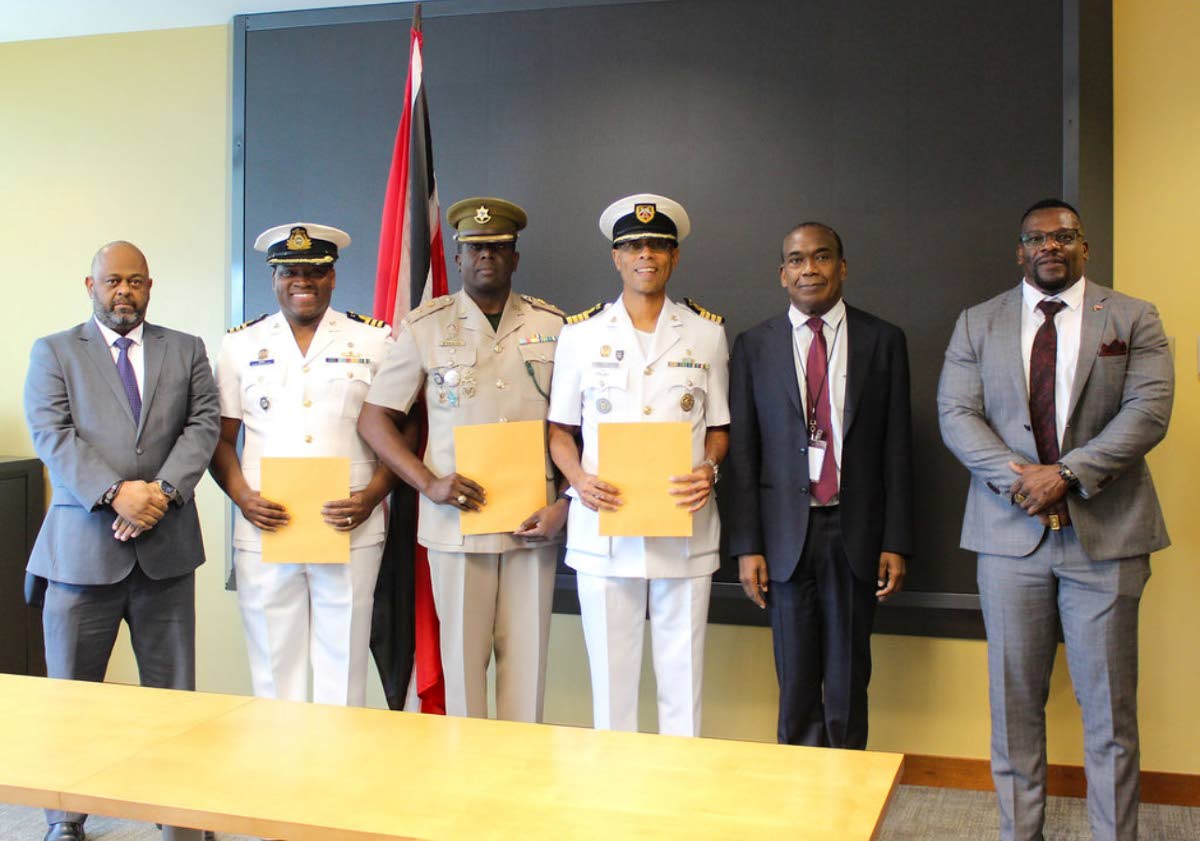
Defence Force leaders get instruments of appointment
In a significant move to bolster national security, the Trinidad and Tobago Defence Force (TTDF) has witnessed a series of high-level leadership appointments. The Office of the Attorney General confirmed that the instruments of appointment were formally presented to senior officers earlier this week, underscoring the government’s commitment to enhancing the nation’s defence capabilities.
-
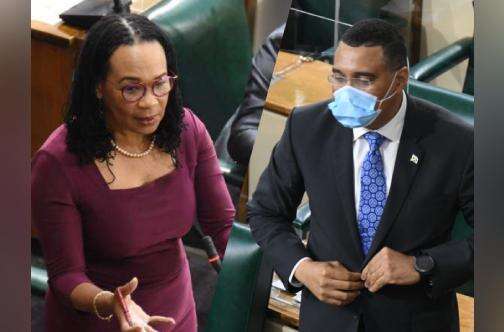
PNP calls on Caricom chair Holness to address US military strikes in Caribbean
Senator Donna Scott-Mottley, the Shadow Minister of Foreign, Regional and Diaspora Affairs for Jamaica’s People’s National Party (PNP), has called on Prime Minister Andrew Holness, in his role as chairman of the Caribbean Community (Caricom), to convene member states and formulate a cohesive regional response to recent reports of US military strikes in Caribbean waters. These strikes have reportedly resulted in numerous fatalities, including two Trinidadians, and the detention of two individuals of undisclosed nationality by the US Army. Scott-Mottley expressed profound concern, warning that such actions undermine the sovereignty of the region and jeopardize the safety of its citizens.
She emphasized that Caricom has consistently advocated for the Caribbean to be recognized as a Zone of Peace, a principle rooted in peaceful coexistence, respect for sovereignty, and adherence to international law. The senator criticized the alleged use of armed drones and lethal force in Caribbean waters, describing it as a blatant violation of these principles. She highlighted the growing unease among fisherfolk and coastal communities across Jamaica and the wider Caribbean, who fear being misidentified or caught in the crossfire of military operations.
Scott-Mottley stressed that the Caribbean’s waters are vital for livelihoods and commerce and must not be transformed into a battleground. She urged Prime Minister Holness to uphold the region’s legacy of diplomacy and non-alignment by engaging with Caricom leaders to reaffirm the Caribbean as a Zone of Peace and to ensure full respect for international legal norms, including the right to life, due process, and state sovereignty.
In her concluding remarks, Scott-Mottley warned against normalizing extrajudicial actions in Caribbean waters, calling for unity among Caricom member states to safeguard the principles of peace, sovereignty, and international law.
-
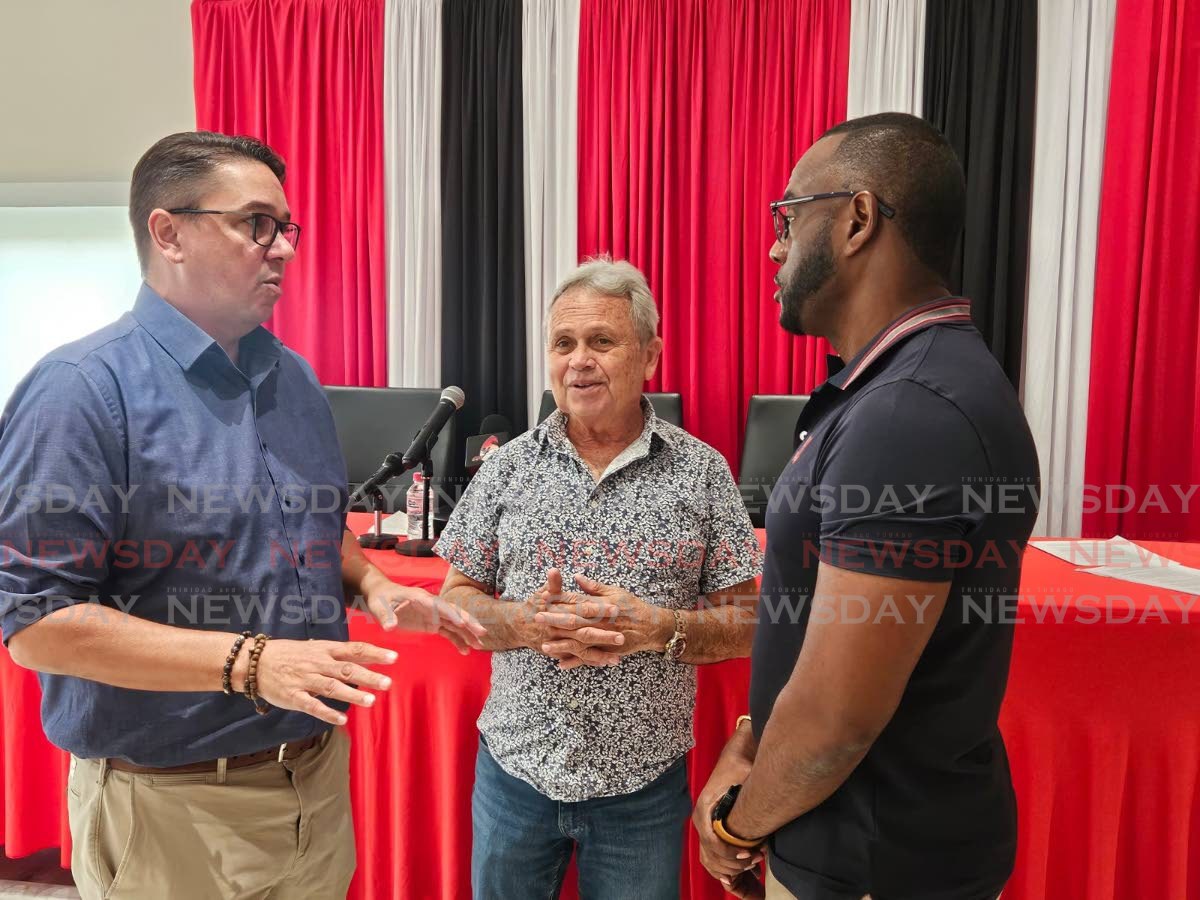
Remaining five PNM MPs were ready for budget debate
The Opposition has accused the government of failing to fulfill its duty during the 2025/2026 budget debate, citing a lack of preparedness among ministers to present their plans and policies. The critique was voiced by PNM MPs Marvin Gonzales, Colm Imbert, and Symon de Nobriga during a press conference at Balisier House in Port of Spain on October 18. They expressed surprise at the government’s decision to prematurely conclude the debate, which they described as an evasion of accountability. Gonzales highlighted that only two senior ministers participated in the debate, while seven PNM MPs responded, leaving key portfolios such as Homeland Security, Education, and Energy unaddressed. The Opposition’s strategy was to reserve their speakers for responding to senior ministers rather than UNC backbenchers. However, the government’s refusal to engage further forced the Finance Minister to hastily wind up the session without addressing critical points raised by the Opposition. Imbert emphasized that the government’s failure to clarify budget measures and respond to discrepancies in tax impacts was a disservice to the public. Gonzales also criticized the Prime Minister’s absence, particularly given the need to address the retrenchment of thousands of workers. Additionally, he condemned the referral of Opposition Leader Beckles to the Privileges Committee as a procedural breach and an attack on democratic processes, vowing that the PNM would address this issue.
-
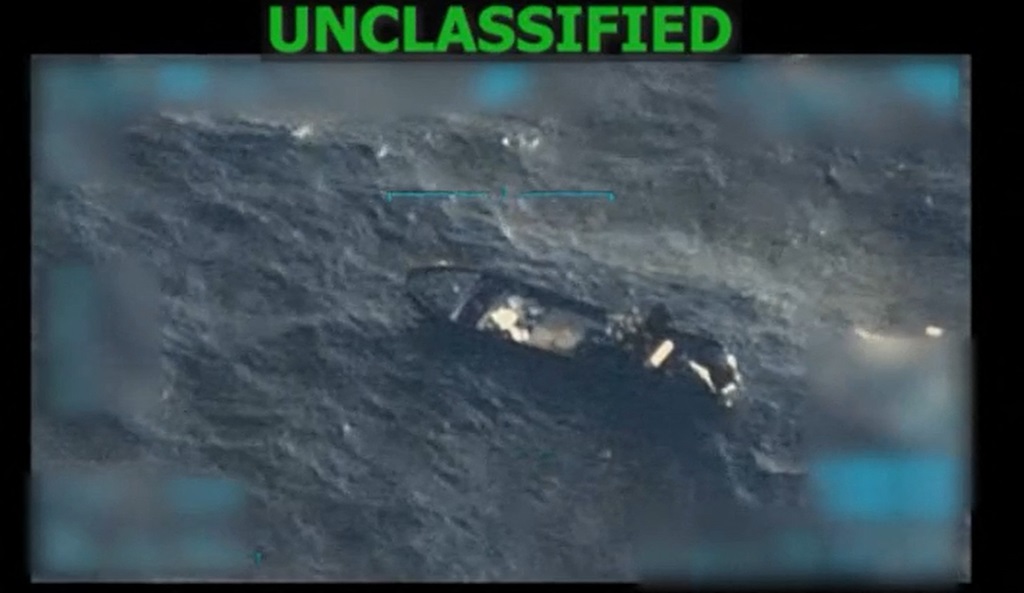
Trump says US to repatriate survivors of strike on ‘drug-carrying submarine’ in Caribbean
In a significant development in the ongoing U.S. military campaign against drug trafficking, President Donald Trump announced on Saturday that the United States had targeted and destroyed a suspected drug-smuggling submarine in the Caribbean. The operation resulted in the deaths of two individuals, while two others were apprehended and are being repatriated to their home countries, Ecuador and Colombia, for prosecution. Trump described the vessel as a ‘very large drug-carrying submarine’ loaded with fentanyl and other narcotics, emphasizing its interception on a known narcotrafficking route. This strike, announced on Friday, marks the latest in a series of U.S. military actions aimed at disrupting the flow of illegal drugs from Latin America to the United States. Since September, at least six vessels, primarily speedboats, have been targeted in the Caribbean, with some allegedly originating from Venezuela. While Washington claims these operations are delivering a decisive blow to drug trafficking, critics argue that the lack of evidence regarding the identities of those killed—at least 27 so far—raises legal and ethical concerns. Experts have pointed out that such summary killings are unlawful, even if the targets are confirmed drug traffickers. The origin of the submarine remains undisclosed, though semi-submersibles, often constructed in clandestine jungle shipyards, have long been used to transport cocaine from South America, particularly Colombia, to Central America or Mexico, typically via the Pacific Ocean.
-
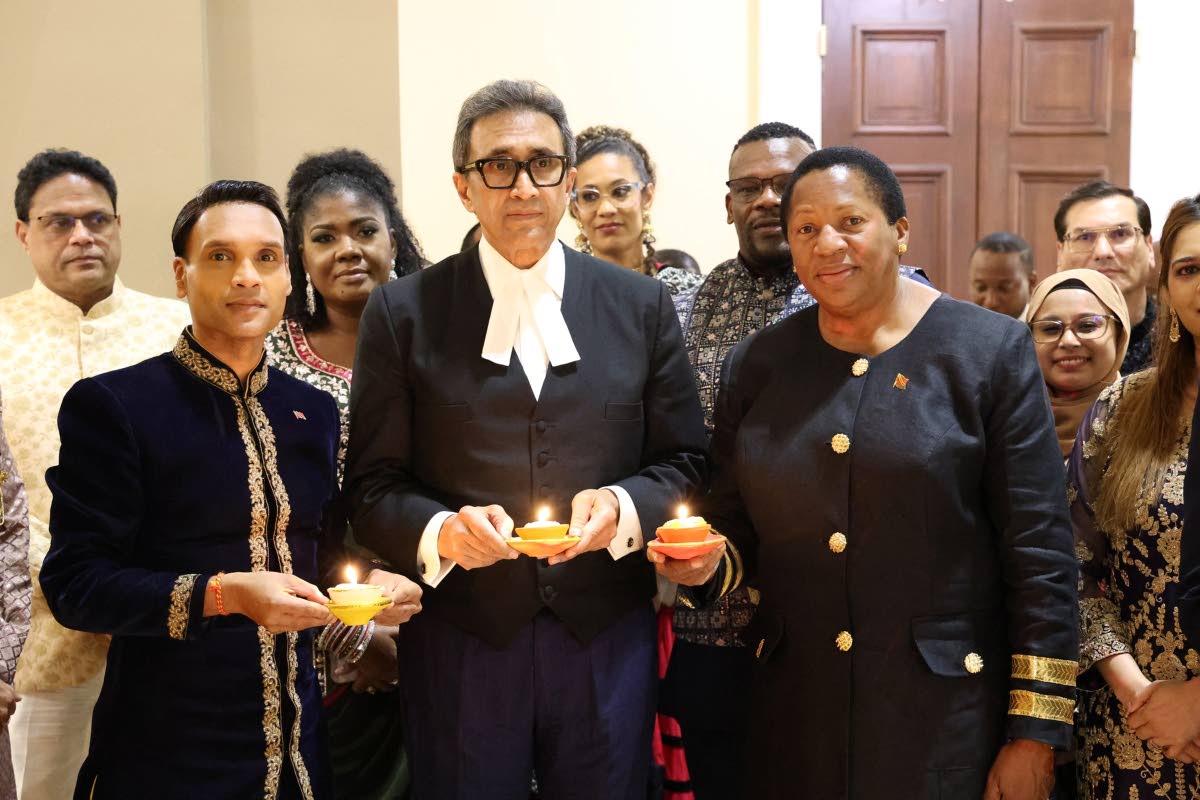
Parliamentarians send Divali greetings to all of Trinidad and Tobago
In a rare moment of unity, Trinidad and Tobago’s political leaders paused their 2026 budget debate to celebrate Divali, the Hindu festival of lights, in the Rotunda of the Red House in Port of Spain on October 17. The event, marked by the lighting of deyas (oil lamps), saw participation from House Speaker Jagdeo Singh, Leader of Government Business Barry Padarath, and Opposition Leader Pennelope Beckles. The celebration was a symbolic gesture of cultural harmony in the multicultural nation. Public Utilities Minister Barry Padarath, in his Divali address on October 18, drew parallels between the festival’s themes of light overcoming darkness and the return of Kamla Persad-Bissessar SC as Prime Minister in the April 28 general election. Padarath likened Persad-Bissessar to the Hindu Goddess Lakshmi, the embodiment of prosperity and righteousness, and emphasized the importance of respecting women in society. He also critiqued the previous administration, stating that the current government has restored good governance after a decade of ‘darkness.’ Opposition MP Hans Des Vignes echoed the sentiment, extending warm Divali greetings to the Hindu community and highlighting the festival’s universal message of unity, compassion, and spiritual enlightenment. Des Vignes urged citizens to draw inspiration from Divali to address the nation’s social and economic challenges, reaffirming commitments to justice, equality, and cultural heritage. Both leaders called for the preservation of Trinidad and Tobago’s rich multicultural identity, emphasizing the festival’s themes of peace, love, and respect.
-
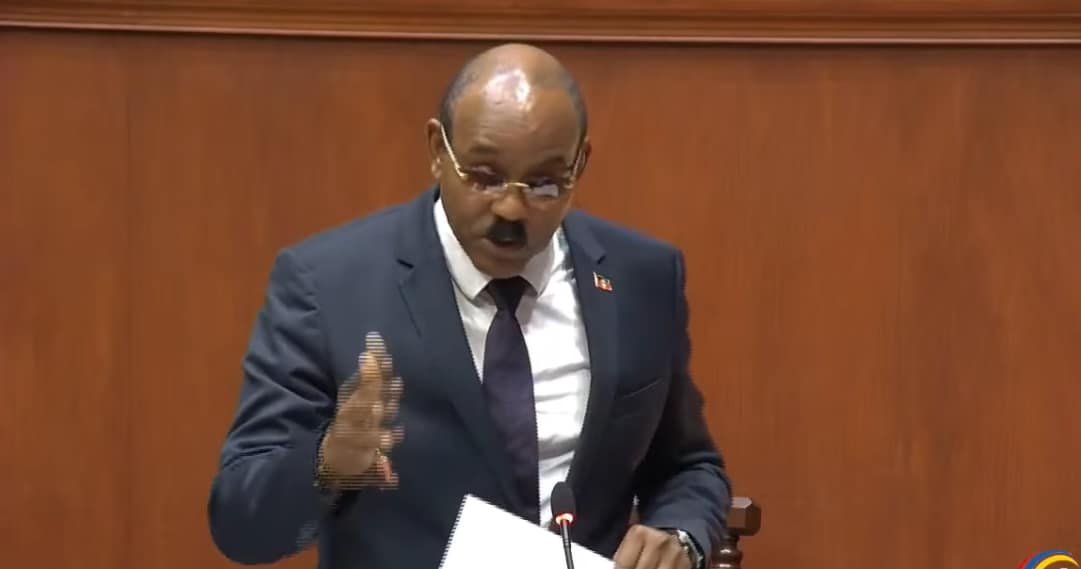
Antigua PM vows crackdown on corruption, warns even major donors at risk
In a bold declaration during a parliamentary session on Thursday, Prime Minister Gaston Browne of Antigua and Barbuda announced a stringent zero-tolerance policy towards corruption, even if it implicates influential business supporters. Addressing the Lower House, Browne emphasized that his administration is committed to eradicating malfeasance within state agencies and revenue departments, regardless of the political or financial clout of those involved. He underscored the importance of safeguarding public revenue to ensure it directly benefits the populace, signaling an end to under-the-table deals and revenue leakage that have plagued previous governments. Browne’s statement, ‘The time for leniency is over,’ reflects his determination to restore public confidence and ensure that government funds are utilized in the national interest. He also acknowledged that some of the individuals implicated in corruption are significant campaign contributors but affirmed that his government is prepared to make sacrifices to uphold integrity and transparency.