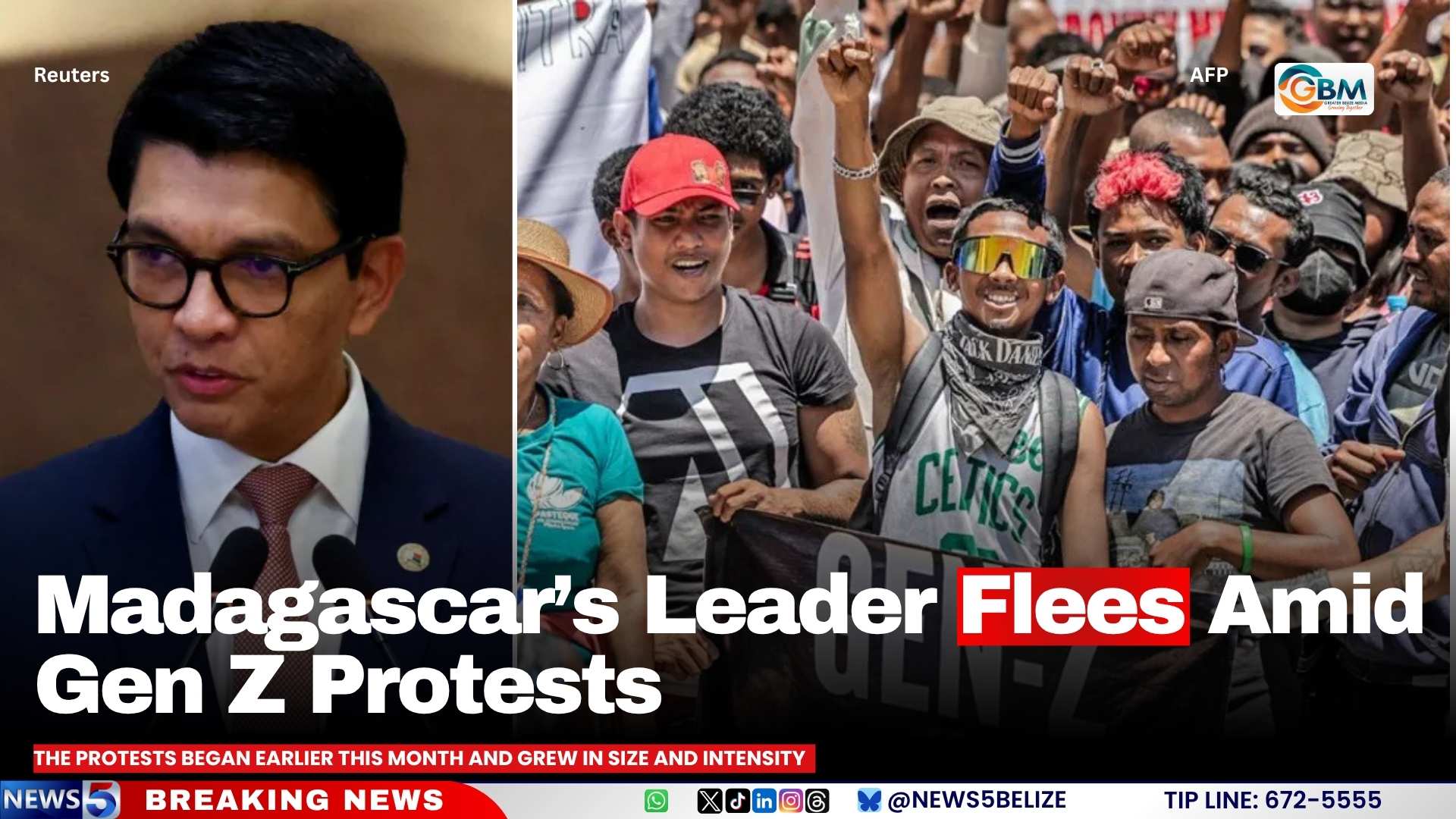
Madagascar has witnessed a dramatic political transformation as Colonel Michael Randrianirina assumed the presidency following a military intervention that ousted former President Andry Rajoelina. The change in leadership comes after weeks of escalating protests led by the country’s youth, who demanded urgent action on pressing issues such as unemployment, inflation, and systemic corruption. Social media platforms were instrumental in rallying support and amplifying the voices of dissent. During his swearing-in ceremony, Randrianirina hailed the protesters as catalysts for change and vowed to implement sweeping reforms, including drafting a new constitution, revising electoral processes, and investigating the mismanagement of the state-owned utility company. He also committed to forming an interim government and organizing elections within two years. The Constitutional Court defended the transition, attributing the crisis to constitutional deficiencies rather than labeling it a coup. Additionally, Randrianirina signaled a shift in foreign policy by engaging in discussions with Russian officials to explore enhanced bilateral cooperation.
分类: politics
-
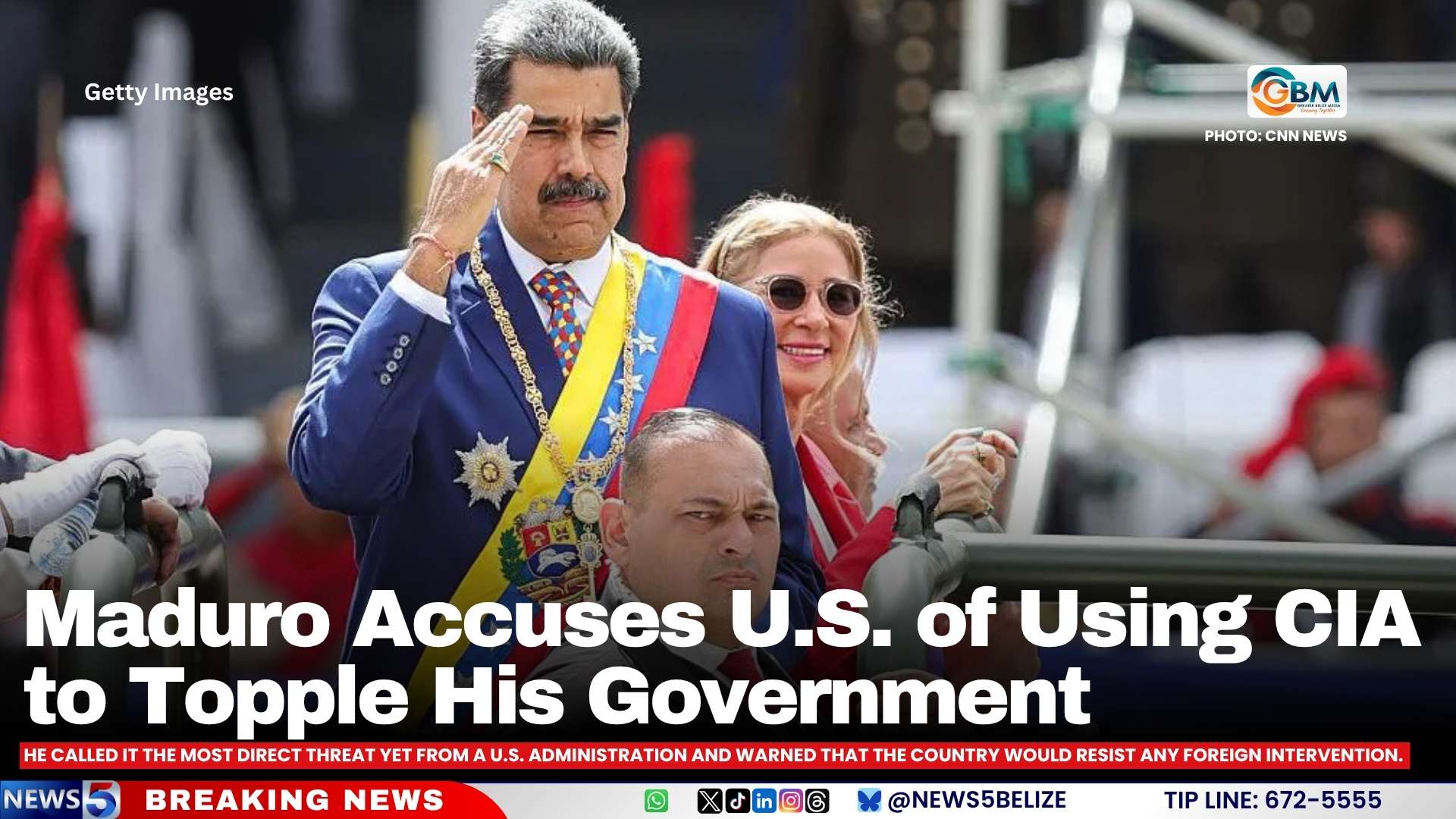
Maduro Accuses U.S. of Using CIA to Topple His Government
Venezuelan President Nicolas Maduro has publicly accused the United States of orchestrating a covert operation to destabilize his government. Speaking at a rally in Caracas on Thursday, Maduro claimed that the Central Intelligence Agency (CIA) has been deployed to Venezuela under the pretext of combating drug trafficking, but with the true objective of regime change. This assertion follows U.S. President Donald Trump’s acknowledgment of CIA activities in the region.
Maduro described this as the most explicit threat from a U.S. administration to date, vowing that Venezuela would resist any foreign intervention. He alleged that the CIA has been actively undermining Venezuela for over two decades, supporting coups across Latin America. Maduro also accused Washington of employing psychological tactics to sow division and fear among Venezuelans, while emphasizing the unity of the country’s leadership and citizens.
Furthermore, Maduro suggested that Venezuela’s abundant natural resources, including oil, gas, and gold, are the primary drivers of U.S. interference. He framed the situation as part of a broader pattern of U.S. interventionism in the region, aimed at securing economic and geopolitical advantages.
The Venezuelan president’s remarks have escalated tensions between the two nations, raising concerns about the potential for further destabilization in the region. This development comes amid ongoing economic and political challenges in Venezuela, which has been grappling with hyperinflation, shortages, and international sanctions.
-

Ministry of Foreign Affairs hosts 3rd Immigration Symposium
On Thursday, 16 October 2025, Grenada’s Ministry of Foreign Affairs, Trade and Export Development hosted the third edition of its Immigration Symposium series. The event, themed ‘How can Grenada maximise revenue collection under the current immigration regime, without compromising its tourism product?’, aimed to foster a national dialogue on immigration reform. Key stakeholders from the immigration and travel sectors, including representatives from the Department of Home Affairs, the Ministry of Legal Affairs, Grenada Airports Authority, Immigration Department, and Grenada’s overseas missions and consulates, gathered to explore innovative policy reforms, operational efficiency, and sustainable revenue generation. Discussions centered on optimizing immigration procedures, enhancing visitor experiences, generational citizenships, and identifying new revenue streams aligned with Grenada’s commitment to a vibrant tourism sector. This symposium built on the outcomes of previous sessions held in April and July 2025, which focused on aligning immigration and border-related policies with national development goals, particularly in ports, maritime economy, customs modernization, and institutional interlinkages. The event also addressed structural limitations at Grenada’s ports and the growing need for digital transformation in border management. Stakeholders explored opportunities for public-private partnerships (PPPs), climate-smart strategies, and technological solutions to modernize customs and immigration systems. The symposium reaffirmed the commitment to cross-ministerial collaboration and compliance with relevant laws, as part of Grenada’s broader effort to modernize its immigration systems while safeguarding its tourism sector.
-
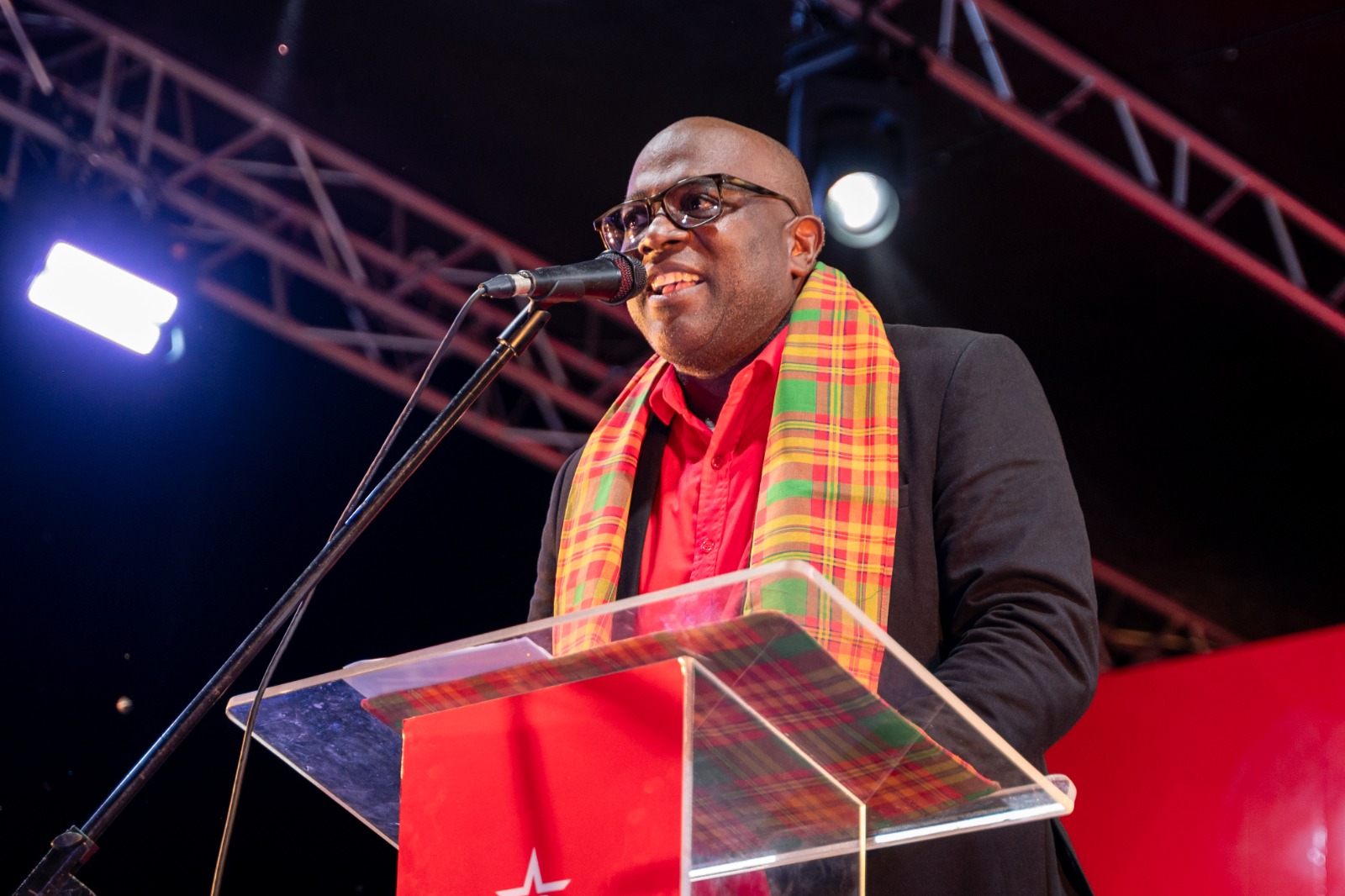
Estephane says he’s ‘for all’ as SLP candidate for Babonneau
The Saint Lucia Labour Party (SLP) officially introduced John Paul Estephane as its candidate for the Babonneau constituency during a vibrant event held at the Caribbean Cinemas Parking Lot last weekend. Supporters from all 17 constituencies gathered to witness the launch, signaling strong party unity ahead of the next general election. Estephane, who will contest the seat currently held by Dr. Virginia Albert-Poyotte, represents the SLP’s strategy to infuse fresh talent while upholding its commitment to community-focused leadership. In his address on October 12, Estephane expressed profound gratitude for the trust bestowed upon him and vowed to lead with inclusivity and unity. He declared, ‘My people of Babonneau, it is with great humility and gratitude that I accept your endorsement to contest the next election for the Saint Lucia Labour Party and serve as your parliamentary representative.’ Echoing his campaign slogan, ‘Everyone included, everyone empowered — John Paul for all,’ Estephane highlighted his humble beginnings in Des Barras, emphasizing his journey as a testament to the resilience of ordinary Saint Lucians. He outlined key initiatives aimed at improving local livelihoods, including the creation of a vendor’s market to support farmers and small producers, the establishment of an Early Childhood Education Centre to tackle absenteeism, and the enhancement of sporting facilities for youth development. Estephane also pledged to continue the work initiated by Dr. Albert-Poyotte, particularly in housing and land access, aligning with the Prime Minister’s policies. Framing the upcoming election as a pivotal choice between progress and regression, Estephane urged supporters to remain steadfast, stating, ‘This election is about staying with a Saint Lucia Labour Party that has brought benefits to every sector of this society… We cannot go back, we won’t go back. We are moving forward.’ His endorsement adds significant momentum to the SLP’s ongoing campaign as the party continues its series of candidate launches across Saint Lucia.
-
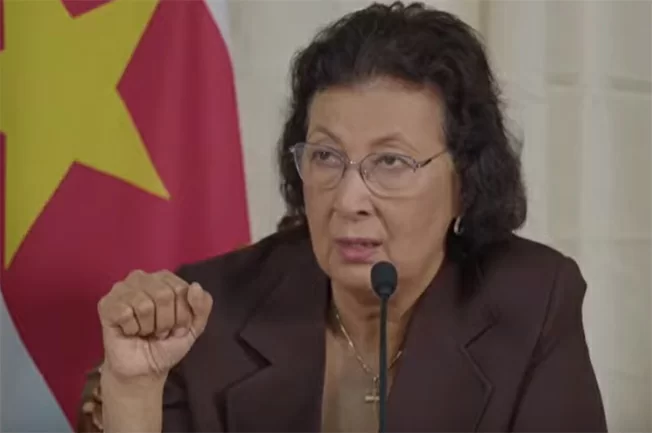
Regering werkt aan schuldenverlichting, meer inkomsten en klimaatfinanciering
President Jennifer Simons delivered a comprehensive update on the government’s agenda and priorities during a press conference on Friday. Emphasizing the administration’s focus on reducing the national debt, increasing state revenues, and bolstering key sectors such as agriculture, tourism, and climate policy, Simons outlined a roadmap for the coming months. She highlighted efforts to narrow the budget deficit relative to GDP, stating, ‘We are collaborating with various sectors to explore ways to enhance state revenues. While challenging, improvements in tax collection and customs efficiency are beginning to yield results.’ Simons assured that these measures would not impose additional burdens on citizens but rather optimize the collection of existing taxes like VAT and customs duties.
To enhance transparency and efficiency, audits are being conducted across state-owned enterprises. Additionally, task forces for tourism and agriculture will be formally established in the coming weeks, with the goal of elevating both sectors to higher productivity levels within two years. ‘These task forces will engage with the president, ministers, and the private sector to achieve their objectives,’ Simons explained. She also announced initiatives to stabilize the prices of essential goods, ensuring affordability through a transparent pricing system.
A significant portion of the president’s address focused on climate financing and forest conservation. Simons cautioned that international climate funds often consist of commercial loans that offer limited benefits to developing nations. ‘We aim to preserve our forests, but this requires adequate compensation,’ she stated. She referenced discussions with carbon-negative countries like Bhutan and Panama, as well as climate-neutral Madagascar, to explore opportunities such as debt-for-nature swaps and carbon credits. However, Simons stressed the need for caution, advising, ‘Countries must carefully evaluate agreements labeled as climate financing. Not all proposals are advantageous for forest-rich nations.’ The government is committed to ensuring that international resources directly benefit inland communities, demonstrating the tangible advantages of forest conservation.
-
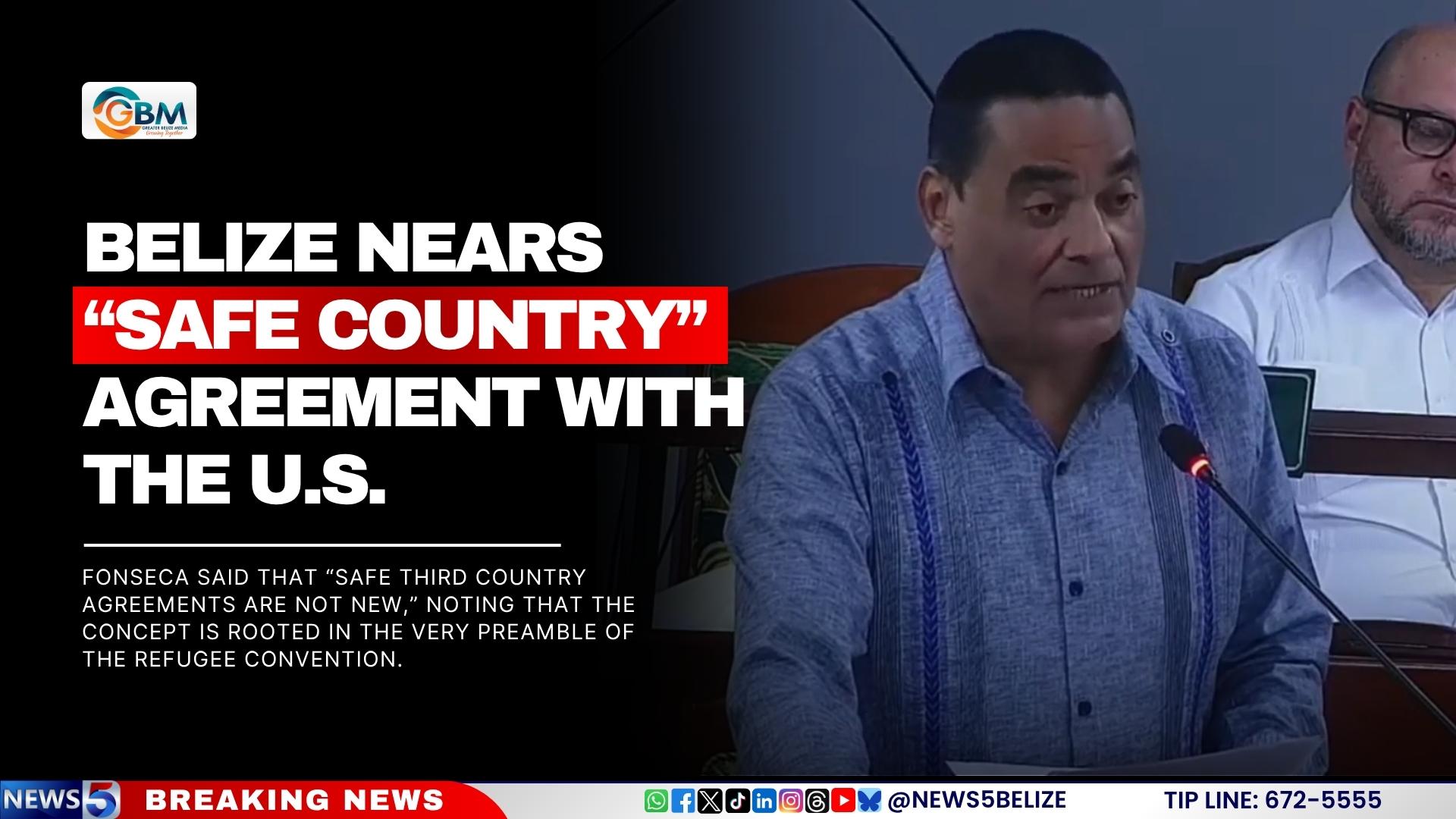
Belize Nears “Safe Country” Agreement with the U.S.
Belize is on the brink of finalizing a significant migration agreement with the United States, known as the ‘Safe Third Country Agreement.’ Foreign Minister Francis Fonseca announced that the negotiations are nearing completion, emphasizing that the deal aims to balance Belize’s sovereignty with its humanitarian commitments. Speaking in the House of Representatives, Fonseca addressed concerns and misinformation surrounding the agreement, clarifying its purpose and legal framework. He highlighted Belize’s long-standing adherence to the 1951 UN Refugee Convention and its reputation as a leader in migration and refugee management. The agreement, which includes strict safeguards, would allow the U.S. to transfer asylum seekers to Belize for claim determination under controlled conditions. These safeguards include veto power over transfers, nationality restrictions, annual caps, and considerations of criminal records and professional skills. The deal, initially set for two years, can be suspended or terminated by either party with written notice. Fonseca also noted that the U.S. will provide financial and technical support to strengthen Belize’s asylum system. However, the agreement requires ratification by the Belizean Senate before it can take effect, ensuring compliance with domestic legal procedures. Fonseca stressed that the agreement’s activation will follow detailed implementation planning and will only be used if necessary. He concluded by affirming Belize’s commitment to international law, cooperation with the U.S., and the protection of persecuted individuals, reflecting both compassion and pragmatism.
-

Hof beslist: Vervolging Hoefdraad rechtmatig
The Court of Justice in Suriname has ruled that the 2020 decision by the National Assembly (DNA) to place former Minister Gillmore Hoefdraad under formal accusation was lawful. This decision, made after nearly five years of legal battles, renders Hoefdraad’s civil lawsuit against the State, the National Assembly, and the Public Prosecution Service (OM) inadmissible. Hoefdraad, who remains a fugitive, had contested his prosecution, which stemmed from his alleged involvement in the high-profile case concerning the Central Bank of Suriname (CBvS).
Hoefdraad and his legal team argued that the National Assembly’s decision was unlawful, as the parliament, then led by Jennifer Simons, had previously decided not to prosecute him during the second term of the NDP government. However, following the May 2020 elections, then Attorney General Roy Baidjnath Panday resubmitted a request to prosecute Hoefdraad. The new parliament, led by Marinus Bee and comprising a coalition of VHP, ABOP, NPS, and Pertjajah Luhur, approved the prosecution. Hoefdraad claimed this decision was politically influenced, asserting that the parliament could not revisit a prior decision unless new evidence emerged—a condition not met in this case.
In 2023, Hoefdraad was convicted in absentia, alongside other key figures, including former CBvS Governor Robert van Trikt and legal director Faranaaz Hausil. All defendants appealed their convictions, while Hoefdraad continued his civil case to challenge the legitimacy of his prosecution. The court handling the criminal appeal has completed its investigation but awaits the outcome of this civil case, which has been delayed multiple times.
Hoefdraad’s lawyer, Murwin Dubois, argued that a favorable ruling in the civil case could have impacted the criminal proceedings. Notably, Interpol refused to extradite Hoefdraad to Suriname, removing him from its wanted list and barring Suriname from using its channels, citing the prosecution as politically motivated. With the Court’s ruling affirming the legitimacy of the prosecution, the path is now clear for a final verdict in the criminal appeal.
-
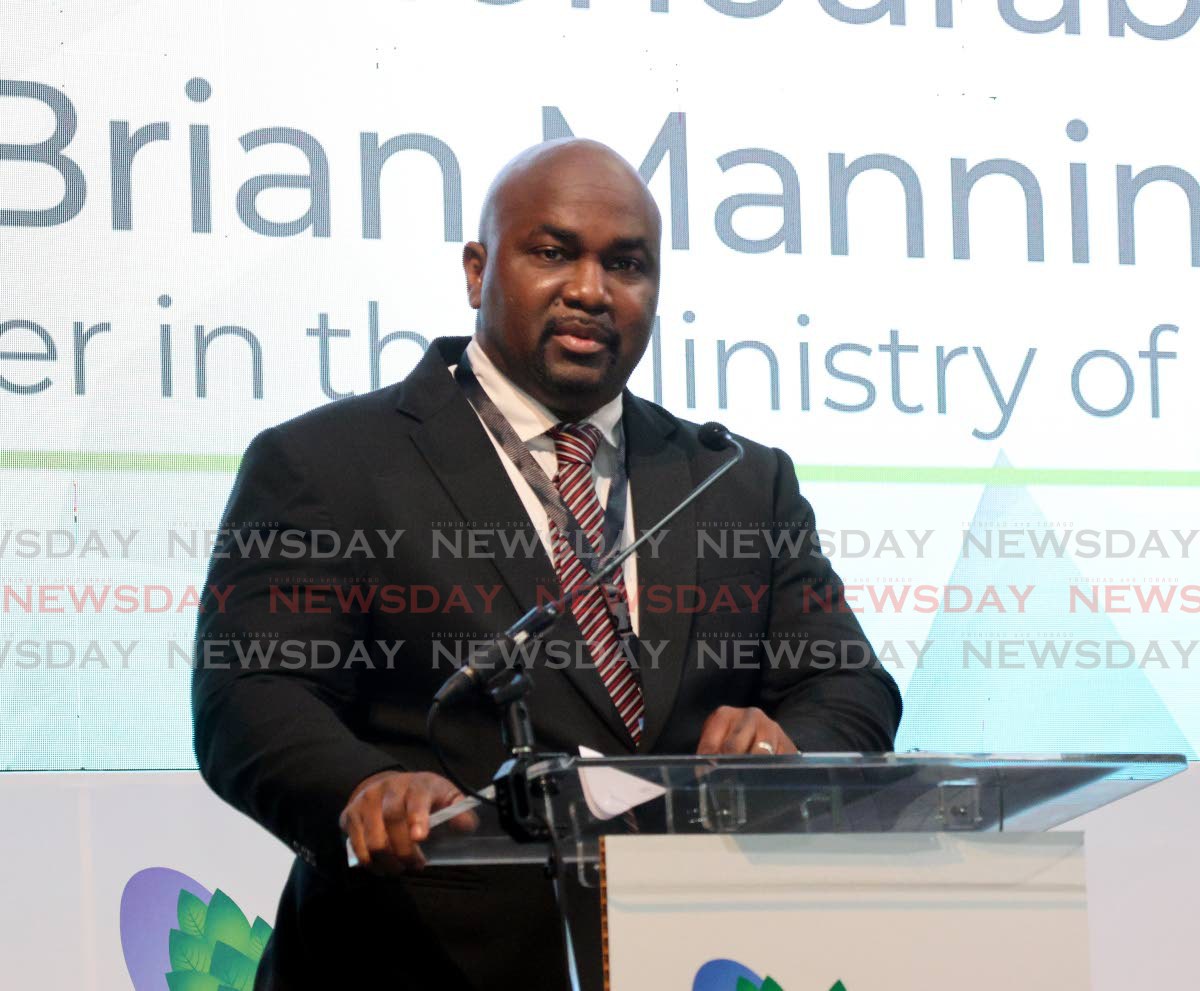
Manning: Taxes will be passed on to consumers
San Fernando East MP Brian Manning has voiced strong opposition to the new taxes and tax increases proposed in the recent budget, arguing that they will negatively impact businesses and ultimately burden ordinary consumers. Speaking in the House of Representatives on October 17, Manning highlighted several measures, including the bank/insurance levy, container-processing fee increase, landlord surcharge, LPG price hike, and single-use plastic tax, as particularly harmful. He criticized Finance Minister Davendranath Tancoo, whom he mockingly referred to as ‘Taxcoo,’ and labeled the budget as ‘fake and fraudulent.’ Manning also accused trade union leaders of prioritizing their own interests over their members’ welfare, aligning with the UNC in what he termed a ‘coalition of chaos and confusion.’ Manning further criticized the 0.25% levy on banks and insurance companies, which aims to raise $575 million annually, arguing that it would increase banking fees and overall costs for the public. He also condemned the landlord surcharge, equating it to a property tax, and questioned the $2,500 registration fee. Additionally, Manning criticized the electricity surcharge for commercial and industrial clients, the 100% hike in container processing fees, and the rise in excise duties on alcoholic drinks, which he said would drive up consumer prices. He also slammed the proposed $15,000 penalty for dangerous driving, calling it ‘blood money,’ and criticized the taxes on single-use plastics and electric vehicles. Manning concluded by questioning the government’s commitment to the Pointe-a-Pierre refinery and sarcastically endorsing the proposed Real Estate Investment Trust (REIT).
-
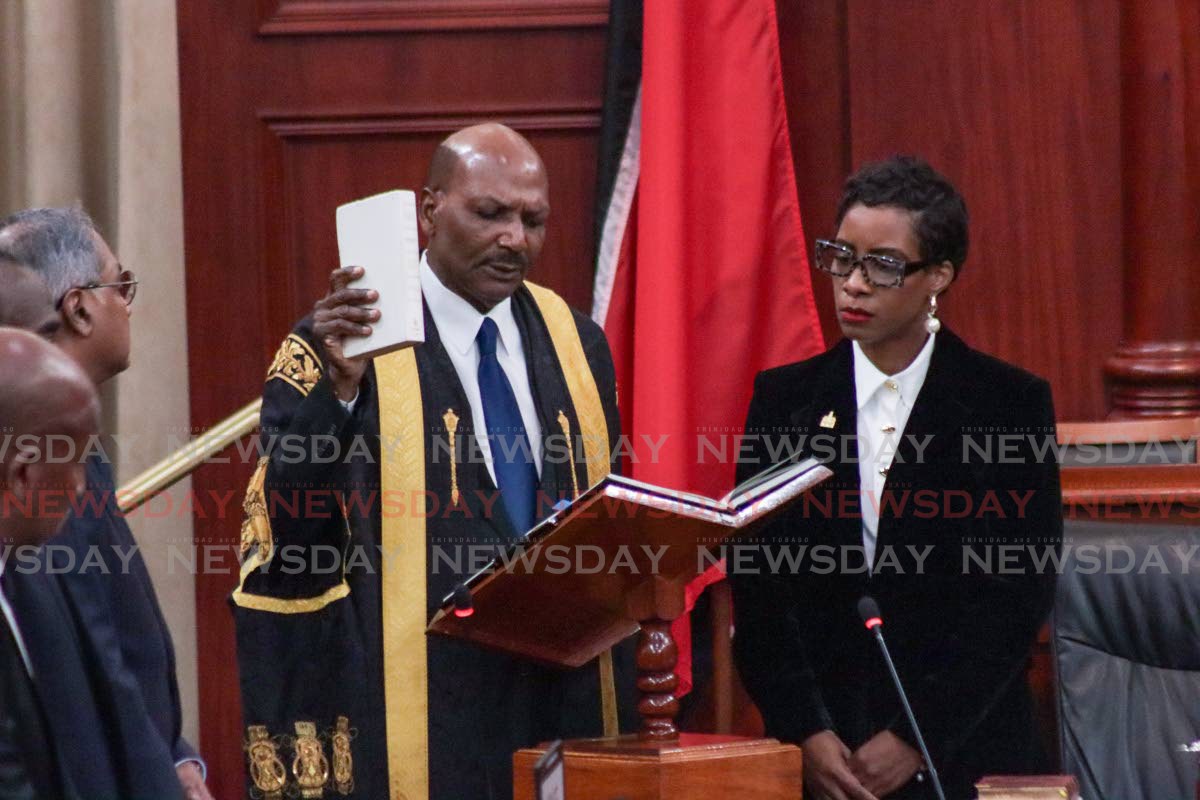
Wade Mark appointed as acting president
In a significant political development, Senate President Wade Mark has been appointed as the acting head of State for the Republic, stepping in for President Christine Kangaloo during her absence abroad. The confirmation of this appointment was officially communicated via a text message from President’s House on October 18. The message stated, ‘Yes. He was sworn in and will serve as acting President while Her Excellency is out of the country.’ However, the duration of his acting presidency remains unspecified. Mark, who was previously sworn in as Senate President on May 23, now takes on this crucial interim role, ensuring the continuity of governance in the absence of the President.
-

Opposition leader: UNC silent on refinery
Opposition Leader Pennelope Beckles has criticized the United National Congress (UNC) for its silence on its campaign pledge to restart the former Petrotrin refinery in Pointe-a-Pierre, suggesting the party has realized it cannot deliver on this promise. Beckles made these remarks during her contribution to the 2025/2026 budget debate in the House of Representatives on October 17. She highlighted the absence of any mention of the refinery in Finance Minister Davendranath Tancoo’s budget presentation on October 13, contrasting it with the firm agreement in place when the People’s National Movement (PNM) left office after the April 28 general election. Beckles accused the UNC of misleading voters during the election by promoting false hopes of new jobs and foreign exchange revenues from the refinery’s revival. She emphasized that the PNM had made significant progress in restarting the refinery through a competitive evaluation process, which led to the selection of Nigerian company Oando Trading DMCC to lease and operate the facility. Beckles noted that this approach ensured no taxpayer burden and provided a structured path forward. However, she claimed the UNC scrapped this process without building on the PNM’s groundwork. Beckles also referenced a committee formed to explore the refinery’s feasibility, which reportedly admitted to minimal progress due to high capital costs and financial uncertainties. She criticized Minister Ernesto Kesar for prematurely claiming the refinery was ready to restart, warning the government against bypassing procurement laws. Beckles vowed to monitor the situation closely, emphasizing the legal consequences of breaching the Procurement and Disposal of Public Property Act. The refinery’s potential restart has been a contentious issue since the PNM’s 2024/2025 budget statement, which shortlisted three companies, including Oando, for the lease.