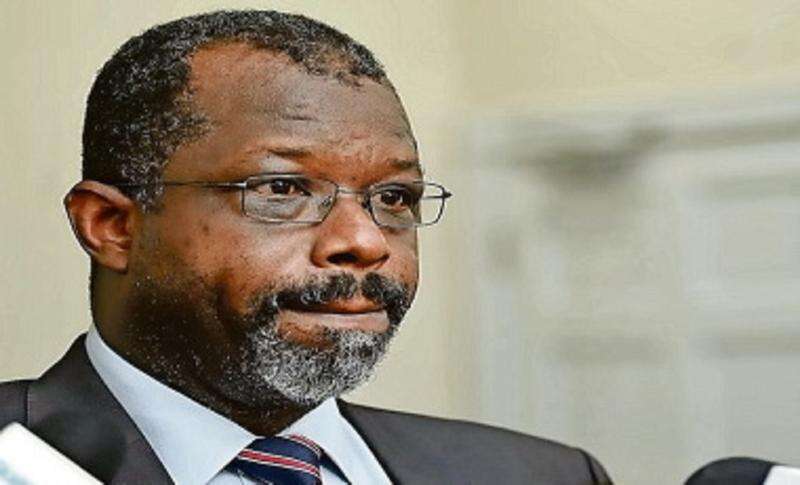
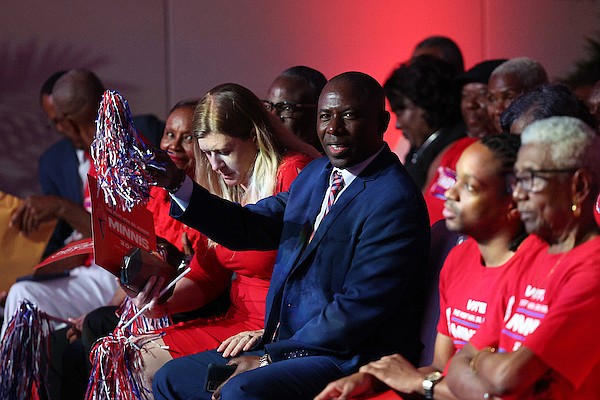
NASSAU, Bahamas (CMC) – In light of the United States’ escalating military presence in the Caribbean as part of its campaign against alleged drug traffickers from Venezuela, Bahamian National Security Minister Wayne Munroe has issued a stern warning to citizens. Munroe advised Bahamians to steer clear of ‘go fast boats’ departing from Venezuela, emphasizing the potential dangers posed by the US operations. While the Bahamas does not intend to mirror the US military actions, Munroe stressed the importance of avoiding any involvement that could lead to unintended consequences.
分类: politics
-
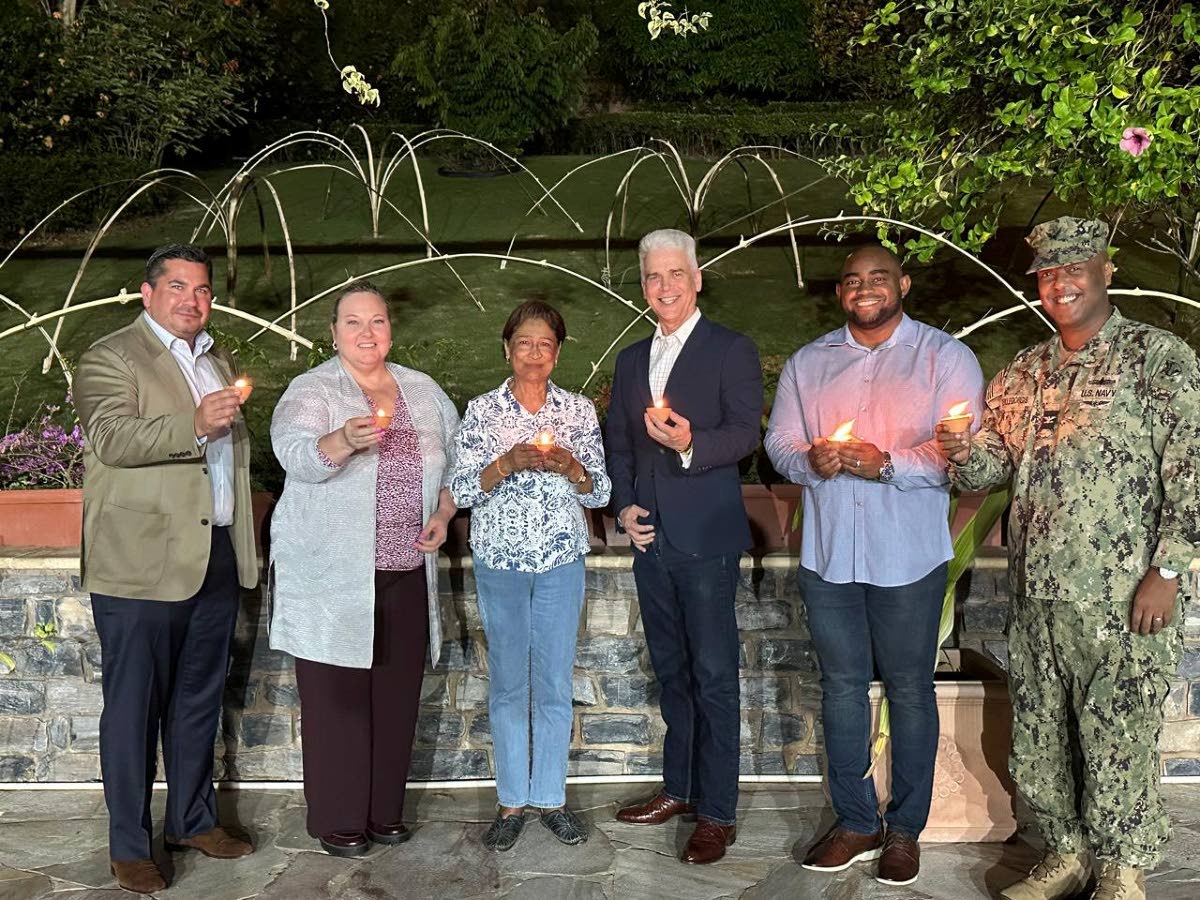
Trinidad and Tobago stands firm with US on regional security
The government of Trinidad and Tobago (TT) has publicly diverged from Caricom’s collective stance on maintaining the Caribbean as a zone of peace, opting instead to support the United States’ military intervention in the region. This decision, announced on October 19, follows Caricom’s October 18 statement reaffirming the principle of regional peace, which noted TT’s reservation on the matter. The Caricom statement emphasized dialogue and international cooperation to combat narco-trafficking and illegal arms trade, while TT’s government expressed unwavering support for US-led operations aimed at curbing transnational crime. Prime Minister Kamla Persad-Bissessar has consistently endorsed US military presence in the southern Caribbean, citing the threat posed by criminal organizations. International relations experts have criticized TT’s stance, with some describing it as a setback for Caricom’s integration efforts. Meanwhile, the US has intensified its anti-narcotics operations, recently targeting a vessel allegedly linked to Colombia’s National Liberation Army (ELN), a group classified as a terrorist organization. The incident has raised concerns about regional stability and the potential for collateral damage in the ongoing US-Venezuela tensions.
-
Cayman Islands releases sweeping immigration reform bill
The Cayman Islands Government has unveiled a comprehensive set of proposed amendments to its immigration laws, marking a pivotal moment in the nation’s policy framework. The reforms, now open for public consultation until mid-November, aim to realign the immigration system with the priorities of Caymanians while maintaining the islands’ competitiveness and social cohesion. Among the key changes is the extension of the residency requirement for spouses or civil partners of Caymanians or permanent residents from 15 to 20 years before they can apply for naturalization or permanent residency. Additionally, the amendments introduce stricter measures for work-permit holders, including a two-year restriction on changing employers and a mandatory one-year departure from the islands before reapplying for a permit. The bill also imposes annual declaration requirements for individuals granted Caymanian status, with non-compliance potentially leading to revocation. Other notable changes include age limits for specialist caregiver certificates and financial standing requirements for surviving spouses or civil partners with dependents. Minister for Caymanian Employment and Immigration Michael Myles emphasized the importance of public consultation in crafting a fair and transparent immigration system that reflects the needs and aspirations of the Caymanian people.
-
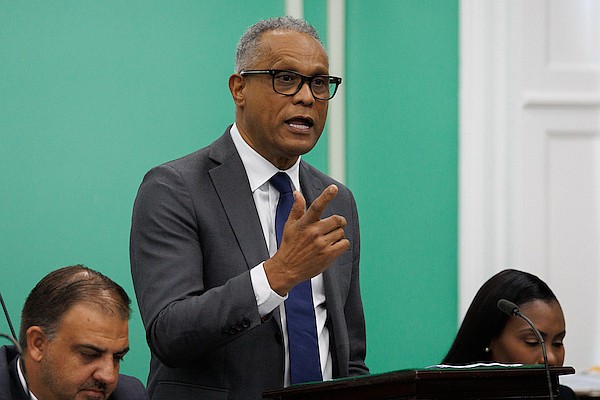
Darville: Cuban health workers’ direct hiring awaits US approval
The Davis administration in The Bahamas is currently awaiting approval from the United States regarding its proposal to directly hire Cuban healthcare professionals. Health and Wellness Minister Dr. Michael Darville reassured the public that these foreign workers are not in a state of uncertainty but continue to contribute to the country’s healthcare system. Last month, the government submitted a draft contract to US officials as part of ongoing negotiations. While a response is still pending, Dr. Darville expressed optimism that clarity would emerge within the next two weeks, emphasizing the urgency to resolve the matter swiftly. The proposed contract, described as standard, includes a significant change: Cuban professionals will now have the autonomy to arrange their own accommodations, offering them greater freedom in their living arrangements. This shift comes after US officials warned The Bahamas against participating in Cuba’s labor export program, which they argued constituted forced labor. A leaked 2022 contract revealed that while The Bahamas paid up to $12,000 monthly per Cuban doctor, the doctors themselves received only $990 to $1,200, with the remainder going to Cuba’s state-run agency. In June, Dr. Darville announced plans to hire Cuban healthcare workers directly, bypassing intermediaries, and indicated that existing contracts could be terminated if new terms were not accepted. The US has commended The Bahamas’ efforts to reform the system, viewing it as a positive development.
-
Ex-FNM MP Wells plans to run as independent
Renward Wells, former Member of Parliament for Bamboo Town and a once-prominent figure in the Free National Movement (FNM), has announced his intention to run as an independent candidate in the next general election. This decision follows his exclusion from the FNM’s nomination process, which had previously sparked significant discontent within the constituency association. Wells’ independent candidacy raises questions about its potential impact on the FNM’s voter base and the possibility of vote-splitting in the upcoming election. Meanwhile, FNM Chairman Dr. Duane Sands is reportedly considering a nomination for Bamboo Town, a constituency he has contested unsuccessfully on multiple occasions. Wells, who served as Minister of Transport and later Minister of Health under the Minnis administration, has remained active in the constituency since his defeat in the 2021 election. In a May interview with The Tribune, Wells emphasized his extensive political experience and contributions as a Cabinet minister and leader of government business. The political landscape continues to evolve as former Prime Minister Dr. Hubert Minnis also prepares to contest the Killarney constituency, though his affiliation remains unspecified.
-
Estephane, Preville: Fresh faces, high stakes in Babonneau’s election
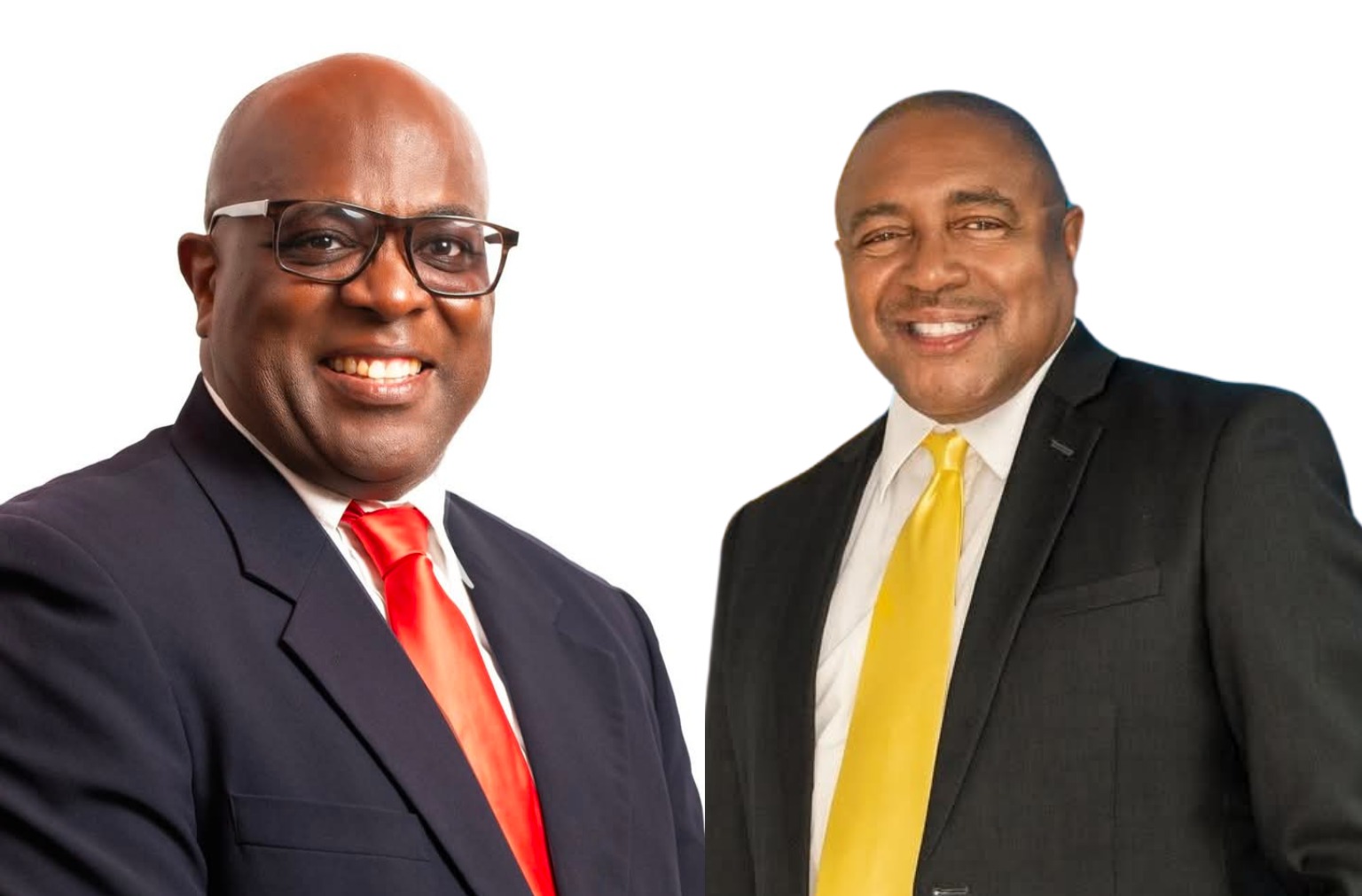
The Babonneau constituency is poised for significant transformation as it edges closer to achieving township status. With a series of economic and social developments on the horizon, the area is set to witness a potential political shake-up in the forthcoming general elections. The constituency, known for its pivotal role in recent electoral cycles, has historically oscillated between major political parties, making this election particularly noteworthy.
-

VIDEO: 30 vehicles returned to car dealerships last week, PM confirms
In a decisive move to uphold government integrity, Prime Minister Gaston Browne has ordered the return of more than 30 vehicles that were improperly acquired in violation of established policies. The vehicles, which were reportedly distributed to individuals without proper authorization, have sparked widespread criticism and raised concerns about accountability within the administration. PM Browne emphasized that the dealers involved in the transactions were fully aware of their culpability, stating, ‘They knew they were breaching the rules, and this will not be tolerated.’ The incident has prompted a broader review of procurement processes and stricter enforcement of compliance measures. This action underscores the government’s commitment to transparency and its determination to address systemic issues that undermine public trust. The move has been met with mixed reactions, with some applauding the PM’s firm stance while others call for further investigations into similar breaches.
-
Parmessar gekozen tot vicepresident van Grulac tijdens IPU-top in Genève
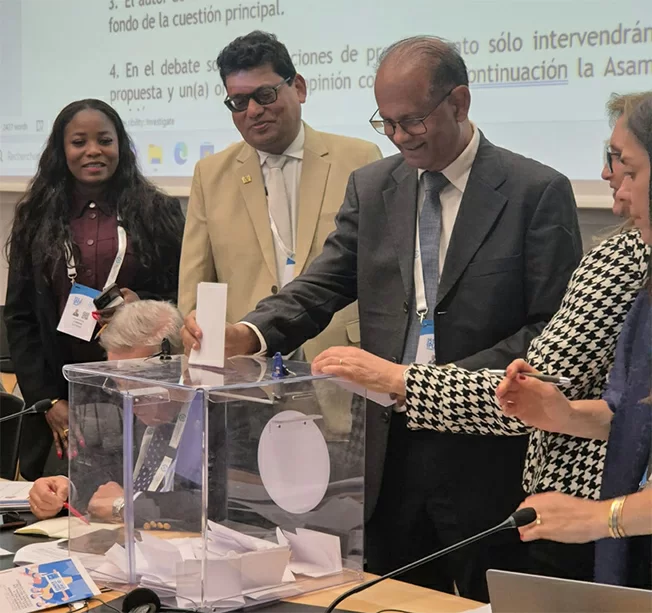
In a significant development for Suriname’s political representation on the global stage, Assembly Member Rabin Parmessar, leader of the National Democratic Party (NDP), has been elected Vice President of the Group of Latin America and the Caribbean (Grulac). The election took place on Saturday in Geneva, ahead of the 151st General Assembly of the Inter-Parliamentary Union (IPU). Parmessar’s election underscores Suriname’s growing influence within the regional bloc, which coordinates parliamentary strategies and represents Latin American and Caribbean nations in international forums.
-
Pers blijft rapporteren, maar buiten de muren van Pentagon
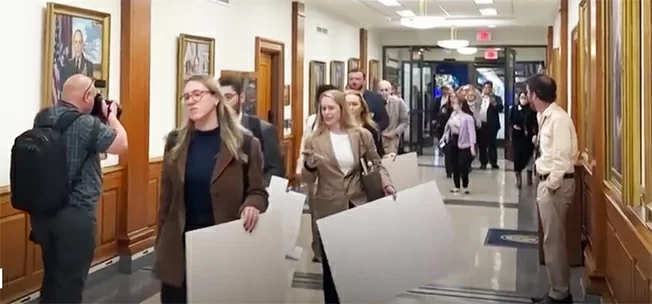
A significant portion of the American press corps has withdrawn from the Pentagon after journalists refused to comply with the Department of Defense’s new media regulations. The tightened rules prohibit journalists from publishing any information not officially pre-released by the department—even if it is not classified. Those who declined to sign the agreement lost their access passes as of October 15. Nearly all major U.S. news organizations, including CNN, ABC, The New York Times, Reuters, Associated Press, and even the typically conservative Fox News, have turned their backs on the Pentagon. Only a small minority, including some new right-wing media outlets, have formally agreed to the new terms. The rest have vacated their offices, cleared out TV studios, and surrendered their press passes. Despite the exodus, journalists emphasize that their departure does not mean an end to defense reporting. They will continue their work from editorial offices or external sources outside the Pentagon. Many reporters left the building in a symbolic procession, handing in their press passes and leaving behind empty desks. Media organizations have criticized the new rules as a ‘historically dangerous precedent,’ arguing that they bring the U.S. closer to controlled state communication. Critics warn that this makes the work of investigative journalists—who are tasked with exposing abuse of power and misconduct—nearly impossible. Trust in the transparency of the U.S. government and military accountability is under severe pressure. The Pentagon, however, maintains that the measures are necessary ‘for the safety of the troops and the national interest.’
-
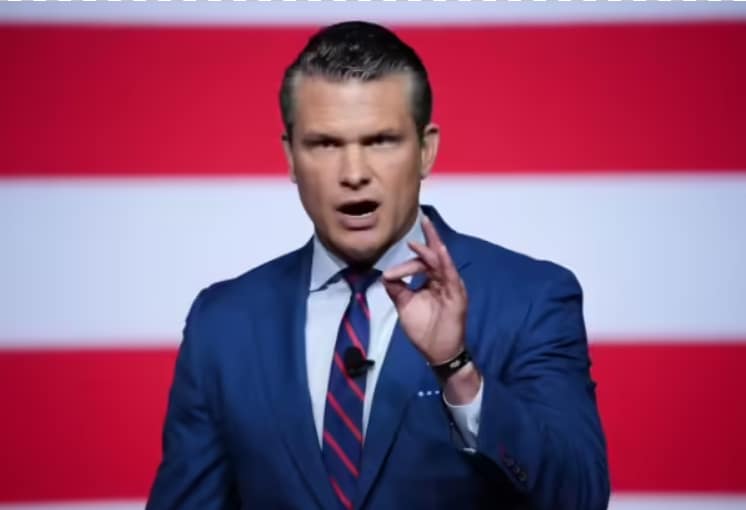
US conducts another strike on boat allegedly involved in drug trafficking in the Caribbean
In a significant escalation of its anti-drug trafficking efforts, the United States military conducted a targeted strike on a vessel in the Caribbean suspected of involvement in illegal narcotics trade. Defense Secretary Pete Hegseth announced the operation on Sunday, revealing that the strike occurred on Friday. According to Hegseth, the ship was linked to a Colombian terrorist organization and was found carrying substantial quantities of narcotics. The operation resulted in the deaths of three individuals aboard the vessel, with no reported casualties among US forces.
This strike marks the seventh in a series of recent US military actions against ships allegedly engaged in drug trafficking. Hegseth, in a post on X, likened the cartels to ‘the Al Qaeda of the Western Hemisphere,’ accusing them of using violence and terrorism to threaten national security and harm American citizens. He emphasized that the US military would treat these organizations as terrorists, vowing to ‘hunt and kill’ them.
The operation is part of the Trump administration’s increasingly aggressive stance against South American countries involved in drug smuggling. President Trump has recently authorized the CIA to operate in Venezuela and is reportedly considering military action within the country as part of a broader campaign to pressure Venezuelan President Nicolas Maduro. Additionally, Trump has publicly clashed with Colombian President Gustavo Petro, who accused the US of killing an innocent Colombian national during a previous strike. In response, Trump announced the cancellation of all US payments and subsidies to Colombia.
This latest strike underscores the administration’s commitment to combating drug trafficking but also highlights the growing tensions between the US and South American nations. The situation remains fluid, with further updates expected.