
In a unified statement issued on Thursday, October 23, 2025, ten former leaders of the Caribbean Community (CARICOM), including former Guyana President Donald Ramotar, urged for a reduction in military activities in the Caribbean Sea. The leaders emphasized the importance of maintaining the region as a ‘zone of peace’ and called for the utilization of the U.S.-Caribbean Shiprider Agreement to combat drug trafficking, rather than resorting to military force. The statement, also endorsed by former Jamaican Prime Minister Percival Patterson, highlighted concerns over the potential for conflict and collateral damage arising from the current military buildup, which includes over 10,000 U.S. troops, numerous aircraft, and naval vessels deployed in the region. The former leaders stressed that Caribbean nations have historically avoided hosting military assets to prevent entanglement in external conflicts. They advocated for adherence to international law and the peaceful resolution of disputes, reaffirming their commitment to regional sovereignty and the rule of law. The statement comes amid ongoing tensions, including allegations that U.S. military actions in the Caribbean are aimed at regime change in Venezuela. The former CARICOM leaders reiterated their support for dialogue and negotiation as the means to resolve conflicts, in line with the principles of the United Nations Charter.
分类: politics
-
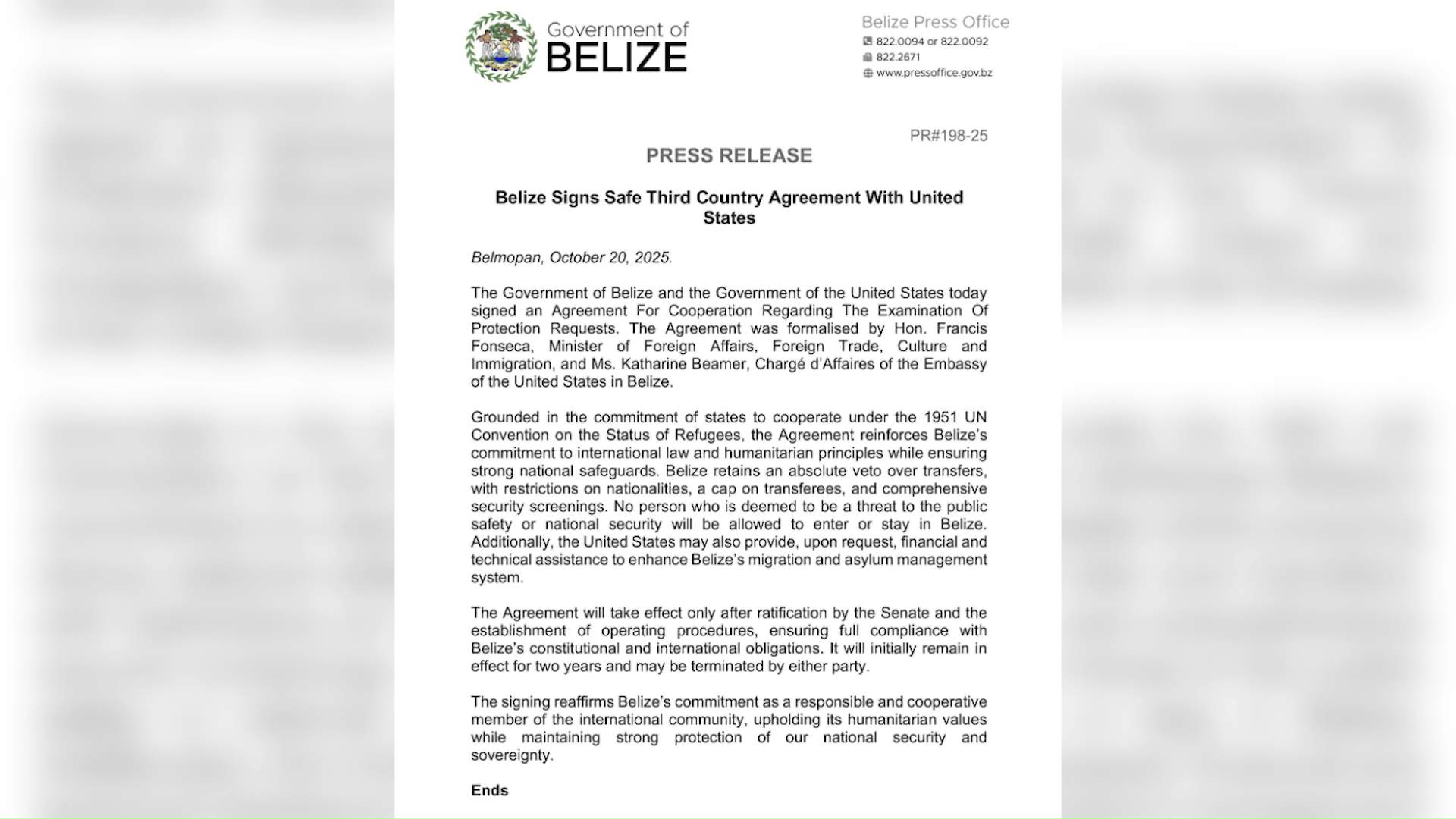
Two-Year Refugee Deal Raises Questions About Belize-U.S. Relations
A recently signed two-year agreement between Belize and the United States has ignited widespread debate over transparency, sovereignty, and the future of bilateral relations. The pact, finalized on October 20, 2025, by Belize’s Foreign Minister Francis Fonseca, aims to enhance refugee protections and facilitate safe transfers of third-country nationals seeking asylum in the U.S. However, the exclusion of Guatemalans and the lack of public consultation have raised eyebrows. Critics, including the United Democratic Party (UDP), have questioned the secrecy surrounding the deal, emphasizing its potential impact on Belize’s immigration policies, border security, and taxpayer burden. Opposition Leader Tracy Taegar-Panton highlighted the absence of parliamentary debate and full disclosure, calling it a concerning trend under the Briceno administration. While Belize values its longstanding diplomatic ties with the U.S., the opaque nature of this agreement has fueled skepticism about its broader implications for national sovereignty and social infrastructure.
-
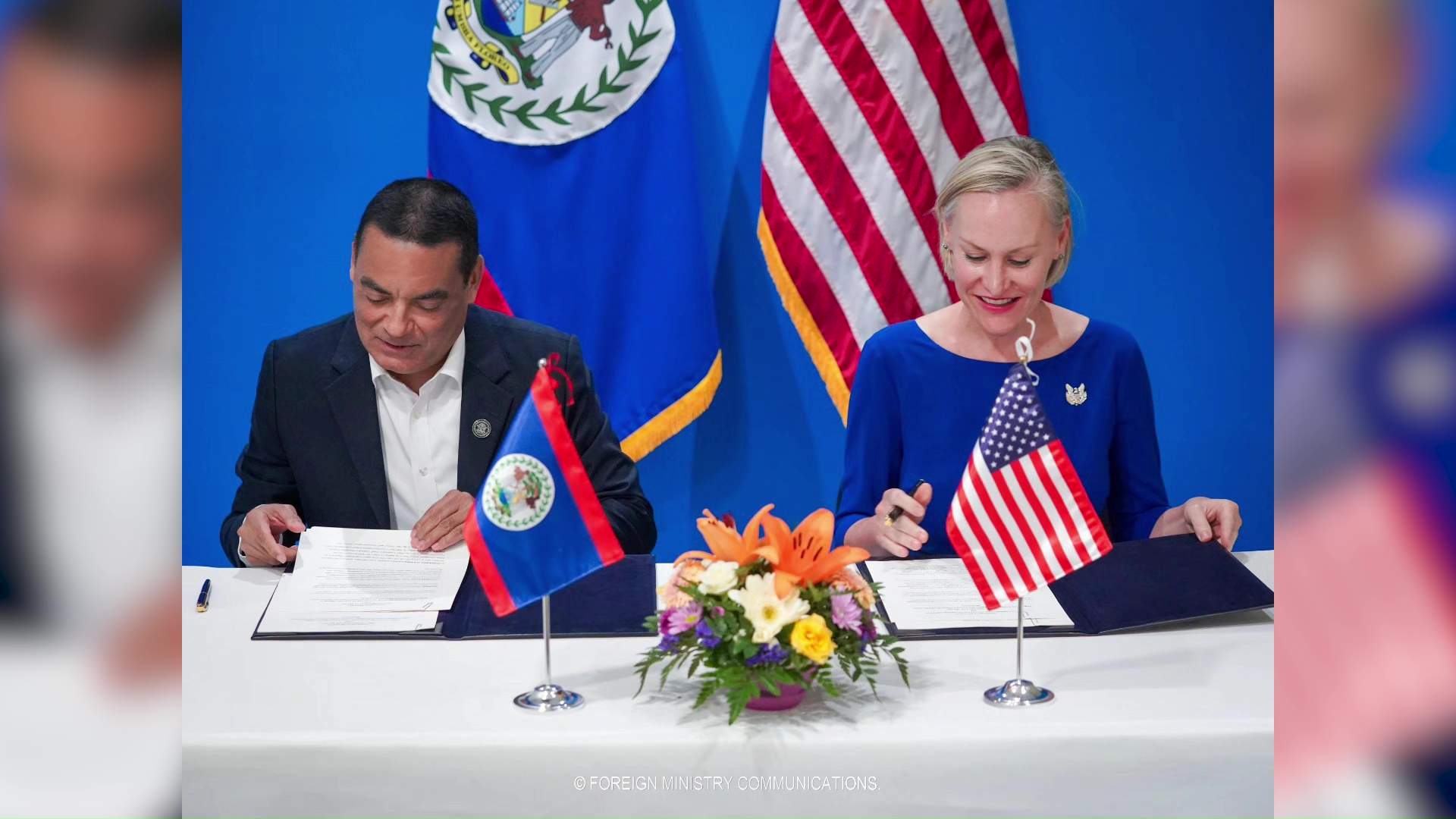
Will the Government Publicize the Safe Third Country Agreements
In a significant development, Belize and the United States have recently signed a two-year agreement aimed at providing a safe haven for refugees deported from the U.S. The deal, which excludes Guatemalans, targets nationals from Central America and the Caribbean. However, the agreement has sparked widespread debate, with critics raising concerns about its implications for Belize’s population and economy, particularly amid ongoing inflation challenges. Foreign Affairs Minister Francis Fonseca addressed these issues in a recent interview, emphasizing the transparency and procedural rigor of the agreement’s implementation. Fonseca confirmed that the agreement has been shared with the Senate for ratification and will require amendments to Belize’s domestic legislation, including the Refugees Act. He also highlighted the need for finalized operational procedures between Belize and the U.S. before the agreement can take effect. Importantly, Fonseca assured that the process would be open and transparent, with a cap of no more than ten refugees transferred to Belize annually. The agreement’s focus on Central American and Caribbean nationals, excluding Guatemala, underscores Belize’s strategic approach to managing refugee inflows while safeguarding its national interests.
-
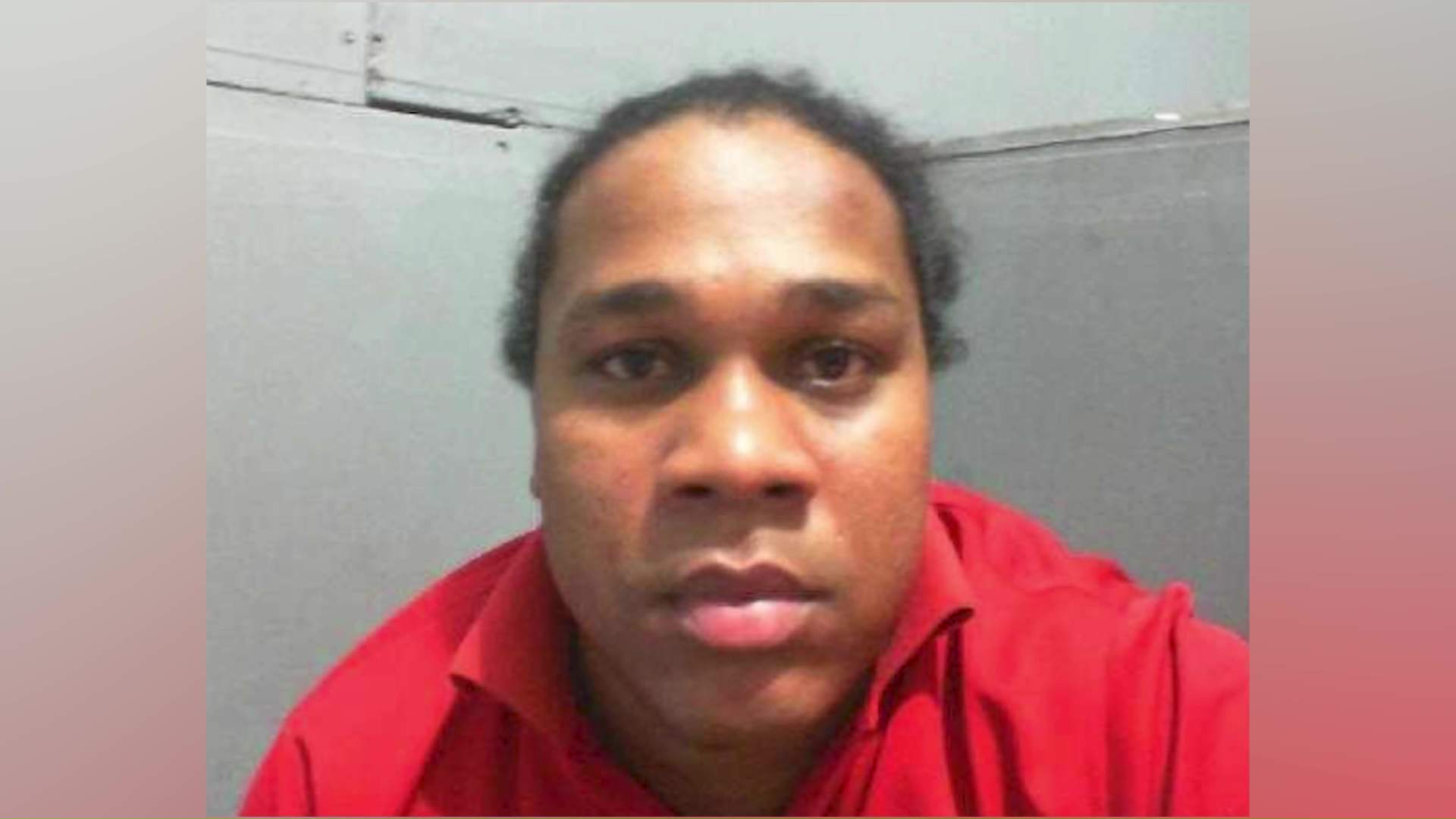
Calls Grow for Independent Budna Investigation
The United Democratic Party (UDP) is intensifying its call for an independent investigation into the controversial Joseph Budna case, which has sparked widespread concern over human rights violations in Belize. Opposition Leader Tracy Taegar-Panton has condemned the alleged beating, kidnapping, and subsequent handover of Budna to what she describes as ‘hostile territory,’ emphasizing that the issue transcends Budna’s personal history. Instead, she argues, it is about safeguarding the fundamental rights of Belizean citizens against potential government overreach. Taegar-Panton has accused the Briceno administration of deliberately avoiding accountability, suggesting that the government is relying on rising utility costs to divert public attention from the case. She has firmly stated that the UDP stands for the rule of law and insists that an independent probe is essential to uncover the truth. The opposition leader also clarified that her stance is not in defense of Budna’s alleged past actions but rather a broader call to protect citizens’ rights. As public pressure mounts, the question remains whether the government will heed these demands and initiate a formal investigation.
-
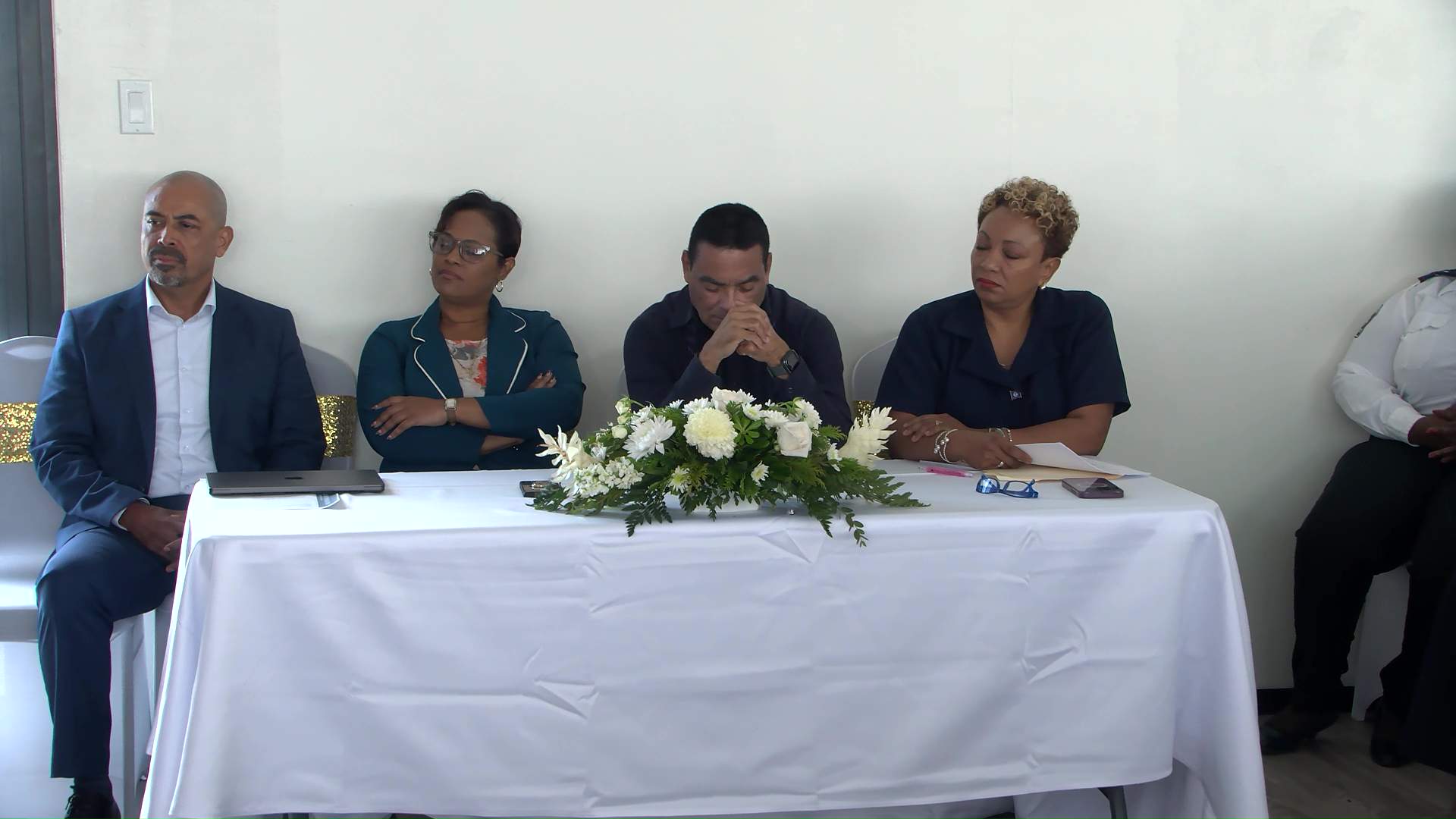
Immigration Proposes Strategic Plan to Improve Services
The Ministry of Immigration in Belize has taken a significant step toward addressing long-standing issues with its services by unveiling a comprehensive strategic plan. On October 23, 2025, the ministry hosted a stakeholder consultation in Belize City to present the draft plan, which aims to streamline processes, improve transparency, and enhance overall service delivery. The initiative, nearly a year in the making, involved extensive internal discussions with staff across regions, from Toledo to San Pedro and the Banque border. The plan focuses on key areas such as improving human resource performance, addressing service deficiencies, strengthening enforcement, and refining the refugee support system. Tanya Santos, CEO of the Ministry of Immigration, emphasized the importance of stakeholder input, inviting feedback from public and private sector partners, international organizations, civil society, and other government agencies. The consultation marks a pivotal moment in the ministry’s efforts to modernize and optimize its operations, with the goal of resolving persistent challenges faced by users of immigration services.
-
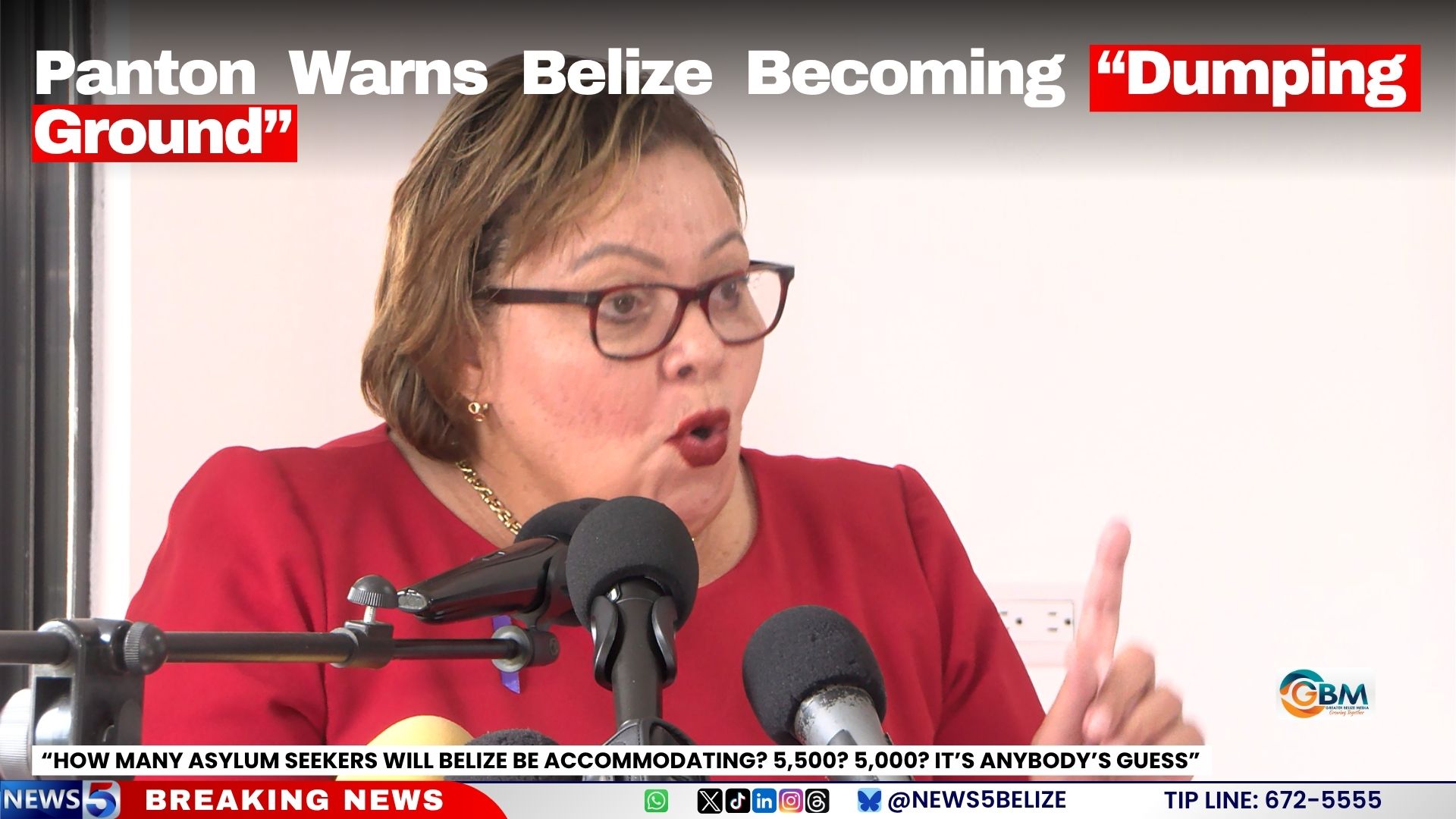
Panton Warns Belize Becoming “Dumping Ground”
In a scathing critique of the recently signed ‘Safe Third Country’ Agreement between Belize and the United States, Opposition Leader Tracy Panton has raised alarms over its potential consequences for Belize’s sovereignty and social infrastructure. Speaking at a UDP press conference on October 23, 2025, Panton condemned the lack of transparency surrounding the deal, which was signed on October 20 without public consultation or parliamentary debate. She described the secrecy as a troubling pattern of the Bricenio administration.
The agreement permits the U.S. to transfer asylum seekers from Central America (excluding Guatemala) and CARICOM nations to Belize for processing. While the Belizean government asserts it will retain full discretion over admissions and receive financial and technical support from the U.S., Panton questioned the absence of full disclosure. ‘The comprehensive text, including annexes, transitional arrangements, and cost-sharing commitments, remains undisclosed,’ she stated.
Panton also expressed concerns about Belize’s capacity to handle the influx of asylum seekers, pointing to underfunded immigration systems and strained social services. ‘How many asylum seekers will Belize accommodate? 5,500? 5,000? It’s anyone’s guess,’ she remarked, highlighting unresolved issues related to housing, healthcare, education, legal representation, and societal integration.
She further criticized the government for failing to consult civil society, border communities, and parliamentarians, emphasizing that such lack of transparency is unacceptable in a democracy. Panton argued that Belize, already grappling with domestic challenges, is ill-equipped to take on additional burdens. She warned that the agreement risks undermining Belize’s independence and could transform the nation into a ‘dumping ground’ for migrants rejected by other countries.
-

3 OECS leaders support Grenada’s position on US radar request
The leaders of three member states of the Organisation of Eastern Caribbean States (OECS) have pledged their unwavering support to Grenada, regardless of its decision regarding a contentious request from the United States. The US has sought permission to temporarily install a radar system at the Maurice Bishop International Airport (MBIA) and deploy military assets near the island. This development was discussed at a press conference in Kingstown, St. Vincent, attended by Prime Ministers Ralph Gonsalves of St. Vincent and the Grenadines, Roosevelt Skerrit of Dominica, and Phillip J. Pierre of St. Lucia. Grenada’s Prime Minister, Dickon Mitchell, has yet to make a final decision on the matter, emphasizing the complexity of the technical and geopolitical considerations involved. The US has been increasing its military presence off Venezuela’s coast, citing efforts to combat drug trafficking. However, critics argue that the radar installation is a strategic move to pressure Venezuelan President Nicolas Maduro. Gonsalves highlighted the delicate balance Grenada must strike between economic interests, particularly its reliance on US-based airlines and medical schools, and principles of non-intervention. He affirmed that any decision made by Mitchell would be respected, acknowledging the challenging nature of the situation. The leaders also expressed solidarity with Antigua and Barbuda, which has already declined a similar request. The press conference concluded with the trio endorsing Gonsalves for a sixth term as prime minister in the upcoming general election.
-
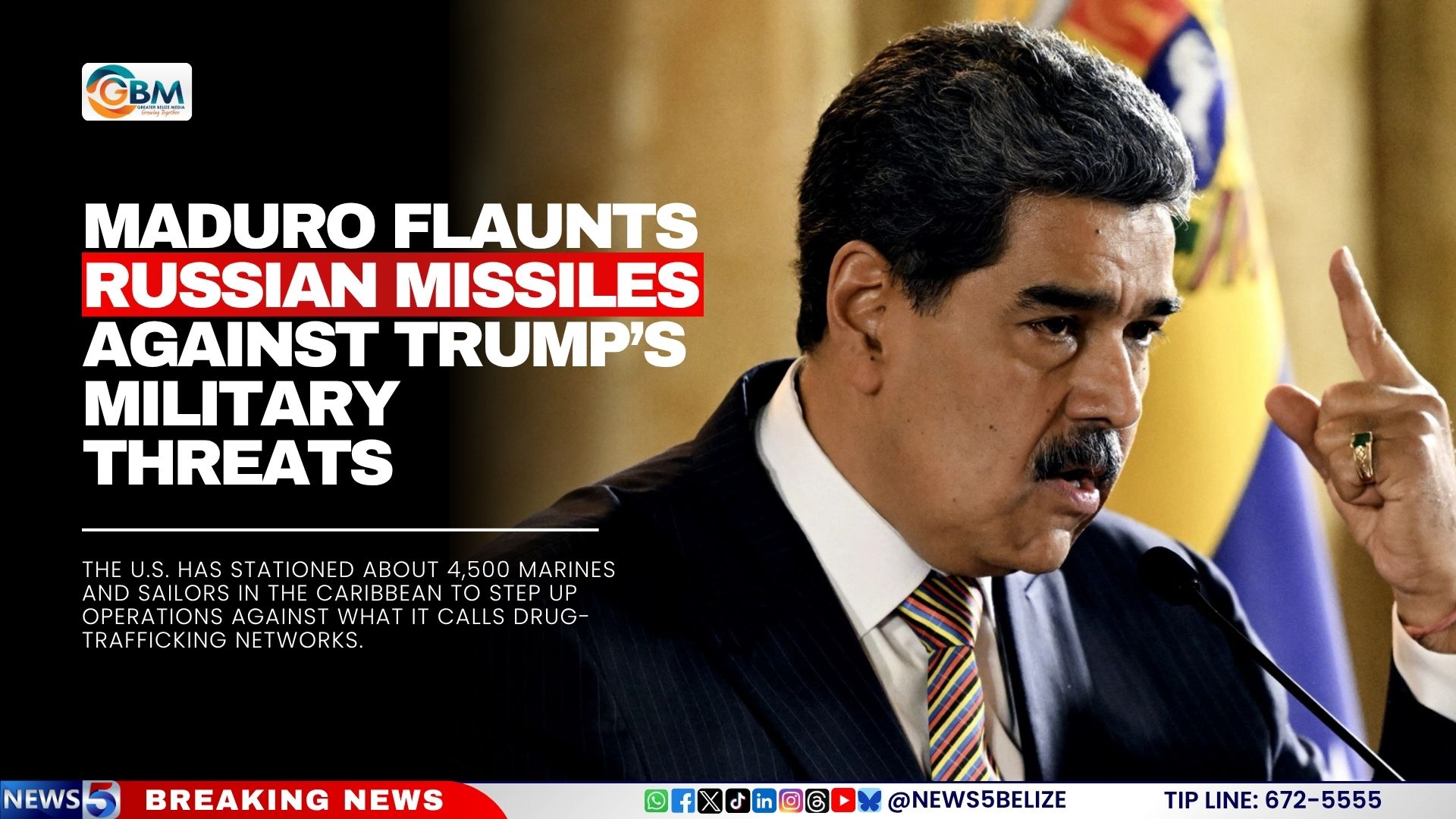
Maduro Flaunts Russian Missiles Against Trump’s Military Threats
In a bold response to escalating tensions with the United States, Venezuelan President Nicolás Maduro has announced the deployment of over 5,000 Russian-made Igla-S anti-aircraft missiles across the nation. Maduro emphasized that these short-range weapons, capable of targeting drones, helicopters, and low-flying aircraft, have been strategically positioned in “every mountain, town, and city” to fortify Venezuela’s air defenses. This move comes amid heightened U.S. military presence in the Caribbean, where approximately 4,500 Marines and sailors have been stationed to combat alleged drug-trafficking networks. U.S. President Donald Trump has acknowledged authorizing covert CIA operations in Venezuela and hinted at potential land-based military actions. Despite the growing friction, Trump has denied pursuing a regime change in Venezuela. The situation underscores the deepening geopolitical rift between the two nations, with Maduro framing the missile deployment as a necessary shield against external aggression.
-
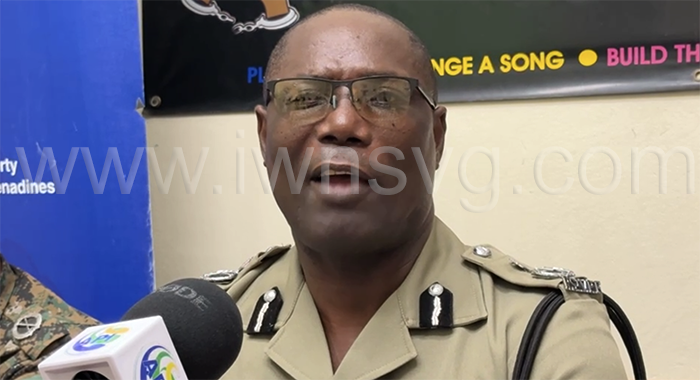
Political expression not ‘a weapon to harm or intimidate others’ — COP
In a recent statement, Commissioner of Police Enville Williams addressed growing public concerns over rising tensions during the election season in St. Vincent and the Grenadines. While acknowledging the right to political expression as a fundamental democratic principle, Williams emphasized that such freedoms must not be weaponized to harm or intimidate others. He firmly stated, ‘No election, no political contest, and no difference in opinion should ever lead us to raise a hand, a stone, or a voice in anger against our fellow Vincentian.’
The statement, titled ‘Commissioner of Police Addresses Political Violence,’ did not cite specific incidents of violence but highlighted the Royal St. Vincent and the Grenadines Police Force’s (RSVGPF) commitment to monitoring and addressing any disorderly behavior with fairness and professionalism. Williams assured the public that the RSVGPF remains impartial, dedicated to upholding the Constitution and protecting all citizens, irrespective of political affiliation.
Reflecting on past instances of political violence, Williams urged citizens to avoid repeating ‘the dark moments of our history.’ He called for unity, restraint, and mutual respect among supporters of all political parties, emphasizing that symbols of democratic choice should unite rather than divide. ‘Let love, not anger, guide your steps,’ he implored, encouraging Vincentians to uphold peace as a collective responsibility.
Williams concluded by reaffirming the police force’s readiness to safeguard the rights, safety, and peace of all residents, while reminding the public that maintaining harmony is a shared duty. ‘Together, let us prove once again that we are one people, under one flag, guided by the spirit of love and unity,’ he said.
-

Esav vraagt president om directe ingreep in strafzaak Pikin Saron
The Indigenous Platform Unity Solidarity Alliance and Progress (Esav) has submitted a petition to President Jennifer Simons, demanding the immediate release or pardon of five Indigenous men involved in the Pikin Saron legal case. Esav also called for a fully independent and transparent investigation into the deaths of Martinus Wolfjager and Ivanildo Dijksteel, urging accountability for those responsible. Additionally, the platform advocated for the establishment of a Ministry of Indigenous Affairs. The petition highlights the escalating tensions over land rights in Pikin Saron, which reached a boiling point on May 2, 2023, when residents took drastic measures after repeated protests, negotiations, and petitions failed to yield results. This led to the hostage-taking of officials and the burning of vehicles and buildings. During the police intervention, two Indigenous men lost their lives. The five suspects initially received an eight-year prison sentence, with their appeal still pending. A separate case against seven police officers suspected of involvement in the deaths of Wolfjager and Dijksteel is also ongoing. Esav further demanded a thorough police investigation into the disappearance of a third Indigenous man during the incident, a review of the proposed 5-kilometer zone around Indigenous villages, formal recognition of demarcation maps for each Indigenous village through VIDS, full acknowledgment of self-determination rights and cultural heritage, and an immediate investigation into environmental pollution in Maripaston and tensions surrounding Grassalco in Pikin Saron and Bigi Poika. The petition was received at the President’s Cabinet by Chief of Staff Sergio Akiemboto, who emphasized that no land rights issue worldwide has been fully resolved within a single term. However, he suggested the necessity of a temporary law to immediately halt or strictly regulate land distribution in Indigenous and Maroon residential areas to prevent a recurrence of Pikin Saron. Esav also presented the same petition to National Assembly Chairman Ashwin Adhin.