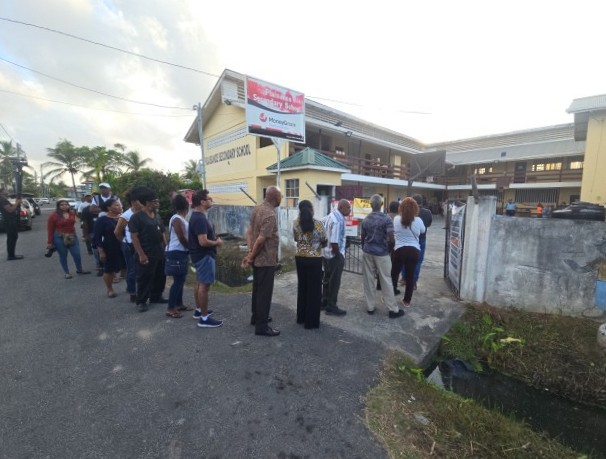
In a recent press conference, Aubrey Norton, Chairman of A Partnership for National Unity (APNU), emphasized the necessity of maintaining donor confidentiality in election campaign finance reporting. Despite the Representation of the People Act mandating political parties to submit post-election financial reports to the Guyana Elections Commission (GECOM), Norton argued that such disclosures could deter potential donors who fear government retribution. He highlighted the need for campaign financing reforms that ensure donor anonymity, stating, ‘Many contributors explicitly do not want their identities publicized due to societal fears of government.’ Norton also questioned the historical adherence to these reporting requirements, suggesting that new laws should be developed with stakeholder involvement to guarantee confidentiality. He further criticized Guyana’s state-dominated economy, noting that the government is the primary allocator of resources, with limited private sector activity. The United States-based Carter Center has urged all political parties to comply with the Representation of the People Act, emphasizing the importance of transparency and accountability in the electoral process. Other international observer missions have echoed these concerns, particularly regarding the misuse of state resources during election campaigns.
分类: politics
-
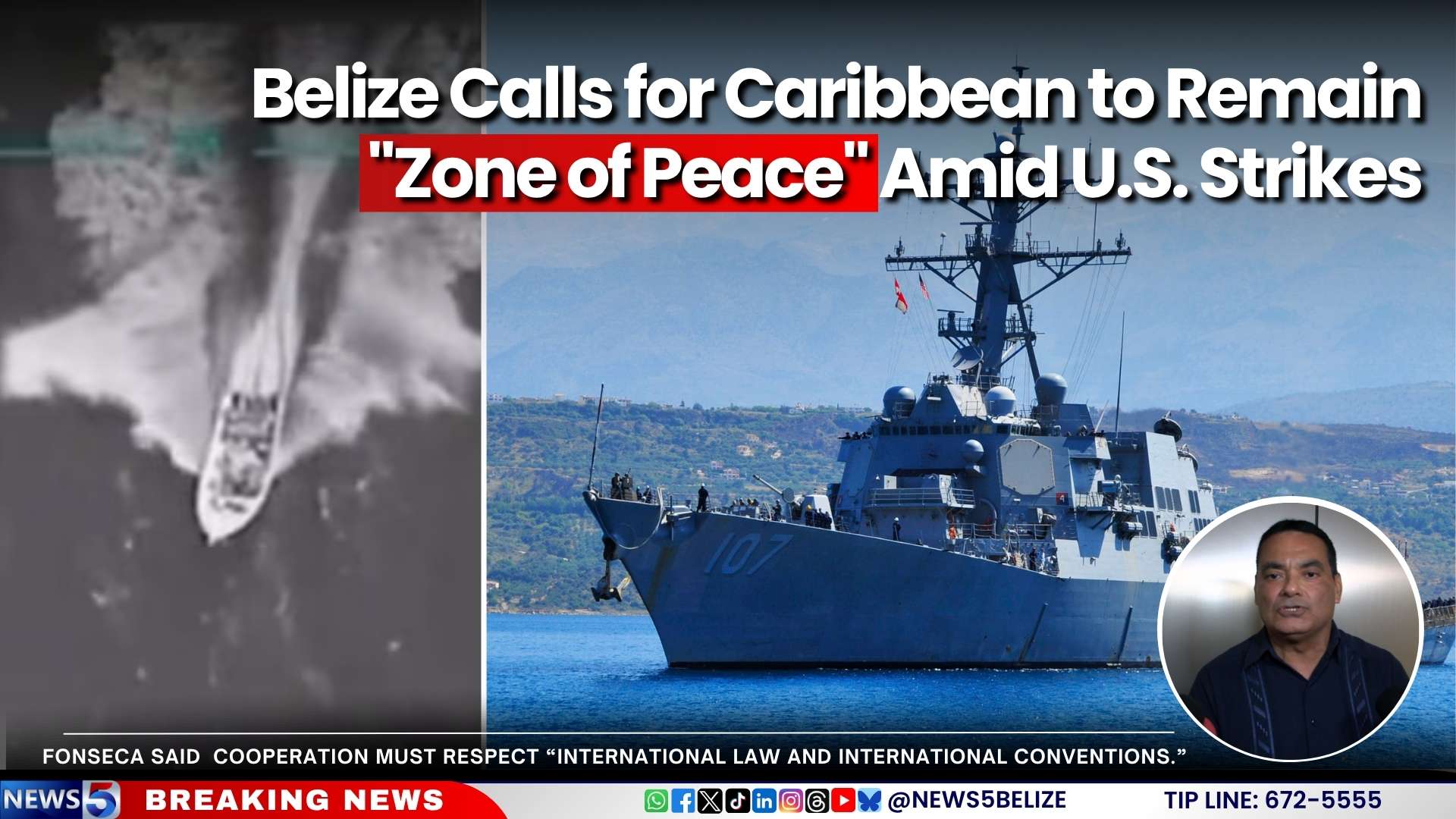
Belize Calls for Caribbean to Remain “Zone of Peace” Amid U.S. Strikes
In the wake of recent U.S. military strikes in Caribbean waters, Belize has called for the region to remain a ‘zone of peace.’ The strikes, which targeted vessels allegedly involved in drug trafficking, have resulted in numerous fatalities and raised concerns among CARICOM nations. Belize’s Minister of Foreign Affairs, Francis Fonseca, expressed deep concern over these actions, describing them as ‘extrajudicial’ and emphasizing the need for adherence to international law. Fonseca highlighted the importance of maintaining peace in the Caribbean, a sentiment echoed by other CARICOM members. He stressed that while drug and human trafficking are serious issues, any response must respect legal processes and international conventions. Meanwhile, Trinidad and Tobago has confirmed the arrival of the USS Gravely, a U.S. Navy guided-missile destroyer, for a five-day visit. The ship, carrying approximately 300 sailors, will engage in joint training exercises with the Trinidad and Tobago Defence Force. This deployment coincides with increased U.S. security activity in the region, further intensifying concerns over regional stability.
-
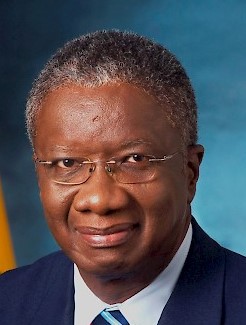
Stuart joins regional call to keep Caribbean a ‘Zone of Peace’
Former Barbados Prime Minister Freundel Stuart, alongside ten other former CARICOM leaders, has issued a compelling call for the Caribbean to remain a ‘Zone of Peace.’ This declaration comes in response to escalating militarization in regional waters and the looming threat of foreign interference. The joint statement, titled *Our Caribbean Space: A Zone of Peace on Land, Sea and Airspace Where the Rule of Law Prevails*, expresses deep concern over the increasing presence of nuclear vessels and military aircraft in the Caribbean archipelago. The leaders urged all parties to de-escalate military activities to safeguard regional peace, stability, and development, warning against the risk of being drawn into conflicts not of their making. The declaration has garnered support from prominent figures, including Trinidad and Tobago’s former Prime Minister Dr. Keith Rowley, who emphasized the importance of upholding the principles that have historically guided Caribbean diplomacy. The signatories, including former leaders from Jamaica, Saint Lucia, Guyana, Grenada, Dominica, Antigua and Barbuda, and Belize, collectively reaffirmed CARICOM’s commitment to resolving disputes through negotiation and dialogue, rather than military force. The statement also highlighted the vulnerability of small island states to external pressures, such as drug and arms trafficking, which threaten their sovereignty and security. The declaration underscores the Caribbean’s shared history and common interests, asserting that preserving the region as a Zone of Peace is an essential imperative. This call for unity comes amid heightened geopolitical tensions, including the Guyana-Venezuela border dispute and increased foreign naval activity in the Caribbean Sea. Critics have also raised concerns over Trinidad and Tobago’s current foreign policy, which they argue deviates from CARICOM’s long-standing principles of neutrality and sovereignty. The leaders concluded with a resolute message: ‘Our shared history and common interests demand oneness. We have gone too far to turn back now.’
-
#EyeOnMelissa: Holness to meet with Golding to discuss Jamaica’s preparedness for Melissa
In a critical move to address the impending threat of Tropical Storm Melissa, Jamaican Prime Minister Dr. Andrew Holness and Opposition Leader Mark Golding are scheduled to convene at 12:30 PM today. The meeting aims to foster a unified approach in preparing the nation for the storm, which meteorological models predict will escalate into a hurricane and directly impact Jamaica early next week.
-
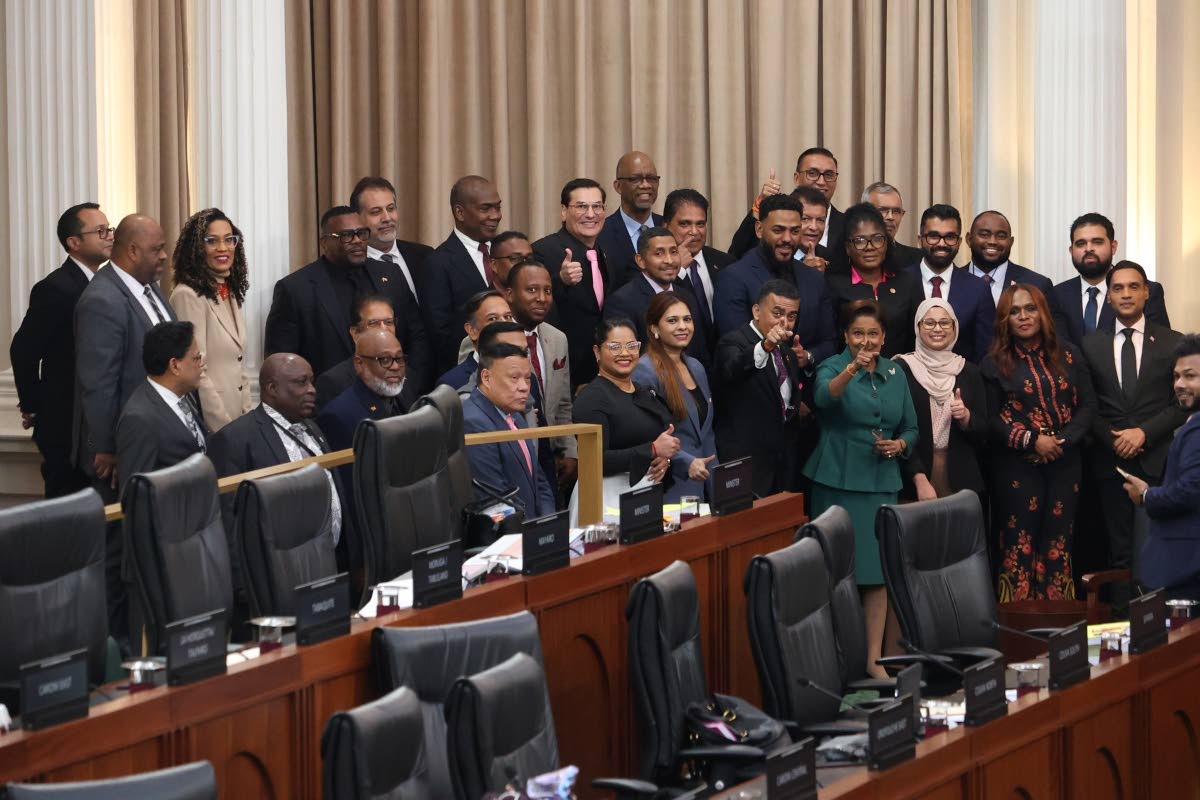
$59.2 b budget approved by Lower House
The Parliament of Trinidad and Tobago has officially approved the $59.2 billion national budget for the fiscal year 2025/2026, following an extensive five-day review by the Standing Finance Committee. The final vote, held on October 25, saw unanimous support from the 28 government members, while all 12 opposition members voted against the proposal. The budget, initially presented by Finance Minister Davendranath Tancoo on October 13, is based on projected oil and gas prices of US$73.25 per barrel and US$4.35 per mmbtu, respectively. Despite these optimistic projections, the fiscal package carries a deficit of $3.865 billion. The next phase of the budgetary process will commence on October 27, when Senators are scheduled to debate the financial plan at 10 am.
-
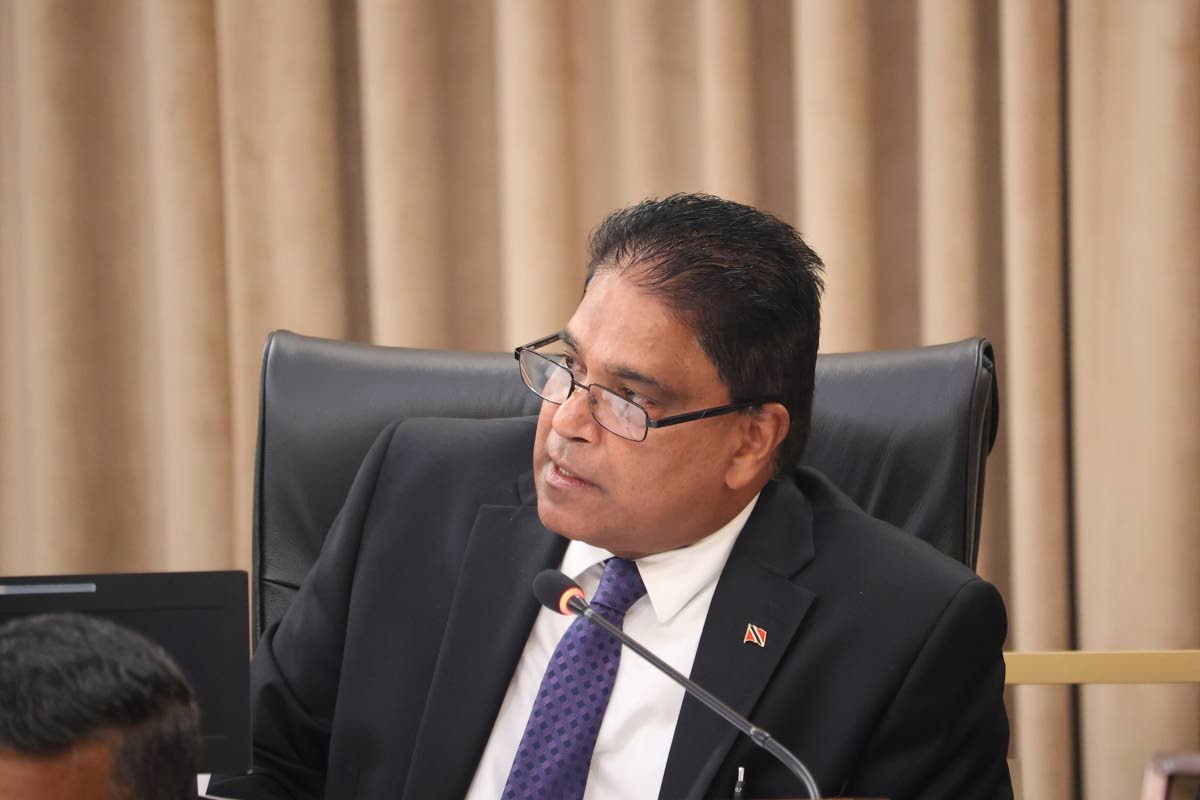
Moonilal, Young spar over increased ministry allowances
During the final session of the Standing Finance Committee on October 25, a heated exchange erupted between Port of Spain North/St Ann’s West MP Stuart Young and Energy Minister Dr Roodal Moonilal over an $82,000 increase in electricity allowances within the Ministry of Energy and Energy Industries’ budget. Young, a former energy minister, questioned whether the hike was tied to the establishment of additional offices for Moonilal and junior minister Ernesto Kesar in south Trinidad. The increase was listed under the sub-heading ‘goods and services – general administration.’ Young argued that the additional offices were an unnecessary burden on taxpayers, particularly since the Ministry already operates from Port of Spain. Moonilal countered that the funds were allocated to cover arrears owed to TTEC, the national electricity provider, which he claimed were left unpaid by Young during his tenure. He further defended the southern offices, stating they were a long-standing presence in San Fernando and provided convenience for stakeholders in the energy sector. The debate intensified as Young also challenged a $150,000 increase in rent, which Moonilal attributed to unpaid arrears from the previous administration. Young accused Moonilal of excessive spending on office renovations, emphasizing that most energy sector stakeholders are based in Port of Spain. The session concluded without resolution, highlighting ongoing tensions over fiscal responsibility and resource allocation within the Ministry.
-
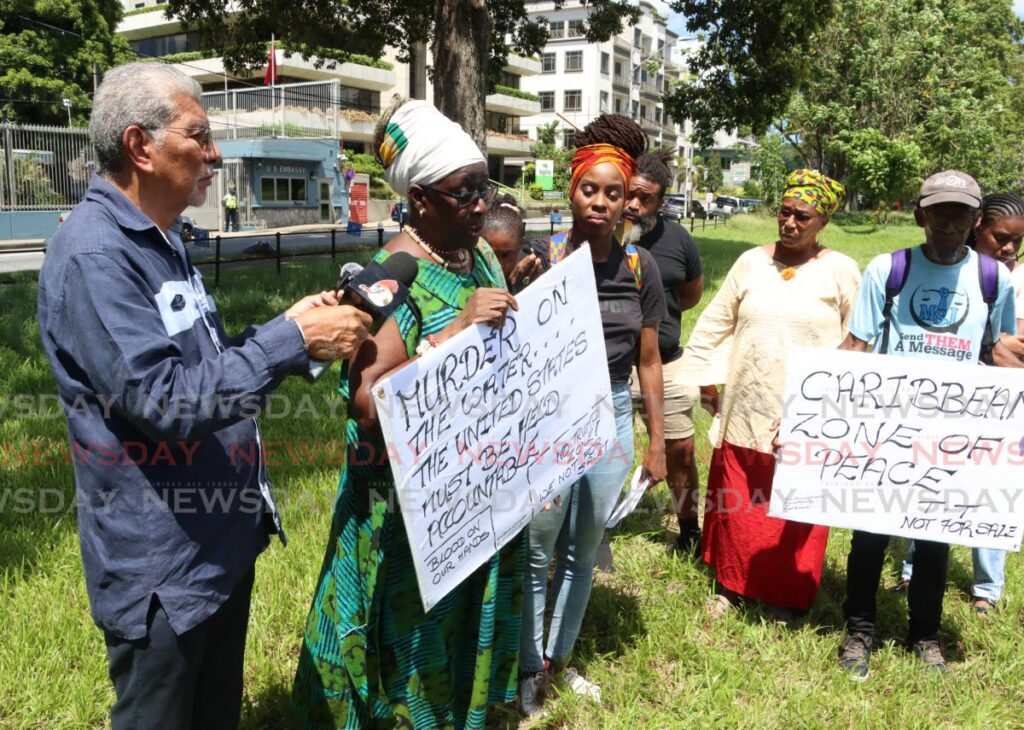
Protesters condemn US ‘imperial arrogance’ in Caribbean
On October 24, approximately 20 demonstrators gathered peacefully outside the US Embassy in Port of Spain, Trinidad and Tobago, to protest what they termed as US aggression in the Caribbean. The protest, held at Queen’s Park Savannah, was organized by activists and representatives from various civil society organizations, who called for the protection of regional sovereignty and the preservation of the Caribbean as a “zone of peace.”
Among the participants was Abeo Jackson, a radio/television host and new mother, who expressed deep concern over the future of her child in a region she believes is under threat. Jackson condemned the extrajudicial killing of 43 men by US forces in the Caribbean, which the US justified as an attack on narco-trafficking. She described the incident as a violent desecration of regional sovereignty and criticized the Trinidad and Tobago government for its silence on the matter.
“This is not about drugs. It is about natural resources, oil, and power,” Jackson asserted. She accused the government of aligning with US military objectives, calling it a betrayal of the Caribbean consensus that the region must remain a zone of peace. Jackson emphasized that Caribbean sovereignty is not for sale and that Caribbean lives should not be treated as collateral damage.
Shan-Nia Lewis, a young protester, delivered an impassioned speech linking global conflicts to regional vulnerability. She expressed frustration over the government’s silence following the deaths of two Trinidad and Tobago nationals allegedly killed in recent US airstrikes. Lewis warned that young people would bear the brunt of any escalation in regional tensions.
Zakiya Uzoma-Wadada, Chairman of the Emancipation Support Committee (ESC), also condemned US military operations in regional waters, describing them as a threat to peace and sovereignty. Wadada criticized the US’s intensified military buildup off Venezuela’s coast, calling it a reassertion of the Monroe Doctrine and a smokescreen for broader geopolitical objectives, including possible regime change in Venezuela.
David Abdulah, political leader of the Movement for Social Justice (MSJ), commended former Caricom heads of government for issuing a joint statement rejecting military intervention and reaffirming the region as a “zone of peace.” He condemned the recent docking of a US destroyer off Trinidad’s coast, calling it an “abomination” and warning that any attempt at regime change in Venezuela would destabilize the entire region.
The protesters collectively demanded an end to US military intervention in the Caribbean, urging regional unity and the protection of sovereignty and peace.
-
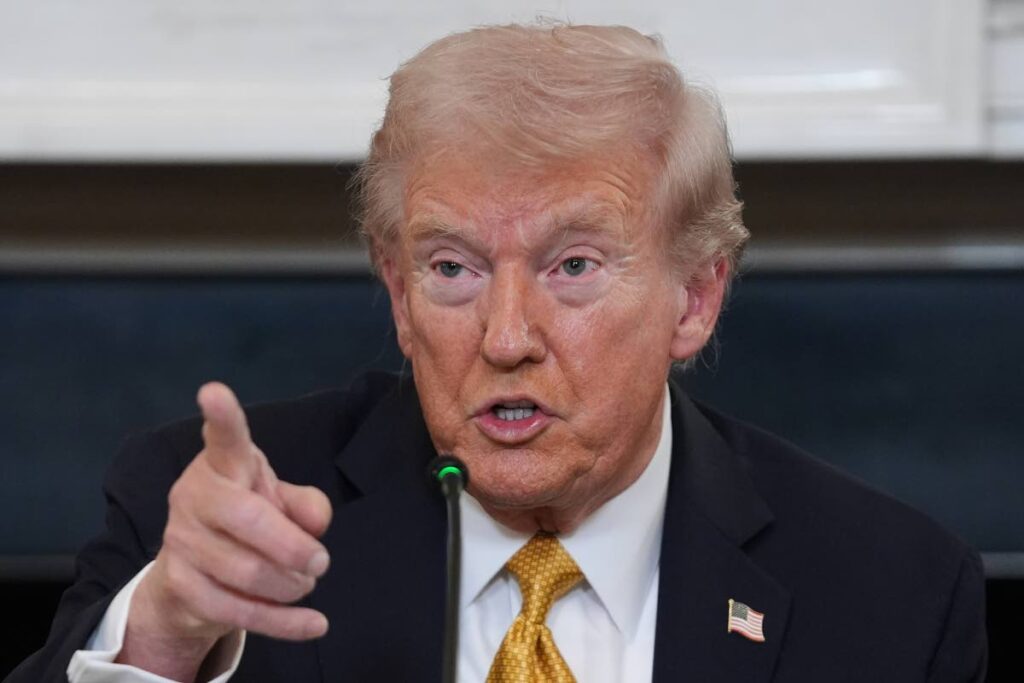
Trump’s plan for the region
In a series of bold and controversial moves, US President Donald Trump has unveiled an expansionist agenda that has sparked widespread debate and concern across the Americas. Trump’s initial statement about taking over Iceland, Canada, and Mexico was followed by the symbolic renaming of the Gulf of Mexico to the Gulf of America, a move that many interpret as a clear indication of his intentions for the region.
-
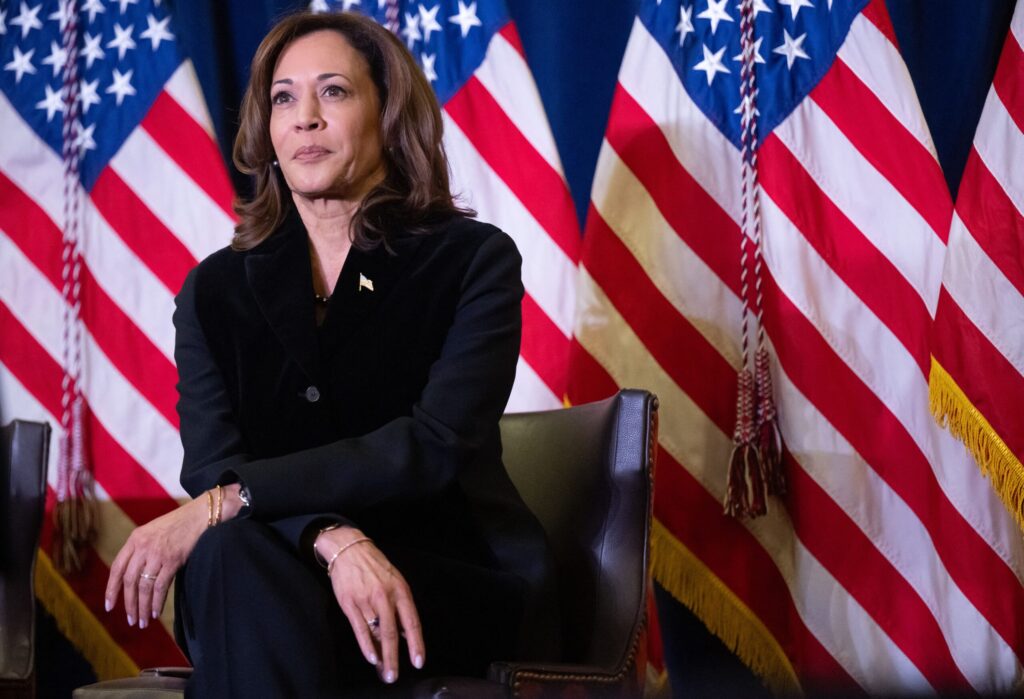
Kamala Harris says she could ‘possibly’ run again for US president
LONDON, United Kingdom — In a revealing interview with the BBC, former U.S. Vice President Kamala Harris hinted at the possibility of running for president again in the future. Harris, who stepped in as the 2024 Democratic presidential candidate after Joe Biden but was defeated by Donald Trump, stated that she has not yet made a definitive decision about another White House bid. However, she emphasized that her political journey is far from over. The 61-year-old politician expressed confidence that her grandnieces would witness a female president in their lifetime, asserting, “I’m not done in American politics.” Harris, known for her lifelong commitment to public service, remarked, “I have lived my entire career a life of service, and it’s in my bones. There are many ways to serve.” Her comments, previewed on Saturday and set to air in full on Sunday, mark the strongest indication yet that she might seek the Democratic nomination for the 2028 election. The interview comes on the heels of her recent memoir release, where she criticized the decision to allow Biden to run for a second term as “recklessness” and accused his administration of insufficient support and occasional obstruction during her tenure as vice president.
-
Experts: Trinidad and Tobago aligning with US policy in Latam
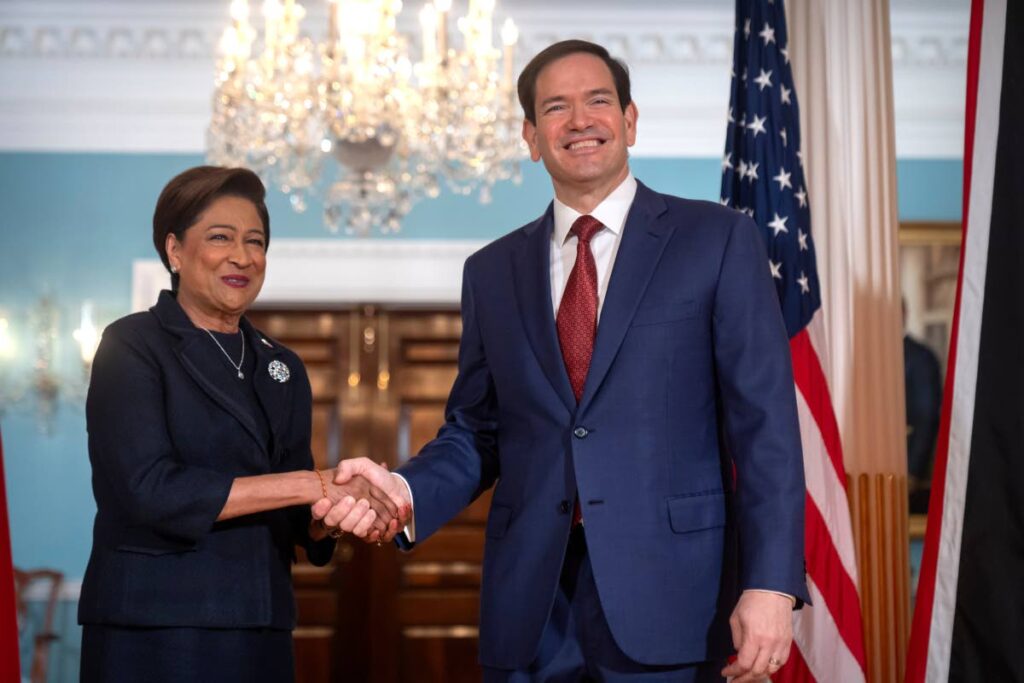
In a significant shift in foreign policy, Trinidad and Tobago (TT) has joined the United States and six Latin American countries in endorsing Rodrigo Paz Pereira as Bolivia’s new president. The joint statement, issued on October 21, two days after Bolivia’s elections, marks a notable alignment of TT with US government interests, according to international relations experts. The statement expressed the signatories’ readiness to support the incoming administration in stabilizing Bolivia’s economy, reinforcing democratic institutions, and enhancing international trade and investment. Caribbean Policy Consortium co-founder Prof Anthony Bryan noted that this move represents a departure from TT’s traditional policy of neutrality and its efforts towards a coordinated Caricom foreign policy. Dr Evan Ellis, a research professor at the US Army War College, viewed the joint statement as a positive initiative, reflecting the emergence of a new group of US-friendly governments in the region. He emphasized the collective recognition of Paz’s victory and the hope for Bolivia’s constructive direction under his leadership, particularly in economic policy, anti-drug efforts, and anti-corruption activities.