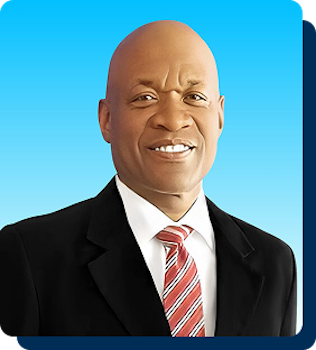
Since taking office in June 2022, Grenada’s Prime Minister Dickon Mitchell has redefined the nation’s foreign policy approach, emerging as one of the Caribbean’s most internationally active leaders. Over the past four years, Mitchell has embarked on 51 overseas trips, averaging two per month, with an estimated 408 days spent abroad—nearly one-third of his tenure. This unprecedented level of engagement for a Small Island Developing State (SIDS) with a population of just 123,000 reflects a strategy of continuous global visibility, positioning Grenada as an investment-ready micro-state. However, this diplomatic ambition comes at a significant financial and administrative cost. Each trip, involving a six-member delegation, costs between US$35,000 and $45,000, cumulatively amounting to approximately US$1.8 to $2.3 million. Critics argue that such expenditures could have been redirected to domestic priorities like healthcare or education, while supporters highlight the potential for securing global financing and partnerships. Beyond the financial impact, Mitchell’s frequent absences have slowed inter-ministerial coordination and delayed critical policy decisions, raising questions about the balance between international diplomacy and domestic governance. As Grenada navigates these challenges, the debate centers on whether the Prime Minister’s global outreach demonstrably advances national interests or strains limited resources.
分类: politics
-

Skerrit hails freedom of movement as a dream come true.
In a landmark decision, the Caribbean nations of Barbados, Belize, St Vincent and the Grenadines, and Dominica have collectively embraced full freedom of movement for their citizens, a move hailed by Dominica’s Prime Minister Roosevelt Skerrit as a ‘dream come true.’ Speaking at the Barbados Labour Party’s 86th Annual Conference in Queen’s Park, Skerrit emphasized the historic significance of this initiative, describing it as a pivotal step toward regional unity and opportunity. ‘History has turned the page,’ Skerrit declared, highlighting that this decision fulfills long-held aspirations of Caribbean leaders and citizens alike. He underscored the profound impact of the policy, framing it not merely as a legislative change but as a testament to the region’s shared vision of connection, progress, and dignity. ‘It means a Barbadian and a Dominican can live and work across each other’s shores with dignity, rights, and a sense of belonging,’ Skerrit explained. He further illustrated the practical benefits, noting that professionals like nurses and masons can now pursue opportunities across borders without bureaucratic hurdles. This development, Skerrit asserted, represents the culmination of decades of promises under CARICOM and the Treaty of Chaguaramas, embodying the vision of ‘one region, one people, one destiny.’ He praised Barbados’ Prime Minister Mia Amor Mottley for her leadership in advancing the initiative and extended an open invitation to Barbadians to contribute to Dominica’s growth. Skerrit concluded by emphasizing the transformative potential of unity, stating, ‘Free movement, education, and resilience are not just policies—they are engines of opportunity that empower families, businesses, and the entire region.’
-

OP-ED: The Caribbean united in promoting agricultural development and prosperity in the Americas
On November 4, Brasilia will host a pivotal meeting of the Americas’ agriculture ministers, including representatives from the 14 Caribbean Community (CARICOM) nations, to elect a new Director General for the Inter-American Institute for Cooperation on Agriculture (IICA). This election is critical for shaping the future of agricultural policies, particularly in areas like biotechnology, life sciences, information technology, data science, robotics, engineering, and artificial intelligence. These advancements aim to reconcile the dual objectives of boosting productivity and ensuring sustainability. Agriculture must increasingly secure food, energy, and fiber supplies, generate employment, and foster rural development, thereby contributing to social stability and governance. The IICA has undergone significant repositioning over the past eight years, gaining widespread recognition across the Americas and beyond. The new Director General will need to spearhead efforts to develop and implement technological, policy, and institutional solutions to address the challenges of feeding a growing population with healthy and sustainable diets, while also generating income and employment, especially for vulnerable populations. Dr. Muhammad Ibrahim, an agricultural scientist and candidate from Guyana and CARICOM, emphasizes the need for humility, transparency, and technical expertise in leading IICA. The 2025 Conference of Ministers of Agriculture is expected to be a milestone in consolidating the Americas’ role in global food security. The projected increase in the global population to 10 billion by 2050 necessitates a significant boost in food production, highlighting the responsibility of the Americas, a continent with a diverse agricultural landscape. IICA’s mission is to transform this diversity into complementarity, fostering development and prosperity through soil recovery, smart intensification, strong family farming, loss reduction, and innovation.
-
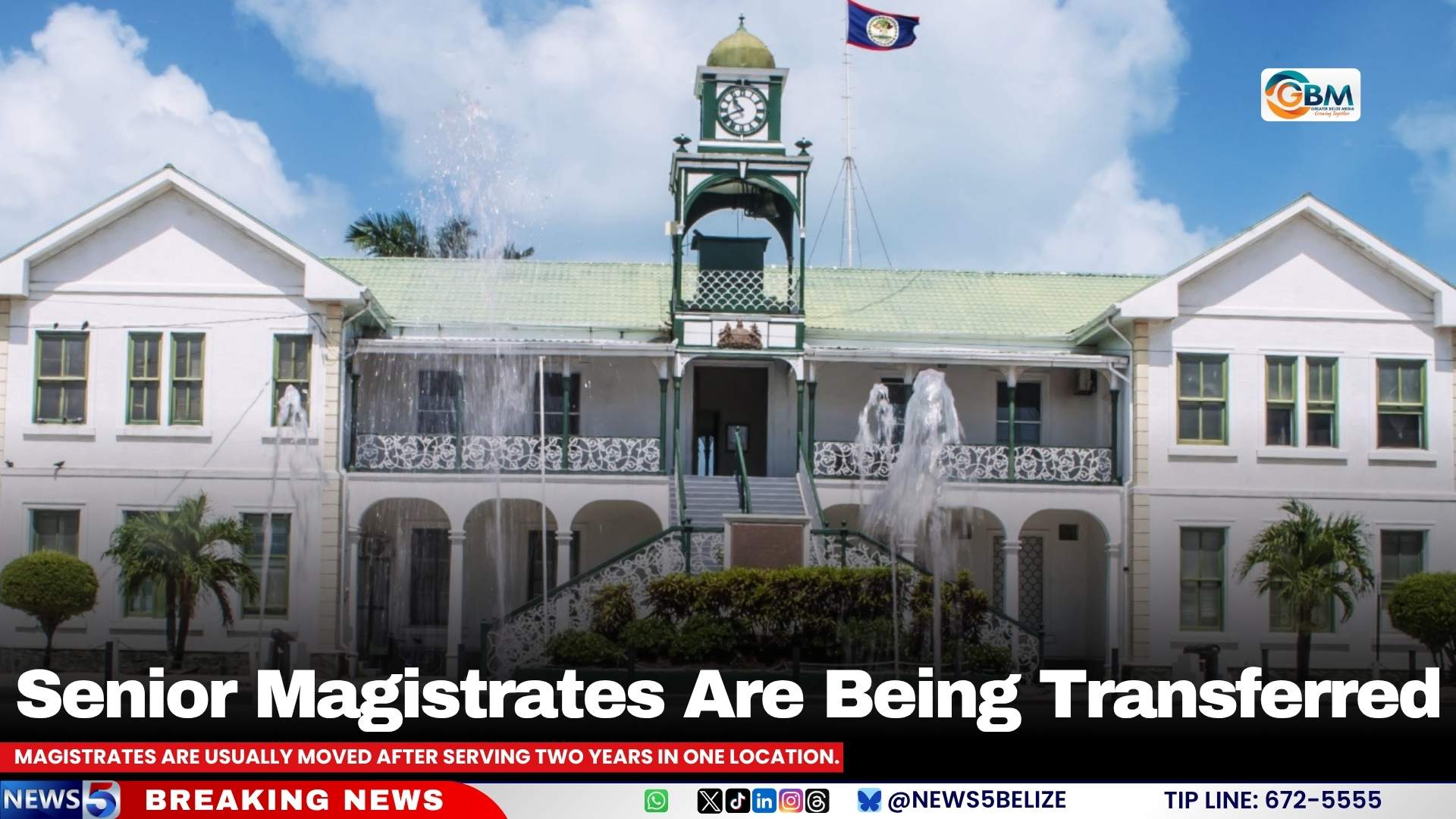
Senior Magistrates Are Being Transferred
The Judicial and Legal Services Commission (JLSC) of Belize has addressed public concerns regarding the recent relocation of senior magistrates across the country. In an official statement, the JLSC clarified that these transfers are standard procedures, aligned with Regulation 128 of the Judicial and Legal Services Regulations. Typically, magistrates are reassigned after completing a two-year tenure in a specific location. While most transfers occur between July and August, exceptions are made when urgent needs arise. The Commission emphasized that these relocations aim to enhance the efficiency and fairness of justice delivery in district courts, while also providing mentorship to junior officers. The JLSC reiterated its commitment to upholding the Rule of Law, promoting good governance, and improving access to justice for all Belizeans. These measures are part of a broader strategy to ensure that judicial services remain accessible and effective across the nation.
-
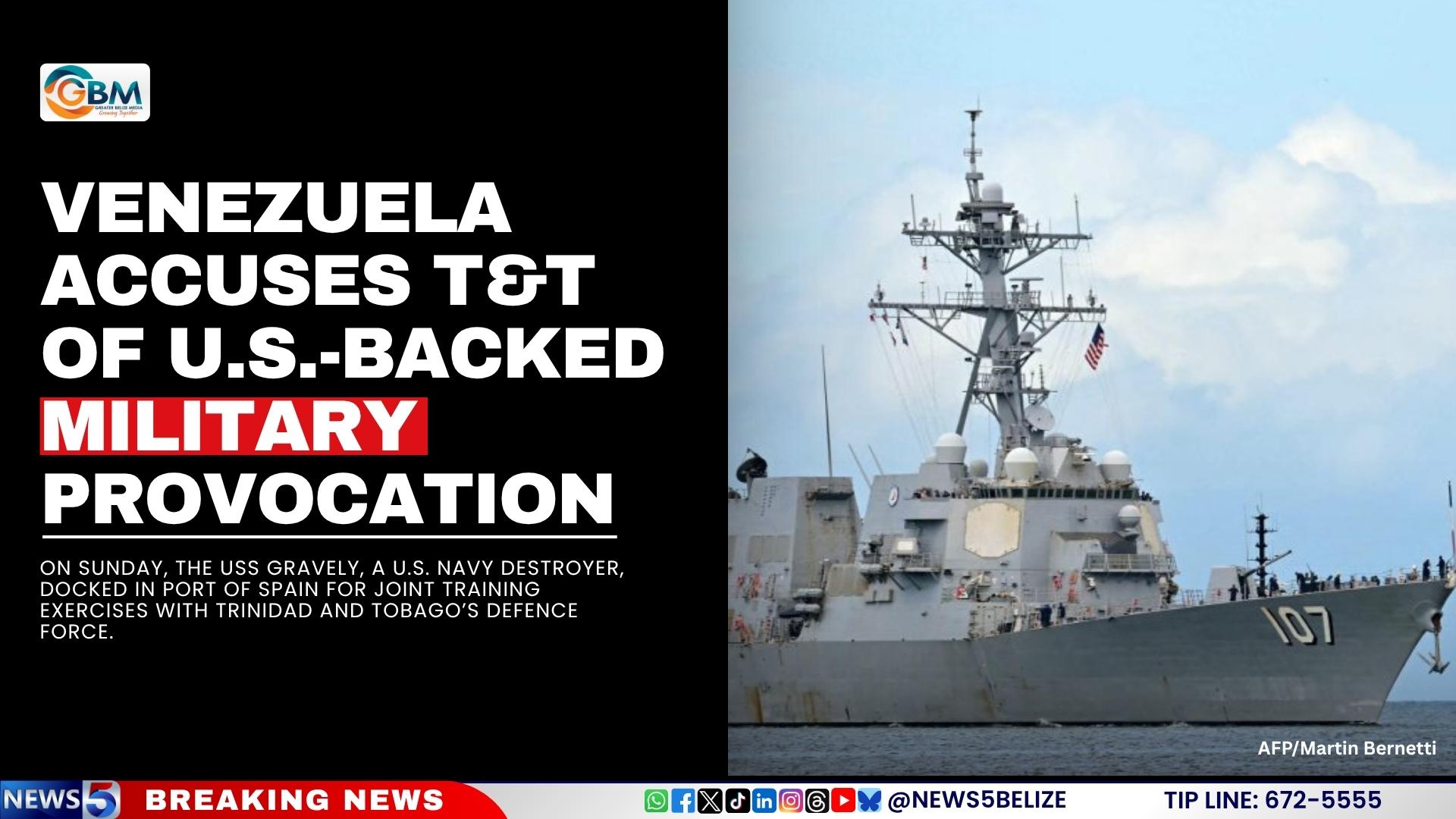
Venezuela Accuses T&T of U.S.-Backed Military Provocation
Tensions in the Caribbean have reached a boiling point as Venezuela has accused Trinidad and Tobago of orchestrating a U.S.-backed military provocation. The allegations come in the wake of the USS Gravely, a U.S. Navy destroyer, docking in Port of Spain for joint training exercises with Trinidad and Tobago’s Defence Force. The exercises, scheduled from October 27 to October 30, are part of Washington’s broader campaign against drug trafficking and organized crime in the region. Venezuela has condemned these activities as a ‘hostile provocation,’ alleging that Trinidad and Tobago is collaborating with the CIA to instigate a conflict in the Caribbean. Venezuelan officials claim to have captured mercenaries and suggest that a false-flag operation is being staged to justify military action against Venezuela. In response, Trinidad and Tobago’s Ministry of Foreign and CARICOM Affairs has vehemently denied the accusations, emphasizing that the USS Gravely’s visit aims to bolster efforts against transnational crime and enhance humanitarian partnerships. The government reiterated its commitment to regional peace and its positive relationship with the Venezuelan people. The situation escalated further when the Pentagon deployed the USS Gerald R. Ford, the world’s largest aircraft carrier, to the region. The U.S. has also authorized CIA operations targeting Venezuela and imposed sanctions on Colombian President Gustavo Petro, accusing him and Venezuelan President Nicolás Maduro of being ‘narcoterrorists,’ though no concrete evidence has been publicly disclosed. Reports indicate that U.S. forces have destroyed at least 10 suspected drug boats, resulting in 43 fatalities, including two Trinidadian men who were killed in a strike on a vessel that departed Venezuela in mid-October. Families of the victims have denied any involvement in drug trafficking. Venezuela asserts that the U.S. is using the pretext of an ‘armed conflict’ with narco-terrorists as a cover for regime change, aiming to oust President Nicolás Maduro and install a U.S.-backed leader.
-
Trinidad to deport Venezuelans
The Trinidad and Tobago government has announced plans to deport 200 illegal Venezuelan immigrants as part of a broader initiative to combat criminal activities within the country. The Ministry of Homeland Security has issued a directive mandating that all undocumented migrants be held at the Immigration Detention Centre pending deportation. This policy, which takes immediate effect, supersedes previous practices of placing illegal immigrants on Orders of Supervision. The decision was formalized in a memo signed by Videsh Maharaj, Permanent Secretary of Homeland Security, and will remain in force until further notice. Prime Minister Kamla Persad-Bissessar emphasized that the deportation targets only those illegal immigrants who have committed criminal offenses, regardless of nationality. She clarified that the policy does not apply to children and is specifically aimed at individuals detained in jails or detention centers for criminal activities. This move comes amidst ongoing tensions between Trinidad and Tobago and Venezuela, particularly over the U.S. military presence in the region. Venezuelan President Nicolas Maduro recently suspended all energy agreements between the two nations, accusing Trinidad and Tobago of supporting U.S. efforts to instigate regime change in Venezuela. The deportation policy reflects the government’s broader strategy to address illegal immigration, which has been linked to rising criminality in the country.
-
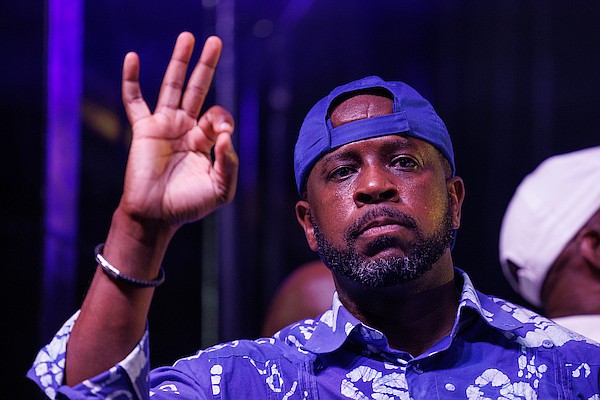
Pickstock promises 10-point plan for Golden Isles
Darren Pickstock, the Progressive Liberal Party (PLP) candidate for the upcoming Golden Isles by-election, has introduced an ambitious ten-point plan aimed at revitalizing the constituency. His platform emphasizes critical infrastructure improvements, including road repairs and enhanced drainage systems, alongside upgraded bus services. Additionally, Pickstock has proposed community-focused initiatives such as Read Across Golden Isles, Project Fresh, and the Stay in the Game sports program to foster local engagement and development.
-
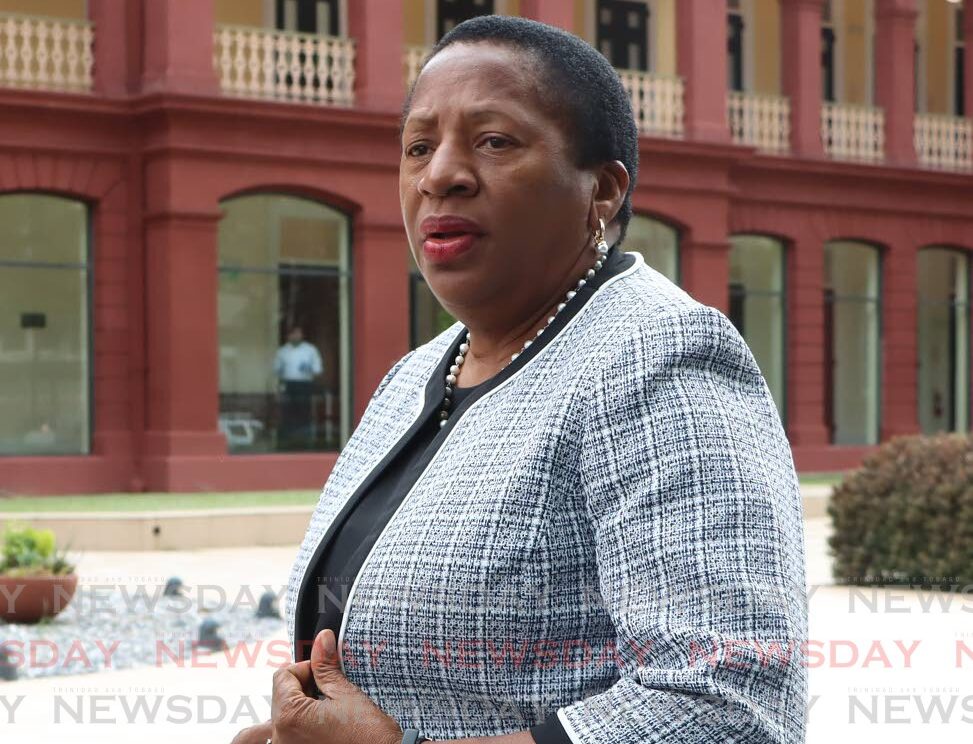
Penny advises PM: Temper your language, don’t abandon Caricom
Opposition Leader Pennelope Beckles has expressed her lack of surprise over Venezuela’s decision to suspend gas agreements with Trinidad and Tobago (TT). In a recent interview with CCN TV6’s Morning Edition, Beckles emphasized the need for Prime Minister Kamla Persad-Bissessar to adopt a more measured tone in addressing the issue and to strengthen ties within the Caribbean Community (Caricom). The suspension was announced on October 27 by Venezuelan Vice President Delcy Rodriguez, who criticized Persad-Bissessar for her controversial remarks advocating violent measures against drug traffickers. This followed a US missile strike on September 2 that killed Venezuelans in international waters. Rodriguez also warned that TT’s economy would suffer without Venezuelan gas, accusing the US of attempting to control Venezuela’s natural resources. Beckles highlighted the economic implications for TT, where oil and gas remain critical revenue sources. She also questioned the government’s inconsistent stance on the Dragon gas deal, which was initially declared dead but later revived. Beckles urged the Prime Minister to clarify the nation’s position and stressed the importance of diplomacy, sovereignty, and maintaining the Caribbean as a Zone of Peace. She reiterated Caricom’s commitment to conflict resolution and called for a reduction in inflammatory rhetoric.
-
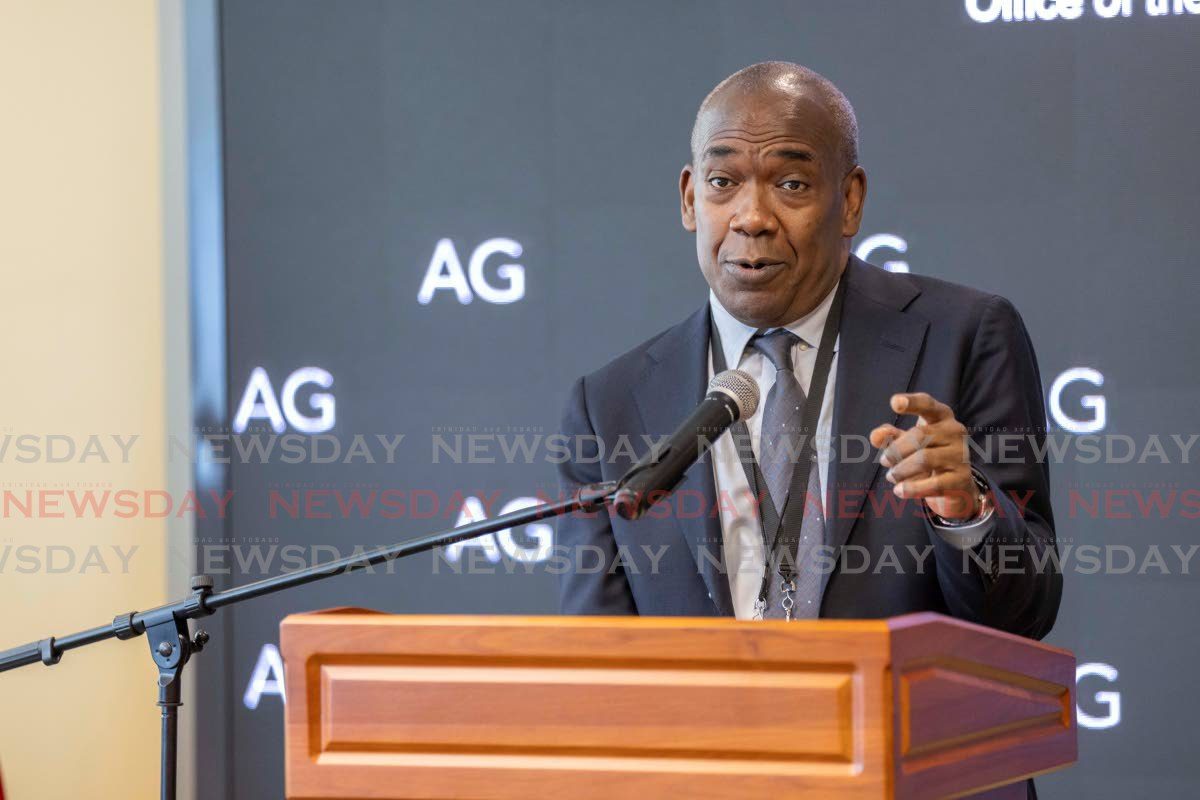
House sits October 31 to debate SoE extension
The Parliament of Trinidad and Tobago is set to convene on October 31 at 1:30 pm to deliberate on the government’s proposal to extend the current state of emergency (SoE). This follows Prime Minister Kamla Persad-Bissessar’s announcement on the Crime Watch television show on October 27. Attorney General John Jeremie will present the motion seeking a three-month extension of the SoE, initially declared on July 18, 2025, in response to intelligence suggesting criminal gangs were plotting to destabilize the government. The SoE was previously extended on July 28 for three months, with legal provisions allowing for further extensions up to six months in total. The motion emphasizes the necessity of maintaining the SoE to ensure national security and public safety. Concurrently, the Senate will meet on October 22 to discuss amendments to excise duties on tobacco and alcoholic beverages, as outlined in the recent budget. These amendments propose doubling the duties on rum, spirits, beer, and cigarettes, reflecting the government’s fiscal strategy to address economic challenges.
-
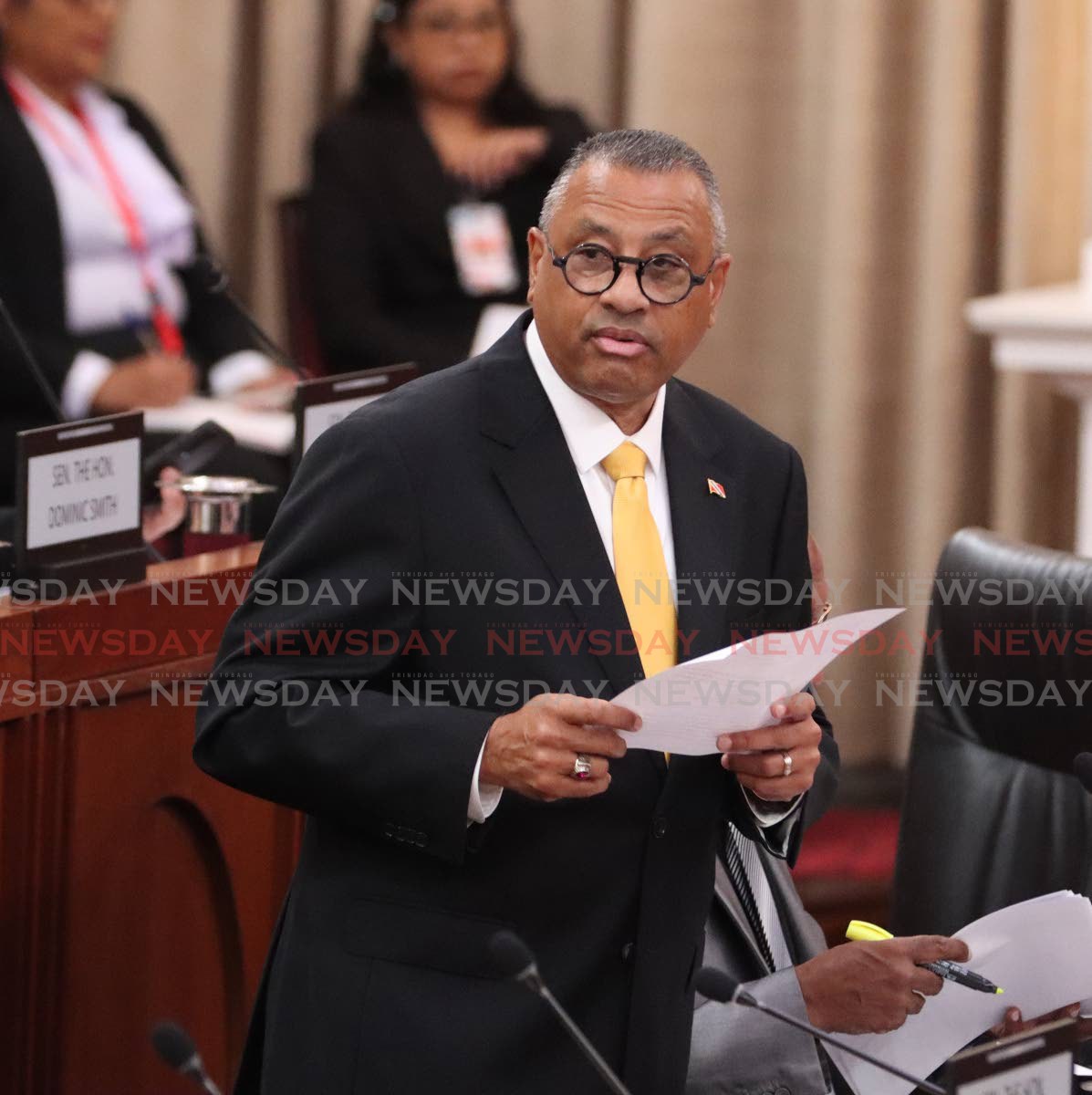
PNM condemns Government shutdown of Senate debate
The Opposition has strongly criticized the government for what it termed a premature conclusion to the 2024/2025 budget debate in the Senate on October 27. The debate ended abruptly at 9:57 PM after Opposition Senator Faris Al-Rawi completed his remarks, with Minister in the Ministry of Finance, Kennedy Swaratsingh, immediately moving to close the session. This left several key figures, including Opposition Senators Dr. Amery Browne and Foster Cummings, as well as senior government ministers, without the opportunity to contribute. Among those who did not speak were Attorney General John Jeremie, Leader of Government Business Darrell Allahar, and Agriculture Minister Ravi Ratiram, among others. Swaratsingh’s 16-minute wrap-up failed to address critical concerns raised by opposition and independent senators, including the implications of Venezuela’s cancellation of an energy framework agreement with Trinidad and Tobago, which could impact investments in the Manatee field operated by Shell. The Opposition also highlighted issues such as revenue shortfalls, unfunded public servant back pay, and overstated borrowing arrangements. The PNM accused the government of deliberately avoiding scrutiny and accountability, likening the Senate debate to the earlier House of Representatives debate, which also ended prematurely. The Senate is set to reconvene on October 29 to discuss amendments to excise duties on tobacco and alcoholic beverages, while the House will meet on October 31 to consider extending the state of emergency for another three months. The Constitution allows for a simple majority to extend the state of emergency, but a three-fifths majority is required for extensions beyond six months, posing a potential challenge in the Senate.