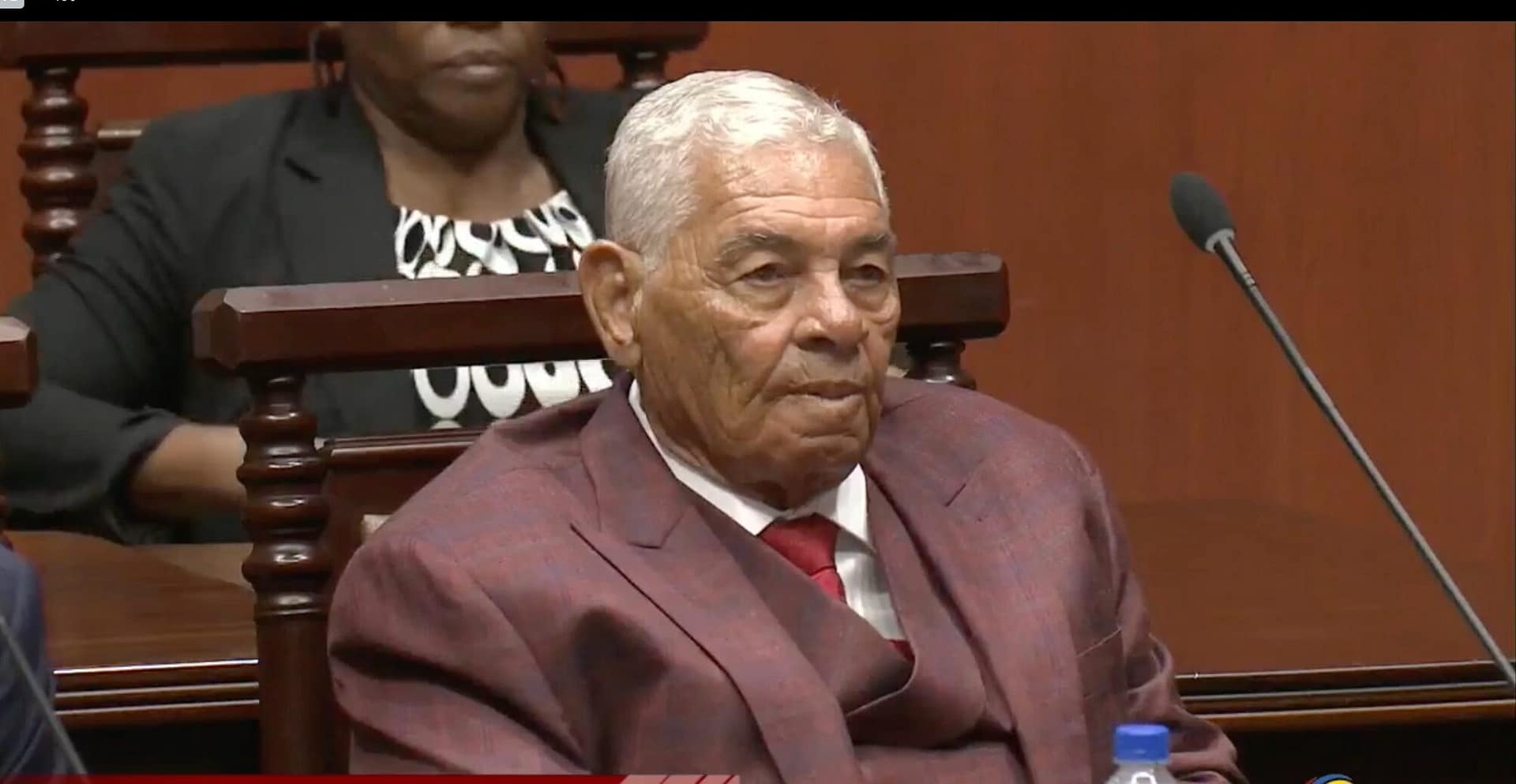
In an extraordinary display of political longevity, Sir Robin Yearwood attended a special parliamentary session today honoring his five decades of continuous service as an elected official. The landmark ceremony recognized his unprecedented tenure that began on February 18, 1976, when he first secured his parliamentary seat representing the Antigua and Barbuda Labour Party.
分类: politics
-
Minister ‘skin the cat’ as opposition snarls at $200m local loans
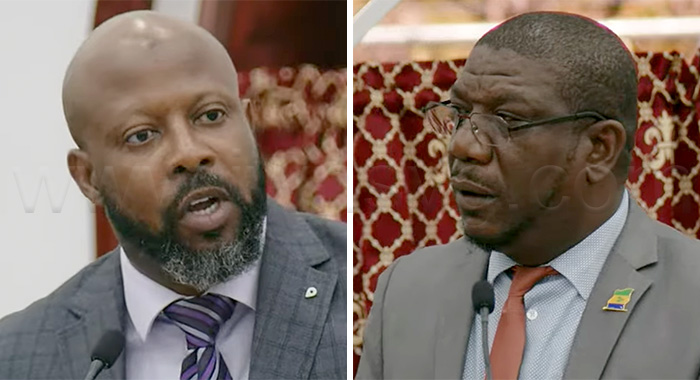
A contentious debate unfolded in St. Vincent and the Grenadines’ Parliament as Prime Minister Godwin Friday’s administration secured approval for the Public Sector Investment Loan (2026) Amendment Bill, authorizing EC$200 million in domestic borrowing. The legislative move faced vigorous opposition from senators aligned with former Prime Minister Ralph Gonsalves’ Unity Labour Party (ULP).
Prime Minister Friday, whose New Democratic Party (NDP) achieved a landslide 14-1 victory in last November’s elections, presented the bill as essential for financing the government’s public investment initiatives. He emphasized that the raised capital would directly support development programs outlined in recent budget debates, with these obligations constituting a formal charge against the Consolidated Fund under the Finance Minister’s oversight.
Opposition Senator Carlos James challenged the administration’s characterization of the borrowing as “routine,” noting the substantial increase to EC$200 million represented a significant departure from established norms. James referenced the previous government’s emergency borrowing following Hurricane Beryl, which he justified as necessary for national recovery efforts. The opposition senator expressed particular concern about shifting from concessionary external loans (typically 1-3% interest) to commercial domestic rates ranging from 6-12%, potentially burdening Vincentians with heavier debt obligations.
Agriculture Minister Israel Bruce delivered a sharp rebuttal, labeling James’ arguments as “disingenuous” and mathematically inconsistent. Bruce produced budgetary documents showing the ULP administration had itself increased local borrowing by EC$84 million in 2025 while adding EC$54 million to external debt. The minister questioned the opposition’s sudden concern about domestic interest rates given their own borrowing practices, emphasizing that “numbers don’t lie” in assessing fiscal responsibility.
The bill ultimately passed through all legislative stages, marking the Friday administration’s continued implementation of its economic agenda despite parliamentary resistance.
-
Sinckler begins tenure at Foreign Affairs
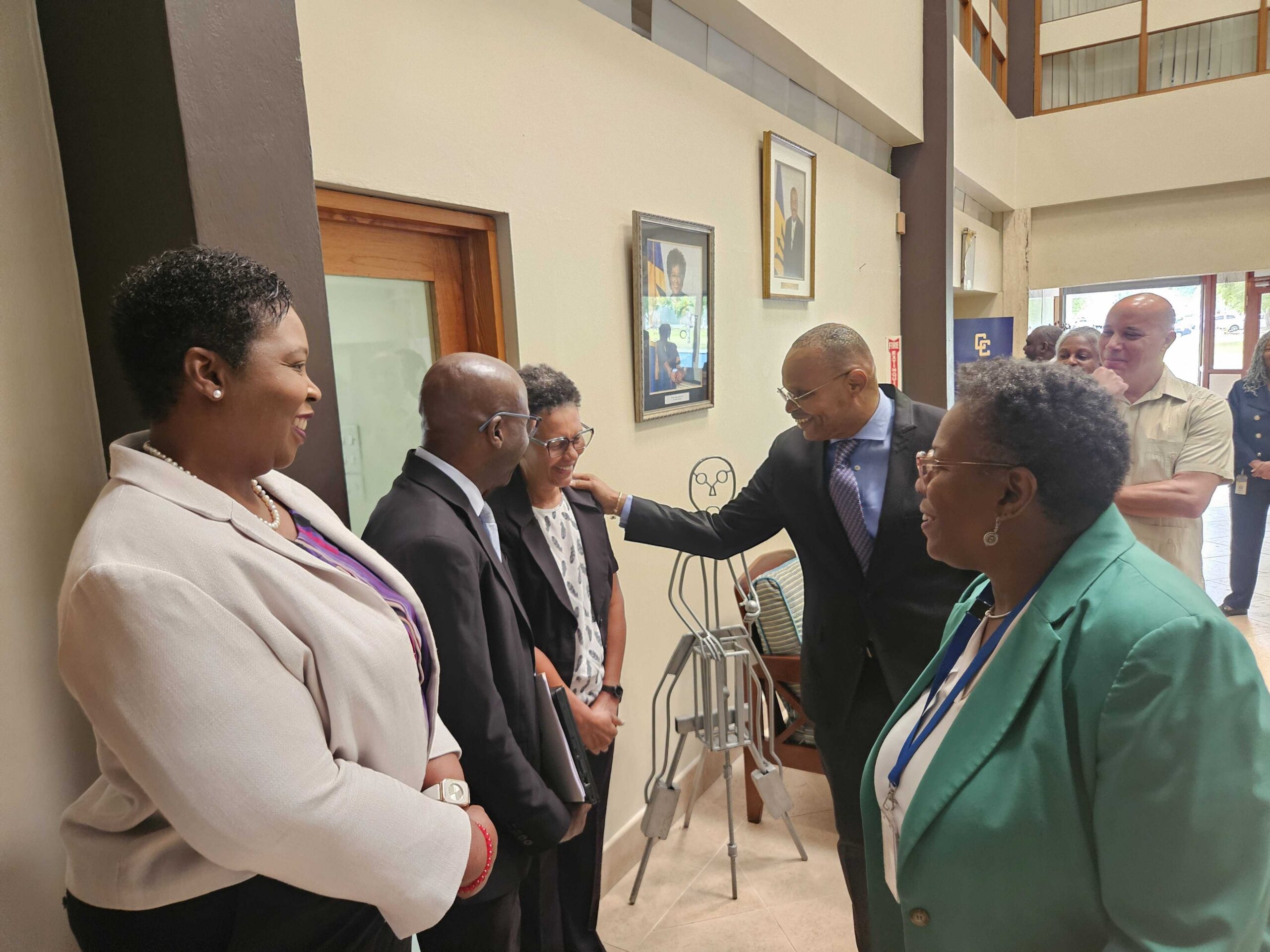
In his inaugural engagement as Barbados’ newly appointed Minister of Foreign Affairs and Foreign Trade, Senator Chris Sinckler commenced his tenure with a familiarization meeting at the ministry’s headquarters. The minister conducted introductory sessions with departmental staff members, setting a collaborative tone for his administration. During his address, Minister Sinckler recognized the substantial responsibilities awaiting his office while emphasizing the critical necessity of fortifying Barbados’ diplomatic relations and international trade alliances. He explicitly acknowledged the strategic importance of enhancing the nation’s global standing through strengthened bilateral and multilateral cooperation. The minister concluded his remarks by extending formal gratitude to Prime Minister Mia Mottley for entrusting him with this significant portfolio, characterizing the appointment as both an honor and a substantial responsibility toward the nation’s foreign policy objectives.
-
Special House Sitting Today to Honour Sir Robin Yearwood’s 50 Years in Parliament
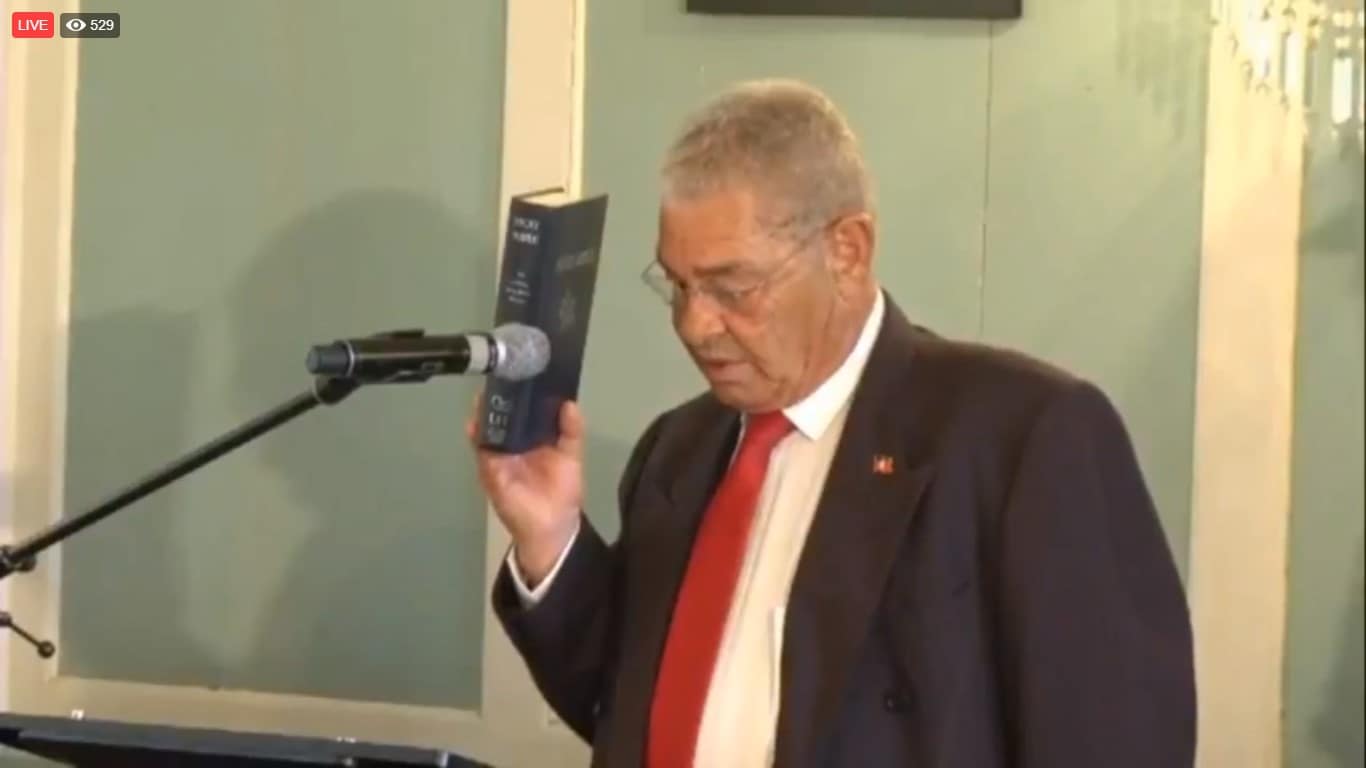
The House of Representatives of Antigua and Barbuda will convene a special ceremonial session this Wednesday to mark a historic parliamentary milestone—the 50th anniversary of Sir Robin Yearwood’s legislative service. The distinguished statesman first secured his parliamentary seat on February 18, 1976, representing the Antigua and Barbuda Labour Party during the leadership era of Premier Vere Cornwall Bird.
The commemorative proceedings will include formal tributes from sitting lawmakers honoring Sir Robin’s half-century of public service. The event will be attended by Governor General Sir Rodney Williams, who is scheduled to deliver special remarks recognizing the parliamentarian’s enduring contributions to national development.
According to parliamentary procedures, the session will commence with the Speaker’s formal entry followed by traditional prayers. Legislators will then consider a motion to amend the Order Paper in compliance with Standing Orders, creating the framework for this exceptional tribute sitting. The ceremony represents one of the longest legislative service recognitions in the Caribbean nation’s political history.
-
Senior Civil Servant Placed on Leave Amid Legal Affairs Probe
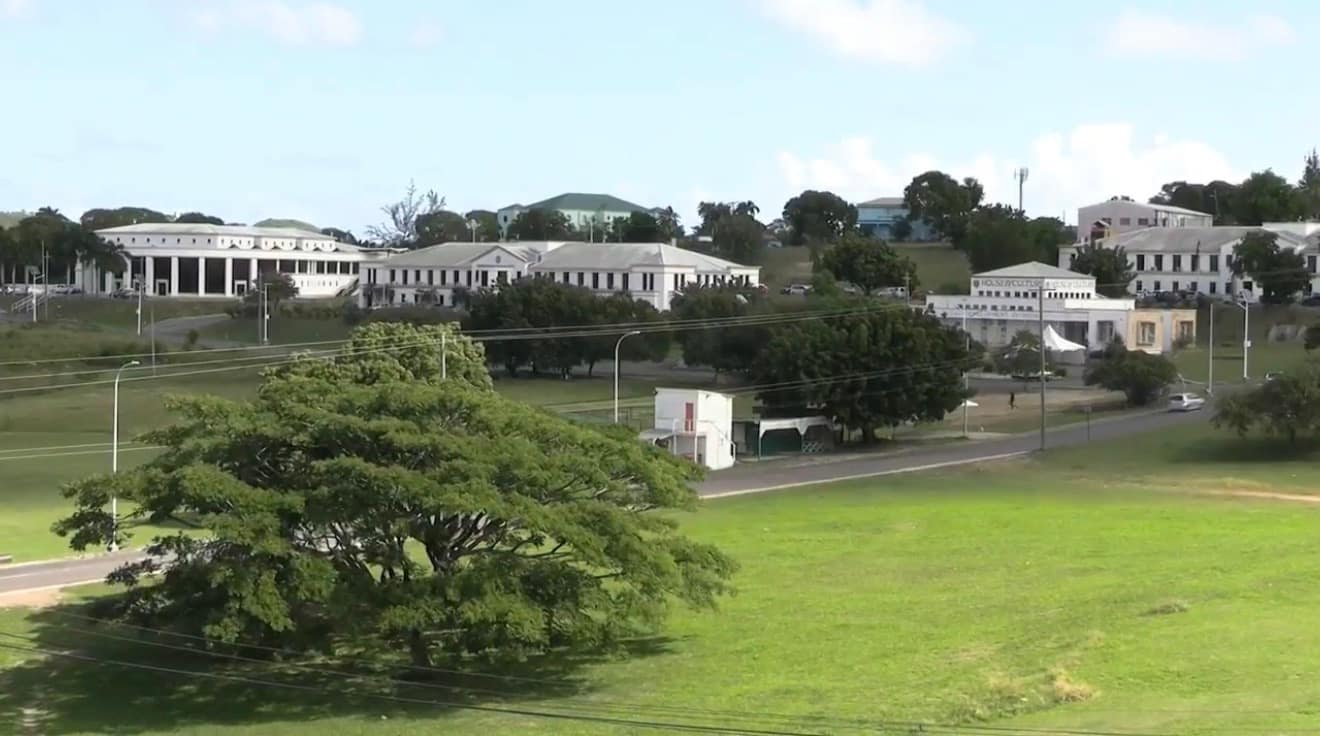
A high-ranking official at the Ministry of Legal Affairs has been suspended from duty following directives from the Public Service Commission, as confirmed by state media reports on Tuesday. The suspension comes amid an ongoing independent investigation into the senior bureaucrat’s conduct regarding alleged improprieties involving a junior ministry staff member.
The Public Service Commission recommended administrative leave for the official after raising serious concerns about their handling of the sensitive matter. Authorities have established a special committee to conduct a comprehensive inquiry into multiple allegations, including dereliction of duty, inadequate oversight, and failure to maintain expected standards of conduct for senior government officials.
In a related development, the Commission has additionally recommended the immediate removal of another senior civil servant within the same ministry from her position. This suggests broader accountability measures are being implemented within the ministry’s leadership structure.
The investigation represents a significant development in government accountability protocols, demonstrating the Public Service Commission’s active role in enforcing ethical standards within the civil service. The case has drawn attention to oversight mechanisms within ministerial operations and the consequences for officials who allegedly fail to meet established professional standards.
Both matters remain under review as the investigative committee pursues its inquiry, with outcomes expected to influence future accountability procedures within the public service sector.
-
RO wil via liba krutu vaart brengen in grenswet Suriname–Frans-Guyana
The Ministry of Regional Development has committed to facilitating the resolution of the long-standing border demarcation issue between Suriname and French Guiana. This initiative aims to reinvigorate the stalled border legislation process that was temporarily suspended following protests in November 2025.
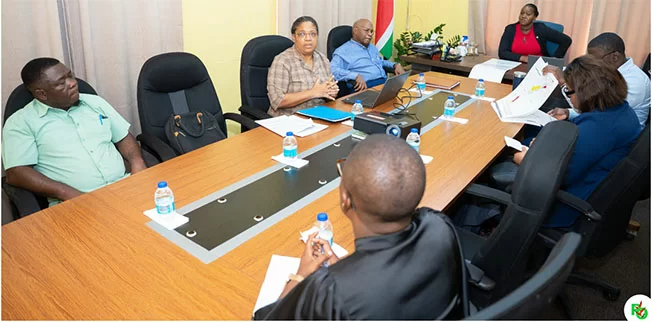
During high-level consultations between the National Border Commission and Minister Miquella Huur alongside her executive team, Commission Chairman Harold Kolader emphasized the critical urgency of finalizing border determinations to enable eventual adoption of the border law. The previous suspension occurred after the Aucaan community submitted a formal petition raising specific concerns about the legislative proposal.
The resolution strategy centers on implementing liba krutu – traditional community assemblies where the Ministry can directly engage with indigenous and tribal authorities along the Marowijne and Lawa rivers. These dialogues will be supplemented with informational videos to enhance outreach to remote villages. The Ministry assumes responsibility for organizing these consultations and managing all community communications.
Kolader further stressed the necessity of a targeted public awareness campaign to clarify both the content and significance of the border legislation. He noted that French Guiana has expressed willingness to collaboratively establish the definitive border alignment in accordance with mutual agreements. Through these renewed consultation efforts and educational initiatives, Suriname anticipates revitalizing progress toward finalizing this crucial international boundary legislation.
-
Understanding the Cuban embargo
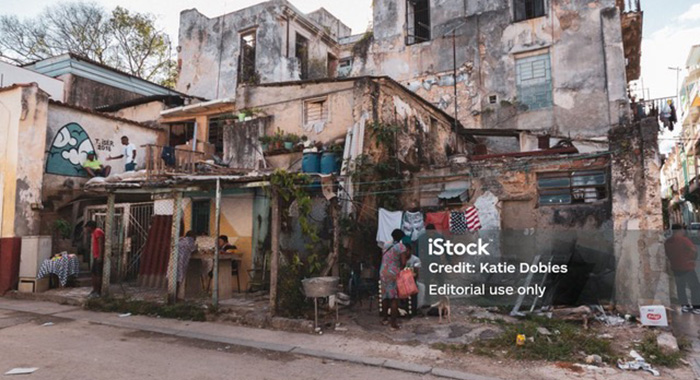
A persistent narrative among many Vincentian commentators—encompassing politicians, community activists, and the general public—attributes Cuba’s enduring economic hardships, including widespread poverty, food insecurity, and substandard housing, primarily to the longstanding United States economic embargo, colloquially termed ‘el bloqueo’ by Cubans.
While this comprehensive framework of economic, commercial, and financial sanctions was initially implemented in the early 1960s, it has not entirely isolated Cuba from global trade. The nation has consistently engaged in international commerce throughout its history. Current economic constraints are more intricately linked to the cessation of aid from its former patron, Russia, decades of detrimental collectivist economic policies, flawed political governance, and a significant ‘brain drain’ of its most skilled and productive citizens—a challenge also familiar to St. Vincent and the Grenadines.
As the most protracted trade embargo in modern history, it continues to attract significant international scrutiny, though its foundational causes are frequently minimized or omitted in contemporary discourse. The embargo’s origins are deeply rooted in the illegal nationalization of American-owned assets by the Cuban government following the 1959 revolution. Under Fidel Castro, the state seized oil refineries, sugar mills, and utilities, predominantly without compensating their U.S. owners. This action remains a pivotal legal impediment; the U.S. Department of State asserts that resolving approximately $7 to $8 billion in certified claims for confiscated property is a prerequisite for any full lifting of the sanctions.
The Cold War geopolitical landscape provided a second critical justification. The U.S. aimed to isolate the Castro regime to curtail the proliferation of Soviet influence and communist ideology in the Western Hemisphere. This strategic concern was dramatically amplified in 1962 during the Cuban Missile Crisis, triggered by the discovery of Soviet nuclear missiles stationed merely 90 miles from Florida. This event prompted President John F. Kennedy to escalate a partial trade ban into a full embargo, a measure deemed essential for hemispheric security.
In subsequent decades, the embargo’s rationale evolved to emphasize catalyzing political reform to liberate the Cuban populace from communist rule. Landmark legislation, including the Cuban Democracy Act (1992) and the Helms-Burton Act (1996), codified the sanctions into U.S. law. These acts stipulate that the embargo can only be rescinded upon Cuba meeting specific democratic conditions, such as legalizing political opposition, conducting free and fair elections, releasing political prisoners, and guaranteeing freedoms of the press and association.
Further complicating the relationship, the United States has designated Cuba as a state sponsor of terrorism on multiple occasions (1982–2015 and again from 2021 to present). More recent U.S. concerns, which critics now emphasize, center on Cuba’s sustained support for the Nicolás Maduro regime in Venezuela—a government accused of electoral fraud, harboring U.S. fugitives, and maintaining alliances with U.S. adversaries like Russia, China, and Iran.
Domestic U.S. politics, particularly within the influential Cuban-American community in Florida, also play a substantial role in perpetuating the policy. This constituency, often holding a hardline stance against the Cuban government, represents a sensitive political consideration for both major American political parties. Projecting into early 2026 under a hypothetical second Trump administration, the policy has intensified into a ‘total pressure’ campaign, featuring an oil blockade designed to further cripple the island’s tourism and energy sectors. The ultimate question remains whether such escalating pressure will inspire the Cuban people to reclaim their nation from its Marxist leadership.
-

U.S. attorneys general file brief supporting Haitian TPS holders
A coalition comprising 17 state attorneys general has launched a significant legal defense in support of Haitian immigrants facing the potential termination of their Temporary Protected Status (TPS). The group, spearheaded by New York Attorney General Letitia James, submitted an amicus curiae brief to the U.S. Court of Appeals for the District of Columbia Circuit on Monday, urging judicial rejection of the Department of Homeland Security’s attempt to dismantle the humanitarian program.
The legal action comes as a response to the federal government’s appeal seeking to overturn a lower court ruling that currently blocks DHS from revoking TPS protections for approximately 350,000 Haitian nationals. This preliminary injunction remains in effect while litigation continues through the judicial system.
In their comprehensive filing, the coalition presents a multifaceted argument against termination, emphasizing that revoking TPS would inflict severe damage on public safety infrastructure, overwhelm healthcare systems, and disrupt local economies across multiple states. The attorneys general further contend that such action would forcibly separate families who have established deep roots in American communities over many years of lawful residence and employment.
The legal brief highlights the extensive contributions of Haitian TPS holders to American society and emphasizes the destabilizing effect that mass deportation would have on both receiving communities and Haiti itself. The coalition warns that abrupt termination would create humanitarian crises at both ends of the migration chain, affecting employers, community institutions, and family networks that have become interdependent over the decade-long duration of the protected status.
The case represents one of the most significant immigration policy battles currently unfolding in the federal judiciary, testing the limits of executive authority in immigration enforcement matters.
-
U.S. Ambassador meets Dominican Defense Minister to discuss security and stability
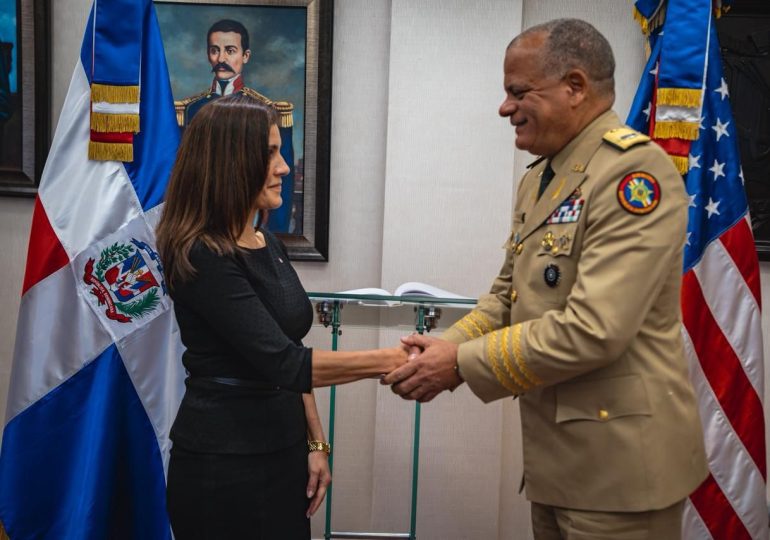
SANTO DOMINGO – In a significant diplomatic engagement, Dominican Defense Minister Carlos Antonio Fernández Onofre hosted U.S. Ambassador to the Dominican Republic Leah Francis Campos at Ministry of Defense headquarters. The high-level meeting served to reinforce the robust partnership and collaborative spirit between the two nations.
During extensive discussions, both officials addressed critical matters of mutual concern with particular emphasis on enhancing security cooperation frameworks. The dialogue focused on advancing bilateral defense coordination and developing strategic initiatives to address regional security challenges.
Key agenda items included evaluating current cooperation mechanisms and exploring new joint ventures aimed at strengthening hemispheric stability. Both parties emphasized the necessity of maintaining coordinated approaches to security policy and defense strategy development.
The engagement represents a continued commitment from both governments to work in concert toward promoting peace, supporting development initiatives, and ensuring regional security through strengthened diplomatic and defense channels.
-

Government Advances Water Security as Trinidad and Tobago Firm Begins Local Drilling Program
The Federation of Saint Kitts and Nevis is making significant strides in its comprehensive water security initiative through a dual approach of exploratory drilling and desalination technology. Prime Minister Dr. Terrance Drew confirmed that a Trinidad and Tobago-based firm has commenced exploratory drilling operations across approximately ten identified sites, with current activities focused in the Saddlers area.
This drilling program represents a critical component of the government’s multi-layered strategy to ensure uninterrupted potable water access nationwide. The initiative complements the newly constructed publicly-owned desalination facility, which is already producing two million gallons of fresh water daily ahead of its formal commissioning scheduled for February 24.
Prime Minister Drew emphasized his administration’s commitment to eliminating water insecurity, stating unequivocally that the government “does not intend to ever return to a situation where communities experience inconsistent water supply.” The $60 million investment in water infrastructure, encompassing desalination, well development, and system upgrades, forms a cornerstone of the broader Sustainable Island State Agenda.
The Prime Minister also addressed the financial sustainability of water services, clarifying that while the government heavily subsidizes water costs, consumer payments are essential for system maintenance and improvement. “Revenues collected are reinvested directly into enhancing our water infrastructure—the government does not profit from these payments,” Dr. Drew explained.
This integrated approach demonstrates the administration’s dedication to building resilient infrastructure and implementing sustainable resource management practices that will benefit both current and future generations.