分类: politics

  • Suriname mikt op sterkere regionale rol tijdens jubileumeditie Caricom-top

    Suriname mikt op sterkere regionale rol tijdens jubileumeditie Caricom-top

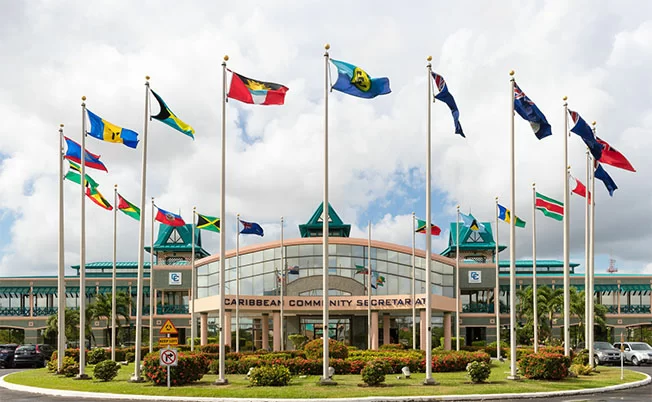
    Suriname is poised to enhance its regional standing during the landmark 50th Regular Meeting of the Conference of Heads of Government of the Caribbean Community (CARICOM), scheduled from February 24-27 in Saint Kitts and Nevis. President Jennifer Simons will make her inaugural appearance at this annual gathering of Caribbean leaders, marking a significant diplomatic debut.

    According to Foreign Minister Melvin Bouva, Suriname will dispatch a compact yet highly functional seven-member delegation to the summit. This meeting not only commemorates CARICOM’s golden anniversary but also serves as the first direct introductory platform for President Simons to engage with her regional counterparts.

    Minister Bouva emphasized to the Communication Service Suriname that participation holds critical importance amid rapidly shifting global geopolitical dynamics. He articulated that robust regional cooperation represents Suriname’s strategic pathway to fortifying its international position.

    The minister asserted that regional integration is essential for effectively responding to global developments in trade, security, and climate challenges. ‘The world is in constant motion. Within this dynamic environment, Suriname must chart its course collaboratively with the region,’ Bouva stated.

    A central focus for the Surinamese delegation will be deepening regional integration, particularly through enhanced Caribbean connectivity. This includes facilitating smoother transport networks, trade mechanisms, and movement of people between member states.

    Bouva indicated the government intends to approach international challenges through more coordinated efforts. CARICOM collaboration, he noted, should contribute to greater economic resilience and more efficient management of transnational issues.

    The government also identifies substantial economic opportunities for Suriname within the region. CARICOM nations annually import billions of dollars worth of goods from outside the Caribbean. Thanks to its geographical positioning and agricultural potential, Suriname could assume a larger role in regional food security.

    Beyond economic cooperation, President Simons will advocate for the Caribbean as a zone of peace, stability, and sustainable development during the summit.

    The meeting additionally serves as preparatory groundwork for Suriname’s upcoming CARICOM chairmanship in 2027. Bouva characterized this first physical participation by Suriname’s new government as a crucial step toward strengthening relationships and aligning priorities in advance.

    ‘We will soon shoulder significant responsibility within the region. Therefore, we are already preparing to deliver optimal outcomes for both Suriname and CARICOM,’ Bouva concluded.
  • Coye Appointed Special Envoy for Finance and Investments

    Coye Appointed Special Envoy for Finance and Investments

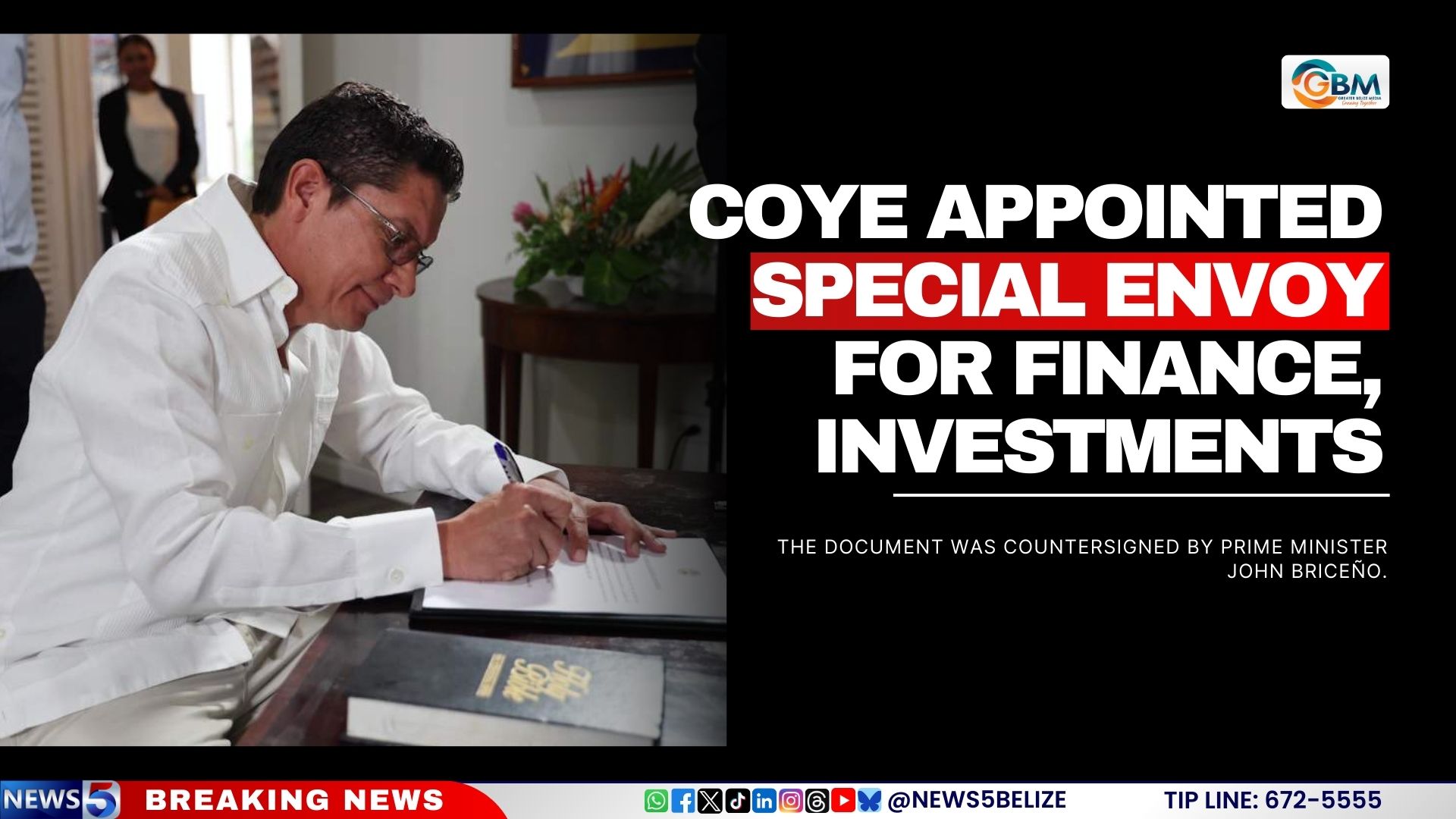
    The Government of Belize has formally designated Christopher Coye as the nation’s Special Envoy for Finance and Investments through an official proclamation in the Belize Gazette. This strategic appointment, formally executed by Governor-General Froyla Tzalam on February 9, 2026, carries retroactive effect from January 1st and establishes a four-year mandate.

    The appointment confers upon Coye full authority to represent Belize’s governmental interests in all financial and investment-related matters. The published instrument specifically directs all relevant authorities to provide comprehensive operational support and grant necessary privileges to facilitate his duties. Coye will operate under the jurisdictional umbrella of the Ministry of Finance, Investment, Economic Transformation, Civil Aviation and E-Governance.

    This development follows Coye’s September 2025 resignation from his position as Minister of State within the Finance Ministry. His departure from the cabinet occurred merely seven months after rejoining Prime Minister Briceño’s administration following the People’s United Party’s decisive electoral victory. Despite stepping down from executive responsibilities, Coye maintained his legislative role as a government senator while returning to private professional practice prior to this new diplomatic assignment.

  • Venezuela verleent amnestie, honderden politieke gevangenen kunnen vrijkomen

    Venezuela verleent amnestie, honderden politieke gevangenen kunnen vrijkomen

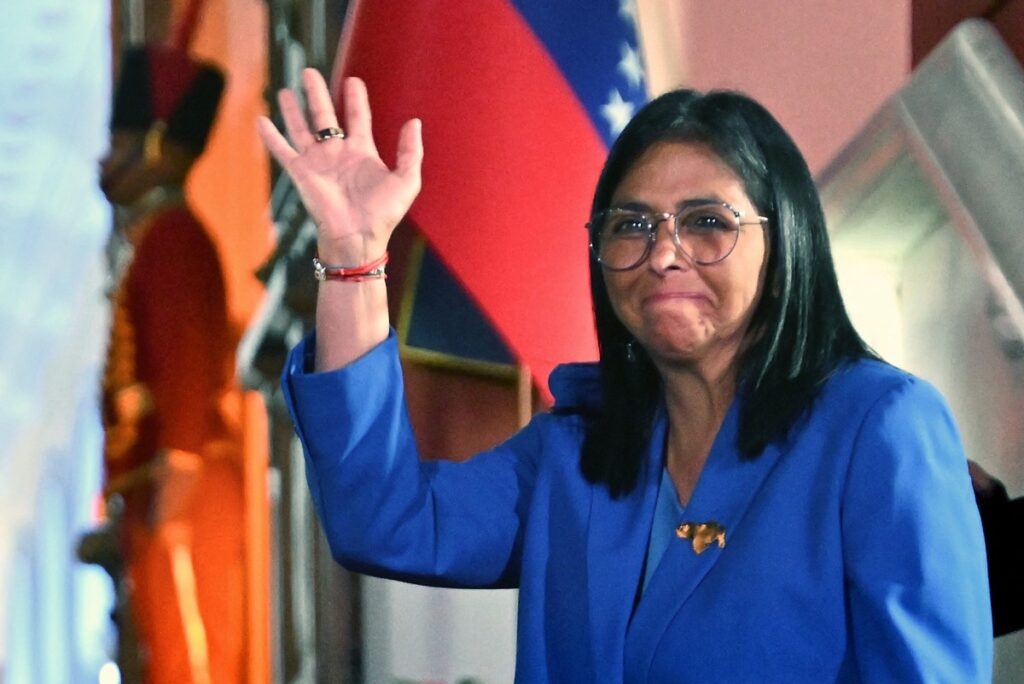
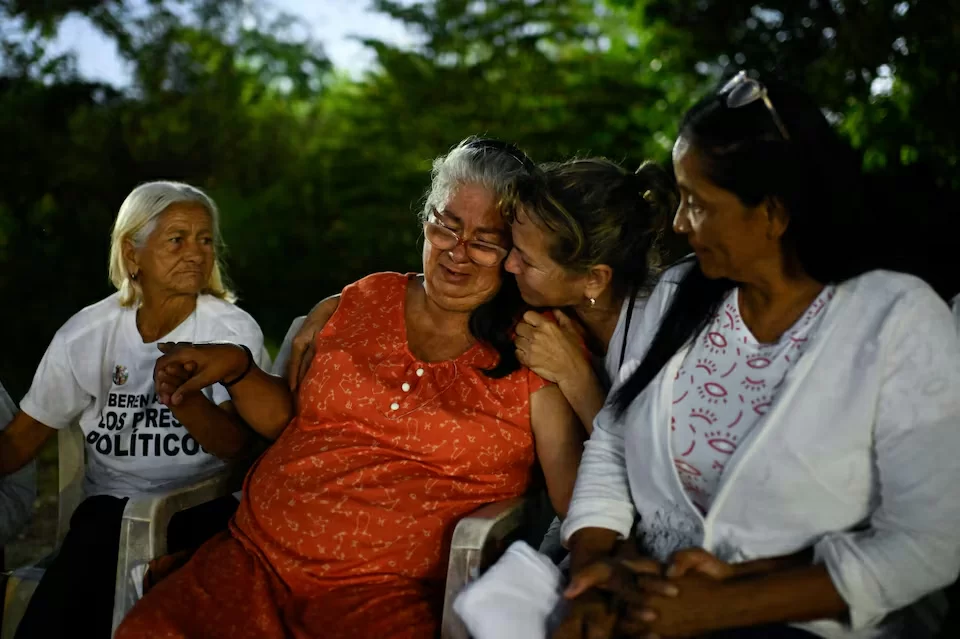
    In a significant policy reversal, Venezuela’s acting president has enacted sweeping amnesty legislation that could result in the release of hundreds of politicians, activists, and legal professionals detained for political reasons. This move represents an implicit acknowledgment of what the government had denied for decades: the existence of political prisoners within its penal system.

    The newly signed law, ratified on Thursday, effectively overturns years of official denial and marks another strategic shift by the administration following the January 3rd military incursion by American forces in Caracas and the subsequent abduction of President Nicolás Maduro.

    Under the provisions of this legislation, opposition figures, human rights defenders, journalists, and other individuals targeted by the ruling party over the past 27 years may qualify for release. However, families awaiting the freedom of their relatives express skepticism, noting that Acting President Delcy Rodríguez has previously failed to fulfill promises regarding prisoner releases. Many have maintained vigil outside detention centers for weeks.

    According to the Venezuelan Prison Rights Organization Foro Penal, 448 releases have been documented since January 8, though estimates suggest over 600 individuals remain detained for political reasons.

    The amnesty law covers involvement in political protests and “violent actions” occurring during the brief 2002 coup attempt, as well as during demonstrations or electoral processes during specific months dating back to 2004. While the legislation doesn’t explicitly specify which offenses qualify, earlier drafts included incitement to illegal activities, resistance to authorities, rebellion, and treason.

    Notably excluded are those convicted of “military rebellion” for their involvement in 2019 events. The law also doesn’t provide for property restitution, reverse suspensions from public office imposed for political reasons, or lift sanctions against media outlets.

    The opposition remains divided on the legislation. Nora Bracho, an opposition politician, described it during parliamentary debates as “imperfect but undoubtedly a major step forward for reconciliation in Venezuela.” Conversely, Pedro Urruchurtu, international relations director for opposition leader and Nobel laureate Maria Corina Machado, criticized the measure as “not just invalid and unlawful, but a trap to buy time and re-victimize the persecuted.”

    Since Maduro’s abduction, U.S. President Donald Trump has praised Rodríguez while downplaying potential support for opposition forces. Rodríguez has made several concessions to the U.S., including halting oil deliveries to Cuba and supporting legislation to open the state oil industry to foreign companies. The United States has indicated it will monitor revenues from Venezuelan oil sales until a “representative government” is established.

  • Prime Minister Friday to attend 50th CARICOM Summit in St. Kitts

    Prime Minister Friday to attend 50th CARICOM Summit in St. Kitts

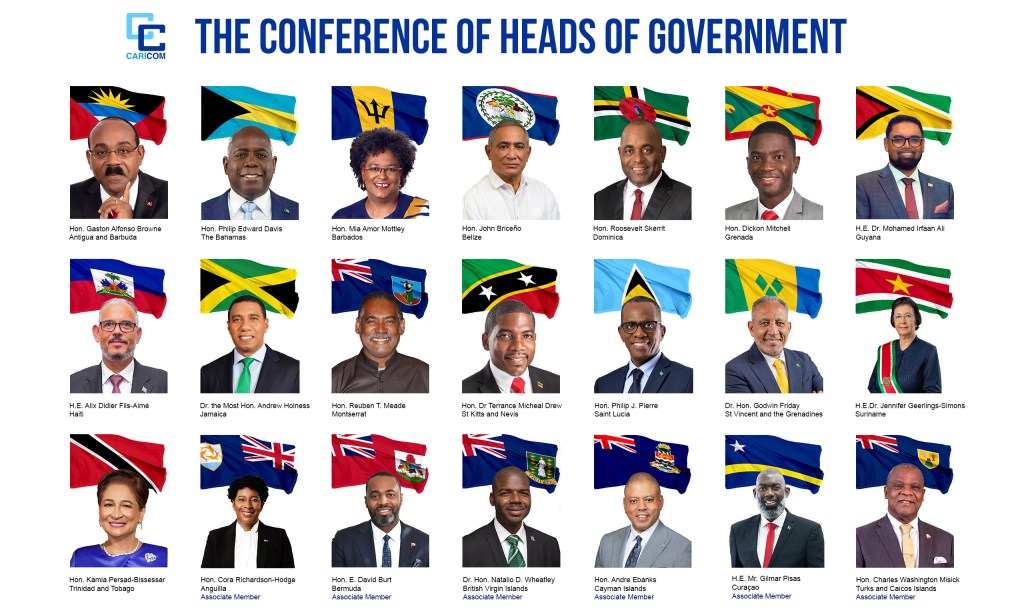
    Vincentian Prime Minister Dr. Godwin Friday is scheduled to undertake a significant diplomatic mission to St. Kitts and Nevis next week, where he will participate in the historic 50th Regular Meeting of the CARICOM Heads of Government Conference. The high-level gathering, scheduled from February 24-27, 2026, represents a milestone moment for regional cooperation and governance in the Caribbean basin.

    The upcoming summit will be convened under the distinguished chairmanship of St. Kitts and Nevis Prime Minister Dr. Terrance Drew, who will host fellow regional leaders at this quadrennial event. The conference agenda is expected to address pressing regional concerns including climate resilience, economic integration, security cooperation, and sustainable development initiatives unique to Caribbean nations.

    In preliminary statements, Prime Minister Friday emphasized the critical importance of this diplomatic engagement, noting that the summit provides an essential platform for collaborative problem-solving among member states. ‘I anticipate substantive dialogues with my regional counterparts on matters of mutual importance to CARICOM’s continued development and prosperity,’ Friday stated, highlighting the conference’s role in shaping the region’s strategic direction.

    The 50th anniversary summit marks a significant evolution in CARICOM’s institutional development since its establishment in 1973, representing one of the developing world’s most enduring regional integration movements. This gathering occurs amid global economic uncertainties and evolving geopolitical dynamics that particularly affect small island developing states.

  • US Supreme Court rules Trump’s extensive tariff impositions illegal

    US Supreme Court rules Trump’s extensive tariff impositions illegal

    In a landmark constitutional ruling, the U.S. Supreme Court has declared that former President Donald Trump’s expansive global tariff regime exceeds presidential authority and requires Congressional approval. The 6-3 decision represents the most significant judicial rebuke of Trump’s executive actions during his presidency.

    Justice Neil M. Gorsuch, a Trump appointee, authored a comprehensive 46-page concurring opinion emphasizing that “the Constitution lodges the Nation’s lawmaking powers in Congress alone.” The ruling specifically addressed Trump’s use of the 1977 International Emergency Economic Powers Act (IEEPA), which the Court found never explicitly granted tariff-imposing authority to the executive branch.

    The decision invalidates two major categories of tariffs: country-specific “reciprocal” tariffs ranging from 34% for China to a 10% baseline for other nations, and a separate 25% levy on certain imports from Canada, China, and Mexico allegedly related to fentanyl control failures. However, tariffs imposed under different legal authorities, including those on steel and aluminum, remain unaffected.

    Economic data reveals these contested tariffs generated approximately $130 billion in revenue through mid-December, according to U.S. Customs and Border Protection. Trump had controversially claimed the figure reached $3 trillion when including trade deal arrangements negotiated during his administration.

    The ruling culminates legal challenges from small business owners who argued the tariffs caused severe economic harm, increased consumer prices, and damaged manufacturing employment through higher imported component costs. Lower courts had previously ruled against the administration’s legal position, maintaining tariffs only during appeal proceedings.

    Responding to the decision, Trump promised to pursue alternative mechanisms to maintain trade pressures, stating: “Other alternatives will now be used to replace the ones that the court incorrectly rejected. We have alternatives. Great alternatives. Could be more money.”

  • Belize Says Goodbye to Taiwan’s Ambassador Lily Hsu With Top Honour

    Belize Says Goodbye to Taiwan’s Ambassador Lily Hsu With Top Honour

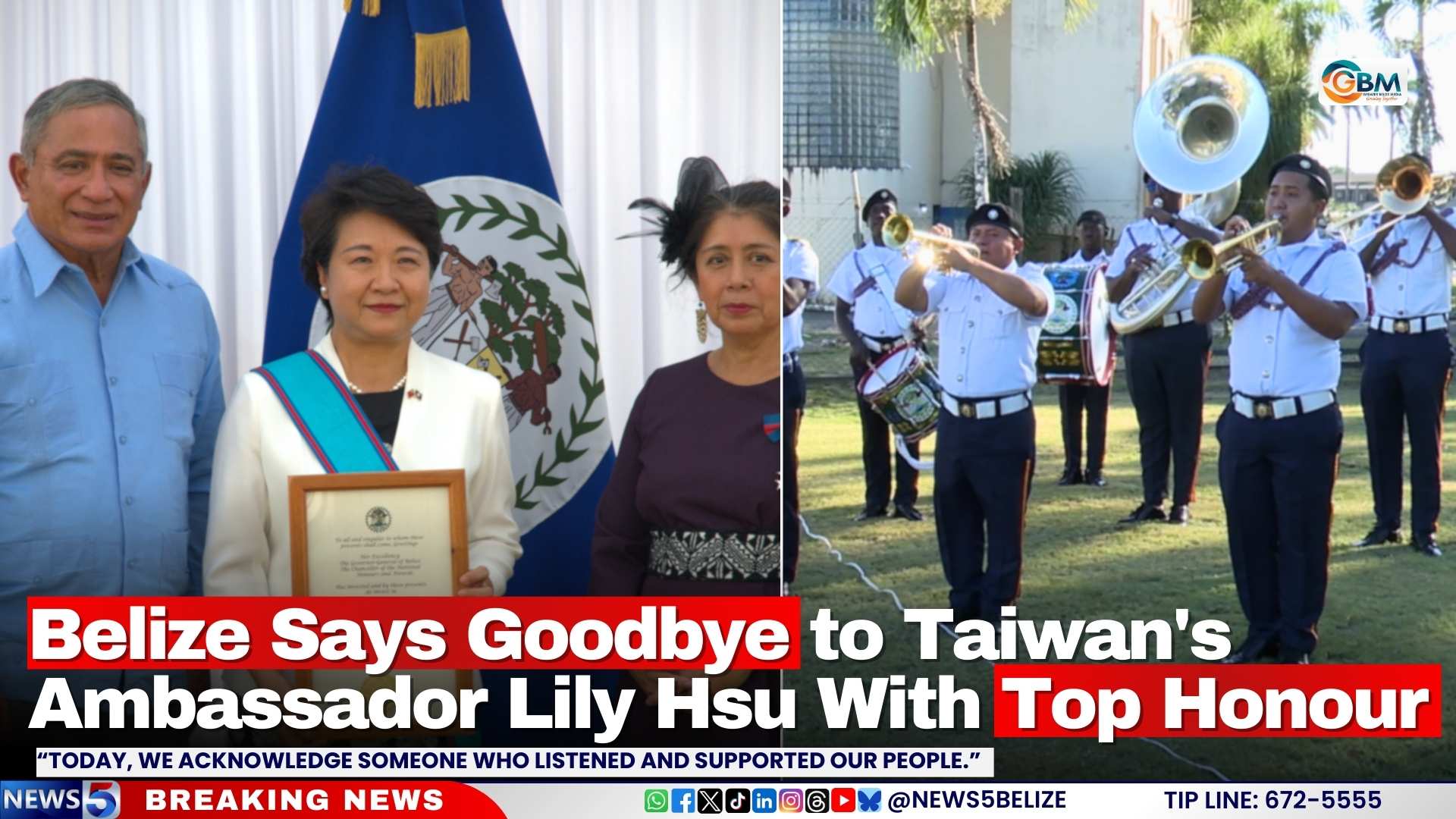
    In a significant diplomatic ceremony, Belize has bestowed one of its highest national honors upon Taiwanese Ambassador Lily Li-Wen Hsu as she concludes her three-year mission in the Central American nation. Governor General Dame Froyla Tzalam presented the Order of Distinction to Ambassador Hsu during a formal recognition event held on February 20, 2026.

    The prestigious award acknowledges Ambassador Hsu’s exceptional contributions to strengthening bilateral relations and advancing Belize’s national development agenda. Governor General Tzalam emphasized the evolving nature of international cooperation, stating, ‘We live in a time where physical boundaries are no longer limitations to nation-building,’ while praising the ambassador’s dedication to supporting the Belizean people.

    Ambassador Hsu expressed profound gratitude for the honor, describing her service as ‘a great privilege’ to both represent Taiwan and collaborate with Belizean partners. ‘I’m deeply grateful and humbled to receive this significant recognition,’ she remarked during the emotional ceremony. The ambassador specifically highlighted Belize’s consistent diplomatic support for Taiwan’s international participation, noting the personal and governmental significance of this solidarity.

    In a poignant revelation, Ambassador Hsu announced her earlier-than-anticipated departure following the recent passing of her mother. She requested continued support for her successor, who will be undertaking a third diplomatic tour in Belize. The Order of Distinction represents Belize’s formal mechanism for recognizing exceptional service to the nation, including by foreign nationals who have significantly contributed to the country’s development and international partnerships.

  • Trump orders Pentagon to release alien, UFO files

    Trump orders Pentagon to release alien, UFO files

    In a significant development regarding government transparency on unidentified aerial phenomena, former President Donald Trump announced Thursday his intention to mandate federal agencies to commence declassifying documents pertaining to aliens and unidentified flying objects (UFOs). The declaration, made during his travel to Georgia, cited substantial public curiosity as the primary impetus behind this directive.

    The announcement was accompanied by a pointed accusation against his predecessor. Trump asserted, without presenting corroborating evidence, that former President Barack Obama had improperly handled classified materials during public discussions on extraterrestrial life. ‘He took it out of classified information… He’s not supposed to be doing that,’ Trump stated to reporters, characterizing Obama’s actions as a ‘big mistake.’

    This criticism references a recent podcast interview where Obama was questioned on the existence of aliens. The former president responded by acknowledging the statistical probability of life beyond Earth due to the universe’s vastness but expressed personal skepticism about visits to Earth or secret government holdings. ‘They’re real, but I haven’t seen them, and they’re not being kept in… Area 51,’ Obama clarified, dismissing widespread conspiracy theories about the notorious Nevada Air Force base, which archival documents confirm was a testing ground for secret spy aircraft, not extraterrestrial technology.

    Obama’s office has not publicly addressed Trump’s allegations. The remarks in question contained no apparent disclosure of classified information and aligned with the U.S. government’s long-standing official position.

    Contradicting his own push for disclosure, Trump concurrently expressed personal ambivalence, remarking, ‘I don’t know if they’re real or not.’ This stance appears consistent with recent Pentagon conclusions. Official investigations, including a comprehensive 2024 report, have consistently found no empirical evidence for extraterrestrial technology or visitations. These studies attribute most UFO sightings to misidentified ordinary objects and natural phenomena, a finding reiterated by senior military leaders in 2022.

  • Russia Condemns U.S. Fuel Blockade on Cuba

    Russia Condemns U.S. Fuel Blockade on Cuba

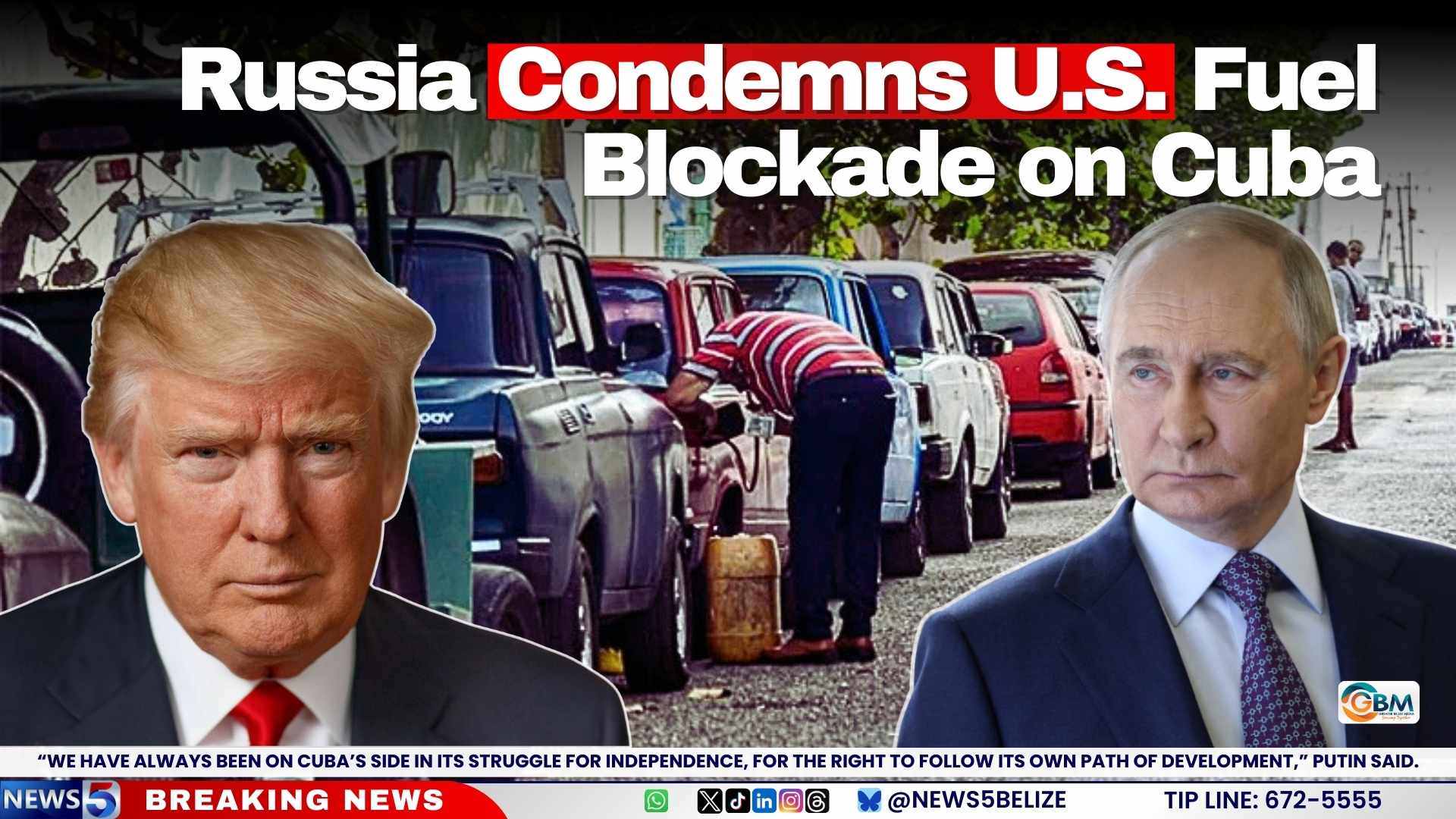
    Russian President Vladimir Putin has issued a forceful condemnation of the United States’ economic measures against Cuba, denouncing the Trump administration’s blockade on fuel shipments as completely unacceptable. The declaration came during high-level diplomatic talks in Moscow with Cuba’s foreign minister on Wednesday.

    Putin utilized the meeting to reaffirm Russia’s historical alliance with the Caribbean nation, emphasizing unwavering support for Cuban sovereignty. “We have consistently stood beside Cuba throughout its struggle for independence and its fundamental right to determine its own developmental trajectory,” Putin stated during the discussions.

    The current fuel crisis stems from a January military operation conducted by U.S. forces that resulted in the capture of Venezuelan President Nicolás Maduro. This intervention effectively severed Cuba’s primary oil supply route from Venezuela. Subsequently, President Trump issued warnings that nations attempting to supply petroleum products to Cuba would encounter significant tariff penalties.

    According to reports from Tass, Russia’s official news agency, Putin characterized the situation as a “special period with new sanctions” while reiterating Moscow’s opposition to such economic coercion tactics.

    The humanitarian consequences are becoming increasingly severe across Cuba. The nation has implemented strict rationing protocols for remaining fuel supplies while reducing essential public services. United Nations officials have raised alarms about potential systemic collapse if the blockade continues, noting deteriorating conditions in waste management and other critical infrastructure. Photographic evidence from recent days shows accumulating garbage in urban areas as collection services deteriorate due to energy shortages.

  • Asset tax clash

    Asset tax clash

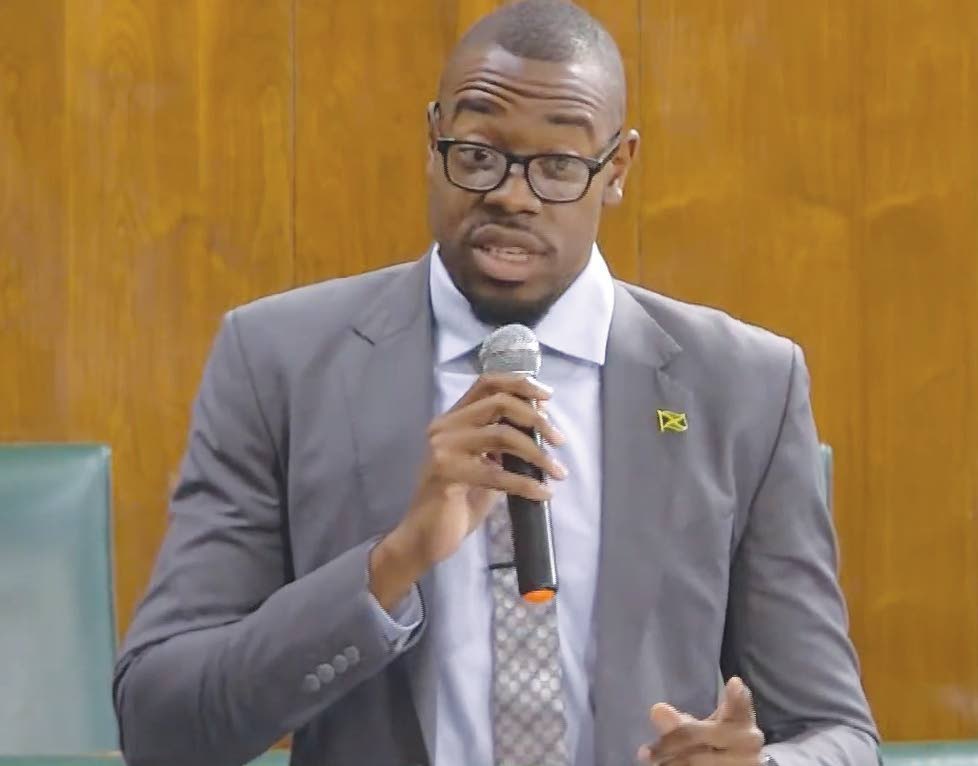
    A profound ideological divide over fiscal policy erupted in Jamaica’s Upper House on Friday, pitting opposition senators demanding immediate abolition of the controversial asset tax against government officials urging fiscal caution amid mounting economic pressures.

    Opposition Senator Ramon Small-Ferguson, CEO of Barita Investments Limited, launched a vigorous offensive against the decade-old tax, arguing it had exceeded its original crisis-era purpose. ‘The asset tax does not tax profit, it doesn’t tax success, it taxes the mere existence of capital,’ he asserted. ‘You’re being punished for putting capital to work in the economy.’

    Small-Ferguson framed the tax as a credibility issue, emphasizing that ‘extraordinary measures introduced during a time of crisis must not become permanent features’ and that successful reform required ‘unwinding temporary burdens.’

    Government Senator Keith Duncan, CEO of JMMB Group, acknowledged the tax’s economic distortions but countered with stark fiscal realities: ‘The projected fiscal deficit for the current financial year is $134.9 billion. The projected fiscal deficit for the next financial year is $190 billion.’ He cautioned that while removal remains a policy goal, ‘hard choices need to be made’ regarding timing.

    The debate emerged as the Senate approved technical amendments to both the Asset Tax Act and Income Tax Act, primarily adjusting filing timelines to April 15 starting in 2025 and providing tax exemptions for hurricane recovery assistance.

    Senator Kamina Johnson Smith, Leader of Government Business, explained these administrative changes aimed to ‘ease compliance and support recovery’ from Hurricane Melissa while maintaining fiscal responsibility.

    The discussion turned personal when Opposition Senator Kisha Anderson, who serves as director across JMMB entities, pointedly referenced Duncan’s previous criticisms of the tax as a business leader. Noting that $80 billion had been ‘extracted from the financial system since 2016,’ she suggested this capital would otherwise have significantly strengthened Jamaica’s productive economy.

    The asset tax originated in 2013 under the People’s National Party administration during Jamaica’s fiscal crisis and IMF stabilization program. Though initially presented as temporary, it remains operational for regulated financial institutions.

    In closing, Johnson Smith reiterated the administration’s commitment to eventual elimination but emphasized the necessity of balancing competing demands: ‘When you have a tax hole that has to be filled, you have to look at what you’re going to fill it with.’

  • Venezuela grants amnesty to 379 political prisoners

    Venezuela grants amnesty to 379 political prisoners

    CARACAS, Venezuela — In a significant political development, Venezuela’s National Assembly has unanimously enacted an amnesty law leading to the release of 379 individuals classified as political prisoners. The legislation, passed by interim authorities following the U.S.-backed ouster of former leader Nicolas Maduro, represents one of the most substantial prisoner releases in recent years.

    Jorge Arreaza, the lawmaker overseeing the amnesty process, announced in a televised address that the 379 detainees “must be released, granted amnesty, between tonight and tomorrow morning.” He confirmed that the Public Prosecutor’s Office had formally submitted requests to judicial authorities to implement the amnesty measures.

    The controversial legislation contains significant exemptions that have drawn criticism from opposition figures and human rights organizations. The amnesty explicitly excludes individuals prosecuted for “promoting” or “facilitating armed or forceful actions” against Venezuela’s sovereignty by foreign actors—a provision that interim President Delcy Rodriguez has previously invoked against opposition leader Maria Corina Machado. The law also excludes security force members convicted of terrorism-related activities.

    This has created painful divisions among families of detainees. Hiowanka Avila, whose brother was arrested in connection with an alleged 2018 drone assassination attempt against Maduro, expressed disappointment outside Rodeo 1 prison: “Many of us are aware that the amnesty law does not cover our relatives.”

    The implementation process itself faces skepticism. Alfredo Romero of the NGO Foro Penal noted that “amnesty is not automatic” and requires judicial review—a concerning prospect given Venezuela’s courts are widely viewed as instruments of previous repression.

    Despite these limitations, some opposition figures have already benefited. Juan Pablo Guanipa, a Machado ally, announced his complete release from detention shortly after the bill’s passage, declaring on social media: “I am now completely free.” He immediately called for the liberation of all remaining political prisoners and the return of exiles.

    The interim government, led by Rodriguez—formerly Maduro’s vice president—defended its actions. In a state television address, Rodriguez asserted that “we are building a more democratic, more just, and freer Venezuela, and it must be with the effort of everyone.”

    However, exiled opposition leader Edmundo Gonzalez Urrutia, widely considered the legitimate winner of the fraud-marred 2024 presidential election, offered a more cautious perspective: “There will be no lasting reconciliation without memory or responsibility. A responsible amnesty is the transition from fear to the rule of law.”

    The developments occur against the backdrop of heightened U.S. involvement in Venezuelan affairs, with Washington having taken control of the country’s oil sales following Maduro’s extradition to New York to face drug trafficking charges.