This entry submitted for news processing arrives incomplete: only social sharing buttons (for sharing, tweeting, pinning content) and a link to an image hosted on an external news server are included, with no full text of the original news story provided. Without the core journalistic content that would detail events, quotes, data, or context, no full, accurate rewrite of a specific news report can be completed. The image linked is dated July 6, 2026, and stored under a unique file identifier, but no accompanying descriptive text or narrative to outline the story’s topic, key players, or core claim is available for analysis or reconstruction.
分类: other
-

Vatican Casts Out Traditionalist Catholic Sect in Rare Mass Excommunication
In an unprecedented disciplinary action unseen in modern Catholic history for decades, the Holy See has levied the severe penalty of excommunication against all leading bishops of the traditionalist Society of Saint Pius X (SSPX), while issuing a clear warning that committed followers who maintain loyalty to the breakaway sect face the same exclusion from full communion with the Roman Catholic Church. This sweeping crackdown marks one of the Vatican’s hardest responses to a schismatic movement in more than a century.
The extraordinary measure was triggered just 24 hours after SSPX leadership openly defied an explicit ban from Pope Leo XIV, moving forward with the consecration of four new bishops without the required papal approval. Vatican officials frame this unilateral act as a deliberate step that pushed the Society further into formal schism from the global Catholic Church.
In an official decree released Thursday, the Vatican confirmed that all six currently serving SSPX bishops are now officially excommunicated. The ruling goes further than past disciplinary actions, extending the penalty to lay SSPX supporters who formally align themselves with the organization and uphold its contested doctrinal positions, classifying these committed members as schismatics subject to excommunication.
Vatican spokespersons later moved to clarify the scope of the decree, stressing that not every individual who attends Mass at an SSPX parish will automatically face excommunication. Instead, the penalty is restricted to those who regularly participate in the Society’s communal religious activities and openly endorse its rejection of mainstream Catholic doctrine.
Founded in 1970 as a direct opposition to the widespread liturgical and theological reforms of the Second Vatican Council, the SSPX has rejected nearly all of the changes that reshaped modern Catholic worship over the past 50 years. To this day, the group exclusively celebrates the Tridentine Mass in Latin, with priests oriented toward the altar during liturgy and Holy Communion distributed only on the tongue to kneeling worshippers.
Current estimates place the SSPX’s global following at roughly 600,000 people, with the largest concentrations of members in the United States, France, and the United Kingdom. The Vatican has long held that priests ordained through the SSPX administer sacraments illegally, and that confessions heard and marriages officiated by SSPX clergy hold no validity under official Catholic canon law.
Excommunication is one of the most severe penalties the Catholic Church can impose, functionally cutting an individual off from full communion with the Church and barring them from receiving any of the Church’s sacraments, including confession, matrimony, and Holy Communion.
Thursday’s decree marks the final collapse of years of diplomatic and theological efforts to reconcile the traditionalist movement with the Vatican. Previous excommunications levied against SSPX bishops in the 1980s were eventually lifted in a gesture of goodwill aimed at reconciliation, but the Vatican’s latest action is far broader and stricter, extending exclusion beyond the group’s leadership to any committed lay followers who remain aligned with the SSPX.
Even in the wake of this harsh crackdown, many SSPX members remain defiant, arguing that it is the Vatican, not their traditionalist movement, that has abandoned authentic core Catholic teaching. This public pushback underscores a theological and ecclesial divide between the two sides that now appears deeper and more unbridgeable than at any point in the last 50 years.
-
2026 GSNA Schools Assigned
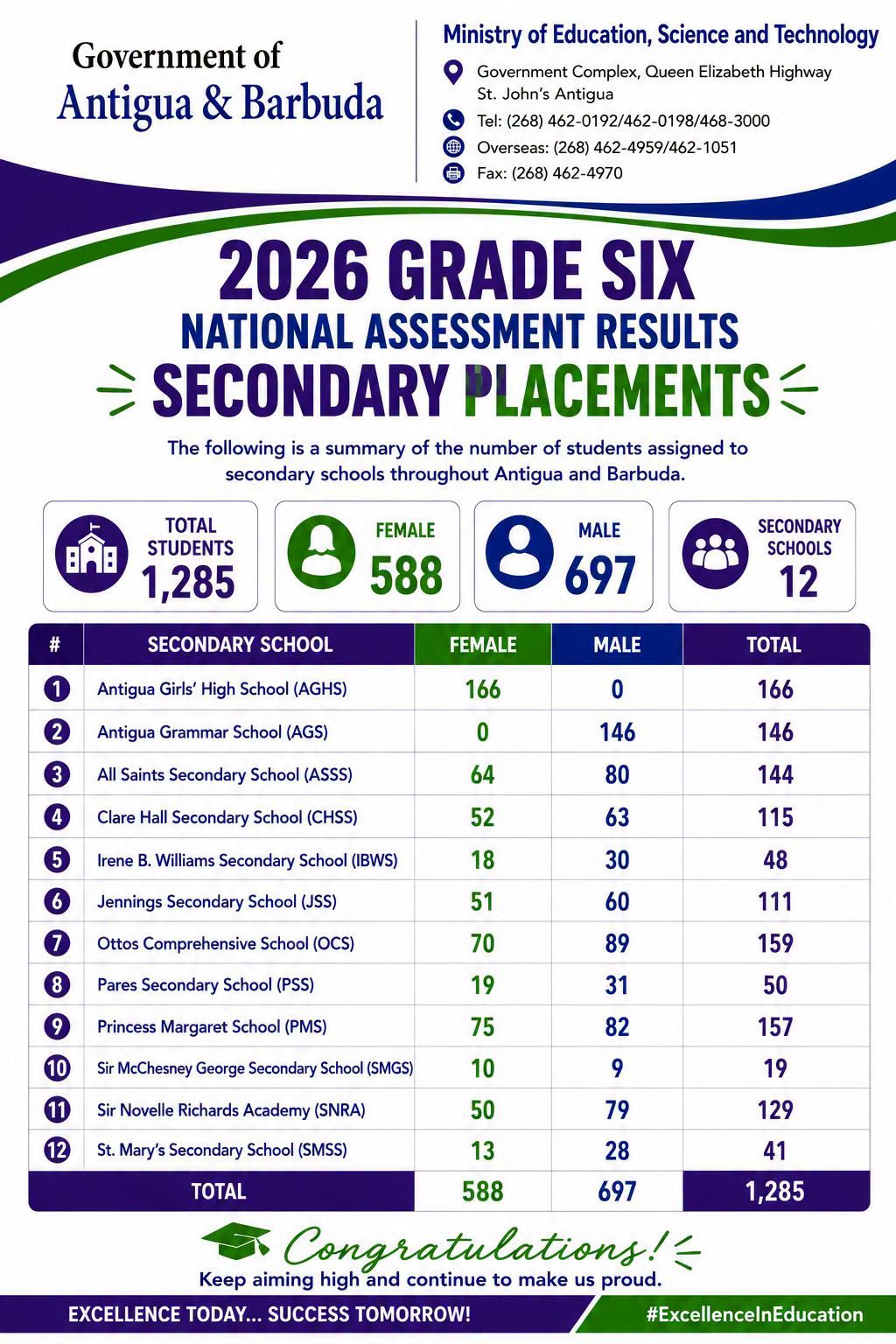
As of the latest update, official assignments for schools under the 2026 Global School Navigation Alliance (GSNA) framework have been finalized and released to participating institutions and prospective students. While limited additional details about the specific allocation criteria, participating school names, or student placement outcomes have been made publicly available at this stage, the announcement marks a key milestone in the organization’s annual planning cycle for the upcoming academic year. Stakeholders, including educational administrators, families, and prospective enrollees, are awaiting further disclosure from GSNA leadership to clarify how the assignments align with the alliance’s strategic goals for improving educational access and collaborative programming across member institutions in the 2026 academic term. Industry observers note that this pre-term allocation process typically sets the foundation for enrollment logistics, cross-school partnership initiatives, and resource distribution that will unfold over the coming months.
-
LIVE from 10:30AM: Press Conference with PM Roosevelt Skerrit
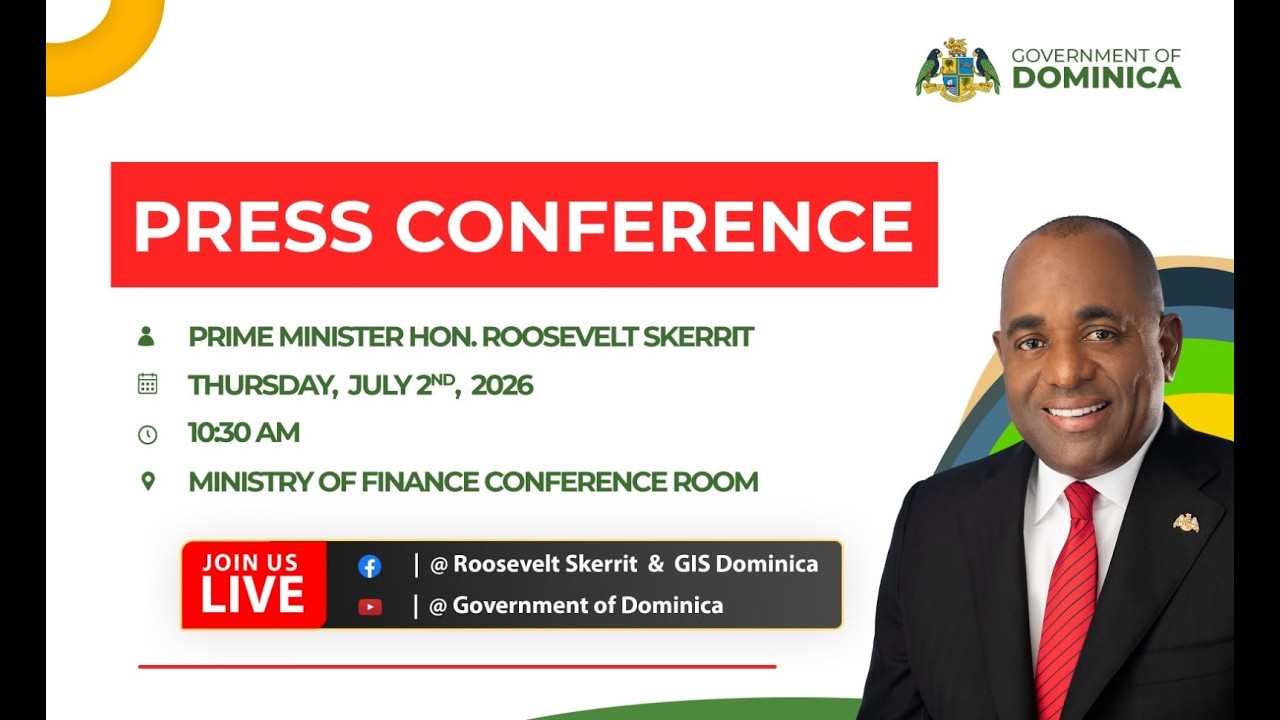
The submission provided for news processing only includes social media sharing options and an image link, with no full textual body of the original news report. Without the core text content that outlines the event, facts, and context of the story, it is impossible to conduct a full in-depth rewriting, structural reconstruction, or detailed analysis of the reported news event. Any attempt to create a full news article based on only a sharing interface and an inaccessible image link would result in inaccurate, unsubstantiated content that does not meet journalistic accuracy requirements. Recipients of this processing request are advised to resubmit the complete full text of the original news along with the image context to enable a comprehensive, accurate analysis and rewrite per the stated requirements.
-
COMMENTARY: A Journey Between Two Shores
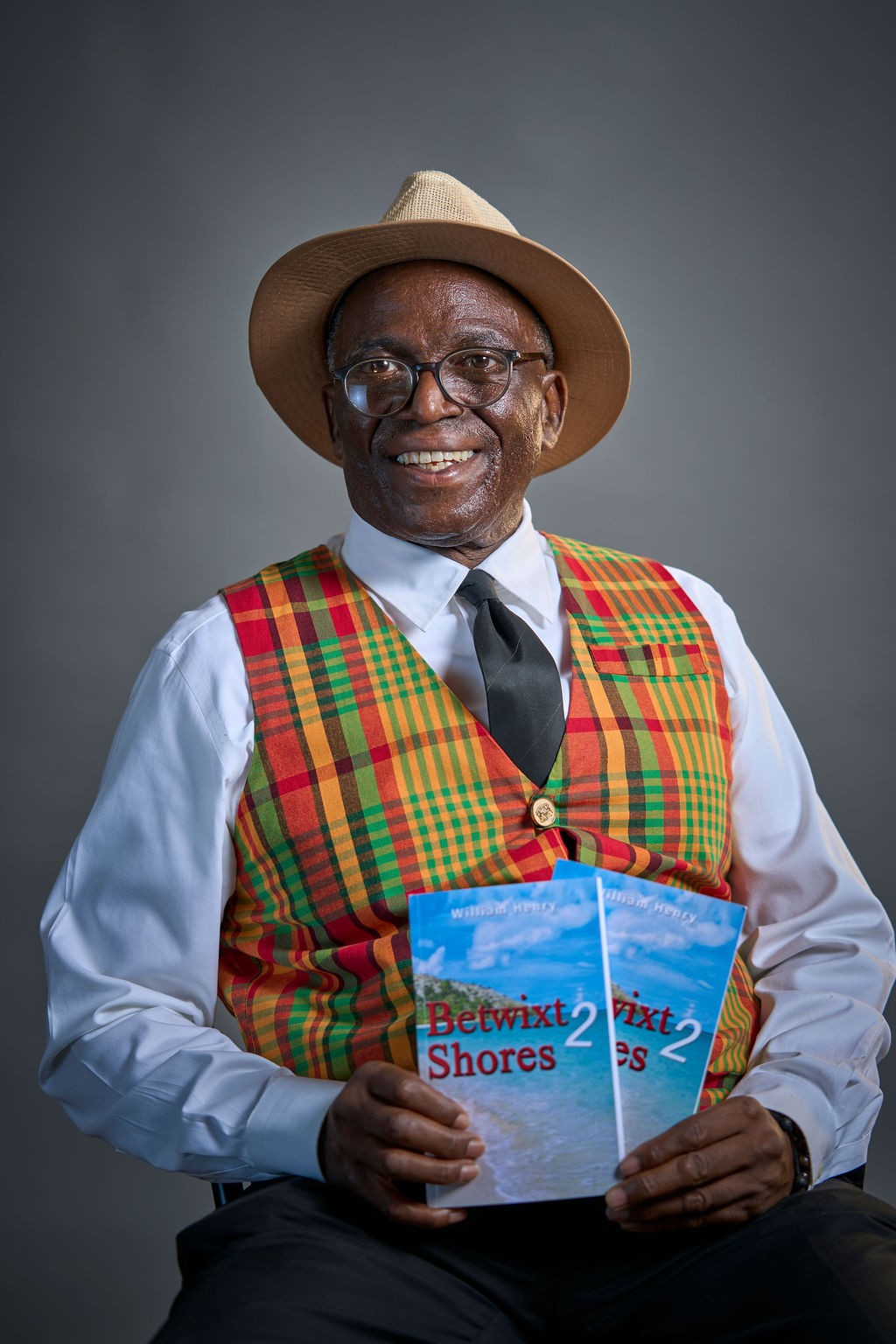
Two evocative photographs hold layers of meaning that extend far beyond simple portraiture, weaving together the personal journey, cultural legacy, and generational experience of Antiguan author William Henry. His recently released memoir *Betwixt 2 Shores* chronicles the fateful journey Henry took in February 1970, when he left his home in Antigua as an unaccompanied 10-year-old minor to build a new life in London.
At the core of the first photograph sits a well-worn, vintage grip — a small, sturdy suitcase that carries far more cultural weight than its size suggests. For generations of Antiguan travelers, a grip was more than luggage; it was a steady companion for every journey, big or small. In this image, the scuffed, lived-in grip transforms into a potent symbol: it stands for the pain of separation from home, the displacement of moving across oceans, the quiet resilience of young migrants, and the persistent hope that drives people to seek better futures. It mirrors Henry’s own transatlantic journey, and through him, it represents the experience of an entire generation of Caribbean children whose lives were permanently reshaped by migration, early separation from family, and the dream of opportunity abroad.
The second central image element is no less meaningful: the vibrant, traditional national dress Henry wears with obvious pride. Woven from iconic Madras fabric, the garment carries the distinct cultural heritage of Antigua and Barbuda. The fabric’s own journey mirrors the complex history of the region: it originated in Madras, now Chennai, India, before traveling to the Caribbean via colonial trade routes. Over centuries, it became an integral part of daily life for people of African descent across the Caribbean, eventually evolving into a lasting emblem of Antiguan and Barbudan national identity.
Today, this traditional national dress means far more than colorful cultural attire. It stands as a reminder that Antigua and Barbuda’s national character is shaped not only by its stunning natural landscapes, but also by a powerful history of resilience, perseverance, and unyielding cultural pride. It honors generations of Antiguans who turned hardship into hope, whose determination built the nation, and whose legacy continues to shape its identity today.
As a long-respected Antiguan writer, Henry has dedicated much of his career to preserving this cultural heritage for future generations. Much of his body of work explores interconnected themes of personal identity, transnational migration, family separation, belonging, and collective memory, ensuring that stories rooted in Antigua’s unique history are not lost to time and are passed down to new audiences.
The complementary symbolism of the grip and the national dress comes together seamlessly in the pages of *Betwixt 2 Shores*. The dress anchors Henry to the cultural heritage that stayed with him across decades and continents, enduring despite distance and change. The grip represents the life-altering journey that pulled a young boy away from his homeland and permanently altered the trajectory of his life. Combined, the two symbols tell a story shared by thousands of Antiguan and broader Caribbean families, whose collective histories have been shaped by migration, sacrifice, and the unwavering hope for a better life for coming generations.
These photographs are far more than static portraits. They are living visual narratives that celebrate the enduring resilience of the Antiguan people, the fundamental importance of preserving cultural identity, and the unbreakable bond between the homeland and its global diaspora.
At its core, *Betwixt 2 Shores* carries a universal message that resonates with migrants and diaspora communities across the world: no matter how far life carries people between distant shores, they remain forever anchored by their history, their culture, and the stories that make them who they are. Copies of the memoir are currently available for purchase on Amazon.
-
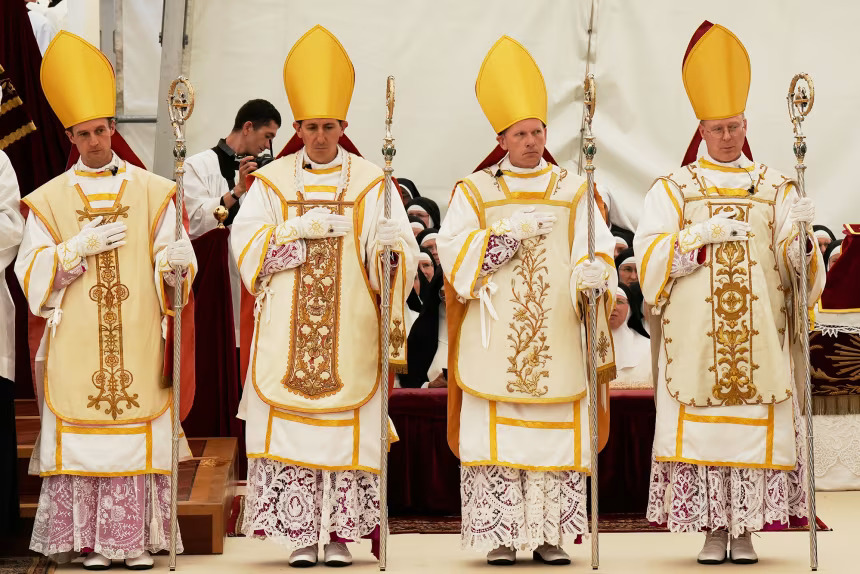
Breakaway Catholic group excommunicated after defying warnings from Pope Leo
On a Thursday in Rome, the Vatican’s Congregation for the Doctrine of the Faith delivered a sweeping decree of excommunication targeting the ultra-traditionalist Society of Saint Pius X (SSPX), after the breakaway Catholic group defied explicit orders from Pope Leo XIV to move forward with unauthorized episcopal ordinations. The long-simmering rift between the Vatican and the splinter faction erupted Wednesday, when SSPX bishops carried out the consecration of four new bishops without the required papal approval, turning down a last-minute personal appeal from the pontiff to abandon the plan.
-
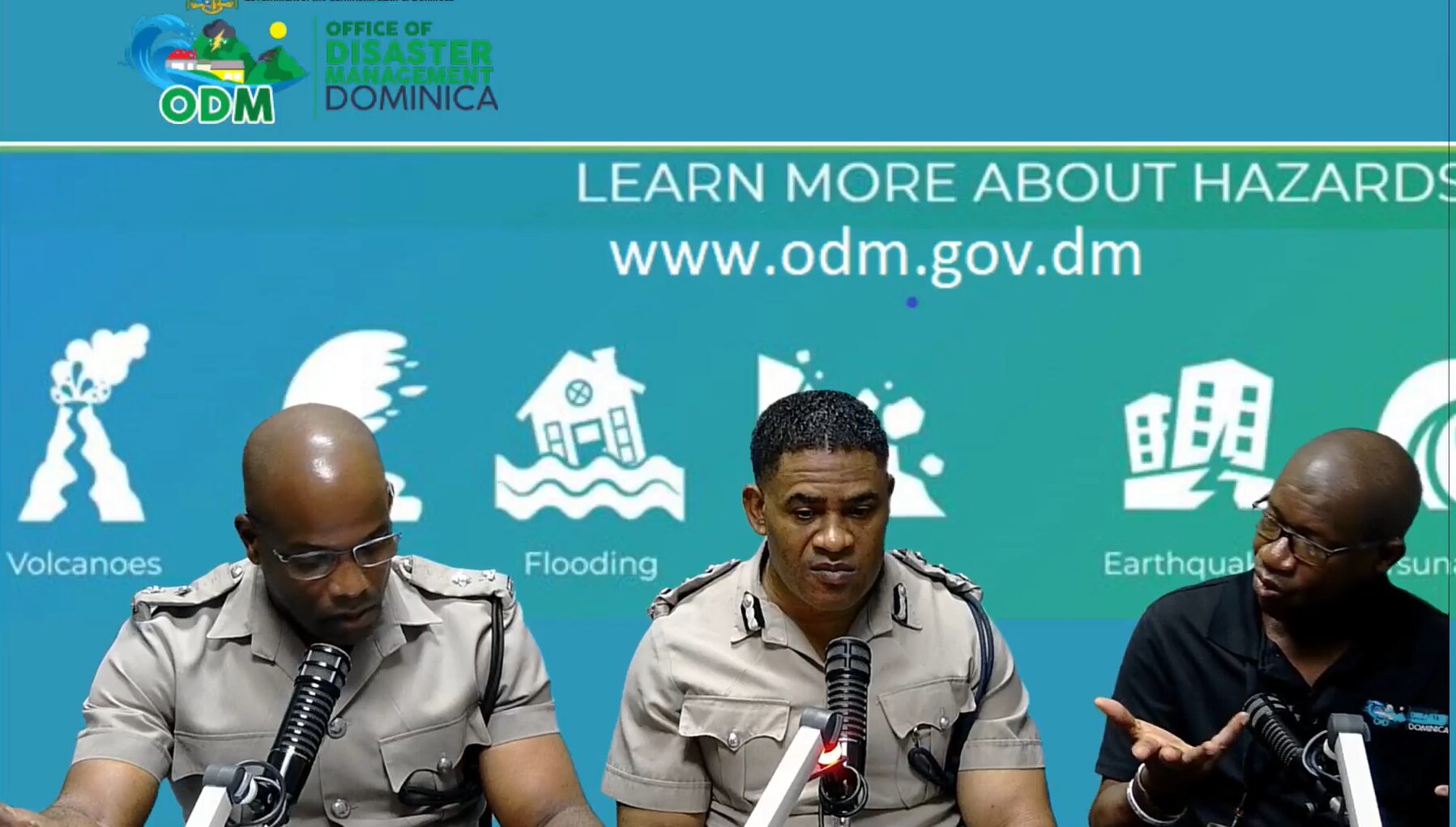
LIVE: Disasters And You with the Office of Disaster Management 30th June 2026
The current submission of news content for processing is incomplete. What is provided consists only of social media sharing options (including share, tweet, and pin functions) and a single link pointing to an image hosted on a third-party server. No full text of the news report, no contextual details about the event being covered, and no core information related to the topic of the news are included in the original request. Without the substantive content of the news, it is impossible to conduct a full analysis, rewrite the narrative, or extract key details related to the reported event. This incomplete submission prevents any comprehensive processing of the intended news content as requested.
-
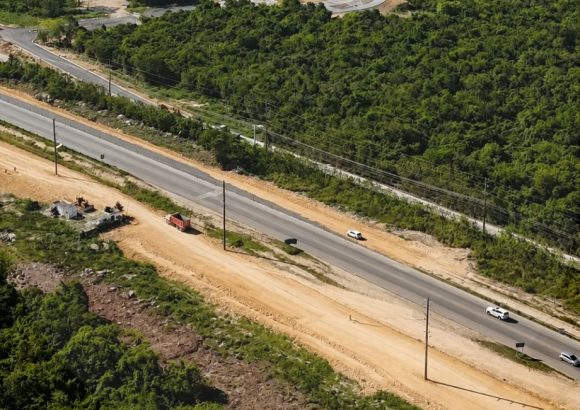
MOPC advances expansion of Frank Rainieri Tourist Boulevard
In the eastern Dominican province of La Altagracia, a critical infrastructure upgrade is well underway to transform one of the country’s most important tourism-driven travel corridors. The Ministry of Public Works and Communications (MOPC) is leading the expansion of the Macao–Uvero Alto stretch of the Frank Rainieri Tourist Boulevard, a project crafted specifically to keep pace with the region’s explosive growth in tourism, residential construction, and commercial development.
The scope of the work is substantial: crews will widen the 13-kilometer roadway from its original two lanes to four fully functional lanes, with all funding coming from the RD Vial Trust’s toll revenue system. Unlike one-off government spending allocations, this project leverages ongoing revenue from road users to directly reinvest in critical upgrades for the same travel network. Project organizers from both MOPC and RD Vial emphasize that the expansion will deliver far-reaching benefits, from smoothing out traffic flow to cutting down on collision risks, creating a more reliable travel experience for everyone from local residents and daily commuting workers to bus companies and vacationers heading to popular beach destinations in Macao, Uvero Alto, and the surrounding hotel zone.
This expansion is not an isolated project; it forms a core part of the national government’s broader initiative to modernize the entire road network across the Punta Cana-Bávaro tourist hub, the country’s top tourism magnet. Right now, work teams are moving forward with earthmoving, base preparation, and lane expansion across the corridor, relying on heavy industrial equipment to stay on schedule. Local and national authorities note that the upgrade is a direct response to a dramatic surge in vehicle traffic, which has grown steadily alongside the region’s booming tourism and real estate sectors. Beyond reducing crippling peak-hour congestion, the project will also strengthen overall connectivity to Uvero Alto, a coastal destination that has emerged as one of the fastest-growing hotel development hubs in the entire Dominican Republic.
RD Vial officials have reiterated that all toll revenue collected across the national network is consistently reinvested into public infrastructure projects, ongoing roadway maintenance, upgraded street lighting, clearer traffic signage, and targeted road safety programs that all work to improve national connectivity across the country. Once the Frank Rainieri Tourist Boulevard expansion is completed, the upgraded corridor is expected to serve as a safer, more modern, and more efficient transportation artery for one of the Dominican Republic’s most economically vital tourism regions, supporting continued growth and improving quality of life for both local communities and the millions of visitors that travel to the area each year.
-
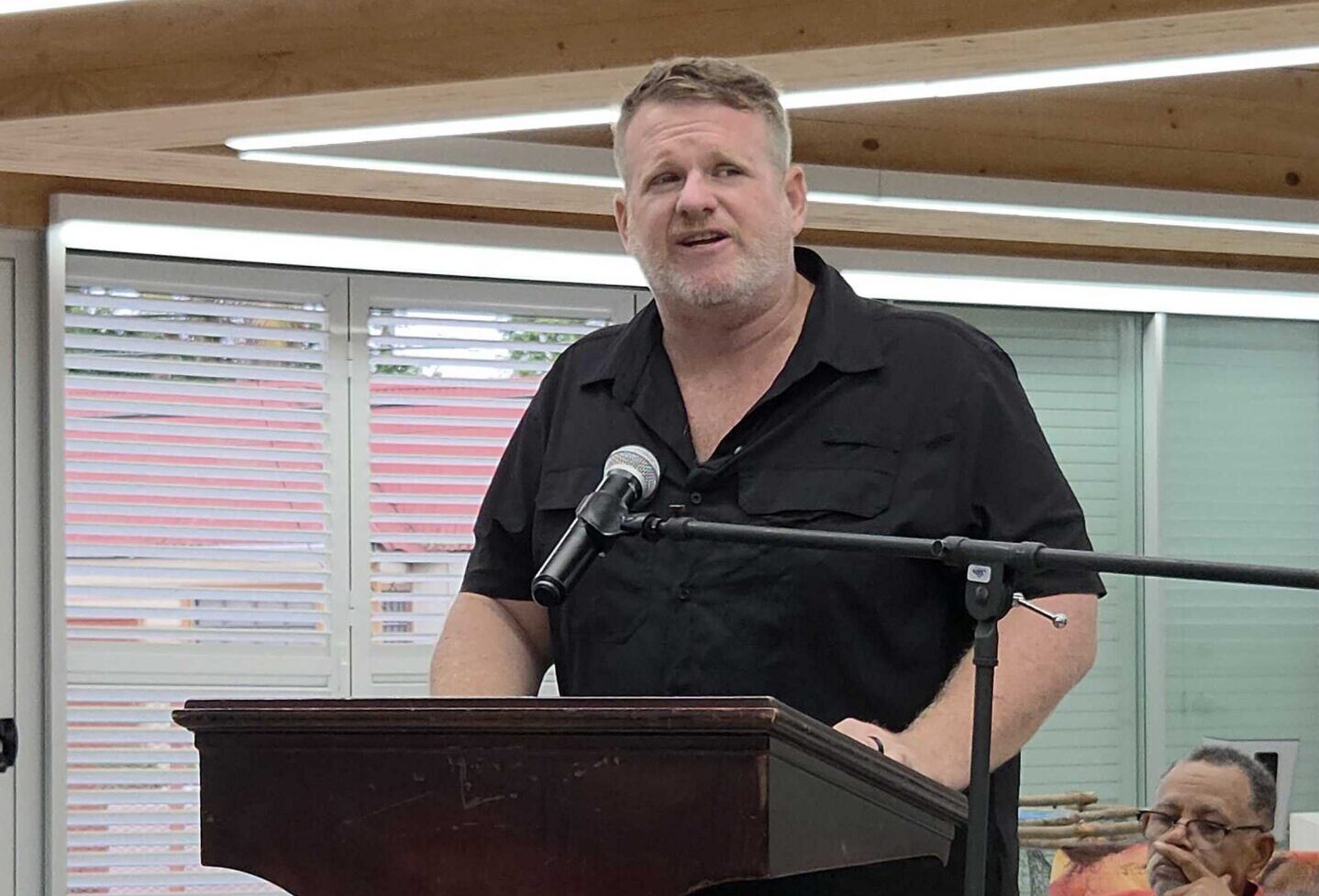
Historian unpacks Carlisle Bay’s role in British wealth
A recent heritage lecture held in Barbados has pulled back the curtain on the dual, world-shaping role Carlisle Bay played for the British Empire, highlighting its outsized influence as both a core engine of colonial wealth and a strategically critical military outpost in the Caribbean. The event, the latest chapter of the Standpipe Stories: The Bay Street Edition lecture series, was organized by The University of the West Indies in partnership with the We Gatherin’ Secretariat, and drew history enthusiasts and scholars to the Oceanic Hub on Bay Street on Saturday evening. A panel of three of the island’s most respected local historians — Dr Henderson Carter, Claudette Levi-Farnum, and Fredrick Alleyne — joined the discussion to unpack the bay’s layered past. Opening the event with a foundational keynote address, leading maritime historian Dr Jeff Ward walked attendees through how Barbados’ one-of-a-kind geographic positioning, paired with the natural protective and logistical features of Carlisle Bay, funneled unprecedented levels of wealth directly into the British Crown’s coffers over centuries of colonial rule. Dr Ward explained that Carlisle Bay functioned as the vital “maritime urban interface” connecting the colonial island to global trade networks: it was the entry point for thousands of indentured laborers and enslaved African people brought to work the island’s sugar plantations, and the departure point for processed sugar, rum, and molasses bound for markets across Europe and North America. Even seemingly small tax rates on this massive colonial trade carried extraordinary global financial weight, Dr Ward emphasized. The historian noted that the tax revenue generated from commerce moving through Carlisle Bay was the primary source of funding for interest payments on the entire British national debt during the peak of colonial sugar trade. “The volume of wealth coming out of here was absolutely staggering,” he told the audience. “We need to understand why British sugar mattered to the entire imperial project.” The rare combination of the bay’s natural geological features and Barbados’ strategic location eventually cemented the island’s status as Great Britain’s most valuable economic anchor in the Caribbean, as well as a key forward-operating military base from which the empire projected naval power across the region. To illustrate just how high the stakes of controlling the region were for 18th-century British leaders, Dr Ward paraphrased famous British Admiral Vernon’s own reasoning: “Without naval superiority, the French and the Spanish will take our islands and the commerce they produce.” Beyond its economic and military legacy, Dr Ward also shed new light on how the bay’s physical landscape has been dramatically reshaped over hundreds of years by extreme Atlantic weather systems. He detailed how repeated, powerful hurricanes tore massive coral formations loose from the sea floor, gradually depositing them to create permanent, well-known local landmarks including Pelican Island, a landmark that remains an identifiable part of Carlisle Bay’s coastline today.
-
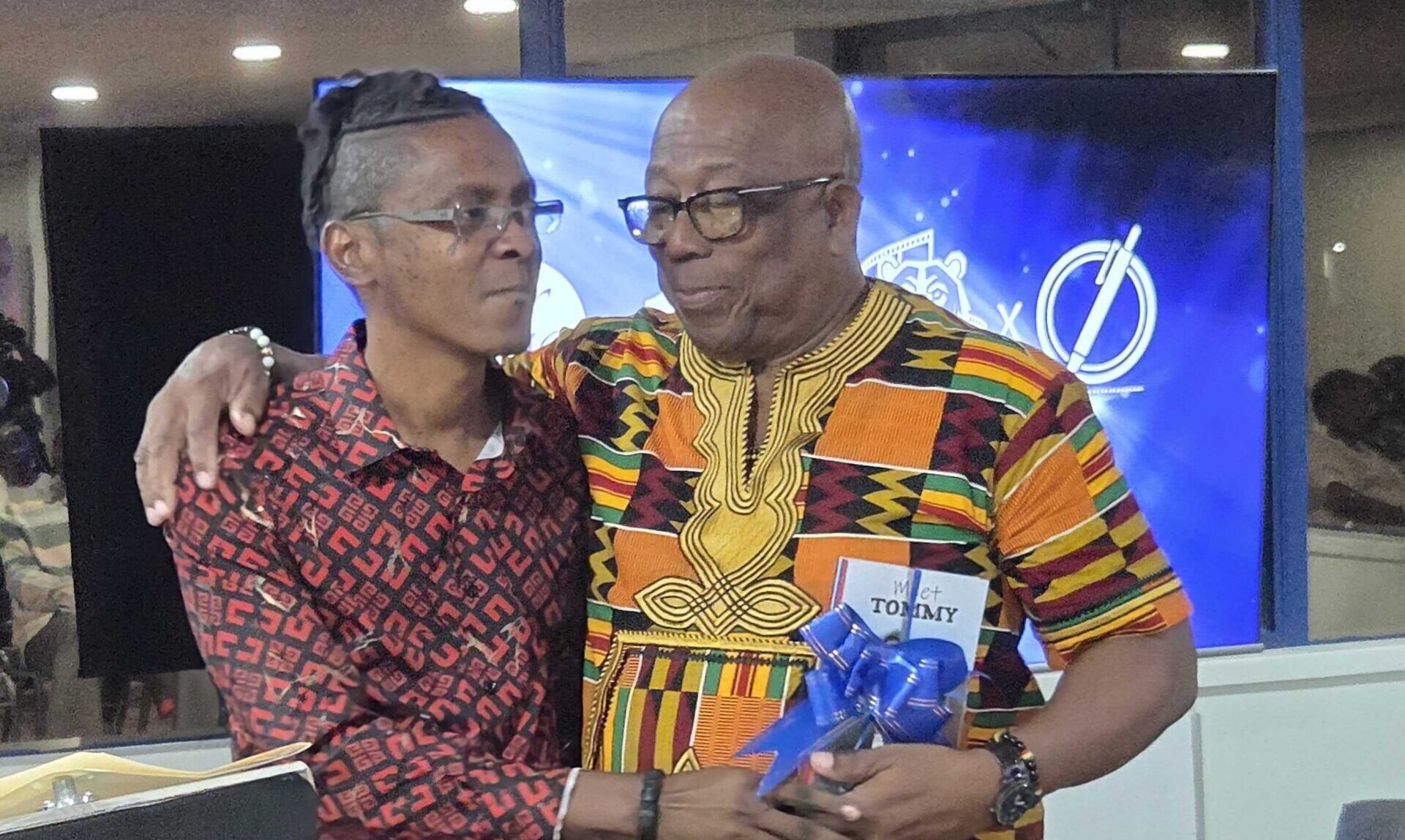
Prescod proposes structured state support for young Barbadian writers
Barbados’ cultural and literary community is pushing for systemic government intervention to address longstanding financial barriers that have stifled the growth of homegrown creative talent, with the country’s Minister of Pan-African Affairs and Heritage Trevor Prescod leading the call for direct public funding to compensate emerging young authors for their work.
Prescod laid out his proposal during a recent public event marking the launch of *Meet Tommy*, the ninth published book from veteran Barbadian author Mario Herbert. In a direct address to local creators in attendance, the minister stressed that nurturing the island’s next generation of literary voices depends on more than just informal encouragement—it requires building structured financial pathways that allow writers to build sustainable, long-term careers from their craft.
At the core of Prescod’s plan is a policy shift that would see state institutions, particularly public primary education bodies, formally procure creative works from local authors to integrate into school resources. This institutional demand would create a reliable, consistent income stream for writers, eliminating the uncertainty that has forced many local creatives to abandon their literary work to pursue more financially stable careers.
“The ministry and the primary schools across this country must be able to say to Mario, ‘From this term, we want you to send books to the Ministry of Education or allocate them to the individual primary schools across Barbados. Send your invoices to the Ministry of Education,’” Prescod illustrated, framing the proposal as a small but transformative change to how public institutions approach procurement for the cultural sector. He emphasized that consistent state-backed demand would not only create immediate income for working writers but also secure long-term career viability for young people entering the literary field, adding, “We will not only talk about young people writing and selling this material within the primary school system, but we will make sure that you can continue on this journey for a long, long time.”
The launch event, which also drew attendance from Minister of People Empowerment and Elder Affairs Adrian Forde, offered Herbert a platform to highlight the very struggles Prescod’s proposal seeks to solve. Even with nine published works to his name, Herbert detailed the steep challenges that face Barbadian authors at every stage of their careers, starting with extremely limited retail access for local titles.
“Make no mistake, though; despite this joy, I have to say that being an author in Barbados is not easy,” Herbert shared. “Local bookstores don’t look at local authors. If not for the UWI (University of the West Indies) bookshop, most of us would have zero avenues for discovery, cultural impact, and preservation of heritage.”
Herbert also opened up about the creative process behind *Meet Tommy*, his newest children’s book centered on an eight-year-old protagonist. He explained that crafting a compelling, relatable story for young readers required authors to step fully into the perspective of their characters: “As an author, you have to develop the art of becoming a character. That is the only way you are going to make their dramatic journey believable and relatable. Many of the things we take for granted as grown-ups are actually major problems for an eight-year-old, and I have to say that was an enjoyable sandbox to play in.”
Despite the systemic barriers he faces, Herbert remains optimistic about his work, driven by the reward of seeing young readers connect with his physical books. He already has plans to expand the *Meet Tommy* series, following the title character through his journey from primary school to secondary education, continuing his contribution to Barbados’ growing literary heritage.