Health experts in Trinidad and Tobago are calling for expanded access to pre-exposure prophylaxis (PrEP) and doxycycline prophylaxis (doxy-prep) to combat the rising rates of HIV and sexually transmitted infections (STIs). Advocates argue that these preventive measures are not only essential for public health but also cost-effective in empowering individuals to protect themselves. However, political, cultural, and religious barriers have hindered progress in this area. Dianne Weekes, Coordinator of the National HIV Helpline, emphasized the importance of these tools, criticizing previous government approaches for failing to prioritize prevention. She expressed hope that the current administration would implement comprehensive policy reforms. The call for action follows alarming statistics, including nearly 200 cases of syphilis among pregnant women in 2025, a significant increase from previous years. Dr. Faith Brebnor, Tobago House of Assembly Health Secretary, has urged for PrEP to be included in national HIV/AIDS prevention protocols. Advocates like Rae Alibey and Kimberly Springer highlighted the need for accessible prevention tools, updated sex education, and evidence-based national conversations to reduce stigma and empower marginalized communities. Springer also pointed out socio-economic vulnerabilities affecting women, stressing the importance of integrated approaches to tackle HIV and STIs effectively. The Health Minister, Dr. Lackram Bodoe, has yet to provide a detailed response to these calls for action.
分类: health
-

Jamaica confirms leptospirosis outbreak after Hurricane Melissa
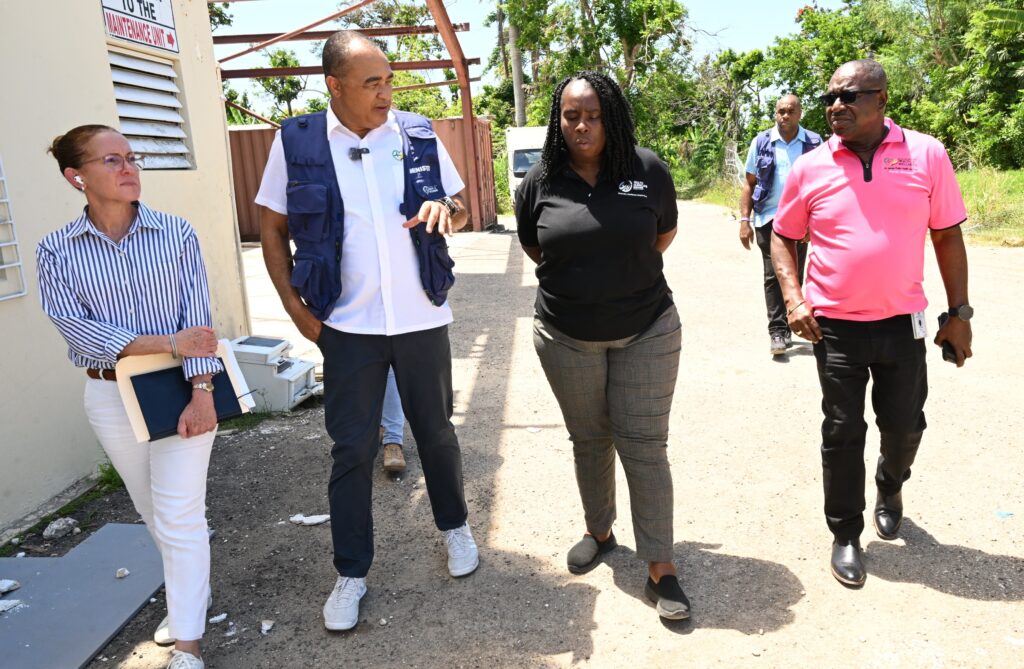
The Jamaican government has confirmed a significant outbreak of leptospirosis, a bacterial disease transmitted through contaminated water and soil, following the devastation caused by Hurricane Melissa. Health and Wellness Minister Dr. Christopher Tufton reported that nine cases have been confirmed, with 28 suspected cases and six suspected deaths linked to the outbreak between October 30 and November 20. The hurricane, a Category 5 storm, struck Jamaica on October 28, causing widespread flooding, landslides, and nearly $9 billion in damages, which created ideal conditions for the spread of the disease. Leptospirosis, which thrives in environments contaminated by the urine of infected animals such as rats, dogs, and livestock, has been recorded in multiple parishes, including St. Elizabeth, St. Catherine, and Hanover. Symptoms of the disease range from flu-like conditions such as fever and muscle aches to severe complications like kidney failure, jaundice, and meningitis. Dr. Tufton emphasized that the outbreak poses a significant public health risk, particularly to farmers, emergency responders, and residents involved in cleanup efforts. Authorities are managing the situation through a coordinated response, including the distribution of antibiotics in hospitals and support from the Pan American Health Organization (PAHO). Public health inspectors are working to monitor cases, educate communities, and urge residents to avoid floodwaters. Dr. Tufton noted that the current outbreak far exceeds the typical number of cases observed in previous years, highlighting its unusual scale. Residents are advised to seek medical care if symptoms arise and to take precautions to minimize exposure to contaminated environments.
-

Cuts to HIV funding ‘most significant setback in decades’— UN
GENEVA, Switzerland (AFP)—The global fight against HIV has been plunged into chaos following significant international funding cuts, the United Nations warned on Tuesday. The UNAIDS agency revealed that abrupt reductions in financial support, particularly from the United States, have destabilized the infrastructure for HIV treatment and prevention in numerous countries. This disruption has led to clinic closures, job losses for healthcare workers, and widespread interruptions in essential services such as testing, treatment, and prevention. UNAIDS Executive Director Winnie Byanyima described the situation as the ‘most significant setback in decades.’ She highlighted the ‘abrupt pause’ in funding by the U.S., historically the largest contributor to global HIV efforts, following President Donald Trump’s return to the White House earlier this year. Other major donors have also slashed their foreign aid budgets, exacerbating the crisis. The UNAIDS report disclosed that in 2024, approximately 1.3 million people contracted HIV, a 40% decrease from 2010 but still three times higher than the target needed to end AIDS as a public health threat by 2030. Last year, 630,000 people died from AIDS-related illnesses, marking a 54% decline since 2010. However, Byanyima cautioned that the funding shortfall has exposed the fragility of past progress. Even before the crisis, the global AIDS response was underfunded, with $18.7 billion available in 2024—17% below the required amount. Last year, 9.2 million of the 40 million people living with HIV worldwide were not receiving treatment. In 13 countries, the number of people starting treatment has declined compared to the previous year. Byanyima expressed particular concern about the collapse of HIV prevention services, warning that failure to address this could lead to 3.3 million additional new infections by 2030. The funding crisis coincides with a deteriorating global human rights environment, with marginalized populations facing severe consequences. Criminalization of same-sex relations, transgender expression, and sex work in more countries could reduce HIV testing rates. Byanyima emphasized the urgency of the situation, stating, ‘This is the moment to choose. We can allow these shocks to undo decades of hard-won gains, or we can unite behind the shared vision of ending AIDS. Millions of lives depend on the choices we make now.’
-

Dr Dawes questions ministry’s capacity to confirm leptospirosis cases
KINGSTON, Jamaica — Dr. Alfred Dawes, the Opposition Spokesperson on Health, has expressed significant concerns regarding Jamaica’s capacity to accurately detect and monitor leptospirosis cases in the aftermath of Hurricane Melissa. Speaking at a press briefing on Tuesday at the Office of the Leader of the Opposition, Dr. Dawes emphasized the urgent need for a robust and multifaceted approach to address the rising infections.
-

Westmoreland residents urged to be vigilant when purchasing water
In the wake of Hurricane Melissa, the Westmoreland Public Health Department has issued a stern warning to residents about the potential dangers of purchasing trucked water from unverified sources. Gerald Miller, the parish’s health promotion and education officer, emphasized that water should only be sourced from the department’s three authorized loading bays located in Petersfield, Grange Hill, and Spring Garden. These sites, operated by the National Water Commission (NWC), are the sole approved locations for obtaining safe, potable water. Miller cautioned that water procured from unauthorized sources could lead to severe health risks, including diarrhoeal and other waterborne diseases. He urged the public to demand proof of purchase from truck operators, ensuring the water’s origin is legitimate. Historical incidents of truckers sourcing water from unsafe locations have heightened concerns, particularly during periods of emergency and water scarcity. Miller reiterated the importance of vigilance to safeguard public health, stressing that unsafe water remains a significant threat in such challenging times.
-

Nigerian doctor invites GOJ to partner on future medical missions
FALMOUTH, Trelawny — Dr. Cliff Eke, President of the Association of Nigerian Physicians in the Americas (ANPA), has urged the Jamaican Government to establish long-term partnerships to improve healthcare services across the island. Leading a team of eight medical professionals on a recent mission to Jamaica, Dr. Eke emphasized ANPA’s commitment to expanding its support but stressed the need for governmental collaboration to achieve sustainable impact.
-

The ultimate holiday guide: Feeling confident and in control of your food, fitness
As the holiday season approaches, many individuals find themselves grappling with the challenge of maintaining healthy habits amidst the festive chaos. Fitness routines falter, plates overflow, and social invitations pile up, often leading to feelings of guilt and frustration. However, this time of year doesn’t have to derail your health goals. With a few strategic adjustments, you can navigate the season with balance and confidence.
**Step 1: Challenge Limiting Beliefs**
The first step is to reframe the mindset that the holidays are a time to abandon all health goals. Replace thoughts like ‘It’s impossible to stay healthy this season’ with empowering affirmations such as ‘I can enjoy the holidays while making mindful choices.’**Step 2: Prioritize Daily Movement**
Even a brief 10-minute workout can serve as a stabilizer during this hectic period. Simple exercises like squats, pushups, or a brisk walk can keep your body active and your mind clear.**Step 3: Apply the ‘2 out of 3’ Rule**
At each meal, aim for two out of three: a balanced plate, a reasonable portion, or a treat. This approach allows for enjoyment without overindulgence.**Step 4: Stay Hydrated**
Hydration is a simple yet effective tool to curb overeating. Drinking water before meals and alternating alcoholic beverages with water can help maintain energy levels and reduce bloating.**Step 5: Create a Flexible Weekly Plan**
Instead of rigid schedules, opt for a flexible weekly routine that includes two 20-30 minute workouts, one gym session, and two home-cooked meals. This structure provides stability without overwhelming you.**Step 6: Master Portion Control**
At social gatherings, start with protein and vegetables to create early fullness. Pause before going for seconds and choose treats intentionally.**Step 7: Embrace Recovery**
If you indulge, avoid guilt-driven overcorrection. Instead, focus on recovery through hydration, a short walk, and a healthy breakfast.**Step 8: Protect Your Energy**
Prioritize sleep and stress management. Limit screen time before bed, reduce caffeine intake, and practice mindfulness to preserve mental health.**Step 9: Link December Actions to January Goals**
Begin building momentum for the new year by reinforcing positive habits now. Reflect on what worked and identify areas for improvement.**Step 10: Enter the New Year with Momentum**
Start a simple strength routine, try new healthy recipes, and set non-negotiable habits. By January, you’ll be refining rather than restarting.By adopting these strategies, you can celebrate the holidays on your terms—feeling light, alert, and in control. This season, thrive rather than just survive, and step into the new year with confidence and momentum.