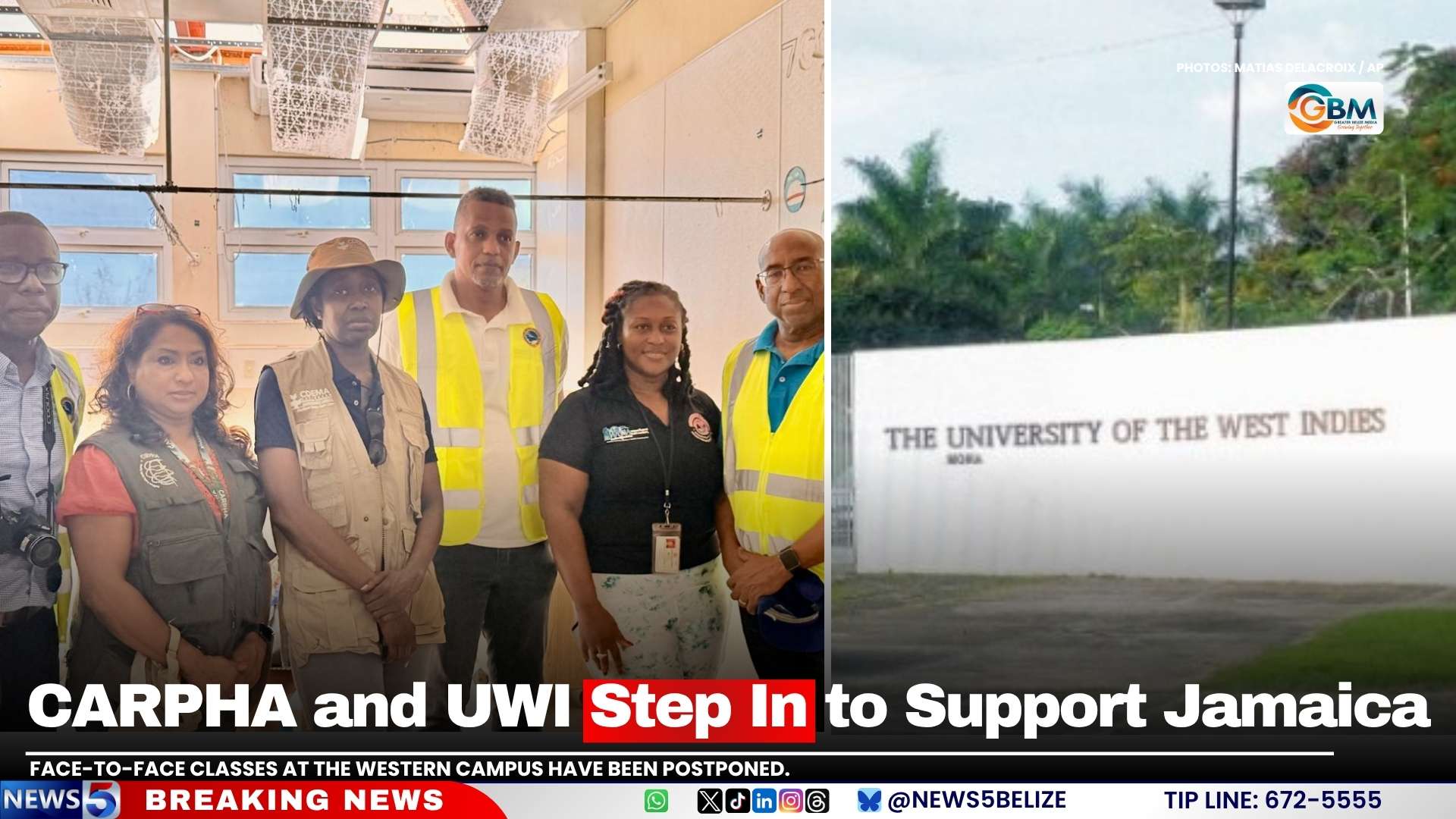
In the wake of Hurricane Melissa’s devastation, the Caribbean Public Health Agency (CARPHA) has swiftly mobilized a high-level team to assist Jamaica. Led by Executive Director Dr. Lisa Indar, the team includes representatives from CARICOM, CDEMA, the Caribbean Development Bank, and the Caribbean Institute for Meteorology and Hydrology. Their primary objective is to assess and address the urgent public health needs across the island. Dr. Indar has already met with Prime Minister Andrew Holness and Health Minister Dr. Christopher Tufton to strategize CARPHA’s response. The team has also conducted visits to hospitals and shelters in the most severely affected parishes, including St. Elizabeth, St. James, Trelawny, Manchester, Hanover, and Westmoreland. Concurrently, the University of the West Indies (UWI), Mona campus, has rolled out a series of support measures for students impacted by the hurricane. These include the provision of safe spaces, psychosocial services, flexible academic arrangements, and a significant 50% tuition discount for the first semester. Additionally, face-to-face classes at the western campus have been postponed to ensure the safety and well-being of students and staff.
分类: health
-
Fewer Babies and Rising Deaths from Chronic Illnesses in Belize
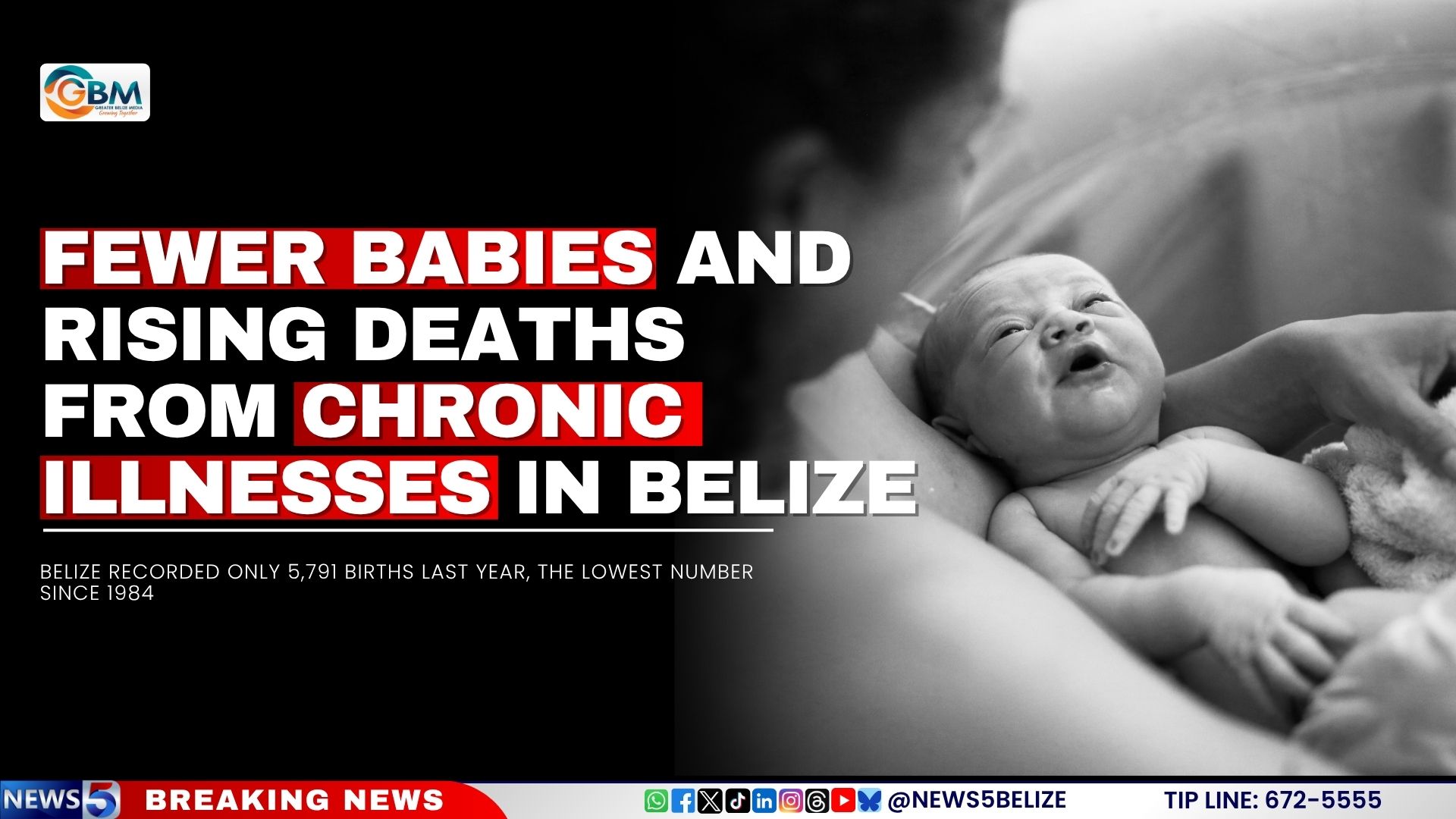
In 2024, Belize experienced significant shifts in its health landscape, characterized by declining birth rates, escalating chronic illnesses, and a concerning number of preventable deaths. According to the latest data from the Belize Health Information System, the country recorded only 5,791 births, marking the lowest figure since 1984. Notably, 14% of these births were to adolescent mothers aged 10 to 19, with a nearly even gender distribution among newborns. Concurrently, Belize reported 2,384 deaths, with men accounting for 60% of fatalities. Chronic diseases such as heart disease, cancer, diabetes, and cerebrovascular disease were the leading causes of death across all age groups, with cancer alone responsible for 404 new diagnoses and 285 deaths. Breast, cervical, and prostate cancers were the most prevalent, disproportionately affecting individuals over 60, particularly women. Diabetes and hypertension also saw a rise, with 1,372 new diabetes cases and 2,264 new hypertension cases diagnosed in 2024. Infectious diseases remained a challenge, with 244 new HIV infections and 1,186 dengue fever cases reported. Mental health issues were highlighted by 27 suicide deaths, predominantly among males, while road traffic incidents claimed 132 lives, with young men aged 20 to 39 being the most affected. These trends underscore the urgent need for targeted health interventions and public safety measures in Belize.
-

Against all odds: Baby Niah’s miraculous journey from 25 weeks to thriving infant
Baby Niah Felix, born at just 25 weeks gestation and weighing a mere 1.2 pounds, has defied all odds and continues to astonish her parents, Anne Charles and Thomas Felix, with her miraculous progress. Now an eight-month-old, Niah is thriving at home, achieving all the milestones of a healthy baby. Her journey began when Anne unexpectedly went into preterm labor while visiting her mother in Trafalgar. Despite the initial skepticism from hospital staff due to limited resources, Niah fought through the challenges. She spent three months in the neonatal intensive care unit (NICU), where she was placed on a ventilator and later a CPAP machine before breathing on her own. Her parents credit her survival to her resilience, the unwavering support of their family, and the dedicated care of the hospital staff. Anne and Thomas expressed their deep gratitude to the doctors and nurses at the Dominica China Friendship Hospital (DCFH), who they now consider family. Niah’s story is a testament to the strength of premature infants and the critical role of specialized neonatal care. On World Patient Safety Day 2025, Health Minister Kassani Laville highlighted the remarkable outcomes of the DCFH’s NICU, which has successfully cared for over 1,100 neonates, including three born at 25 weeks gestation.
-
Emergency field hospital established in Black River
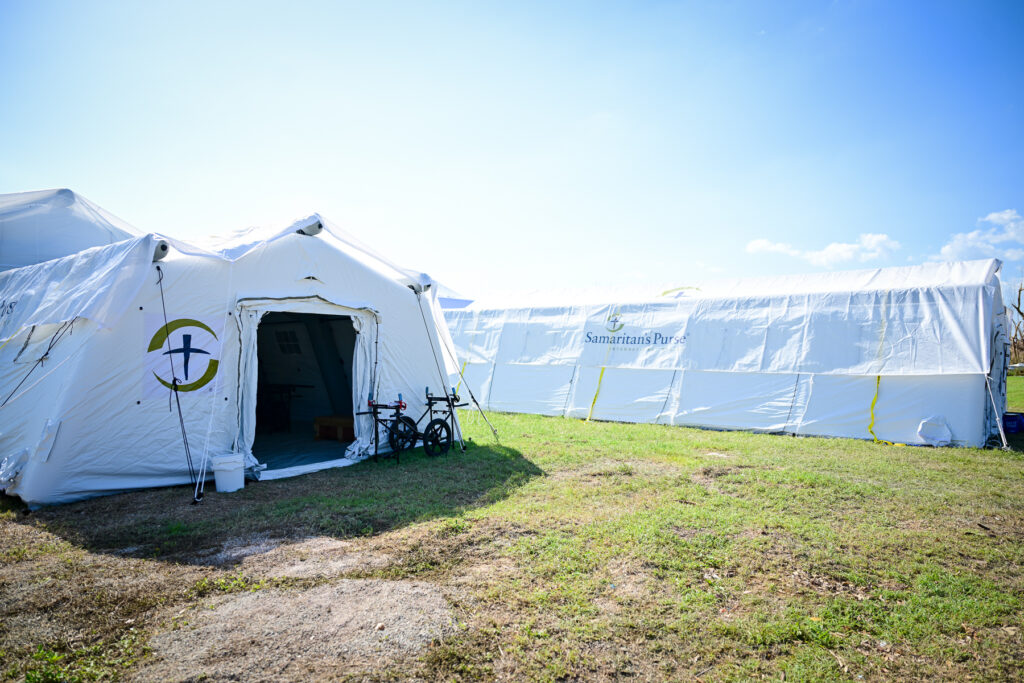
In response to the devastation caused by Hurricane Melissa, an emergency field hospital has been set up at Black River High School in St Elizabeth, Jamaica. This initiative, spearheaded by the evangelical Christian humanitarian organization Samaritan’s Purse International Relief, aims to bolster the local healthcare infrastructure during this critical time. The facility, staffed by over 60 professionals including members of the Disaster Assistance Response Team (DART), is designed to replicate the capabilities of the severely damaged Black River Hospital. Dr Kelly Sites, the Medical Director of the emergency field hospital, emphasized the self-sustaining nature of the unit, which is equipped with its own power generators and can handle a wide range of medical needs, from chronic conditions to emergency surgeries. The hospital features a triage department, emergency rooms, an intensive care unit, an operating room, an obstetrics facility, patient wards, a full laboratory, and a pharmacy. Additionally, family-practice physicians are available to manage chronic diseases such as hypertension, sickle cell anemia, and diabetes. The field hospital is also collaborating with local facilities and utilizing ground and air ambulance services to transport patients to Kingston when necessary. Beyond medical services, the Samaritan’s Purse team is providing non-food items, shelter, tarps, water, and sanitation assistance across the island. Dr Sites mentioned that the team plans to remain in Jamaica for at least a month, or longer if needed, to ensure continued support for the local community.
-

NCRHA completes phase one of Mt Hope hospital upgrades
The North Central Regional Health Authority (NCRHA) has successfully completed the first phase of a comprehensive electrical and lighting upgrade project at the Eric Williams Medical Sciences Complex (EWMSC) in Mt Hope. Initiated last month, this phase involved the installation and repair of 120 lighting fixtures across high-traffic areas such as parking lots and roadways, significantly improving visibility for patients, visitors, and staff. The project received support from the TT Electricity Commission, ensuring its smooth execution. The second phase, already in progress, focuses on replacing faulty light poles and adding more fixtures to achieve complete illumination across the campus. This initiative is part of a broader electrical upgrade that included the installation of a new transformer in September, aimed at bolstering the facility’s power supply stability and safety. Additionally, the NCRHA has upgraded the cooling system at the Adult Intensive Care Unit (AICU) by installing a new carrier air-conditioning system over three days in late October. The new system, comprising two air handlers and four condensers, replaces outdated units that had been in operation for over 15 years. Staff have already reported a cooler and more comfortable environment, which is expected to enable the resumption of critical surgical procedures previously delayed due to cooling system issues. Dr. Tim Gopeesingh, NCRHA chairman, praised the teams and stakeholders involved for their dedication, highlighting the upgrades’ role in enhancing patient safety, comfort, and overall care quality. He reaffirmed the NCRHA’s commitment to providing efficient, reliable, and high-quality healthcare services to the people of Trinidad and Tobago.
-
QEH ushers in new era with major technology upgrade
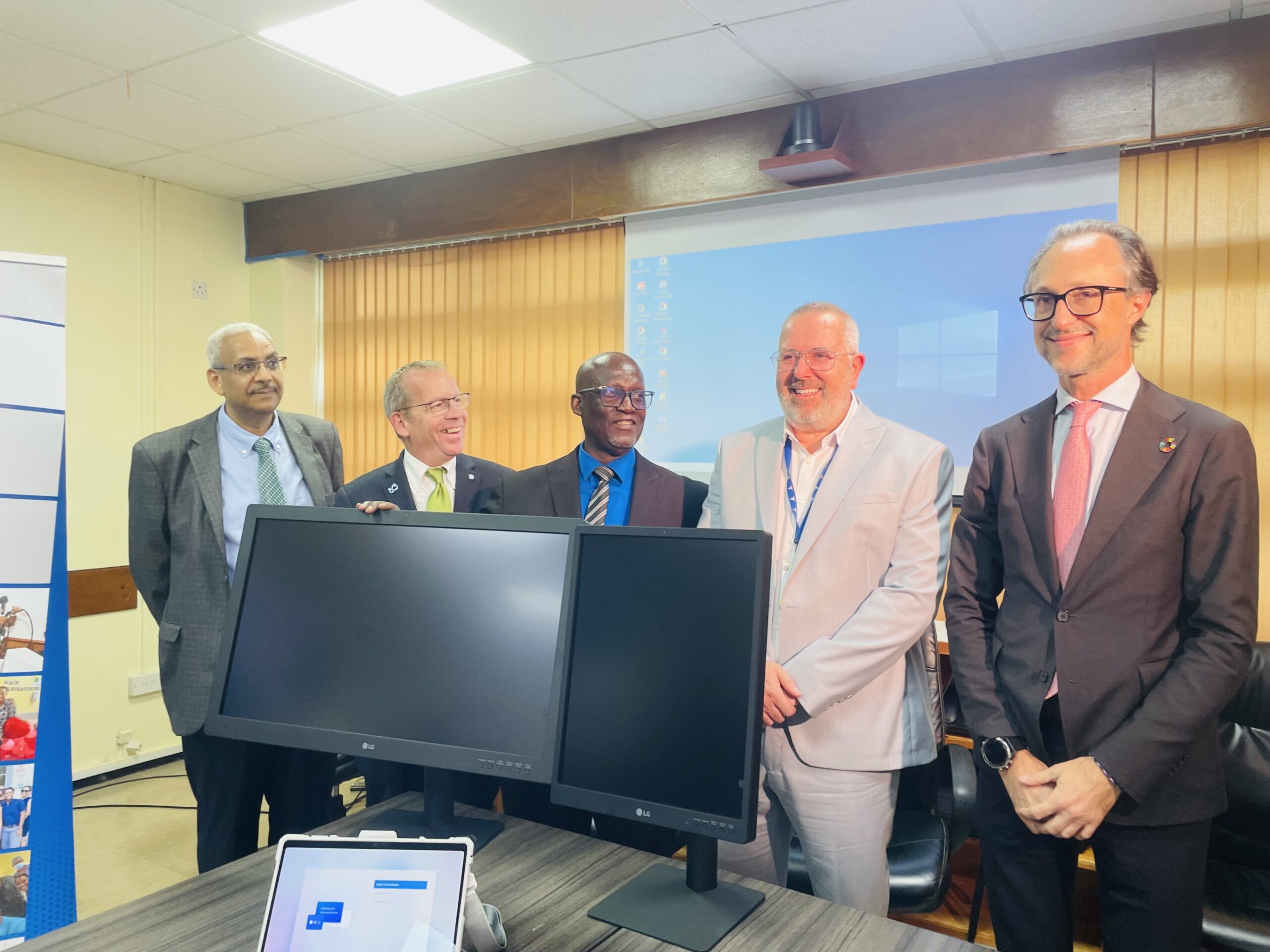
The Queen Elizabeth Hospital (QEH) in Barbados has taken a monumental step towards modernizing its healthcare system with the arrival of its first shipment of advanced medical and IT equipment. This initiative, part of a €60 million (BDS$138 million) loan agreement between the Government of Barbados and the European Investment Bank (EIB), is being executed through the United Nations Office for Project Services (UNOPS). The upgrade aims to revolutionize hospital operations by introducing a fully integrated health information system, enabling doctors to access digital medical records instantly.
Neil Clark, CEO of QEH, described this as the most significant transformation the public healthcare system has witnessed since its inception. The initial batch includes hundreds of new ICT and medical devices such as computers, tablets, and diagnostic monitors. While these may not appear glamorous, Clark emphasized their critical role in maintaining a modern hospital’s functionality. The digitization of patient data is expected to streamline services, enhance decision-making, and foster seamless connectivity across all departments, from Accident & Emergency to outpatient clinics.
Giuseppe Mancinelli, UNOPS Deputy Director for Latin America and the Caribbean, lauded the partnership, highlighting its contribution to strengthening healthcare delivery and advancing the Sustainable Development Goals. He noted that this initiative goes beyond mere equipment delivery, promising improved management, infrastructure, and efficiency that will directly benefit patient care. A second batch of equipment, featuring advanced surgical tools, medical furniture, servers, and displays, is already slated for procurement in the coming months.
Wayne Marshall, Permanent Secretary in the Ministry of Health and Wellness, confirmed that the new equipment, valued at approximately US$736,000, is just one facet of a broader transformation supported by the EIB loan. Clark also outlined ongoing projects under QEH’s 2025-2028 strategy, which prioritizes ‘people, partnerships, and innovation.’ These include the commissioning of a new linear accelerator to expand cancer treatment options, the procurement of an MRI scanner to reduce waiting times, and upgrades to the rehabilitation centre.
Looking ahead, Clark highlighted the upcoming $400 million Enmore Development, which will feature a comprehensive cancer centre, state-of-the-art laboratories, and expanded patient facilities. He described this as a ‘once-in-a-generation investment’ that will redefine the future of healthcare in Barbados. ‘This is partnership in action,’ Clark remarked. ‘With every milestone, we move closer to delivering healthcare that is faster, safer, and truly world-class.’
-
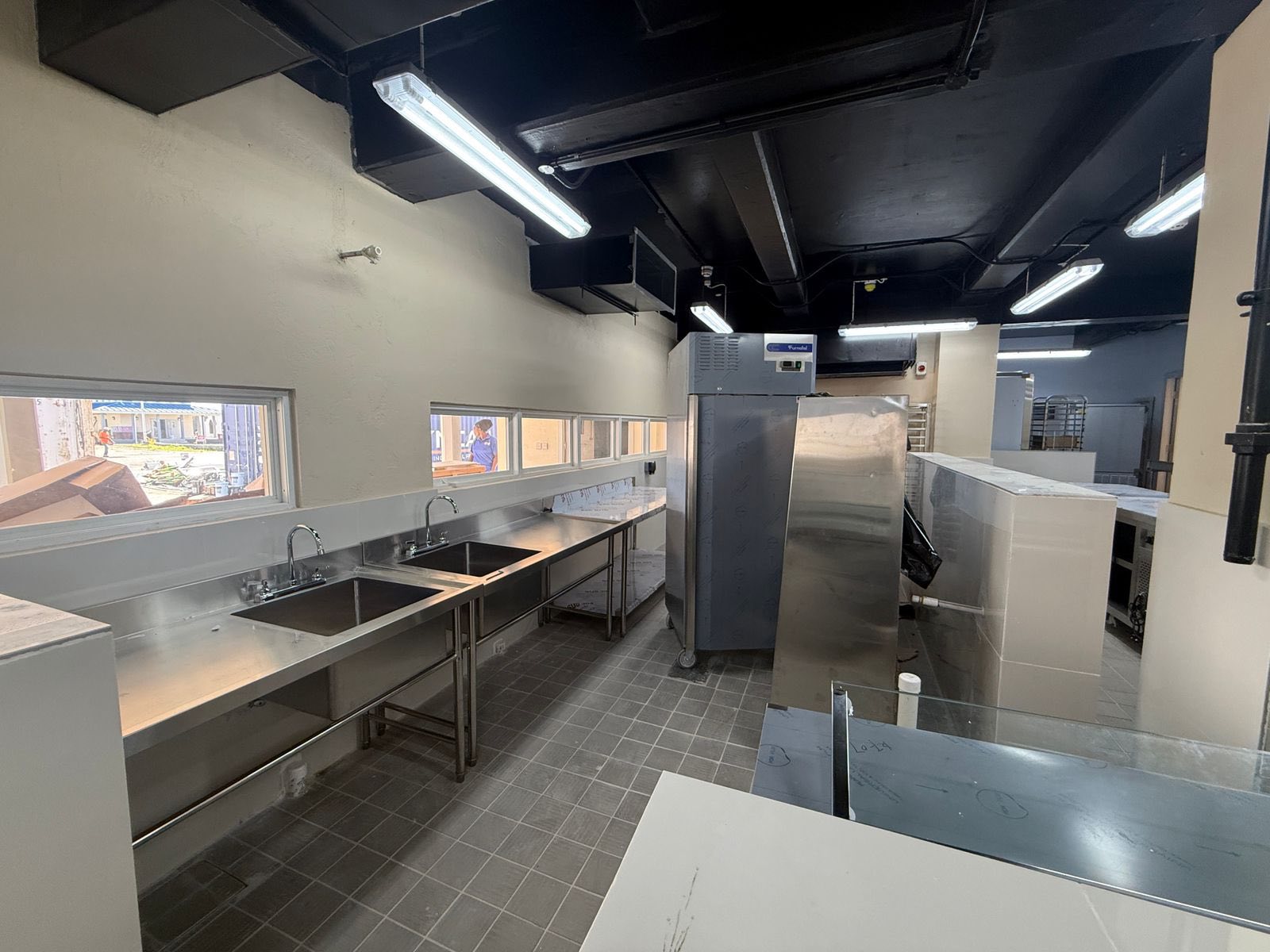
Final countdown for St Jude’s Hospital
The long-awaited reconstruction of St Jude’s Hospital, a vital healthcare facility serving southern Saint Lucia, is finally approaching its conclusion. After years of extensive redevelopment, the project, spearheaded by the Rayneau Construction team, is now in its final stages. The hospital’s completion, initially delayed by seven weeks, is back on track, with final installation works underway. Rayneau Gajadhar, the lead contractor, confirmed that the project is 98.5% complete, emphasizing that there is always room for improvement. Gajadhar’s team will remain on-site for at least three months to ensure a smooth transition from the temporary facility at the George Odlum Stadium to the new hospital. Photographs shared by Gajadhar highlight the state-of-the-art kitchen, which he claims will surpass the standards of most hotels. This milestone marks a significant step forward in enhancing healthcare infrastructure in the region.
-

Scrub Life Cares Presents Groundbreaking Menstrual Health Research at the 2025 American Public Health Association Conference
Scrub Life Cares, a nonprofit organization focused on menstrual equity and reproductive health education, is making waves at the 2025 American Public Health Association (APHA) Annual Meeting in Washington, D.C. Founder and CEO Tanya Ambrose, MPH, is presenting groundbreaking research from Antigua and Barbuda, marking a significant milestone for the Caribbean nation in global public health discourse. Ambrose’s presentations include ‘Lived Experiences of Menstrual Health and Product Access in Antigua and Barbuda Among Women and Girls: A Qualitative Study’ and ‘Periods & Period Products: A Qualitative Research Report,’ both of which highlight the challenges and solutions surrounding menstrual health in the region. This research aims to influence national policy, foster collaboration with health and education ministries, and spark regional discussions on health tourism and gender-inclusive public health systems. Ambrose emphasized the importance of centering the lived experiences of women and girls, ensuring menstrual equity becomes a global priority. This appearance at APHA 2025 follows the organization’s 2023 debut, where its short film on period poverty was featured in the APHA Short Film Festival. Scrub Life Cares continues to advocate for evidence-based programming and community empowerment, with initiatives like the Grow With the Flo: Women & Girls Health Expo, which promotes menstrual health education and reproductive justice. The organization’s work has gained international recognition, bridging Caribbean community efforts with global public health dialogue. As Scrub Life Cares celebrates its 5th anniversary in November 2025, it remains committed to advancing health equity and empowerment for women and girls across the Caribbean.
-

Digicel Foundation hosts internal staff blood drive
In a commendable effort to address the critical need for blood donations, the Digicel Foundation collaborated with the North West Regional Health Authority (NWRHA) Port of Spain General Hospital Blood Bank to organize an internal staff blood drive on October 28. Held at the Digicel TT head office, the initiative aimed to strengthen the nation’s blood bank reserves and promote a culture of volunteerism among employees.
-

Benign prostatic hyperplasia: Breaking the silence on men’s health
Benign prostatic hyperplasia (BPH), a non-cancerous enlargement of the prostate gland, affects nearly all men as they age, with incidence nearing 100% by the age of 90. Dr. Vimal Seetahal, a consultant urologist, is urging men to pay closer attention to this condition, which often goes undiagnosed due to cultural attitudes toward men’s health in the Caribbean. Symptoms include frequent urination, urgency, nocturia, and a weak urinary stream, which many dismiss as a normal part of aging. However, untreated BPH can worsen over time, leading to severe complications. Risk factors include age, genetics, and lifestyle choices such as obesity and diets high in red meat. Diagnosis involves ultrasounds, CT scans, and PSA blood tests. Treatment options range from medication to surgical procedures, including the innovative laser prostatectomy. Dr. Seetahal emphasizes the importance of lifestyle changes, such as reducing alcohol and caffeine intake, exercising, and using natural remedies like saw palmetto, to manage early-stage BPH. He also highlights the need for early detection and a cultural shift in how men approach their health, advocating for routine PSA testing over invasive rectal examinations. Public education and family support are crucial in encouraging men to seek timely medical attention.