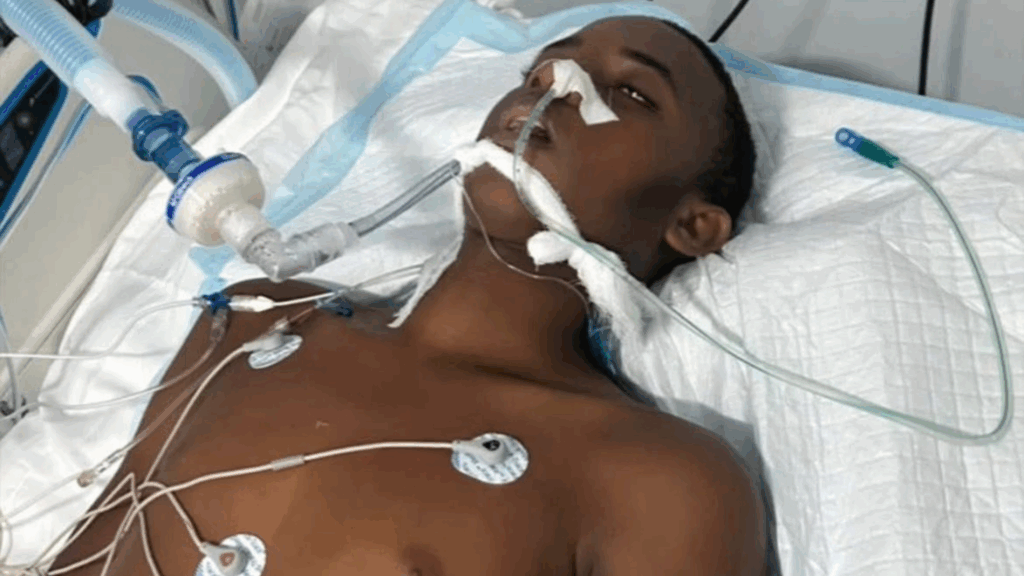
A 13-year-old boy, Carlton St. Omer, is fighting for his life at the Owen King European Union (OKEU) Hospital in Saint Lucia after being diagnosed with Guillain-Barré Syndrome (GBS), a rare neurological disorder that causes paralysis and can impair breathing. His father, Calton St. Omer, described the past few days as a nightmare for the family, as Carlton’s condition rapidly deteriorated following his participation in a school marathon on October 29. Initially, Carlton exhibited a limp and leg pain, but by October 31, he was unable to move and was rushed to the hospital. Despite extensive tests, including CT scans and blood work, doctors were unable to pinpoint the cause of his symptoms. By November 1, Carlton lost the ability to swallow, move his limbs, and breathe independently, requiring a ventilator. Doctors have recommended that he be airlifted to Martinique for specialized care, with the transfer scheduled for November 6. Carlton’s sister, Abbie John, has launched a GoFundMe campaign titled ‘Save Abbie’s Little Brother – Urgent Help Needed’ to raise funds for the air ambulance and medical expenses. The family is holding onto hope, urging the public for prayers and donations. Carlton’s father also recalled a previous medical episode in April, suspecting a possible connection to his current condition. The family remains focused on securing the urgent care Carlton needs to survive and recover.
分类: health
-

Bodoe denies EWMSC blackout affected services
Health Minister Dr. Lackram Bodoe has confirmed that critical medical services at the Eric Williams Medical Sciences Complex (EWMSC) in Mt Hope remained uninterrupted despite an alleged hour-long power outage on November 6. Speaking at the TT Revitalisation Blueprint event in St. Ann’s, Dr. Bodoe stated that he had been in contact with North Central Regional Health Authority (NCRHA) chairman Dr. Tim Gopeesingh, who assured him that backup systems functioned as intended. ‘There was no impact at all. Hospitals always have a standby backup supply, and I’m informed backup supply services were able to continue,’ Dr. Bodoe told reporters. He added that the TT Electricity Commission (T&TEC) was on-site during the incident and that a full report has been requested from the NCRHA chairman. ‘The matter is being investigated, and I will get a full report from the chairman,’ he said, declining further comment until the report is received. The TT Registered Nurses Association (TTRNA) had initially reported the outage on its Facebook page, posting photos of darkened hallways with a caption suggesting that the entire hospital was in darkness, including the intensive care unit, and that generators failed to start. TTRNA president Idi Stuart described the incident as ‘deeply concerning’ and called for a transparent investigation. ‘No hospital in TT should suffer something like what went on today,’ he said, hinting that the association has information about the blackout but will wait for the RHA’s official statement before commenting further. Stuart emphasized that critical care units must never lose power and commended the nurses and medical staff for their tireless efforts to protect patients during the outage. He reiterated the association’s call for a comprehensive investigation and a public report to ensure the issue never recurs. The NCRHA recently announced the completion of the first phase of a major electrical and lighting upgrade at the EWMSC, supported by the TTEC, with the second phase currently underway to replace defective light poles and add new fixtures for full campus illumination.
-

BNU chief expresses concerns over retention as 50 nurses have left over last four months
The Bahamas is grappling with a significant exodus of nurses from its public healthcare system, with approximately 50 nurses departing over the past three to four months. Muriel Lightbourn, president of the Bahamas Nurses Union (BNU), revealed this alarming trend as the union intensifies its push for enhanced benefits and improved retention strategies. While specific details of the new industrial agreement remain undisclosed, Lightbourn expressed optimism that the government will address the union’s demands. She emphasized that nurses are not only leaving for opportunities abroad but also transitioning to other professions that offer better prospects for personal and professional growth. ‘We cannot afford to lose more workers,’ she stated. The previous industrial agreement, signed in 2022 and expired in October, included salary increments, additional insurance benefits, and retention bonuses exceeding $3,000, depending on specific criteria. Entry-level salaries began at $26,000 annually, with potential increases up to $30,000. However, Lightbourn highlighted persistent delays in promotions and confirmations within the public healthcare system, citing the acting director of nursing, who has remained unconfirmed for over nine months, as a glaring example. She described the situation as ‘distasteful’ and ‘a slap in the face,’ questioning the prolonged delays in appointing key positions. Additionally, approximately 24 nurses are still awaiting confirmation and appointment, further exacerbating the challenges faced by the healthcare sector.
-
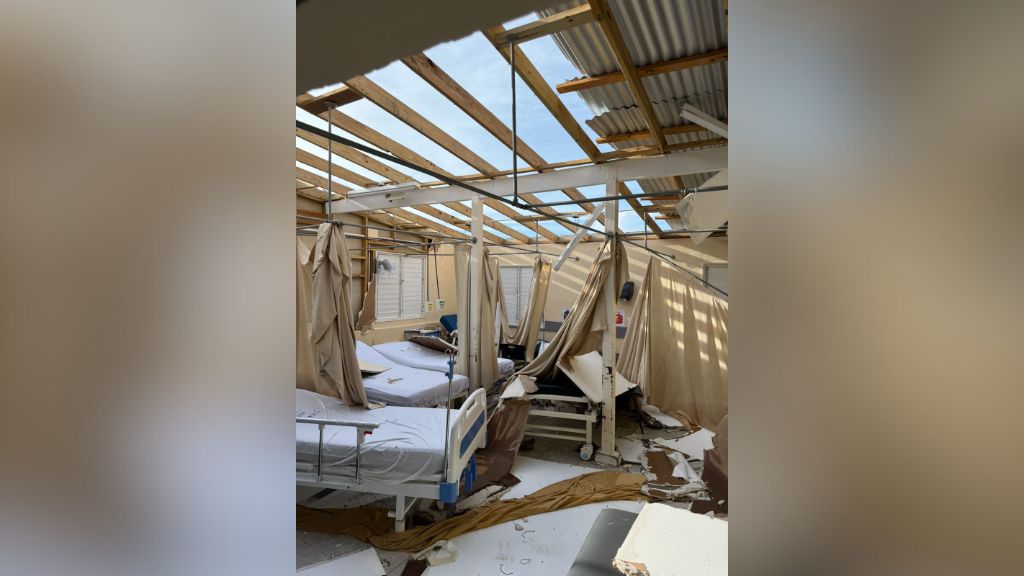
‘CRH is devastated’: Doctors contradict CEO’s report, call for urgent meeting with Tufton
The Jamaica Medical Doctors’ Association (JMDA) has issued a stark warning about the dire state of Cornwall Regional Hospital (CRH) in St James following the devastation caused by Hurricane Melissa. The association is demanding an urgent meeting with Health Minister Dr Christopher Tufton to address what it describes as a “devastated” facility, contradicting official statements from regional health authorities.
-
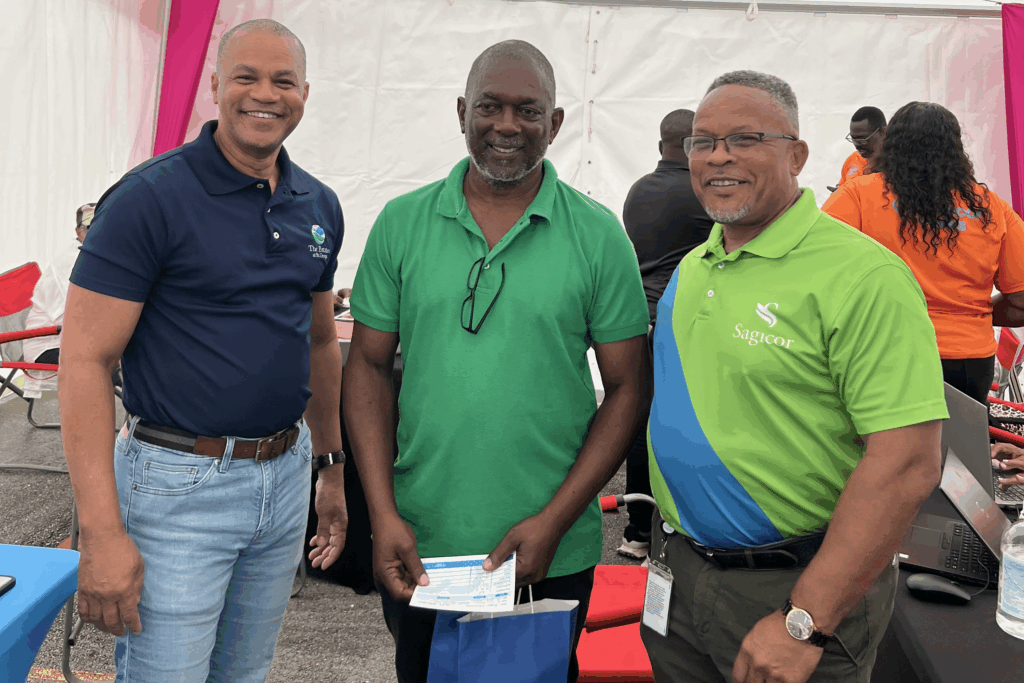
Sagicor Cares celebrates one year of transforming community health
Sagicor is marking the first anniversary of its groundbreaking community health initiative, Sagicor Cares, which has been transforming lives across Barbados since its launch in October 2024. This flagship programme, a collaborative effort involving Sagicor’s Wellness Nursing Team, the Barbados Defence Force (BDF) Field Medical Unit, and Cancer Support Services (CSS), has delivered free health screenings, wellness education, and cancer awareness to communities spanning from St Lucy to Christ Church. With visits to eleven of the island’s twelve parishes completed, the initiative is set to conclude its first nationwide circuit in January 2026 with a final stop in St John. To date, 1,310 individuals have benefited from screenings for hypertension, diabetes, cholesterol, and cancer risk factors, alongside receiving valuable guidance on healthier living and lifestyle management. The programme has emerged as a shining example of how corporate-community partnerships can effectively bridge gaps in healthcare accessibility, bringing preventative care directly to the people. Paul Inniss, Executive Vice President and General Manager of Sagicor Life Inc. (Barbados), emphasized the profound impact of the initiative, stating, ‘Reaching this milestone is a testament to the power of compassion and collaboration. Through Sagicor Cares, we’ve not only made health services more accessible but also empowered individuals with life-changing knowledge about their health. This is community care at its finest—meeting people where they are, offering hope, and fostering healthier lives.’ Inniss also praised the BDF Field Medical Team and Cancer Support Services for their invaluable contributions, highlighting their expertise and dedication as key drivers of the programme’s success. Looking ahead to 2026, Sagicor has pledged to expand the initiative’s reach and introduce additional health and wellness touchpoints, ensuring even more Barbadians can access essential screenings and education opportunities close to home.
-

Exercise outside for better health
Outdoor exercise stands as one of the most beneficial activities for both physical and mental well-being. Across neighborhoods in St Philip, Barbados, and Trinidad, residents are seen embracing the morning sun with walks, chats, and even refreshing dips in the sea. Some start as early as 4 a.m., undeterred by weather or darkness, driven by the undeniable benefits of outdoor activity.
-
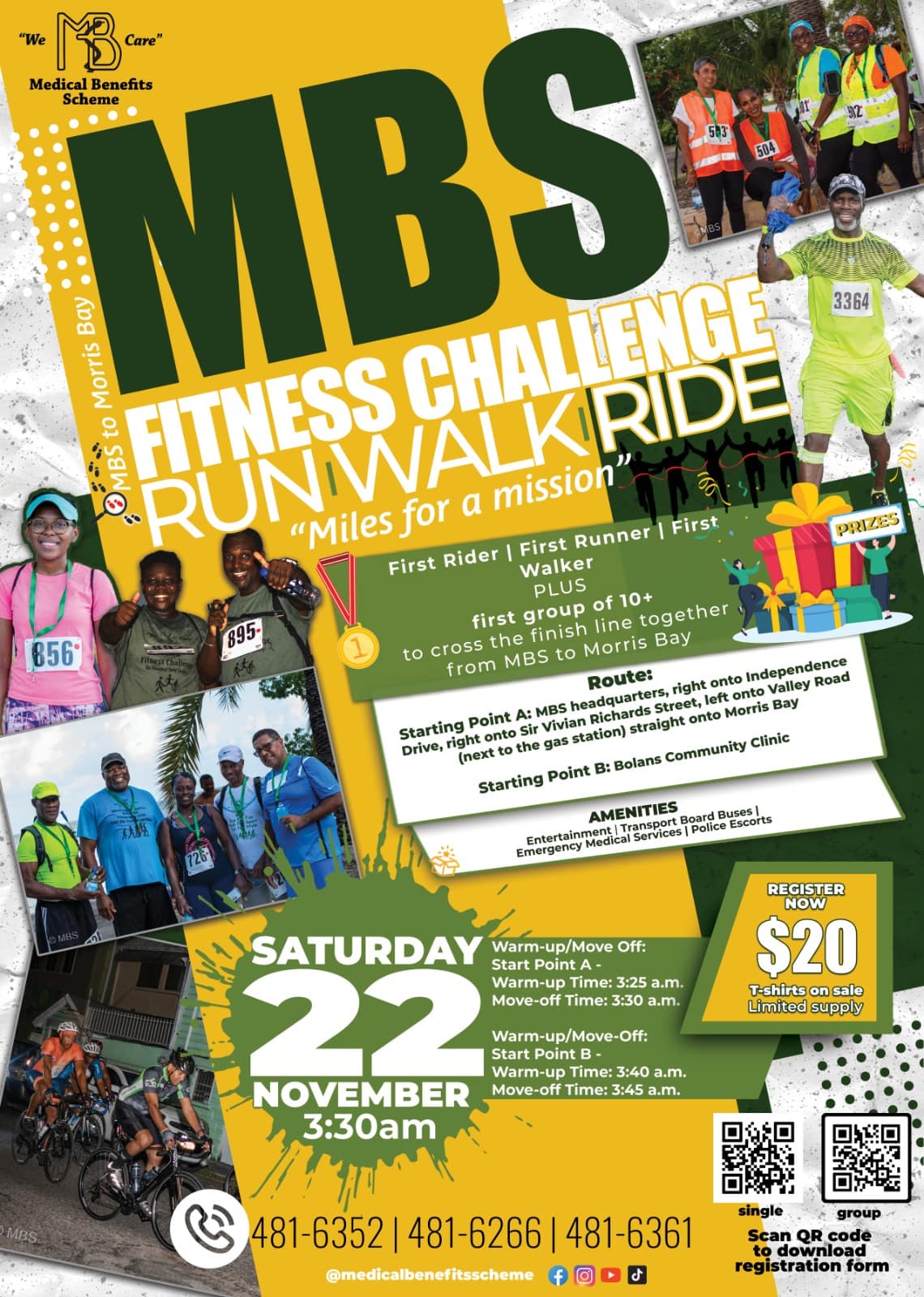
MBS Run Walk Ride Returns to Inspire Fitness Across Antigua and Barbuda
The highly anticipated annual MBS Run Walk Ride is set to take place on Saturday, 22 November, drawing hundreds of participants eager to embrace fitness, unity, and enjoyment. Organized by the Medical Benefits Scheme (MBS), the event will commence at 3:30 a.m. from two strategic locations: the MBS Headquarters on Nevis Street and the Bolans Community Clinic. Participants will converge at the picturesque Morris Bay for a grand finale. Offering flexibility for all fitness levels, individuals can choose to run, walk, or cycle. Group participation is particularly encouraged, with special awards reserved for the first team of ten or more members to cross the finish line together. The MBS Run Walk Ride not only promotes physical health but also strengthens community bonds, making it a cornerstone event in the national health calendar. Families, fitness enthusiasts, and community groups alike come together in a collective effort to champion wellness and active living.
-
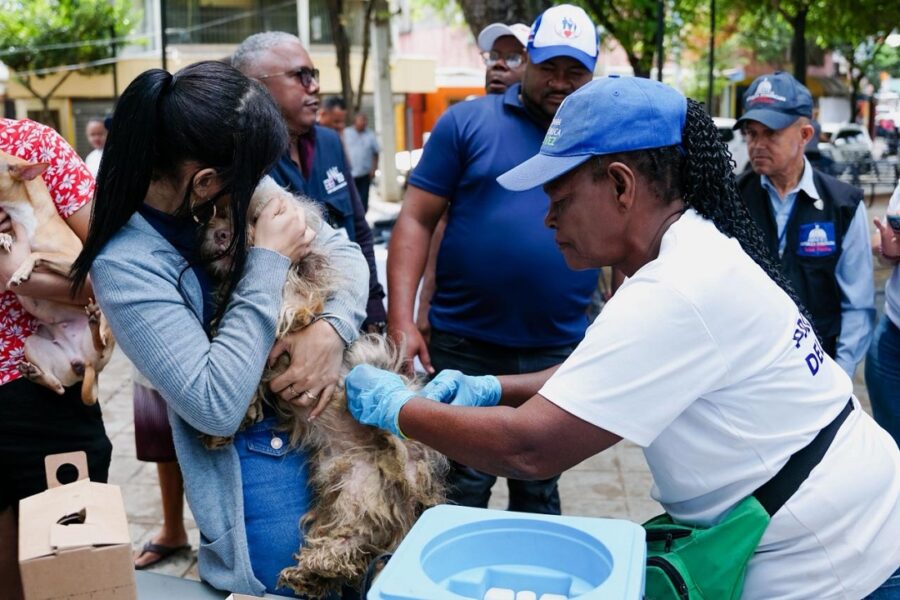
Public Health launches national rabies vaccination campaign for pets
The Dominican Republic’s Ministry of Public Health (MSP) has unveiled an ambitious nationwide rabies vaccination campaign targeting dogs and cats. Scheduled to run from Friday, November 7, to Sunday, November 9, the initiative is a critical step toward the country’s goal of eradicating dog-transmitted rabies by 2030. Rabies, a fatal viral disease affecting both animals and humans, is preventable through vaccination, and the MSP is offering free, safe vaccines across all provinces. Teams will visit neighborhoods, and fixed vaccination posts will operate daily from 8:00 a.m. to 4:00 p.m. The campaign’s official launch will occur at Plaza de la Cultura on Friday at 9:00 a.m., with vaccinations available until 2:30 p.m. Coordinated by the Center for Prevention and Control of Vector-Borne and Zoonotic Diseases (Cecovez), the effort will distribute over one million vaccine doses nationwide. The MSP has urged citizens to participate, emphasizing that vaccinating pets is an act of love, responsibility, and family protection. Detailed vaccination site information is available on the Ministry’s official social media channels.
-

CARPHA conducting health assessment in Jamaica following Hurricane Melissa
In the wake of the catastrophic Category Five Hurricane Melissa, the Caribbean Public Health Agency (CARPHA) has initiated a swift health needs assessment across multiple parishes in Jamaica. The hurricane, which wreaked havoc on the island’s western and southern regions, has left a trail of destruction, particularly impacting public health infrastructure. CARPHA, in collaboration with the Caribbean Disaster and Emergency Management Agency (CDEMA), is spearheading this critical evaluation to pinpoint urgent recovery needs and strategize effective responses. Dr. Horace Cox, CARPHA’s Director of Surveillance, Prevention, and Disease Control, emphasized the agency’s role as the health lead within the Caribbean Community’s disaster response framework. ‘Our mission is to assess the damage inflicted by Hurricane Melissa and map out the immediate health requirements of the affected communities,’ Dr. Cox stated. Preliminary findings reveal significant damage to peripheral health facilities, leading to service disruptions and relocations. Dr. Cox highlighted the heightened risks of waterborne and vector-borne diseases due to compromised water, sanitation, and hygiene systems. ‘The scarcity of clean water and the proliferation of stagnant water pools pose serious health threats, including the spread of diarrheal diseases and mosquito-borne illnesses like dengue,’ he explained. Despite these challenges, Dr. Cox lauded the resilience of healthcare workers and the coordinated efforts of local and regional systems. ‘The dedication of healthcare professionals, even in the face of personal losses, is truly inspiring,’ he remarked. CARPHA has mobilized nearly US$1 million to procure essential supplies, with initial shipments already delivered. The agency plans to deploy additional personnel next week to transition from assessment to implementation of support measures. The findings from this assessment will be presented to the Jamaican government, particularly the Office of Disaster Preparedness and Emergency Management (ODPEM), to inform national recovery plans. A briefing with national stakeholders was scheduled for Thursday evening to discuss the next steps in the recovery process.
-
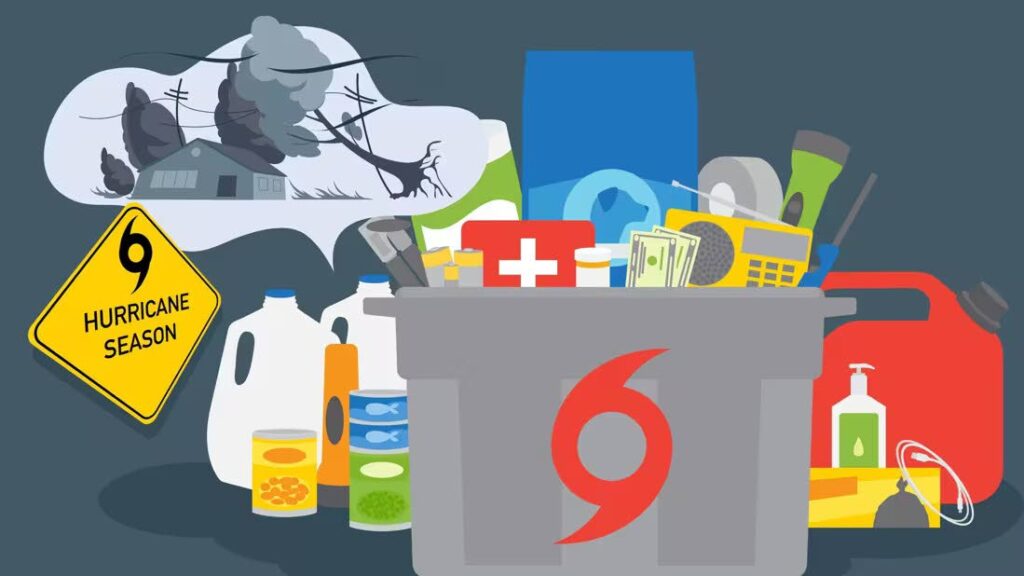
Food Safety After the Storm
When a hurricane strikes, its impact goes beyond visible destruction, affecting health, safety, and food systems. In Jamaica and the wider Caribbean, storms like Hurricane Melissa underscore the critical need to integrate food safety and security into recovery plans. As communities rebuild, addressing these challenges becomes paramount.