分类: health

  • Medical Benefits Scheme Opens Pharmacy at Glanvilles Polyclinic

    Medical Benefits Scheme Opens Pharmacy at Glanvilles Polyclinic

    In a significant healthcare advancement for eastern Antigua, the Medical Benefits Scheme has inaugurated a new pharmacy facility at the Glanvilles Polyclinic. This strategic development forms part of a broader governmental initiative to decentralize medical services and enhance pharmaceutical accessibility across Antigua and Barbuda.

    The official commissioning ceremony witnessed the presence of key dignitaries including Health Minister Sir Molwyn Joseph, State Senator Michael Joseph, Medical Benefits Board Chairman Lionel Hurst, and CEO Kevin Silston. Senior technical officials from both the Health Ministry and Medical Benefits Scheme also attended the landmark event.

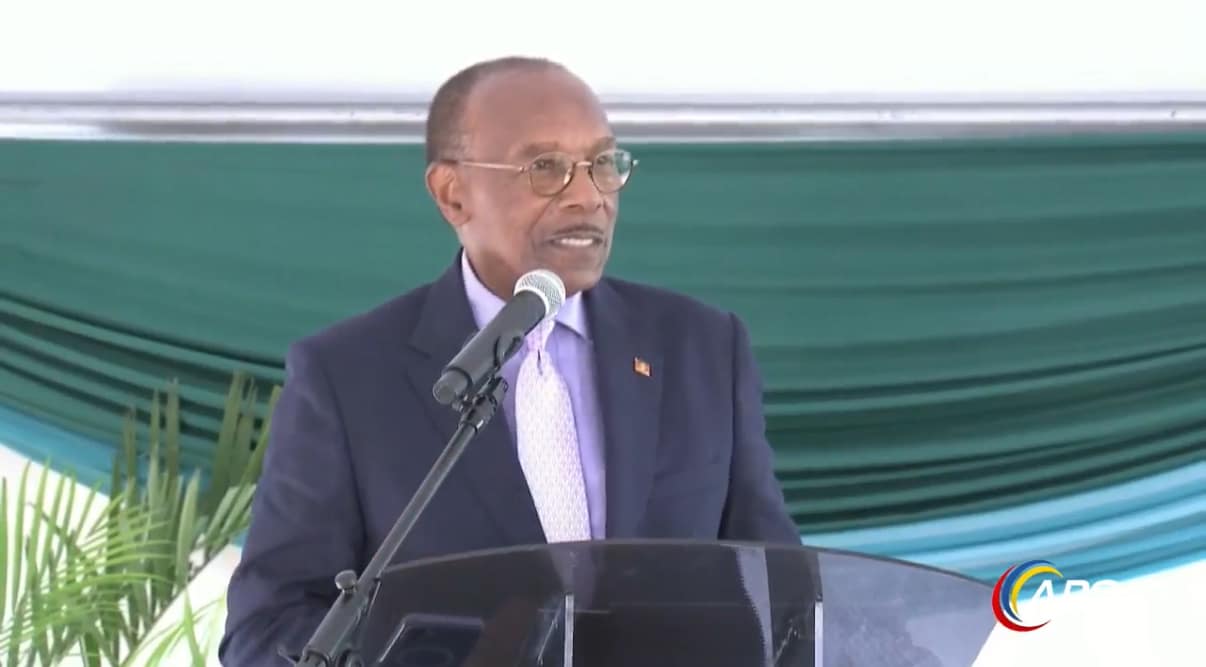
    Minister Joseph articulated the transformative impact of this development during his address: “This pharmacy eliminates the necessity for patients to undertake arduous journeys to St. John’s or distant locations for medication. Particularly for elderly residents and those managing chronic conditions like hypertension and diabetes, this represents a substantial improvement in healthcare accessibility.”

    The minister further emphasized the correlation between infrastructure expansion and workforce development, highlighting the government’s revitalization of the national pharmacy training program in 2017. This initiative has subsequently produced 30 qualified graduates, creating a robust pipeline of pharmaceutical professionals to support the nation’s expanding healthcare network.

    This new facility mirrors the successful implementation of the Villa Polyclinic pharmacy in June 2025, demonstrating the government’s consistent commitment to pharmaceutical care decentralization. Communities including Glanvilles, Pares, Seatons, and Willikies will now benefit from enhanced medical access within their immediate vicinity.

    The pharmacy will maintain operational hours from 8:00 AM to 3:00 PM, Monday through Friday, providing same-day pharmaceutical services to the eastern corridor population. Health officials characterize this development as a crucial step in strengthening community-based healthcare infrastructure throughout Antigua and Barbuda.
  • Health Ministry introduces nonavalent HPV vaccine for children

    Health Ministry introduces nonavalent HPV vaccine for children

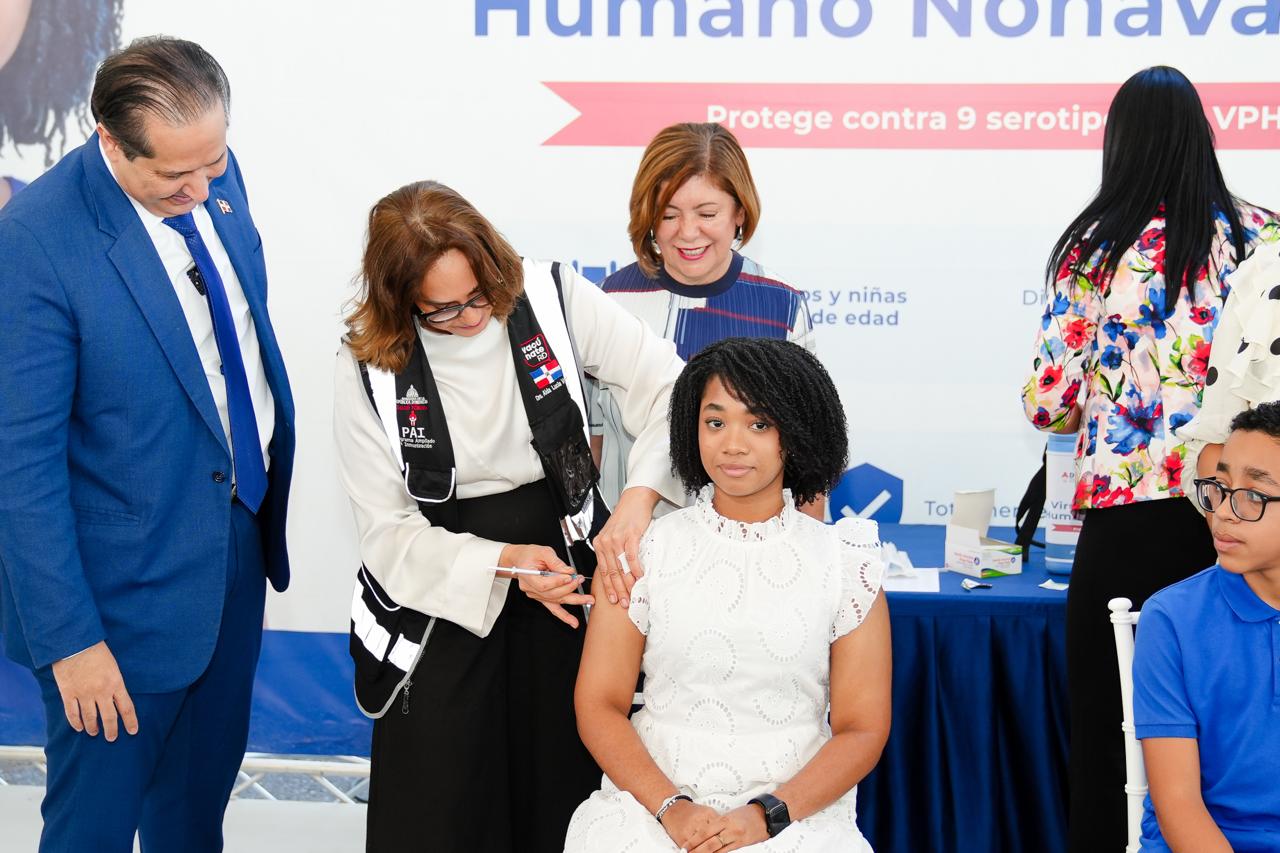
    The Dominican Republic has taken a significant step forward in public health by integrating the nonavalent Human Papillomavirus (HPV) vaccine into its national immunization program. This advanced vaccine will be administered free of charge to children aged 9 to 14 years through the country’s extensive healthcare network.

    Health Minister Víctor Atallah announced that the new vaccine formulation provides protection against nine high-risk HPV strains—specifically types 6, 11, 16, 18, 31, 33, 45, 52, and 58. This represents a substantial improvement over the previously used quadrivalent vaccine, offering broader coverage against virus variants known to cause cervical cancer and other HPV-related diseases.

    The vaccination initiative, operating under the banner “Health is a priority to protect your future,” forms a crucial component of the government’s enhanced preventive healthcare strategy for youth. Health authorities confirmed the vaccine’s availability through 40 Provincial Health Directorates and more than 1,400 vaccination centers nationwide.

    According to immunization protocols, most recipients will require only a single dose, while immunocompromised children may receive two doses for optimal protection. The official rollout ceremony occurred at the Hospital Infantil Dr. José Manuel Rodríguez Jiménez, symbolizing the program’s focus on pediatric health.

    Alba María Ropero Álvarez, representing the Pan American Health Organization, highlighted the significance of this development, noting that the Dominican Republic now joins an exclusive group of nations—including Argentina, Canada, Chile, and the United States—that have incorporated this latest-generation HPV vaccine into their national health programs. Medical research indicates this nonavalent vaccine prevents over 90% of HPV-related cancer cases, marking a substantial advancement in cervical cancer prevention efforts.

  • Nasalferon granted sanitary registration for the treatment of acute respiratory infections

    Nasalferon granted sanitary registration for the treatment of acute respiratory infections

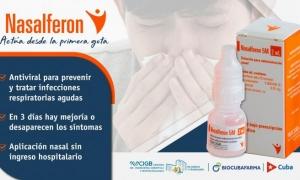
    Cuban health authorities have granted full regulatory approval to Nasalferon, an innovative nasal spray treatment, following conclusive evidence from Phase III clinical trials demonstrating its effectiveness against respiratory illnesses. The breakthrough medication, developed by Cuba’s Center for Genetic Engineering and Biotechnology (CIGB), represents a significant advancement in accessible antiviral therapy.

    The comprehensive clinical research, conducted throughout 2025 across multiple healthcare facilities in Old Havana, yielded compelling results regarding the treatment’s protocol adherence and therapeutic performance. Trial data confirmed Nasalferon’s capacity to effectively manage and completely resolve symptoms associated with respiratory infections while maintaining an excellent safety profile.

    Nasalferon utilizes recombinant human alpha 2b interferon as its active pharmaceutical component, a well-established molecule with proven efficacy across various therapeutic applications and pharmaceutical formulations. The product had previously received conditional authorization specifically for SARS-CoV-2 infection prophylaxis during the COVID-19 pandemic. This latest approval significantly expands its indicated use to encompass general acute respiratory infections.

    With formal regulatory clearance now obtained, the medication is being distributed through community pharmacies nationwide, available to patients with appropriate medical prescriptions. The Cuban Ministry of Health has established a retail price point of 172.50 Cuban Pesos (CUP) for each 2 milliliter bottle.

    Looking toward future applications, CIGB’s research team is planning additional clinical studies to evaluate Nasalferon’s safety and efficacy in pediatric populations. This developmental pathway aims to extend the therapeutic benefits to younger patients once appropriate data collection and analysis are complete. Supported by stable manufacturing capabilities within Cuba’s robust biotechnology sector, Nasalferon stands positioned to become a mainstream therapeutic option for respiratory conditions among the Cuban population.

  • MBS Expands Access with New Pharmacy at Glanvilles Polyclinic

    MBS Expands Access with New Pharmacy at Glanvilles Polyclinic

    In a significant move to enhance community healthcare services, the Antiguan government has inaugurated a new Medical Benefits Scheme (MBS) pharmacy at the Glanvilles Polyclinic. The facility, which opened with an official ceremony on March 10, 2026, represents a strategic integration of pharmaceutical services within existing medical infrastructure.

    The inauguration event saw participation from key health officials including Health Minister Sir Molwyn Joseph, State Minister Senator Michael Joseph, Medical Benefits Board Chairman Sir Lionel Hurst, MBS CEO Kevin Silston, and Primary Health Care Acting Permanent Secretary Marsha Joseph.

    This development fundamentally transforms healthcare delivery for residents of Glanvilles and neighboring communities by eliminating the necessity to travel to St. John’s for prescription medications. The integrated approach particularly benefits patients managing chronic conditions who require consistent medication access, creating a seamless continuum from consultation to treatment.

    Operational from 8:00 a.m. to 3:00 p.m. Monday through Friday, the pharmacy offers same-day services to MBS beneficiaries presenting valid prescriptions and identification cards. This initiative forms part of a broader governmental strategy to decentralize healthcare services and improve medical accessibility across the nation.

    For additional information regarding MBS services and locations, beneficiaries can contact the scheme’s headquarters at (268) 481-6366/67/68.

  • A daily struggle for every drop of hope

    A daily struggle for every drop of hope

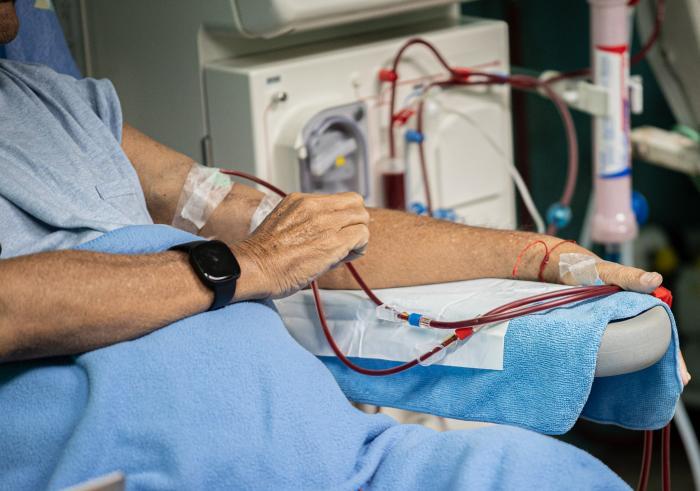
    In the hemodialysis units of Cuba’s Dr. Abelardo Buch López Institute of Nephrology, patients like Zurama confront a daily reality of survival tied to medical machinery. ‘I have to depend on it,’ she states, reflecting on her post-COVID-19 renal failure diagnosis since 2020. ‘If there’s no fuel, nobody here could get hemodialysis.’

    The institute, serving 45 of Cuba’s 57 hemodialysis centers supporting over 3,000 renal replacement therapy patients, faces systemic challenges. Julio César Candelaria Brito, head of hemodialysis services, emphasizes that treatment continuity relies on an integrated system encompassing transportation, medical supplies, and electricity—all compromised by national fuel shortages.

    Critical supply deliveries, once routine, now arrive in precarious small batches. ‘We’re waiting for the truck to arrive today to ensure we can start tomorrow’s session,’ Candelaria reveals. Dialysis machines demand uninterrupted power for operation and water deionization, with aging backup batteries posing additional risks. Nurse Dairy Rodríguez Barreto confirms: ‘Without hemodialysis, the patients could die.’

    Transportation compromises have forced taxi services to limit patient shuttle routes, sometimes excluding essential companions. Nurse José Carlos Castillo Curbeco notes consequent emergency admissions when missed treatments endanger lives. The institute has prepared contingency beds for such crises.

    Director Yamilé García Villar acknowledges infrastructure strains: ‘We’ve experienced breakdowns in water treatment systems delaying sessions until 4:00 a.m.’ Despite these challenges, she affirms the program’s uninterrupted operation through staff dedication. However, U.S. economic restrictions have impeded vital annual maintenance on dialysis equipment designed for five-year lifespans, accelerating mechanical failures.

    The psychological toll compounds physical vulnerabilities. Patients experience palpable fear about treatment continuity despite assurances of political will and staff commitment. As one caregiver summarizes: ‘All illnesses have a psychological component, and the certainty that treatment is guaranteed provides well-being.’ When that certainty fractures, so does hope for Cuba’s most medically vulnerable.

  • Health ministry urges proper hygiene among food handlers amid Norovirus increase

    Health ministry urges proper hygiene among food handlers amid Norovirus increase

    The Ministry of Health and Wellness has escalated public health advisories following a significant surge in gastrointestinal infections nationwide. Epidemiological data reveals a concerning uptick in cases since early February 2026, particularly affecting pediatric populations, though adult infections are rising concurrently.

    Laboratory analysis has confirmed Norovirus contamination in multiple stool samples, identifying the pathogen as the primary culprit behind the outbreak. This extremely contagious virus triggers acute gastroenteritis symptoms including violent vomiting, watery diarrhea, and potentially severe dehydration requiring medical intervention.

    Health authorities emphasize that food handlers represent a critical transmission vector and must implement enhanced hygiene protocols. Beyond standard handwashing, the ministry mandates rigorous surface disinfection using diluted bleach solutions to disrupt viral transmission chains.

    The advisory outlines specific containment measures:
    – Thorough hand cleansing with soap and water for minimum 20-second intervals
    – Employing disposable towels for hand drying
    – Avoiding facial contact with unwashed hands
    – Maintaining proper food temperature controls and vector protection
    – Mandatory 48-hour exclusion from work post-symptom resolution for affected individuals

    While alcohol-based sanitizers provide partial protection, officials confirm soap and water remain superior for norovirus eradication. The ministry stresses that conscientious hygiene practices constitute the foremost defense against this and other infectious diseases currently circulating.

  • Ministry of Health and Wellness records increase in gastrointestinal cases among children

    Ministry of Health and Wellness records increase in gastrointestinal cases among children

    The Ministry of Health & Wellness has issued a public health alert following a significant surge in gastrointestinal illnesses, particularly affecting children under five years of age. Epidemiological data reveals cases jumped from just one instance in the week ending February 7, 2026, to eight confirmed cases in both the weeks ending February 14 and February 28. Health officials emphasize that any weekly count exceeding three cases in this vulnerable demographic constitutes a serious concern.

    Laboratory analysis has confirmed the presence of norovirus in several diarrheal samples. This pathogen is recognized for its extreme contagion, typically triggering intense but short-lived symptoms including vomiting and diarrhea, which can rapidly lead to dehydration if not properly managed. The ministry has also reported distinct outbreaks emerging within several daycare facilities, highlighting environments where the virus can spread swiftly.

    In response, health authorities are directing specific guidance toward childcare operators. The cornerstone of prevention is rigorous hand hygiene, requiring staff and children to wash hands thoroughly with soap and water for a minimum of 20 seconds, followed by drying with disposable towels. While alcohol-based sanitizers are a secondary option, their efficacy against norovirus is notably reduced.

    Beyond handwashing, the ministry mandates stringent environmental cleaning protocols. This involves disinfecting all surfaces and toys with a diluted bleach solution, as standard cleaners are often insufficient to kill the resilient virus. Parents and caregivers are advised to monitor sick children for critical signs of dehydration, such as reduced urination, a dry mouth, absence of tears, unusual thirst, or lethargy. Persistent vomiting necessitates immediate medical attention.

    To prevent further community transmission, the ministry firmly states that any child experiencing vomiting or diarrhea must be kept isolated from school or nursery settings for at least 48 hours after their symptoms have fully subsided. The public is urged to adopt these measures proactively to protect individual and collective health.

  • CARPHA strengthens public health support for Jamaica’s hurricane recovery

    CARPHA strengthens public health support for Jamaica’s hurricane recovery

    KINGSTON, Jamaica — The Caribbean Public Health Agency (CARPHA) is intensifying its collaboration with Jamaican health authorities to fortify the nation’s disease surveillance and laboratory capabilities in the aftermath of Hurricane Melissa. Dr. Lisa Indar, Executive Director of CARPHA, is currently leading high-level strategic meetings during a working visit to the island, engaging with Jamaica’s Chief Medical Officer and Permanent Secretary of Health to coordinate long-term recovery initiatives.

    The dialogue has centered on critical infrastructure enhancements, particularly expanding national laboratory proficiency at the National Public Health Laboratory and regional facilities like Cornwall Regional Hospital. This upgrade aims to accelerate diagnostic processes for potential outbreaks through advanced PCR testing kits and specialized equipment provided by CARPHA.

    Dr. Indar emphasized the multifaceted public health challenges that emerge following hurricanes, noting, “Post-disaster environments create ideal conditions for foodborne, waterborne, and vector-borne disease transmission. Strengthening sanitation protocols, vector control measures, and community health interventions becomes paramount.” She specifically highlighted risks including salmonella, leptospirosis, and mosquito-borne illnesses that can proliferate through contaminated water supplies and increased rainfall patterns.

    Despite these challenges, Jamaica received commendation for its robust preparedness and response systems. “Jamaica maintains a strong public health infrastructure that anticipated these secondary threats,” Indar stated. Laboratory confirmation capabilities remain essential for verifying suspected cases and preventing widespread transmission.

    CARPHA’s support extends beyond immediate relief, focusing on sustainable development of electronic surveillance networks that integrate laboratory data with national health databases. This enables real-time outbreak reporting and facilitates rapid response mechanisms. Following Hurricane Melissa’s impact in late October, CARPHA activated its incident management team and secured approximately US$700,000 in emergency funding from international partners, including the UK and pandemic relief funds.

    These resources provided critical supplies including personal protective equipment, medical devices, and environmental monitoring tools for water quality testing and food safety assurance. Notably, newly deployed equipment confirmed leptospirosis cases that might otherwise have gone undetected.

    Looking regionally, Dr. Indar outlined CARPHA’s strategic priority to reinforce health resilience across Caribbean nations, which face disproportionate vulnerability to climate disasters and infectious diseases due to their tourism-dependent economies and geographic interconnectedness. The agency has developed specialized early warning systems incorporating digital surveillance technology to provide health authorities with advanced outbreak detection capabilities, ultimately creating a more resilient public health infrastructure throughout the Caribbean.

  • MBS Pharmacy Opens Today at Glanvilles Polyclinic

    MBS Pharmacy Opens Today at Glanvilles Polyclinic

    Eastern Antigua witnesses a significant enhancement in healthcare infrastructure with the inauguration of a new Medical Benefits Scheme (MBS) pharmacy at the Glanvilles Polyclinic. This strategic development, announced by Health and Wellness Minister Sir Molwyn Joseph, directly addresses geographical barriers to medical care by enabling local residents to obtain prescription medications within their community, eliminating protracted journeys to distant dispensaries.

    This pharmacy establishment constitutes a pivotal component of the Ministry of Health’s comprehensive strategy to decentralize medical services and fortify healthcare accessibility across rural and eastern regions. The integration of pharmaceutical services is projected to substantially elevate patient convenience, offering particular advantage to individuals managing chronic conditions who depend on consistent medication regimens.

    In a parallel initiative to bolster emergency medical response capabilities, the Ministry confirmed the imminent deployment of a dedicated ambulance to the Glanvilles Polyclinic. Scheduled for operational status by the conclusion of March, this resource is anticipated to markedly improve emergency response times and service efficacy for surrounding communities, representing a dual advancement in both routine and critical healthcare provision.

  • SRD 117 miljoen overgemaakt voor toelagen ziekenhuispersoneel

    SRD 117 miljoen overgemaakt voor toelagen ziekenhuispersoneel

    The Surinamese Ministry of Finance and Planning has confirmed the transfer of SRD 117.6 million (approximately $117 million) in outstanding allowances for hospital personnel, addressing growing tensions with healthcare unions. The funds cover multiple critical allowances for the first quarter of 2026, including bridging, recruitment, and retention payments, alongside clothing allowances and government contributions to regional medical facilities.

    This financial injection comes in response to recent ultimatums from health sector trade unions demanding timely payment of these essential benefits. The ministry emphasized that despite the disbursement already occurring through proper channels, various practical factors can occasionally cause processing delays within the payment system.

    The bridging allowance, a temporary support measure, was established to assist healthcare workers during the transitional period toward implementing a new wage structure for the sector. This interim solution aims to provide financial stability for medical professionals while authorities finalize the comprehensive compensation reform.

    Minister Adelien Wijnerman and Director Vincent Fernandes verified that the Central Bank of Suriname has transferred the full amount of SRD 117,657,390 to Finabank accounts designated for hospital disbursement. From this central repository, funds will be distributed to individual healthcare institutions’ accounts for subsequent allocation to medical staff.

    The ministry has issued an urgent appeal to healthcare workers to maintain service continuity, assuring them that the financial resources have now been released through established procedural channels.