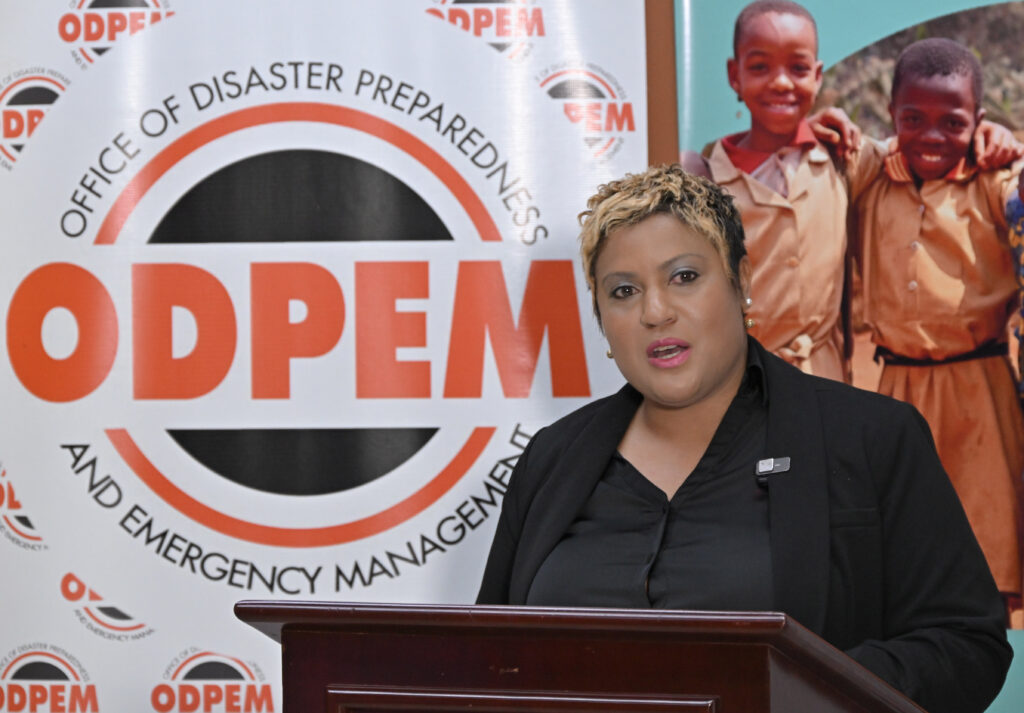
The Jamaican Government is ramping up its initiatives to bolster maternal and child health, ensuring that pregnant and lactating women receive comprehensive care, essential supplies, and vital guidance for safe pregnancies and the healthy development of newborns. Krystal Lee, State Minister in the Ministry of Health and Wellness, announced these efforts during a handover ceremony for WaterStep Bleach Makers at the Office of Disaster Preparedness and Emergency Management (ODPEM) headquarters in New Kingston on Tuesday.
分类: health
-
Cuba battles virus outbreak despite shortages of food, medicine
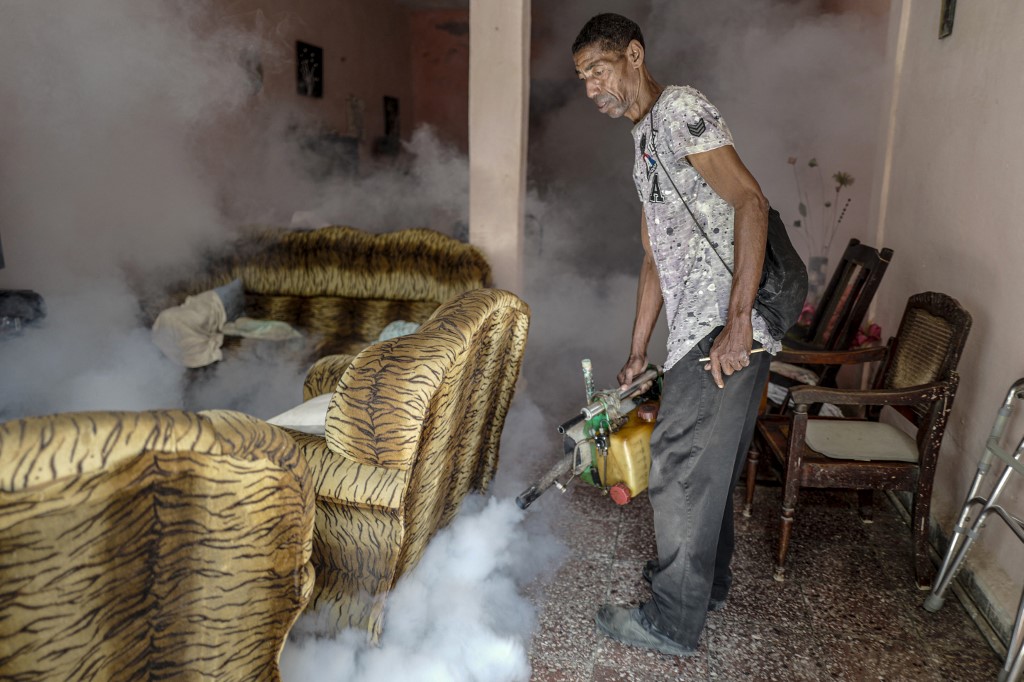
Cuba is currently grappling with a severe outbreak of the chikungunya virus, compounded by an unprecedented economic crisis that has led to shortages of essential resources such as clean water, food, fuel, and medicine. The viral disease, which causes debilitating fever and joint pain, has spread across all 15 provinces of the island nation, affecting millions of residents. Elderly citizens like 81-year-old Pilar Alcantara are particularly vulnerable, with many left to endure the illness without access to basic medical care. The situation is exacerbated by concurrent outbreaks of other mosquito-borne diseases, including dengue, Zika, Oropouche, and yellow fever. Francisco Duran, head of epidemiology at Cuba’s public health ministry, reported that over 47,000 cases of chikungunya were diagnosed in a single week, doubling the previous week’s figures. The economic crisis, worsened by U.S. sanctions and the collapse of the tourism sector during the COVID-19 pandemic, has crippled the country’s healthcare system and mosquito control programs. In Havana’s Jesus Maria neighborhood, garbage piles up on the streets due to fuel shortages, while the eastern regions, recently devastated by Hurricane Melissa, face even more dire conditions. Despite Cuba’s historical expertise in medical and pharmaceutical fields, the current outbreak has spiraled out of control due to poor hygiene, accumulated waste, and inadequate water storage practices. As of Thursday, 20 Cubans were reported to be in critical condition due to chikungunya.
-

Nieuw informatiesysteem versterkt Surinames bewaking van diergezondheid
Suriname has taken a significant leap forward in animal disease monitoring and control with the development of a state-of-the-art Information System on Animal Health. This initiative, supported by Chilean expert José Ignacio Gomez, a specialist in surveillance systems, aims to significantly enhance the nation’s ability to track and manage animal diseases. A dedicated team from the Directorate of Livestock has recently completed training in data analysis, epidemiological assessment, and disease management, equipping them with the necessary expertise to operate the new system effectively. Dr. Gomez highlighted the team’s transformation from novices to experts, stating, ‘The surveillance team had no prior experience but is now fully proficient.’
A robust surveillance program is critical for any country, not only facilitating cross-border trade in animal products but also safeguarding the economy. The outbreak of animal diseases can lead to skyrocketing food prices and substantial economic losses, making early detection and expert intervention essential. The urgency to remain vigilant has grown as exotic animal diseases edge closer to Suriname. Three severe diseases—Avian Influenza in poultry, African Swine Fever in pigs, and Foot and Mouth Disease in cattle—are already present in various Caribbean, South, and Central American countries. In response, Dr. Gomez and the surveillance team have developed a national emergency plan to address potential outbreaks swiftly.
Additionally, the team has crafted a comprehensive preparedness plan for critical animal diseases. The implementation of the new animal health and disease surveillance information system marks a significant milestone, with Dr. Gomez noting that only a few well-developed countries possess similar systems. ‘The system is implemented, operational, and user-friendly,’ he emphasized. The platform can be updated anytime, from any location, and is accessible exclusively to authorized users.
With these advancements, Suriname is leading the Caribbean region in modern animal disease surveillance, bolstering its readiness to combat potential outbreaks effectively.
-
A Baby’s Fight to Survive, Celebrating World Prematurity Day
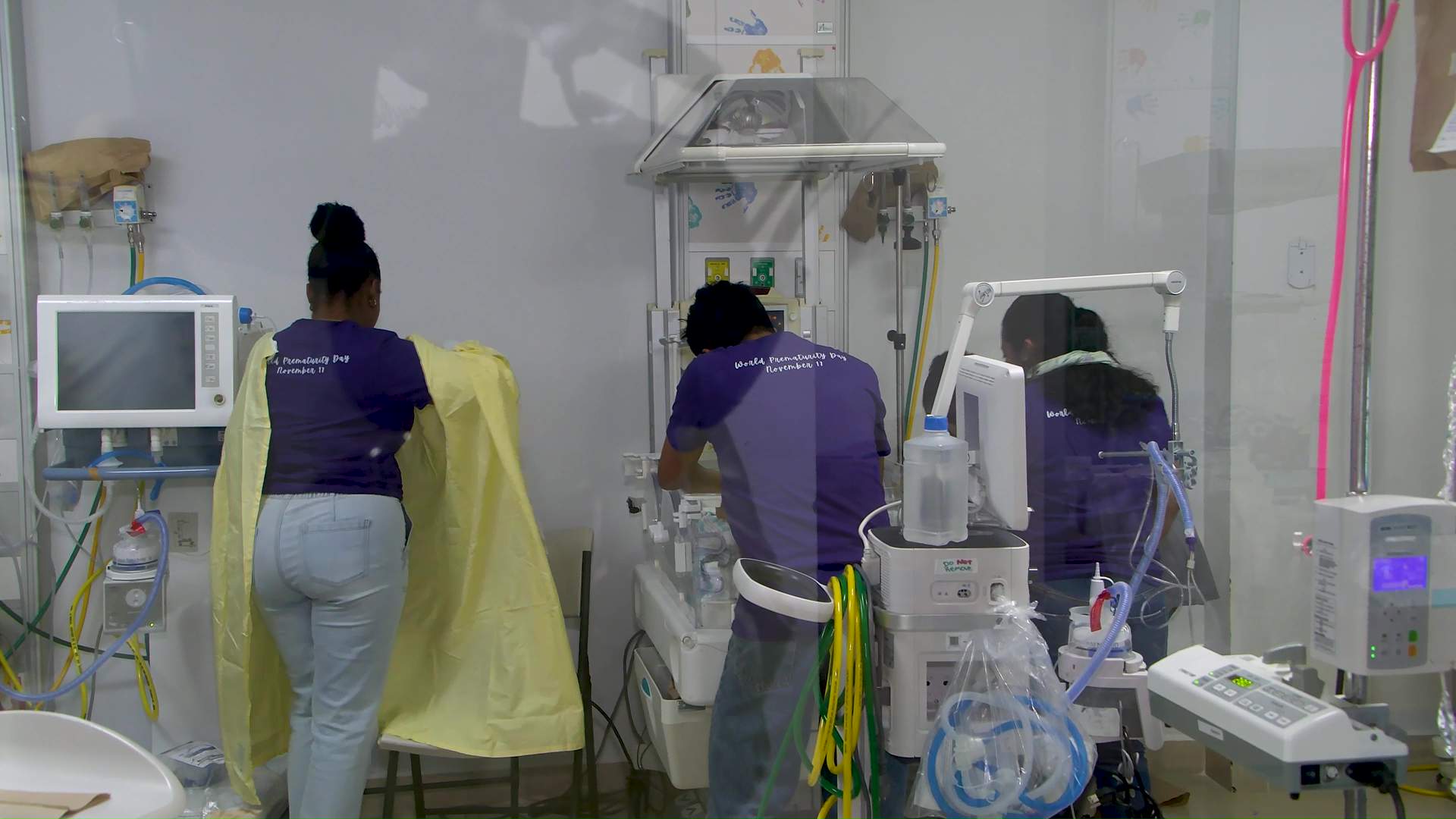
On November 17, 2025, the Karl Heusner Memorial Hospital’s Neonatal Intensive Care Unit (NICU) was adorned in purple to mark World Prematurity Day, a global observance honoring the strength of premature infants and their families. The event highlighted the remarkable journeys of babies who have overcome immense challenges, showcasing their resilience and the unwavering support of healthcare professionals. Among the stories shared was that of Jonathan Villanueva, who, two years ago, weighed just 1.5 pounds when born at six months. His father, Jonathan Villanueva Sr., recounted the harrowing experience of watching his son fight for survival in the NICU. Despite ongoing health complications, Jonathan’s progress has been a source of inspiration for his family. The hospital’s dedicated staff, particularly the NICU nurses, played a pivotal role in his recovery. Rocio Brown, a NICU nurse, emphasized the comprehensive care provided to these vulnerable infants, from monitoring vital signs to ensuring their gradual transition off ventilators. Another story of triumph was that of eight-month-old Avyannah Slusher, who spent a month in the NICU. Her mother, Nia Thompson, expressed profound gratitude for the hospital’s compassionate care. The NICU operates on three levels, with Level 3 catering to the most critical cases. Nurse Brown described the emotional reward of seeing babies thrive and return home. Currently, 17 infants remain in the NICU, each fighting for a chance at a future. World Prematurity Day serves as a reminder of the importance of specialized care and the resilience of these tiny warriors.
-
Antigua and Barbuda to Host First Public HIV Awareness Symposium As Cases Rise
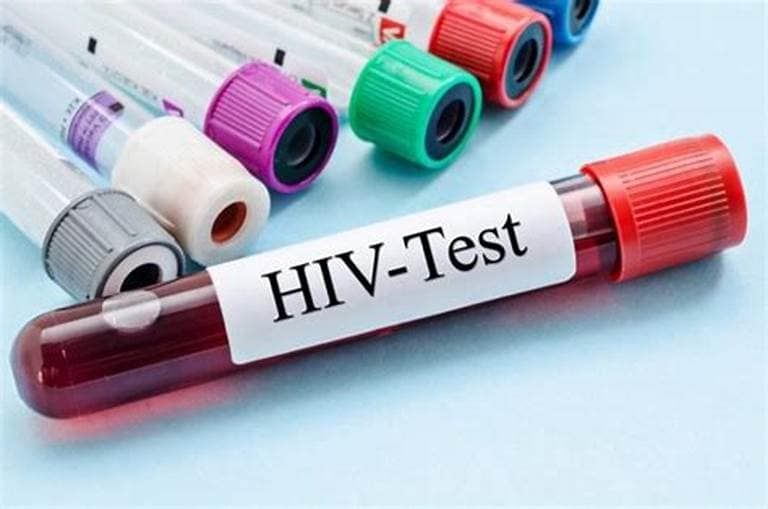
Antigua and Barbuda is set to hold its inaugural public HIV symposium on November 26, as health authorities aim to tackle a concerning uptick in new infections. The event, organized by the AIDS Secretariat, carries the theme “Overcoming Disturbances, Transforming the AIDS Response,” and seeks to enhance public awareness and reinforce prevention strategies. This initiative follows the detection of approximately 25 new HIV cases earlier this year, signaling a worrying reversal after years of declining infection rates. Dr. Maria Pereira, Clinical Care Coordinator, emphasized that the symposium will foster open dialogue. “We’re going to be engaging directly with the public. They’ll have the opportunity to ask questions and receive answers on any concerns they may have,” she stated. This marks a significant departure from previous years, where such sessions were exclusively tailored for healthcare professionals. Dr. Pereira attributed the recent surge in infections to unprotected sexual activity and urged residents to undergo regular testing. She highlighted that HIV testing is accessible daily at the AIDS Secretariat or through private providers, with a quick and straightforward pinprick procedure taking just 15 to 20 minutes. Appointments can be scheduled by calling 462-5975. Dr. Pereira also underscored the importance of sustained educational efforts, particularly among younger demographics, to reverse the current trend. The symposium will convene at the Multipurpose Centre and will feature presentations from leading healthcare practitioners.
-

Parents, guardians urged to store household chemicals properly
In the aftermath of Hurricane Melissa, Gerald Miller, the Health Promotion and Education Officer for Westmoreland, Jamaica, has issued a stern warning to parents and guardians regarding the safe storage of household chemicals. With many schools still closed, children are spending more time at home, increasing the risk of accidental poisoning. Miller emphasized the importance of keeping sanitizing products and other hazardous substances out of children’s reach to prevent health crises. ‘We are asking parents to be extremely careful to secure these chemicals, as accidental ingestion could place immense strain on our already overburdened health facilities,’ he stated. Miller acknowledged the challenges faced by families in securing storage spaces but urged them to improvise solutions, even if it means hiding chemicals in unconventional places. The call for vigilance comes as the health sector grapples with the added pressures of hurricane recovery efforts.
-
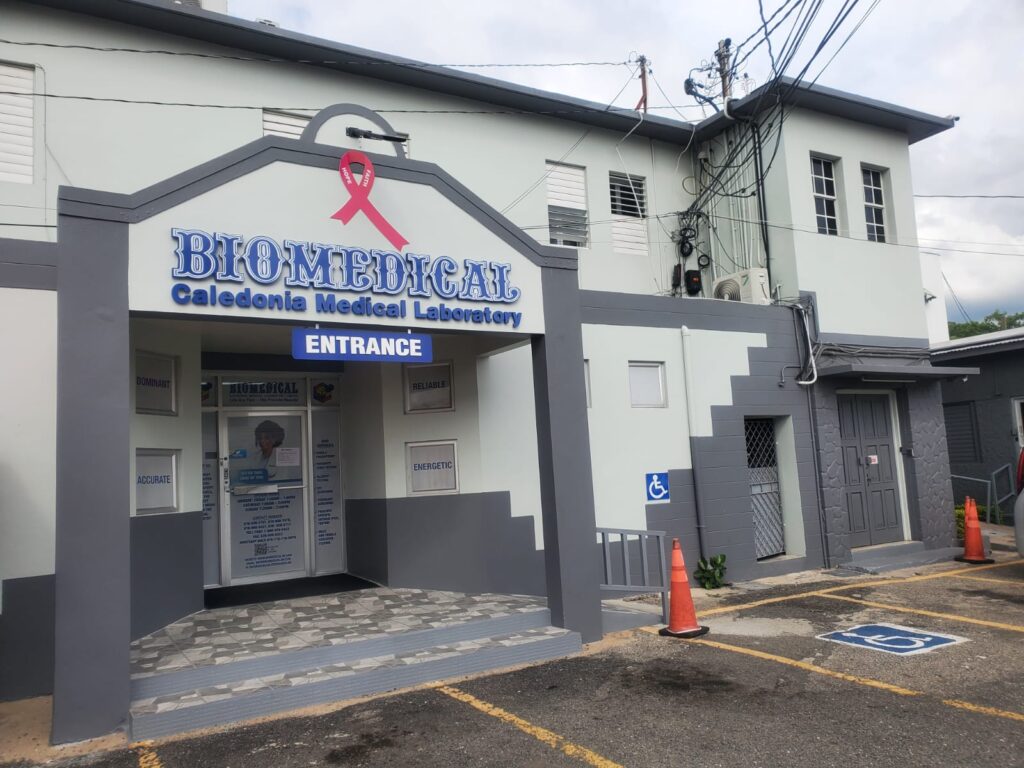
Biomedical now accepts NHF cards for key cancer and diabetes tests at all locations
KINGSTON, Jamaica — In a significant stride toward enhancing public health, Biomedical Caledonia Medical Laboratory Limited has broadened the accessibility of National Health Fund (NHF) card services across all its islandwide locations. This expansion enables patients to avail themselves of subsidized pap smears, prostate-specific antigen (PSA) tests, and HbA1c diabetes monitoring, crucial for early detection and management of chronic conditions. The initiative includes the recently inaugurated Holborn Road facility in Kingston, ensuring comprehensive coverage across the island. CEO Helen Christian emphasized the importance of this development, stating, ‘Affordable diagnostic testing can significantly impact early detection versus late-stage diagnosis. Early detection saves lives, and we are dedicated to making these essential services accessible to every community we serve.’ The expansion was made possible through collaboration with the NHF and Advanced Integrated Systems (AIS), which facilitated streamlined processing, provider number assignments, and staff training for efficient NHF claims handling. The NHF Card Programme plays a pivotal role in supporting Jamaicans with chronic illnesses by subsidizing medications, supplies, and diagnostic tests. Regular pap smears are vital for cervical cancer prevention, PSA tests aid in early prostate cancer detection, and HbA1c testing is essential for diabetes management—a prevalent chronic condition in Jamaica. With over 50 collection centers and ISO 15189 accreditation, Biomedical is well-equipped to improve healthcare access across diverse communities. Christian highlighted that this partnership with the NHF marks a significant step toward equitable access to diagnostic services, ensuring that ‘geography and finances never stand between Jamaicans and the healthcare they need.’
-
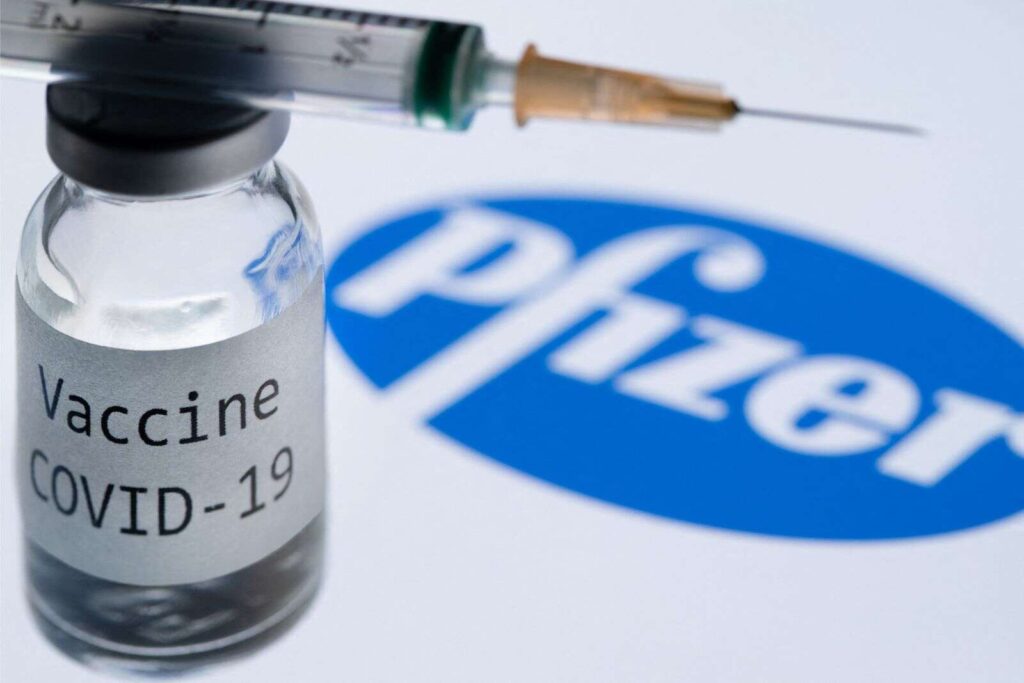
Pfizer, Tris Pharma settle for $41.5 million in Texas ADHD drug case
Texas Attorney General Ken Paxton announced a landmark $41.5 million settlement with pharmaceutical giants Pfizer and Tris Pharma on Wednesday. The resolution stems from allegations of drug adulteration and fraudulent practices involving the state’s Medicaid program. The case, initiated in 2023, accused the companies of manipulating quality control tests for Quillivant XR, a medication prescribed for Attention Deficit Hyperactivity Disorder (ADHD).
Between 2012 and 2018, tests revealed that Quillivant XR frequently failed to dissolve properly in the body, rendering it ineffective. Paxton emphasized that the companies knowingly provided adulterated drugs to children and falsified test results to secure Medicaid reimbursements. ‘Under my watch, Big Pharma will not escape justice for lying about the effectiveness of its drugs,’ Paxton declared in a statement.
Pfizer, headquartered in New York, denied any liability or wrongdoing in the settlement. The company asserted that no safety concerns were identified for patients using Quillivant XR and reiterated its commitment to product quality and patient well-being. Tris Pharma, based in New Jersey, did not respond to requests for comment.
The lawsuit was sparked by a whistleblower complaint from Tarik Ahmed, Tris Pharma’s former technology chief, who served from 2013 to 2017. Quillivant XR was originally developed by NextWave Pharmaceuticals, which Pfizer acquired in 2012. Tris Pharma manufactured the drug on Pfizer’s behalf until 2018, when it acquired the product line. Pfizer confirmed it ceased marketing the drug in 2018.
This settlement underscores the ongoing scrutiny of pharmaceutical practices and the enforcement of accountability in public health programs.
-

TinyHope Marks Prematurity Awareness Day with Call for Greater Support for Preterm Families
TinyHope, a local support group dedicated to families of preterm infants, has united with the global community to mark Prematurity Awareness Day 2025. This year’s theme, ‘Give preterm babies a strong start for a hopeful future,’ underscores the importance of early intervention and compassionate care for these vulnerable newborns. In a heartfelt statement, the organization emphasized that even the smallest beginnings warrant steadfast support and opportunities to flourish. TinyHope, renowned for its guidance and emotional assistance to parents facing the challenges of the Neonatal Intensive Care Unit (NICU), reaffirmed its mission to enhance community awareness and build meaningful connections among families impacted by prematurity. The group aspires to ignite awareness, fortify community bonds, and inspire conversations that empower parents throughout their journey, even after leaving the NICU. Honoring the ‘brave little fighters’ and the families and healthcare teams who nurture them, TinyHope expressed profound gratitude for their resilience, stating, ‘Your strength lights the path toward brighter tomorrows.’ The organization pledged its unwavering support, both now and in the future, through its network of dedicated support members.
-

Dermatology Solutions Celebrates 20 Years of Innovation, Growth, and Beauty
Dermatology Solutions has recently introduced the groundbreaking Cool 360 Body Contouring device, marking a significant leap in non-surgical body sculpting. This state-of-the-art technology surpasses traditional cool contouring methods by delivering superior fat reduction and more precise body shaping, ensuring clients achieve enhanced results with unmatched comfort and efficiency. The device exemplifies the clinic’s commitment to integrating advanced technology with clinical expertise. Beyond this innovation, Dermatology Solutions continues to broaden its extensive range of treatments, which span medical and surgical dermatology to a diverse array of aesthetic therapies. Services include consultations, chemical peels, Vibraderm microdermabrasion, facials, massages, and skin surgeries, all conducted by highly skilled professionals. The clinic also offers a variety of cosmetic treatments such as Botox, dermal fillers, platelet-rich plasma (PRP) therapy, microneedling, electrocautery, and advanced Aerolase laser treatments. Dr. Arusha Campbell-Chambers, the clinic’s principal, emphasized the importance of personalized care tailored to each patient’s unique skin journey. She highlighted the clinic’s dedication to staying at the forefront of dermatological advancements, ensuring results-driven treatments aligned with international standards. The clinic recently celebrated its 20th anniversary, with notable figures such as Dr. Horace Chang, Deputy Prime Minister, and Jason Russell, President of the Montego Bay Chamber of Commerce, commending its achievements. Dermatology Solutions remains a trusted destination for those seeking both medical precision and cosmetic rejuvenation.