分类: health

  • One conjoined twin in need of heart transplant following separation in Saudi Arabia

    One conjoined twin in need of heart transplant following separation in Saudi Arabia

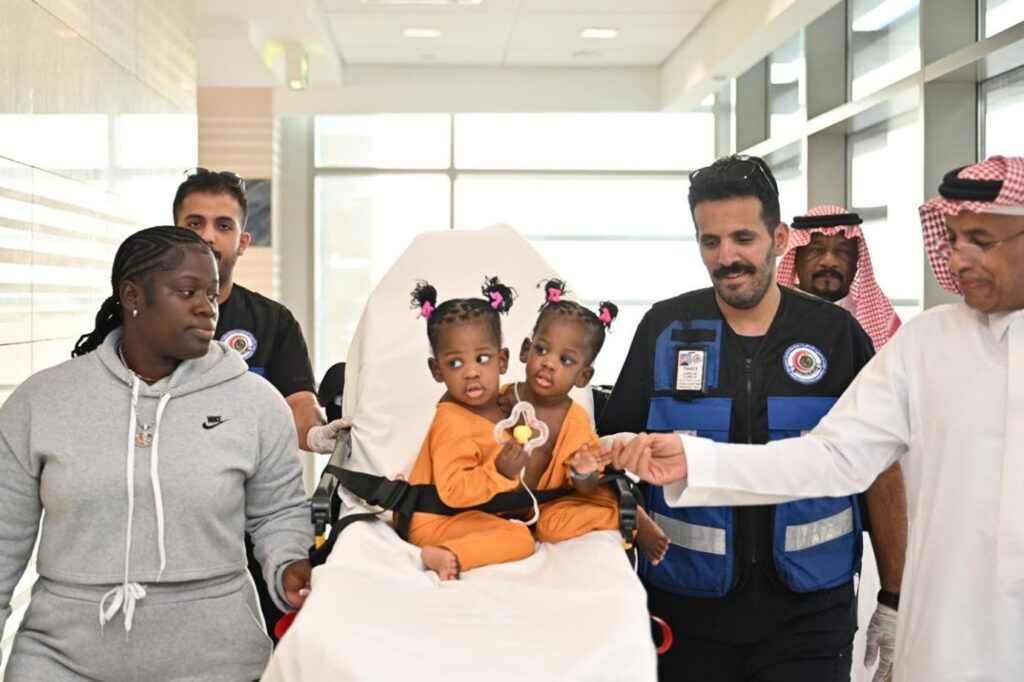
    RIYADH, Saudi Arabia — A Saudi medical team has determined that Azora Elson, one of the previously conjoined Jamaican twins successfully separated through a groundbreaking surgical procedure last month, will require a heart transplant for long-term survival. The revelation comes as her sister Azaria demonstrates remarkable recovery progress.

    Medical authorities at the King Salman Humanitarian Aid and Relief Centre (KSrelief) provided this sobering update through the Saudi Press Agency. Dr. Abdullah Al Rabeeah, KSrelief Supervisor General, confirmed that Azora remains hospitalized in the pediatric intensive care unit while facing significant cardiac complications.

    The medical team’s assessment reveals Azora’s heart functions at less than 20% of normal capacity due to congenital conditions including an enlarged heart and weakened cardiac muscle. Despite ongoing ventilation and medication to prevent heart failure and pulmonary edema, her prognosis remains concerning.

    A multidisciplinary team comprising cardiac specialists and transplantation experts conducted extensive evaluations before reaching the transplant conclusion. However, significant challenges emerge due to Azora’s young age, minimal body weight, and the critical shortage of compatible donor organs matching her size parameters.

    According to established Saudi transplantation protocols, these medical constraints currently render the necessary procedure impossible, substantially diminishing survival prospects. Medical authorities had previously discussed this potential outcome with the twins’ mother both before and after the separation surgery.

    The historic separation operation occurred on November 13 through the Saudi Conjoined Twins Programme, involving 25 medical professionals across six surgical stages during a five-hour procedure. The twins had been connected at the lower chest, abdomen, and liver since birth.

    Meanwhile, Azaria has been discharged from intensive care, displaying normal vital signs, feeding capabilities, and social interaction—marking a positive milestone in this medically complex case that has drawn international attention to Saudi Arabia’s advanced pediatric surgical capabilities.
  • Pilot community gym opens at David Thompson Complex

    Pilot community gym opens at David Thompson Complex

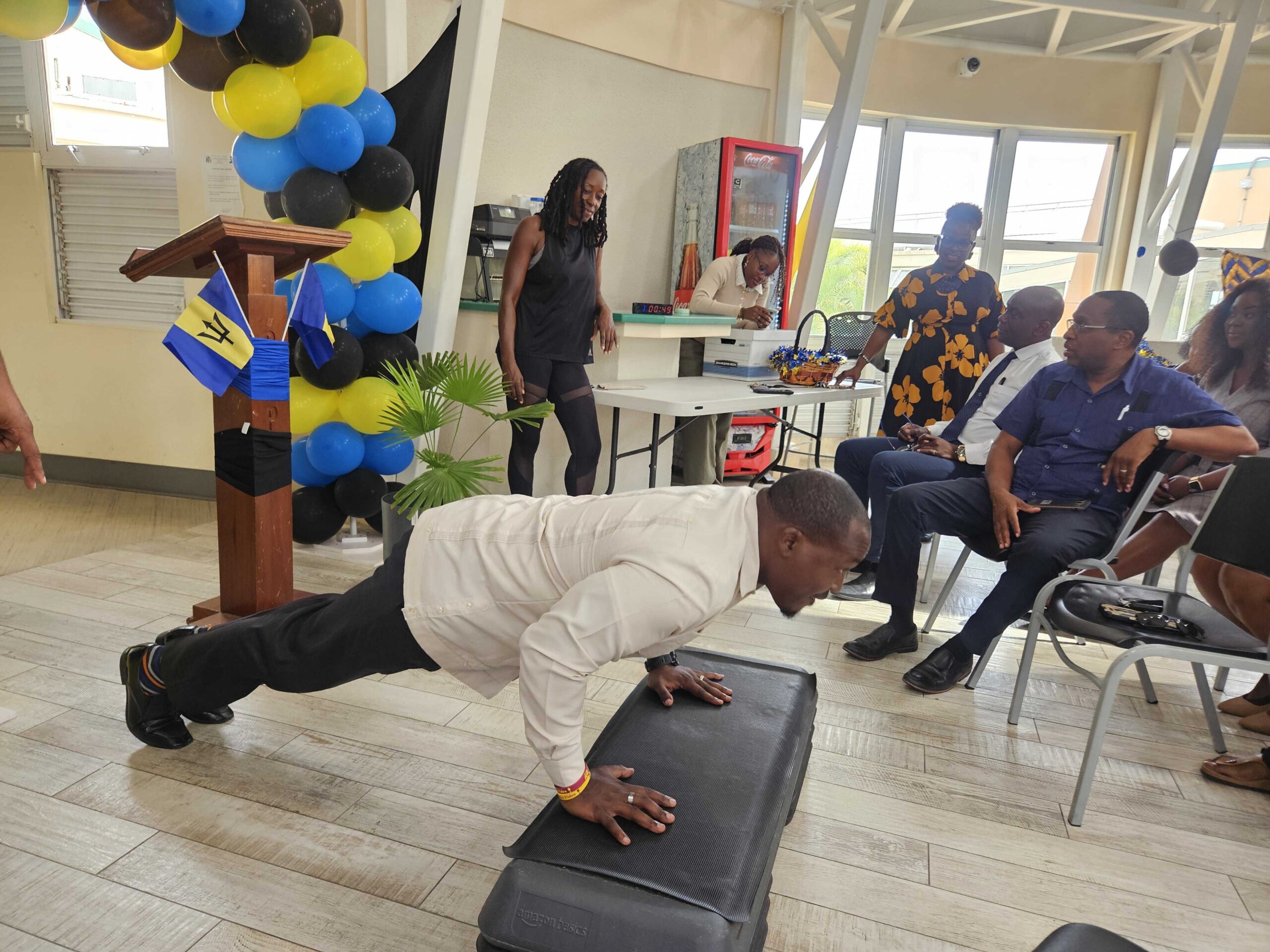
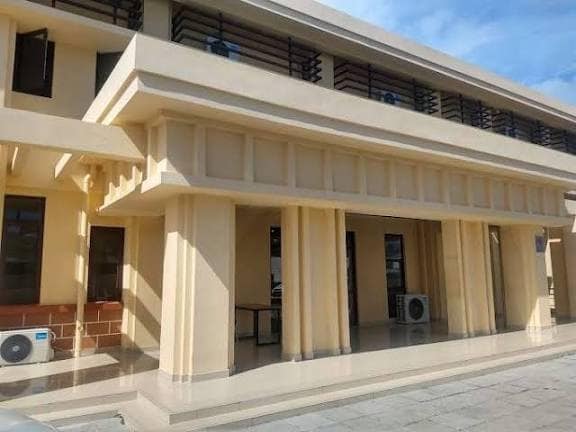
    Barbados has inaugurated an innovative community gymnasium at the David Thompson Health and Social Services Complex in St John, establishing a groundbreaking approach to combat the nation’s non-communicable disease (NCD) crisis through accessible physical activity programs. This pilot facility, launched Wednesday, represents the first such initiative within Barbados’ polyclinic system and could serve as a prototype for island-wide implementation if proven successful.

    Health Minister Davidson Ishmael characterized the facility as an experimental concept, noting: ‘This pilot program will evaluate the effectiveness of integrating fitness centers within our polyclinic infrastructure. Our previous success with a similar facility at the psychiatric hospital, which attracted both staff and public participation, encouraged this expansion.’

    The minister outlined ambitious expansion plans contingent on the gym’s performance: ‘Pending successful community engagement and operational efficiency, we intend to replicate this model across suitable locations throughout Barbados.’ This expansion will be bolstered by substantial financial backing from the Saudi Fund for Development, which is funding comprehensive renovations of existing polyclinics and construction of two new facilities in Eunice Gibson and Randall Phillips.

    Minister Ishmael emphasized the critical health imperative behind the initiative, revealing that NCDs account for 80% of deaths in Barbados. ‘These largely preventable conditions—including diabetes, cardiovascular disease, respiratory illnesses, cancers, and hypertension—stem primarily from lifestyle factors including physical inactivity, alcohol consumption, and tobacco use,’ he stated.

    The gymnasium, coinciding with the complex’s tenth anniversary, will operate with a dual access system: complimentary usage for healthcare staff and a $45 monthly membership for community members and national athletes. During the opening ceremony, ministers participated in physical challenges alongside healthcare workers, symbolizing the government’s commitment to active living.

    Youth, Sports and Community Empowerment Minister Charles Griffith welcomed the facility as a significant advancement in the ministry’s longstanding healthy lifestyle advocacy, noting the collaboration between health authorities and community leaders in addressing Barbados’ NCD pandemic through preventive measures.

  • Villa Polyclinic Dental Clinic Announces New Contact Number for Public Inquiries

    Villa Polyclinic Dental Clinic Announces New Contact Number for Public Inquiries

    The Ministry of Health, Wellness, Environment, and Civil Service Affairs has announced a significant update for the public regarding the Dental Clinic at the Villa Polyclinic. Effective immediately, the clinic has been assigned a new telephone number to streamline appointment scheduling and general inquiries. Patients and community members can now reach the clinic directly at 729-2292 for all dental service-related communications. This change aims to improve accessibility and efficiency in patient care. The Ministry urges all individuals to update their contact records with the new number to ensure seamless communication with the clinic. This update reflects the Ministry’s ongoing commitment to enhancing healthcare services and fostering better patient engagement.

  • Abuse survivors among many substance abuse cases, says charity

    Abuse survivors among many substance abuse cases, says charity

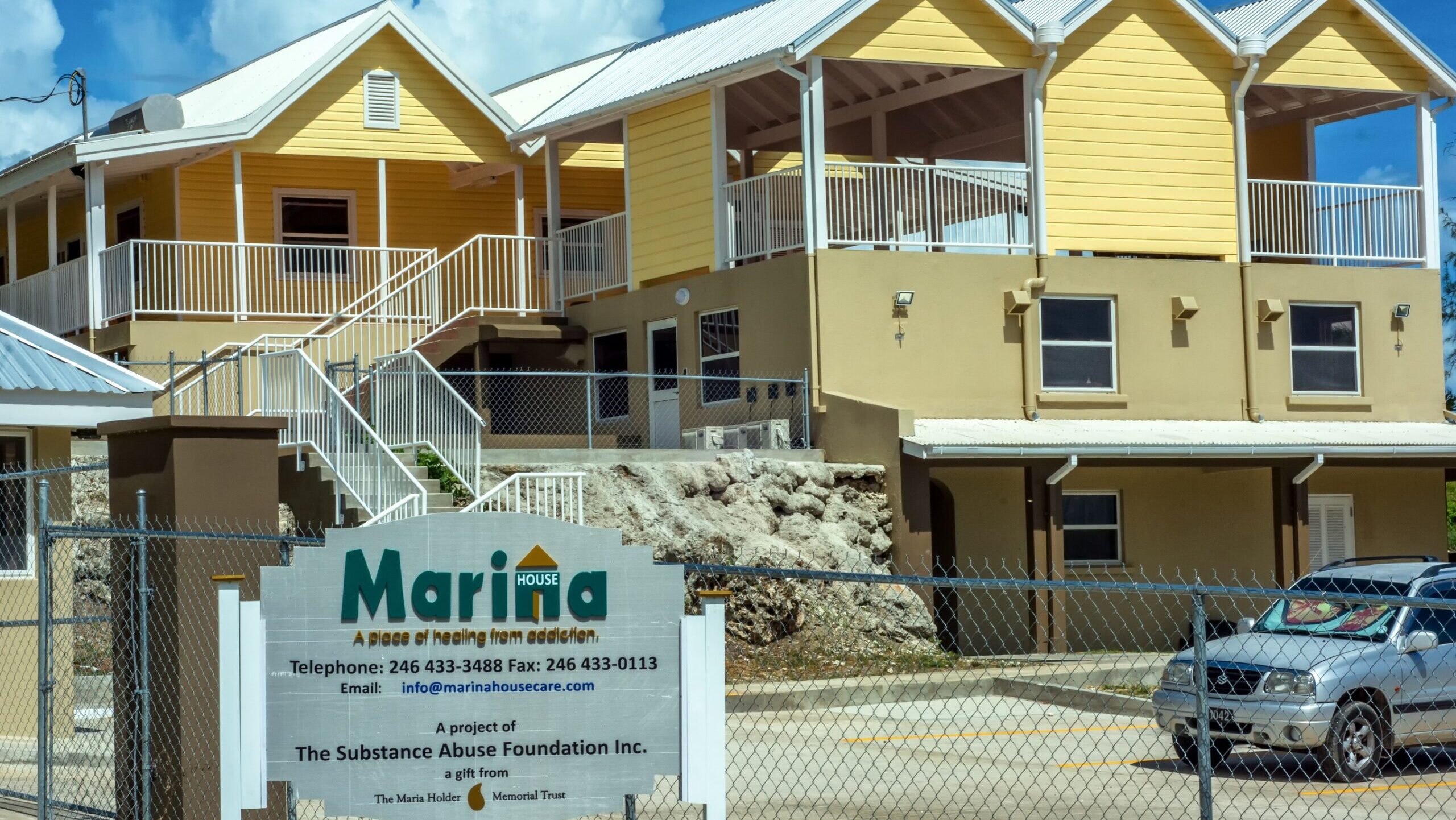
    Women grappling with substance addiction frequently endure intimate partner abuse, exacerbating their challenges and impeding recovery, according to experts from Verdun and Marina House treatment centers. Allison Gotip, Clinical Services Director, highlighted that many women are trapped in cycles of addiction due to isolation enforced by abusive partners. These women often become invisible to society, confined to their homes, where they are exploited and deprived of opportunities to seek help. Gotip emphasized that women’s addiction cases are typically more severe than men’s, compounded by trauma from domestic violence. Marina House was established to provide a safe, gender-separated environment for women to heal, as mixed-gender settings can trigger trauma responses. Additionally, societal expectations and childcare responsibilities further hinder women from accessing treatment. Despite their struggles, women are often criticized by family members for prioritizing their recovery, underscoring the need for supportive family therapy programs to facilitate their healing journey.

  • BWS Denies MICS7 Claims of Contaminated Water

    BWS Denies MICS7 Claims of Contaminated Water

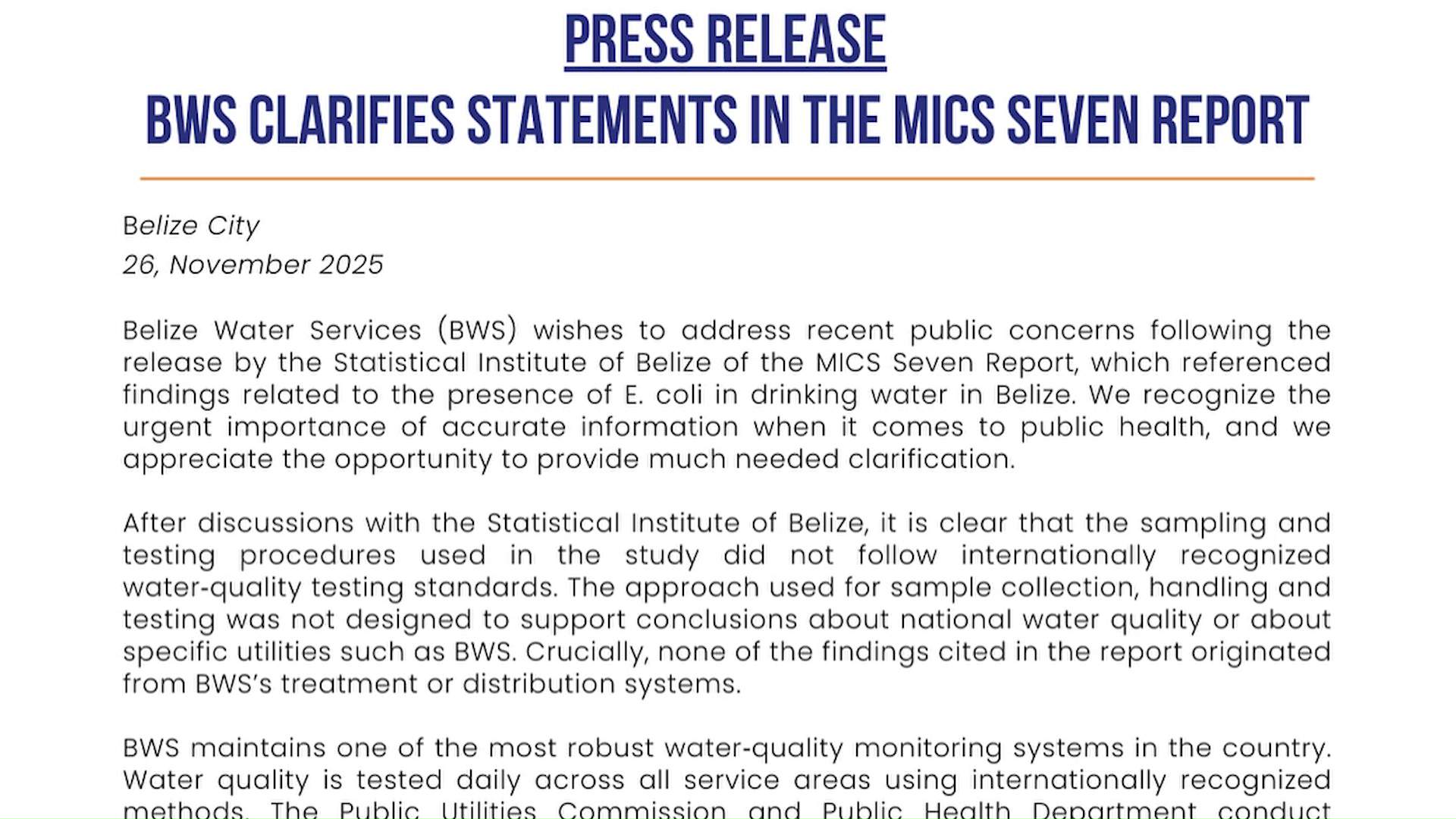
    Belize Water Services (BWS) has addressed public concerns regarding the safety of drinking water following a report from the Statistical Institute of Belize that raised alarms about E. coli contamination. BWS has firmly denied the claims, emphasizing that the findings in the MICS Seven Report lack proper context and do not reflect the actual quality of tap water. The company asserts that the testing methods used in the study did not adhere to internationally recognized standards for water-quality assessment. BWS clarified that the report’s conclusions were not based on samples from its treatment or distribution systems, which are subject to rigorous daily testing and monthly independent checks by regulators. Furthermore, BWS highlighted its participation in international benchmarking to ensure compliance with global standards. The Ministry of Health and Wellness also weighed in, stating that approximately 4,000 water samples are analyzed annually, confirming the safety of the national drinking water supply. Routine microbial monitoring is conducted across various systems, including BWS operations, rudimentary systems, and bottled/purified water facilities, reinforcing the government’s commitment to public health.

  • MoHW Says National Drinking Water Remains Safe Despite MICS7 Findings

    MoHW Says National Drinking Water Remains Safe Despite MICS7 Findings

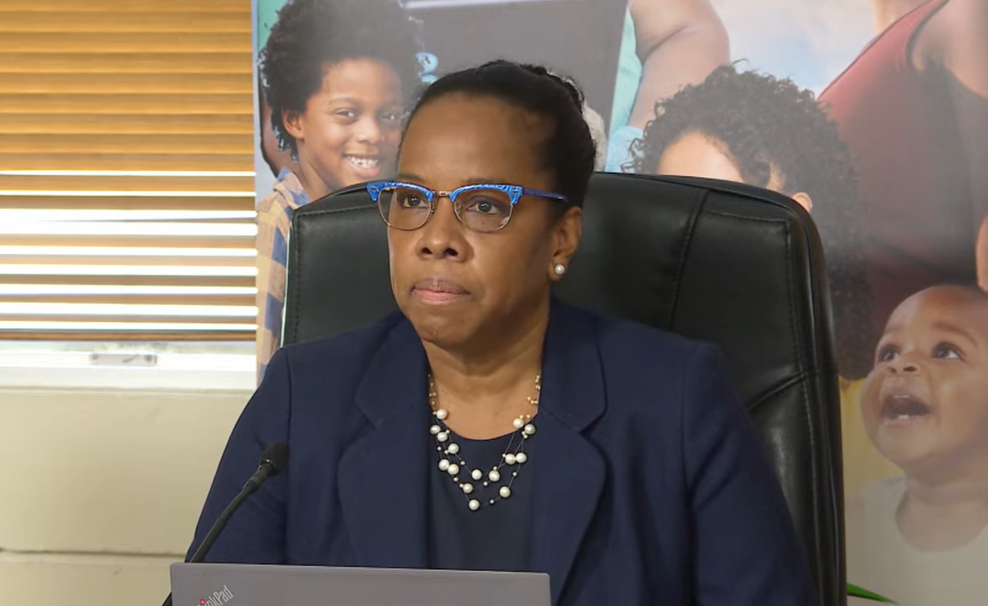
    The Ministry of Health and Wellness (MoHW) in Belize has reaffirmed the safety of the nation’s drinking water, despite preliminary findings from the Multiple Indicator Cluster Survey 7 (MICS7) revealing significant E. coli contamination in household water samples. Conducted by the Statistical Institute of Belize (SIB) under UNICEF’s international standards, the survey detected E. coli in tap water, purified water, and dispenser water across the country. Wendy Benavides, a statistician at SIB, attributed the contamination to unclean water sources or unsanitary storage containers, urging the public to maintain hygiene practices. E. coli exposure can lead to severe health issues, particularly for vulnerable populations. The MoHW, however, emphasized that its extensive national monitoring program, which tests over 4,000 samples annually from various water sources, consistently meets World Health Organization (WHO) safety standards. The Ministry collaborates with local authorities to address isolated issues promptly and is committed to enhancing surveillance and testing technologies. Belizeans are encouraged to rely on official updates for accurate information, as the MoHW assures the public of the water supply’s safety.

  • Health Ministry Says Drinking Water Remains Safe

    Health Ministry Says Drinking Water Remains Safe

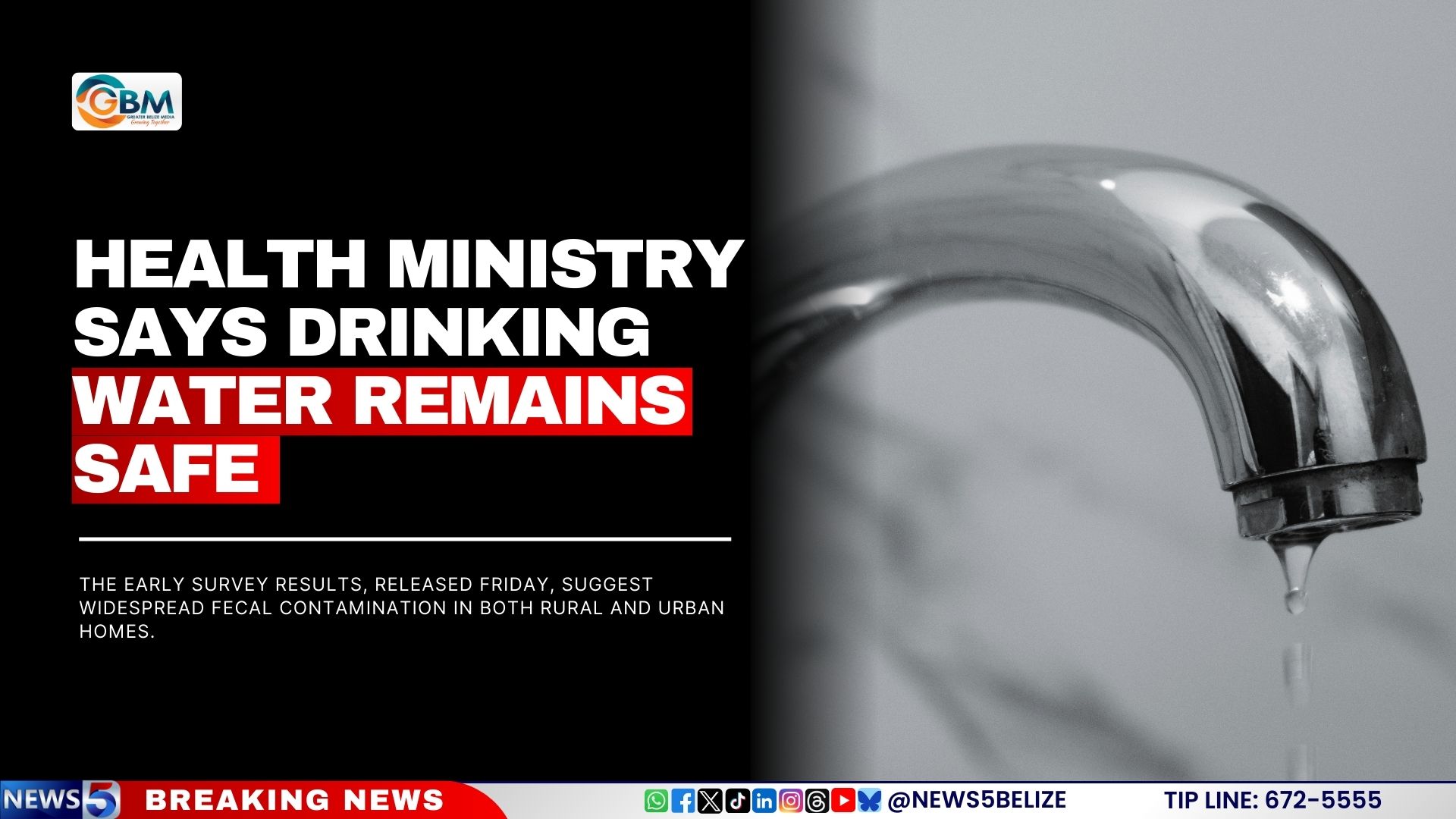
    The Ministry of Health and Wellness (MoHW) in Belize has reassured the public about the safety of the nation’s drinking water, despite alarming findings from the Statistical Institute of Belize’s (SIB) Multiple Indicator Cluster Survey 7 (MICS7). The survey, released on Friday, revealed elevated levels of E. coli in household drinking water samples across both rural and urban areas. SIB Statistician Wendy Benavides highlighted that contamination was detected not only in tap water but also in purified water from dispensers and household containers, attributing the issue to potential source contamination or improper storage practices. She urged residents to maintain cleanliness in their water storage systems to mitigate risks. However, the MoHW emphasized that its own extensive monitoring data, collected from over 4,000 samples annually across Belize Water Services (BWS) systems, purified water facilities, and handpumps, confirms the water’s safety. The Ministry follows World Health Organization (WHO) guidelines for microbial testing, including E. coli, and implements immediate corrective measures when issues arise. Belize Water Services also distanced itself from the survey results, stating that MICS7 procedures did not align with international water-quality standards and reaffirming that its daily monitoring ensures a safe, reliable, and potable water supply.

  • Zesde Kinderchirurgische darmmissie levert tien succesvolle operaties op

    Zesde Kinderchirurgische darmmissie levert tien succesvolle operaties op

    The Diakonessen Hospital has successfully completed its sixth pediatric intestinal surgery mission, marking a significant milestone in healthcare for children with complex intestinal conditions. Conducted from November 10 to 24, the mission saw ten children undergo surgeries, with seven already discharged safely. The initiative, a collaboration between Surinamese and Dutch specialists, not only enhances pediatric care but also strengthens the expertise of the local medical team.

    Led by local surgeon Anuska Jewbali and Dutch pediatric surgeon Justin de Jong, the mission has been an annual event at the Diakonessen Hospital since 2020, following its inception in 2007. The program aims to provide life-changing surgeries for children who would otherwise struggle to access such specialized care abroad, thereby improving their quality of life. Additionally, the mission facilitates intensive knowledge transfer to Surinamese specialists and healthcare staff, fostering long-term improvements in local pediatric surgical capabilities.
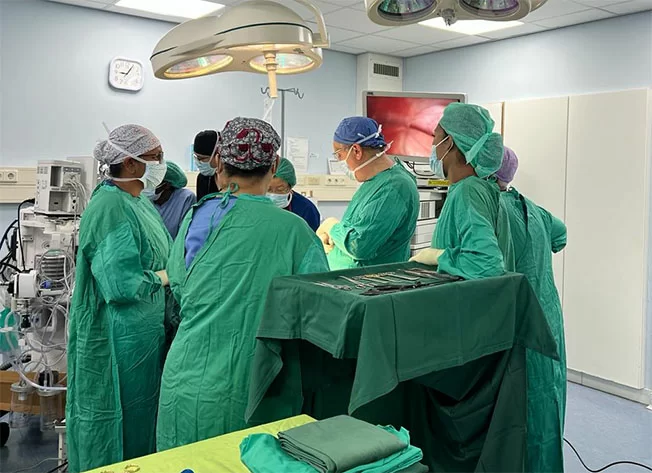
    Jewbali emphasized the nationwide scope of the mission, with children from across Suriname being referred for treatment. The hospital’s care team handled all pre-operative preparations, ensuring a seamless process. Conducting these surgeries locally offers multiple advantages, including significant cost savings compared to overseas treatment and enabling young patients to remain close to their families during the often emotionally challenging recovery period. The pediatric ward operates with 24-hour parental participation, further enhancing the quality of care.

    The surgeries addressed conditions such as anorectal malformations, intestinal atresias, Hirschsprung’s disease, and esophageal atresias. Patients ranged in age from two months to ten years, with all procedures deemed successful. The medical team included Dutch pediatric nursing specialist Marijke Voskeuil, responsible for post-operative care; Shirley Sussenbach, a senior operating room assistant from the Netherlands; and local specialists such as I. Thakoer, a pediatric radiologist, and Y. M. Chou-Lie, an anesthesiologist.

    The Diakonessen Hospital’s leadership expressed pride and gratitude for the mission’s success, highlighting the importance of sustainable collaboration and structured knowledge exchange to further strengthen pediatric surgical care in Suriname.

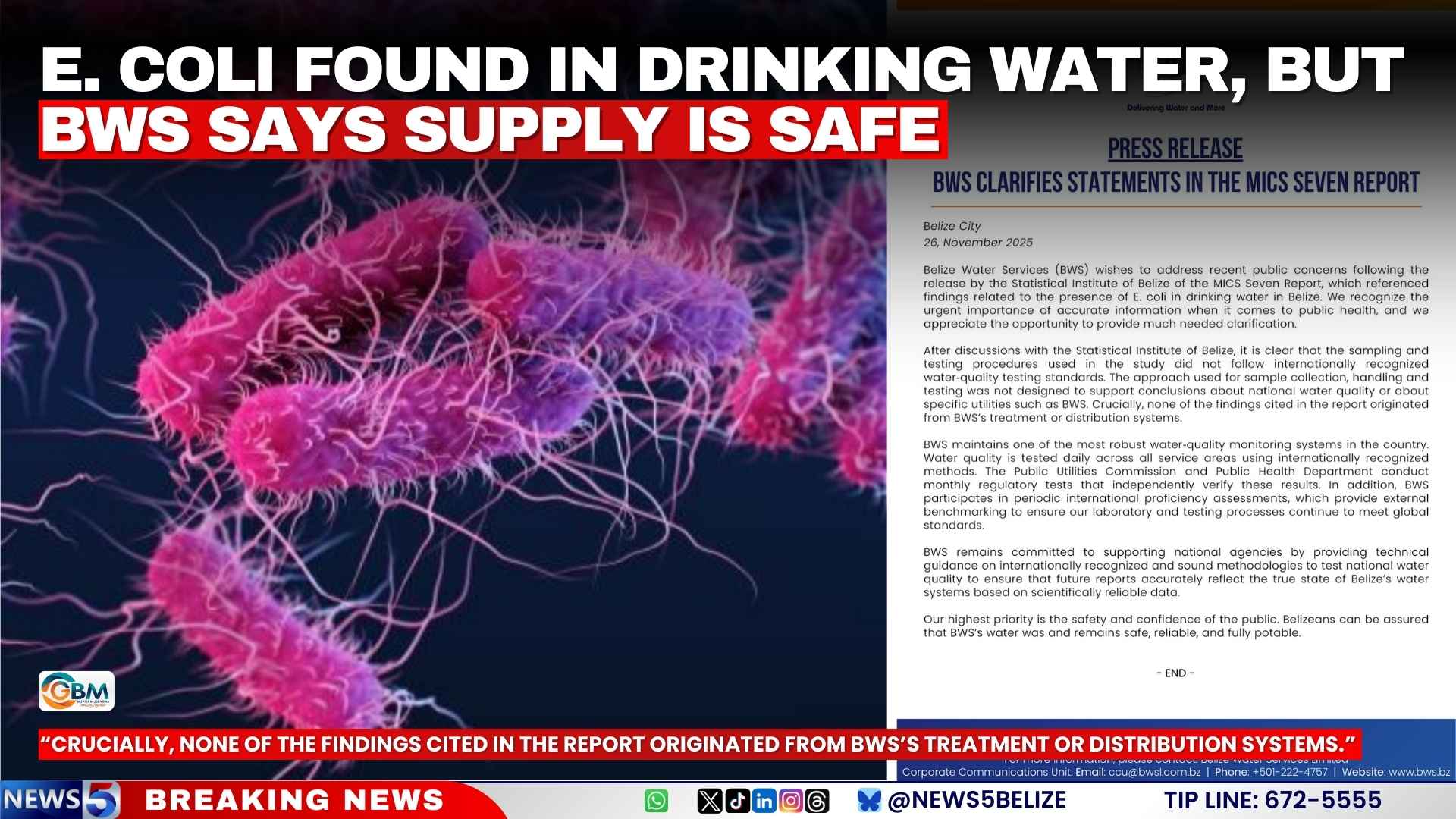
  • E. coli Found in Drinking Water, But BWS Says Supply Is Safe

    E. coli Found in Drinking Water, But BWS Says Supply Is Safe

    A recent national survey conducted in Belize has revealed alarming levels of E. coli contamination in drinking water, sparking widespread concern. The findings, part of the Multiple Indicator Cluster Survey 7 (MICS7), were released by the Statistical Institute of Belize on November 26, 2025, in collaboration with UNICEF and the Government of Belize. The survey, which adhered to UNICEF’s rigorous testing standards, identified contamination in water samples collected from both urban and rural households across the country.

    In response to the report, Belize Water Services (BWS) swiftly issued a statement to reassure the public. BWS emphasized that the contamination detected in the survey does not reflect the quality of water it treats and distributes. The utility company clarified that its water undergoes daily testing in compliance with international standards and suggested that any contamination likely occurs after the water leaves its facilities. BWS further asserted, ‘None of the findings cited in the report originated from BWS’s treatment or distribution systems.’

    The discovery has raised questions about water safety and infrastructure in Belize, particularly in rural areas where access to treated water may be limited. While BWS maintains that its supply is safe, the survey highlights the need for improved water management and monitoring systems to ensure public health. Authorities are urged to investigate the sources of contamination and implement measures to safeguard drinking water quality nationwide.

  • 14 leptospirosis-related deaths, 6 confirmed — Dr Webster-Kerr

    14 leptospirosis-related deaths, 6 confirmed — Dr Webster-Kerr

    KINGSTON, Jamaica — Health authorities in Jamaica have reported a significant outbreak of leptospirosis following Hurricane Melissa, with 14 fatalities recorded to date. According to Dr. Karen Webster-Kerr, Principal Medical Officer and National Epidemiologist at the Ministry of Health and Wellness, six of these deaths have been laboratory-confirmed as leptospirosis, while others remain under investigation.

    The epidemiological data reveals a sharp increase in cases after the hurricane, with 10 deaths occurring post-Melissa compared to four beforehand. Overall, Jamaica has documented 90 suspected cases—51 pre-hurricane and 39 post-hurricane—with 21 cases confirmed through testing.

    Demographic analysis shows the most vulnerable groups are males aged 20–29 and adults over 60 years old. Geographically, St. James Parish has reported the highest infection rates, followed by St. Ann and St. Elizabeth.

    In contrast to the leptospirosis outbreak, Jamaica maintains low levels of other infectious diseases. All 39 dengue tests processed between November 8–18 returned negative results, indicating minimal transmission activity. The country also remains below epidemic thresholds for respiratory illnesses and gastroenteritis across all age groups and parishes.

    However, officials noted concerning injury trends in Westmoreland and Kingston-St. Andrew, where accident rates have reached epidemic levels post-hurricane. This has resulted in two tetanus cases from nail injuries, including one fatal incident involving a 71-year-old Westmoreland man. Health authorities are urging proper wound care and tetanus vaccination for those injured during cleanup operations.