分类: health

  • Early HIV diagnosis could reduce AIDS-related deaths in Latin America and the Caribbean: PAHO

    Early HIV diagnosis could reduce AIDS-related deaths in Latin America and the Caribbean: PAHO

    A critical public health alert has been issued by the Pan American Health Organization (PAHO), revealing that approximately one-third of individuals living with HIV across Latin America and the Caribbean receive their diagnosis at an advanced disease stage. This delayed detection severely compromises immune systems and substantially increases mortality risks from AIDS-related complications.

    In preparation for World AIDS Day on December 1, 2025, PAHO is intensifying its call for comprehensive healthcare system reforms. The organization emphasizes that strategic expansion of testing accessibility, immediate initiation of antiretroviral therapy upon diagnosis, and robust prevention protocols represent the fundamental pillars for achieving the ambitious ‘Zero AIDS Deaths by 2030’ target.

    Current epidemiological data paints a complex regional picture. While the Caribbean demonstrates encouraging progress with a 21% reduction in new HIV infections since 2010, Latin America confronts a troubling 13% surge during the same timeframe. Overall, AIDS-related fatalities have declined from 42,000 to 27,000 in Latin America and from 12,000 to 4,800 in the Caribbean, yet approximately 38,000 preventable deaths still occur annually throughout the Americas.

    Dr. Jarbas Barbosa, PAHO Director, acknowledged the significant medical advancements while highlighting persistent challenges: “Our Region has made substantial strides in therapeutic innovation, including expanded access to long-acting medications and simplified treatment regimens. However, the battle continues. Every statistic represents a personal tragedy—a life interrupted, a family devastated.”

    The analysis identifies critical gaps in current healthcare responses. An estimated 14-15% of HIV-positive individuals remain unaware of their status across the region. Among those diagnosed, approximately one-third present with advanced immunodeficiency, dramatically increasing their vulnerability to opportunistic infections including tuberculosis, cryptococcosis, and histoplasmosis.

    Medical science offers powerful tools to reverse these trends. Modern antiretroviral therapies achieve viral suppression to undetectable levels, effectively eliminating sexual transmission risk. Prevention options have similarly evolved, with six-month injectable prophylaxis (lenacapavir) providing new alternatives to traditional daily medications.

    PAHO is implementing a multi-faceted strategy with support from Unitaid, focusing on enhanced diagnostic capabilities for opportunistic infections, equitable treatment access, and strengthened data collection systems. The upcoming December 5 launch of the Regional Alliance for Ending AIDS in the Americas will further coordinate governmental, community, and international efforts toward eliminating HIV as a public health threat by 2030.
  • Health Ministry identifies three Chikungunya cases from Cuba

    Health Ministry identifies three Chikungunya cases from Cuba

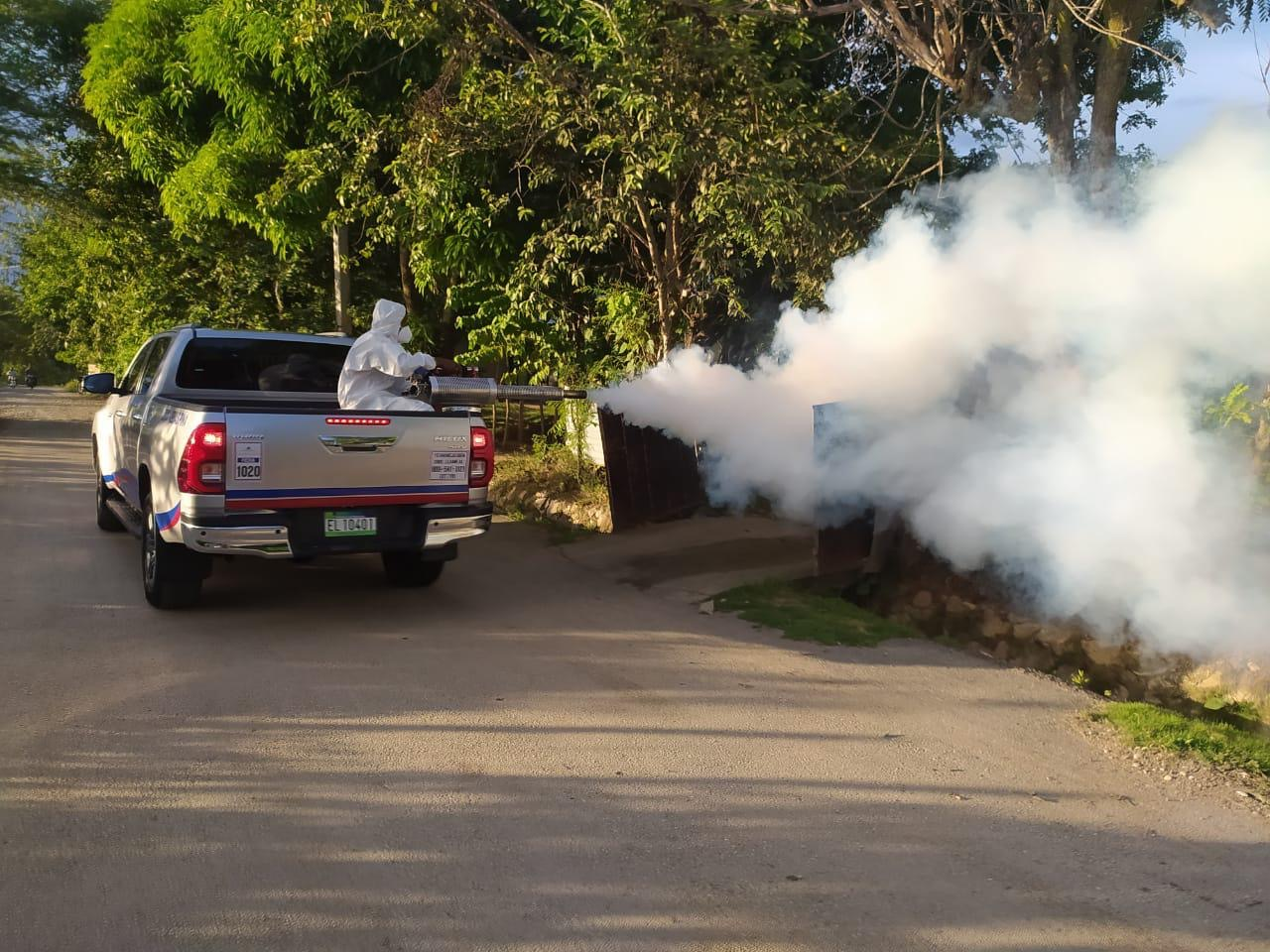
    Health authorities in the Dominican Republic have confirmed three imported cases of chikungunya virus identified in travelers arriving from Cuba. The nation’s epidemiological surveillance system detected these cases, with subsequent confirmation conducted by the Dr. Defilló National Reference Laboratory. Despite these imported instances, health officials maintain there is currently no evidence of community transmission within the country.

    Health Minister Víctor Atallah provided reassurances to citizens, confirming that government agencies are conducting daily monitoring of the situation. The ministry has implemented enhanced surveillance protocols nationwide and intensified active case-finding measures for febrile illnesses. Vector control operations have been substantially increased, including widespread fumigation campaigns, systematic elimination of mosquito breeding sites, and comprehensive community education initiatives.

    The chikungunya virus, transmitted primarily through bites from infected Aedes aegypti and Aedes albopictus mosquitoes, typically manifests with high fever and severe joint pain, presenting clinical similarities to dengue fever. In response to increasing regional cases throughout the Caribbean, particularly in Cuba, the Dominican Republic has maintained heightened health screening procedures at all airports, seaports, and border crossings.

    Healthcare facilities across the nation have reinforced their preparedness protocols to ensure accurate diagnosis, appropriate clinical management, and timely patient care aligned with recommendations from the Pan American Health Organization/World Health Organization (PAHO/WHO). Health authorities continue urging citizens to eliminate standing water sources, properly cover water storage containers, apply insect repellent regularly, and actively participate in community cleanliness and fumigation efforts.

  • SIB Reassures Public After E. Coli Concerns in Household Water

    SIB Reassures Public After E. Coli Concerns in Household Water

    Belizean health authorities have moved swiftly to clarify findings from a major national survey that initially raised alarms about water safety. The Statistical Institute of Belize’s seventh Multiple Indicator Cluster Survey (MICS7) revealed concerning E. coli contamination rates in drinking water samples collected from approximately 5,000 households across both urban and rural areas.

    The comprehensive study, which examines health, education, gender equality, and child protection indicators, detected contamination in 33.7% of samples taken at the point of consumption. However, officials from multiple agencies emphasized that the national water supply itself meets international safety standards, with contamination occurring primarily after water reaches residential storage systems.

    Diana Castillo-Trejo, Director General of SIB, clarified the critical distinction: “The MICS7 results did not seek to measure contaminants in our national water supply, but rather at the point of consumption in the home.” The data revealed that households relying on rainwater collection systems showed the highest contamination rates, indicating needs for improved catchment infrastructure and hygiene practices.

    Sanjay Keshwani, Chief Operations Officer at Belize Water Services, detailed the rigorous testing protocols maintaining national water quality: “We follow minimum WHO standards, but we aim for AWWA standards, which are more stringent.” The utility conducts daily water quality assessments using seven distinct procedures to ensure safety throughout the distribution system.

    The Ministry of Health and Wellness confirmed that national water supplies consistently meet World Health Organization guidelines for potable water. Water Analyst Ary Sosa explained their responsive protocol: “All our laboratory results are screened against WHO guidelines. Once we see a red flag, we act expeditiously to remedy the situation.

    Health authorities now recommend improved household water management practices, including the ‘flush first’ method for rainwater systems and regular disinfection of water storage containers. The MICS7 data provides crucial information for policymakers and households alike to address water safety at the point of consumption.

  • How Was the MICS7 Water Samples Tested?

    How Was the MICS7 Water Samples Tested?

    BELIZE CITY – A groundbreaking water quality investigation by the Statistical Institute of Belize (SIB) has revealed that detected E. coli bacteria in household drinking water originates primarily from domestic hygiene practices rather than utility providers. The findings, released on November 27, 2025, emerged from the comprehensive MICS7 survey methodology that examined water safety at both source and consumption points.

    SIB Statistician Wendy Benavides detailed the rigorous dual-sample collection process: ‘We obtain two distinct water samples – one directly from the respondent’s drinking vessel and another from their declared water source, whether rainwater tanks, wells, or municipal supplies. Each sample is carefully transferred into sanitized collection bags to prevent external contamination.’

    The research demonstrates that contamination frequently occurs at the point of consumption through handling practices. Benavides emphasized that the study specifically measured ‘the handling and consumption point of water intake,’ not the purification standards of water providers.

    In response to these findings, Deputy of Public Health & Wellness Laura Friesen outlined critical intervention strategies: ‘Proper hand hygiene before eating, food preparation, and after bathroom use is paramount. Bacterial transmission occurs through contact with everyday objects – doorknobs, electronic devices, currency, and debit cards all carry significant bacterial loads.’

    Friesen further elaborated on comprehensive household safety protocols: ‘Effective food management practices are equally crucial – including separation of raw and cooked foods, appropriate food storage, and systematic cleaning of food preparation surfaces. These measures collectively prevent the circulation of pathogens like E. coli within domestic environments.’

    The Ministry of Health and Wellness is developing public education initiatives to address these behavioral factors in water safety, shifting focus from infrastructure to personal hygiene practices as the primary defense against waterborne illnesses.

  • How Does BWS Water Testing Differ from MICS7?

    How Does BWS Water Testing Differ from MICS7?

    Belize Water Services Limited (BWS) has issued a definitive rebuttal to circulating rumors regarding an E. coli contamination in the national water supply. The utility company maintains that tap water across its network remains entirely safe for consumption, emphasizing its commitment to rigorous daily testing protocols.

    The controversy emerged following the release of the Multiple Indicator Cluster Survey 7 (MICS7) by the Statistical Institute of Belize, which detected E. coli in some residential water samples. However, officials clarified that the survey’s methodology was specifically designed to assess household hygiene practices rather than evaluate the quality of water provided by utilities.

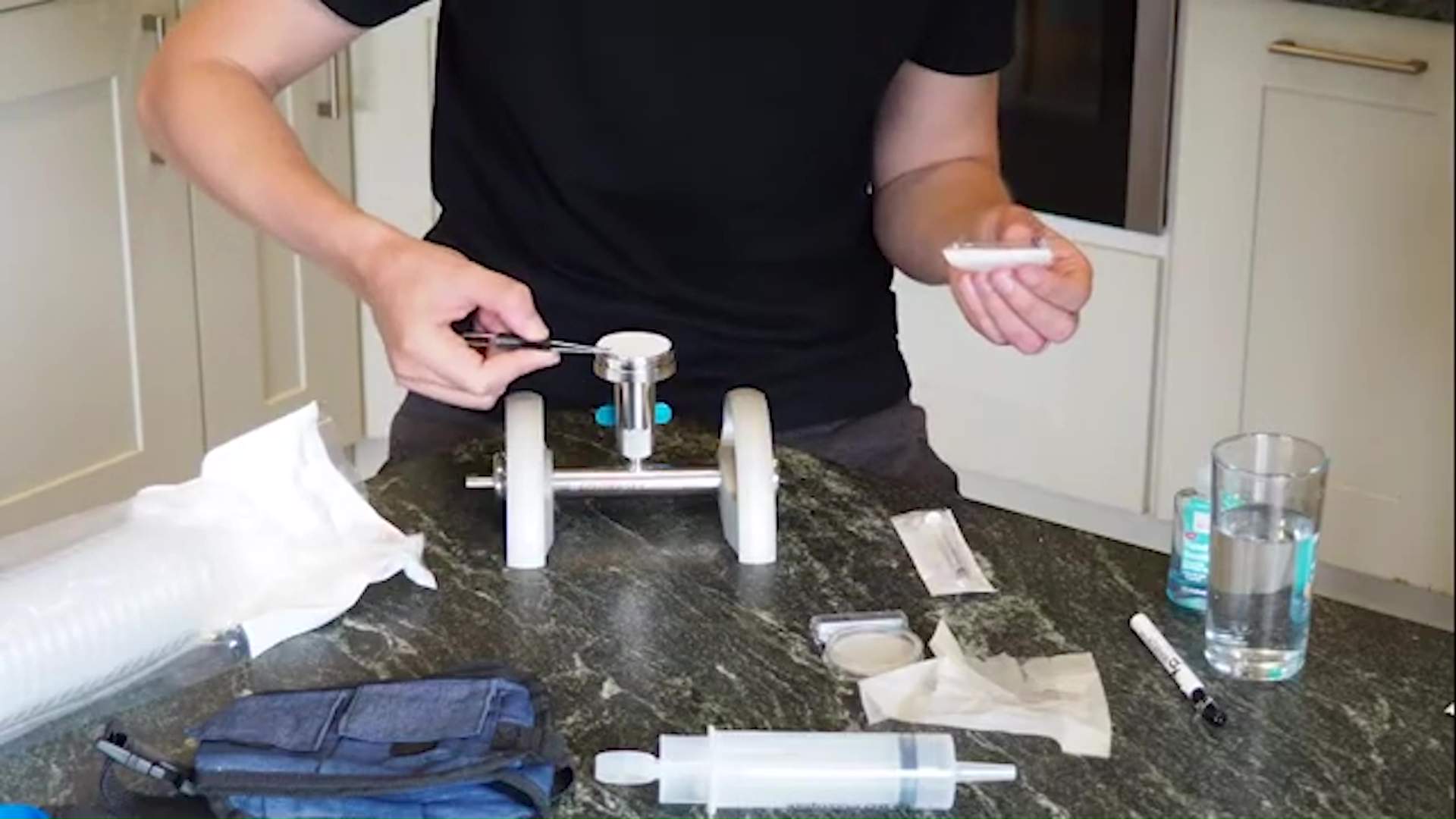
    Hugo Rancharan, Assistant Operations Manager at BWS, provided detailed insight into the organization’s comprehensive testing procedures. “We adhere to strict international guidelines and protocols,” Rancharan explained. “Our process begins with disinfecting faucets and allowing water to flow for two to five minutes before collecting samples in sterile containers under controlled conditions.”

    The samples are immediately transported in temperature-controlled coolers to laboratories where technicians employ membrane filtration methods. These filters undergo incubation at precise temperatures for a minimum of twenty-four hours before microscopic examination for bacterial presence. This methodology aligns with standards established by the World Health Organization, the US Environmental Protection Agency, and the American Water Works Association.

    The distinction between MICS7’s household-focused assessment and BWS’s utility-level testing explains the apparent discrepancy in findings, confirming that the national water distribution system maintains proper safety standards.

  • BWS, Health Ministry, and SIB: Belize’s Drinking Water Is Safe!

    BWS, Health Ministry, and SIB: Belize’s Drinking Water Is Safe!

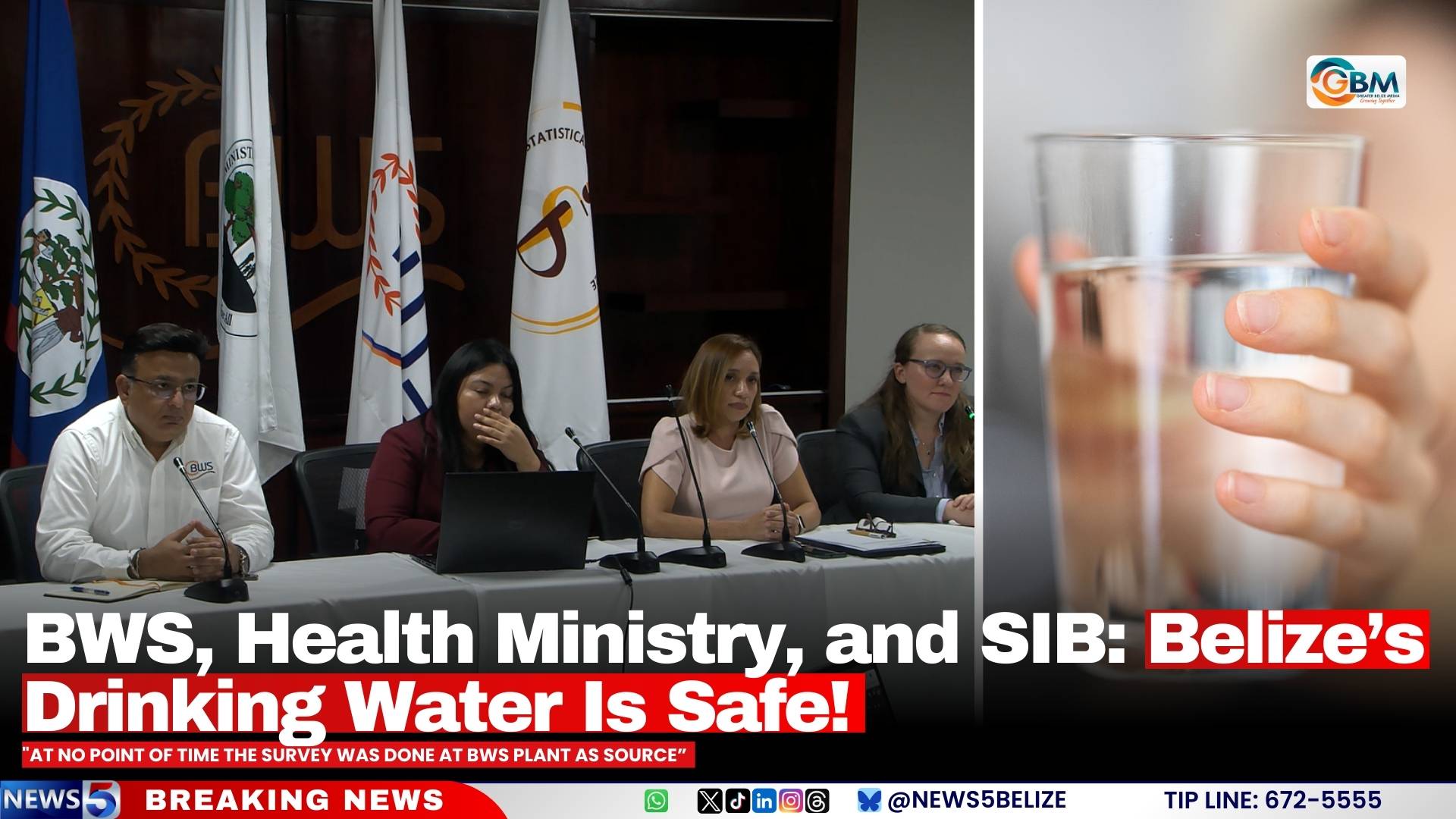
    Belizean health and water authorities have issued a joint reassurance regarding the safety of the nation’s drinking water following recent concerns about bacterial contamination. The Statistical Institute of Belize (SIB) had reported that approximately 33.7% of the population faced potential contamination risks based on samples collected at household consumption points.

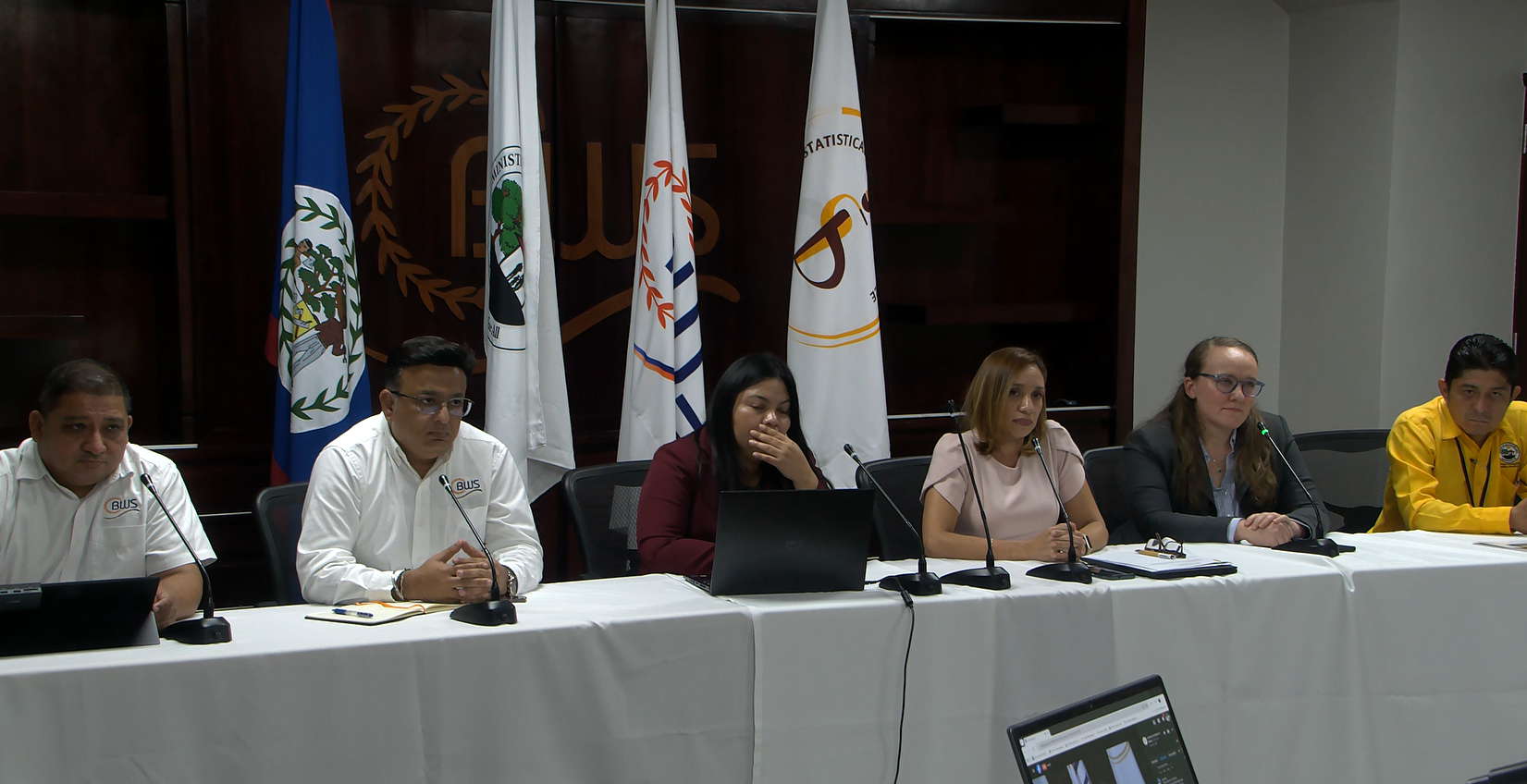
    In a coordinated press conference, Belize Water Services (BWS), the Ministry of Health, and SIB clarified critical distinctions between water quality at treatment facilities versus point-of-use locations. Sanjay Keshwani, Chief Operations Officer at BWS, emphasized that the utility’s rigorous testing protocols exceed World Health Organization standards, targeting even stricter American Water Works Association and ISO benchmarks.

    The contamination findings, authorities explained, originate not from the municipal water supply but from secondary handling within households. Diana Castillo-Trejo, SIB Director General, clarified that their survey specifically examined water at the point of consumption—including household tanks, taps, receptacles, and water coolers—rather than testing the treated water leaving BWS facilities.

    Dr. Laura Friesen of the Ministry of Health provided crucial context, noting that while Escherichia coli was detected in some samples, this serves merely as an indicator of contamination during household handling rather than signaling imminent outbreak risks. The ministry consequently announced enhanced public education initiatives focusing on improved water handling practices in domestic, educational, and workplace environments to maintain water purity from source to consumption.

  • Government Urges Public to Get Flu Shot as Office of the Prime Minister Launches Vaccination Drive

    Government Urges Public to Get Flu Shot as Office of the Prime Minister Launches Vaccination Drive

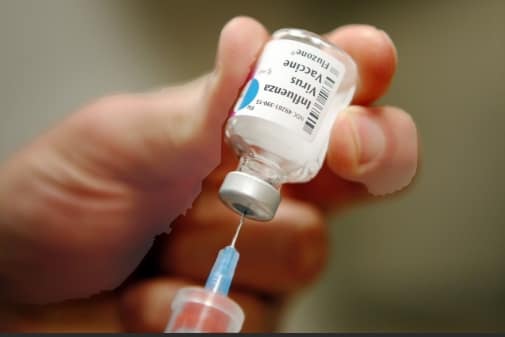
    In response to escalating seasonal influenza activity, national authorities have initiated a comprehensive vaccination campaign urging citizens to seek immunization. The Office of the Prime Minister (OPM) demonstrated institutional leadership by hosting an on-site vaccination clinic for its personnel through collaboration with the Ministry of Health.

    Maurice Merchant, Director General of Communications, confirmed that a medical team supervised by Nurse Soraya Dupy Winston administered influenza vaccines at OPM facilities Thursday morning. This initiative forms part of a coordinated strategy to enhance population protection against what officials characterize as a particularly severe circulating flu strain.

    During the post-Cabinet media briefing, Merchant emphasized vaccine efficacy and safety, stating: ‘These vaccinations are both effective and necessary as infection rates climb. They represent a safe solution that genuinely works.’ He highlighted the dual benefit of individual protection and community safeguarding, particularly for vulnerable groups including children and elderly family members during seasonal peaks.

    Health authorities continue monitoring increased influenza transmission that threatens to overwhelm educational institutions, workplaces, and medical facilities. The government maintains that vaccination remains the foremost intervention for mitigating severe complications and curtailing community transmission.

    Cabinet representatives affirmed the administration’s dedication to reinforcing public health readiness, especially during periods of elevated epidemiological risk. The promotional campaign underscores official commitments to preventive medicine and population health security.

  • Mental Health ‘unseen enemy’ after Melissa, Tufton warns

    Mental Health ‘unseen enemy’ after Melissa, Tufton warns

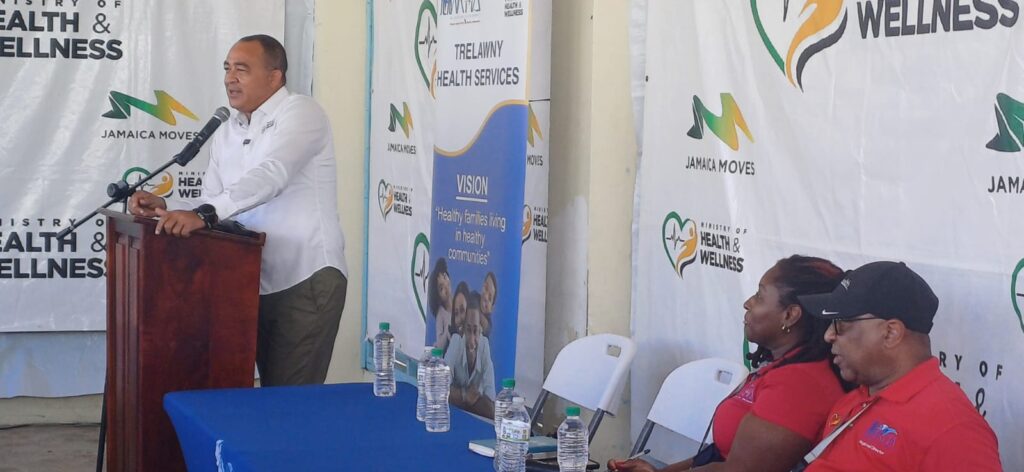
    Jamaican Health Minister Dr. Christopher Tufton has issued a stark warning that the nation is entering its most challenging recovery phase following Hurricane Melissa—addressing the impending mental health crisis. During his Thursday assessment at Falmouth Public General Hospital, Minister Tufton emphasized that while initial recovery efforts focused on physical necessities like food, water, and shelter, the psychological aftermath now represents the most significant long-term threat to public wellness.

    Minister Tufton elaborated that the reality of devastation is settling deeply within communities, creating widespread emotional vulnerability. He specifically identified elderly citizens, bereaved families, individuals suffering severe property loss, and those with stress-aggravated chronic conditions as being at particular risk. The minister characterized mental health challenges as ‘the unseen enemy’ in post-hurricane recovery—a logical yet potentially enduring consequence of the catastrophic event.

    The health ministry is implementing a parish-based response strategy involving comprehensive community outreach and home visitation programs. Frontline health workers, including community health aides, are being mobilized to provide emotional support alongside routine medical care. These personnel have received instructions to identify signs of psychological distress through direct observation and communication, documenting cases for follow-up interventions.

    Minister Tufton stressed that addressing this mental health emergency requires a coordinated effort beyond specialized mental health professionals, engaging all public health field officers in detection and support roles. Jamaica is receiving supplemental assistance from the Pan American Health Organization and volunteer partners to strengthen this multifaceted response, ensuring continued monitoring and escalated care for those requiring advanced psychological support.

  • One conjoined twin in need of heart transplant following separation in Saudi Arabia

    One conjoined twin in need of heart transplant following separation in Saudi Arabia

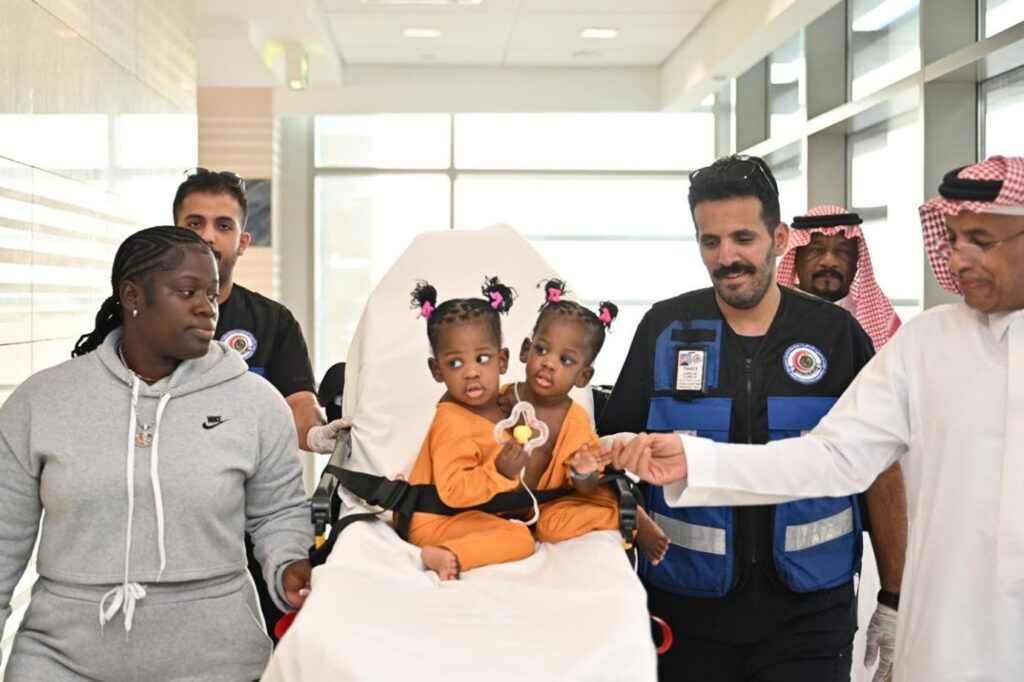
    RIYADH, Saudi Arabia — A Saudi medical team has determined that Azora Elson, one of the previously conjoined Jamaican twins successfully separated through a groundbreaking surgical procedure last month, will require a heart transplant for long-term survival. The revelation comes as her sister Azaria demonstrates remarkable recovery progress.

    Medical authorities at the King Salman Humanitarian Aid and Relief Centre (KSrelief) provided this sobering update through the Saudi Press Agency. Dr. Abdullah Al Rabeeah, KSrelief Supervisor General, confirmed that Azora remains hospitalized in the pediatric intensive care unit while facing significant cardiac complications.

    The medical team’s assessment reveals Azora’s heart functions at less than 20% of normal capacity due to congenital conditions including an enlarged heart and weakened cardiac muscle. Despite ongoing ventilation and medication to prevent heart failure and pulmonary edema, her prognosis remains concerning.

    A multidisciplinary team comprising cardiac specialists and transplantation experts conducted extensive evaluations before reaching the transplant conclusion. However, significant challenges emerge due to Azora’s young age, minimal body weight, and the critical shortage of compatible donor organs matching her size parameters.

    According to established Saudi transplantation protocols, these medical constraints currently render the necessary procedure impossible, substantially diminishing survival prospects. Medical authorities had previously discussed this potential outcome with the twins’ mother both before and after the separation surgery.

    The historic separation operation occurred on November 13 through the Saudi Conjoined Twins Programme, involving 25 medical professionals across six surgical stages during a five-hour procedure. The twins had been connected at the lower chest, abdomen, and liver since birth.

    Meanwhile, Azaria has been discharged from intensive care, displaying normal vital signs, feeding capabilities, and social interaction—marking a positive milestone in this medically complex case that has drawn international attention to Saudi Arabia’s advanced pediatric surgical capabilities.

  • Dr Reddy’s donates US$215,000 in medicines for hurricane recovery

    Dr Reddy’s donates US$215,000 in medicines for hurricane recovery

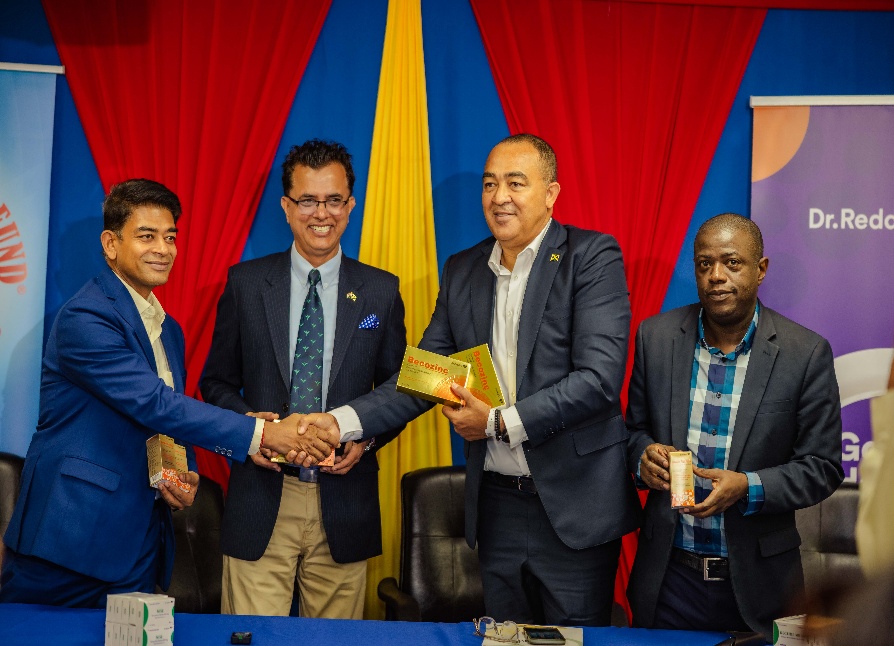
    KINGSTON, Jamaica — In a significant boost to Jamaica’s healthcare recovery efforts following Hurricane Melissa, international pharmaceutical giant Dr. Reddy’s Laboratory has contributed essential medicines worth $215,000. The substantial donation was formally received by the National Health Fund (NHF) during a ceremonial handover at their New Kingston headquarters this Tuesday.

    The comprehensive medical assistance comprises 42,500 treatment packages including critical antibiotics, nutritional supplements, and chronic disease medications in various formulations such as capsules, tablets, and syrups. These vital resources will be strategically distributed through the NHF’s network to parishes most severely impacted by the recent hurricane, ensuring continued access to healthcare during restoration operations.

    Health and Wellness Minister Dr. Christopher Tufton praised the contribution as both timely and reflective of Dr. Reddy’s enduring commitment to Jamaica. “This gesture demonstrates remarkable social conscience that extends beyond corporate objectives,” Tufton stated. “The NHF has implemented innovative approaches to medication distribution, and this donation will substantially enhance those efforts.”

    The hurricane’s aftermath has prompted the NHF to dramatically expand its mobile pharmacy initiative, now serving approximately 60 communities including remote regions with historically limited healthcare access. NHF CEO Everton Anderson emphasized the donation’s strategic importance: “This contribution will significantly advance Jamaica’s recovery trajectory. Our teams were among the first responders in affected areas, and this support enables us to assist even more communities.”

    First Secretary Yash Pal Singh of the Indian High Commission characterized the donation as a profound symbol of international friendship and solidarity. “Today’s ceremony transcends mere material transfer; it reaffirms the deep-rooted partnership between India and Jamaica, founded on mutual trust and shared humanitarian values,” Singh remarked. “Dr. Reddy’s response exemplifies both corporate responsibility and genuine compassion.”

    With over 90% of public-sector pharmacies now operational, health authorities confirm the donated medications will address heightened pharmaceutical demands while supporting ongoing rehabilitation in the hardest-hit communities.