分类: health

  • PANCAP Director Issues Defiant World AIDS Day Message: “We Will Not Go Back”

    PANCAP Director Issues Defiant World AIDS Day Message: “We Will Not Go Back”

    Caribbean health authorities have issued a powerful declaration of resolve in the face of mounting financial challenges threatening regional HIV/AIDS elimination efforts. On World AIDS Day 2025, Dr. Wendy Telgt Emanuelson, Director of the PANCAP Coordinating Unit, delivered a stirring message emphasizing regional determination to preserve hard-won gains against the pandemic.

    The statement comes amid significant global funding reductions that jeopardize critical treatment programs, prevention initiatives, and decades of progress. Rather than retreating, Caribbean leaders are championing a transformative approach under the theme “Overcoming disruption, transforming the AIDS response.” This strategic pivot emphasizes efficiency, community empowerment, and optimized resource allocation to maintain momentum toward elimination targets.

    Notable achievements already demonstrate the region’s capability, including several Caribbean nations successfully eliminating mother-to-child HIV transmission. The ongoing commitment to the 95-95-95 targets (95% of people living with HIV knowing their status, 95% on treatment, and 95% virally suppressed) remains unwavering despite financial headwinds.

    Dr. Emanuelson’s address specifically acknowledged healthcare workers, civil society partners, and affected communities as essential pillars in this renewed effort. The message stressed that Caribbean resilience, forged through historical challenges, provides unique strength to overcome current obstacles through innovation, solidarity, and strategic restructuring of response systems.

    The director’s concluding remarks framed the funding crisis not as a defeat but as an opportunity to build a more sustainable, community-led model that could ultimately strengthen the region’s path toward complete HIV elimination by 2030.
  • Thousands of patients await leaving Gaza for medical treatment

    Thousands of patients await leaving Gaza for medical treatment

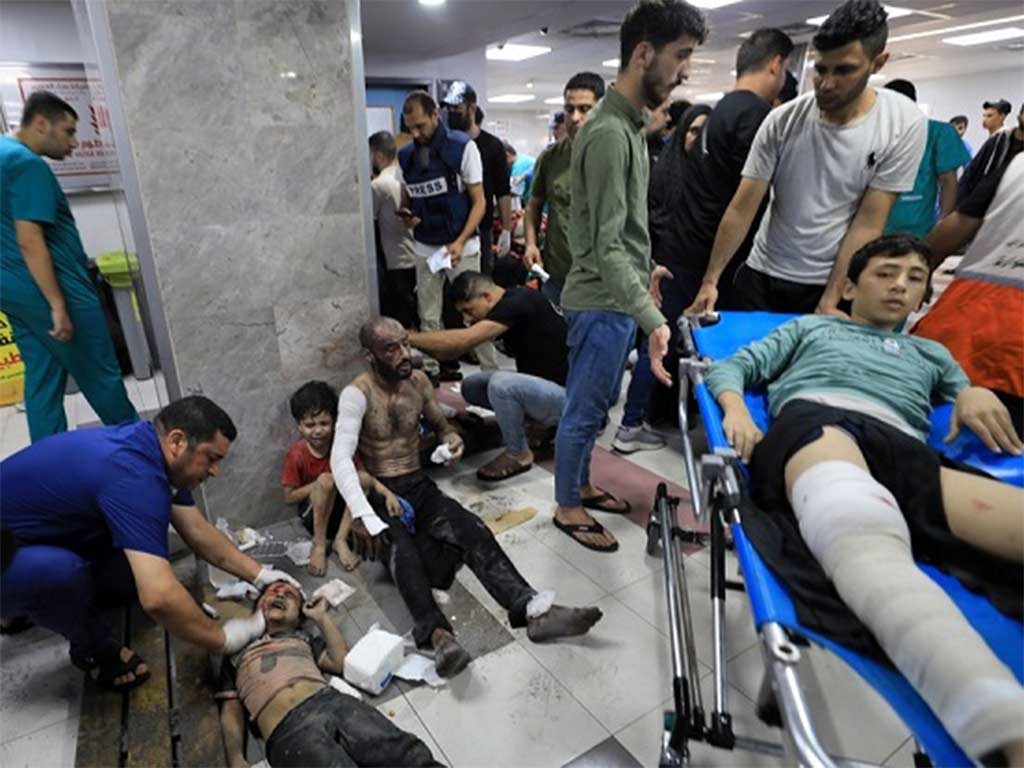
    Gaza’s healthcare system faces catastrophic collapse as medical authorities reveal a devastating human toll of delayed medical evacuations. Health Ministry Director-General Munir al-Barash reported that approximately 1,000 patients holding approved referrals for external treatment have died during the protracted waiting period for border crossings to open.

    The documented casualties represent only a fraction of the growing healthcare emergency in the coastal territory. Official records indicate that 18,100 patients have received approval for medical transfer abroad, including 5,000 cancer patients, 7,000 injured individuals, and approximately 500 children requiring specialized care unavailable in Gaza.

    Al-Barash criticized neighboring countries for maintaining closed border crossings despite the documented medical emergencies. All patient cases have been formally submitted to both United Nations agencies and the World Health Organization (WHO), which are working with local authorities to address the crisis.

    The healthcare collapse stems from the devastating combination of destroyed medical infrastructure and critical shortages of essential supplies, including life-saving medications. The territory’s health system, already weakened by years of conflict and restrictions, now faces complete breakdown under the weight of overwhelming medical needs and insufficient resources.

    This week’s warning from Gaza’s health leadership highlights the urgent need for international intervention to prevent further loss of life among critically ill patients awaiting evacuation.

  • STI cases rise, highest rates among young adults

    STI cases rise, highest rates among young adults

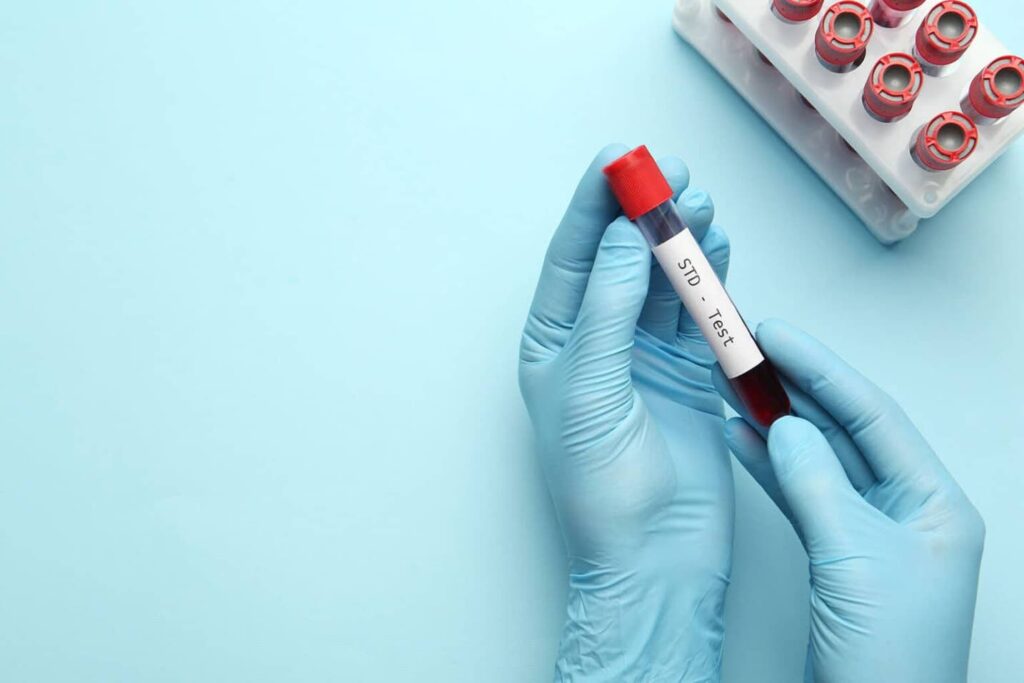
    Jamaica’s public health system is grappling with a concerning escalation in sexually transmitted infections (STIs), marking a persistent upward trajectory over the past four years. Ministry of Health and Wellness data reveals a significant climb from 31,572 cases in 2022 to 35,713 documented infections in 2024, with young adults aged 20-24 bearing the highest burden of disease.

    Medical experts identify genital discharge syndrome—comprising infections like gonorrhea, chlamydia, and trichomoniasis—as the predominant presentation, accounting for over 99% of cases. Conversely, genital ulcer diseases including herpes and syphilis constituted approximately 1% of diagnoses. Notably, syphilis cases demonstrated a worrying resurgence, jumping from 865 cases in 2023 to 1,216 in 2024.

    Dr. Nicola Skyers, Senior Medical Officer of the National HIV/STI Programme, highlighted the disproportionate impact on young demographics. “Twenty to twenty-four is the highest incidence group, followed closely by adolescents aged 15-19 and young adults 25-29,” she explained, attributing this trend to insufficient condom usage and engagement with multiple sexual partners.

    The gender distribution remains markedly skewed, with women comprising 28,220 cases compared to 7,493 among men in 2024. Concurrently, Jamaica’s HIV landscape shows complex dynamics: while overall prevalence stabilized at 1.1%, the estimated number of Jamaicans living with HIV increased to 28,000. Encouragingly, new HIV infections declined to 1,100 cases in 2024, continuing a downward trend from previous years.

    Healthcare providers emphasize that testing accessibility improvements shouldn’t replace preventive measures. Dr. Annisha Skinner of St. Ann Medical Center cautioned that “STI testing should not be used as a substitute for practising safe sex,” advocating instead for comprehensive prevention strategies including consistent condom use and transparent partner communication.

    The Ministry of Health is currently conducting enhanced surveillance to gather more precise STI data, with complete findings anticipated in 2026. Medical authorities reaffirm that all major STIs remain treatable, with immediate antiretroviral therapy initiation for HIV-positive diagnoses.

  • Health Ministry reviewing PrEP, DoxyPEP  for wider public access

    Health Ministry reviewing PrEP, DoxyPEP for wider public access

    The Ministry of Health in Trinidad and Tobago is conducting a comprehensive evaluation of two key preventative medications for HIV and sexually transmitted infections (STIs) as part of a potential shift in public health strategy. Health Minister Dr. Lackram Bodoe confirmed the review is examining pre-exposure prophylaxis for HIV (PrEP) and doxycycline prophylaxis (DoxyPEP) through the ministry’s HIV/AIDS Coordinating Unit, following global health guidance.

    This development comes in response to growing advocacy from public health experts and organizations, including a recent call for expanded access to these tools amid rising HIV and STI cases. Of particular concern is a sharp increase in syphilis infections among pregnant women.

    Minister Bodoe emphasized that the technical assessment encompasses clinical benefits, behavioral implications, cost considerations, and international best practices. “Our priority is always to reduce new HIV infections and protect the health and well-being of the population,” Bodoe stated. “Any decision related to PrEP or DoxyPEP will be guided by science, expert advice, and what is best for the people of TT.”

    The Family Planning Association of TT (FPATT) identified these medications as critical components in the national effort to eliminate HIV/AIDS by 2030, aligning with global UNAIDS targets. While recognized globally as effective prevention tools, neither medication is widely available through public health services except under specific circumstances such as occupational exposure for healthcare workers or following sexual assault.

    Significant barriers to implementation include the absence of a national policy enabling general access, sustainable funding challenges for government programs and NGOs, persistent stigma around HIV, logistical and procurement issues, and insufficient awareness among both the public and healthcare providers.

    Dion Gill, founder of the KingK Initiative and mental and sexual health educator, highlighted the need for a comprehensive approach beyond clinical considerations. He emphasized addressing cultural misconceptions that these medications encourage promiscuity, instead framing them as tools for sexual autonomy and mental well-being. Gill advocated for community-led healthcare services, particularly for reaching vulnerable populations like men who have sex with men, and stressed the importance of confidentiality in encouraging uptake.

    The ministry has not provided a specific timeframe for completing its review but has committed to updating the public once the technical assessment is finalized.

  • Health Minister welcome Barbados field hospital in Savanna-la-mar

    Health Minister welcome Barbados field hospital in Savanna-la-mar

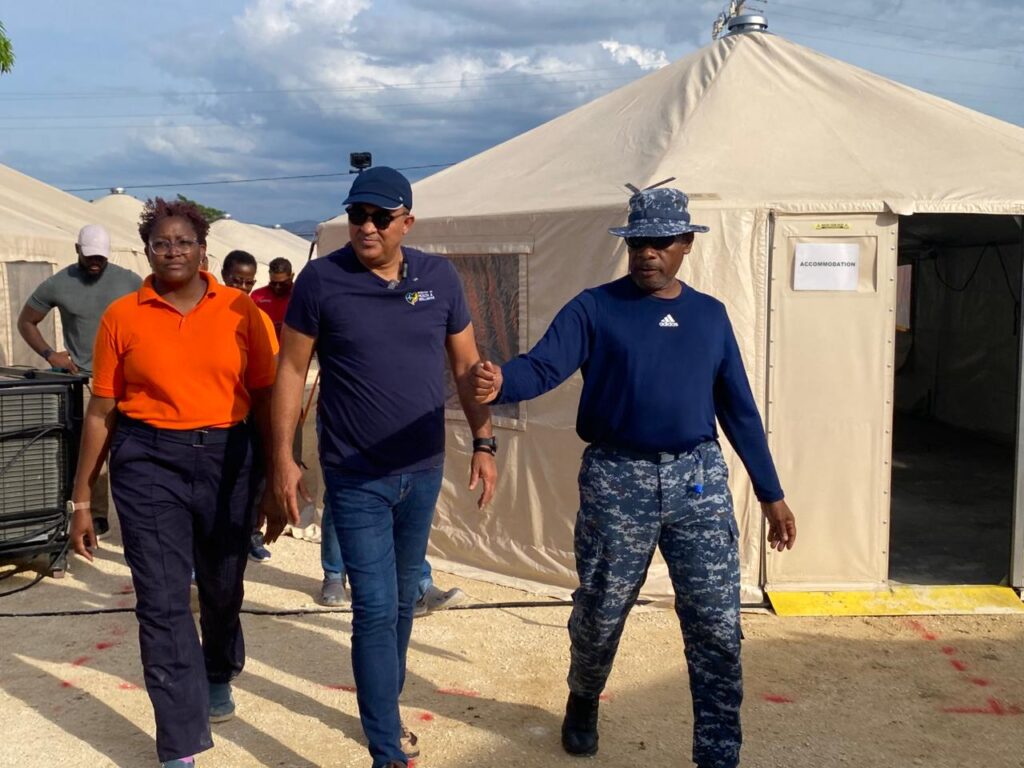
    JAMAICA — A significant bilateral healthcare initiative has been launched in Westmoreland with the official establishment of a state-of-the-art field hospital by the Barbados Defence Force. Situated on the grounds of the Savanna-la-Mar Public General Hospital, this temporary medical facility represents a cornerstone of regional cooperation aimed at addressing critical healthcare demands.

    Under the strategic direction of Lieutenant Commander Anderson Goodridge, the Barbados Defence Force Emergency Medical Team (EMT) executed the deployment in close coordination with the Jamaica Defence Force. This fully-equipped medical compound features comprehensive clinical capabilities including advanced operating theaters, intensive care units, and dedicated staff accommodation facilities. The infrastructure further incorporates self-sufficient systems for power generation, water management, and waste disposal, ensuring complete operational independence.

    Jamaica’s Minister of Health and Wellness, Dr. Christopher Tufton, characterized the collaboration as “a positive aspect of our otherwise tragic circumstances,” emphasizing that the facility will directly assist communities impacted by healthcare accessibility challenges. During his inspection visit on November 28th, the minister highlighted the strategic importance of this temporary solution while permanent hospital upgrades progress.

    Dr. Suman Vemu, Senior Medical Officer at Savanna-La-Mar Hospital, confirmed the field hospital will substantially enhance service delivery capacity. “Facilities like this allow us to provide uninterrupted medical care while granting much-needed respite to our staff,” Dr. Vemu stated, acknowledging the psychological and operational burden on healthcare professionals balancing extreme workloads.

    The clinical operations are being managed through integrated rostering systems developed between Barbadian and Jamaican medical directors. Dr. Ayana Crichlow, Clinical Medical Director of the BDF team, emphasized their commitment: “We’re happy to assist our brothers and sisters of Jamaica. We have established coordinated patient flow management systems with local emergency consultants and surgical teams.”

    Concurrently, Minister Tufton reaffirmed government commitments to the permanent hospital expansion, confirming completed architectural designs and finalized cost assessments. Procurement processes for the new Accident and Emergency wing are advancing, with tender advertisements expected before year-end according to official timelines.

  • AIDS Secretariat’s “Teen Talk Seminar: My Life, My Choices” hailed a resounding success

    AIDS Secretariat’s “Teen Talk Seminar: My Life, My Choices” hailed a resounding success

    In a significant initiative to safeguard adolescent health, the AIDS Secretariat alongside the Ministry of Health, Wellness, Environment and Civil Service Affairs has executed the “Teen Talk Seminar: My Life, My Choices.” This pivotal event brought together students from a diverse range of ten secondary schools throughout Antigua and Barbuda, focusing on empowering the nation’s youth with critical life skills and health knowledge.

    The Honourable Minister of Health, Sir Molwyn M. Joseph, provided a compelling keynote, passionately advocating for the exercise of personal willpower to avoid high-risk activities. He emphasized the paramount importance of self-protection against sexually transmitted infections (STIs) and underscored the value of seeking counsel from reliable and informed sources. Minister Joseph issued a formal commendation to the AIDS Secretariat, urging the continuation of these impactful, youth-oriented educational forums.

    A distinguished panel of experts enriched the seminar with motivational insights. Presentations were delivered by Dr. Margarethe Belle, Lorella Benjamin, Joy-Ann Harrigan, and Nikisha Smith. The event also featured formal remarks from Ms. Janet Simon, who holds the dual roles of CARICOM Youth Ambassador and Commonwealth Youth Peace Ambassador, adding a significant regional perspective to the dialogue.

    The curriculum was meticulously designed to address core challenges facing teenagers today. Interactive sessions delved into essential modules including: a comprehensive overview of STIs, the realities of sex and teenage life, the biological impact of HIV on the human body, building self-esteem, developing critical media literacy skills, and formulating strategies to navigate complex social pressures.

    This seminar is a cornerstone of the AIDS Secretariat’s expanded schedule of events leading up to World AIDS Day 2025. The international observance of World AIDS Day is set for Monday, December 1st. The week-long series of awareness activities will culminate on Sunday with a Grand Red Ribbon Day and a vibrant Street Parade through the capital city of St. John’s, symbolizing community solidarity and the ongoing fight against HIV/AIDS.

  • Reimer’s Warns of Screwworm Havoc in Belize

    Reimer’s Warns of Screwworm Havoc in Belize

    Veterinary authorities in Belize are confronting a severe resurgence of the New World Screwworm parasite, prompting urgent warnings to livestock owners and pet guardians nationwide. Reimer’s Feed Mill, a prominent agricultural supplier, has issued critical alerts regarding multiple confirmed cases of this dangerous pest that feeds on living tissue of warm-blooded animals.

    The parasitic infestation, previously controlled through rigorous government measures implemented last year, has reemerged with potentially devastating consequences for Belize’s agricultural sector. Veterinary technician Amir Zuniga emphasized the extreme urgency of daily animal inspections, noting that any open wounds or scratches become targets for screwworm flies that deposit eggs in flesh injuries.

    Without prompt intervention, Zuniga warned, infestations can progress rapidly to fatal outcomes as larvae consume vital organs and cause severe systemic infections. The psychological and physical trauma for affected animals involves hundreds to thousands of worms burrowing under skin tissue, creating excruciating discomfort.

    Agricultural authorities recommend immediate consultation with the Belize Agricultural Health Authority (BAHA), local veterinarians, or Reimer’s branch network for emergency treatment protocols. The current outbreak represents a significant setback to previous containment efforts and threatens both economic stability and animal welfare across the nation.

  • Caregiver Masterclass highlights urgent need for support as Jamaica’s older population rapidly grows

    Caregiver Masterclass highlights urgent need for support as Jamaica’s older population rapidly grows

    JAMAICA — Jamaica faces an escalating national caregiving challenge as its elderly demographic expands at an unprecedented rate, compelling urgent action from families, healthcare systems, and government authorities. The gravity of this situation was brought into sharp focus during The Caregiver Masterclass: Empowering Families for Senior Well-Being, an event organized by Golden Designs on November 22 at The Manley Centre in St Andrew.

    Dr. Kemisha Shaw-Kelly, Programme Development Officer within the Ministry of Health and Wellness’s Family Health Unit, delivered a compelling keynote address titled ‘Caregiving in an Ageing Population.’ Her presentation revealed startling demographic projections: Jamaica’s population of citizens aged 60 and above is growing at approximately 1.9% annually, with numbers expected to surge from 264,000 in 2001 to an estimated 364,200 by 2030.

    ‘If current trends persist, by 2058 the elderly population will surpass the youth demographic,’ Dr. Shaw-Kelly warned, highlighting profound implications for healthcare infrastructure, workforce dynamics, economic productivity, and family structures nationwide.

    The event highlighted that caregivers—typically unpaid family members providing support to those with illness, injury, or disability—face immense physical, emotional, and financial strain. While caregiving can foster personal growth and strengthen family bonds, it simultaneously carries severe risks including chronic exhaustion, mental health deterioration, financial hardship, and social isolation.

    Social Gerontologist Dr. Julian McKoy Davis amplified these concerns, noting the alarming phenomenon where overwhelmed caregivers may ‘die before the care recipient.’ He specifically addressed the ‘Sandwich Generation’—those juggling care for aging parents while supporting children and grandchildren—who face compounded pressures that threaten their wellbeing.

    Both experts emphasized critical strategies for caregiver sustainability: meticulous planning, organizational tools for medication management, maintaining social connections, regular physical activity, balanced nutrition, and most importantly, scheduled respite breaks. Dr. McKoy Davis particularly advocated for structured respite care services, available through adult day centers or residential facilities, as essential—not luxurious—components of sustainable caregiving.

    Government resources including the National Council for Senior Citizens and the Ministry’s Mental Health Hotline were promoted as vital support mechanisms. The masterclass, timed with National Caregivers Awareness Month in November, represents part of Golden Designs’ broader initiative to enhance Jamaica’s aging experience through education, practical tools, and emotional reinforcement for both paid and unpaid caregivers.

  • Same-day surgeries start at Couva Children’s Hospital

    Same-day surgeries start at Couva Children’s Hospital

    In a significant healthcare development, Trinidad and Tobago’s long-dormant Couva Children’s Hospital commenced same-day surgical procedures on November 28th, marking the initial phase of its operational activation. Health Minister Dr. Lackram Bodoe confirmed the milestone following an inspection at the facility, revealing that the inaugural surgeries targeted patients from waiting lists across all regional health authorities.

    The surgical interventions specifically addressed renal dialysis patients requiring arteriovenous shunts and individuals with severe venous leg conditions needing radio frequency ablation procedures. Minister Bodoe indicated that specialized pediatric outpatient clinics would represent the next service category to become operational, though no precise timeline was provided beyond ‘the near future.’

    This activation aligns with Prime Minister Keith Rowley’s mandate, with the Health Ministry emphasizing its commitment to a ‘smooth, well-coordinated transition’ as additional services gradually come online. However, questions regarding full operationalization timelines remain unanswered, as decisions pending include which regional health authority will ultimately assume management responsibilities.

    The hospital’s activation occurs against a backdrop of substantial surgical backlogs, with a September Udecott report documenting approximately 11,300 citizens awaiting procedures nationwide—primarily in ophthalmology and general surgery.

    Despite progress, the initiative faces staffing challenges. Trinidad and Tobago National Nurses’ Association president Idi Stuart recently opposed the opening plans, citing insufficient nursing personnel. Minister Bodoe acknowledged these concerns, confirming ongoing efforts to resolve staffing deficiencies.

    Originally constructed and opened by the People’s Partnership administration in August 2015, the facility remained largely non-operational during the PNM’s subsequent decade-long administration. Current renovation activities were visible during a November 28th site visit, with workers repainting buildings and removing previous signage while maintaining the Ministry of Health’s identification.

  • REOI: OECS Regional Health Project

    REOI: OECS Regional Health Project

    The Grenadian government has initiated a significant healthcare modernization effort through the OECS Regional Health Project, backed by World Bank funding. This comprehensive program aims to revolutionize emergency medical response capabilities across the nation.

    The seven-year initiative (2019-2026) will allocate resources toward developing Grenada’s first formalized Emergency Medical Service (EMS) system. A specialized Curriculum Consultant is being sought to lead this transformative five-month assignment commencing January 2026.

    Key objectives include conducting feasibility studies to determine optimal EMS operational models—whether public, private, or hybrid structures. The consultant will establish internationally aligned training protocols for Emergency Medical Technicians (EMTs), define operational requirements including workforce development and infrastructure needs, and draft enabling legislation to regulate emergency medical services.

    Qualification requirements for prospective consultants are substantial, demanding a minimum of ten years’ experience in EMT/EMS program development, particularly in resource-constrained environments. Candidates must possess advanced degrees in Public Health, Emergency Medicine, or Health Systems Management, with demonstrated expertise in curriculum development and health system strengthening. Caribbean regional experience is considered particularly valuable.

    The selection process will adhere to World Bank Procurement Regulations, with expressions of interest accepted through the government’s E-Procurement portal until December 19, 2025. This project represents a critical component of Grenada’s broader strategy to enhance public health emergency preparedness and response capabilities within the OECS region.