分类: health

  • Fashion icon Christopher Nathan on stage 4 diagnosis: ‘Cancer’s not my legacy’

    Fashion icon Christopher Nathan on stage 4 diagnosis: ‘Cancer’s not my legacy’

    Renowned fashion director and model agent Christopher Nathan, 63, faces a profound medical and personal crossroads following a devastating stage four metastatic spinal cancer diagnosis. The Trinidad-based industry pioneer, whose career has spanned nearly five decades, must now decide between palliative comfort care or aggressive treatment involving radiation and chemotherapy.

    Nathan’s health crisis began with severe back pain initially misdiagnosed as osteoarthritis by physicians at multiple Trinidad and Tobago hospitals in August. The situation escalated dramatically in late November while Nathan was in Bequia, St. Vincent and the Grenadines, where he experienced alarming neurological symptoms including full-body numbness and paralysis from the chest down.

    Emergency medical intervention at Milton Cato Memorial Hospital revealed the true nature of his condition: advanced prostate cancer that had metastasized to his spine, creating five lesions and causing spinal fractures. He was subsequently airlifted back to Trinidad for treatment at Sangre Grande Hospital Campus, where he now confronts significant physical challenges including loss of bladder and bowel control.

    Despite the grim prognosis, Nathan finds solace in his extraordinary professional legacy. Through his company Coco Velvet International Fashion and Model Management, he has mentored over a thousand young professionals and established the Caribbean’s first university fashion program at the University of Trinidad and Tobago. His recent production of Styleweek Caribbean Fashion Collections, created while enduring considerable pain, stands as what he considers his finest creative work.

    The fashion community has rallied around Nathan, with notable figures including Miss Universe 1998 Wendy Fitzwilliam and designers Peter Elias and Claudia Pegus offering support. While emotionally fluctuating between despair and acceptance, Nathan maintains spiritual comfort, stating: ‘I am totally satisfied God put me on this earth to do a job and I did it well.’ His remarkable career additionally includes roles as flight attendant, merchandising manager, and chairman of Trinidad’s sustainable garment manufacturing standards committee.
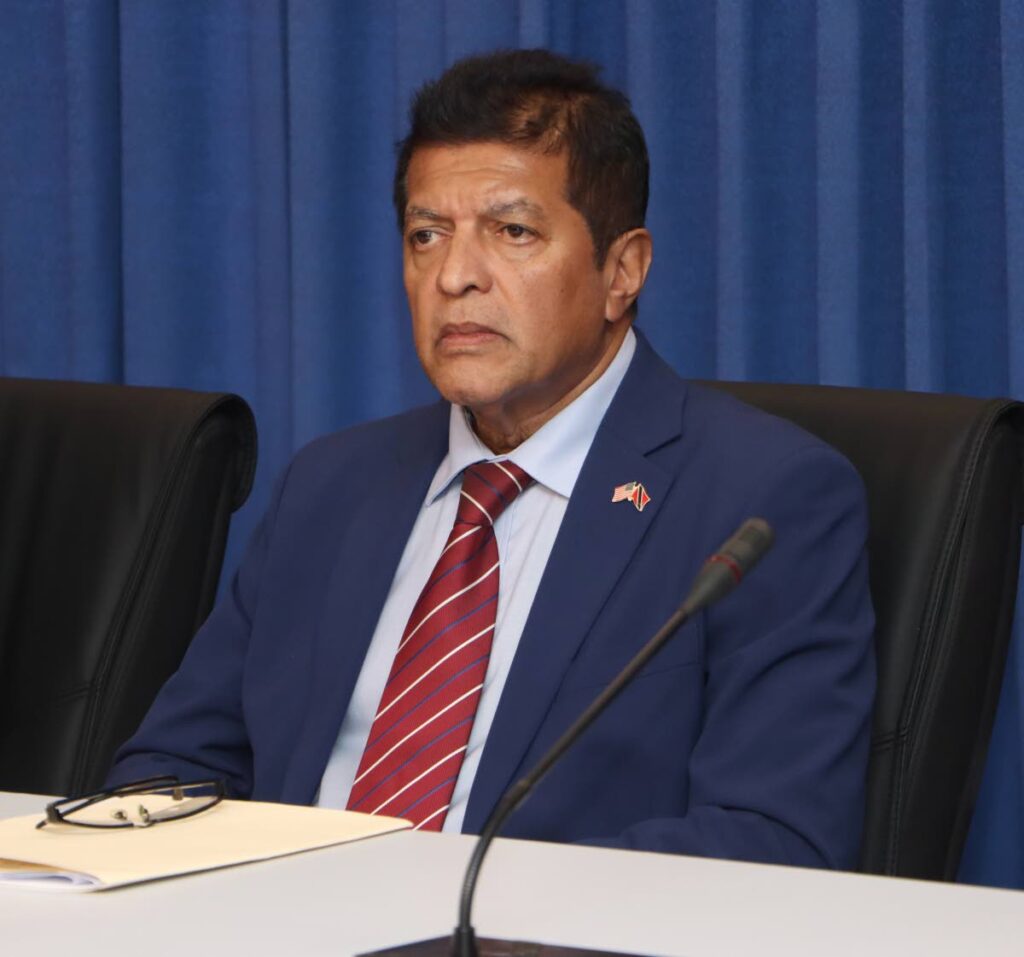

  • Health ministry to expand efforts to combat HIV

    Health ministry to expand efforts to combat HIV

    The Trinidad and Tobago Ministry of Health has unveiled an ambitious expansion of its national HIV/AIDS response strategy, committing to significantly enhance prevention, testing, and treatment services throughout 2026. This renewed effort aligns with global World AIDS Day 2025 observances and the international theme of overcoming disruption through transformative approaches to epidemic control.

    Health Minister Dr. Lackram Bodoe confirmed the ministry will conduct a comprehensive review of current policies regarding pre-exposure prophylaxis (PrEP) and doxycycline prophylaxis (DoxyPEP) accessibility. These pharmaceutical interventions represent cutting-edge biomedical prevention methods, with CDC research indicating PrEP reduces sexual HIV transmission risk by approximately 99% when properly administered.

    The strategic enhancement will prioritize several key initiatives: broadening community-based testing capabilities, increasing availability of self-testing kits, ensuring immediate treatment initiation protocols, strengthening patient retention systems, and launching a substantial national campaign against stigma and discrimination. These measures will be complemented by targeted interventions for vulnerable demographics and expanded psychosocial support services for HIV-positive individuals.

    Trinidad and Tobago has demonstrated considerable progress in epidemic control, with most diagnosed individuals currently receiving antiretroviral therapy (ART) through the Medical Research Foundation TT and other clinical facilities. A significant majority have achieved viral suppression, effectively preventing disease progression and interrupting transmission chains.

    Recent innovations include the official introduction of HIV self-testing kits enabling private home testing and the establishment of specialized linkage teams featuring peer navigators, social workers, and psychological support staff to ensure continuous care engagement. The nation maintains free ART access and viral load monitoring services across all treatment centers.

    Prevention initiatives have intensified through expanded outreach targeting youth populations, high-risk groups, and ongoing efforts to eliminate mother-to-child transmission. The ministry has additionally amplified public education campaigns and workplace programs responding to reports of persistent stigma and discrimination.

    Health authorities have issued a rallying cry for collaborative action, urging citizens, community leaders, and stakeholders to unite in creating a stigma-free society where all individuals can access healthcare services with dignity and respect. The ministry reaffirmed its unwavering commitment to eliminating AIDS as a public health threat by 2030 through evidence-based interventions and strengthened civil society partnerships.

  • Paediatrician on safe toy choices this Christmas

    Paediatrician on safe toy choices this Christmas

    As the festive season approaches, pediatric expert Dr. Tricia Jailal is raising urgent awareness about toy safety during December’s international Safe Toys and Gifts Month. With 13 years of experience in child healthcare and co-founding ABC Paediatrics, Dr. Jailal emphasizes that gift selection requires careful consideration beyond mere holiday excitement.

    During the holiday period, toy-related injuries become significantly more prevalent. “Ingestion of small toy parts occurs quite frequently along with choking,” Dr. Jailal explains. “Falls and physical injuries from ride-on toys are equally concerning.”

    The pediatrician outlines five critical evaluation criteria for toy selection: age appropriateness, safety features, developmental value, durability, and child engagement potential. She particularly warns about button batteries as “the most dangerous object that can be overlooked,” noting they can cause severe internal burns within hours if swallowed.

    Other significant hazards include:
    – Plush toys with loose filling that pose choking risks
    – USB-charged toys with hidden heat sources causing burns
    – Excessively loud toys potentially damaging hearing
    – Sharp-edged plastic or wooden toys leading to cuts
    – Toxic materials in art supplies and chemically scented items
    – Projectile toys risking eye injuries
    – Water-expandable toys like Orbeez causing internal blockages

    Dr. Jailal recommends the “toilet paper roll test” for choking hazards: if any toy part fits inside the roll, it presents a choking risk. She strongly advises against unregulated market purchases, emphasizing that “unregulated toys mean these toys have not been tested, inspected or certified.”

    Certification marks like CPC, ASTM F963, or CE indicate compliance with safety standards. Parents should avoid toys containing phthalates, BPA, lead, formaldehyde, heavy metals, toxic foam materials, brittle plastics, uncoated metals, unknown fillings, scented components, and latex.

    Even with safe toys, Dr. Jailal stresses the importance of “eyes and ears” supervision during playtime, limiting distractions to enable quick reaction to potential dangers. She notes that children with special needs require additional consideration based on developmental age and sensory sensitivities rather than chronological age.

    For inappropriate gifts received from well-meaning relatives, Dr. Jailal suggests practical solutions: “You can put the toy away until your child reaches the appropriate age,” or make safety modifications by removing small parts.

    The article concludes with developmental stage recommendations:
    – Infants: Tummy time play mats and textured fabric books
    – Toddlers: Shape sorters, ring stackers, and wooden peg puzzles
    – Preschoolers: Board games, art sets, and pretend play items

    Dr. Jailal summarizes: “I know how much joy toys can bring to children, but also how important it is to pair that joy with safety. Give joy, not risk, but also think beyond toys—choose gifts that encourage the growth and development of our children.”

  • GFNC: Protect children from alcohol

    GFNC: Protect children from alcohol

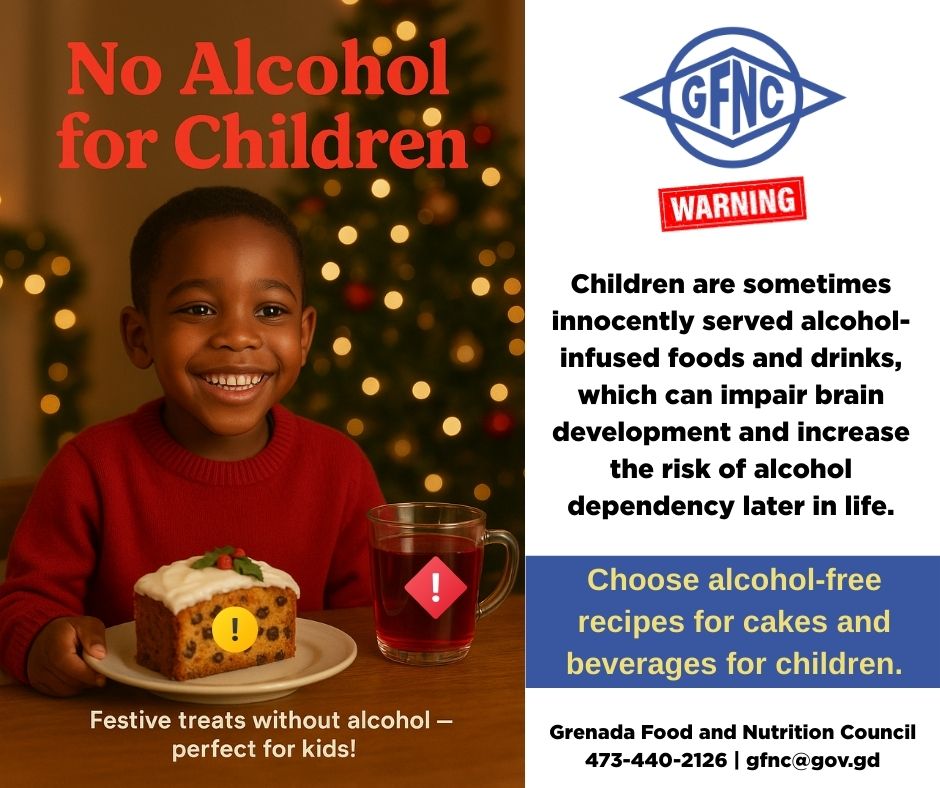
    The Grenada Food and Nutrition Council (GFNC) has issued a critical health advisory targeting a deeply entrenched cultural practice: the serving of alcohol-infused traditional holiday foods to minors. During Christmas celebrations, households across Grenada typically feature black cake and sorrel drink, treats that conventionally include alcoholic ingredients. The GFNC emphasizes that these items, along with other beverages containing 3-4% alcohol, are often given to children without recognizing the significant associated risks, which include fostering dependency and precipitating long-term health complications.

    This warning is substantiated by a global perspective outlined in the journal article ‘Too Young to Pour: The Global Crisis of Underage Alcohol Use.’ The research identifies ‘parental modelling and permissive attitudes’ as primary drivers in normalizing alcohol consumption among youth. This raises a pivotal societal question regarding the extent to which observed behaviors in familial and social environments shape children’s perceptions and habits related to drinking.

    Supporting data reveals a concerning trend in Grenada’s alcohol consumption patterns. A publication from The University of the West Indies indicates that alcohol use has surged from 74.4% to 94% over the past four decades. Furthermore, Central Intelligence Agency (CIA) figures from 2019 estimate the per capita alcohol consumption for individuals aged 15 and older at 8.62 litres of pure alcohol, positioning Grenada as the fifth-highest consumer in the Caribbean according to Data Commons. A World Health Organisation (WHO) fact sheet adds another layer of concern, highlighting prevalent binge drinking, with 32.6% of the population and 7.1% of adolescents (15-19) engaging in heavy episodic consumption at least once monthly.

    The GFNC reminder aligns with the legal stance of Grenada’s Drug Control Secretariat, which explicitly prohibits the possession, use, sale, and distribution of alcohol in environments associated with schools and youth functions. The council argues this protection must extend into the home. Early exposure to alcohol is linked to severe consequences, including an elevated risk of developing alcohol dependence in adulthood, impaired neurological development, a greater likelihood of involvement in road accidents, and an increase in general risk-taking behaviors.

    As a preventive solution, the GFNC strongly advocates for preparing exclusively non-alcoholic versions of traditional holiday foods and beverages for minors. Providing nutrient-rich, alcohol-free alternatives is paramount for supporting the healthy physical and cognitive development of children and adolescents. The public is urged to heed this advice to safeguard the well-being of Grenada’s youth.

  • Chinese medical delegation explores new health partnerships in Antigua and Barbuda

    Chinese medical delegation explores new health partnerships in Antigua and Barbuda

    A high-level Chinese medical delegation has concluded a significant visit to Antigua and Barbuda, marking a new chapter in Sino-Caribbean health diplomacy. The delegation, comprising senior healthcare officials and medical specialists, engaged in extensive discussions with Antiguan health authorities to explore innovative partnership models beyond traditional aid frameworks.

    The bilateral talks focused on developing sustainable healthcare initiatives tailored to Antigua and Barbuda’s specific needs. Key discussion points included potential collaborations in telemedicine infrastructure, specialized medical training programs, and public health system modernization. The Chinese delegation presented advanced digital health solutions that could enhance medical service delivery across the Caribbean nation’s island communities.

    This diplomatic health mission represents China’s evolving approach to South-South cooperation, emphasizing mutual benefit and knowledge exchange rather than unilateral assistance. Both nations examined how Chinese medical expertise and technological advancements could integrate with Antigua’s existing healthcare framework while respecting local protocols and requirements.

    The meetings produced preliminary agreements for several forward-looking initiatives, including proposed physician exchange programs, joint research projects on tropical diseases prevalent in the Caribbean region, and capacity-building measures for Antiguan healthcare professionals. These developments occur against the backdrop of China’s growing engagement with Caribbean nations through health-focused diplomacy that combines technical cooperation with relationship building.

    Medical diplomacy has increasingly become an instrument of international relations, and this exchange demonstrates how middle-power nations like China are leveraging healthcare expertise to strengthen global partnerships. The outcomes from these talks may establish a template for future Chinese health collaborations with other small island developing states.

  • 1 December: World AIDS Day and adolescents

    1 December: World AIDS Day and adolescents

    On World AIDS Day, a stark contrast emerges between global progress against HIV/AIDS and the dire situation unfolding in vulnerable regions following the dismantling of a major U.S. aid program. The President’s Emergency Plan for AIDS Relief (PEPFAR), once a flagship American initiative, has been dramatically scaled back under current leadership, creating devastating consequences for the world’s poorest populations.

    Public health experts reveal the catastrophic human cost of this policy shift. Epidemiologist Brooke Nichols from Boston University estimates that over 600,000 deaths have already resulted from the program’s closure, with children accounting for two-thirds of these fatalities – a tragic rate of nearly 90 deaths per hour. This represents a dramatic reversal from PEPFAR’s documented success in saving approximately 92 million lives over two decades through USAID funding that constituted less than 1% of the U.S. federal budget.

    The Caribbean region now faces particularly severe challenges, ranking among the world’s worst in multiple health metrics including adolescent fertility rates, gender violence, unintended pregnancies, and sexual debut age. Health advocates Tonia Frame and Fred Nunes emphasize that this crisis demands local solutions rather than dependence on foreign aid.

    Their proposed intervention centers on comprehensive Health and Family Life Education (HFLE) programs that address the region’s alarming silence around sexual health. Currently, only 5% of parents discuss sexuality with their children, while schools relegate HFLE to inexperienced teachers and religious leaders often stigmatize these crucial conversations.

    The solution requires transforming HFLE into an examinable subject taught by qualified educators, coupled with community-wide engagement involving parents, religious leaders, and healthcare workers. This approach recognizes that protecting adolescent health requires overcoming cultural inhibitions and implementing evidence-based education as a matter of urgent priority.

  • Message from the Director of the PANCAP Coordinating Unit (PCU) on World AIDS Day 2025

    Message from the Director of the PANCAP Coordinating Unit (PCU) on World AIDS Day 2025

    CARICOM Secretariat, Guyana (November 29, 2025) – On World AIDS Day 2025, Caribbean health authorities have issued a resolute declaration to safeguard decades of progress against HIV/AIDS despite mounting financial challenges threatening regional treatment programs.

    Dr. Wendy Telgt Emanuelson, Director of the Pan Caribbean Partnership against HIV and AIDS (PANCAP) Coordinating Unit, delivered a stirring message under the theme “Overcoming disruption, transforming the AIDS response.” Her statement comes amid significant reductions in global health funding that jeopardize access to essential medications, prevention initiatives, and community support services throughout the Caribbean basin.

    The region’s top health official emphasized that financial constraints represent more than budgetary figures—they directly impact the wellbeing of countless individuals dependent on sustained antiretroviral therapy and comprehensive care systems. “These cuts are not just numbers on a spreadsheet,” Dr. Emanuelson noted, “they represent a potential threat to the medicines that keep our Caribbean brothers and sisters healthy.”

    Despite these challenges, the Caribbean demonstrates remarkable resilience. Several nations have already achieved elimination of mother-to-child HIV transmission, while others approach the ambitious 95-95-95 targets (95% of people living with HIV knowing their status, 95% on treatment, and 95% with suppressed viral loads). These accomplishments, built through collaborative government action, healthcare worker dedication, and community activism, form the foundation for future progress.

    PANCAP is spearheading a transformative approach that prioritizes efficiency, integration, and sustainability. The organization is optimizing supply chains, empowering local communities, and maximizing resource utilization to ensure continued advancement toward an AIDS-free Caribbean. Dr. Emanuelson specifically acknowledged healthcare professionals, advocacy groups, and individuals living with HIV as essential partners in this renewed effort.

    The director’s message concluded with an unequivocal commitment: “We will not go back. We will not surrender the gains for which we have fought so hard. The journey may now be steeper, but our destination remains the same.”

  • World Aids Day 2025: Overcoming Disruption To Transform The Aids Response In The Caribbean

    World Aids Day 2025: Overcoming Disruption To Transform The Aids Response In The Caribbean

    KINGSTON, JAMAICA – December 1, 2025 – On World AIDS Day 2025, the Caribbean region confronts a perfect storm of challenges threatening to reverse decades of progress in HIV/AIDS elimination. The UNAIDS Multi-Country Office for the Caribbean has issued an urgent call for global solidarity as external HIV funding declines by 30-40% while climate disasters and economic pressures cripple healthcare systems.

    The region’s vulnerability stems from its heavy dependence on international financing, which constitutes 66% of HIV resources in 2024. This dependency becomes increasingly precarious as climate catastrophes like Hurricane Melissa have recently devastated Jamaica, Haiti, and Cuba, displacing communities and severing access to essential HIV treatment and prevention services.

    Alarming new data reveals that despite treatment advances, approximately 90,000 people living with HIV in the Caribbean remain outside the care system, with many likely presenting advanced disease progression. Even among those receiving treatment, significant numbers experience treatment interruptions and fail to achieve viral suppression.

    The compounding crises—including climate emergencies, unsustainable debt burdens, and sluggish economic growth—have severely constrained national budgets for health, education, and social protection programs. These pressures threaten to widen existing inequalities and create dangerous gaps in HIV prevention and community services.

    Nevertheless, Caribbean nations demonstrate remarkable resilience through innovative community-led solutions and strengthened regional partnerships. UNAIDS emphasizes that ending AIDS as a public health threat by 2030 remains achievable but requires immediate action on multiple fronts: strengthening health systems, scaling community-led responses, ensuring uninterrupted service access, and addressing persistent stigma and discrimination.

    The organization urges Caribbean leaders to embrace the forthcoming Global AIDS Strategy 2026–2031 and advance Sustainable Development Goal targets by increasing domestic investments in sustainable, community-led HIV responses capable of withstanding future shocks. This World AIDS Day serves as both a warning and a call to action—the region’s progress remains fragile, and without renewed commitment and international support, hard-won gains could be lost.

  • Caribische vastberadenheid op Wereld Aids Dag: ‘We gaan niet terug’

    Caribische vastberadenheid op Wereld Aids Dag: ‘We gaan niet terug’

    On World AIDS Day (December 1), Caribbean health authorities have issued a resolute declaration that the region’s battle against HIV and AIDS will persist despite growing global financial instability. Under the theme “Overcoming disruption, transforming the AIDS response,” the Pan Caribbean Partnership against HIV and AIDS (Pancap) has emphatically stated that regression is not an option.

    Wendy Telgt-Emanuelson, Director of Pancap’s Coordination Unit, delivered a powerful address highlighting that Caribbean nations have reached a critical juncture where international funding cuts threaten hard-won progress achieved over recent decades. “Our advancements face pressure, but our determination remains unshaken,” Emanuelson asserted. “We will confront these challenges, continue innovating, and maintain our course toward an AIDS-free Caribbean.”

    The financial constraints particularly impact medication programs, prevention initiatives, and educational campaigns—essential components for many countries to achieve the 95-95-95 targets (95% of people living with HIV knowing their status, 95% receiving treatment, and 95% achieving viral suppression). Despite these setbacks, Emanuelson emphasized the region’s historical resilience as a guiding force moving forward.

    Notable successes include several Caribbean nations eliminating mother-to-child HIV transmission—achievements resulting from collaborative efforts between governments, healthcare providers, community organizations, and people living with HIV. “We will not allow this foundation to crumble,” Emanuelson pledged.

    Pancap’s strategic focus for coming years will center on strengthening community structures, optimizing logistical systems, and creating more sustainable HIV response frameworks. Both regional and international partner support remains indispensable to these efforts. Emanuelson extended reassurance to frontline workers, advocates, and people living with HIV: “You are not alone in this struggle.”

    Concluding with determined optimism, Emanuelson stated: “We will not retreat. We will not abandon what we have painstakingly accomplished. The path may grow steeper, but our destination remains unchanged. Together, we will overcome these challenges and build an AIDS-free future for generations to come.”

  • Cuba shows sustained progress in the fight against HIV

    Cuba shows sustained progress in the fight against HIV

    Cuba has demonstrated remarkable success in its battle against HIV/AIDS, reporting substantial improvements in key health indicators that position the nation as a regional leader in disease management. Recent data reveals that the Caribbean island has achieved a 39% reduction in HIV-related mortality alongside a 14.5% decrease in new infections, bringing annual diagnoses down to 1,708 cases.

    Dr. Jacqueline Sánchez Fuentes, head of the STI Control Strategy at Cuba’s Ministry of Public Health, attributes these achievements to the country’s comprehensive national program and sustained political commitment. The current HIV-positive population stands at 35,373 individuals, a figure that has remained stable due to the program’s effectiveness.

    The nation’s health system has prioritized universal access to antiretroviral treatment while intensifying preventive measures. Current objectives include achieving 95% coverage in both diagnosis and treatment protocols, alongside expanded prophylaxis and combined prevention strategies targeting key populations.

    These medical advances coincide with Cuba’s parallel efforts to combat social stigma and discrimination against people living with HIV. The dual approach addresses both clinical and societal aspects of the disease, particularly relevant as the global community observes World AIDS Day with its focus on reducing inequalities.

    Cuba’s progress stands in contrast to the broader global landscape. According to WHO and UNAIDS estimates, worldwide HIV prevalence has increased by 27% since 2010, with approximately 40.8 million people currently living with the virus. The global community records 1.3 million new infections annually and approximately 630,000 AIDS-related deaths each year.

    Despite these challenging statistics, international efforts have yielded positive results, with a 40% reduction in new infections and a 54% decrease in mortality compared to 2010 levels. In the Americas, where an estimated 4.2 million people live with HIV, Cuba continues to strengthen its healthcare response, reaffirming its commitment to universal health access and quality patient care.