分类: health

  • Trinidadian footballer Shaka Hislop reveals he has prostate cancer

    Trinidadian footballer Shaka Hislop reveals he has prostate cancer

    Former Newcastle United and Trinidad and Tobago goalkeeper Shaka Hislop has publicly disclosed his ongoing battle with an aggressive form of prostate cancer. The football pundit shared his personal health journey in a heartfelt video posted to his Instagram account, detailing his diagnosis and treatment to raise awareness among men worldwide.

    Hislop revealed that the cancer was detected approximately 18 months ago during his routine annual physical examination. ‘I consistently insisted on a Prostate-Specific Antigen (PSA) test as part of my check-up,’ Hislop explained. ‘This particular time, my PSA levels were elevated, prompting further investigation through MRI and biopsy procedures which confirmed the presence of an aggressive prostate cancer.’

    The former West Ham player underwent a radical prostatectomy—a surgical procedure for partial or complete removal of the prostate gland—on December 6, 2024. However, Hislop’s medical journey continued when follow-up tests six months post-surgery showed rising PSA levels again. Subsequent scans confirmed the cancer had metastasized to his pelvic bone, requiring immediate medication and an intensive seven-and-a-half week radiation therapy regimen which he recently completed.

    Making a special appeal to Caribbean men who statistically face the highest mortality rates from prostate cancer globally, Hislop emphasized: ‘My community, my people, please go get tested. Understand your PSA numbers and track their historical changes. Prostate cancer becomes survivable when detected early, and various treatment options exist. Testing genuinely saves lives—it certainly saved mine.’

    Hislop’s courageous disclosure follows medical research from institutions like Johns Hopkins Medicine which indicates early detection significantly improves prostate cancer outcomes. His advocacy highlights the critical importance of regular health screenings, particularly for high-risk demographic groups.

  • Foreign hurricane relief workers subject to strict health screening protocol – MOHW

    Foreign hurricane relief workers subject to strict health screening protocol – MOHW

    Jamaica’s Ministry of Health and Wellness has implemented comprehensive health screening protocols for all international relief personnel entering the country following Hurricane Melissa. This decisive action addresses concerns about potential disease importation while maintaining critical disaster response operations.

    The ministry’s response comes after Opposition Health Spokesperson Dr. Alfred Dawes raised alarms about possible disease transmission through relief workers, referencing cholera outbreaks following the 2010 Haiti earthquake. Dr. Dawes emphasized the need for vigilant screening measures to prevent similar public health emergencies.

    Officials have established a multi-layered defense system against disease transmission. All relief workers undergo pre-arrival verification requiring deploying agencies to certify personnel are medically fit and free from communicable illnesses. Upon arrival, public health inspectors conduct thorough assessments including temperature checks, symptom reviews, and vaccination status verification, with particular attention to countries visited within the previous six weeks.

    The surveillance continues throughout workers’ deployments with mandatory reporting requirements for any illness cases. Emergency medical teams’ temporary housing facilities undergo rigorous inspections to ensure proper sanitation, waste management, and hygiene infrastructure. All monitoring activities integrate with Jamaica’s enhanced post-disaster surveillance system for comprehensive coverage.

    The Health Ministry maintains that no communicable diseases have been detected among relief workers to date, affirming the effectiveness of these protective measures while ensuring continued international support for hurricane recovery efforts.

  • New linear accelerator brings ‘world-class cancer care’ to QEH

    New linear accelerator brings ‘world-class cancer care’ to QEH

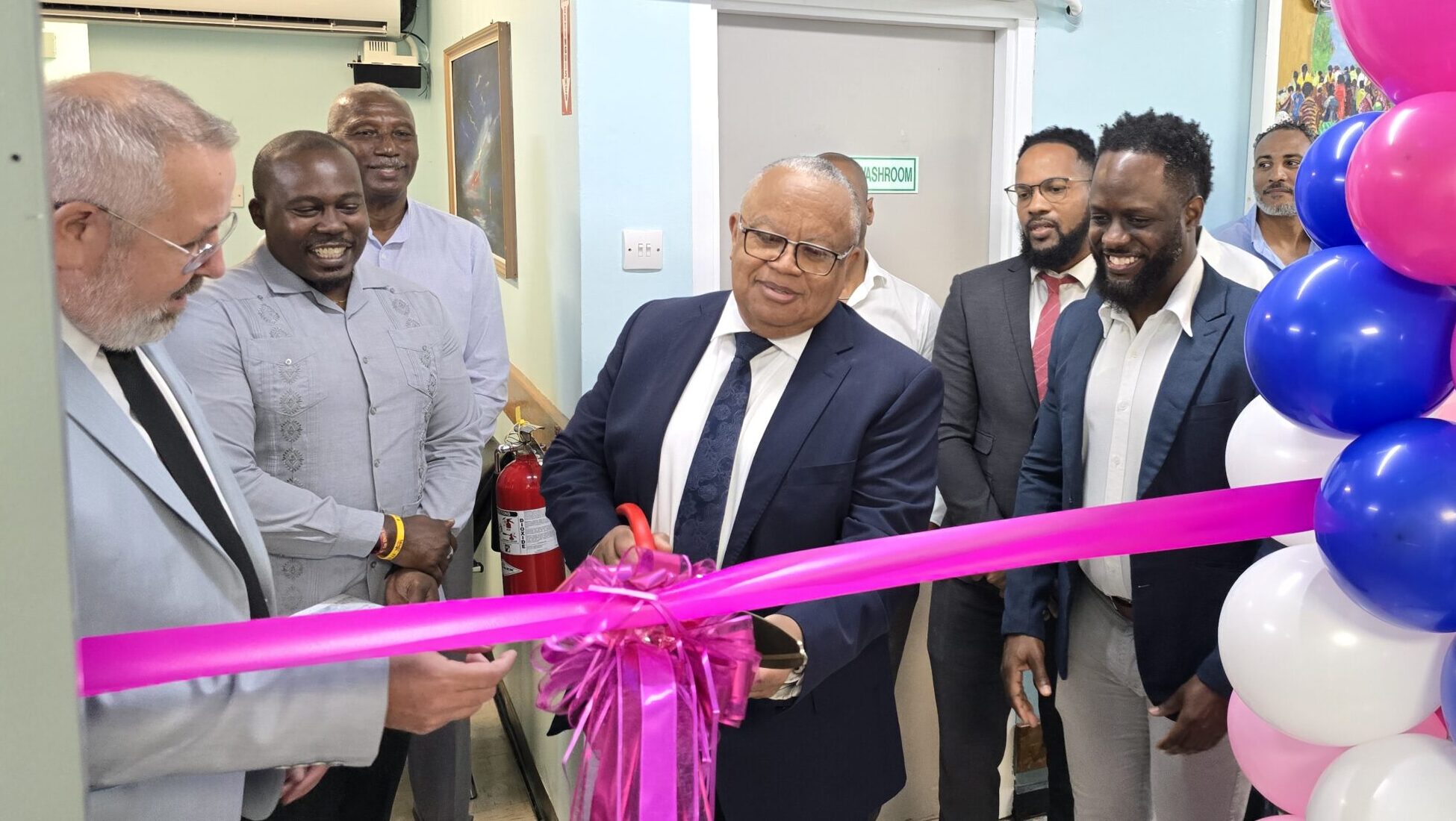
    Barbados has entered a transformative phase in oncology treatment with the operational launch of Queen Elizabeth Hospital’s state-of-the-art Halcyon 4.0 Linear Accelerator (LINAC), marking a significant advancement in the Caribbean’s healthcare landscape. The $10 million radiation therapy system, inaugurated Tuesday, represents the initial step in what Health Minister Senator Jerome Walcott describes as “the transformation of Barbados’ healthcare” system.

    The cutting-edge technology arrives as Barbados confronts a substantial public health challenge: non-communicable diseases and cancer account for approximately 80% of adult deaths, with cancer specifically responsible for 25% of mortality. The system specifically targets prostate, breast, and colon cancers that disproportionately affect the population.

    Medical Physicist Corey Drakes explained the technological breakthrough: “The Halcyon LINAC introduces high-quality CBCT imaging for precise tumor localization. Through intensity-modulated radiation therapy, we can precisely conform radiation to lesions while preserving surrounding healthy tissues, significantly enhancing safety protocols for both patients and medical staff.”

    For patients, this translates to multiple benefits: radiation beams can be shaped more accurately around cancerous areas, minimizing exposure to healthy organs and skin. Treatment sessions become shorter and more comfortable, with reduced side effects. Crucially, patients can now receive world-class radiotherapy without leaving Barbados, remaining close to family support systems during treatment.

    QEH Chief Executive Officer Neil Clarke reported immediate practical benefits, including a dramatic reduction in waiting times for initial oncology consultations from 140 days to under 30 days. “This is life-saving,” Clarke emphasized, noting that six patients have already received treatment through the new system, with plans to address a backlog of over 100 cases within six months.

    The installation positions Barbados as a regional leader in cancer care, with capacity to support Caribbean collaboration, training, and standardized high-quality treatment. Drakes, who underwent specialized training in Washington alongside a radiation therapist, credited the achievement to international partnerships including the International Atomic Energy Agency, Varian Medical Systems, Global Medica, and Washington University Hospital.

    With approximately 150 patients currently dependent on radiotherapy at QEH and ten new cases monthly, the Halcyon system represents both a medical and symbolic victory. As Drakes concluded: “This is a celebration of patients and their courage. Today we begin a new chapter of precision, compassion, and innovation.”

  • Why Barbados cannot slip on vaccines

    Why Barbados cannot slip on vaccines

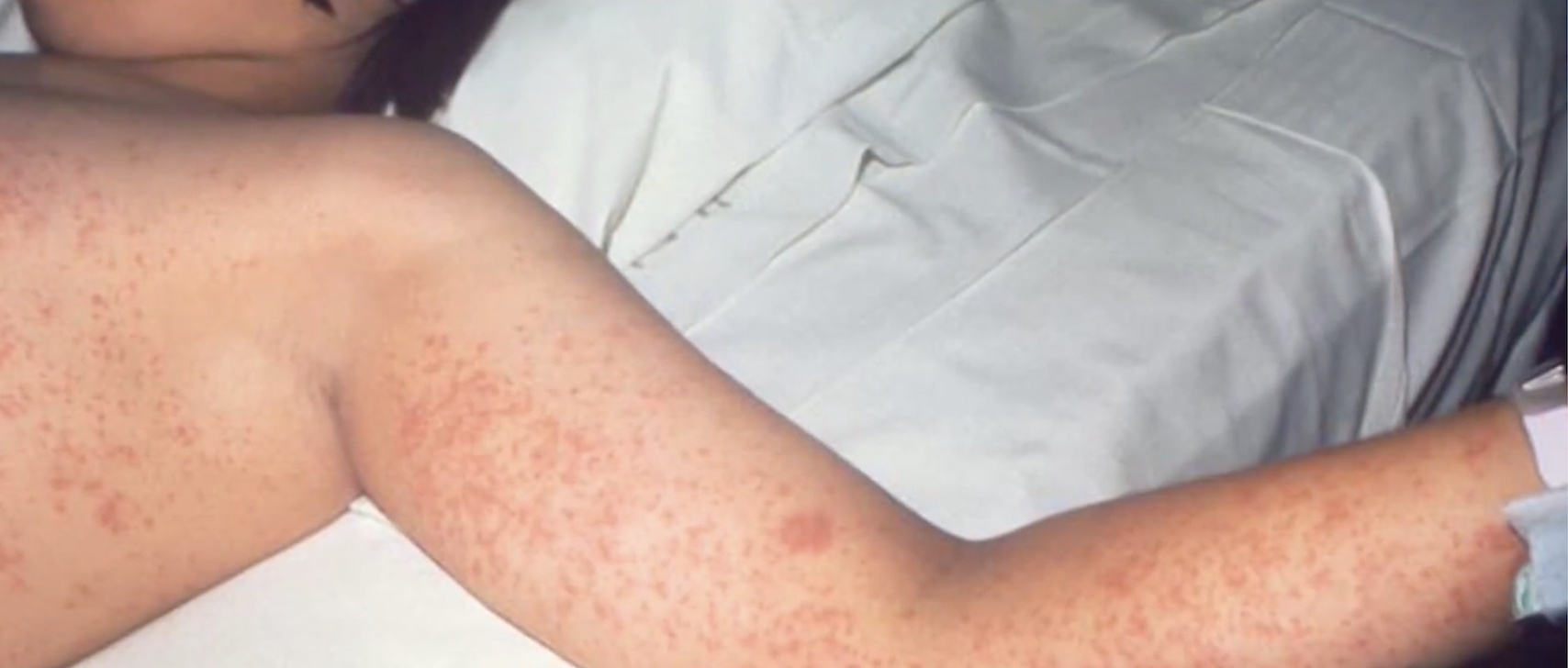
    The Americas, including Barbados, has relinquished its hard-won measles-free certification, triggering urgent public health warnings from the Ministry of Health and Wellness. This reversal stems from resurgent outbreaks in Canada—a primary tourism source for the Caribbean—highlighting how interconnected global travel networks facilitate disease transmission. Chief Medical Officer Dr. Kenneth George emphasized that heightened mobility directly elevates Barbados’ exposure to imported cases.

    Compounding the threat, vaccine misinformation proliferates through digital and social channels, ranging from unintentional misunderstandings to deliberately misleading claims. Notably, skepticism has been amplified by influential figures, including new leadership at the U.S. CDC with a history of vaccine hesitancy. Such misinformation risks delaying or avoiding vaccinations, undermining herd immunity.

    Measles remains a severe and highly contagious disease capable of causing pneumonia, encephalitis, and death. Infected individuals can transmit the virus for days before symptom onset, making containment challenging. Children under five are most vulnerable, though all age groups face risks.

    The proven solution remains the MMR vaccine, administered at 12 and 18 months, which provides 97% lifelong protection. Barbados’ historically robust immunization infrastructure offers a foundation for defense, but sustained success requires public cooperation. Health authorities urge citizens to consult medical professionals—not unverified online sources—and ensure timely vaccinations. Protecting vulnerable populations, including young children and those with chronic conditions, depends on collective adherence to science-based prevention.

  • AZP voert samen met Leiden en Den Haag 15 complexe neurochirurgische operaties uit

    AZP voert samen met Leiden en Den Haag 15 complexe neurochirurgische operaties uit

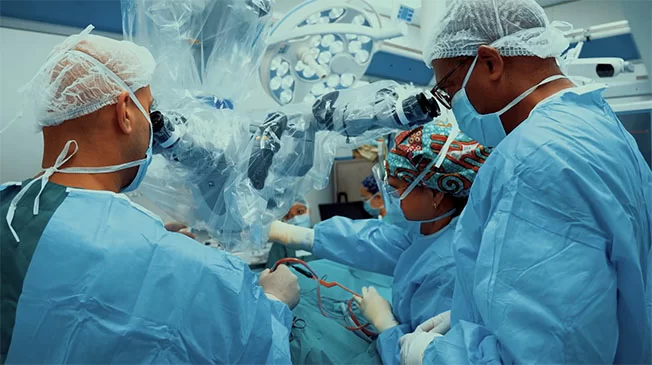
    Paramaribo Academic Hospital (AZP) has achieved a significant milestone in neurosurgical care through its seventh collaborative mission with Dutch medical specialists. From December 2nd, a joint team comprising neurosurgeons from Leiden, The Hague, and Suriname successfully performed fifteen complex brain and spinal procedures on patients with severe neurological conditions.

    The surgical interventions included advanced spinal reconstructions and delicate brain operations, with four pediatric cases among those treated. Several patients presented with existing neurological deficits, while others received preventive care to avoid impending damage. The mission featured a multidisciplinary approach that integrated expertise from maxillofacial surgeons from AZP, The Hague, and Utrecht University Medical Center.

    This ongoing partnership between Suriname’s neurosurgical program and the University Neurosurgical Center Holland has enabled increasingly sophisticated procedures to be performed locally. The collaboration has now progressed to training Surinamese medical professionals, with one candidate currently undergoing specialized training at the Dutch center.

    The surgical team was led by Professor W. Peul, working alongside Surinamese neurosurgeons Dr. H. Kort and Dr. R. Tjong Tjin Joe. They received operational support from Dutch neurosurgeons Dr. R. Nandoe Tewarie and Dr. W. Moojen for the brain surgeries. Critical assistance was provided by various AZP departments including operating theater staff, intensive care units, neurocare teams, and temporary Dutch operating room assistants.

    The Surinamese Ministry of Health provides structural support for this partnership, recognizing its vital role in developing local medical capabilities. The primary benefit remains that patients can now receive high-quality neurosurgical care within their own country, eliminating the need for expensive and logistically challenging medical referrals abroad.

  • Patients’ digital info is secured- Health Minister

    Patients’ digital info is secured- Health Minister

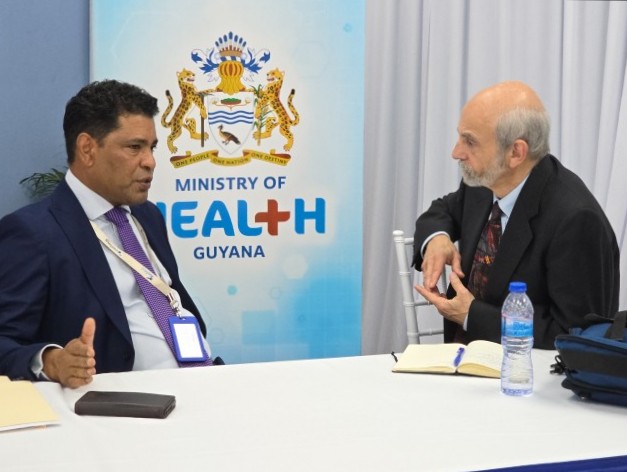
    Guyana’s Health Minister Dr. Frank Anthony has publicly guaranteed the security of citizens’ digitally stored health information, despite the nation’s 2023 Data Protection Act remaining unimplemented. The assurance came during Tuesday’s formal inauguration of the Guyana Digital Health Training Institute (GDHTI), where Anthony emphasized existing protective measures.

    “We have systems in place, we have protocols in place. We’ve done a number of regulations in collaboration with this team from Mount Sinai so health data follows these protocols. This information is not divulged to the general public, and we don’t want it to be because that’s how we will build trust with our patients,” Anthony stated in a press briefing.

    The Minister addressed growing concerns from opposition party APNU, which recently highlighted the absence of the data protection law’s commencement order. Anthony confirmed the Health Ministry’s advocacy for the legislation and expressed confidence that implementation would occur “shortly,” connecting the timeline to the new institute’s training progression and data collection processes.

    The digital health infrastructure gained significant momentum earlier this year through a $3.3 million partnership with UK-based RioMed Limited to establish a comprehensive electronic health records system. This network will enable seamless information sharing across public healthcare providers, potentially revolutionizing patient treatment efficiency. Under the pending legislation, unauthorized access to private patient information could result in substantial penalties—up to GY$20 million for individuals and GY$100 million for corporate entities.

  • Digital Health Institute launched, will train hundreds to deliver high-tech health care

    Digital Health Institute launched, will train hundreds to deliver high-tech health care

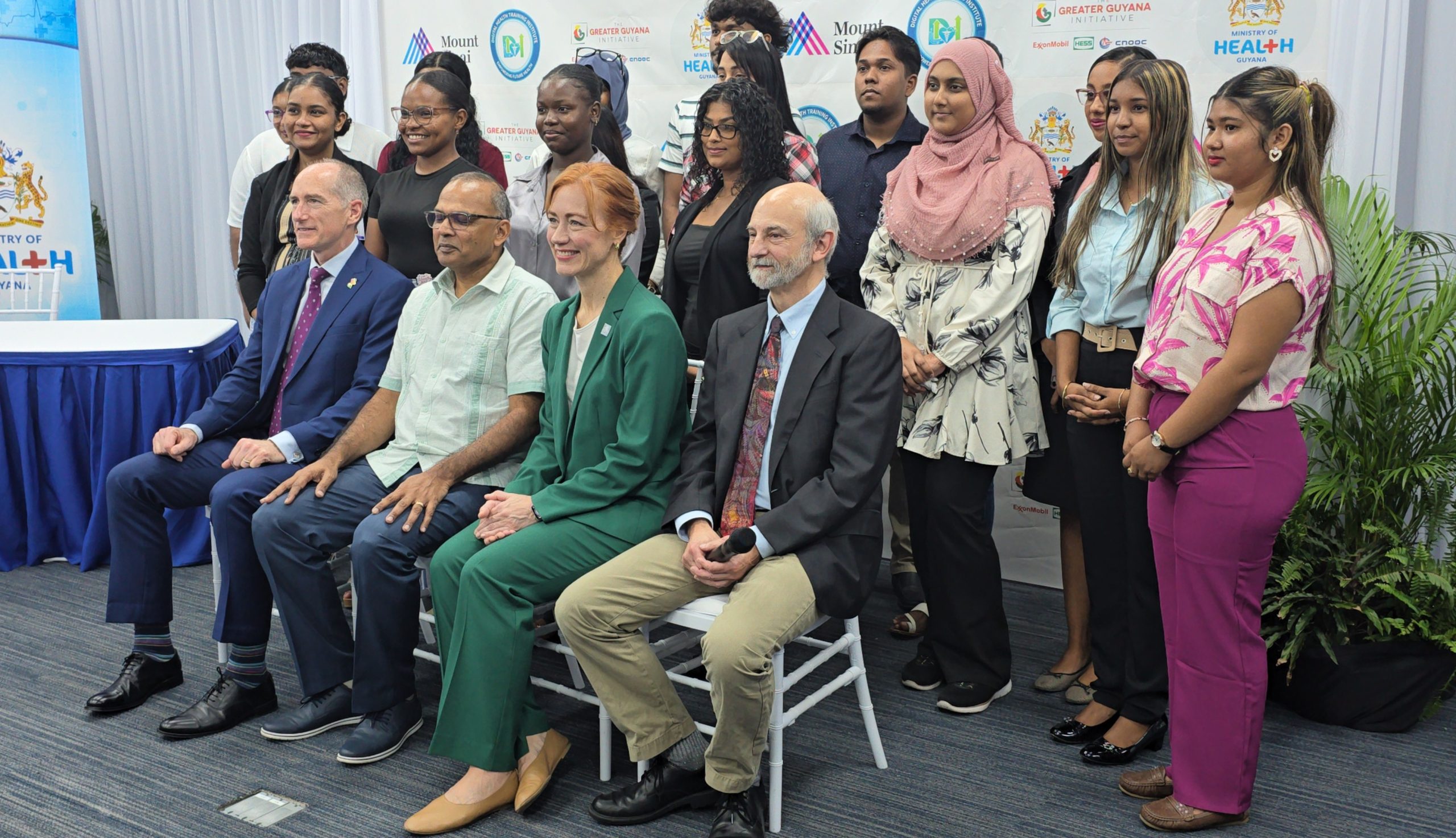
    Guyana has embarked on an ambitious digital healthcare transformation with the formal inauguration of the Guyana Digital Health Training Institute (GDHTI), a pioneering initiative designed to cultivate a new generation of health technology professionals. The $5 million project, unveiled on December 2, 2025, aims to train approximately 250 students over the next three years in critical digital health disciplines.

    The groundbreaking institute represents a collaborative effort between Guyana’s Ministry of Health and New York’s Mount Sinai Health System, with financial backing from the Greater Guyana Initiative—a GYD$20 billion sustainable development fund established by ExxonMobil and Hess. China National Offshore Oil Corporation (CNOOC), holding a 25% stake in the Stabroek Block, contributed an additional $1.25 million to the project.

    Health Minister Dr. Frank Anthony emphasized the institute’s role in addressing technical challenges within Guyana’s healthcare infrastructure. “These students will help resolve technical problems that hospitals currently face, directly improving our existing systems,” Dr. Anthony stated during the launch ceremony.

    Dr. Jeb Weisman, Director of Mount Sinai’s Arnhold Institute for Global Health, outlined the institute’s comprehensive mission to develop a digital health workforce capable of enhancing patient care, improving patient engagement, and advancing scientific research. “Our goals are to establish the Institute as an integral part of the Ministry of Health and build a robust skilled workforce of technicians, data scientists, trainers and support staff throughout the country,” Weisman explained.

    The training curriculum will focus on three primary domains: user support health, data science, and digital systems management. Dr. Rachel Vreeman, Executive Director of Mount Sinai’s Guyana Health Initiative, highlighted the program’s potential to create new career pathways and establish “a long-term pipeline of expertise rooted right here in Guyana.”

    ExxonMobil Guyana President Alistair Routledge positioned the initiative as a regional leadership endeavor, noting that GDHTI would enable Guyana to “lead the way in the Caribbean in bringing digital systems and data management to bear to improve health outcomes.”

    The institute forms part of Guyana’s broader strategy to develop a connected, patient-centered, and data-driven healthcare network. Despite challenges with electricity connectivity affecting nearly 450 health facilities, the Ministry has been implementing solar power and alternative connectivity solutions. Currently, 81 centers across remote regions already provide telemedicine services, with plans to expand to 50 additional sites by early 2026.

  • Antigua and Barbuda Holistic Coalition Launches ‘Everyday Mental Wellness’ Pocket Cards

    Antigua and Barbuda Holistic Coalition Launches ‘Everyday Mental Wellness’ Pocket Cards

    In a significant move to bolster community mental health resources, the Antigua and Barbuda Holistic Coalition (ABHC) has unveiled innovative ‘Everyday Mental Wellness’ pocket cards. This initiative, spearheaded by the organization’s Founder and President Cerene Prince, seeks to integrate practical mental health support into daily life across various sectors including educational institutions, workplaces, and broader community environments.

    The newly introduced cards are designed with user-friendly, actionable guidance that empowers individuals to seamlessly incorporate minor yet effective mental wellness practices into their everyday routines. This launch represents a strategic component of the Coalition’s comprehensive framework aimed at enhancing early intervention mechanisms and fostering robust coping strategies among youth and families.

    Concurrent with this rollout, ABHC has detailed ambitious expansions for its Youth Mental Health Care and Education Scholarship Fund. This program is structured to alleviate financial barriers by subsidizing critical services such as professional counseling, medication management, and comprehensive psychological evaluations. Further augmenting this effort, the Coalition will deploy a series of subsidized workshops for parents, specialized mental health first-aid training for youth advocates, and targeted professional development programs for educators.

    President Prince emphasized that these pocket cards are a cornerstone in the organization’s mission to democratize access to mental health tools. She reiterated that sustained community engagement and collaborative involvement are indispensable for achieving tangible improvements in the mental wellbeing of younger generations.

  • Bird Flu outbreak at Cayman farm

    Bird Flu outbreak at Cayman farm

    Health authorities in the Cayman Islands have confirmed a significant outbreak of H5N1 avian influenza at a commercial farm in Grand Cayman, triggering immediate containment protocols and nationwide alerts for animal owners. The discovery emerged following the unexplained death of multiple turkeys on November 28th, with subsequent laboratory analysis confirming the presence of the highly pathogenic bird flu strain.

    Government agencies have launched a comprehensive emergency response, confirming infection across 69 birds of various species including chickens, turkeys, quails, domesticated ducks, and wild whistling ducks and geese. In accordance with international health protocols, all infected birds have been systematically culled to prevent further viral spread.

    Local response teams have initiated extensive depopulation operations within the affected zone, targeting both domesticated animals and wild bird populations to establish containment buffers. The Cayman Islands government has issued urgent advisories to all animal owners, emphasizing heightened vigilance and immediate reporting of any unusual symptoms in pets or livestock.

    While no additional outbreaks have been identified beyond the initial infection site, and no human transmission cases have been documented, health officials maintain elevated surveillance levels. The incident marks the territory’s first confirmed avian influenza outbreak this season, prompting coordination with international health organizations to monitor potential spread patterns.

  • 24/7 service at St Joseph Health Centre

    24/7 service at St Joseph Health Centre

    In a transformative move for Trinidad’s healthcare landscape, the North Central Regional Health Authority (NCRHA) has implemented round-the-clock general practice services at the St Joseph Enhanced Health Centre effective December 1st. This strategic expansion represents a significant advancement in making primary healthcare accessible beyond conventional operating hours.

    The initiative, unveiled through an official December 3rd announcement, aims to substantially alleviate patient overload at the Eric Williams Medical Sciences Complex (EWMSC). Health authorities emphasize that this 24/7 operational model will particularly benefit working families and caregivers who previously struggled to access medical services during standard business hours.

    According to the NCRHA, patients can anticipate enhanced convenience, minimized treatment delays, and considerably reduced waiting times. The round-the-clock availability is projected to create systemic improvements across the healthcare network by redirecting non-emergency cases from the Accident and Emergency Department at Mt Hope to the St Joseph facility for prompt attention.

    This development occurs under the guidance of Health Minister Dr. Lackram Bodoe and newly appointed NCRHA chairman Dr. Tim Gopeesingh, who stated: “By extending our hours, we aim to make high-quality healthcare more accessible to every citizen. This service reflects our commitment to strengthening primary care while ensuring people receive appropriate medical attention when they need it most.”

    The St Joseph Enhanced Health Centre will maintain its walk-in general practice services for diverse medical conditions, aligning with the NCRHA’s comprehensive strategy to modernize and expand primary healthcare infrastructure throughout the region.