分类: health

  • Saint Lucia steps up watch as India confirms Nipah virus cases

    Saint Lucia steps up watch as India confirms Nipah virus cases

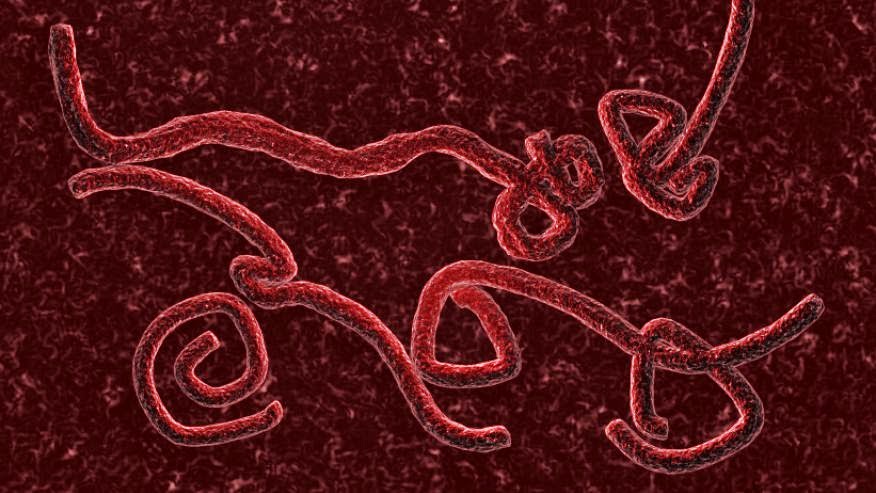
    The Caribbean nation of Saint Lucia has escalated its public health monitoring protocols in response to confirmed Nipah virus cases detected in Kolkata, India, on January 13. While international health assessments maintain that the Caribbean region faces minimal risk, health authorities are implementing precautionary measures due to the virus’s historical fatality rates of 40-75% and absence of approved vaccines or treatments.

    Health officials note that the Nipah virus, primarily carried by fruit bats and first identified in 1999 during outbreaks among pig farmers in Malaysia and Singapore, has never been recorded in human cases outside Asia. Transmission occurs through infected animals, contaminated fruit products, and human-to-human contact in close quarters.

    Saint Lucia’s surveillance enhancement includes strengthened port controls and healthcare facility monitoring, with multi-sectoral coordination between agricultural, veterinary, and public health education departments. Infection control protocols are being reinforced, and early detection systems with isolation procedures are undergoing comprehensive review.

    The island nation currently lacks local testing capabilities for the virus, with plans to route potential samples to the Caribbean Public Health Agency’s reference laboratory if needed. Health authorities acknowledge global travel patterns as a consideration, noting that Saint Lucia’s primary tourism markets—the United States and United Kingdom—are among the top destinations for travelers originating from India.

  • Belize records two ‘imported’ cases of malaria

    Belize records two ‘imported’ cases of malaria

    Health authorities in Belize have confirmed two new malaria infections, though both cases have been classified as imported with transmission occurring outside national borders. The Ministry of Health and Wellness identified the cases in Crique Sarco Village within the Toledo district, emphasizing that while the infections were acquired externally, they underscore persistent malaria risks in neighboring nations and the ongoing threat of disease reintroduction through travel channels.

    The ministry issued updated guidance urging travelers visiting rural, forested, or border regions of adjacent countries to implement comprehensive mosquito bite prevention strategies. This advisory comes despite Belize’s official malaria-free certification from the World Health Organization, awarded in June 2023, which remains unaffected by these imported cases.

    Belize’s health system maintains enhanced surveillance and response protocols to prevent the reestablishment of local malaria transmission. Health officials note that malaria symptoms typically emerge 7-30 days post-infection, advising that any travelers experiencing fever or flu-like symptoms should promptly seek medical attention while disclosing their recent travel history.

    The nation’s public health facilities provide complimentary testing and treatment services, with additional access through community health workers and malaria voluntary collaborators. In a related health advisory, the ministry confirmed maintained laboratory capacity for Chikungunya and Zika virus testing, referencing current regional health alerts. No local transmission of Chikungunya has been recorded since 2016, with Zika virus transmission absent since 2017.

    The Ministry of Health and Wellness continues to advocate for public cooperation with health authorities and consistent practice of mosquito bite prevention measures to preserve Belize’s public health achievements and malaria-free status.

  • WRHA reports stable STI and HIV trends in western Jamaica

    WRHA reports stable STI and HIV trends in western Jamaica

    Health authorities in western Jamaica report a period of epidemiological stability for sexually transmitted infections (STIs) and human immunodeficiency virus (HIV), with rates holding relatively constant over a recent three-year span. Data from the Western Regional Health Authority (WRHA) indicates only minor fluctuations, dispelling notions of a significant surge. According to Dr. Tanesha Hickman, the WRHA’s Regional Priority Communicable Disease Coordinator, a slight uptick observed in 2024 has since subsided, with 2025 figures returning to the baseline established in 2023. A parallel trend of stability has been documented for HIV cases across the region. Despite this overall steadiness, a persistent and troubling pattern has emerged: young adults aged 20-29 continue to constitute the demographic most severely impacted by these infections. This cohort, recognized for its high social and sexual activity, is followed by the 30-39 age group in prevalence. Health officials are intensifying focus on vulnerable populations who encounter significant barriers—including social stigma, economic hardship, and limited healthcare access—which exacerbates their risk and often results in infection rates that exceed the general population’s. The WRHA is championing targeted interventions, emphasizing that tailored education, outreach, and prevention programs are crucial for curbing transmission. Furthermore, clinic data reveals a higher reporting of STIs among women, a statistic Dr. Hickman attributes to more proactive health-seeking behaviors in women rather than a lower actual infection rate in men. This ongoing public health effort was recently highlighted during Jamaica’s national Safer Sex Week, held under the theme ‘Tek Charge: Safer Sex with Endless Possibilities!’, reinforcing the message of responsible sexual practices and routine testing.

  • Public Health inaugurates Air Entry Point office at Las Américas Airport

    Public Health inaugurates Air Entry Point office at Las Américas Airport

    Santo Domingo has taken a significant step in strengthening its national health security infrastructure with the formal inauguration of a specialized Air Entry Point office at Las Américas International Airport (AILA). The new facility, launched under the leadership of Health Minister Víctor Atallah, represents a strategic government initiative designed to enhance prevention capabilities, improve detection mechanisms, and ensure rapid response to potential public health threats entering through the country’s primary aviation gateway.

    Minister Atallah characterized the project as a critical state decision reflecting the realities of our interconnected global landscape, where national preparedness directly contributes to international health security. Beyond its primary health protection function, the minister emphasized the office’s economic importance, noting that robust health controls at entry points simultaneously safeguard the nation’s vital tourism industry and support sustained economic development.

    The operational enhancement was further elaborated by Deputy Minister of Risk Management and Health Gina Estrella, who identified the facility as a substantial advancement in fortifying both the National Public Health System and the country’s comprehensive health security framework. The office has been established in full compliance with the International Health Regulations (IHR) mandated by the World Health Organization, providing essential infrastructure for early identification of health risks, including potential infectious disease outbreaks.

    International health authorities have welcomed this development. Alba María Ropero Álvarez, representing the Pan American Health Organization (PAHO/WHO) in the Dominican Republic, commended the achievement, underscoring the critical function that airports serve within the IHR framework for maintaining health security at national, regional, and global levels.

  • Why is Cuba prioritizing the development of pneumococcal vaccines?

    Why is Cuba prioritizing the development of pneumococcal vaccines?

    The Finlay Vaccine Institute of Cuba is making significant strides in developing advanced pneumococcal vaccines, with two candidates—Quimi-Vio 11 and Quimi-Vio 16—progressing through accelerated development pathways. This initiative aims to safeguard vulnerable populations using proven conjugation technology that has demonstrated both efficacy and safety.

    Quimi-Vio 11, currently in Phase II-III clinical trials, represents a groundbreaking approach by targeting both older adults and infants. The vaccine candidate incorporates four additional serotypes beyond the original heptavalent formula, addressing serotypes with significant disease incidence. Adult trials are underway in Havana health institutions, while pediatric studies are being conducted in Cienfuegos, Santiago de Cuba, and soon expanding to the capital.

    The development builds upon the success of Quimi-Vio® (heptavalent), which received national registration in 2024 after demonstrating remarkable effectiveness. In Cienfuegos province, where 93% of children aged 1-5 were vaccinated between 2017-2019, mortality rates from pneumococcal meningitis and other invasive diseases dropped from 3.1-9.1 per 10,000 infants to zero—a reduction that has been maintained despite the COVID-19 pandemic.

    Dr. Darielys Santana Medero, head of the pneumococcal vaccine project, emphasized the severity of Streptococcus pneumoniae infections, which cause approximately 1.6 million global deaths annually according to WHO estimates. The bacterium leads to invasive diseases including acute meningitis, pneumonia with pleural effusion, and bloodstream infections, particularly affecting children under five and elderly populations.

    The institute’s director general, Dr. Yury Valdés Balbín, highlighted the unique advantages of their conjugation platform technology, which has enabled rapid development of the new candidates. Quimi-Vio 16, targeting 16 serotypes, is already undergoing animal model evaluations, adding five epidemiologically relevant serotypes beyond the Quimi-Vio 11 formulation.

    The vaccine program, ongoing for over two decades, represents a significant achievement of Cuban biotechnology, overcoming substantial scientific, chemical, and technological challenges. The name ‘Quimi-Vio’ honors scientist Violeta Fernández Santana, a principal researcher and promoter of the project who passed away in 2011.

  • Minister of Health Commends Partners as Landmark Dental Clinic Delivers Over USD $1.5 Million in Free Care

    Minister of Health Commends Partners as Landmark Dental Clinic Delivers Over USD $1.5 Million in Free Care

    A groundbreaking dental healthcare initiative in Antigua and Barbuda has demonstrated the transformative power of public-private partnerships in addressing critical healthcare needs. The ‘1000 Smiles Dental’ program, a collaborative effort between the Ministry of Health, Sandals Foundation, and Great Shape Inc., provided comprehensive dental services valued at over $1.57 million during a two-week intensive clinic held from January 19-30 at the Multipurpose Cultural and Exhibition Centre.

    The unprecedented outreach delivered 8,481 individual dental procedures to 1,596 patients, with 3,575 citizens receiving completely free dental care and oral health education. The clinical services included 728 cleanings, 1,020 extractions, 46 root canals, 586 fillings, 493 fluoride treatments, 463 sealants, and 1,026 X-rays—services that would typically cost millions through private channels.

    Beyond immediate clinical intervention, the program emphasized preventive care through the distribution of 7,561 oral hygiene kits containing toothbrushes, toothpaste, and dental floss. Educational outreach reached 2,707 children, equipping the next generation with essential knowledge for maintaining oral health.

    The success was made possible through the dedicated service of 121 volunteer dental professionals who donated their expertise to restore dental health, alleviate pain, and improve quality of life across communities.

    Health Minister Sir Molwyn Joseph expressed both appreciation for the initiative’s success and concern about the underlying healthcare access issues it revealed. The overwhelming public response highlighted significant unmet dental care needs among Antiguans who cannot afford private treatment. In response, the government announced plans to expand dental services within the public healthcare system to ensure more sustainable access.

    The initiative aligns with United Nations Sustainable Development Goal 3, focusing on affordable, accessible healthcare for all. This program follows another successful medical outreach in May 2025 conducted with United Hands Inc. and the Seventh-day Adventist Church, demonstrating the continued value of nonprofit and faith-based partnerships in healthcare delivery.

    The Ministry of Health has committed to pursuing similar collaborations in the future, recognizing that strategic partnerships are essential for providing equitable, accessible, and quality healthcare to all citizens.

  • AHF Jamaica champions youth sexual health ahead of International Condom Day 2026

    AHF Jamaica champions youth sexual health ahead of International Condom Day 2026

    KINGSTON, Jamaica — In a significant public health initiative timed with Safer Sex Week 2026, the AIDS Healthcare Foundation (AHF) Jamaica is intensifying its advocacy for comprehensive sexuality education in schools while solidifying its position as a leading health partner across the nation. The campaign precedes the globally recognized International Condom Day, underscoring a dual commitment to education and accessible healthcare.

    AHF Jamaica’s outreach directly engaged over 127 young individuals in Kingston, St. Andrew, and St. Ann through evidence-based, rights-centered educational sessions. The program launched on February 10 at Calabar High School, Haile Selassie High School, and Kingston Technical High School, focusing on students aged 16–18. Critical topics included sexual and reproductive health and rights (SRHR), human rights, consent, and the prevention and treatment of sexually transmitted infections (STIs).

    Rather than avoiding sensitive subjects, the initiative fostered a secure and respectful environment that connected informal youth dialogues with medically accurate information. By framing discussions within the context of human rights and bodily autonomy, AHF emphasized that safer sex practices encompass not only physical protection but also empowerment, dignity, and informed choice.

    Mario Smith, a Health and Family Life Education teacher at Haile Selassie High School, praised the collaboration: “We are so grateful for this partnership. With widespread misinformation, especially on social media, AHF brought essential knowledge directly to students, enabling healthier life decisions.”

    The effort expanded on February 11 with a session at Moneague College in St. Ann, conducted alongside the North East Regional Health Authority (NERHA). In addition to SRHR and STI education, students received dedicated instruction on pap smears and human papillomavirus (HPV), demystifying the procedure and addressing common apprehensions that deter proactive health measures.

    Mikayla Brown, a Moneague College student, reflected: “This was a refreshing experience. We learned about pap smears, STIs, and the risks of unprotected sex. I hope AHF visits more often—every student should hear this.”

    The week’s activities will conclude with AHF Jamaica’s flagship International Condom Day event on February 20 at the St. Ann Medical Wellness Centre. Although International Condom Day is officially observed on February 13, the health fair will extend the celebration of prevention by providing free HIV testing, pap smears, and other vital services to the broader community.

    Kayla Wright, Advocacy Manager at AHF Jamaica, asserted: “Young people deserve comprehensive, accurate, and rights-based sexuality education. Silence and stigma do them a disservice. Equipping youth with knowledge about consent and protection empowers responsible decision-making. Informed youth are the foundation of safer sex.”

    This year’s message is clear: integrating open dialogue, scientific education, and community health services is crucial to fostering a generation of Jamaicans who are informed, empowered, and in control of their well-being.

  • Portland Health Department rolls out blood pressure screenings for Heart Month

    Portland Health Department rolls out blood pressure screenings for Heart Month

    PORTLAND, Jamaica – The Portland Health Department has initiated an extensive parish-wide blood pressure screening campaign throughout February in recognition of Heart Month, marking a significant push to enhance cardiovascular wellness among local residents.

    This collaborative endeavor with the National Health Fund (NHF) operates under the thematic banner ‘Love Your Heart, Check Your Blood Pressure,’ emphasizing preventive healthcare measures. Medical Officer of Health Dr. Sharon Lewis announced that the program commenced on February 11 during a specialized clinic for barbers and hairdressers, conducted within the Portland Health Department’s conference facilities.

    Addressing the Portland Municipal Corporation’s monthly assembly on February 12, Dr. Lewis detailed the comprehensive schedule of upcoming screening events. Additional blood pressure assessments will be conducted at food handlers’ clinics across all three health districts within the parish. Specific community locations include Buff Bay Methodist Church yard and Fairy Hill Health Centre on Thursday, February 19, followed by participation in a health fair at the College of Agriculture, Science and Education (CASE) on February 26.

    Dr. Lewis indicated that further venues are currently being finalized, with complete details to be publicly communicated once arrangements are confirmed. She actively encouraged residents to utilize these complimentary services, advising community members to watch for community health aides conducting screenings near major township centers throughout the parish.

    The initiative has established an ambitious target of screening 2,000 individuals during the awareness period. Dr. Lewis delivered these updates while presenting Portland’s January 2026 health status report, noting the parish maintained generally favorable health conditions throughout the month.

    Regarding syndromic surveillance, authorities recorded 32 cases of undifferentiated fever, all presenting at designated sentinel sites across Portland. This represents a significant reduction from the 63 cases documented in December 2025 and aligns closely with the 34 cases observed in November 2025.

    A parallel downward trend was observed in fever and respiratory cases, with only six instances reported – a 73% decrease from December’s 208 cases during the seasonal influenza-like illness surge. This figure corresponds with the 51 cases documented in November 2025. Dr. Lewis confirmed both undifferentiated fever and influenza-like illnesses are returning to endemic levels of approximately 10 cases weekly, indicating stabilization of community health trends.

  • Wereld Kinderkankerdag: Samen bouwen aan hoop, zorg en betere overleving

    Wereld Kinderkankerdag: Samen bouwen aan hoop, zorg en betere overleving

    February 15th marks the annual observance of International Childhood Cancer Day, a global initiative dedicated to raising awareness and demonstrating solidarity with children and adolescents battling cancer alongside their families. The 2026 campaign carries the poignant theme “Together We Build Hope,” highlighting the critical importance of collaborative efforts in enhancing survival rates, improving care quality, and ultimately transforming patient outcomes worldwide.

    Childhood cancer remains one of the leading causes of mortality among children globally, with approximately 400,000 new cases diagnosed annually. Suriname faces its own share of this challenge, reporting between 15 to 20 new pediatric cancer cases each year. Statistical data reveals that about 60% of these cases involve blood cancers (leukemia) and lymphatic system cancers (lymphomas).

    The most prevalent childhood cancer manifestations include:
    – Leukemia (blood cancer)
    – Brain tumors
    – Lymphomas (cancer of the lymphatic system)
    – Solid tumors such as neuroblastoma and nephroblastoma (Wilms tumor)

    Unlike adult cancers, pediatric malignancies frequently lack identifiable causes, with environmental factors and lifestyle choices typically playing minimal roles in disease development. These conditions primarily stem from uncontrolled cellular growth within developing biological systems.

    Treatment methodologies encompass chemotherapy, radiation therapy, and surgical interventions, tailored according to cancer type and detection stage. Medical professionals emphasize that early recognition and rapid diagnosis significantly improve treatment success probabilities and survival outcomes.

    Beyond medical interventions, comprehensive psychosocial support proves indispensable throughout the treatment journey. Family, friendship networks, and community engagement collectively create crucial support systems that help children endure treatments more effectively while strengthening families during profoundly challenging periods.

    In Suriname, International Childhood Cancer Day serves as a platform for amplifying awareness, fostering collaborative partnerships, and encouraging societal engagement. The central message remains unequivocal: only through unified global action can we genuinely expand hope for children confronting cancer diagnoses.

    The collective commitment resonates across nations: united we stand stronger—for our children, for their future.

  • NCD-afdeling krijgt groen licht voor uitvoering jaarplan 2026

    NCD-afdeling krijgt groen licht voor uitvoering jaarplan 2026

    Suriname’s Ministry of Health has formally approved an ambitious national strategy to address the growing burden of non-communicable diseases (NCDs) through a structured five-pillar approach for 2026. Health Minister André Misiekaba officially endorsed the comprehensive plan presented by the NCD Department focal point Cheshta Sewtahal and her team, signaling strong governmental commitment to tackling cardiovascular diseases, diabetes, cancer, and chronic respiratory conditions.

    The strategic framework centers on five critical domains: development of public policy and advocacy initiatives; health promotion and preventive measures; integrated care for both NCDs and mental health; enhanced surveillance, monitoring and evaluation systems; and strengthened cross-sectoral collaboration. Each priority area has been developed into specific core activities with measurable implementation targets for the coming year.

    Despite the comprehensive planning, officials acknowledged significant structural challenges including the absence of a national NCD policy coordination mechanism, constrained financial and human resources, and inadequate regulatory frameworks. The department emphasized that effective NCD management requires an integrated approach combining prevention, early detection, and quality care delivery.

    Key expected outcomes for 2026 include quality improvement in NCD care through HEARTS initiative implementation, accelerated execution of national prevention plans, establishment of a functional NCD and mental health surveillance system, integration of mental health services into primary care, and reinforcement of legal frameworks and intersectoral cooperation.

    With ministerial authorization now secured, the NCD department is positioned to execute a coordinated, evidence-based approach aimed at reducing disease prevalence and improving national health outcomes across Suriname.