分类: health

  • Diakonessenhuis breidt zorg uit met gespecialiseerde Pijnpoli

    Diakonessenhuis breidt zorg uit met gespecialiseerde Pijnpoli

    In a significant healthcare advancement for Suriname, Diakonessenhuis Hospital has established the country’s only officially accredited Pain Medicine Clinic, complete with a registered anesthesiologist-pain specialist. This specialized facility addresses the growing demand for expert care among patients suffering from chronic and complex pain conditions.

    The clinic’s emergence responds to two critical healthcare trends: population aging and the rising prevalence of chronic diseases. The Pain Clinic specifically serves patients experiencing persistent pain for more than three months, recognizing that chronic pain requires fundamentally different treatment approaches compared to acute pain from surgeries or accidents.

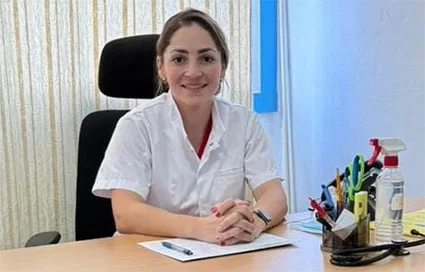
    Medical director Raïssah Ho-Asjoe, Suriname’s sole registered anesthesiologist-pain specialist, leads the clinic with particular expertise in oncological pain management. Meanwhile, colleague Gonzalez Alvarez focuses on acute pain treatment within the hospital, creating a comprehensive pain care ecosystem.

    The clinic employs a multifaceted treatment methodology combining:
    – Analgesic medications for pain relief
    – Co-analgetic supportive medications
    – Interventional procedures including pain block techniques
    – Non-invasive therapies such as transcutaneous electrical nerve stimulation

    Treatment success is measured by an international standard of achieving at least 50% pain reduction—a target frequently realized in practice. This achievement enables patients to better manage their discomfort and significantly improve daily functioning.

    The clinic demonstrates particularly remarkable outcomes in palliative and end-of-life care, where enhancing both quality of life and quality of dying remains paramount. This specialized approach positions Diakonessenhuis as a pioneer in comprehensive pain management within Suriname’s healthcare landscape.

  • CHR receives scrubs valued at $2m from US apparel company and charities

    CHR receives scrubs valued at $2m from US apparel company and charities

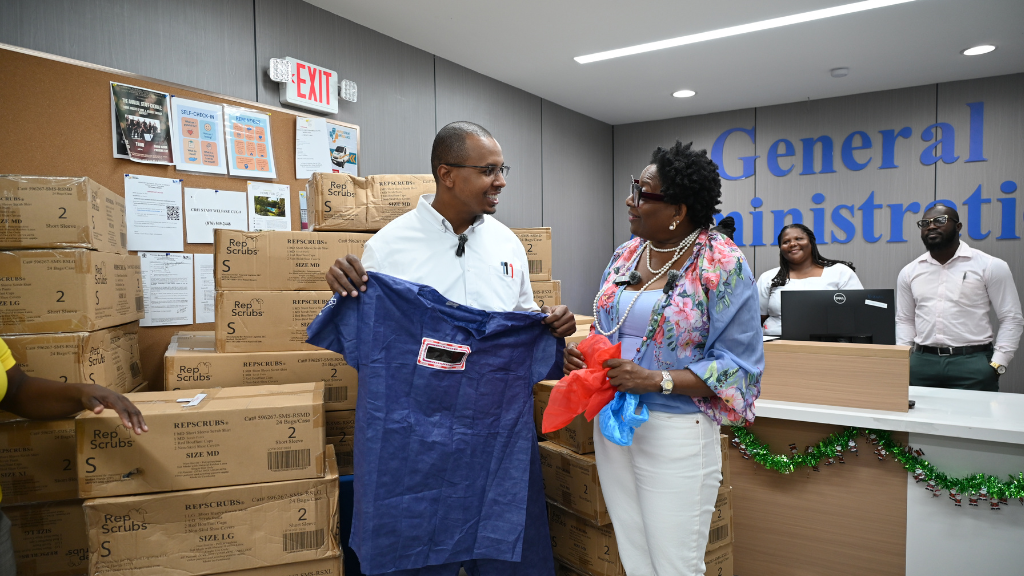
    A significant international medical donation has reached Cornwall Regional Hospital in St. James, Jamaica, providing crucial support to healthcare workers grappling with post-hurricane recovery challenges. US-based medical apparel company RepScrubs, in collaboration with Jamaican charity Sarah’s Children and Florida-based Jamaican-born nurse administrator Rolene Kerr Bowlin, has contributed over 1,400 disposable medical scrubs valued at approximately $2 million.

    The contribution was formally accepted by Dr. Dwayne Hall, Chief of Surgery, alongside the hospital’s administrative leadership team. This strategic partnership addresses both immediate operational needs and long-term infection control priorities at the medical facility, which continues to operate under strained conditions following Hurricane Melissa.

    Janet Silvera, Chairman of Sarah’s Children, emphasized the targeted nature of the initiative, explaining that the effort specifically focuses on bolstering frontline medical personnel during this critical recovery phase. “Within operating theaters and clinical environments, scrubs transcend mere uniforms—they constitute an essential protective barrier,” Silvera noted. “Single-use scrubs substantially diminish cross-contamination risks, guaranteeing that medical professionals commence surgical procedures in sterile, uncontaminated attire for each operation.”

    Dr. Hall detailed the substantial operational impact of this donation, highlighting that laundering reusable scrubs represents one of the institution’s most significant recurring expenditures. “The availability of these 1,400+ disposable units dramatically reduces our laundry expenses,” he stated. “This inventory will serve the hospital for several months, generating considerable cost savings while simultaneously enhancing efficiency across our surgical and clinical areas.”

    The Chief of Surgery further emphasized the infection prevention benefits in a high-volume public healthcare setting, noting that “disposable scrubs effectively eliminate risks associated with reuse and handling procedures, thereby reducing hospital-acquired infections and safeguarding both patients and medical staff.”

    Silvera revealed that the donation was rapidly coordinated after Florida-based partners alerted RepScrubs CEO Jeffrey Feuer to the severe challenges facing Jamaica’s health sector post-hurricane. Two pallets of medical scrubs were promptly shipped to the island, with the National Health Fund facilitating accelerated customs clearance.

    Hospital management characterized the contribution as exceptionally timely support that alleviates financial pressures while maintaining elevated patient care standards. The administration particularly highlighted the vital role of international collaborations and diaspora engagement in reinforcing Jamaica’s public health infrastructure during national recovery periods.

  • Avoiding aches, injuries during the holidays

    Avoiding aches, injuries during the holidays

    As Christmas approaches, a concerning trend emerges: countless individuals inadvertently pushing their bodies beyond limits through festive preparations. Dr. Nicole de Freitas, a seasoned physical therapist with 23 years of experience and clinical doctorate from the University of St Augustine for Health Sciences, warns that December’s intensified activities—from decorating to entertaining—create perfect conditions for physical strain and injury.

    Dr. de Freitas, owner of Total Rehabilitation Centre Limited in Trinidad and certified ergonomic specialist, emphasizes that ergonomics extends far beyond office environments. “Ergonomics represents the study between job characteristics and the worker,” she explains, noting that ‘job’ encompasses parenting, household management, cooking, and seasonal decorating. The Christmas period particularly amplifies both mental and physical demands, requiring heightened body awareness and movement intelligence.

    According to her research, most injuries occur when exhaustion sets in—typically late in the day when people override their body’s signals. The holiday combination of limited rest, alcohol consumption, and nutritional compromises creates a vulnerability cascade where bodies eventually “break down” without proper support.

    The specialist provides specific preventive strategies:

    For heavy lifting: Secure assistance for items exceeding 50 pounds, and break loads into manageable 20-25 pound segments. When retrieving overhead items, use sturdy ladders with staggered stance positioning.

    For decorating: Utilize stools for low-level work to avoid bending, maintain proximity to tasks, and alternate between sitting and standing positions during extended activities like gift wrapping.

    For cooking marathons: Segment tasks—sitting for vegetable chopping or leaf folding—and wear cushioned footwear with arch support rather than flat slippers. Avoid asymmetrical “stork standing” and practice knee bending instead of waist flexion when handling heavy turkeys or hams.

    For travelers: Acknowledge that seated positions increase spinal disc pressure significantly. Combat stiffness through frequent movement breaks, supplemental back support with towel rolls or pillows, and compression stockings for circulation. Maintain legroom for stretching and utilize neck pillows for additional support.

    For shoppers: Distribute weight through multiple trips, consider trolleys instead of carrying loads, and recognize when to pause.

    When injuries occur, Dr. de Freitas recommends immediate position changes followed by gradual movement within tolerable ranges—avoiding complete immobilization. Persistent pain beyond 48 hours, especially when accompanied by sharp sensations, weakness, or bladder/bowel control issues, warrants urgent medical attention.

    Her overarching philosophy: “Your best posture is your next posture.” Regular movement, maintained strength, nutritional density, and proper hydration collectively sustain the body machine. Most importantly, she reminds perfection-seekers that meaningful celebrations don’t require flawless execution—preserving one’s wellbeing ultimately defines successful holiday experiences.

  • Barbadians encouraged to use services on Chinese hospital ship

    Barbadians encouraged to use services on Chinese hospital ship

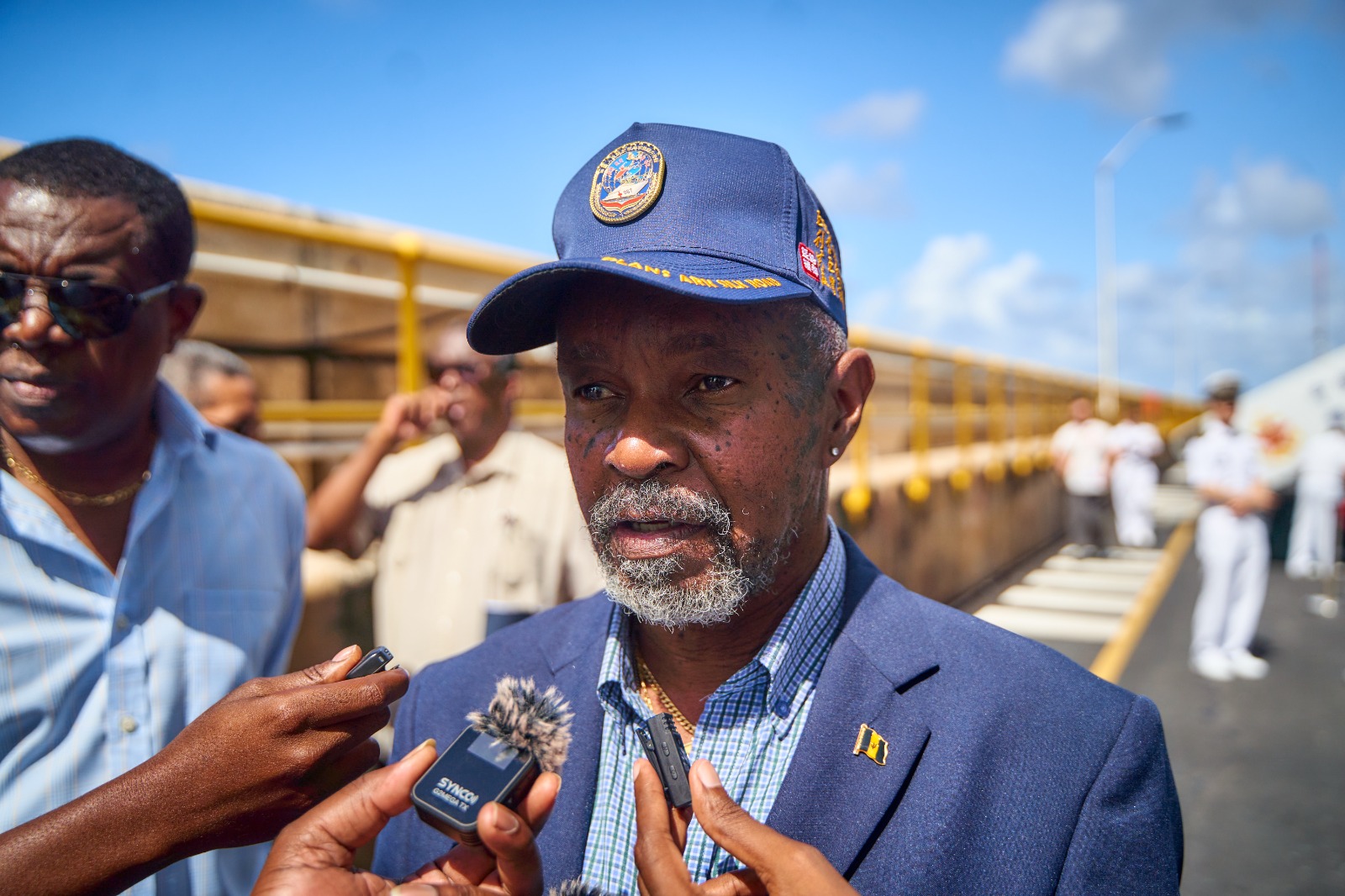
    Barbados’ Chief Medical Officer Dr. Kenneth George is actively encouraging citizens to utilize the comprehensive medical services available aboard the Chinese naval hospital vessel Silk Road Ark, currently stationed at Bridgetown Port. The appeal came following an official tour of the ship on Saturday, attended by Health Ministry officials and Barbados Defence Force representatives.

    While promoting this unique healthcare opportunity, Dr. George acknowledged potential logistical challenges for public access. “We have encouraged the Barbadian public to use the opportunity,” he stated. “There will be some logistical issues because individuals can’t come directly into the port. Arrangements are being made for persons to come to Kensington Mall, with shuttle transportation provided.”

    The medical chief clarified that the ship operates without appointment scheduling, recognizing this might create operational difficulties. Despite these limitations, he emphasized the broader significance of the vessel’s visit, describing it as a symbol of strengthening relations between Barbados and China.

    Dr. George highlighted the enduring medical collaboration between the two nations, particularly at Queen Elizabeth Hospital (QEH). “They provide healthcare services within the Queen Elizabeth Hospital, especially for services not readily available to us,” he explained. “They’ve been coming for several years now, and that cooperative agreement was again renewed. They were also very helpful during COVID, including with vaccines.”

    The medical officer also revealed China’s commitment to send an eighth medical team to Barbados in the near future, further solidifying the partnership.

    Shifting focus to Barbados’ regional contributions, Dr. George referenced the Barbados Defence Force’s recent medical deployment to Jamaica under the Helping Hands mission. “We don’t have as many resources as China, but Barbados also contributes,” he noted, detailing how medical professionals including nurses, doctors, and pharmacists were sent to support neighboring Jamaica.

    The Silk Road Ark represents a significant medical resource, staffed by approximately 60 medical professionals and equipped with advanced facilities including full laboratory services, diagnostic capabilities, CT scans, ultrasounds, and surgical suites. While most staff aren’t nurses, the vessel maintains full surgical capabilities.

    Dr. George indicated that health authorities have encouraged QEH to identify ambulatory cases from their backlog that could be addressed through the ship’s services, potentially providing same-day surgical interventions for eligible patients.

    When questioned about Barbados potentially acquiring similar medical ship capabilities, Dr. George characterized this as a distant prospect, emphasizing that improving fundamental healthcare infrastructure should remain the immediate priority.

  • Argentina: Cristina Fernandez stable, in good spirits after surgery

    Argentina: Cristina Fernandez stable, in good spirits after surgery

    Former Argentine President Cristina Fernández de Kirchner, 72, is recovering successfully following an emergency appendectomy procedure performed at Buenos Aires’ Otamendi y Miruli Sanatorium. The Peronist leader was urgently admitted on Saturday after presenting with severe abdominal pain consistent with acute appendicitis.

    Medical director Marisa Lanfranconi confirmed in an official statement that diagnostic examinations, including minimally invasive laparoscopy, confirmed the diagnosis and prompted immediate surgical intervention. The procedure was completed without complications using advanced laparoscopic techniques, which typically allow for shorter recovery periods.

    Following the operation, medical staff reported the former president is ‘progressing well’ with no post-operative complications observed. While initial reports suggested a hospitalization period of one to four days, hospital administration has not provided precise details regarding her discharge timeline.

    This represents the fourth surgical procedure for Fernández de Kirchner, who previously underwent thyroid tumor removal surgery in 2012. The news has drawn significant public attention, with large gatherings of supporters maintaining vigil outside the medical facility to express solidarity with the influential political figure.

    The Otamendi Sanatorium administration is expected to release updated medical bulletins regarding the former president’s condition as her recovery progresses.

  • Health : Launch of the national project «My Cleanliness, My Health»

    Health : Launch of the national project «My Cleanliness, My Health»

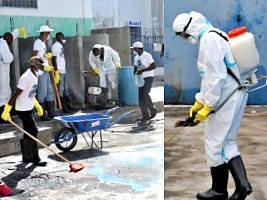
    In a significant public health mobilization, Haiti’s Ministry of Public Health has inaugurated a sweeping national initiative titled “Pwòpte m se sante m” (My Cleanliness, My Health). Spearheaded by the Directorate of Health Promotion and Environmental Protection, this multi-faceted program represents a strategic response to the nation’s critical hygiene and sanitation challenges.

    The project specifically targets high-risk environments where vulnerable populations face elevated health threats, including prisons, displacement camps, and regional healthcare facilities. These locations have been identified as breeding grounds for infectious diseases such as cholera, scabies, and various parasitic conditions that thrive in unsanitary conditions.

    Organized around four strategic pillars, the initiative encompasses comprehensive interventions:

    1. Prison Sanitation Enhancement: Implementing intensive decontamination protocols, disinfecting living quarters and sanitation facilities, conducting fumigation against disease vectors, and rehabilitating critical water access points to meet established hygiene standards.

    2. Displacement Camp Support: Establishing regular sanitation services and permanent community health posts in Port-au-Prince’s densely populated displacement camps through organized clean-up campaigns, improved waste management systems, and reinforced WASH (Water, Sanitation, and Hygiene) infrastructure.

    3. Mobile Medical Services: Deploying mobile clinic units to provide incarcerated individuals with direct healthcare access, including comprehensive medical consultations, systematic screening for tuberculosis, STIs/HIV, and scabies, alongside essential medication distribution.

    4. Hospital Infection Control: Strengthening hygiene protocols in departmental hospitals through targeted decontamination of critical care areas including delivery rooms and surgical theaters, alongside implementing safe biomedical waste disposal systems to meet prevention standards.

    This coordinated effort marks a proactive approach to epidemic prevention through environmental health improvements, representing one of Haiti’s most comprehensive public health interventions targeting institutional sanitation infrastructure.

  • Orchid Kelly Trinidad: 25-year-old with breast cancer asks for help with her treatments

    Orchid Kelly Trinidad: 25-year-old with breast cancer asks for help with her treatments

    In a devastating healthcare setback, 25-year-old Orquídea ‘Rubi’ Trinidad faces an intensified battle against triple-negative infiltrating ductal carcinoma after her insurance provider declined coverage for a potentially life-saving immunotherapy treatment.

    Trinidad initially received her diagnosis of this aggressive breast cancer variant in April 2023. Despite undergoing multiple treatment protocols, recent biopsy results confirmed in October that the cancer has returned with increased virulence and rapid progression.

    Medical specialists have recommended Tocilizumab, an immunotherapy regimen requiring administration every 21 days across six sessions. While this pharmaceutical intervention represents a promising therapeutic avenue, its substantial cost falls outside the coverage parameters of Trinidad’s ASA health insurance policy.

    ‘The pain is inevitable,’ Trinidad stated with resolute yet anguished composure. ‘Sleep eludes me, and I require potent pain management medications simply to endure daily existence.’

    This case highlights growing concerns about insurance coverage gaps for innovative cancer treatments, particularly for young adults confronting aggressive malignancies. The financial barrier between patients and potentially effective therapies continues to present critical challenges within healthcare systems worldwide.

    Medical advocates emphasize that timely access to appropriate treatments remains crucial for improving outcomes in aggressive cancer cases, especially when standard protocols have proven ineffective against disease recurrence.

  • FAO and partners help Saint Lucia, Grenada, SVG and Saint Kitts and Nevis step-up efforts to prioritize zoonotic diseases and shape policy using One Health Approach – The Voice St. Lucia News

    FAO and partners help Saint Lucia, Grenada, SVG and Saint Kitts and Nevis step-up efforts to prioritize zoonotic diseases and shape policy using One Health Approach – The Voice St. Lucia News

    Four Eastern Caribbean nations have significantly advanced their capabilities to address zoonotic disease threats through a series of specialized workshops conducted in November 2025. Saint Lucia, Grenada, Saint Vincent and the Grenadines, and Saint Kitts and Nevis brought together 72 officials from public health, agriculture, and environmental sectors, alongside academic and private sector representatives, to implement a coordinated approach to disease prioritization.

    The initiative, supported technically by the Food and Agriculture Organization (FAO) and Pan American Health Organization (PAHO), employed an adapted PANAFTOSA methodology to evaluate 40 zoonotic diseases against multiple criteria. The comprehensive assessment framework examined human transmissibility, animal-to-human transmission potential, severity of public health impact, economic consequences, surveillance feasibility, climate sensitivity, and effects on vulnerable populations.

    This evidence-based process enabled each participating nation to generate validated, context-specific priority lists of zoonotic diseases, creating a solid foundation for public policies operating at the human-animal-environment interface. The workshops also established concrete next steps for coordinated national action, including strengthening multisectoral surveillance systems, harmonizing case definitions and operating procedures, improving information-sharing mechanisms, and developing comprehensive emergency response plans.

    Dr. Frédérique Dorleans of PAHO/WHO emphasized the critical importance of these collaborative workshops, noting they represent significant progress in preparedness and capacity-building for emerging infectious health threats. Meanwhile, Tania de Getrouwe Hoost, FAO’s Lead Technical Officer, highlighted the technical rigor of the prioritization methodology, which integrates epidemiological, environmental, and socioeconomic criteria to guide national decision-making.

    The workshops form part of the broader “Strengthening Prevention, Preparedness and Response to Health Emergencies in the Eastern Caribbean Countries” project, funded by the Pandemic Fund and implemented through a collaboration between national governments, PAHO/WHO, FAO, and the World Bank. This initiative marks a substantial step toward enhancing regional health security and building resilience against emerging health threats in the Caribbean basin.

  • Hanover residents urged to remain vigilant against leptospirosis

    Hanover residents urged to remain vigilant against leptospirosis

    Health authorities in Hanover, Jamaica, are maintaining their alert against leptospirosis transmission despite observing a downward trend in both confirmed and suspected infections. Andrene Smith-Benjamin, the parish’s Health Promotion and Education Officer, has issued comprehensive guidance for residents engaged in Christmas cleanup activities, emphasizing the critical need for protective equipment like waterproof boots and gloves.

    The bacterial disease, primarily transmitted through contact with urine from infected rats, poses a significant environmental threat as the pathogen can persist in contaminated water and damp soil for several months. Smith-Benjamin specifically warned that improper footwear and lack of hand protection during cleanup operations substantially increases infection risks.

    During a recent Ministry of Health and Wellness outreach event at Ramble Health Centre, the health official delivered crucial food safety recommendations, urging residents to meticulously inspect all food items for evidence of rodent interference. Consumers should discard any packaged goods showing signs of bites, tampering, damaged packaging, or exposure to floodwaters. Particular caution was advised regarding rusty, dented, or unlabeled canned goods.

    Smith-Benjamin further highlighted the danger of newly formed water bodies created by recent hurricane activity, noting these constitute high-risk contamination sources. The bacteria can enter the body through mouth exposure or open wounds during swimming activities. Vulnerable individuals with cuts or abrasions face particularly severe risks when contacting potentially contaminated water.

    Leptospirosis manifests through symptoms including fever, muscle and joint pain (especially in calf and back regions), gastrointestinal distress, and jaundice evidenced by yellowing eyes or skin. While treatable with prompt medical intervention, the disease can prove fatal if left untreated. Health authorities strongly recommend immediate hospital visitation upon symptom appearance and continued adherence to safe hygiene, food handling, and environmental cleanup practices.

  • Why everyone’s talking about batana oil – from ancestral wisdom to modern haircare hero

    Why everyone’s talking about batana oil – from ancestral wisdom to modern haircare hero

    A traditional Honduran hair care ingredient has captured global attention, transitioning from indigenous ritual to social media sensation. Batana oil, extracted from the nuts of the American oil palm, has become the latest obsession in beauty circles, praised for its remarkable hair-restorative properties.

    This amber-brown oil with a distinctive nutty aroma originates from the rainforest region of La Mosquitia, Honduras, where the indigenous Miskito people have hand-processed it for generations. The area’s reputation for hair health is so established that it’s commonly referred to as “the Land of Beautiful Hair.”

    Biochemist Cheryl Bowles, founder of Cher-Mere products with over three decades of experience studying plant-based ingredients, explains the science behind batana oil’s effectiveness. “When you strip away the hype, every ingredient must stand on its own chemistry,” Bowles states. “Batana oil has a very specific profile that makes it effective for strengthening, conditioning, and protecting the hair shaft.”

    The oil’s potency derives from its unique composition: essential fatty acids (oleic and linoleic) that nourish and soften hair, antioxidants including Vitamin E and beta-carotene that protect against oxidative stress, and a balanced combination of saturated and unsaturated fatty acids that provide both richness and protective coating abilities.

    For Caribbean hair specifically, which faces constant exposure to heat, humidity, hard water, and chemical treatments, batana oil offers particular benefits. Its heavy yet penetrative structure works deep into the hair shaft while forming a protective barrier that helps retain moisture—especially valuable in humid climates where hydration evaporates quickly.

    Beyond its cosmetic applications, batana oil represents a cultural legacy. The Miskito people’s traditional techniques—slow-roasting, hand-cracking, and filtering—have supported community development while preserving the palm’s ecosystem for generations.

    Bowles emphasizes the importance of honoring these origins while applying modern scientific rigor. Her development process involved testing batana oil’s performance on varying hair textures and creating blends with complementary oils like rosemary and tea tree to enhance strength and scalp health.

    The current popularity of batana oil reflects a broader shift toward ingredients with authentic roots and proven efficacy. As Bowles notes, “We’re seeing a return to ancestral knowledge. People want ingredients that come from the earth, from real history, and that actually work.”

    Users report multiple benefits including softer, more manageable hair, reduced scalp dryness and flaking, decreased shedding, and improved shine without greasiness. The oil can be used as a pre-shampoo treatment, overnight mask, scalp massage oil, leave-in sealant, or enhancer when blended with other botanical oils.