
Santo Domingo – The World Health Organization (WHO) has officially stated that there is no scientific evidence connecting the use of paracetamol during pregnancy to autism in children. This declaration comes in response to recent assertions made by former U.S. President Donald Trump, who advocated for limiting the use of Tylenol (a brand of paracetamol) among pregnant women and newborns. The WHO’s stance aims to dispel misinformation and reassure the public about the safety of this widely used medication. Dr. Rafael Montero, a public health specialist, strongly criticized Trump’s comments during an interview on Esto No Tiene Nombre, labeling them as baseless and unsupported by scientific research. Montero explained that paracetamol, whose active ingredient is acetaminophen, has been safely utilized for decades with no evidence linking it to autism spectrum disorder. He attributed the increase in autism diagnoses to enhanced detection methods and greater public awareness rather than medication use. Montero also pointed out that Trump had misinterpreted a Johns Hopkins meta-analysis, presenting it as conclusive evidence when it was not. Additionally, he questioned Trump’s focus on the Tylenol brand instead of the active compound, deeming it inappropriate. Montero emphasized the importance of patients consulting their healthcare providers for medical advice, a position echoed by the Dominican Society of Gynecologists, which reaffirmed the safety of acetaminophen when prescribed.
分类: health
-
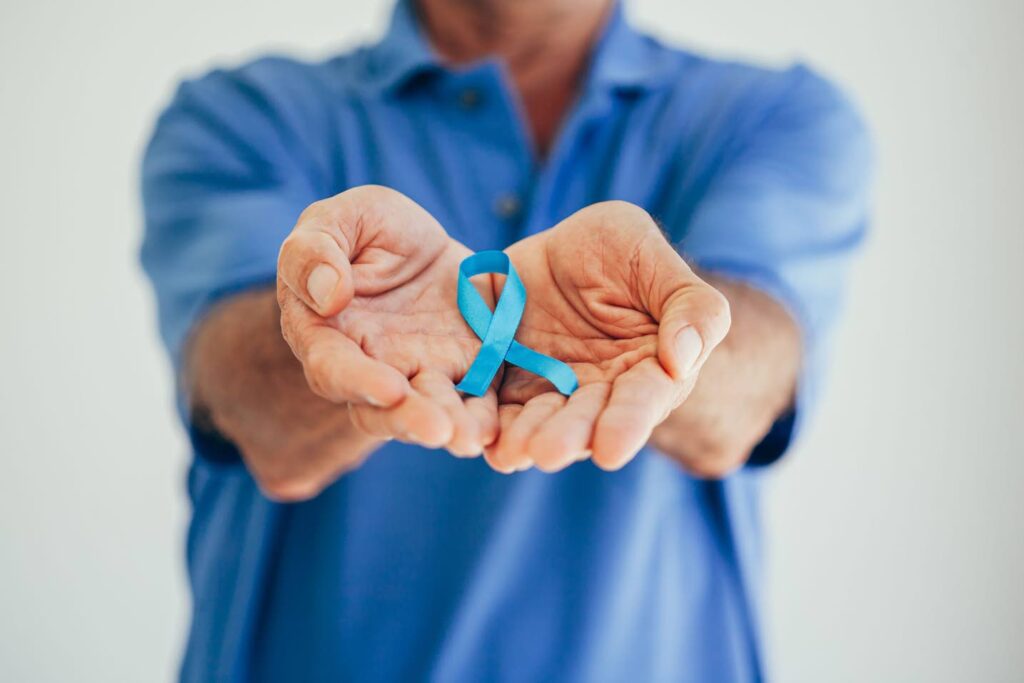
‘I had no symptoms’—Christopher Denny urges Jamaican men to take prostate cancer seriously
KINGSTON, Jamaica — Christopher Denny’s life took an unexpected turn during his routine annual check-up in February 2022. What he anticipated as a standard health assessment revealed a concerning anomaly: his Prostate-Specific Antigen (PSA) levels were slightly elevated at 4.65. This marked the beginning of a transformative two-year journey filled with medical tests, uncertainty, and life-altering decisions.
-

Dominica marks World Patient Safety Day with renewed commitment to newborn and child Health
On World Patient Safety Day 2025, Dominica’s Minister of Health, Wellness, and Social Services, Hon. Kassani Laville, delivered a compelling address urging citizens to prioritize patient safety as both a personal and national responsibility. Aligning with the global theme, “Safe Care for Every Newborn and Every Child,” and the slogan “Patient Safety from the Start,” Minister Laville emphasized that safeguarding the health of Dominica’s youngest citizens begins even before birth. “Patient safety does not begin halfway through life,” Laville asserted. “It begins at birth—and I may argue, even before birth. Every clean hand, every sterile surface, and every mindful action honors that promise.”
Since its inception at the 72nd World Health Assembly in 2019, World Patient Safety Day has underscored the critical need to prevent harm in healthcare settings. Laville revealed that between 2020 and 2024, Dominica recorded over 3,100 live births, with more than 1,100 neonates requiring specialized hospital care. Notably, the neonatal intensive care unit (NICU) at the Dominica China Friendship Hospital (DCFH) achieved remarkable milestones, including the survival of three premature infants born at just 25 weeks gestation.
Sister Juliana Darroux, Ward Sister of the Stronach Ward, reinforced the Minister’s message, highlighting the maternity unit’s role in managing high-risk pregnancies and ensuring safe deliveries. “Efficient antenatal care is a prerequisite for newborn safety,” she stated, “allowing early identification and intervention for risk factors that affect fetal well-being.”
The Dominica Hospitals Authority has implemented a robust safety framework to protect newborns and maintain high standards of care. Key measures include secure ID bands for proper newborn identification, rigorous infection prevention protocols, breastfeeding support, timely immunization, and safe clinical practices such as immediate skin-to-skin contact and delayed cord clamping. Family involvement is also encouraged through rooming-in, education on safe sleeping practices, and emotional support for caregivers.
Minister Laville commended the Infection Prevention and Control Department, led by Nurse Blez, and the Winston Ward pediatric team for their dedication to child health. “Every child deserves a safe beginning,” Laville affirmed. “Every family deserves confidence in the care they receive. And every healthcare worker deserves the tools and support to deliver quality outcomes.”
The Ministry and the Dominica Hospitals Authority pledged to continue enhancing safety measures across all levels of care. In his closing remarks, Laville called on communities to complement institutional efforts, stating, “Let us ensure our children are equipped with the skills, virtues, and compassion to become productive citizens of Dominica.”
-
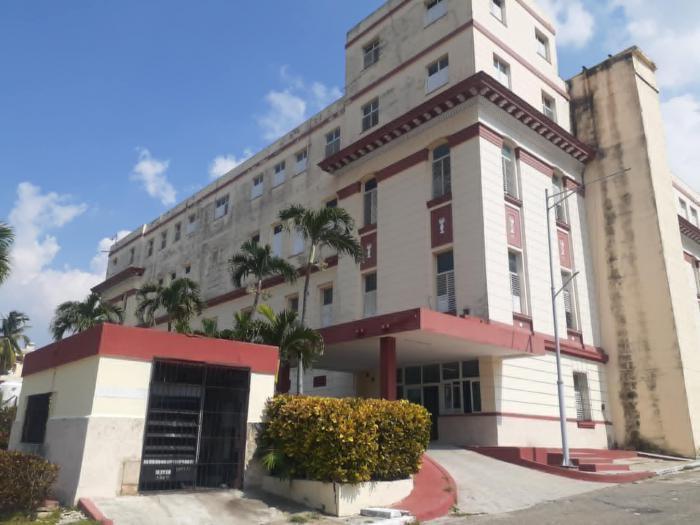
Neurotrauma Center Created for Western Cuba
The Calixto García Clinical-Surgical Teaching Hospital in Havana has unveiled a state-of-the-art neurosurgery center, marking a significant milestone in Cuba’s healthcare landscape. The newly established Western Cuba Neurotrauma Center, operational in under 72 days, is equipped with cutting-edge technology to address complex neurosurgical cases. The facility boasts three high-tech operating rooms, advanced microscopes, endoscopic towers for minimally invasive procedures, and two specialized hospitalization wards. The center’s design ensures seamless patient care by placing intensive and intermediate care units on adjacent floors, reducing transfer risks.
Dr. Ahmed Rubier Ortega, the center’s director, emphasized its role as a national hub for treating polytrauma cases, craniospinal injuries, tumors, and herniated discs. Supported by an advanced imaging department, the center centralizes neurosurgical care on a single floor, enhancing efficiency and patient outcomes.
Iliovanys Bentancourt Plaza, the hospital’s General Director, highlighted the Ministry of Public Health’s (MINSAP) commitment to funding the project despite global economic challenges. Raquel Olivera Hernández, Deputy Director of Logistics, praised the collaborative effort behind the center’s creation, calling it a testament to resilience and optimal resource management. The facility also introduces air-conditioned wards and caregiver support for home rehabilitation, ensuring comprehensive patient care while adhering to strict health protocols.
-
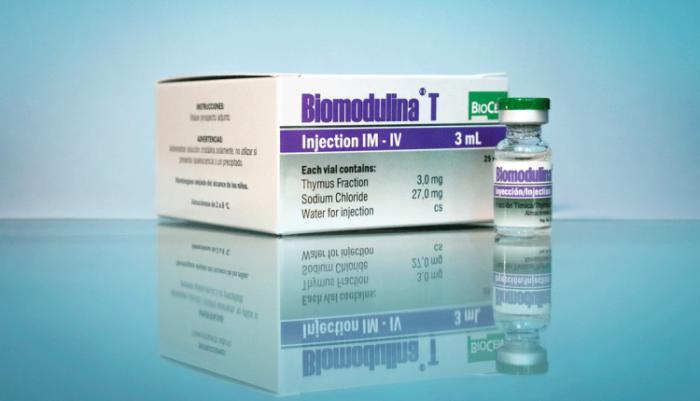
Biomodulin T to be part of primary health care
Cuban President Miguel Díaz-Canel Bermúdez emphasized on Tuesday the importance of integrating Biomodulin T into primary health care across Cuban communities. During a meeting with health experts at the Palace of the Revolution, he urged that medical professionals be adequately trained to prescribe this innovative treatment. The discussion highlighted the significant role of Biomodulin T, a bovine thymus extract-based drug, in addressing immune dysfunction and recurrent infections, particularly among the elderly. Clinical trials involving nearly 9,000 nursing home residents demonstrated a remarkable reduction in acute respiratory infections (ARI) by over five times, and a 50% decrease in mortality risk compared to those outside such facilities. The drug also showed a 70% reduction in respiratory infection incidence among the elderly, a leading cause of death in Cuban nursing homes. Additionally, Biomodulin T has proven effective in oncology, rejuvenating patients’ immune systems when combined with chemotherapy and immunotherapy. It has also been successful in treating thymic hypoplasia in children, with 83% of treated children achieving normalized thymus size and function, and 71% showing clinical improvement. Given these promising results, President Díaz-Canel called for expedited efforts to incorporate Biomodulin T into national health strategies, especially in light of Cuba’s aging population. The drug, which gained prominence during the COVID-19 pandemic with over 1.9 million units distributed and more than 238,000 patients treated, has been recognized with two awards from the Academy of Sciences in 2022 for its efficacy in treating lung cancer and its immunomodulatory effects in older adults.
-
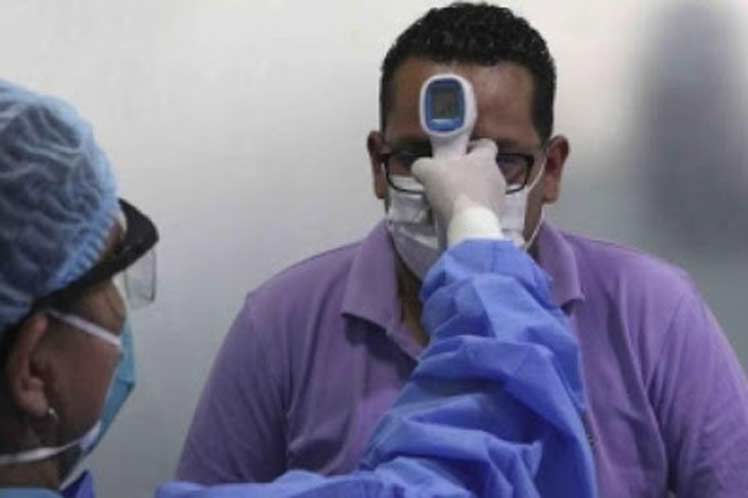
Cuba reported 7,151 Covid-19 cases and 59 deaths
Cuban health authorities have provided a comprehensive update on the nation’s COVID-19 situation, revealing significant epidemiological data since the pandemic’s onset. Dr. Francisco Durán, the National Director of Epidemiology at the Ministry of Public Health, delivered the latest statistics during his regular televised briefing, offering a detailed breakdown of the country’s pandemic response.
According to the official figures, Cuba has recorded a cumulative total of 825,351 confirmed coronavirus cases since March 11, 2020, with the pandemic claiming 6,978 lives on the island nation. The current hospitalization numbers present a complex picture of the pandemic’s status, with 90,027 individuals receiving medical care in hospitals across the country.
The hospitalization data reveals three distinct patient categories: 46,548 individuals are classified as suspected cases undergoing observation and testing; 3,162 people are under formal epidemiological surveillance due to confirmed exposure risks; and 40,317 are confirmed active patients receiving treatment for COVID-19.
Testing capacity remains a critical component of Cuba’s pandemic response. Health officials reported that 53,249 laboratory samples were processed this Tuesday alone to detect the SARS-CoV-2 virus. This daily testing effort contributes to a substantial national total of 9,165,377 real-time PCR tests conducted since the pandemic began, demonstrating the country’s extensive diagnostic capabilities.
The regular briefings by Dr. Durán have become a cornerstone of Cuba’s public health communication strategy, providing transparent data to citizens and international observers alike. These updates offer valuable insights into both the historical progression and current status of the pandemic within Cuba’s unique healthcare system.
-
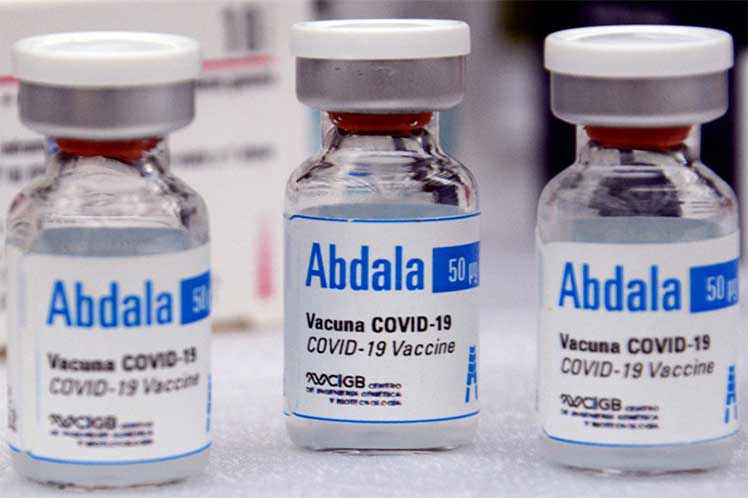
Cuban vaccine Abdala highly effective in severe Covid-19 cases
Cuba’s leading scientific institutions have achieved a significant breakthrough in COVID-19 vaccine development, with the Abdala immunogen demonstrating remarkable efficacy against the virus. According to official reports from Granma newspaper, the vaccine received emergency use authorization in July following rigorous clinical trials that established a 92.28% efficacy rate in disease prevention.
The vaccine’s effectiveness was confirmed during a critical period of Delta variant propagation across global populations, providing crucial data on its performance against this highly contagious strain. Dr. Marta Ayala, General Director of the Center for Genetic Engineering and Biotechnology (CIGB), provided important scientific clarification regarding the terminology: ‘Efficacy should not be confused with effectiveness, as the former is determined within the controlled environment of clinical studies under ideal research conditions, while effectiveness is analyzed in real-world circumstances.’
Cuban researchers from both CIGB and the Finlay Vaccine Institute have recently presented their comprehensive scientific findings to the World Health Organization. The submission includes complete documentation of the research methodology, formulation processes, production standards, testing protocols, and application results. This presentation marks a significant step toward obtaining international validation and WHO emergency use listing, which would facilitate global distribution and recognition of Cuba’s sovereign vaccine development capabilities.
-
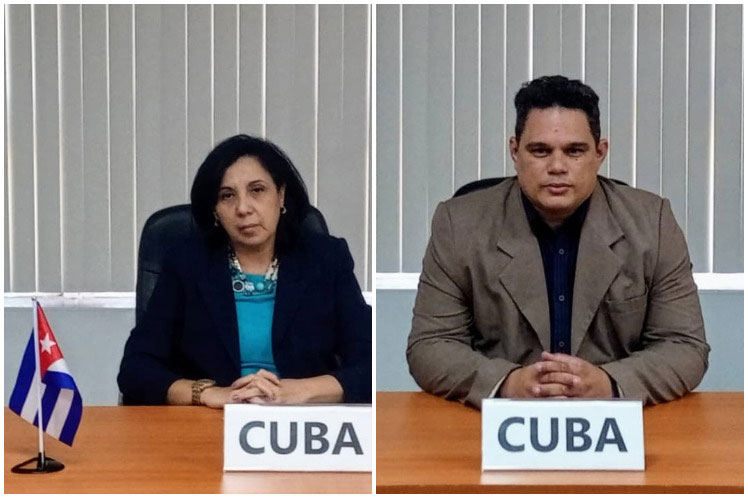
Cuba defends application of data science at PAHO
Cuban health officials presented the nation’s advanced digital health strategy during the 59th Executive Council meeting of the Pan-American Health Organization (PAHO), highlighting how technological innovation has strengthened pandemic response capabilities. Dr. Ileana Morales, Director of Science and Technological Innovation at Cuba’s Ministry of Public Health (MINSAP), detailed how digital tools have enabled real-time data processing for more effective epidemiological management throughout the COVID-19 crisis.
Dr. Morales emphasized Cuba’s comprehensive approach to health information systems development, which centers on specialized training for professionals in technology and university programs. The country has made significant advancements in cutting-edge medical fields including medical robotics, precision medicine, nanoscience, and neuroscience—all disciplines that demand sophisticated data processing capabilities for large-volume information assimilation.
Karel Barthelemy, MINSAP’s Director of Information Technology and Communications, addressed the substantial challenges of digital transformation in healthcare, stressing the necessity for tailored designs that accommodate each nation’s unique characteristics. He outlined several operational computer solutions currently deployed in Cuba, including research platforms, laboratory results monitoring systems, hospital bed availability trackers, clinical laboratory information management, and vaccinated population databases.
A critical component of Cuba’s strategy involves employing Big Data analytics and mathematical modeling to predict viral behavior patterns within populations. These predictive tools enable health authorities to refine national response plans and continuously update patient care protocols based on empirical evidence.
Both officials emphasized the importance of regional cooperation, noting that successful implementation of digital transformation roadmaps across the Americas requires strengthened collaboration between PAHO and member states. Such partnerships would facilitate knowledge exchange and accelerate progress toward developing shared technological platforms that benefit the entire region.