
Jamaica mourns the loss of Jimmy Cliff, a towering figure in the nation’s music and film industry, who passed away at the age of 81. Former Prime Minister PJ Patterson, a close associate of Cliff, paid tribute to the legendary artist, describing him as a creative genius whose work aimed to inspire and empower people. Cliff, born James Chambers, was a multifaceted talent whose career spanned genres like ska, rocksteady, and reggae, leaving an indelible mark on Jamaican culture. Patterson, who shared a personal connection with Cliff through their alma mater, Somerton Elementary School in St. James, highlighted the artist’s enduring legacy. Cliff was honored with Jamaica’s prestigious Order of Merit (OM) in 2003, a testament to his contributions to the arts. His role in the 1972 cult classic film *The Harder They Come* not only elevated his career but also cemented the movie as a cornerstone of Jamaica’s cinematic history. Over his illustrious career, Cliff released 11 albums, including *Hard Road* (1967), *Wonderful World, Beautiful People* (1970), and *The Harder They Come* (1972), each showcasing his versatility and artistic brilliance. His passing marks the end of an era for Jamaican music and film, but his legacy continues to inspire generations.
分类: entertainment
-

Opposition Leader Mark Golding pays tribute to cultural icon Jimmy Cliff
Mark Golding, the leader of Jamaica’s opposition, has expressed profound sorrow over the passing of Jimmy Cliff, a monumental figure in Jamaican music and culture. Golding’s heartfelt tribute emphasized Cliff’s unique contributions to music and his global influence that transcended generations and borders. He described Cliff’s voice as unparalleled and his career as extraordinary, marking him as a pivotal figure in the evolution of Jamaican popular music. Cliff’s role in the 1972 film ‘The Harder They Come’ was highlighted as a significant milestone that brought reggae to a worldwide audience. Golding also celebrated Cliff’s impact in South America, particularly in Brazil, where he helped popularize reggae and expanded its global reach. Furthermore, Golding lauded Cliff’s enduring songwriting and his role as a musical rebel who used his art to advocate for social justice and inspire empowerment. The tribute concluded with a poignant reflection on Cliff’s memorable performance during Jamaica’s 1998 World Cup campaign, which galvanized the nation. Golding’s final words were a message of gratitude, honoring Cliff’s legacy and the indelible mark he left on the world.
-
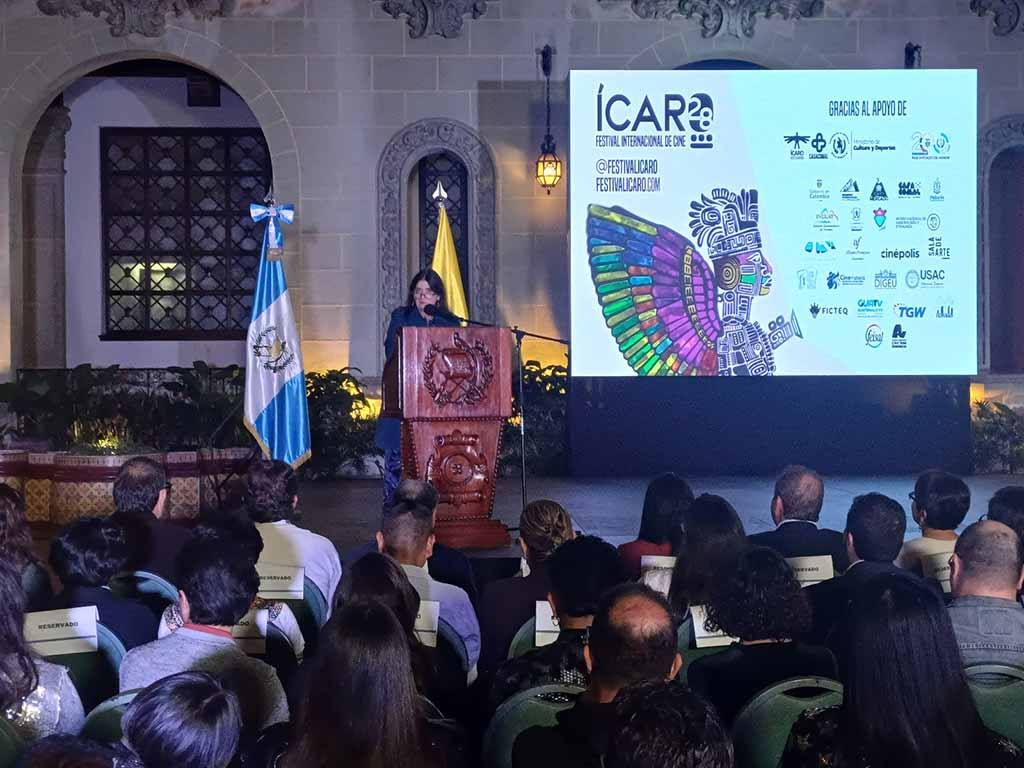
Guatemala honor Cuba’s International Film and Television School
In a notable departure from tradition, the Icaro International Film Festival held a special ceremony at the National Palace of Culture in the capital. Elias Jimenez, the Festival’s Executive Director, revealed that the event, typically reserved for the festival’s conclusion, was moved forward for a significant purpose. The decision was influenced by the presence of delegates from the Federation of Latin American Schools of Image and Sound (FEISAL), who are currently in the country. During the ceremony, the prestigious Icaro of Honor was awarded to ‘The Utopia of the Eye and the Ear,’ a pioneering school originally led by the renowned Fernando Birri. Jimenez emphasized the profound impact of the International School of Cinema and Television (EICTV) in San Antonio de los Banos, which has been instrumental in nurturing filmmakers across Latin America through its comprehensive programs and workshops. He also highlighted the visionary role of Colombian literary giant Gabriel Garcia Marquez, whose ideas have significantly contributed to the growth and dissemination of cinema in the region. The Icaro International Film Festival continues to serve as a global platform, celebrating the artistic achievements of audiovisual creators from Guatemala, Latin America, and beyond.
-
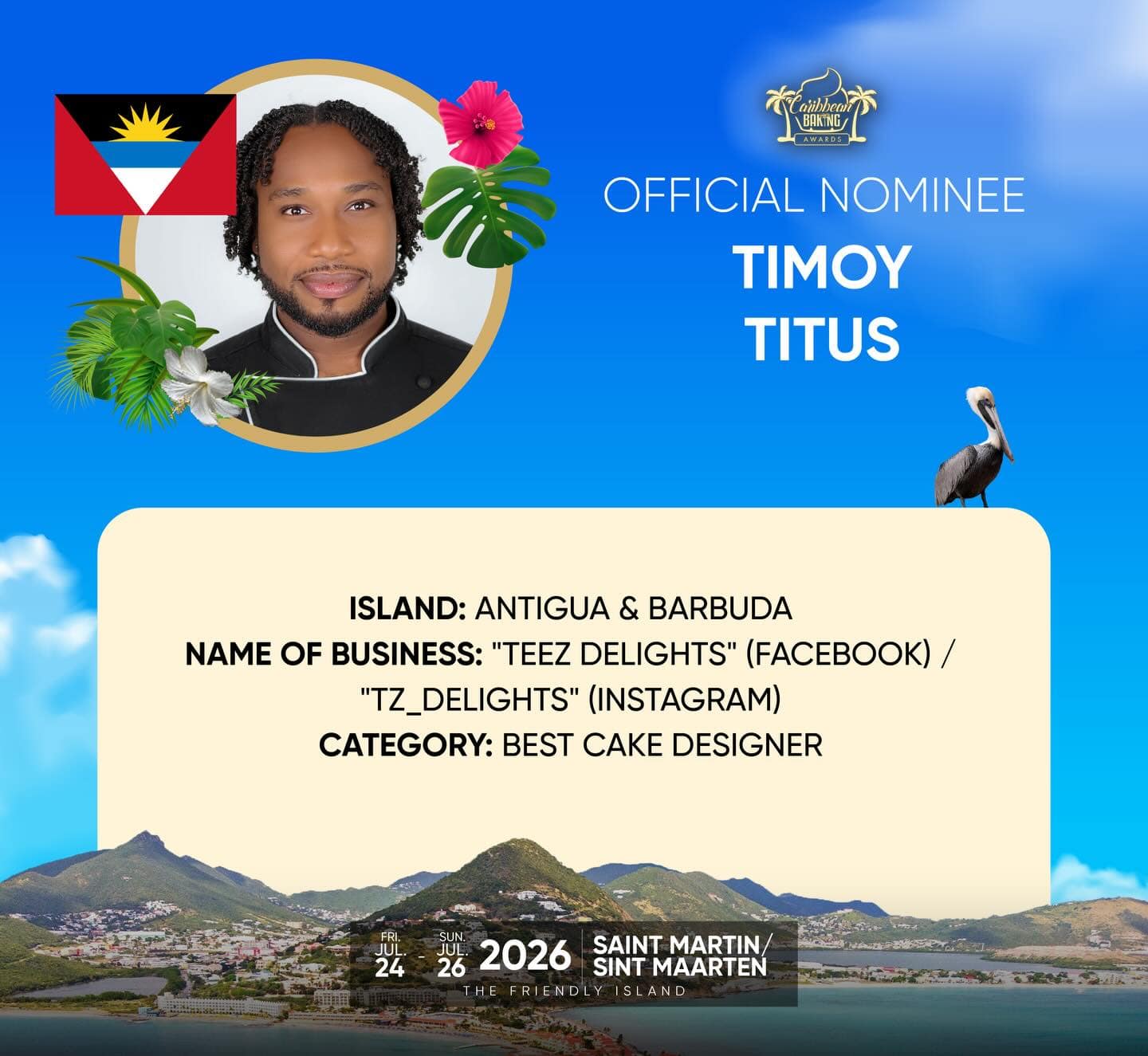
Timoy Titus Named Official Nominee for 2026 Caribbean Baking Awards
Timoy Titus, the creative force behind Teez Delights in Antigua, has been officially nominated for the prestigious 2026 Caribbean Baking Awards. The event, set to take place in Saint Martin from July 24 to 26, 2026, will celebrate the finest talents in the Caribbean’s baking and pastry industry. Titus has been recognized in the ‘Best Cake Designer’ category, a testament to his exceptional artistry and innovation in cake design. The organizers unveiled the full list of nominees this week, highlighting both emerging and established professionals across the region. Nominations will remain open until February 1, 2026, with public voting scheduled to commence on April 7, 2026. The awards ceremony is expected to attract culinary experts and enthusiasts from across the Caribbean, showcasing the region’s vibrant baking culture.
-

Antigua & Barbuda Launches Its First-Ever National Authors’ Week 2025
Antigua & Barbuda is set to make literary history with the debut of its National Authors’ Week, a groundbreaking festival aimed at celebrating writers, nurturing new talent, and fostering a vibrant culture of storytelling. Scheduled for November 23rd–29th, 2025, the event will unfold under the inspiring theme, ‘Building a Nation of Storytellers.’ Spearheaded by Peetron Thomas, a fervent advocate for creative development and youth empowerment, this initiative marks a significant milestone in the nation’s literary journey. Thomas, who recently released his latest book, ‘Ah Head Mek Book: Your Step-by-Step Guide to Writing, Designing, and Publishing Your Own Book,’ available on Amazon for $10 USD, aims to empower aspiring authors with practical tools to bring their stories to life. The week-long festival will feature a diverse array of activities, including workshops, school tours, an AI literacy session, and community engagement events, all designed to inspire writers of all levels. Highlights include an opening church service, a two-part KDP Crush Course, a book fair, an AI & Book Evolution session, and a grand finale karaoke party. With free admission for all, the festival invites participants of every age and background to join this historic celebration of creativity and storytelling. National Authors’ Week 2025 promises to ignite a passion for writing, encourage cultural expression, and spark a new literary movement across Antigua & Barbuda.
-
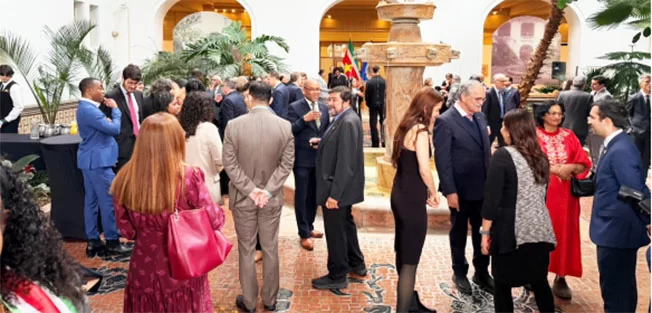
Ambassade opent bijzondere Nassy-expositie ter ere van 50 jaar Srefidensi
The Surinamese Embassy in Washington has marked the 50th anniversary of Suriname’s independence, known as Srefidensi, by spotlighting the work of Surinamese-American artist Jozef Nassy (1904–1976). In collaboration with the Art Museum of the Americas, a unique exhibition showcasing Nassy’s works created during his internment in World War II has been unveiled. The exhibition, open until December 12, is hosted in the Marcus Garvey Hall of the Organization of American States (OAS) headquarters. Nassy, one of the few artists to produce extensive work while imprisoned by the Nazis, captured the daily lives, emotions, and faces of fellow detainees through his portraits and drawings. His works, primarily created in camps in Belgium and Germany, serve as a profound historical record. While 225 of his pieces were donated to the United States Holocaust Memorial Museum in 1992, Nassy’s legacy remains relatively unknown in Suriname. Born in Paramaribo to Creole-Jewish parents, Nassy moved to Brooklyn at 15, studied industrial electrical engineering at Pratt Institute, and later pursued art in Brussels. Arrested in 1942 as an American citizen in occupied territory, he turned his internment into a defining period for his artistry. The exhibition features five of his original works from Suriname, including a recently rediscovered painting from 1946 depicting a lone prisoner in the Laufen camp. The opening ceremony was attended by OAS Secretary-General Albert Ramdin, Surinamese Ambassador Marten Schalkwijk, and Art Museum of the Americas Director Adriana Ospina, who praised Nassy’s technical versatility and ability to portray dignity and hope in adversity.
-
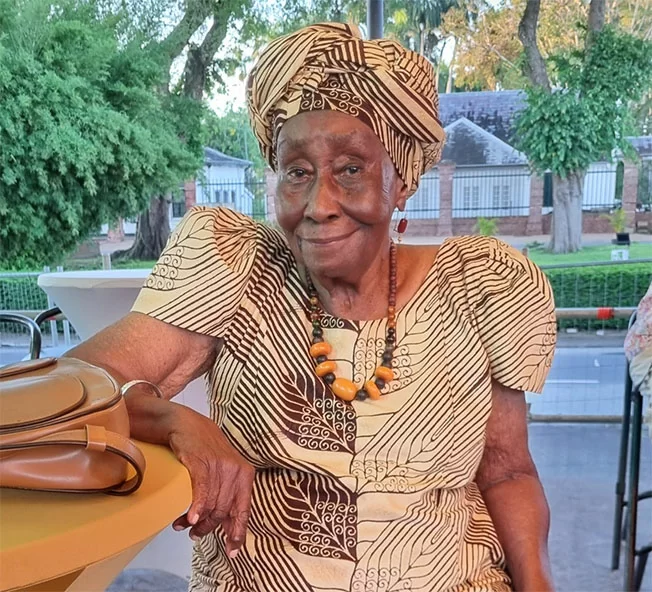
Zangeres, muziekdocent en dirigent Tante Melie Leerdam 100 jaar
Emeline Irma Leerdam, affectionately known as Tante Melie, is a legendary figure in Suriname’s cultural and musical landscape. As she approaches her 100th birthday on November 23, her remarkable journey continues to inspire generations. Renowned for her powerful alto voice, Leerdam began her musical career in the Jedikeko choir of the Evangelical Brethren Community under Hugo van Ams. She was a founding member of the mixed vocal ensemble Troki, established in 1975 by music educator Mavis Noordwijk and pianist Henna Hiemcke, and remained an active participant well into her nineties. Leerdam’s career reached its zenith when she conducted the Maranatha Women’s Choir, a cornerstone of the Maranatha family of choirs. Born into a missionary family in Ganze, Upper Suriname, Leerdam’s early life was marked by a nomadic existence on boarding schools. Her musical foundation was laid at Selecta Ulo, where organist Anton Plet taught her solfège and music theory. After caring for her ailing mother in the interior, Leerdam learned to play the harmonium and founded a children’s choir. Her professional life was equally diverse, spanning roles at the Ministries of Interior Affairs and Education, and culminating in her appointment as Head of Civilian Personnel Affairs at the Surinamese Armed Forces. Beyond her administrative career, Leerdam was a celebrated actress, starring in the popular radio series Famirii Misma. Her dedication to perfection and professionalism extended to her musical education, including studies at the Pedagogical Institute and the Venezuelan Centro Andres Bello. Leerdam’s contributions to Surinamese culture were recognized with numerous accolades, including the Order of the Yellow Star in 2004. Her life, chronicled in a 2015 biography, stands as a testament to a life richly lived and dedicated to the arts.
-

Why musicians matter
Sherwinn Dupes Brice, a renowned musician from Vieux Fort, Saint Lucia, emphasizes the profound role of music in communication and storytelling. ‘Music is a way to recall memories and the most significant moments of life,’ Brice shared with St. Lucia Times. ‘Musicians preserve these stories, offering both escape and therapy. They keep the art form alive, passing on skills, traditions, and the collective narratives of our people.’
As Saint Lucia prepares to celebrate Saint Cecilia’s Day on November 22, the focus shifts to honoring musicians and their contributions. The day features events like school showcases and the Cultural Development Foundation’s MIZIK: A Celebration of our Musicians, highlighting music’s societal impact.
Martin Alson James, CEO of the Eastern Caribbean Collective Organisation for Music Rights (ECCO), echoed Brice’s sentiments. ‘Musicians shape our cultural and emotional landscapes,’ James stated. ‘They are storytellers and historians, capturing the spirit of their times through lyrics and melodies. Music fosters community, creating shared identity and belonging.’
Both Brice and James advocate for the protection and fair compensation of musicians. ‘Music is more than a finished product; it’s the result of time, passion, and lifelong commitment,’ James explained. ‘Protecting musicians’ rights ensures fairness and dignity, safeguarding our cultural future. Without support, the flow of new music may cease, diminishing our artistic heritage.’
Brice, who collaborated on British singer Mahalia’s EP Luvergirl, urged broader support for musicians. ‘Pay us, advocate for us, and educate yourself on how the music business works,’ he said. ‘Music is a legitimate industry, generating billions globally. It’s time to remove the stigma that it’s not a real business.’
Saint Cecilia’s Day, rooted in the legend of a 3rd-century martyr who sang to God, has evolved in Saint Lucia. The predominantly Catholic society now blends religious and secular celebrations, reflecting the growing local music industry. As the industry expands, so must the appreciation and support for its practitioners to ensure sustainability and continued cultural enrichment.
-
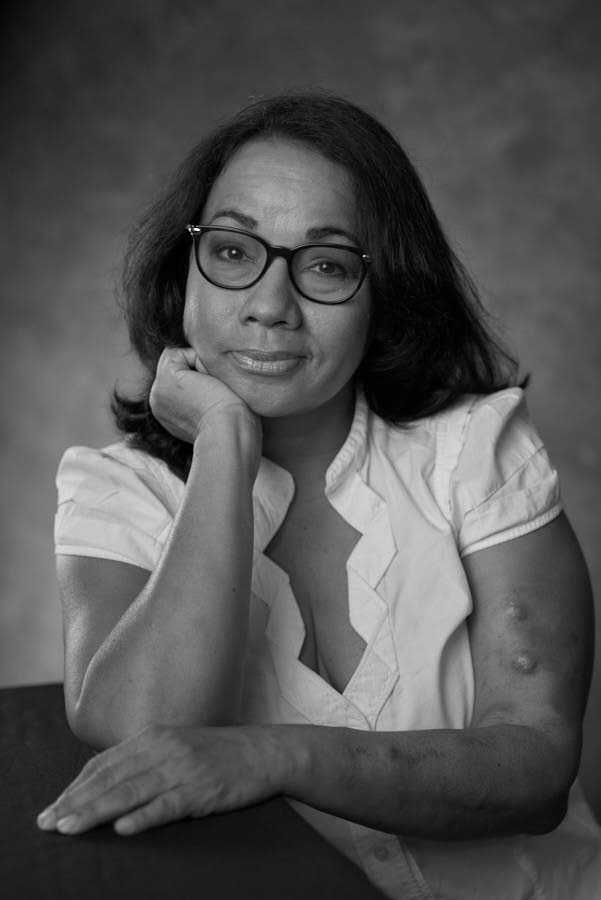
TV director Danielle Dieffenthaller has died
The entertainment industry mourns the loss of acclaimed TV director Danielle Dieffenthaller, who passed away recently. Her brother, celebrated soca artiste Kees Dieffenthaller, shared the heartbreaking news on Instagram on November 22, expressing his grief with the words, “We love you, Danny. Rest in eternal peace our beloved sister.”
Danielle had been battling severe health issues for several years. Diagnosed with stage-five renal failure in 2018, she underwent heart surgery in 2023. Despite hopes of a kidney transplant in February 2024, which required raising approximately CAN$18,000 (TT$93,600), she remained on dialysis since 2019.
Her passing has left a profound impact on the Caribbean entertainment community. Fellow soca artiste Machel Montano praised her as a “brilliant pioneer” and one of Trinidad and Tobago’s greatest talents. Soca singer-songwriter Nadia Batson also shared her condolences, recalling fond memories of working with Danielle. Ravi B and Lady Lava joined thousands in expressing their sympathies to the Dieffenthaller family.
Danielle was celebrated for her contributions to iconic local productions such as *Westwood Park*, *Caribbean’s Next Top Model*, *Hit for Six*, and *Iere Vibe*. Her legacy as a trailblazer in Caribbean television will continue to inspire future generations.
-
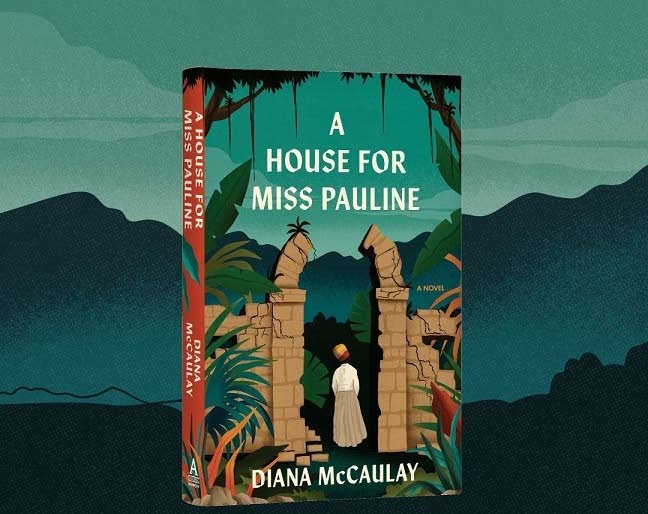
Explore the mystery of McCaulay’s A House for Miss Pauline
Diana McCaulay, the acclaimed Jamaican author, has once again captivated readers with her latest novel, *A House for Miss Pauline*. This intricately woven narrative follows the life of Pauline Sinclair, a resilient woman nearing her centennial birthday, as she embarks on a profound journey to reconcile her past and confront the legacy of colonialism and slavery. Set in the remote village of Mason Hall, Jamaica, the story delves into Pauline’s reflections on the meaning of home, ownership, and history, all while she rebuilds her life from the ruins of a former slaveholder’s house. McCaulay’s masterful storytelling blends mystery, philosophy, and cultural exploration, offering readers a deeply moving and thought-provoking experience. The novel also highlights the generational divide, as Pauline’s granddaughter, Justine, struggles to grasp the significance of their shared history. Through vivid imagery and poignant anecdotes, McCaulay challenges stereotypes of aging and presents Pauline as a bold, independent, and unyielding character. *A House for Miss Pauline* is a testament to the enduring power of Caribbean literature and a must-read for those seeking to understand the complexities of history and identity.