分类: entertainment

  • CDC promises ‘Great Escape’ as Vincymas 2026 launched

    CDC promises ‘Great Escape’ as Vincymas 2026 launched

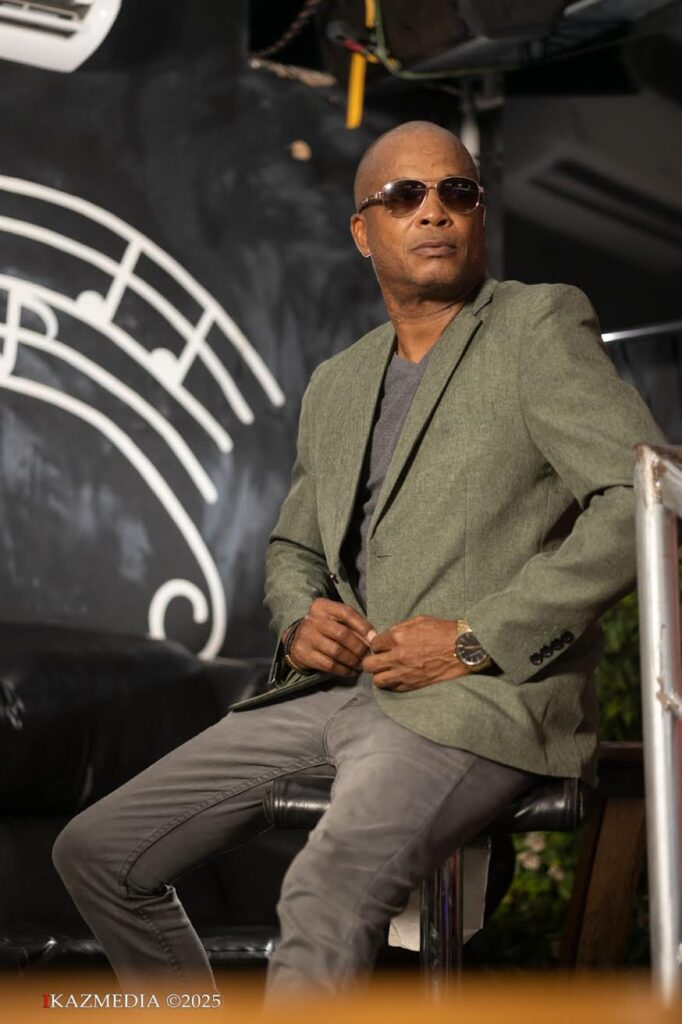
    On Saturday, April 11, 2026, the official launch of Vincymas 2026 took place at the decommissioned ET Joshua Airport located in Arnos Vale, marking the official start of months of preparation for one of the Caribbean’s most vibrant cultural festivals. Speaking at the launch event held on the site’s tarmac, Ricardo Adams, chair of the Carnival Development Corporation (CDC), framed the annual celebration as far more than a seasonal public gathering — positioning it as a core pillar of national identity for Saint Vincent and the Grenadines.

    “Tonight, we start on the road to Vincymas, a journey where we celebrate the past, embrace the present and look eagerly to the future,” Adams told attendees. He expanded on the festival’s 2026 theme, “The Great Escape”, explaining that Vincymas serves as the cultural heartbeat of the nation, weaving together the rhythmic power of traditional drums, the imaginative artistry of masquerade, the infectious energy of local music, and the unbreakable collective spirit of the Vincentian people.

    Adams emphasized that the festival reinforces the country’s shared cultural unity, noting that 2026 will bring several exciting updates to the long-standing event calendar. Most notably, the beloved Miss SVG beauty pageant will return to the Vincymas lineup after a one-year hiatus. The pageant, which was canceled in 2025 amid a hotly contested national election that ended the Unity Labour Party’s 25-year run in office, has a long history as a core part of the festival. For decades, it served as the traditional opening event for Vincymas held each May, before organizers shifted it to October several years ago to tie into national independence celebrations. For 2026, it will once again take its place alongside the festival’s core programming.

    Alongside the return of Miss SVG, Adams confirmed that the popular AIA (Argyle International Airport) activations — community engagement events held at the country’s main international airport to welcome visiting travelers — will also make a comeback in 2026, building on the strong turnout and positive reception they received last year. A brand new addition to this year’s festival is a dedicated cultural village that will operate for the full 10-day run of Vincymas right at the Arnos Vale launch site. The village will center authentic Vincentian cuisine, a core cultural element that Adams noted is essential to the full carnival experience. Organizers are also bringing back the iconic monkey band, with plans to expand the popular traditional performance for a bigger, better showcase in 2026.

    The 2026 festival also kicks off the lead-up to a major historical milestone: in 2027, Vincymas will mark 50 years as a summer festival, following a 1977 shift that moved it from its historic roots as a pre-Lenten celebration. Adams announced that the CDC will officially launch the 50th anniversary commemorations during this year’s events. “For 50 years, this shift has shaped our identity, elevated our cultural expression, and positioned Vincymas as one of the most authentic and energy-filled carnivals in the Caribbean,” Adams said. He noted that the half-century milestone is far more than a celebration of the passage of time: it is a tribute to the nation’s resilience, generations of creative innovation, and enduring national pride.

    As the countdown to the 2026 festival begins, Adams urged all Vincentians to engage with the full range of pre-event activities, from smaller rural carnivals to calypso tent performances, mas camps, and pan yard gatherings. He called on locals to fully immerse themselves in the festival’s culture: “Immerse yourselves in the culture. Live it. Feel it. Support it.”

    Adams made a special appeal to young Vincentians, whom he described as the future of Vincymas. He encouraged youth to channel their creativity and energy into the festival’s core cultural spaces — including music, masquerade, dance, and visual art — leaning into the traditions that unite the nation rather than external influences that create division. “Your talent, your innovation and your energies are needed now more than ever,” he said.

    He also called on national policymakers to continue and expand investment in the country’s creative industries. “When we invest in culture, we invest in our people; when we empower our youth, we secure our future,” he emphasized.

    In closing, Adams highlighted Vincymas’ long-standing reputation as a safe, inclusive celebration for all attendees. He noted that maintaining this legacy is a shared responsibility for everyone involved, urging all participants to celebrate responsibly, treat one another with respect, and preserve a welcoming, secure environment for both local attendees and international visitors to experience the magic of Vincymas.
  • Bollywood-zangeres Asha Bhosle is niet meer

    Bollywood-zangeres Asha Bhosle is niet meer

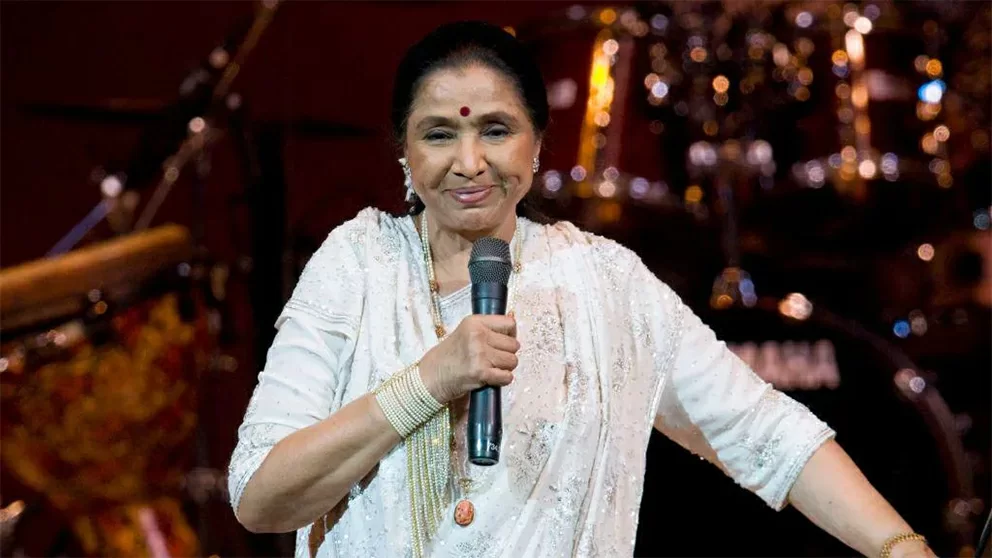
    Legendary Bollywood playback singer and global cultural icon Asha Bhosle has passed away at the age of 92 in Mumbai, her son has confirmed. Bhosle, widely hailed as the undisputed queen of Indian playback singing, was hospitalized following a heart attack before her death, marking the close of one of the most influential careers in modern South Asian music.

    Spanning more than 80 years and encompassing over 12,000 recorded songs, Bhosle’s career redefined the sound of Bollywood for multiple generations of fans. Her instantly recognizable vocal range brought life to hundreds of hit film tracks, which actors lip-synced on screen and turned into anthems that got audiences across the world dancing and singing along for decades.

    Bhosle’s global fame extended far beyond Indian cinema: in 1997, British alternative band Cornershop paid homage to her legacy with the chart-topping hit “Brimful of Asha,” and she later collaborated with high-profile international artists including British pop icon Boy George and virtual alternative band Gorillaz on a 2026 release, one of her final recorded projects.

    In the hours after news of her death broke, tributes poured in from across the globe on social media from political leaders, fellow artists, and millions of fans. Indian Prime Minister Narendra Modi called Bhosle “one of the most iconic and versatile voices India has ever known,” praising her “extraordinary musical journey” that enriched India’s cultural heritage and touched “countless hearts across the world.”

    Veteran Indian actress and politician Hema Malini shared her grief, noting that Bhosle’s death hit “extra hard for me, because I shared an emotional bond with Ashaji – she made so many of my songs popular with her one-of-a-kind voice and style.” Acclaimed Indian composer and singer Shankar Mahadevan added that “every Indian is heartbroken today,” emphasizing that “her music will never die as long as humanity exists. She will live on forever, with her incredible voice resounding across the globe.”

    A unique musical legacy carved out from a legendary family

    Born into the iconic Mangeshkar musical family in Maharashtra in September 1933, Bhosle carved out a distinct artistic identity separate from her older sister, Lata Mangeshkar, another Bollywood legend who passed away in 2022. Where Mangeshkar became known for her signature classical elegance, Bhosle brought a bold, dynamic energy and genre-bending creativity to her performances.

    Her decades-long creative partnership – and later marriage – to legendary Bollywood composer RD Burman remains one of the most iconic collaborations in Indian film history. The pair produced dozens of chart-topping hits, experimenting with an eclectic sound that ranged from soulful, heartfelt ballads to high-energy dance tracks that revolutionized Bollywood’s musical identity.

    Bhosle’s versatility knew no bounds, spanning everything from the upbeat psychedelic classic “Dum Maro Dum” and the sultry “Piya Tu Ab To Aaja” to the devotional wedding staple “Mehndi Hai Rachnewali.” Her most memorable work anchored iconic films including *Teesri Manzil*, *Caravan*, *Yaadon Ki Baaraat*, *Ijaazat*, and *Saagar*, with her work on the 1981 film *Umrao Jaan*, scored by composer Khayyam, widely considered the creative peak of her career. Bhosle once noted that only Burman was able to unlock the full range of her vocal abilities and help her discover her own artistic potential.

    From humble early beginnings to global stardom

    Growing up in a household steeped in performance – her father was a classically trained singer and stage actor – Bhosle began singing at a young age. Her career took off in the 1950s and 1960s, as she quickly built a reputation for versatility across genres, recording not just film tracks but also ghazals, bhajans, qawwalis, and pop music. Early hits including “Aaiye Meherbaan”, “Parde Mein Rehne Do”, and “Dum Maro Dum” remain classics to this day, and her duets with legendary singers Mohammed Rafi, Kishore Kumar, and Manna Dey are considered timeless treasures of Indian music.

    Bhosle’s personal life was marked by significant challenges: she endured a difficult first marriage and raised three children as a single parent before marrying RD Burman, who passed away in 1994. Despite constant comparisons to her more widely celebrated sister early in her career, Bhosle never abandoned her distinct artistic vision, continuing to expand her creative horizons and win new fans across generations.

    A lasting cross-cultural legacy

    Long after she became a household name in India, Bhosle continued to break new ground. In 2020, she launched an online talent competition and a YouTube channel to share stories from her decades-long career with hundreds of thousands of young followers. In a 2023 interview, she reflected on her life and work, saying: “For me, music is my breath. I have lived my whole life with that thought. I have given so much to music, and I am glad I got through hard times. I often thought I would not survive, but I did.”

    One of Bhosle’s final recording projects was a collaboration with Gorillaz on the band’s 2026 album *The Mountain*, which explores themes of grief, mortality, and spiritual transition. The track “The Shadowy Light” paired Bhosle’s instantly recognizable voice with a multicultural ensemble, pairing her signature sound with modern production to create a haunting meditation on death and the afterlife. The collaboration served as a powerful final chapter to her career, reaffirming her timeless ability to transcend boundaries of genre, geography, and generation.

    Today, Asha Bhosle leaves an indelible mark on the global music industry, a legacy built on a voice that connected generations and crossed cultural divides. Her work continues to shape the sound of Bollywood and inspire artists across the world, and her music will live on for decades to come.

  • Rytz soaked in pure Soca bliss

    Rytz soaked in pure Soca bliss

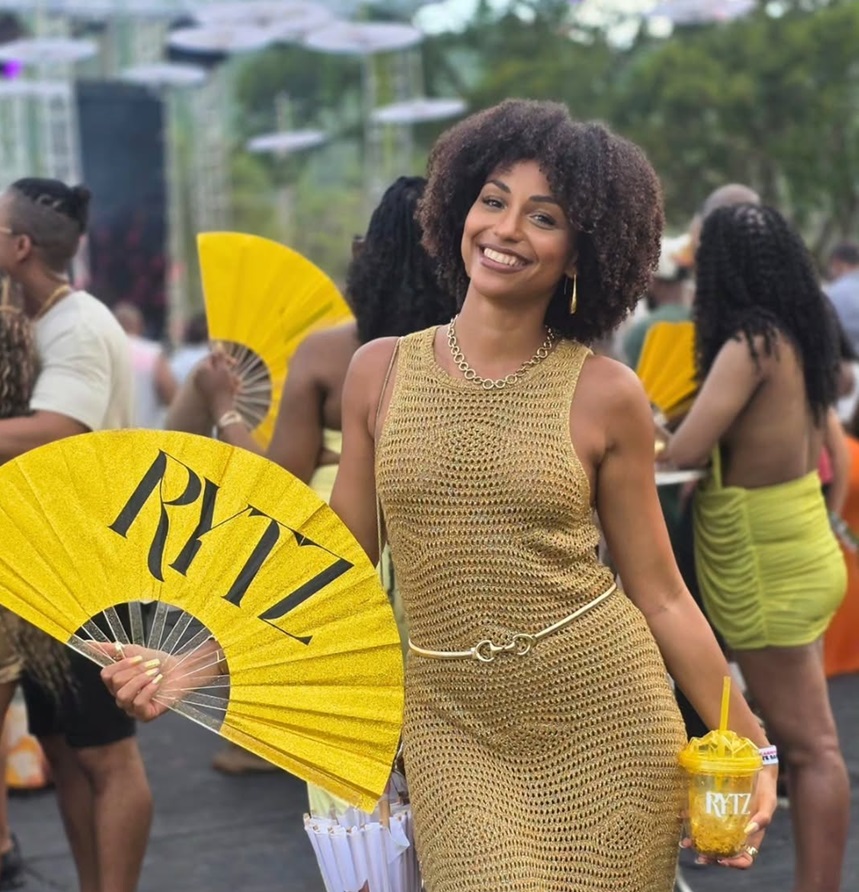
    What started as a gloomy, rain-threatened day for scores of soca enthusiasts gathered at Rytz for a highly anticipated fete on Thursday ended as one of the most memorable nights of Caribbean musical celebration in recent memory. A punishing early downpour had left attendees questioning whether the beloved event would be able to deliver on its promise of nonstop joy — but by the time the sun dipped below the horizon, the entire space had been transformed, doused not in rainwater, but in pulsating rhythm, bold flavor, and unbridled collective happiness that no storm could dampen.

    Billed as an all-inclusive upscale escape, the event lived up to its name from the first moment guests arrived. Premium spirits circulated easily between mingling attendees, and a carefully curated spread of culinary offerings delighted taste buds with every new sampling. Even amid this laid-back indulgence, however, a tangible buzz of anticipation hummed through the crowd: everyone knew the headline performance that would elevate the entire experience was still to come.

    That long-awaited moment finally arrived when Kes the Band stepped into the spotlight. With 21 years of industry experience under their belt, the iconic soca ensemble did not merely walk onto the stage — they owned it, exuding the quiet confidence of a legendary act that remains at the very peak of its creative power. Right from their opening introduction, the group made their core mission clear: to bridge Caribbean cultural divides by bringing the signature sound of soca to Jamaica, the global home of reggae and dancehall. The message resonated deeply with the crowd, especially as frontman Kees Dieffenthaller opened up about his personal connection to the island.

    “Jamaica helped shape us too,” he told the audience. “Every time I have to leave here, I leave with a heavy heart.”

    Long before Kes took the stage, a lineup of talented opening acts had already worked the crowd into a fever pitch. Richie Ras, Cardo, Bloodline Franco, and Brush1 the Road Marshal delivered a relentless, hit-packed warm-up set that had guests dancing and winding across the still-damp event lawn. Fan-favorite tracks including *Greatest Bend Ova*, *Good Spirits*, *Ring Finger*, *Splinters*, and *Big Dansa* turned the open space into one massive, impromptu dance floor, with attendees losing themselves to the infectious beat without hesitation.

    Yet when Kes and his band launched into their set, the entire energy of the night shifted to a new level. As the first familiar notes of *Rum and Coca-Cola* rang out, hundreds of phone lights shot up into the dark sky, capturing the once-in-a-lifetime moment. What followed unfolded like a loving tribute to soca music itself, a celebration of the genre’s ability to bring people together across backgrounds.

    “Soca music is healing,” Kees told the crowd, his voice cutting clean through the driving rhythm before urging the audience to embrace the moment fully: “When soca calling, we feteing straight to the road.”

    The connection between the band and the audience felt almost spiritual, rooted in a shared love for Caribbean sound and community. “This is what I live for — to see all these smiling faces,” Kees said as he scanned the sea of grinning attendees, whose joy in turn fuelled the rest of his performance. At one point, he challenged the crowd to let go of their inhibitions: “If you looking for love, show me your wild side,” and the response was immediate, electric, and overwhelming.

    Every minute of the performance was crafted with intentional purpose, moving far beyond surface-level spectacle. “When I come to spread the music, I want you to feel the instruments. This is Kes the Band, not Kees the man,” he declared, grounding the night in a deeper message of unity, full immersion, and shared feeling rather than individual fame.

    The band’s setlist glided seamlessly between different eras of soca and shifting emotional tones. Nostalgic classic hits blended with fresh, modern bops as *Hello* melted into *Are You Ready*, before softening into the timeless, reassuring refrains of *I’ll Be There For You* and *Carnival Friends*. In a heartfelt gesture that highlighted the deep musical kinship across the Caribbean, Kees paused to acknowledge the rapid growth of soca’s popularity in Jamaica, emphasizing his love for both genres native to the region.

    “I’m so happy to see how soca has grown in Jamaica. We need to bring the energy we have in Trinidad to a bigger stage here, because I love soca, but I love my dancehall too,” he said, before launching into a high-energy medley of vintage hits from iconic Jamaican artists Buju Banton and Super Cat — a surprise that sent the crowd into a frenzy of cross-cultural pride.

    Just when attendees thought the energy could not possibly get any higher, Kees upped the ante once again, welcoming a fellow musician for a special guest appearance that added an entirely new layer of excitement to the already electric atmosphere. “Let’s take a jam till a mawning,” he urged, and the crowd obliged without a single moment of hesitation.

    As chants of “Oh Lord, oh!” drifted out into the warm Jamaican night, one truth was undeniable: Rytz had far exceeded every expectation. The early rain that once threatened to ruin the entire event had long been reduced to an afterthought, replaced by a full-body saturation of sound, collective spirit, and sensory delight that would stay with attendees long after the final note faded.

  • 18 finalists compete for Miss Universe Jamaica Westmoreland title

    18 finalists compete for Miss Universe Jamaica Westmoreland title

    Months of careful preparation are coming to a head for Jamaica’s Miss Universe Jamaica Westmoreland 2026 pageant, after organizers publicly introduced the 18 women who will compete for the parish title later this spring. Pageant director Hannah Sheree expressed full confidence in the selected finalists, highlighting the steady progress of pre-coronation planning in an exclusive interview with Observer Online last week.

    Against the unexpected backdrop of recovery from Hurricane Melissa, which struck the region late last year, Sheree says recruitment efforts exceeded all expectations. More than 30 young women from diverse communities across Westmoreland stepped forward to attend initial casting calls, a turnout that organizers called far more encouraging than projected after the storm disrupted local life. From that large initial pool of hopefuls, 18 candidates earned a spot as finalists, who made their first public appearance at a formal sashing ceremony held at Savannah-La-Mar’s Hotel Commingle.

    The sashing event drew a packed, energetic crowd of supporters who turned out to cheer on the contestants, who already impressed attendees with their poise and presence ahead of the formal coronation. Distinguished guests joined the celebration, including Dwayne Vaz, Member of Parliament for Central Westmoreland, Gabrielle Whyte, 2025 Miss Universe Jamaica West second runner-up, and Maria Marshall, deputy vice president for Miss Jamaica UK.

    Sheree emphasized that even this introductory event required months of behind-the-scenes work from the contestants, who are already in active training leading up to the May 23 coronation. “I am so incredibly proud of my girls,” she said, noting that the commitment and enthusiasm the finalists have brought to every rehearsal and preparation session has exceeded the team’s expectations. “Though this was just the sashing show, a lot of effort and passion was put into the preparation and it paid off beautifully.”

    The pageant director also extended public gratitude to the full network of local sponsors and partners that have made the 2026 competition possible, starting with Hotel Commingle, the official host venue sponsor for both the sashing ceremony and the upcoming coronation. Additional supporters include Ro Ro Designs, which created promotional materials for the competition, Jamark Luxury Transportation, gift sponsor The Pill Box Pharmacy, Tan Tan Bakery, and official water sponsor Aqua Palace. Sheree also highlighted the critical work of individual contestant sponsors and the core production team—Tiena Brown, Crystal Johnson, and Andre Walker—whose tireless work has kept the pageant on track.

    The 2026 Miss Universe Jamaica Westmoreland coronation will take place on May 23 at Hotel Commingle, with a high-stakes reward waiting for the winner: the champion will earn an automatic berth in the national Miss Universe Jamaica pageant, where they will go on to compete for the chance to represent Jamaica on the global Miss Universe stage.

    The 18 official finalists for the 2026 Miss Universe Jamaica Westmoreland title are: Annalicia Russell, Shamara Hurst, Cameron Willis, Tiffany Maragh, Ashley Gardner, Thrisianna Coke, Nicolette Gayle, Gabriele Davidson, Kelly Ann Barrett, Roushanda Levy, Nia Paige Matthews, Gayon Gayle, Brittany Solomon, Christine Mulai, Alexsia Brady, Mykhal Anglin, Regina McLean, and Shauna Lee Ervin.

  • Keith & Tex reimagine ‘Perhaps, Perhaps, Perhaps’ in signature style

    Keith & Tex reimagine ‘Perhaps, Perhaps, Perhaps’ in signature style

    Five decades after they first rose to prominence on Jamaica’s iconic rocksteady scene, the enduring veteran musical duo Keith and Tex continues to create new work, putting their distinctive reggae spin on timeless tracks with the release of their latest cover: the beloved standard *Perhaps, Perhaps, Perhaps*. The long-running pair first hatched the idea for a project reimagining underrated, widely loved classic songs last year, when the pair began brainstorming selections for their new cover series, and *Perhaps, Perhaps, Perhaps* quickly emerged as one of their top choices. Their reimagined version of the track hit streaming and digital platforms this past March, with production credits shared across Carl Fletcher, Basil “Benbow” Creary, and Keith Rowe. This new release marks the follow-up to their well-received 2024 take on Bobby Caldwell’s blue-eyed soul staple *What You Won’t Do For Love*, which transformed the smooth R&B original into a vibrant reggae cut. First penned by Cuban composer Osvaldo Farres, the track has an 77-year recorded history, with previous versions cut by legendary artists ranging from Desi Arnaz and Doris Day to Bing Crosby and Jamaican reggae great Dennis Brown. For the duo, reinterpreting these classic tracks is all about leaving their own creative mark on material that already resonates with audiences around the world. “Our approach to covering songs is to make it our own and in our style,” Keith explained in an interview with Jamaica Observer Online. “The decision to cover ‘Perhaps’ was taken after a conversation with my friends about doing covers of obscure, and well-loved songs. Perhaps it was the first song we recorded.” What makes Keith and Tex stand out among the acts that emerged during rocksteady’s peak 1966–1968 heyday is their ongoing commitment to recording and performing. Though the pair now lives on opposite sides of North America—Keith resides in Tampa, Florida, while Tex has been based in Toronto, Canada for decades—that geographic distance has not slowed their output. The duo got their start over 50 years ago under the guidance of legendary Jamaican producer Derrick Harriott, scoring multiple top hits on the Jamaican music charts with fan favorites including *Don’t Look Back*, *Tonight*, and *Stop That Train*. In the decades since, they have maintained a consistent work schedule: they tour regularly across Europe and Australia, and drop a full new album every two years. Their most recent full-length project, *Gun Life*, was released in 2025 through Spanish label Liquidator Records, setting the stage for this latest string of single releases that see them continuing to celebrate the music that shaped their careers. The release of their new *Perhaps, Perhaps, Perhaps* cover underscores not just the duo’s enduring relevance in the global reggae scene, but also the timeless appeal of well-crafted classic songs that continue to draw new interpretations from generations of artists.

  • Vernal Sage believes in ‘Good over evil’

    Vernal Sage believes in ‘Good over evil’

    After stepping away from the music industry for more than a decade to pursue a corporate tech career, veteran Jamaican reggae performer Vernal Sage—pronounced Sajay—has returned to the spotlight with a purpose-driven new single aimed at sparking meaningful cultural shift. Titled *Good Over Evil*, the track grows out of Sage’s deep concern over eroding moral standards and fading empathy across global society, and he says he is confident the work can lift collective spirits and reframe public mindsets both in his native Jamaica and across the world.

    In explaining the core message behind his latest release, Sage pointed to growing social disconnectedness that has paved the way for a surge in destructive societal problems, from widespread scamming operations to rising violent criminality in Jamaica. Beyond local community issues, he extended his critique to global politics, noting that many world governments now operate without empathy or regard for the welfare of citizens in other nations, pointing to the ongoing crisis unfolding across the Middle East as a stark example.

    Sage emphasized that failing adult leadership has disproportionately harmed young people, who grow up without receiving the consistent care and loving example they need to thrive. “It’s turning into a harsher, more unkind world, and that has to be fixed,” he explained. “Good has to hold the balance to keep the world right. That’s why I sing of good triumphing over evil, and that’s what I pray for every day.”

    Since its release, *Good Over Evil* has earned broad, enthusiastic backing from Jamaican radio personalities. Top DJs including DJ Amber, Big A, Collision and DJ Bryan from the popular local station IRIE FM have added the track to regular rotation, alongside other prominent DJs Roderick Howell, Dalton Leith, and Richie B. Programming teams at Connection Radio and Captain Kirk of Island Gold Radio have also thrown their support behind the single. The track made its public debut at the iconic Kingston weekly street event Weddy Weddy, hosted by Dwayne Pow, and DJ Shawn 13 has been spinning the track consistently at local street events ever since. “The feedback and support we’ve gotten has been absolutely incredible,” Sage said of the early response.

    A native of Westmoreland, Jamaica, Sage grew up as the oldest of eight siblings, cutting his first musical teeth as a member of his high school choir at Glenmuir High School before relocating to Rocky Point, Clarendon, and completing his secondary education at Clarendon College. He cut his first three recorded tracks in the early 1990s under the stage name Green T, after graduating from the University of Technology. For years, he balanced a full-time career as an information technology specialist with his passion for music, even releasing multiple tracks through the legendary reggae label Greensleeves Records. Eventually, the heavy demands of his corporate role led him to step back from music, taking an extended sabbatical that lasted until 2010.

    Sage’s return to full-time music began through a personal and professional connection with iconic Jamaican performer Boris Gardiner. In 2020, he officially relaunched his recording career, teaming up with Gardiner and Donovan Downer, a core member of the beloved reggae group Fab Fifty. Since resuming his craft, he has poured consistent energy into refining his work, earning early commercial success with the 2020s single *One Night Stand*, which climbed the ethnic regional music charts across the United States.

  • ‘A Hit Mek’ charts journey of Jamaica’s music heritage

    ‘A Hit Mek’ charts journey of Jamaica’s music heritage

    Jamaica’s globally beloved musical tradition has long been celebrated around the world, but a groundbreaking new work by author Rohan Budhai argues that many critical chapters of this cultural legacy have remained hidden from mainstream documentation. Titled *A Hit Mek* — a clever reference to Desmond Dekker’s iconic 1967 track *007 (Shanty Town)* that unpacks the deeper cultural roots of the classic phrase “A it mek” — this 560-page volume offers the most sweeping examination of the island’s sonic and cultural evolution ever published, challenging long-held assumptions that Jamaican music history has already been fully mapped.

    In his foreword to the book, respected music consultant Clyde McKenzie praises Budhai’s unique approach, which ties pivotal moments in Jamaican social and political history directly to the emergence and transformation of the nation’s core musical genres. Unlike many earlier works that focus only on the global boom of reggae in the 20th century, *A Hit Mek* stretches its narrative back more than 500 years, opening with Christopher Columbus’s 15th-century arrival on the island and the Indigenous Taíno community whose rhythmic drumming, call-and-response vocal traditions, and handmade instruments carried the earliest echoes of African cultural influence that would shape all future Jamaican sound.

    Budhai weaves together a complex narrative that accounts for the layered impacts of Spanish and British colonial rule, the brutality of the transatlantic slave trade, and the irreplaceable cultural contributions of every community that shaped the island: Taínos, Maroons, enslaved Africans, and indentured laborers from across Asia and the Middle East. The book traces the step-by-step evolution of Jamaica’s most defining genres, from sacred traditional styles like Kumina to the first commercially recorded local sound Mento, through the mid-20th century explosion of Ska and Rocksteady, and on to the global dominance of Reggae and the contemporary energy of Dancehall. It also centers the underrecognized role of Jamaican sound system culture, a grassroots innovation that redefined live music and went on to reshape popular sound across the globe.

    A key strength of the work is its commitment to highlighting the contributions of diverse communities that have long been sidelined in official music histories, including Afro-Jamaican, Lebanese, Syrian, Chinese, and Indian Jamaican creators, alongside the bands, radio outlets, and entertainment organizations that nurtured local talent and expanded the reach of Jamaican sound. The book even addresses longstanding scholarly debates: for example, it notes that while Mento holds the title of Jamaica’s first widely recognized and electronically recorded local genre, cultural icons like Rex Nettleford long argued that it drew significant formative influence from Cuban musical traditions.

    The volume devotes special attention to reggae, Jamaica’s most globally impactful export, framing it as a dynamic fusion of West African ancestral traditions, American rhythm and blues, jazz, and soul. It maps reggae’s far-reaching legacy, from spawning iconic subgenres including dub and lovers rock to shaping everything from modern hip-hop to global electronic dance music, cementing Jamaica’s outsize influence on contemporary popular music worldwide.

    Budhai, who launched his career in music production before founding Howlers International Music, began the ambitious project in 2021, during the global COVID-19 pandemic, and brought it to completion in 2025. His years of research uncovered major gaps in existing historical accounts, with many key influences — including church music introduced during colonial rule, and cultural traditions dating back to pre-Columbian and enslaved African communities — having been largely overlooked in earlier works.

    Today, *A Hit Mek* is available for purchase globally through Amazon, with translated editions already published in Spanish, French, and Portuguese to make this comprehensive history accessible to audiences around the world. While Budhai describes the book as one of the most exhaustive works on Jamaican music history ever compiled, he emphasizes that the story of the island’s sound is far from finished. For him, Jamaican music has always been, and remains, a living narrative that reflects the struggles, extraordinary resilience, and unmistakeable cultural identity of the Jamaican people, with new chapters still being written every day.

  • Morning Maestro Machel

    Morning Maestro Machel

    Jamaica’s iconic Hope Gardens’ Wonderlands transformed into a vibrant carnival hub over the weekend, welcoming hundreds of eager party-goers to the much-anticipated annual Sunrise Breakfast Party. Organized by local event collective Sunnation Jamaica, the morning gathering has cemented its reputation as one of the can’t-miss staple events on the regional Caribbean Carnival calendar, drawing both local revelers and traveling carnival fans from across the globe this year. Attendees turned out in full force to sample local cuisine, enjoy interactive entertainment, and soak in the high-energy festive atmosphere that has become synonymous with the event. Headlining the morning lineup was soca legend Machel Montano, whose dynamic, crowd-leading performance turned the Saturday morning showdown into an unforgettable experience. The beloved soca maestro commanded the stage from the first note, drawing the entire audience into a collective, high-energy celebration that left the venue buzzing with unmatched positive energy. Photography by Garfield Robinson captured the electric vibe of the day’s festivities.

  • Xodus Fete Gala dresses, impresses

    Xodus Fete Gala dresses, impresses

    On a Wednesday night at the sprawling East Lawns of Devon House in St Andrew, Jamaica, the third edition of the Campari Xodus Fete Gala brought a vibrant explosion of cross-regional Caribbean cultural fusion, powered by an all-star lineup of international and regional disc jockeys that kept hundreds of guests dancing from start to finish.

    Curated to blend the formal creativity of high-profile galas with the unfiltered energy of Caribbean street fêtes, the event drew inspiration from New York’s iconic Met Gala, inviting attendees to lean into personalized, imaginative interpretations of the night’s black, white, and gold dress code. While most male guests stuck to classic formalwear — tuxedos, tailored button-downs, and polished dress shoes — and female attendees showcased elegant gowns of varying lengths paired with statement makeup and heeled footwear, the atmosphere never felt stuffy or restrained. From the first track dropped, the crowd leaned into the high-energy, communal joy that defines Caribbean carnival culture.

    A major departure from the event’s first two editions, this year’s gala skipped live performances entirely, relying solely on the skill of the assembled DJs to carry the night. The lineup represented a who’s who of regional Caribbean talent, including Barbadian DJ Jus Jay, and a roster of Trinidadian selectors: Major Penny, Papi Jae, Selectah Kerry, Tony X, Tegarooks, and Lurbz. They were joined by North American-based acts Florida’s DJ Sinistar and Canadian DJ Brandan Duke, creating a truly pan-Caribbean and diasporic curatorial team.

    The DJs delivered seamless, gapless sets that spanned multiple genres and generations, blending old-school and contemporary cuts across pop, R&B, reggae, dancehall, and of course, the quintessential Caribbean carnival sound of soca. For many attendees, especially those traveling from the Caribbean diaspora in North America and Europe, the breadth of the DJs’ musical knowledge came as a delightful surprise. The lineup’s ability to read a Jamaican crowd and blend familiar local hits with regional and international favorites kept the energy high from the event’s 9:30 p.m. kickoff until its 2:00 a.m. closing time.

    A Canadian male patron, visiting Jamaica for his second carnival season, shared his enthusiasm for the night in an interview with Jamaica Observer. “I am so impressed at how a lot of these DJs and MCs from different countries know not just traditional soca genres, but all the Jamaican ones, and even some R&B, a bit of house music or EDM, and pop that’s more popular where I’m from,” he said. “Tonight was amazing, and I’m so glad I got to experience this. The inclusive cocktails and the infamous Jamaican KFC that were complimentary definitely contributed to an amazing time. I will be returning, and I hope this becomes a staple for Xodus each Carnival season.”

    His praise echoed the widespread satisfaction with the event’s hospitality: title sponsor Campari and partner Appleton kept complimentary drinks flowing all night, while returning partner KFC provided free food to guests until its entire supply was exhausted.

    A first-time visitor to Jamaica, a religious traveler who calls the event a “Caribbean Carnival chaser” after working her way through a bucket list of Caribbean carnivals across the region, also shared her positive impression. She noted that she specifically chose Xodus, Jamaica’s most established carnival band, for her first Jamaican carnival experience, drawn by its reputation for organized, high-quality events.

    “I took time off from work just to be here, and I researched that Xodus is the more established band, so I wanted my first Jamaican Carnival to be with the more structured band. It’s a pretty good experience, so far. I’m here with two of my friends and the costume pickup experience was very smooth. I loved that and they should keep it up,” she said. “The gala has been interesting because it’s like a fete but a Caribbean/dancehall party at the same time and I’ve never seen that before. I like it.”

    Across social media and on-site interviews, attendees left the event praising the unique blend of formal pageantry and laid-back Caribbean fun, marking the third Campari Xodus Fete Gala as a standout addition to Jamaica’s annual carnival calendar.

  • Chinese Food Festival: April 18

    Chinese Food Festival: April 18

    On the Caribbean island of Grenada, a highly anticipated cultural and culinary event is slated to take place next spring at one of the island’s popular coastal gathering spots. The Chinese Food Festival has been scheduled to run from 12 p.m. to 6 p.m. on April 18, 2026, at Camerhogne Park, located in the Morne Rouge district near Grand Anse. The event, which spotlights authentic Chinese cuisine and cultural exchange, will bring together local residents and visiting tourists to experience a wide range of traditional Chinese dishes, cultural performances, and interactive culinary activities. Local media outlet NOW Grenada has issued a standard content disclaimer, noting that the organization is not liable for any opinions, statements, or third-party contributed media content associated with the event announcement, and provides a reporting channel for users to flag any content that violates community guidelines. As a cross-cultural event open to the public, the festival is expected to strengthen the cultural ties between Chinese and Grenadian communities, boost local tourism and the small food business sector, and offer a unique multicultural experience for attendees visiting the Morne Rouge and Grand Anse area.