分类: entertainment

  • Former One Direction star Louis Tomlinson at centre of Antigua and Barbuda film and tourism project

    Former One Direction star Louis Tomlinson at centre of Antigua and Barbuda film and tourism project

    A high-profile collaboration blending entertainment and destination marketing is putting the twin-island Caribbean nation of Antigua and Barbuda in the global spotlight, with former One Direction singer-songwriter Louis Tomlinson serving as the central figure of a new integrated film and tourism project.

    The cross-sector initiative, first announced by local tourism and creative industry officials, aims to leverage Tomlinson’s massive global fanbase — which numbers in the hundreds of millions across social media platforms — to draw more international visitors to the islands’ white-sand coastlines and vibrant local culture, while also growing Antigua and Barbuda’s emerging film production sector. Unlike traditional celebrity endorsement deals, the project plans to film original long-form content centered on Tomlinson’s experiences exploring both populated Antigua and the less-developed, ecologically unique Barbuda, showcasing hidden local gems that rarely appear in mainstream travel coverage.

    Industry observers note that the partnership marks a new strategy for small island developing states looking to diversify their tourism-dependent economies. By tying A-list celebrity appeal to film infrastructure development, Antigua and Barbuda hopes to not only boost short-term visitor arrivals but also position itself as a top Caribbean filming location for future international productions. Local stakeholders have expressed optimism that the project will create new jobs in hospitality, local production services, and guiding, while expanding global awareness of the islands as more than just a traditional beach vacation spot. No official timeline for content production or release has been shared publicly as of yet, though early pre-production scouting has already begun on both islands.

  • Antigua and Barbuda secures 13 nominee places at Zikomo Africa & Caribbean Awards

    Antigua and Barbuda secures 13 nominee places at Zikomo Africa & Caribbean Awards

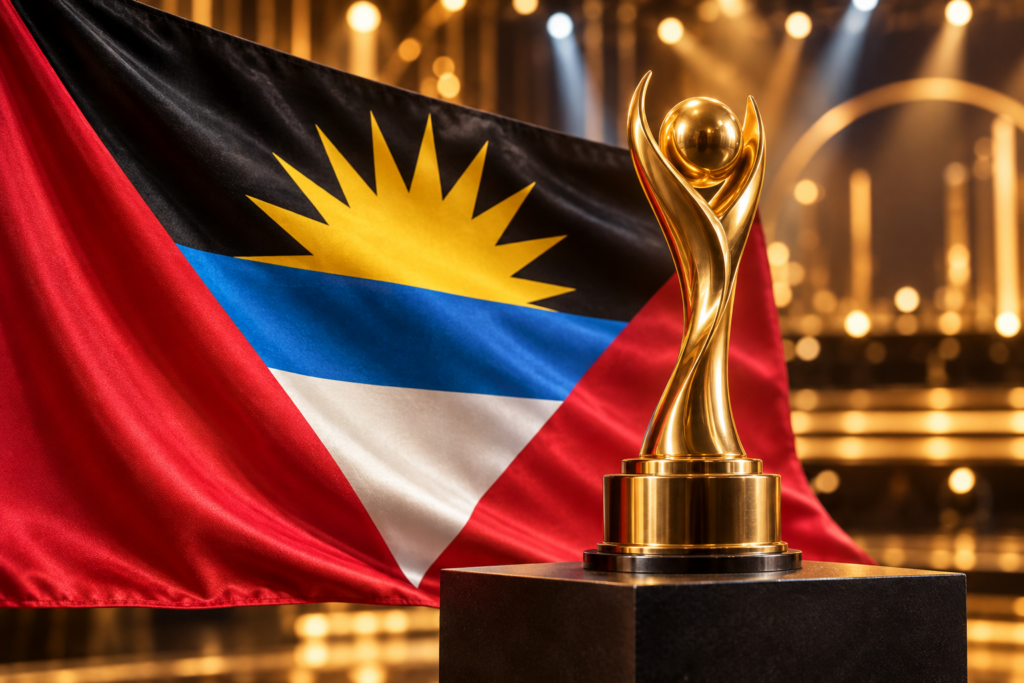
    A diverse cohort of 13 nominees, spanning 11 individual artists, a popular musical group, and an acclaimed feature film, will carry Antigua and Barbuda’s flag into the 2026 Zikomo Africa & Caribbean Awards, an annual international celebration of cross-regional talent and impact set to take place this December in Dar es Salaam, Tanzania. The nation’s nominees cover a broad spectrum of categories, ranging from music and film production to humanitarian action and community leadership, with two standout local creators earning nods in two separate award categories each.

    Founded in 2021 in Lusaka, Zambia, the Zikomo Awards were created to honor exceptional contributions across entertainment, media, philanthropy, governance, and social change. What began as a regional recognition platform for African creators has since expanded its scope to elevate outstanding talent from across the Caribbean, creating a rare space for cross-cultural connection and celebration between two dynamic global regions.

    Organizers have confirmed the event will be hosted at Dar es Salaam’s iconic Super Dome, though public scheduling information currently carries a small, unresolved discrepancy: the venue’s official event calendar lists the awards ceremony for December 9, while the accompanying event description on the same page marks the date as December 11. To date, no official clarification has been issued to resolve the conflicting date announcements, leaving attendees and nominees awaiting updated details.

    In the music categories, Antigua and Barbuda’s representation runs deep. Local producer Andrew “Smilus” Dorsette picked up two nominations: one for Best Music Producer of the Year, and a second for Best Caribbean Gospel Artist of the Year. He will be joined in the gospel category by fellow Antiguan artist Rashid Walker. Reggae and soca star Claudette Peters earned a nomination for Best Caribbean Artist of the Year, while Asher Otto is in the running for Best Female Artist of the Year, and fan-favorite Tian Winter secured a spot in the Best Male Artist of the Year category. Dancehall creators Drastic and Bless Eye both picked up nominations for Best Dancehall Artist of the Year, emerging artist Enoch Thomas is nominated for Best New Artist of the Year, and the popular local group Climaxx Band is contending for the title of Best Band/Duo of the Year.

    In film and television, Antigua and Barbuda’s creative scene is also well-represented. Filmmaker Dr. Noel Howell earned dual nominations, competing for both Best Movie/TV Series Producer of the Year and Best Movie/TV Series Director of the Year. His feature film *Deep Blue* is also a contender in the standalone Best Film/TV Series/Documentary category. Outside of creative fields, the nation’s community leaders earned recognition as well: Joshuanette Francis is nominated for Best Humanitarian of the Year, and Dr. Apostle Stanshaw Cornelius is nominated for Best Impact Woman of the Year.

  • Caribbean Music Awards 2026 sets global premiere for October 25 following international buzz and growing fan anticipation

    Caribbean Music Awards 2026 sets global premiere for October 25 following international buzz and growing fan anticipation

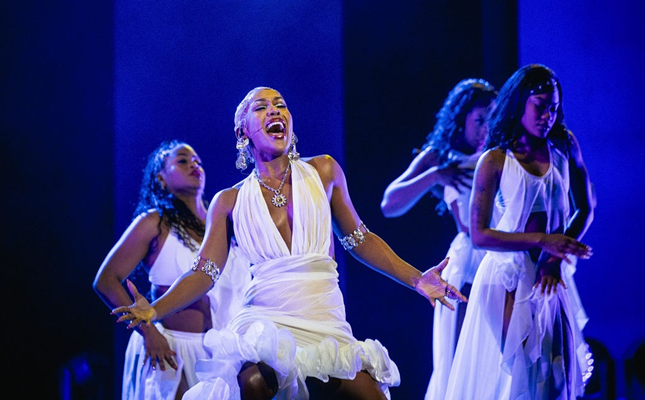
    After months of growing international buzz and a wildly popular in-person event in Trinidad & Tobago, the fourth annual Caribbean Music Awards is gearing up for its global streaming premiere on October 25, 2026, ready to bring the full spectrum of Caribbean musical talent to audiences around the world.

    Presented by Trinidad Tourism Limited, the 2026 iteration of the awards marks a major milestone for the platform: after three years hosting the ceremony in Brooklyn, New York, this year’s celebration moved to the National Academy for the Performing Arts (NAPA) in Port of Spain, opening a new chapter for the event rooted firmly in the cultural heart of the Caribbean. The in-person gathering was held on September 19, and in the weeks following, fan anticipation for the full broadcast has surged, driven by viral snippets of red carpet glamour, surprise artist appearances, and electrifying performance clips that have kept the event trending across social media, traditional broadcast, and print outlets across the globe. Media organizations from North America, the United Kingdom, multiple Caribbean nations, and beyond have continuously spotlighted the 2026 ceremony, highlighting its high-end production, A-list regional talent, and celebration of Caribbean cultural identity.

    Organizers officially announced the premiere details in a press release from New York on October 15, confirming that the full show will make its global debut first on the official Caribbean Music Awards YouTube channel at 9 PM EST on October 25. For international audiences outside of YouTube access, the ceremony will also be distributed via the TRACE Plus streaming app and TRACE’s linear television networks, with confirmed broadcasts across the French Caribbean, France, the United Kingdom, and Francophone Africa. Eight regional Caribbean markets will also host local terrestrial broadcasts through partnered regional networks: CNC3 in Trinidad & Tobago, CVM in Jamaica, CBC/TV8 in Barbados, TeleCuraçao in Curaçao, MBC TV/Real FM in Saint Lucia, SVG TV in St. Vincent & the Grenadines, TV15 in Sint Maarten, and Channel 105 (via Flow TV) in Dominica. Viewers are advised to check local listings for exact airtime details in their regions.

    Held under the dual theme “Sounds of the Caribbean, Voices of the Caribbean,” this year’s ceremony brought together hundreds of artists, industry executives, cultural leaders, and international journalists to honor the extraordinary diversity of Caribbean music and its rapidly expanding global influence. Hosted by comedian Majah Hype and acclaimed recording artist Nailah Blackman, the night featured live performances from a sprawling lineup of standout talent including 1T1, Theomaa, FreeTown Collective, Mela Caribe, Christo, Lil Kerry, V’ghn, 450, Jah Mason, Harmonik, and Muddy, among many others.

    Beyond celebrating emerging and current hitmakers, the ceremony also paid tribute to legendary figures who have shaped Caribbean music for generations. Iconic artist Patra received the prestigious Lifetime Achievement Award, Calypso Rose was honored with the Elite Calypso Award, Alan Cavé took home the Elite Konpa Award, and Shyn was named the event’s Global Ambassador for her work expanding Caribbean music’s reach internationally.

    The awards ceremony capped the Caribbean Music Awards’ first ever Elite Weekend Experience, a three-day cultural and industry gathering that extended far beyond the main awards show. The weekend included industry panels for emerging talent, an official welcome reception for international guests, targeted media engagement sessions, and a closing celebration of Caribbean heritage and the iconic steelpan instrument. Together, the weekend’s events created a collaborative space for creators and industry leaders to align on advancing Caribbean music’s global growth.

    From Soca, Dancehall, and Reggae to Bouyon, Konpa, Chutney Soca, Calypso, Dennery, and French Caribbean traditions, the ceremony showcases the distinct yet interconnected sounds that define the region. For fans who could not attend the in-person September event, the October 25 global premiere offers the first chance to experience the full, unedited show, from showstopping performances to moving tribute segments, and celebrate the artists and cultural stewards driving Caribbean music’s ongoing global impact. Audiences can find more information about the event on the official Caribbean Music Awards website, and follow the event’s social media channels @caribmusicawards for updates leading up to the premiere.

  • PLAY ONE FOR BIRDIE

    PLAY ONE FOR BIRDIE

    Trinidad and Tobago’s iconic national steelband competition, Panorama, will center its 2027 iteration on celebrating the life and enduring legacy of Slinger Francisco — the iconic calypsonian universally known by his stage name, The Mighty Sparrow. The announcement of this tribute was made by Pan Trinbago president Beverley Ramsey-Moore on the day of the 2027 festival’s official launch, hosted at the Desperadoes panyard located on George Street, Port of Spain. During the launch event, Ramsey-Moore laid out a full slate of adjusted programming and celebratory plans for the upcoming season, anchored by the fitting tribute to one of the nation’s most beloved cultural figures.

    “We promise and we pledge to dedicate Panorama 2027 to the Mighty Sparrow, Slinger Francisco,” Ramsey-Moore affirmed to attendees at the launch.

    A key change to the 2027 competition schedule sees the single-pan category kicking off immediately after the launch event, with its grand final scheduled to take place on November 21 at San Fernando’s Skinner Park. To add a fresh, engaging layer to this segment of the competition, the single-pan finals will be structured as a unique “pan-and-powder” event, deviating from the traditional competition format. Following the conclusion of the single-pan category, the small conventional band division will hold its rounds, with finals planned before the end of the calendar year. This staggered schedule is designed to accommodate a condensed overall Panorama season, before the competition progresses to the medium and large conventional band categories that will run alongside the crowd-favorite traditional Savannah Party.

    As part of the Sparrow tribute, multiple participating steelbands across all categories will perform reimagined selections from the legend’s decades-spanning, extensive musical catalog. This initiative is designed to shine a bright spotlight on Sparrow’s irreplaceable contributions to Trinidad and Tobago’s rich cultural and musical heritage. Additionally, the iconic North Stand at Queen’s Park Savannah will be reimagined as the “all-saltfish sweet stand” for the 2027 festival, as organizers prepare to welcome back the large, energetic crowds of supporters that have long been a defining feature of Panorama celebrations.

    The tribute comes just months after The Mighty Sparrow’s passing in late September. The 91-year-old legend died at a New York hospital following a short illness, and his remains were repatriated to his home country of Trinidad and Tobago on October 6. Just last week, he was honored with a Carnival-style public procession and a state-supported funeral at the National Academy for the Performing Arts, drawing thousands of mourners and fans to pay their respects.

    Ramsey-Moore explained that the choice to dedicate the 2027 season to Sparrow also recognizes the deep, historic symbiosis between steelpan music and calypso that dates back to the genre’s earliest days. In the early 20th century, before the rise of modern radio DJs and mass digital music distribution, steelbands served as the primary vehicle for spreading calypso music across local communities and were central to the annual competition for the coveted Road March title, awarded to the most popular calypso played on Carnival streets.

    “In the early days, the steelbands were the drivers of the calypso music. There were no big deejays or anything around. So, you depended on the bands to carry the music, to road march,” she explained.

    Beyond the tribute to the legendary performer, Pan Trinbago has outlined its broader priorities for the 2027 season, including a continued focus on nurturing young musical talent and upholding the intangible cultural values that form the foundation of Trinidad and Tobago’s Carnival celebrations. Ramsey-Moore pointed to the strong turnout of young participants at the official launch as clear evidence of the organization’s ongoing commitment to passing the steelpan tradition to the next generation.

    In a call to players, arrangers, lifelong steelpan fans and the broader community, Ramsey-Moore urged widespread participation and support across the 2027 season. She emphasized the unifying power of the instrument and the festival, noting: “When you talk about steelpan, steelpan is Trinidad and Tobago. Especially Panorama time. It brings all of our people together. There is no race, there is no religion. It is just a group of people coming together to have fun.”

    She framed Panorama as one of the most critical pillars of Trinidad and Tobago’s Carnival, second only to the traditional masquerade celebrations held on Carnival Monday and Tuesday, and highlighted that the steelpan season extends its cultural impact far beyond the core Carnival holiday period. While the first category kicks off in November, the significance of the festival and its tribute to Sparrow will resonate across the nation’s cultural landscape for months to come. “We are saying come out as usual, bring your energy and match the rhythm of the beat of the steelpan,” Ramsey-Moore invited the public.

  • Guyanese-born author Marcia Badal unfolds a new chapter

    Guyanese-born author Marcia Badal unfolds a new chapter

    Against all odds, a woman who fled tragedy to build a new life across continents has emerged as one of the most compelling emerging voices in contemporary literature, turning personal pain into resonant prose that has captured attention around the world. Guyana-born author Deoranie “Marcia” Badal has transformed a devastating early life event into a multi-faceted literary career defined by resilience, creative courage, and growing international acclaim.

    Badal’s path to publishing began after a life-altering accident in her native Guyana forced her to relocate to the United States in search of a fresh start. In the aftermath of upheaval, she turned to writing as a tool to process her complicated emotions, unpack her lived experiences, and make sense of her sudden new reality. What started as a private practice of self-reflection soon bloomed into her first full-length literary work: *Jewel of Writing*, a collection of deeply personal poetry that has since earned recognition on both national and global stages.

    The debut collection has already caught the eye of major industry and media outlets, including high-profile platforms such as NY Weekly, US Insider, Famous Times, and CEO Weekly. Regional community publications, including New York’s News Chronicles of the Finger Lakes and the Tioga Courier, have also highlighted Badal’s work, cementing her status as a standout emerging literary talent across audiences of all sizes.

    Most recently, Badal’s poetic work was honored by the International Impact Book Award, which awarded her a formal certificate for Outstanding Literary Achievement. She is set to build on this milestone in January 2027, when she travels to Arizona to accept the honor of Distinguished Author, a recognition that will further elevate her profile in the global literary community.

    In another career high that underscores her growing international reach, *Jewel of Writing* has been selected for exhibition at the Guadalajara International Book Fair, widely ranked as the second largest book fair in the world and one of the most prestigious events on the global publishing calendar. The invitation will place Badal’s work in front of thousands of publishers, readers, and industry leaders from around the globe, marking her official transition from a Guyanese immigrant writer to a globally recognized literary voice.

    Now, Badal is preparing to expand her creative repertoire with the upcoming launch of her second book, *Karcia’s Story Unfolds*, a narrative love story drawn from real-life experiences. Moving beyond the poetic form of her debut, this new work explores the nuanced beauty, unforeseen challenges, raw emotion, and inherent complexity of romantic relationships, taking readers on an intimate journey of connection, hope, and the fight to preserve meaningful love in the face of hardship. At its core, the work celebrates the enduring power of love, the inner strength required to overcome life’s obstacles, and the lasting impact of memories that shape us long after life changes course.
    *Karcia’s Story Unfolds* is being published by U.S.-based US Global Publisher, bringing Badal’s new narrative work to bookshelves and digital platforms for readers around the world.

    From tragedy survivor to award-winning, globally exhibited author, Marcia Badal’s career is a powerful testament to the transformative power of storytelling. With two published works, a shelf of international honors, and a growing body of work ahead of her, Badal continues to prove that the most moving, unforgettable stories often grow out of life’s most unexpected and challenging chapters.

  • Asher Otto joins Commonwealth artists on Beatles song recording

    Asher Otto joins Commonwealth artists on Beatles song recording

    A cross-continental collaborative music project is bringing dozens of talented performers from across the Commonwealth together to record a fresh interpretation of The Beatles’ classic hit “With a Little Help from My Friends”, set to drop to global audiences on October 23. Among the featured artists is acclaimed Antiguan vocalist Asher Otto, who takes a spot alongside musical acts from six different Commonwealth nations.

    Alvaro Serrano, who serves dual roles as a senior advisor for the 2026 Commonwealth Heads of Government Meeting (CHOGM) and executive producer of the upcoming One Commonwealth Night concert, broke down details of the collaborative recording during an appearance on Saturday’s episode of the Browne and Browne Show. He confirmed that the project unites creators from Antigua and Barbuda, Samoa, Fiji, England, Kenya and Ghana, building a musical bridge that connects diverse cultural backgrounds across the 56-nation bloc.

    Beyond the new studio recording, all participating artists will share the stage in person at One Commonwealth Night, a major live music event curated as a key cultural side component of the 2026 CHOGM gathering. Serrano noted that tracking for the reimagined track first got underway in Antigua and Barbuda, with a core intentional goal: shining a global spotlight on the Caribbean nation’s vibrant local music scene and introducing its most talented homegrown creators to international audiences. In his remarks during the show, Serrano projected that both the studio release and the live concert performance would draw viewership in the millions, reaching far beyond the borders of the host nation.

    The lineup for the One Commonwealth Night concert extends far beyond the artists participating in the single recording. Serrano added that the bill will also feature Antiguan local favorite Arlen Seaton, Jamaican reggae star Tarrus Riley, the internationally celebrated classical Kanneh-Mason sibling ensemble, and a cohort of accomplished musicians from the Commonwealth Youth Orchestra, creating a dynamic program that blends genres, generations, and cultural perspectives from across the bloc.

  • Andreína Martínez celebrates Victoria’s Secret Fashion Show debut

    Andreína Martínez celebrates Victoria’s Secret Fashion Show debut

    Former Miss Dominican Republic Universe Andreína Martínez has crossed a major milestone off her career bucket list, making her long-awaited debut on the legendary Victoria’s Secret Fashion Show runway — an experience she describes as a childhood dream realized, even after falling short of claiming the top prize in the brand’s high-profile “Angels Among Us” competition.

    In a joyful post shared across her social media channels shortly after stepping off the runway, Martínez couldn’t contain her excitement, writing simply, “I walked the Victoria’s Secret Fashion Show!” For decades, the Victoria’s Secret Fashion Show has stood as one of the most iconic and coveted platforms in the global fashion industry, and earning a spot represents a breakthrough for any emerging model. Martínez took time to publicly thank designer Adam Selman, her fellow runway contestants and models, and every member of the production team who helped make her debut possible.

    Martínez advanced to the final round of the “Angels Among Us” competition, where she competed alongside fellow finalists Solange Omon and Tatyana Tinsley. When the final results were announced, Omon was selected as the newest official Victoria’s Secret Angel. Rather than dwell on her second-place finish, Martínez framed her own journey as a win to be celebrated, using her platform to encourage her social media followers to center gratitude and embrace national pride for her home country, the Dominican Republic.

    Martínez’s participation in the competition and her subsequent debut sparked a surge of conversation across social media. In the days after the final results were announced, her personal Instagram follower count jumped by roughly 28,000, climbing from 514,000 to 542,000, a clear sign of her growing global fanbase.

    Many viewers had ranked Martínez as the early favorite to take home the top prize, and the final decision drew mixed reactions online. While many fans celebrated her runway debut, others voiced disappointment with the competition’s outcome and flooded social media with messages of support for the Dominican model. Some disgruntled users even went so far as to call for a consumer boycott of Victoria’s Secret products over the selection.

    Through it all, Martínez has remained focused on the positive, emphasizing that even without winning the competition, earning a spot in the iconic fashion show is a milestone worth celebrating. Her debut marks a significant step forward in her burgeoning international modeling career, opening doors to new opportunities that were once out of reach.

  • Maggie Schmeitz wint hoofdprijs van SRD 30.000 met verhaal ‘Warm Water’

    Maggie Schmeitz wint hoofdprijs van SRD 30.000 met verhaal ‘Warm Water’

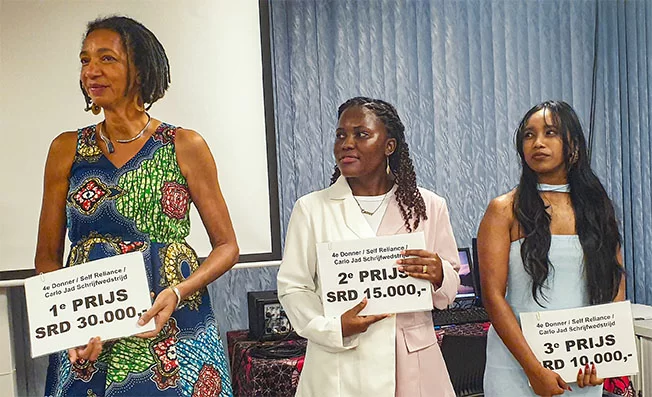
    On Friday, the much-anticipated results of the fourth iteration of the Donner/Self Reliance/CarloJad Writing Competition for the 2025/2026 cycle were officially announced at a celebratory award ceremony held in the auditorium of the National Archives of Suriname.

    After careful deliberation, the three-member jury panel, led by chair Hilde Neus and featuring jurors Jerry Dewnarain and Sandra Smit, selected top honors from a pool of 18 eligible submitted short stories. Emerging as the overall champion was writer Maggie Schmeitz for her evocative narrative *Warm Water*, who took home the competition’s top cash prize of 30,000 Surinamese dollars (SRD).

    Second place was awarded to Leann O’Deill Prins for her story *The Face in the Spotlight*, which earned her a cash reward of 15,000 SRD, while Anjali Nagessar secured third place and 10,000 SRD for her piece *Déjà Vu*. Beyond the top three podium positions, the competition also awarded three encouragement prizes, each consisting of a 2,000 SRD book voucher to support emerging writing talent. Every participant who entered the competition received an official participation certificate, along with a personalized digital jury report with feedback on their submitted work.

    The ceremony opened with opening remarks from Carlo Jadnanansing, chair of the Don Walther Foundation (SDWF), competition juror Sandra Smit, and Robby ‘Rappa’ Parabirsing, secretary of the SDWF, before jury chair Neus formally announced the full list of winners and walked attendees through the jury’s judging framework and assessment of the 18 submitted stories.

    Following tradition from the competition’s first three editions, Schmeitz’s winning story *Warm Water* will be formally published next year after a final round of editorial review from the SDWF. This publication pathway has been in place since the competition launched: previous winning works including Willem Goedschalk’s *Jonah*, Stanley Betterson and Liliek’s *A Hunter Disappeared*, and Hariandi Todirijo’s *The Invisible Sprayer* all received official publication following their respective wins, creating a permanent literary record for emerging talent in the region.

  • National Food Fair moved to October 25 alongside Junior Panorama

    National Food Fair moved to October 25 alongside Junior Panorama

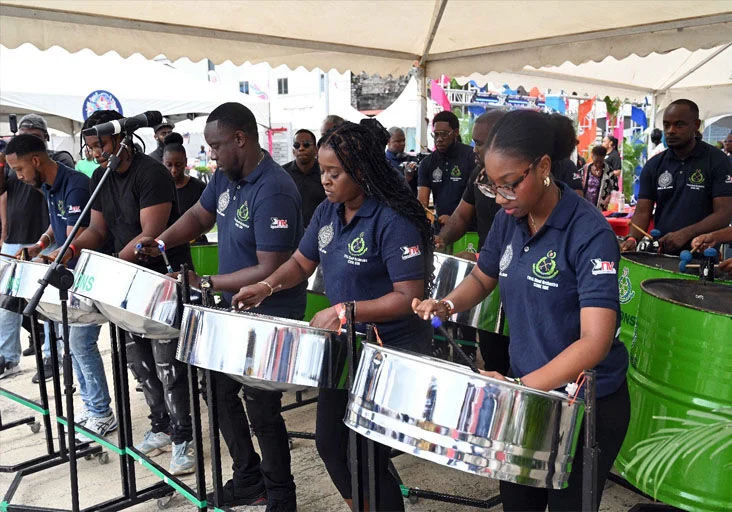
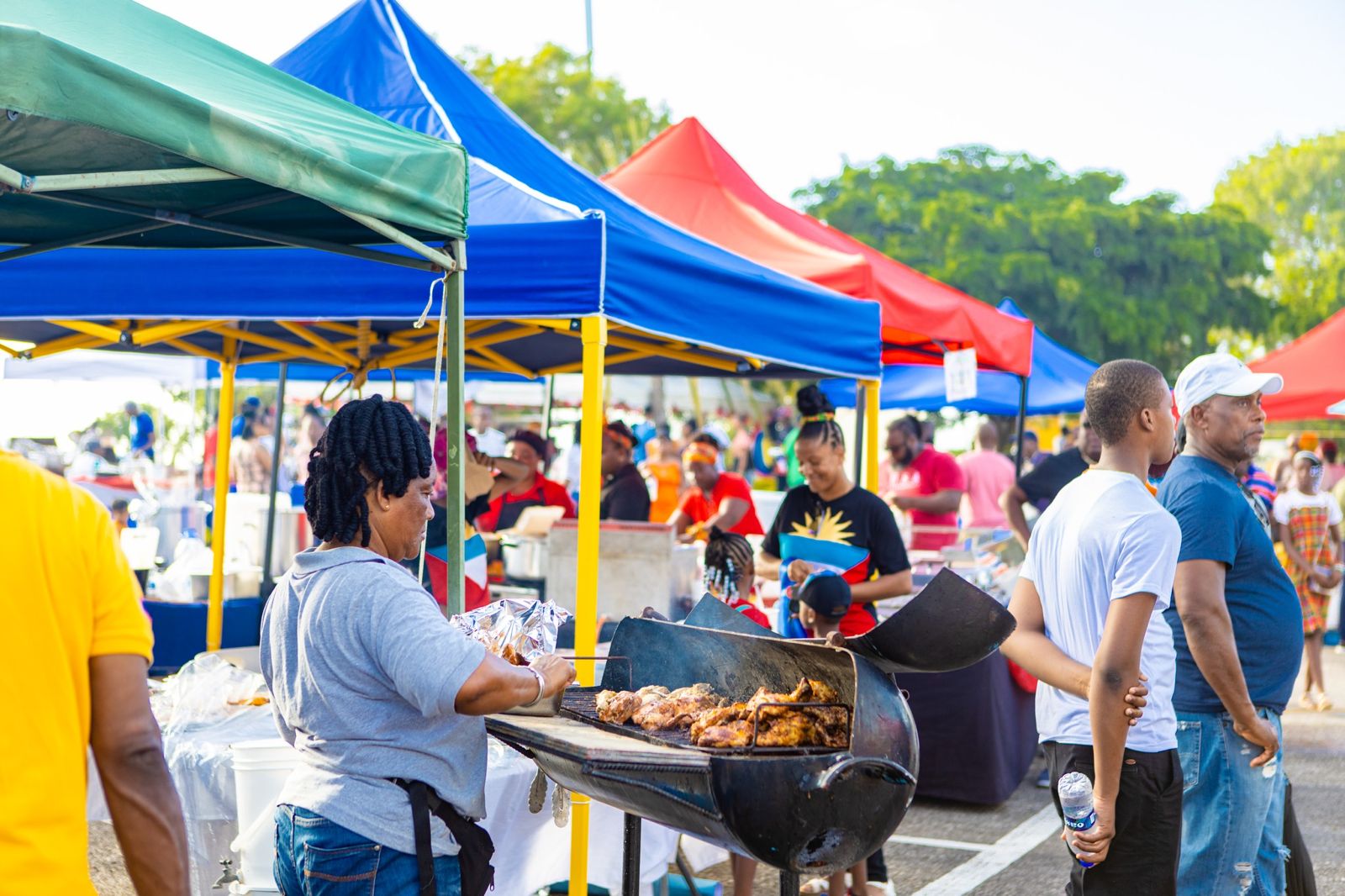
    Antigua and Barbuda is making a unique adjustment to its 2024 Independence anniversary calendar, bringing two beloved annual events together on a single day. The country’s popular National Food Fair will now run alongside the Junior Panorama steelpan competition on October 25, breaking from traditional separate scheduling for the festivities.

    In an interview on the popular weekend Browne and Browne Show this past Saturday, Petley O’Keiffe, the Director of National Events for the country, shared new details about the revised celebration plan. According to O’Keiffe, all vendor vending spots for the combined food fair have already been completely reserved, signaling massive interest from local food producers and vendors ahead of the event. At the same time, secondary and primary schools across the nation that are taking part in the Junior Panorama competition are deep in active preparations, fine-tuning their performances for the iconic steelpan contest.

    O’Keiffe explained that the co-hosting arrangement is designed to create a seamless, enjoyable experience for all attendees. Guests will first have the opportunity to sample a wide range of authentic local cuisines from across Antigua and Barbuda at the food fair, before making their way directly to the national stadium for the Junior Panorama competition. “You get something to eat, you come inside of the stadium and you enjoy some nice pan music,” she described the streamlined day of activities.

    Entry pricing for the Junior Panorama event has also been confirmed: adult tickets will be priced at $20 per person, while discounted student tickets will be available for just $10. O’Keiffe noted that this reshuffled event lineup is part of broader adjustments made for the country’s milestone 45th anniversary of Independence. Additional major events tied to the anniversary, including planned Commonwealth-focused activities and an upcoming royal visit, have shaped the revised scheduling for this year’s celebrations.

    The traditional ceremonial Independence parade, a centerpiece of the annual festivities, remains locked in for its original date of November 1. Event organizers are also adding extra layers of entertainment for attendees on parade day, and have planned a special exhibition cricket match that will feature teams including current and former heads of state.

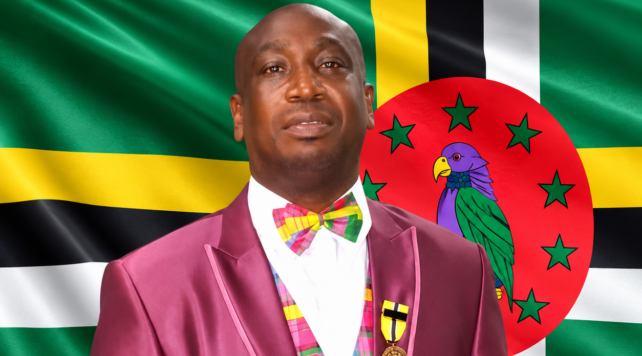
  • COMMENTARY: Ambassador Leroy ‘Prince Wadix’ Charles – The titan of  Creole music and cultural  preservation

    COMMENTARY: Ambassador Leroy ‘Prince Wadix’ Charles – The titan of Creole music and cultural preservation

    ### Introduction
    Nestled along the sun-drenched coast of Dominica, the small fishing village of Pottersville in the 1960s was far more than a collection of wooden homes and sandy shorelines. It was a crucible of community solidarity, Creole culture, and musical tradition that would shape one of Dominica’s most influential cultural advocates: Ambassador Leroy “Prince Wadix” Charles. Raised amid the rhythms of the Caribbean Sea, the beats of Carnival drums, and the shared generosity of neighbors, Charles would grow from a curious child listening to vintage records in his grandfather’s boathouse to a globally recognized champion of Creole music, cultural preservation, and Caribbean regional unity. This profile traces his extraordinary life journey, rooted in the communal values of his Pottersville upbringing and extended across the Caribbean and beyond.

    ### Childhood Roots: Community, Tradition, and the First Notes of Music
    Leroy Charles was born in May 1963 to Angelo Charles, a bus driver known for carrying low-income schoolchildren for free, and Cecilia Hector, a hardworking food vendor who woke before dawn to prepare meals for Roseau’s waterfront and banana industry workers. His grandparents, whose lives were deeply tied to cross-Caribbean fishing trade, played an equally foundational role. His grandfather, a fisherman who traded with Guadeloupe and Martinique, and his grandmother Ma’Anna, who ran a popular seaside provision shop, immersed young Leroy in the Kwéyòl language and the interconnectedness of Caribbean communities.

    Pottersville’s tight-knit communal culture left an indelible mark on Charles. In a time when material resources were scarce, the village practiced *Koudmen*, a tradition of mutual assistance inherited from Dominica’s African and Kalinago heritage. Neighbors shared catches, sent meals to elderly residents living alone, and celebrated every child’s success as a community victory. These values of collective responsibility and dignity grew alongside the labor movement and democratic awakening that pushed Dominica toward political independence, shaping Charles’ lifelong worldview.

    The natural world of Pottersville was Charles’ first playground. He swam and fished in the Roseau River, climbed the surrounding hills, and used surplus export-rejected grapefruit as makeshift footballs with other neighborhood children. But it was Carnival that introduced him to his life’s calling. In the weeks leading up to the celebration, lapo kabwit drum bands paraded through Pottersville’s streets, filling the air with goatskin drum beats, call-and-response singing, and collective creativity. Those village streets became Charles’ first music academy, and his neighbors his first cultural teachers.

    Cross-Caribbean trade connections deepened Charles’ musical education. His grandfather’s voyages to the French Antilles brought back not just trade goods, but vinyl records of Haitian and French Caribbean music. Long before the 1970s Cadence-Lypso revolution, Charles was listening to regional greats like Les Aiglons and Les Gypsies on battery-powered phonographs in Pottersville’s boathouses. For Charles, Kwéyòl language and French Creole music were never foreign imports—they were core elements of Dominican identity, forged by centuries of shared kinship and trade across the Caribbean Sea, which colonial powers had framed as a boundary but ordinary people used as a highway for connection.

    ### Education and Early Adulthood: Forming a Commitment to Equity
    Charles began his formal schooling at a preschool near St. Alphonsus Church, then attended Goodwill School and Roseau Boys School, where teachers nurtured his growing interest in music. At 11, he passed the competitive Common Entrance Examination to attend St. Mary’s Academy, a rare achievement at a time when secondary education opportunities were limited for many Dominicans. Community figures supported his participation in sports and cultural activities, reinforcing the cooperative spirit he had learned in childhood.

    At St. Mary’s Academy, Charles excelled across athletics, debating, drama, and calypso singing, representing Dominica in youth football and earning distinction as a sprinter. He became involved with the Young Cultural Dramatists and the People’s Action Theatre, deepening his appreciation for Dominican artistic expression. But no institution shaped him more profoundly than the historic Roseau Public Library, which served as a “people’s university” for generations of Dominican children. Charles spent hours poring over *Encyclopaedia Britannica* and the *Guinness Book of Records*, expanding his worldview beyond Dominica’s shores. He and the author share deep concern over the library’s deterioration following Hurricane Maria in 2017, and Charles has long advocated for its restoration as a historic center of learning and cultural activity.

    After graduating secondary school, Charles entered waterfront employment and became active in the Waterfront and Allied Workers Union (WAWU). Between 1986 and 1988, he traveled to Moscow to receive trade union training at the Academy of Labour and Social Relations, studying alongside labor organizers from across the globe during the Gorbachev reform era. Upon his return to Dominica, Charles and fellow unionists challenged systemic inequities in waterfront employment, where favored workers received preferential access to jobs. Through democratic organizing, Charles became chairman of WAWU’s waterfront section, and the group implemented a fair job rotation system that prioritized equity over personal connections. This experience cemented his lifelong belief that working people deserve dignity, opportunity, and a voice in shaping their own future—a principle he would later extend to advocating for Dominican musicians and cultural workers.

    ### Preserving a Musical Inheritance: Rescuing Cadence-Lypso from Oblivion
    One of Charles’ most lasting contributions to Dominican culture is his work preserving endangered Cadence-Lypso recordings, a genre that defined modern Dominican music. Hurricane David in 1979 destroyed thousands of private records, photographs, and cultural artifacts, leaving much of the nation’s early musical heritage at risk of being lost forever. Charles and his close friend Francis “Ole” launched a decades-long effort to track down surviving recordings across Dominica and the French Antilles, where many original recordings had been produced. They purchased water-damaged vinyl albums for as little as two or three dollars, then spent countless hours cleaning the records, removing damaged paper sleeves and accumulated grime. Working with audio engineer Ken Robinson, they transferred the rescued music first to CDs and later to digital formats, ensuring the work of pioneering bands like Exile One, Grammacks, Midnight Groovers, and Naked Feet would not be forgotten.

    Charles, Ole, and Steven Joseph also founded WadiCole, a humble sound system built from repurposed household stereo equipment that grew into an influential promoter of Cadence-Lypso, Haitian Compas, Zouk, African Soukous, and other regional traditions. WadiCole performed across Dominica and toured the Caribbean, North America, and Britain, growing from a small community project into a major Caribbean cultural enterprise that demonstrated the power of cooperation and creativity.

    ### Shaping Dominican Cultural Nationalism and the World Creole Music Festival
    Charles’ musical career developed during a period of extraordinary cultural renaissance in Dominica, led by pioneers like Gordon Henderson (founder of Exile One and the pioneer of Cadence-Lypso), playwright and national flag designer Alwin Bully, dancer Raymond Lawrence, and music educator Pearle Christian. This movement grew out of the cultural nationalism of Chief Minister Edward Oliver LeBlanc, who encouraged Dominicans to embrace Kwéyòl, traditional dress, and indigenous music, challenging colonial narratives that European culture was inherently superior to Dominican traditions. Charles inherited this spirit of cultural self-confidence and made preserving this heritage his life’s mission.

    Charles’ most visible contribution to Dominican culture is his role as a founding figure of the World Creole Music Festival, first launched in 1997. Initial discussions in 1996 among musicians, cultural organizers, and tourism leaders centered on celebrating Dominica’s French Creole musical heritage, and Charles served as chairman of the festival’s band selection committee for many years. The festival, which aligned with Dominica’s Independence celebrations, grew from a focus on Cadence-Lypso to a global celebration of Creole music, becoming one of Dominica’s most famous international cultural attractions. Charles has long advocated that the festival maintain its core commitment to French Creole traditions, arguing that commercial growth need not come at the expense of cultural authenticity. He popularized the concept of *Music Anou*—“our music”—emphasizing that Creole music is a shared inheritance belonging to all Caribbean people.

    Through his organization Creole Heartbeat, Charles has expanded his work across cultural preservation, musical education, broadcasting, and historical documentation. The group runs radio programs, cultural symposiums, the Dominica Music Awards, and has published eight extensive magazine editions documenting the history of Creole music in Dominica. In recognition of his decades of work, Charles was appointed Dominica’s Cultural Ambassador in May 2024, and has received numerous honors including the Golden Drum Award and the Meritorious Service Award for his work promoting Kwéyòl and Creole music regionally. He continues to advocate for a comprehensive national Kwéyòl language policy, stronger cultural education, proper recognition of Dominican national heroes, and deeper cooperation among Creole-speaking societies across the Caribbean.

    ### A Vision for Caribbean Unity
    Charles’ most far-reaching vision is for deeper cultural and economic cooperation between Dominica, Guadeloupe, and Martinique, a goal rooted in the cross-Caribbean trade traditions of his grandfather and the regional solidarity philosophy of former Dominican Prime Minister Rosie Douglas. Douglas believed colonial-imposed boundaries should not block cooperation between neighboring Caribbean societies, and his vision was embodied in the Roosevelt Douglas Primary School in Portsmouth, built with funding from Martinique’s Regional Council after the original school was destroyed in a 2004 earthquake. Martinique political leader Alfred Marie-Jeanne, who oversaw the project, shared Douglas’ commitment to Caribbean self-determination, and the school stands as a lasting monument to regional solidarity benefiting Dominican children.

    Charles calls for a permanent framework for cooperation between the three islands across music, historical archives, language education, tourism, agriculture, and youth entrepreneurship. He and the author have discussed hosting a symposium to examine the deep historical connections between the islands, including the aid Dominican communities provided to refugees from Vichy-controlled French Antilles during World War II, and to explore new opportunities for collaboration between historians, cultural organizations, musicians, and academic institutions. Charles argues that shared cultural heritage can be transformed into a driver of practical regional development.

    ### Conclusion: The Enduring Legacy of a Son of Pottersville
    Today, Charles looks back on his childhood in Pottersville with deep nostalgia, concerned that the strong communal solidarity that shaped his youth has been eroded by modern political divisions. He emphasizes that Dominica’s cultural inheritance—its music, language, traditions, and historical institutions—belongs to all Dominicans, regardless of political affiliation. These are national treasures that transcend the governments and political controversies of any era.

    The child who listened to lapo kabwit drums on Pottersville’s streets grew into a champion of traditional Carnival music. The boy who discovered French Caribbean records in his grandfather’s boathouse grew into the man who rescued thousands of endangered Cadence-Lypso recordings. The student whose imagination was opened by the Roseau Public Library grew into a researcher and broadcaster dedicated to sharing Dominican culture with the world. The trade unionist who fought for fair employment in the waterfront grew into an advocate for fair treatment of musicians and cultural workers. And the grandson of a cross-Caribbean fisherman grew into a passionate champion of regional Caribbean unity.

    His life’s work remains rooted in the belief that the dignity, creativity, and collective progress of ordinary people must be at the center of national development. His vision is of a Dominica confident in its own cultural identity, respectful of its ancestral roots, united across political divides, and serving as a bridge between the English-speaking and French-speaking Caribbean. As the gentle waves still lap against Pottersville’s shores, and the lapo kabwit drums still announce each new Carnival season, the legacy of Leroy “Prince Wadix” Charles endures: a legacy of cultural preservation, regional solidarity, and unwavering commitment to the idea that a people’s culture is their most precious inheritance.