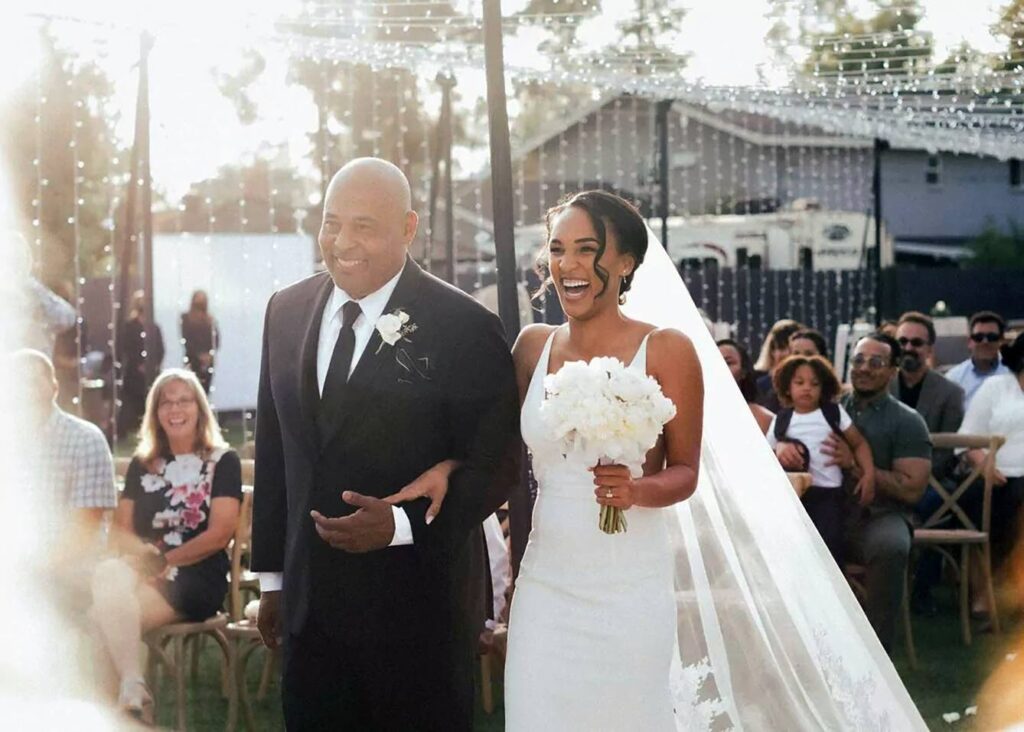
Wedding processions have evolved far beyond a basic ceremonial checkmark to become the emotional opening act that shapes the entire tone of a couple’s big day. Where once couples focused solely on mapping out who walked down the aisle when, modern partners now center their planning on the feeling they want this milestone moment to evoke for their guests and themselves.
No matter what vibe a couple craves – whether soft and dreamy, high-energy and joyful, or dramatic and cinematic – the foundation of a standout procession is intentional planning. For a classic, timeless feel, many couples opt for gentle live string accompaniment, a slow graceful pace, and delicate flower petal scattering to craft an ethereal atmosphere. Those leaning into a more energetic vibe pair upbeat music with a rhythmic flow that draws guests into the excitement. For deeply personal touches, couples can layer different songs for each bridal party group or add subtle light choreography that reflects their unique relationship journey. At expansive or destination wedding venues, a dramatic reveal before the bride even begins her walk down the aisle can create a breathtaking, film-worthy moment that leaves guests speechless.
While creativity fuels the emotional impact of the procession, a clear structural foundation keeps the moment flowing smoothly. The traditional order follows a thoughtful sequence: the officiant enters first (if not already positioned at the altar), followed by the couple’s grandparents, the groom’s parents, and finally the bride’s mother, who is typically the last guest to be seated. The groom then takes his place at the altar, either entering from the side or walking down with his best man, before the bridal party processes in – either in pairs or individually, depending on the couple’s desired pace and aesthetic. The maid or matron of honor enters just before the junior attendants, the flower girl and ring bearer, before the highly anticipated moment of the bride’s entrance, whether she walks escorted or solo, that serves as the emotional peak of the procession.
Once the entire party reaches the altar, intentional positioning is just as critical as the processional walk. Longstanding tradition places the groom and his groomsmen on the left side when facing the ceremony crowd, with the bride and her bridesmaids on the right, and the officiant centered between the couple. The maid of honor stands closest to the bride, while the best man stands nearest the groom, and the rest of the bridal party angles slightly inward to frame the couple at the center of attention. For a more modern, relaxed aesthetic, particularly in outdoor or destination settings, many couples now choose a semi-circular or softened formation that fosters a more intimate, immersive atmosphere for guests.
If the procession builds gentle anticipation for the ceremony, the recessional is the joyful release that kicks off the celebration. This is the first moment the couple shares as newlyweds, so it should feel unapologetically celebratory, following a simple but symbolic order: the married couple exits first, leading the way as partners for life, followed by the maid of honor and best man, then bridesmaids and groomsmen in pairs, and finally the couple’s parents and grandparents.
The energy of the recessional is intentionally shifted from the quiet emotion of the procession: music picks up tempo, guests rise to cheer, and the atmosphere transforms from reflective to jubilant. Small thoughtful touches, from a flower petal toss or bubble exit to a quick pause halfway down the aisle for a candid “just married” photo moment, can elevate the experience even further, leaving a lasting impression on everyone in attendance.
In the end, both the procession and recessional are far more than transitional steps in a wedding ceremony – they are defining, memorable moments on their own. The procession welcomes guests into the couple’s love story, while the recessional sends them into the joyful celebration that follows. When designed with intention and care, these two moments set the perfect stage not only for the wedding vows, but for the entire wedding experience that comes after.
This expert insight comes from Shikima Hinds, Managing Director of Shikima Hinds Events Concierge. For more wedding planning guidance, contact Hinds at 876-925-4285, 876-361-0910, via email at shikima@shikimahinds.com, or visit www.shikimahinds.com.