分类: education

  • UK intermediate education agency refunding Guyana money for troubled scholarships

    UK intermediate education agency refunding Guyana money for troubled scholarships

    The Guyana government has begun recovering US$1.5 million from UK-based intermediary International Skill Development Corporation (ISDC) following the collapse of a scholarship program with the University of Staffordshire. Public Service Minister Zulfikar Ally confirmed the reimbursement process during parliamentary questioning on Friday, February 13, 2026.

    The troubled scholarships, administered through the Guyana Online Academy for Learning (GOAL), involved more than 1,000 students. Minister Ally stated that partial payments have already been received, with the full amount expected to be refunded by the following week. The minister acknowledged he maintained “constant engagement” with relevant parties to ensure complete restitution.

    Parliamentary proceedings revealed additional complications within the GOAL program. Minister Ally admitted that numerous students pursuing degrees through Indira Gandhi University had completed three years of study without receiving degree status updates. The ministry has sought intervention from the Indian High Commission to resolve these credentialing issues.

    Regarding student attrition, Ally revealed that less than five percent of scholarship recipients had taken leaves of absence with intention to resume studies. The minister clarified refund policies, noting that universities only return payments if students withdraw before invoice issuance; otherwise, funds are credited toward alternative students.

    The GOAL secretariat continues monitoring program graduates to track employment outcomes and program effectiveness. Despite these challenges, the Public Service Ministry has allocated GY$5.7 billion for the scholarship initiative in the 2026 national budget.

  • Standoff over Critchlow Labour College with private university’s principal

    Standoff over Critchlow Labour College with private university’s principal

    A tense property dispute at Guyana’s historic Critchlow Labour College (CLC) nearly escalated into physical violence on Thursday when an excavator arrived to demolish perimeter structures, prompting a dramatic confrontation between competing claimants.

    The incident unfolded at the Woolford Avenue, Georgetown property as Stanley Paul, Principal of the University of Excellence, Management and Business (UEMB), physically intervened to prevent demolition crews from breaching the compound’s gates and fencing. Mr. Paul asserted his rights under a 15-year commercial lease agreement signed June 4, 2025, with CLC Principal Dr. Ivor English, which grants UEMB “full, exclusive and uninhibited possession” of the premises including security control.

    CLC Board Secretary Lincoln Lewis immediately challenged the lease’s validity, stating that only he possesses authorization to execute agreements on behalf of the institution. “Nobody can sign any lease for Critchlow Labour College unless the Board has permitted me,” Lewis declared, emphasizing that the college remains an incorporated entity despite Mr. Paul’s claims that it became defunct in 2013.

    The conflict is further complicated by the property’s underlying lease from Georgetown City Council, granted in 1968 for 99 years with renewal rights. This original agreement stipulates that the land must be used exclusively for CLC purposes and prohibits assignment or subletting without municipal consent—a requirement both parties acknowledge was not sought for the UEMB arrangement.

    The physical standoff occurs against a backdrop of devastating fires that destroyed significant portions of the building in 2025, including sections housing the Guyana Trades Union Congress offices and college auditorium. Mr. Lewis reported that since the blazes, Mr. Paul had locked the gates preventing even legitimate tenants from accessing their workplaces.

    Legal proceedings initiated by UEMB on January 5, 2026, seeking validation of their lease were unexpectedly withdrawn eight days later, while Georgetown City Council had issued cease-work notices in December 2025 demanding removal of unauthorized construction. Mr. Paul countered that restoration efforts were stalled because CLC officials refused to provide necessary no-objection letters to municipal authorities.

    The confrontation highlights deeper institutional conflicts regarding property rights, contractual validity, and the preservation of educational heritage in Guyana, with both parties preparing for prolonged legal battles over this strategically significant campus.

  • New Ocean Academy Building to Begin Construction in July

    New Ocean Academy Building to Begin Construction in July

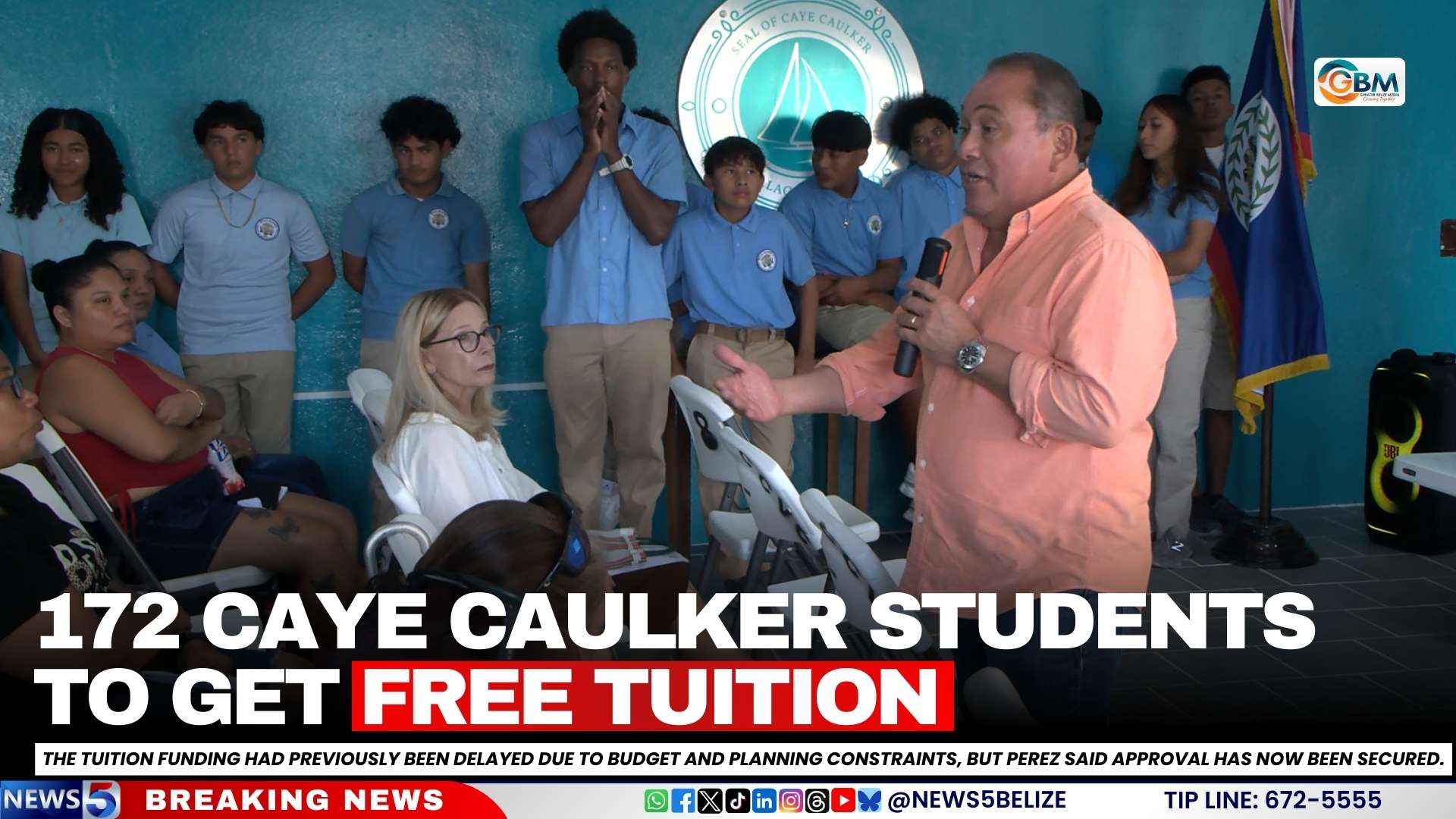
    The Belizean government has pledged to construct a brand new facility for Ocean Academy High School on Caye Caulker, following months of educational disruption caused by severe flood damage to its original campus. Area Representative Andre Perez confirmed that construction is scheduled to commence in July, marking a significant intervention by the Ministry of Education.

    Since November, students and faculty have endured an unstable learning environment, conducting classes in borrowed spaces including a former restaurant, NEMO facilities, and various community rooms. The original campus was rendered unusable due to flooding, mold proliferation, and mosquito infestations, forcing the school to implement a rotational schedule blending limited in-person sessions with online instruction.

    At a community meeting attended by parents, teachers, and village council members, Principal Noemi Zaiden emphasized the psychological impact on students craving educational stability. ‘We have been asking since mid-November to be granted permission to build on the land at the back,’ Zaiden stated, noting that only the second and third floors of their damaged facility received health department approval for limited use.

    Representative Perez acknowledged the urgency while emphasizing proper protocols: ‘It’s not just putting up a building—it has to be done the proper way. Electricity, water, bathroom facilities—these require substantial investment even for temporary structures.’

    Students like third-former Iyianni Magana highlighted the pedagogical challenges of hybrid learning: ‘Certain subjects like ICT and coding are hard to learn online. Screen sharing becomes problematic, and distractions at home undermine concentration.’

    The Ministry of Education has scheduled a decisive planning meeting for February 18th to finalize interim solutions and detail the new campus construction. Additionally, the government committed to providing free education for all 172 Ocean Academy students in the upcoming academic year, aligning with educational benefits previously extended to other Belizean communities.

    While temporary measures continue, the community acknowledges the generosity of local businesses providing space, even as they await a permanent resolution to restore educational normalcy.

  • 172 Caye Caulker Students to Get Free Tuition

    172 Caye Caulker Students to Get Free Tuition

    The island community of Caye Caulker is poised for a significant educational transformation with dual announcements of infrastructure development and financial support for students. Following the closure of Ocean Academy’s campus last year, which left the island without a physical high school, construction of a permanent educational facility is scheduled to commence by July 2026.

    Area Representative André Perez confirmed that officials from the Ministry of Education will conduct a site assessment next week to finalize development plans. To address immediate educational needs, temporary classroom structures meeting proper standards will be installed in the interim. Perez emphasized that these temporary facilities would include essential infrastructure such as electricity, water, and sanitation to ensure they serve both immediate and long-term purposes.

    In a parallel development, the government has confirmed comprehensive tuition coverage for 172 Caye Caulker students beginning next fiscal year. This initiative aligns the island with tuition-free arrangements already established at other public high schools across the nation. Perez highlighted that the funding, previously delayed due to budgetary constraints, has now received formal approval from Education Minister Francis Fonseca.

    The combined infrastructure and financial support measures represent a comprehensive approach to educational accessibility, potentially easing financial burdens for families and encouraging higher secondary school retention rates within the island community.

  • Thousands of teaching vacancies exist

    Thousands of teaching vacancies exist

    Guyana’s public education system is confronting a substantial staffing crisis with 2,800 vacancies for senior teaching positions, according to Monday’s parliamentary disclosures by Minister of Governance Gail Teixeira. The revelation came during the National Assembly’s Committee of Supply review of the 2026 National Budget allocations for the Teaching Service Commission (TSC).

    Minister Teixeira confirmed that the comprehensive list of senior teacher vacancies received initial publication in both Stabroek News and Guyana Chronicle on February 1st, with ongoing advertisements planned to address the critical shortage. The exact number of junior teacher vacancies remains undetermined, pending the Ministry of Education’s assessment of staffing requirements for newly established primary and secondary institutions.

    Responding to inquiries from We Invest in Nationhood’s (WIN) representative Tabita Sarabo-Halley, Teixeira emphasized the coordinated approach between the TSC and Education Ministry to achieve optimal balance between teacher supply and demand. She noted that numerous trained educators currently await employment opportunities within the expanding system.

    Concurrently, the government has allocated GY$11 million in the 2026 budget for extensive interior renovations of the TSC’s Brickdam office, described by officials as ‘deplorable.’ The rehabilitation project will include reconfiguration of third-floor board rooms, renovation of storage facilities, and repainting of the second floor. This follows last year’s GY$15.4 million expenditure on building improvements, demonstrating continued investment in educational infrastructure amid ongoing teacher recruitment challenges.

  • More care for children with special needs

    More care for children with special needs

    A transformative partnership between Digicel Foundation, Jamaica’s Ministry of Education, and The Mico University College CARE Centre is poised to revolutionize special needs education through significant technological enhancements. The collaboration, formalized through a memorandum of understanding signed at the ministry’s Kingston headquarters, will bring cutting-edge resources to support children with diverse learning requirements.

    Digicel Foundation Jamaica CEO Charmaine Daniels announced a substantial investment of US$75,000 toward the initiative, emphasizing the foundation’s commitment to responsive partnership rather than presumed expertise. “We are here to work with you and to work for you,” Daniels stated, acknowledging the ministry and Mico’s pivotal roles in bringing the project to fruition.

    The comprehensive upgrade plan, detailed by Ministry Permanent Secretary Dr. Kasan Troupe, involves converting five classrooms to Innovative Learning Environment (ILE) standards with advanced information and communications technology infrastructure. The renovation encompasses smart room technology, window replacements, floor improvements, and door upgrades—all designed to create optimally configured spaces for special needs students.

    Concurrently, the ministry is addressing critical staffing shortages that have hampered assessment services. Dr. Troupe revealed expanded human resource allocations not only for Mico CARE but also for teacher’s colleges in Church, Sam Sharpe, and the College of Agriculture Science and Education. This strategic deployment aims to alleviate assessment backlogs across multiple regions, particularly serving Portland, St. Thomas, and St. Mary.

    Dr. Sharon Anderson-Morgan, Director of The Mico CARE Centre, highlighted the lifelong impact of such interventions, stating, “We’re investing in the right places… a difference is being made that will affect generations.” Established in 1980 through Jamaican-Dutch government cooperation, the center specializes in assessing children aged 4-18 experiencing academic challenges, emotional/behavioral barriers, specific learning difficulties, or unrecognized giftedness. The institution additionally provides guidance for parents and professional development for educators working with exceptional learners.

  • Bajan students end Trinis’ four-year reign in cross-border AI stock market game

    Bajan students end Trinis’ four-year reign in cross-border AI stock market game

    In a landmark achievement for technology-enhanced education, Barbados has unseated four-time defending champions Trinidad and Tobago to capture the Caribbean Title Trophy through an artificial intelligence-driven virtual stock market competition. The victory marks a significant breakthrough in financial literacy development across CARICOM nations, signaling a transformative shift in how students engage with economic concepts and market dynamics.

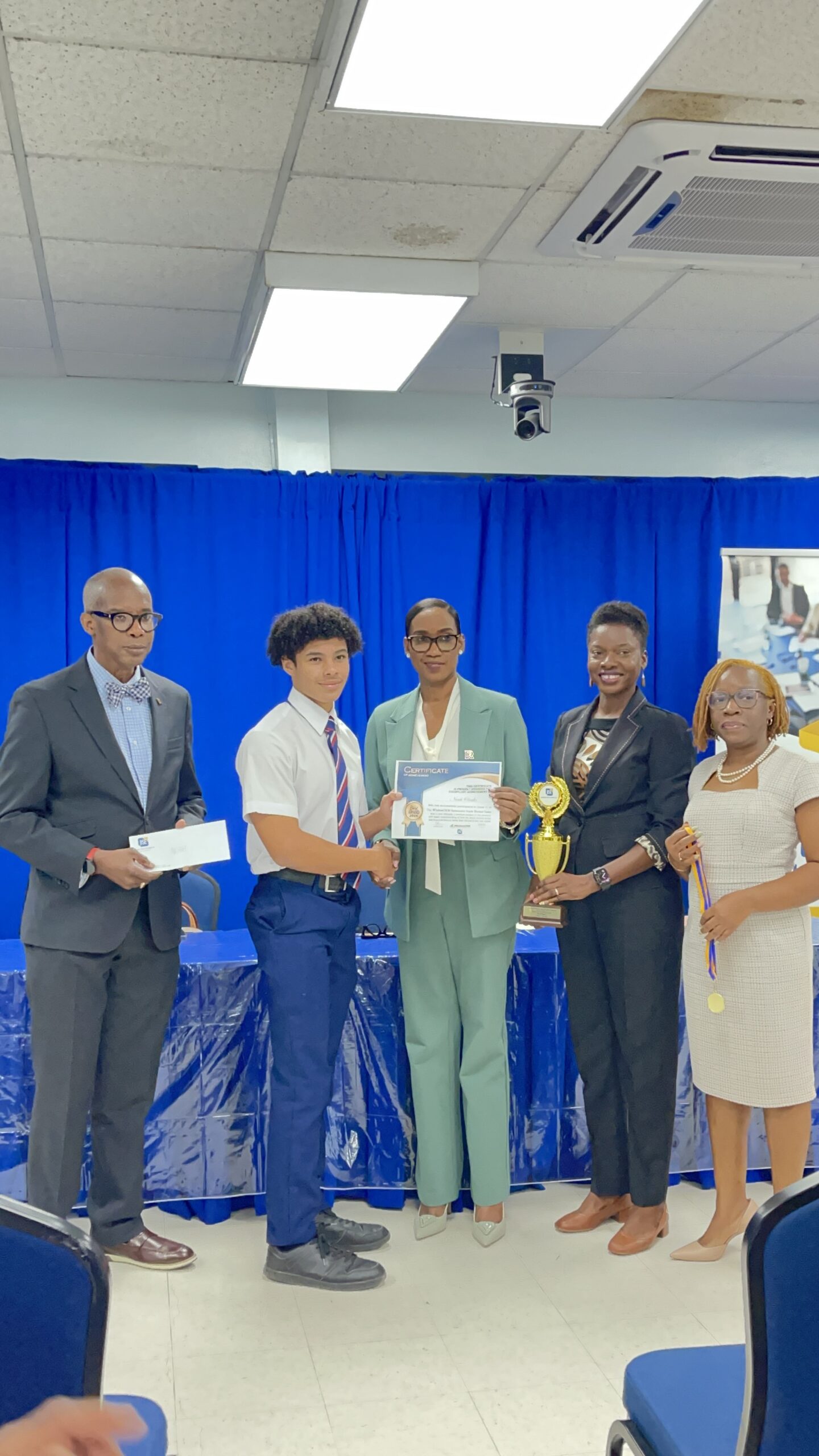
    The five victorious students—Loki Clarke, Noah Clarke, Theon Birkett, Sarrayah Yearwood and Ajani Webster Worrell—were honored at Barbados’ Ministry of Educational Transformation amidst gathering of educators, financial sector leaders, and regional stakeholders. Their triumph in the WizdomCRM Virtual Stock Market Game from September to December 2025 represents both national pride and educational innovation.

    Barbados Stock Exchange CEO Marlon Yarde characterized the achievement as revolutionary for Caribbean financial education. “This moment truly signals a new era in financial education in the Caribbean,” Yarde stated, emphasizing that Barbados had secured “a first for our country and an achievement of which we can be immensely proud.” He credited regional collaboration and technological innovation for driving this educational breakthrough.

    The AI-driven platform employed generative artificial intelligence and gamification techniques to simulate real-world financial decision-making. Participants managed virtual portfolios across regional and international markets, developing critical analytical skills through hands-on experience with market risks, data interpretation, and investment strategies.

    According to competition data, Barbadian students demonstrated remarkable engagement levels, executing 128,960 trades on the Jamaica Stock Exchange and 27,379 trades on the Trinidad and Tobago Stock Exchange. Their investment focus concentrated primarily within transportation, consumer products, and travel and leisure sectors.

    Chief Education Officer Dr. Ramona Archer-Bradshaw described the victory as a historic turning point that reflects Barbados’ broader educational reform agenda. “We have officially claimed the Caribbean Title Trophy, ending four consecutive years of Trinidad and Tobago’s dominance,” she announced, adding that such initiatives position students as “global digital citizens ready to make their mark in a rapidly evolving world.”

    Several schools were recognized for their outstanding performance, including Alexandra, Queen’s College, St Michael’s, Combermere, Frederick Smith Secondary, Harrison College and Grantley Adams Memorial. Individual excellence was particularly noted in Loki Clarke, who executed 113,873 trades to secure top position, followed by Noah Clarke with 34,286 trades.

    The program originated during COVID-19 pandemic response efforts when WizdomCRM Caribbean Limited developed innovative remote learning solutions at the Ministry of Education’s request. Participants receive US$25,000 in virtual funds to practice budgeting and investing across multiple cross-border exchanges while benefiting from integrated AI tutoring systems.

    “We believe that every child should have an AI assistant at the palm of their hands,” said Country Manager Charielle Plowden, noting the platform’s expansion across additional Caribbean territories including Cayman Islands and Bahamas. The initiative continues to strengthen collaboration among stock exchanges, government ministries, and regional education bodies.

    Ethan Knowles, Regional Communications Supervisor at RF Merchant Bank and Trust, underscored the program’s significance for youth development: “We’re very pleased to support this programme which is empowering young people across the Caribbean to pursue flourishing financial futures.”

    For participants like Loki Clarke, the experience proved transformative: “My career path has been completely altered. The game has really helped me with this AI platform in developing my skills and also financial literacy.” While maintaining confidentiality about his specific strategy, Clarke acknowledged focusing primarily on Jamaican and Trinidadian markets with daily trading activities.


  • Cleveland Students To Learn About Agriculture in Belize

    Cleveland Students To Learn About Agriculture in Belize

    A cohort of four students from Cleveland is scheduled to arrive in Belize this Friday for an immersive educational program focused on agricultural innovation and sustainable business practices. The initiative represents a cross-cultural exchange designed to foster global awareness and community leadership among young learners.

    The program is jointly organized by two American educational organizations: Prolific Achievers Academy and entrepreneurial network Pink and Black Honors. According to Aharon Ben-Keymah, founder of Prolific Achievers Academy, the program aims to transform urban students into globally-conscious leaders by exposing them to diverse agricultural environments.

    “We’re transporting students from an industrial urban setting to a verdant oasis to unlock substantial opportunities for their home community,” Ben-Keymah explained in statements to News 5 Cleveland, highlighting the transformative potential of international agricultural education.

    The curriculum will encompass hands-on learning experiences across multiple disciplines including sustainable farming techniques, fashion innovation utilizing agricultural materials, and ecological landscape design. Among the participants, Slader Moss-Coleman expressed particular interest in studying landscape architecture and agricultural systems, noting: “I anticipate gaining innovative perspectives on garden construction methodologies and layout configurations that could enhance environmental quality and promote healthier ecosystems.”

    For Belize, the initiative presents a valuable opportunity to demonstrate the nation’s advancements in agricultural technology, creative industries, and environmental conservation to international youth. Educational leaders emphasize the growing importance of agribusiness education, with Ben-Keymah observing: “We perceive increasing demand for youth engagement in the expanding agribusiness sector.” The program underscores the evolving nature of agricultural education as a gateway to international cooperation and sustainable development.

  • UWI rises in global rankings

    UWI rises in global rankings

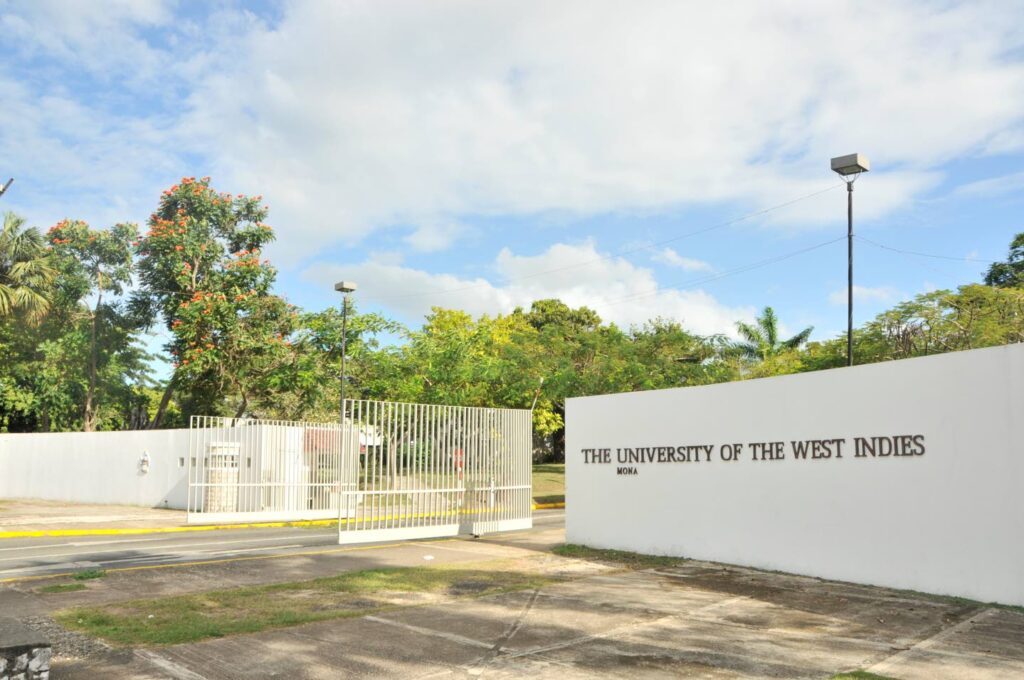
    KINGSTON, Jamaica — The University of the West Indies (UWI) has achieved a remarkable milestone by ascending into the elite top three percent of universities globally, as confirmed by the latest Times Higher Education (THE) World University Rankings for 2026. This prestigious recognition solidifies UWI’s position among the world’s leading academic institutions.

    The THE rankings, considered the gold standard in higher education evaluation, assessed 2,191 qualifying universities from 115 countries this year. The comprehensive methodology examines multiple performance indicators including teaching excellence, research output, knowledge dissemination, and international engagement.

    Despite increasing global competition from over 33,000 universities worldwide, UWI has demonstrated consistent improvement in its relative standing. The institution now ranks within the top 3.6% globally, marking significant progress in the international academic landscape.

    Vice-Chancellor Professor Sir Hilary Beckles credited this achievement to the university’s rigorous adherence to its strategic development plan. “Our unwavering commitment to our strategic framework has served as an expert navigator, ensuring we remain focused on enhancing our intellectual productivity, academic reputation, and global partnership network,” Beckles stated. “These ranking results quantitatively validate the substantial collective efforts of our institution.”

    The Vice-Chancellor highlighted particularly impressive gains in research quality, noting that UWI scholars have substantially increased the recognition and impact of their academic publications and presentations compared to previous years.

    Remarkably, this advancement comes despite ongoing financial challenges, demonstrating the institution’s ability to exceed expectations while operating under fiscal constraints. Beckles characterized the achievement as an “inter-generational accomplishment” as the university approaches its centennial celebration in 2048.

  • AI ‘reshapes skills, not jobs’, says education minister

    AI ‘reshapes skills, not jobs’, says education minister

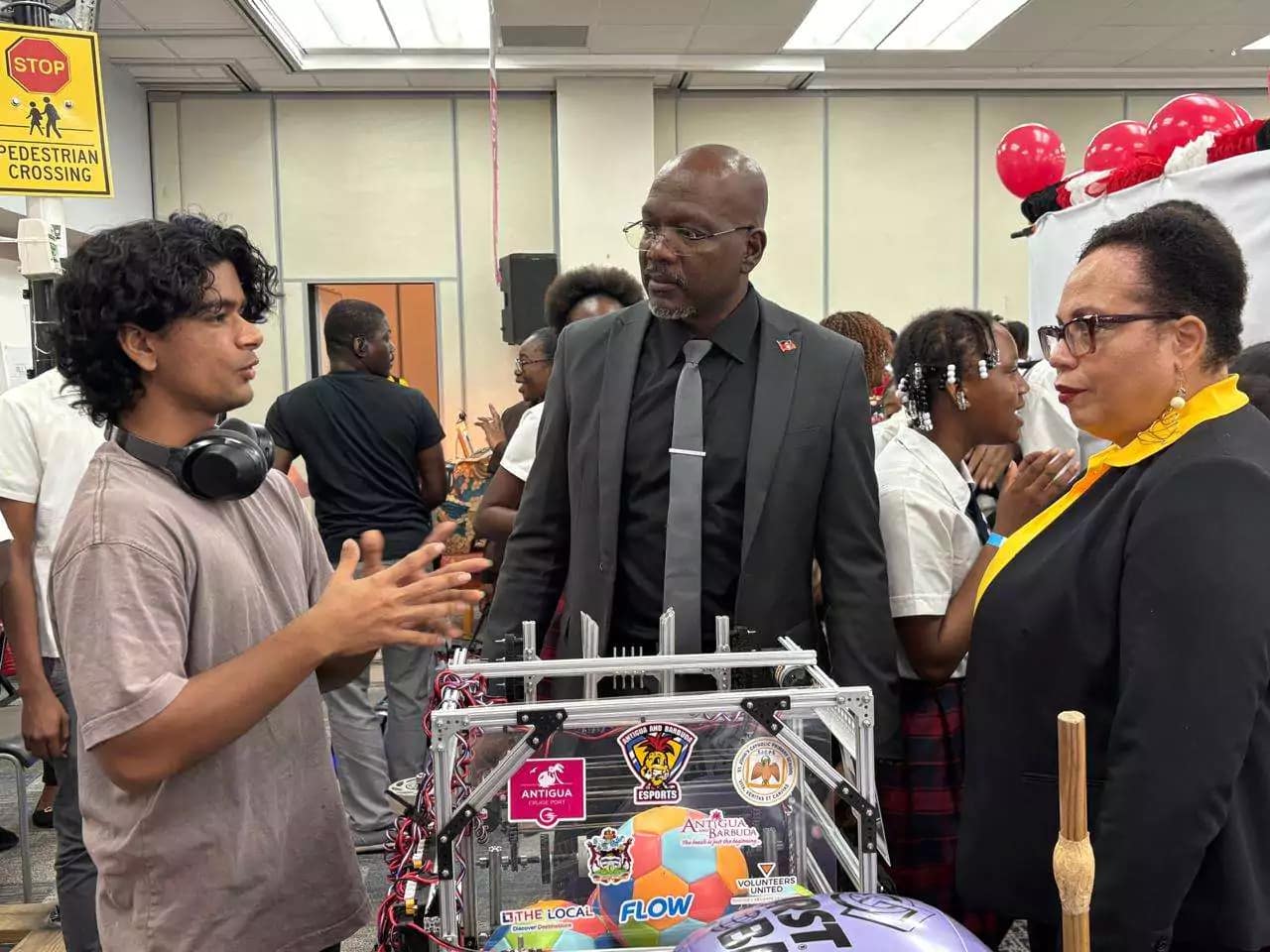
    In a significant address at the annual Technical and Vocational Education and Training (TVET) Expo, Antigua and Barbuda’s Education Minister Daryll Matthew presented a compelling vision of artificial intelligence as a transformative partner rather than a threat to skilled professions. The minister’s remarks, delivered during Wednesday’s opening ceremony, positioned practical expertise as the cornerstone of sustainable national development.

    Minister Matthew articulated that technological advancements are amplifying rather than diminishing the need for adaptable, skilled workers. “No country can build sustainably without engineers, technicians, artisans, coders, electricians, hospitality professionals and agro-processors,” he stated, emphasizing that these competencies form the nucleus of national progress. While acknowledging AI’s data processing capabilities, Matthew highlighted the irreplaceable human elements of system installation, infrastructure maintenance, results interpretation, and practical problem-solving.

    This philosophy is formally embedded within the government’s Education Sector Strategy, which elevates technical and vocational training to equal standing with traditional academic pathways. The strategy specifically targets enhanced employability, formal certification, and economic resilience through its implementation.

    Echoing these sentiments, Director of Education Clare Browne addressed the ceremony under the expo’s theme “Design, Develop, Learn and Grow.” Browne asserted that “a modern education system must equip students to shape the digital world, not just navigate it,” advocating for seamless integration of academic learning with technical and vocational qualifications.

    The two-day exposition showcases extensive student innovation across diverse fields including fashion design, electronics, condiment production, floral artistry, and crafts. The opening ceremony featured a student-led fashion show, providing tangible demonstration of the creative and technical skills being cultivated through Antigua and Barbuda’s renewed educational focus.