分类: education

  • Academic City, American University of Antigua Partner on Medical Education

    Academic City, American University of Antigua Partner on Medical Education

    Academic City University and American University of Antigua (AUA) have established a transformative partnership designed to enhance international academic cooperation and create structured pathways for medical education abroad. This collaboration represents a significant advancement in global healthcare education initiatives.

    The comprehensive agreement guarantees admission into AUA’s Doctor of Medicine (MD) program for qualified Academic City graduates who meet specific academic criteria. Successful candidates will benefit from multiple advantages including full application fee waivers, an accelerated admissions process, and elimination of pre-registration seat deposits upon acceptance.

    A substantial financial support component forms a cornerstone of this partnership. Eligible students admitted to AUA’s MD program will qualify for a $5,000 Preferred Programme Grant, disbursed incrementally during the pre-clinical phase. AUA has committed to awarding up to 15 such grants annually across its three academic intake periods.

    Beyond the guaranteed grants, students may additionally qualify for various scholarships and awards, particularly those designed to foster diversity within the medical profession. This multi-layered financial support system substantially reduces barriers to international medical education.

    Dr. Peter Bell, President of AUA, emphasized the strategic importance of this collaboration: “American University of Antigua eagerly anticipates welcoming students from Academic City University, Ghana. This partnership will equip qualified students with the necessary training to become physicians capable of serving diverse patient populations in global healthcare environments.”

    The initiative aligns with Academic City University’s commitment to providing student-centered education and creating professional healthcare career pathways. This international collaboration addresses both the growing demand for medical education and the need for culturally competent healthcare professionals worldwide.
  • 200 students in Western Jamaica strengthen exam readiness through stem and core subject training

    200 students in Western Jamaica strengthen exam readiness through stem and core subject training

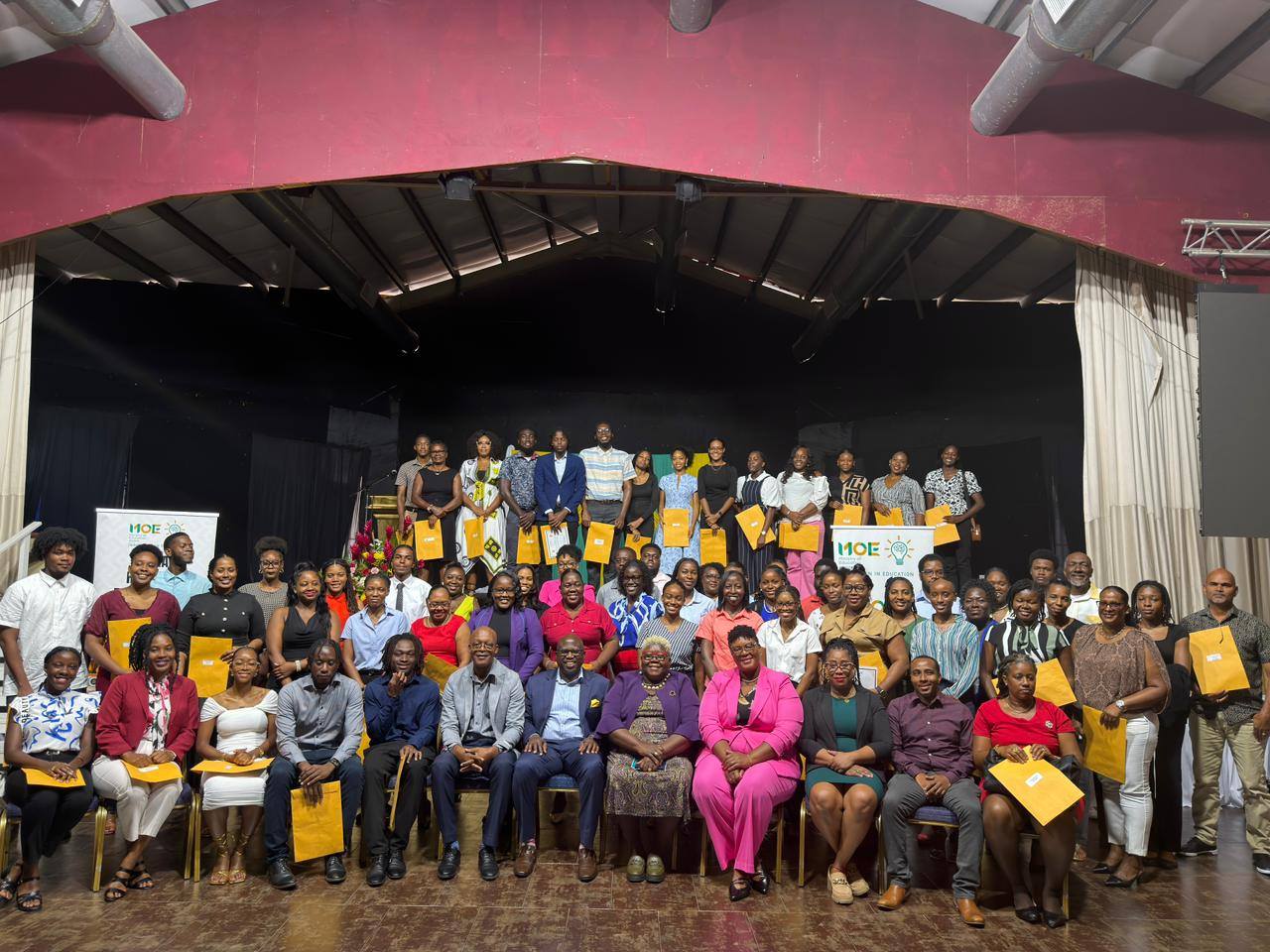
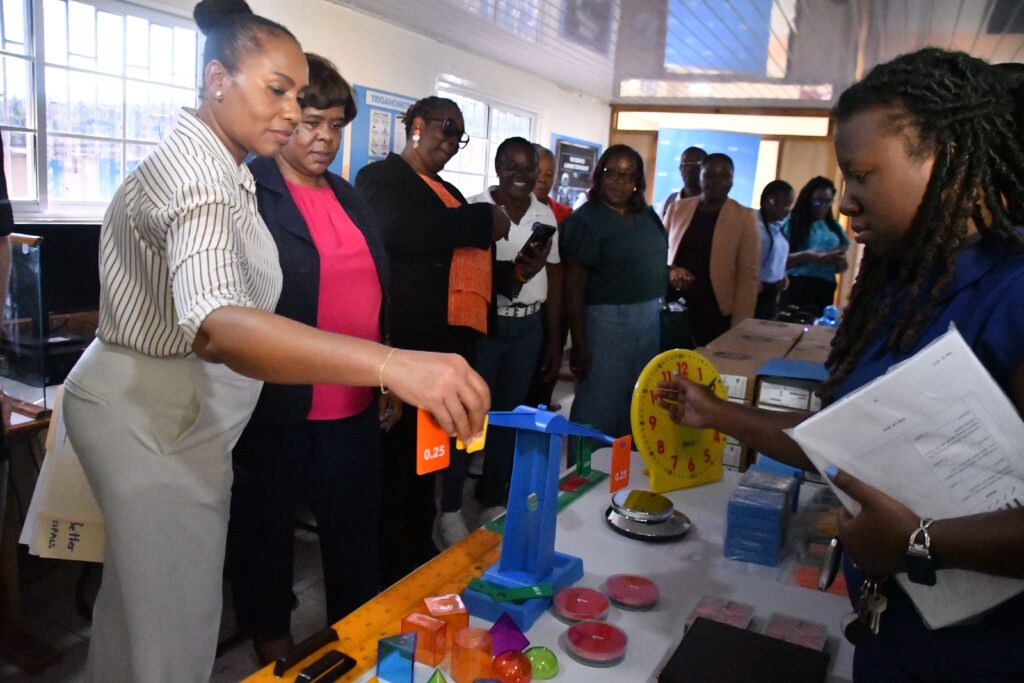
    KINGSTON, Jamaica—In a significant educational advancement, approximately 200 students from Westmoreland and St James have markedly enhanced their proficiency in Mathematics, English Language, and STEM disciplines through specialized capacity-building workshops. The Ministry of Education, Skills, Youth and Information orchestrated this comprehensive development program at Maud McLeod High School on February 19 as part of a strategic regional effort to elevate academic performance and examination preparedness.

    The initiative represents a proactive response to recent disruptions in educational continuity, focusing particularly on rebuilding student confidence through immersive learning experiences. Grade six participants engaged in innovative robotics activities and introductory Food and Nutrition sessions, while interactive review games reinforced fundamental concepts in Mathematics and English Language.

    Senior students from multiple high schools, including Maud McLeod High, Grange Hill High, and Maldon High, benefited from targeted academic sessions and a career forum showcasing emerging professional opportunities. Concurrently, educators participated in specialized workshops focused on enhancing numeracy and literacy outcomes, alongside strategies for integrating STEAM (Science, Technology, Engineering, Arts, and Mathematics) methodologies into classroom instruction.

    Dr. Michele Pinnock, Region Four Regional Director, reported exceptional engagement levels throughout the event, noting that practicing teachers facilitated sessions that brought learning concepts to life. The program featured STEAM project exhibitions and ‘Try a Skill’ sessions designed to foster independent learning capabilities and increase student motivation.

    A highlight of the event was the formal inauguration of the Maud McLeod High School Resource Hub, established through a collaborative partnership between the Ministry of Education, Liberty Caribbean Foundation, and Flow Foundation. This facility will serve 11 schools in eastern Westmoreland, providing shared technological resources, STEM kits, printed instructional materials, and specialized learning environments to institutions facing infrastructural limitations.

  • MOE Discusses Temporary Buildings for Caye Caulker Students

    MOE Discusses Temporary Buildings for Caye Caulker Students

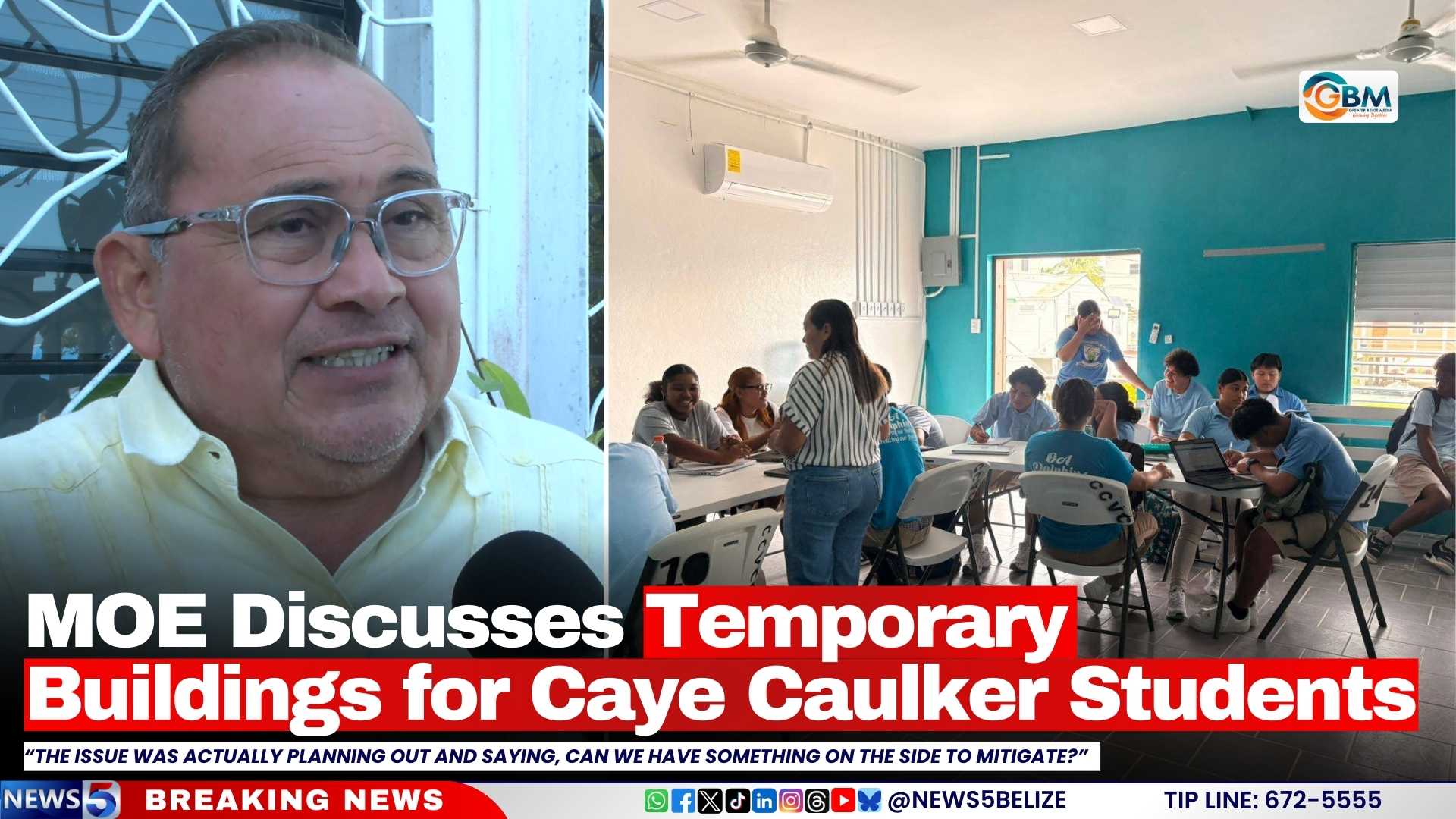
    BELIZE – Senior officials from Belize’s Ministry of Education convened with Caye Caulker community leaders this week to address pressing educational infrastructure needs on the island. The high-level meeting, attended by Belize Rural South Area Representative Andre Perez, Caye Caulker Village Council members, and Ocean Academy’s Board of Governors, focused on developing both immediate and long-term solutions for the island’s growing student population.

    The discussions centered on establishing a new pre-primary facility and converting the existing institution into a government-operated high school. With construction projected to require 12-13 months for completion, officials prioritized identifying temporary instructional spaces to ensure educational continuity during the building phase. One prominent proposal involves erecting transitional structures adjacent to the existing Catholic primary school campus.

    Representative Perez characterized the negotiations as “productive and reassuring” for concerned community stakeholders. He confirmed the Ministry team conducted comprehensive site evaluations following previous consultations with parents and educators regarding Ocean Academy’s operational challenges.

    Notably, the dialogue addressed community-driven efforts that had raised approximately $100,000 for temporary facilities. Ministry officials advised against substantial investment in short-term infrastructure, emphasizing practical considerations regarding the transitional nature of any interim solution.

    Perez further clarified the institution’s administrative future, stating: “Whatever is built there eventually becomes what is called the government high school. It’s not going to be Ocean Academy anymore.” This confirms the planned transition from private to public management once governmental investment commences, marking a significant shift in the island’s educational landscape.

  • Government of Grenada — The UWI Economic Cost Bursary Scholarships

    Government of Grenada — The UWI Economic Cost Bursary Scholarships

    The Grenadian government has partnered with the University of the West Indies to launch an ambitious scholarship initiative for citizens pursuing undergraduate education across multiple Caribbean campuses. This Economic Cost Bursary Scholarship program represents a significant investment in national human resource development, offering substantial financial support for tuition expenses at three prestigious regional institutions.

    Eligible Grenadian nationals can receive tuition coverage at varying percentages depending on their chosen campus: 80% support at both the St Augustine Campus in Trinidad and Mona Campus in Jamaica, while the Cave Hill Campus in Barbados offers 66% tuition coverage. The program explicitly excludes medical degree programs from scholarship eligibility.

    Prospective applicants must meet specific citizenship requirements and follow a structured application process. Candidates must first secure formal acceptance from their chosen University of the West Indies campus before applying for the scholarship assistance. The application package requires comprehensive documentation including a completed scholarship form, two reference letters, certified copies of birth certificates and academic credentials, an official transcript, campus acceptance letter, passport-sized photograph, and a detailed personal essay outlining career objectives and their potential contribution to Grenada’s development.

    All application materials must be submitted as a complete package to the Human Resource Development Division at Grenada’s Ministry of Education by the June 15, 2026 deadline. The ministry has provided multiple contact channels including telephone numbers (473) 440-2737/2738 or (473) 417-9762 and email address hrd@moe.gd for additional information and assistance with the certification process available through the Examination Unit.

  • Bagga primary school launches book of stories, poems

    Bagga primary school launches book of stories, poems

    The Barrouallie Government School has achieved a significant literary milestone with the official publication of its inaugural student-authored anthology, “Little Pens, Big Dreams: Stories and Poems from the Barrouallie Government School Young Authors.” The book launch ceremony, which served as the cornerstone event initiating the school’s Literacy Week celebrations, highlighted the collective creative achievements of its budding writers.

    Presiding over the event, Minister of Education Phillip Jackson emphasized the profound cognitive benefits of writing. “Writing serves as a powerful tool for mental clarification,” Jackson stated. “The practice enables individuals to process complex thoughts, with increased writing directly correlating to enhanced self-awareness and intellectual clarity.” The Minister extended formal congratulations to the student authors, Principal Joy Davis-Haynes, and the school’s dedicated Literacy Committee.

    Adding scholarly insight, Senior Education Officer Mavis Findlay-Joseph delivered a keynote address focusing on the critical connection between writing and self-editing. She outlined a triple-benefit approach for young authors: “Reading your own work aloud facilitates error detection, strengthens cognitive processing, and validates your unique personal voice.” Findlay-Joseph further emphasized that this practice allows students to visualize their ideas more concretely, refine their linguistic expression, and ultimately build substantial confidence in their abilities.

    The anthology represents a tangible outcome of the Early Learners’ Programme, an initiative spearheaded by the Ministry of Education’s Curriculum Development Unit to enhance literacy engagement nationwide. Featuring 38 original literary compositions, the collection showcases creative works from students across all primary grade levels, from Grade 1 through Grade 6, demonstrating remarkable depth and variety in young literary talent.

  • Sarteneja’s Only High School Still Homeless After Four Years

    Sarteneja’s Only High School Still Homeless After Four Years

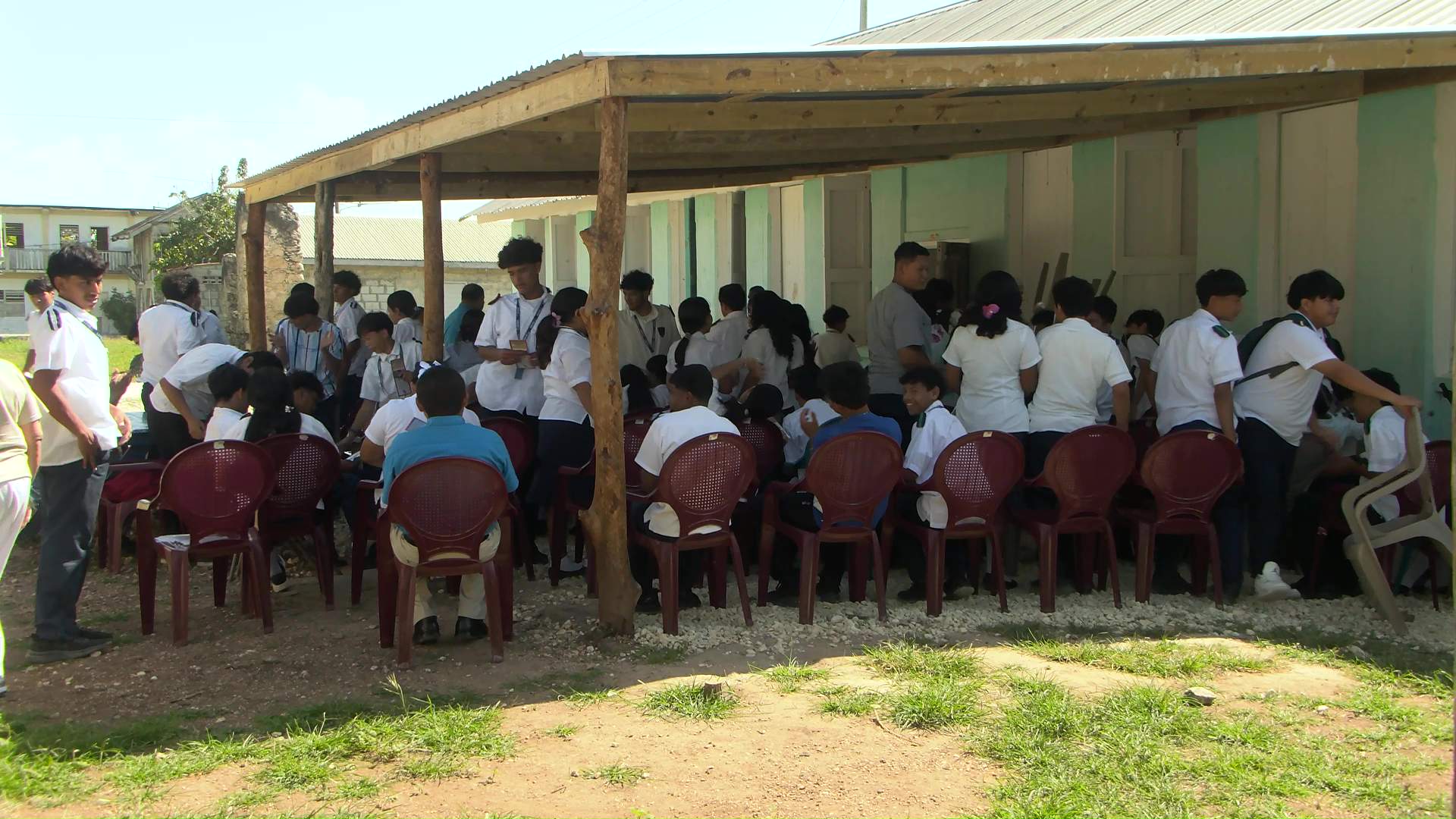
    The remote community of Sarteneja Village faces an escalating educational emergency as its sole high school continues operating without a permanent facility after four years of makeshift arrangements. Sarteneja Baptist High School, serving 84 students, currently functions from a repurposed community center and temporary outdoor structures constructed from donated lumber and zinc sheeting.

    The institution’s severe resource limitations include the absence of fundamental educational facilities—no science laboratory, no computer lab, and inadequate classroom space. With merely four teachers and a principal who simultaneously serves as a full-time instructor, the academic staff operates under extreme pressure to maintain educational standards.

    Darnel Cruz, Secretary of the Sarteneja Village Council and local educator, confirmed that while land has been identified near the airstrip for potential construction, funding remains the primary obstacle to progress. The Village Council has provided the current community center space as a temporary measure, recognizing education as a community priority.

    The situation grows increasingly urgent as the village anticipates a graduating class from primary schools that will exceed the high school’s limited capacity. With the nearest alternative secondary institution located miles away in Chunox Village, Sarteneja Baptist High represents not merely an educational option but a necessity for local families seeking affordable secondary education.

    Parents express deepening concerns about deteriorating infrastructure and resource shortages, while school administration declined official commentary. The community unanimously appeals for governmental intervention and sustainable solutions to secure proper educational facilities for future generations.

  • USA : Internationalization of the UEH

    USA : Internationalization of the UEH

    In a significant stride toward educational advancement, Elms College of Massachusetts and Haiti’s State University (UEH) have formalized a groundbreaking partnership through a memorandum of understanding signed this week. The ceremony, held at Elms College’s Merci Marlène and Jacques Louis Dumay Living-Learning Community and Cultural Center, brought together President Harry Dumay and Rector Dieuseul Prédélus alongside academic leaders, faculty members, and representatives from the Kellogg Program.

    The collaboration establishes an innovative continuing education program specifically designed for the professional development of Haitian educators, with particular focus on the UEH’s École Normale Supérieure (ENS) – Haiti’s historic institution for teacher training. Leveraging Elms College’s specialized expertise through its Division of Education and Center for Equity in Urban Education, the initiative will equip Haitian teachers with contemporary pedagogical approaches tailored to current educational challenges.

    Rector Prédélus characterized the agreement as a “historic moment” that signals the beginning of a strategic collaboration aligned with an ambitious vision: transforming UEH into a modern, competitive institution committed to international academic standards while maintaining deep roots in Haitian realities. He emphasized that “academic excellence cannot be decreed; it is built daily through rigorous work, intellectual openness, and continuous improvement.”

    The partnership represents a complementary alignment of strengths – Elms College contributes its technical expertise in teacher training methodologies, while UEH provides contextual understanding of Haiti’s specific educational needs and challenges. This cooperative model aims to create a multiplier effect where enhanced trainers will subsequently contribute to sustainably elevating Haiti’s entire education system through proven teaching methods and strengthened pedagogical skills.

    This agreement marks a new phase in UEH’s internationalization efforts, initiated under the leadership of its new Executive Council, demonstrating the institution’s commitment to global educational engagement while addressing national development priorities.

  • Cobbs Cross Primary Installs Drip Irrigation System to Strengthen Agricultural Programme

    Cobbs Cross Primary Installs Drip Irrigation System to Strengthen Agricultural Programme

    Cobbs Cross Primary School has embarked on a groundbreaking environmental initiative by implementing an advanced drip irrigation system, fundamentally transforming its agricultural education program. This innovative project, developed through a strategic partnership with the Inter-American Institute for Cooperation on Agriculture (IICA) and technology provider GroTech Farms, represents a significant advancement in sustainable farming practices within educational settings.

    The irrigation infrastructure addresses critical challenges in agricultural productivity by utilizing targeted water delivery technology that channels moisture directly to plant root systems. According to IICA National Specialist Craig Thomas, this methodology effectively counteracts problems associated with irregular precipitation patterns and conventional irrigation inefficiencies. The system’s precision hydration approach not only optimizes water utilization but also creates ideal growing conditions for crops, substantially improving yield potential while minimizing resource waste.

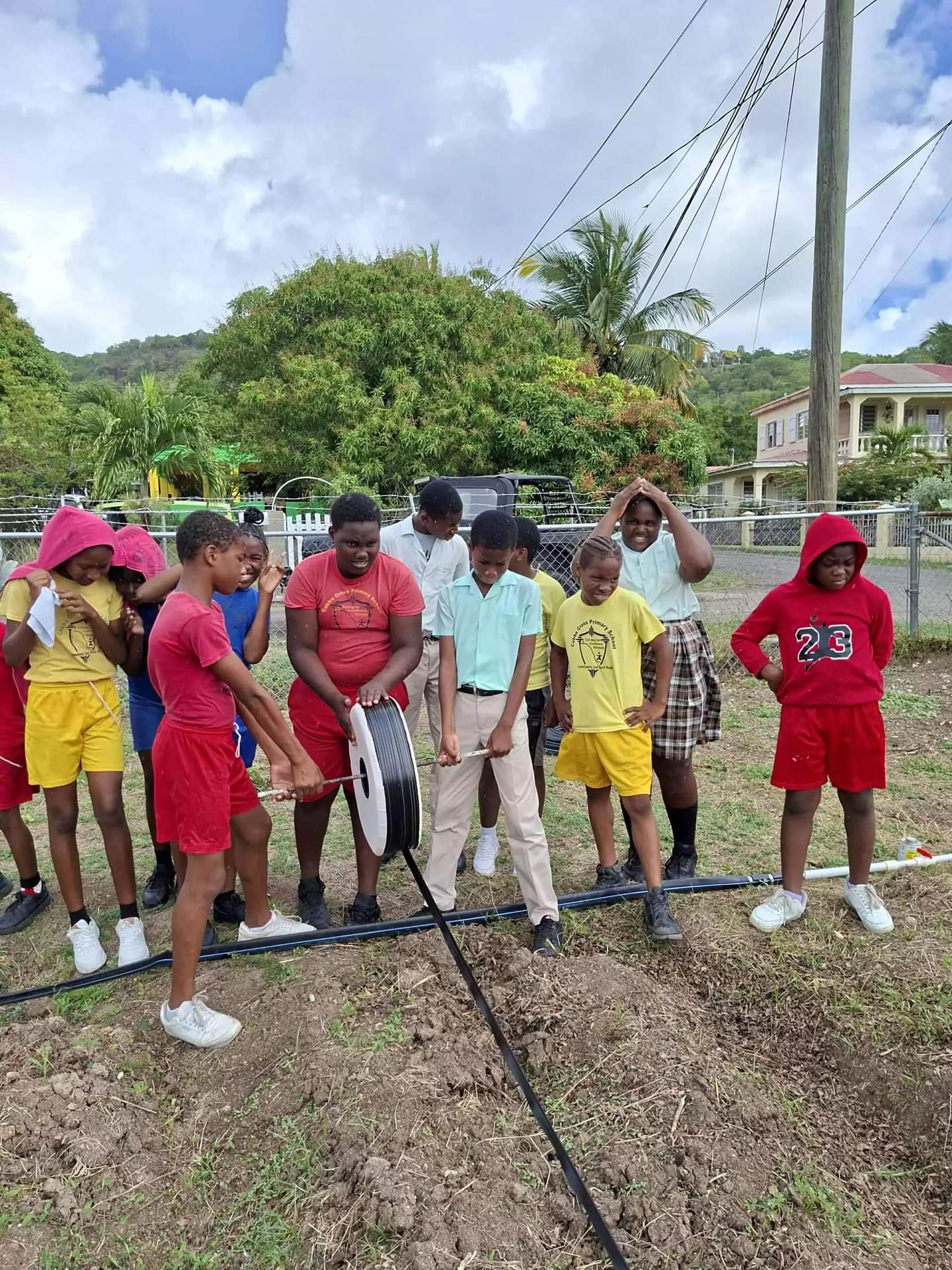
    Principal Mae Hypolite, who personally instructs Agricultural Science classes, integrated the installation process into the curriculum as an experiential learning opportunity. Students participated directly in deploying the irrigation network, gaining practical knowledge about water conservation principles and ecological stewardship through hands-on engagement.

    The project included comprehensive technical training provided by agricultural expert Bradbury Browne, ensuring the school’s capacity to maintain and operate the system independently. Early assessments indicate the technology could reduce water consumption by approximately 70 percent compared to traditional irrigation methods. School administrators anticipate this initiative will serve as a foundation for expanded sustainability projects, including rainwater harvesting infrastructure and substantial enlargement of the educational garden space.

  • UWI hosts Nigerian Vice-Chancellor delegation

    UWI hosts Nigerian Vice-Chancellor delegation

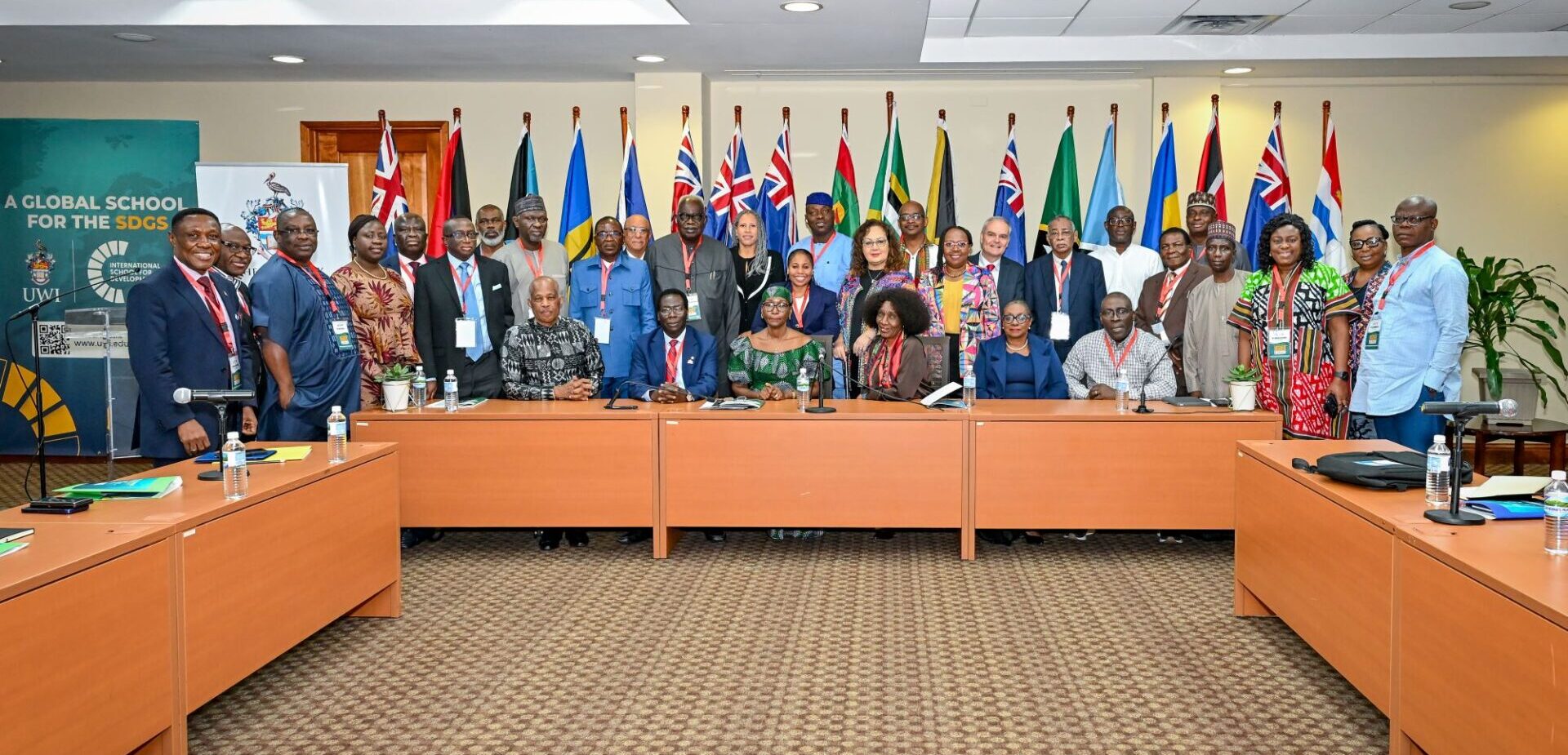
    In a significant move toward Global South educational collaboration, twenty newly appointed Nigerian Vice-Chancellors embarked on a landmark visit to The University of the West Indies (UWI) headquarters in Jamaica from February 10-12. The delegation, representing Nigeria’s Committee of Vice-Chancellors of National Universities (CVCNU), was formally received by UWI Vice-Chancellor Professor Sir Hilary Beckles during the Africa-Caribbean Higher Education Summit.

    The summit represented a strategic initiative by Nigerian higher education leadership to gain firsthand understanding of UWI’s operational excellence and its innovative approaches to balancing national priorities with global engagement challenges. With Nigeria operating approximately 280 universities (140 public and 140 private) and UWI ranking among the top 3.6% of global institutions according to Times Higher Education rankings, the partnership signifies a powerful alignment between two major educational forces in the Global South.

    Professor Beckles characterized the gathering as “a spiritual moment” that acknowledged the profound historical and intellectual connections between Africa and the Caribbean. He emphasized Nigeria’s substantial influence on UWI’s development, noting that the university’s evolution remains intrinsically linked to these regional bonds.

    CVCNU Secretary-General Professor Andrew Haruna addressed both the challenges and opportunities within Nigeria’s higher education landscape while acknowledging the longstanding contributions of Caribbean scholars to Nigerian academic development. The dialogue extended to include Dr. Gervan Fearon, President of George Brown Polytechnic and prominent Caribbean diaspora leader, who delivered a keynote address advocating for purpose-driven universities and emphasizing the critical importance of indigenous publishing platforms for elevating Global South research.

    The three-day summit facilitated comprehensive discussions on strategic planning, research development, curriculum standardization, global rankings optimization, resource management, and visionary leadership. The full participation of all UWI Principals and Pro Vice-Chancellors demonstrated institutional commitment to the “ONE UWI” vision, creating a dynamic environment for intellectual exchange and collaborative planning.

    Professor C. Justin Robinson, Pro Vice-Chancellor and Principal of UWI’s Five Islands Campus, concluded the event with powerful remarks framing South-South collaboration as “a strategic imperative rather than a consolation prize.” He asserted that solutions for developing nations will increasingly emerge through institutions like UWI and Nigerian universities working collaboratively without “waiting for permission to lead.”

  • IMO International Maritime Law Institute (IMLI) Fellowship Opportunity

    IMO International Maritime Law Institute (IMLI) Fellowship Opportunity

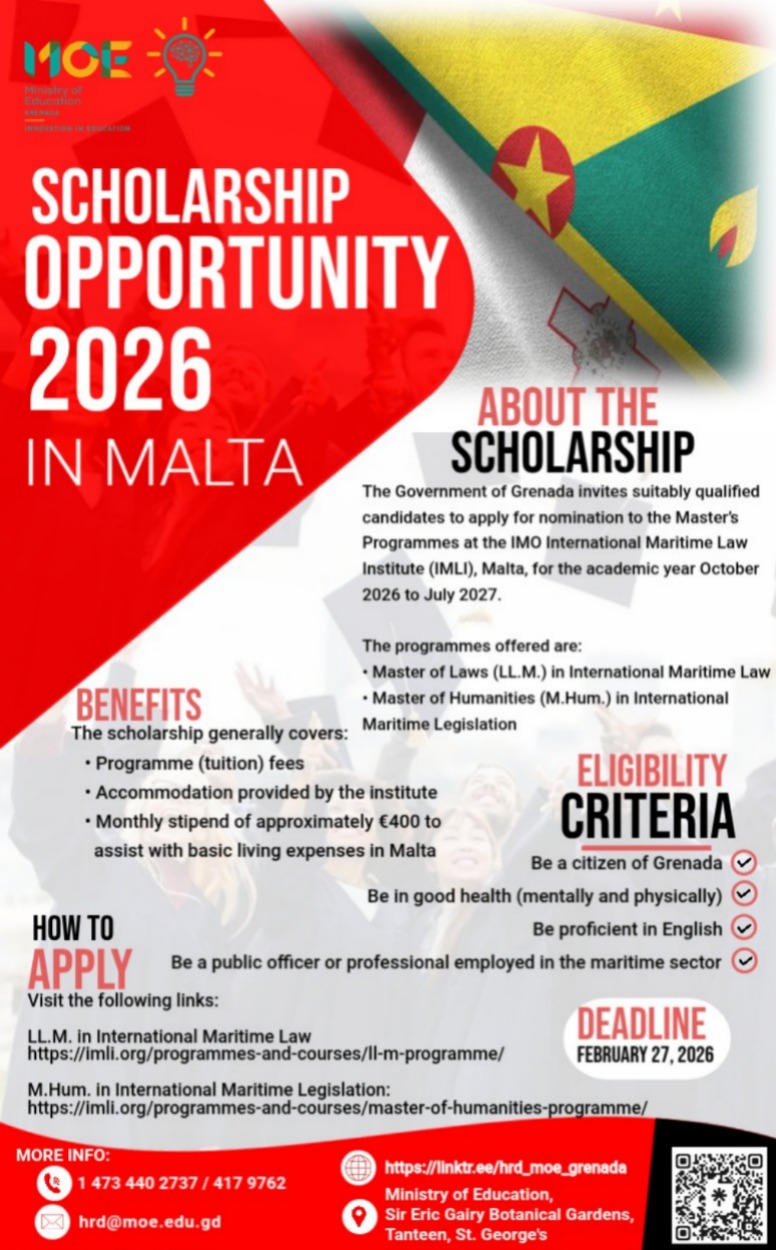
    The Government of Grenada has officially opened applications for fully-funded postgraduate opportunities at the prestigious International Maritime Law Institute (IMLI) in Malta for the 2026-2027 academic cycle. This initiative represents a significant investment in developing specialized legal expertise within the nation’s maritime sector.

    Prospective candidates can apply for nomination to two distinct advanced degree programs: the Master of Laws (LLM) in International Maritime Law or the Master of Humanities (M Hum.) in International Maritime Legislation. These comprehensive programs are designed to equip professionals with sophisticated understanding of maritime legal frameworks and international regulations.

    The selection process mandates that applicants must be Grenadian citizens demonstrating excellent physical and mental health, proficiency in English language, and current employment as either public officers or maritime sector professionals. This targeted eligibility ensures the fellowship benefits those directly contributing to the nation’s maritime interests.

    Successful awardees will receive an extensive fellowship package covering full tuition expenses, institute-provided accommodation, and a monthly living stipend of approximately €400 to support basic expenses during their residency in Malta. This comprehensive financial support removes barriers to advanced education for qualified professionals.

    The application window remains open until February 27, 2026, with all inquiries directed to the Human Resource Development Division within Grenada’s Ministry of Education. Prospective applicants can access detailed program information and application procedures through the institute’s official website portals for each respective program.

    This fellowship initiative underscores Grenada’s strategic commitment to strengthening its maritime governance capabilities through advanced legal education, positioning the nation to better navigate complex international maritime regulations and agreements.