分类: education

  • Educators welcome PEP changes

    Educators welcome PEP changes

    Jamaican education authorities have implemented significant modifications to the Primary Exit Profile (PEP) assessment system in response to the extensive learning disruptions caused by Hurricane Melissa. The revised framework, which has garnered widespread support from school administrators, aims to create more equitable testing conditions for students across the island.

    Karlene Bisnott-Hemmings, Principal of Vaz Preparatory School, emphasized that the adjustments acknowledge the substantial instructional time lost by students in western parishes, where many communities remain without reliable electricity. Unlike previous disruptions such as the COVID-19 pandemic, the hurricane’s aftermath presents unique challenges as students lack basic infrastructure necessary for digital learning alternatives.

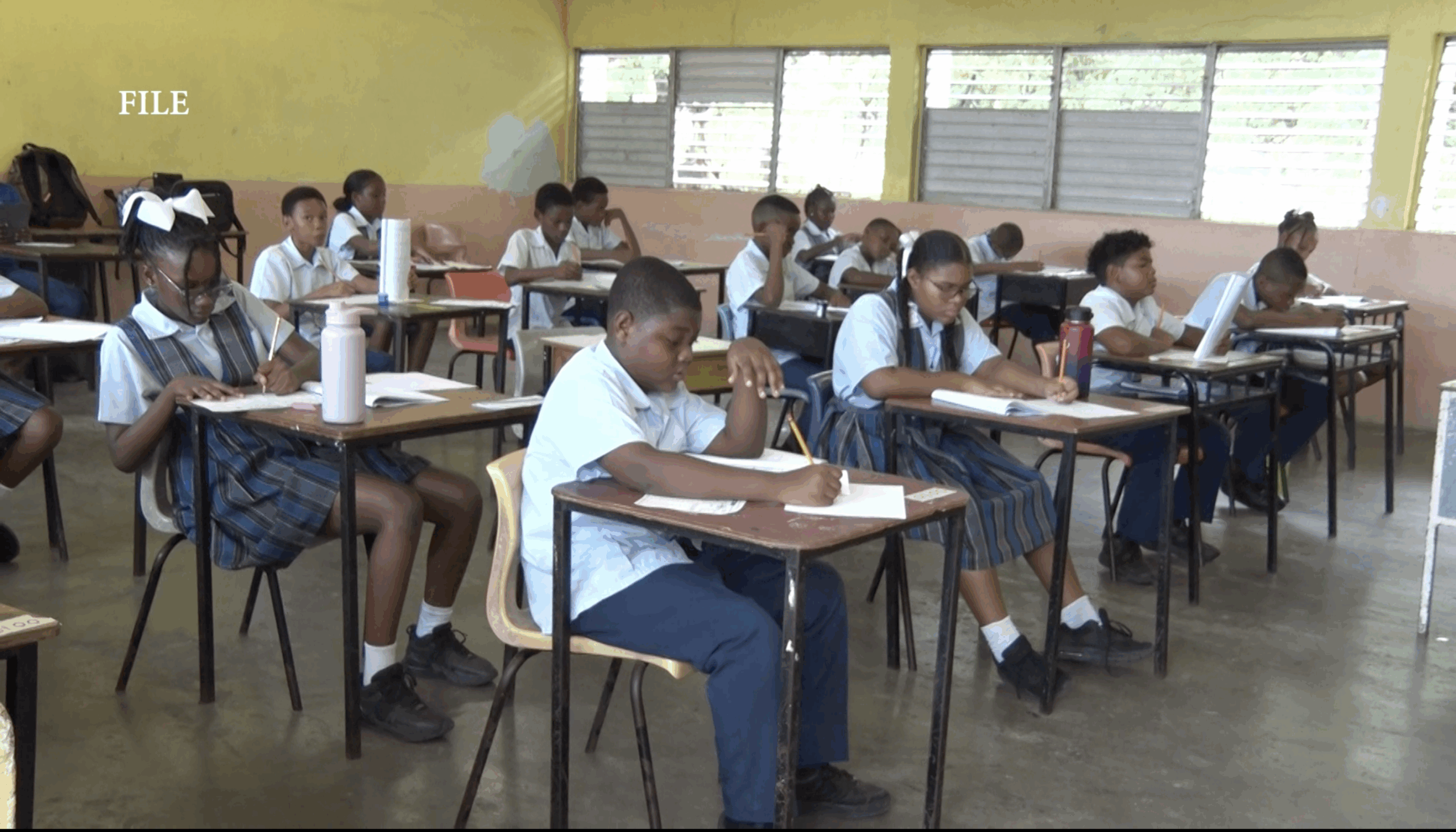
    The restructured assessment approach eliminates science and social studies from external evaluations this academic year. Grade six students will now complete only three assessments: an Ability Test, Mathematics Curriculum-Based Test with numeracy components, and Language Arts Curriculum-Based Test with literacy elements. Similarly, grade five students will undertake just two performance tasks in mathematics and language arts, while grade four pupils will sit literacy and numeracy examinations.

    Education professionals have praised these modifications as both pragmatic and necessary. Principal Bisnott-Hemmings noted that the reduced subject load makes academic preparation more manageable within the compressed timeline leading to April examinations. However, she highlighted that persistent electricity shortages continue to disadvantage western parish students, potentially requiring creative solutions such as extended on-campus study sessions.

    Alia Harris, Vice-Principal of McAuley Primary School, characterized the changes as responsive to longstanding educator advocacy. She emphasized that the streamlined assessment approach recognizes the developmental stage of primary students while maintaining academic integrity during recovery efforts. The consensus among educational institutions indicates broad approval for measures that balance accountability with compassion during this challenging period.

  • Frustration Mounts at UB over Credit Transfer Between Schools

    Frustration Mounts at UB over Credit Transfer Between Schools

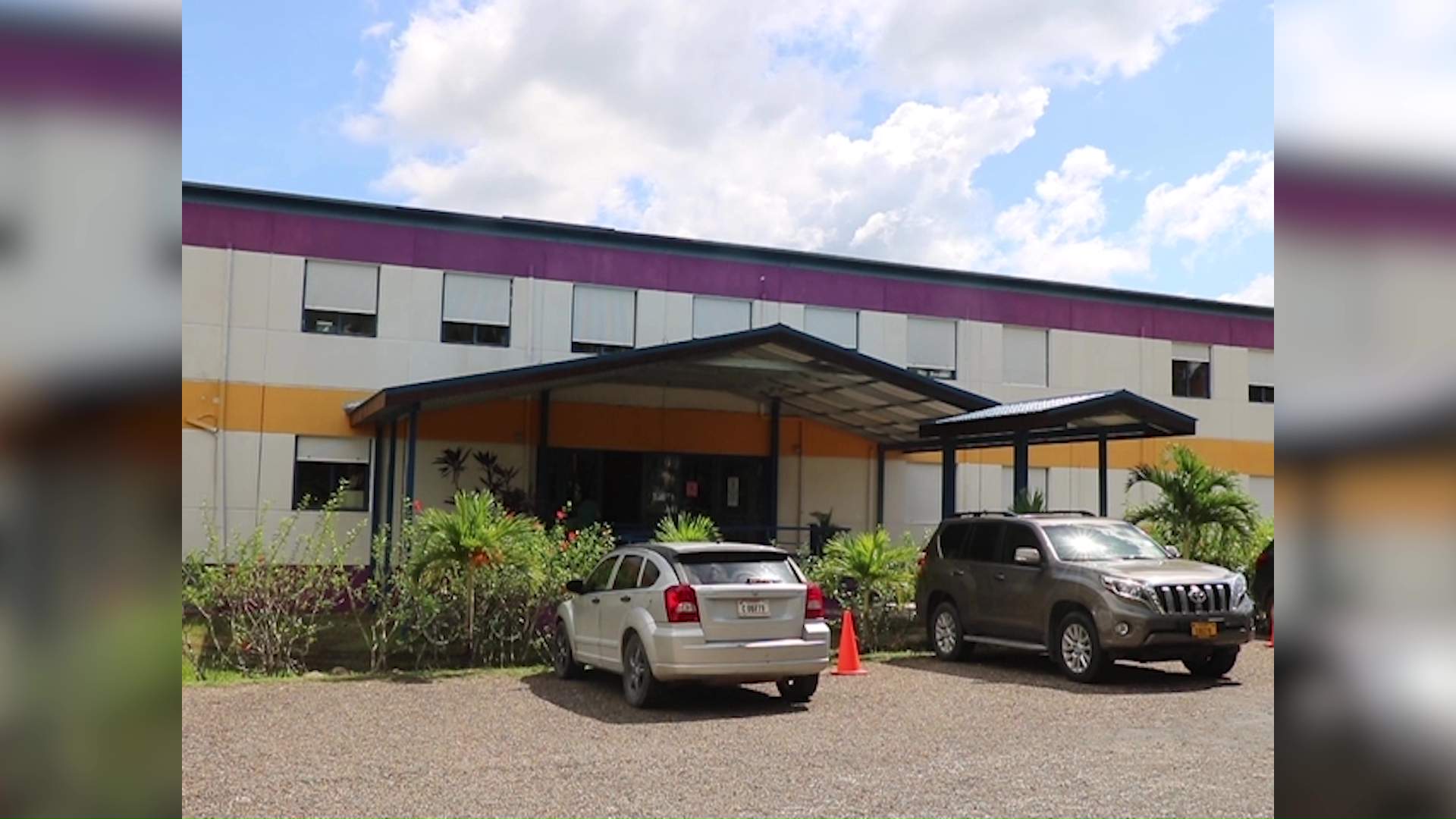
    A significant academic pathway agreement between Sacred Heart Junior College and the University of Belize is facing operational challenges, creating substantial obstacles for students attempting to transfer credits. Despite a Memorandum of Understanding established in 2023 that was designed to streamline academic transitions, numerous graduates report encountering unexpected bureaucratic barriers and academic redundancies.

    The agreement, which enabled UB to offer bachelor’s programs on SHJC’s Cayo campus, has failed to deliver the seamless credit recognition that students anticipated. Hazel Tut, a Business Management major who recently transitioned from SHJC to UB, exemplifies the difficulties. She reports being required to retake over ten courses despite having completed equivalent coursework at the associate level, creating both financial strain and academic frustration.

    “I genuinely expected a smooth transition, but reality has proven otherwise,” Tut explained. “While I appreciate UB’s educational quality, the implementation of this agreement has created unnecessary complications. The fundamental purpose of the MOU was to establish course equivalency, yet I cannot secure proper credit transfer.”

    The situation has created cascading effects for students from economically disadvantaged backgrounds who specifically selected Sacred Heart Junior College to minimize transportation costs and financial burdens. Tut emphasizes that many families remain unaware of these transfer complications when enrolling at SHJC.

    Both institutions acknowledge the ongoing challenges, with advisors and administrative staff reportedly working to resolve the credit evaluation process. However, students like Tut continue to face delayed graduation timelines and duplicated educational expenses, calling into question the practical implementation of the inter-institutional agreement.

  • Students Question Credit Transfers Despite UB Agreement

    Students Question Credit Transfers Despite UB Agreement

    A significant misunderstanding regarding credit transfers continues to affect students at Sacred Heart Junior College seeking to advance their education at the University of Belize. This confusion stems from a 2023 agreement that many students misinterpreted as guaranteeing seamless credit transfers between the institutions.

    University officials have clarified that the memorandum of agreement signed in 2023 was specifically designed to facilitate the University of Belize offering bachelor’s degree programs on the Sacred Heart campus, particularly focusing on business administration programs for students in western regions. The agreement did not establish any automatic credit transfer system between the two institutions.

    Dr. Bernard Watler, Dean of the Faculty of Management & Social Sciences at the University of Belize, explained the current evaluation process: “When students have completed courses or earned associate degrees at Sacred Heart Junior College, their credits undergo rigorous individual assessment on a course-by-course basis. This evaluation is conducted by qualified faculty members to ensure students possess the necessary prerequisites for bachelor-level studies.”

    The current framework requires Sacred Heart graduates to have each course individually evaluated, with only those meeting UB’s academic standards being accepted for transfer. Courses deemed insufficient in preparation require retaking at the University of Belize before students can advance to higher-level coursework.

    University representatives emphasize that this selective transfer process maintains academic standards and ensures student readiness for advanced studies. Meanwhile, both institutions continue developing a more comprehensive transfer framework to address the ongoing concerns of students facing educational pathway uncertainties.

  • CXC January exams introduce online and paper-based formats

    CXC January exams introduce online and paper-based formats

    Saint Lucia has embarked on a transformative journey in educational assessment as the January sitting of the Caribbean Secondary Education Certificate (CSEC) examinations introduced a groundbreaking digital approach starting Monday, January 5th. This significant departure from traditional examination methods marks a pivotal moment in the Caribbean Examinations Council’s (CXC) digital evolution.

    The new examination framework implements a sophisticated hybrid model where all Paper One assignments are conducted exclusively online, while Papers Two and Three utilize a blended format combining digital question delivery with handwritten responses. This innovative structure represents the Ministry of Education’s strategic embrace of technological advancement in academic evaluation.

    Patterson Abraham, Acting Registrar of Examinations in the Ministry of Education, elaborated on the new process: “Candidates will receive their question papers digitally on laptops or approved devices, while simultaneously being provided with physical question-and-answer booklets for handwritten responses. This integrated approach maintains the integrity of written expression while leveraging digital efficiency.”

    The transition to digital assessment has presented logistical challenges, particularly regarding device availability at examination centers. Abraham acknowledged the disparity between registered candidate numbers and functional devices, necessitating a session-based examination schedule for high-demand subjects including English A and Mathematics.

    “With 135 students registered for English A at Castries Private and 45 in Vieux Fort, and Mathematics attracting 165 registrations at Castries Private alone, we’ve implemented a session system due to the limited availability of approximately 75 functional laptops per center,” Abraham explained. “This requires strategic grouping of candidates across multiple examination sessions.”

    The new session-based approach means candidates will write examinations at staggered times, requiring some students to wait before their scheduled sessions. Abraham advised practical preparation for these intervals: “Students should come equipped with lunch and study materials to ensure their waiting time is spent constructively through revision or quiet study.”

    This digital transformation represents both the opportunities and challenges of integrating technology into traditional examination systems, setting a precedent for future educational assessment methodologies across the Caribbean region.

  • Education Ministry announces several changes to CXC, national exams

    Education Ministry announces several changes to CXC, national exams

    KINGSTON, Jamaica — In response to the catastrophic impact of Hurricane Melissa, Jamaica’s Ministry of Education has unveiled comprehensive modifications to its national and regional examination framework for the 2025-2026 academic period. The Category 5 hurricane, which made landfall on October 28, 2025, precipitated widespread displacement of students and educators, prolonged educational interruptions, and inflicted significant psychological distress across affected communities.

    The ministry’s newly released bulletin emphasizes its commitment to maintaining assessment integrity while implementing responsive measures that acknowledge the extraordinary challenges facing educational institutions. “Our revised examination administration prioritizes fairness and sensitivity to the realities confronting our schools and communities,” the ministry stated.

    At the Caribbean Examinations Council (CXC) level, institutions spared from the hurricane’s direct impact will proceed with standard Papers 1 and 2 administration, supplemented by concessions for school-based assessments (SBAs), waived late fees, and optional deferral provisions. Severely affected parishes will receive additional accommodations, including the option to complete only Paper 1 with equivalent SBA concessions and fee exemptions.

    National assessments undergo significant adjustments: The Grade Two Diagnostic Test will be suspended until 2026-2027, though teachers will receive alternative diagnostic tools for school-based evaluation. Similarly, the Grade Nine Achievement Test (GNAT) will be paused for 2026, with regional education officers overseeing student reintegration into formal education systems.

    The ministry has extended registration deadlines for June 2026 City & Guilds examinations in Mathematics Skills (#3850), English Skills (#3850), and Customer Service (#8992), moving the cutoff to February 27, 2026. Speaking and Listening assessments will expand from one to three weeks, with results submission extended into July 2026 and a three-week resit window introduced. Final results will publish on August 28, 2026.

    To support academic recovery, the government will distribute complimentary Mathematics and English workbooks (stages one-three) and Customer Service materials (level one) to severely impacted regions by January 2026. Digital resources will be available nationwide, complemented by virtual capacity-building sessions for educators and students.

    An emergency November 2026 examination series will provide additional opportunities, featuring extended registration through August 31, 2026, and results publication scheduled for February 25, 2027. The 2025 National Vocational Qualification of Jamaica examinations have been postponed indefinitely.

    Financial support includes a $197.66 million fee reduction package for students in hardest-hit parishes, supplementing existing government subsidies through funding from the Overseas Examinations Commission.

  • Principals encouraged to utilise SBA concession offered by CXC

    Principals encouraged to utilise SBA concession offered by CXC

    Jamaican educational authorities are urging school principals to implement special academic concessions approved by the Caribbean Examinations Council (CXC) for students affected by recent natural disasters. The accommodations specifically address challenges related to School-Based Assessments (SBAs) for the May/June 2026 examination period.

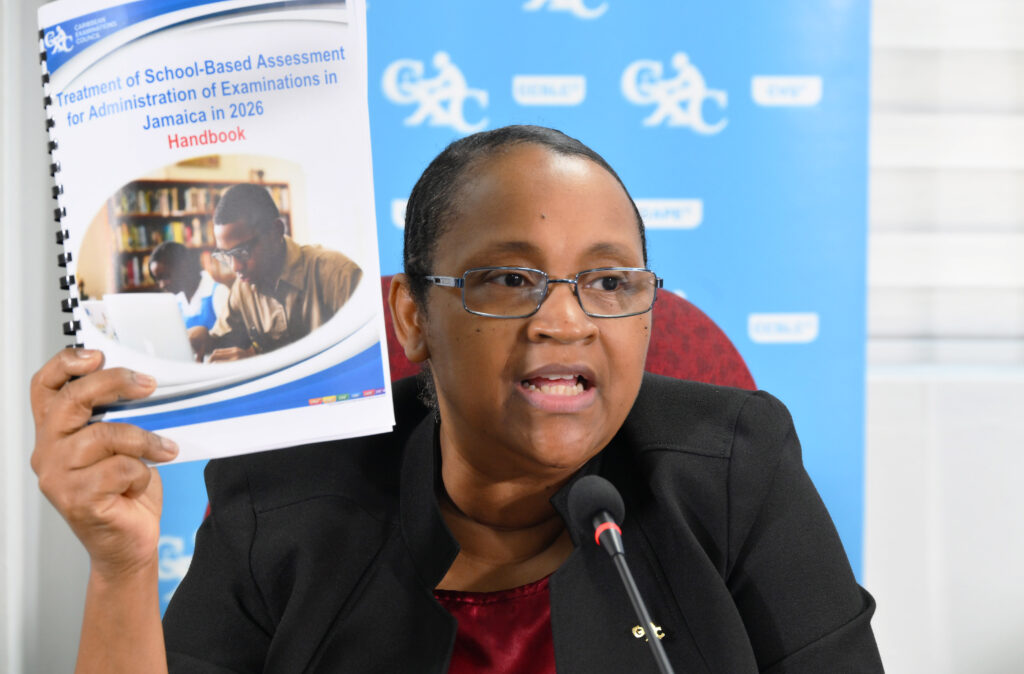
    Dr. Nicole Manning, Director of Operations at CXC, emphasized the urgency during a press conference at the Overseas Examinations Commission headquarters in Kingston. She detailed how the concessions allow for certain components to be omitted from the assessment process, particularly for candidates reattempting their SBAs. Students currently have approximately three to four months to complete these modified requirements under the extended submission deadline of June 15 for teachers.

    The concessions were developed in response to the devastating impact of Hurricane Melissa, which struck Jamaica on October 28. The hurricane caused significant educational disruptions, including the destruction of completed SBAs and personal belongings. Dr. Manning explained that while some students had advanced substantially in their two-year SBA preparation for the Caribbean Secondary Education Certificate (CSEC), many others suffered catastrophic losses requiring institutional compassion.

    Notably, the concessions extend beyond general assessment requirements to include specific accommodations for science disciplines. Laboratory work requirements have been substantially reduced—for instance, physics practicals have been cut from the traditional 16 labs to a minimum of 8, while maintaining essential educational standards.

    The special provisions document remains exclusively available to Jamaican educational institutions through the Ministry of Education, Skills, Youth and Information, with strict instructions against external distribution. This targeted approach ensures that support reaches those most affected while maintaining assessment integrity.

  • Sir Ronald Sanders is new UG Chancellor

    Sir Ronald Sanders is new UG Chancellor

    In a significant development for Caribbean academia, His Excellency Sir Ronald Sanders has been formally installed as the new Chancellor of the University of Guyana. The Guyanese-born diplomat, currently serving as Antigua and Barbuda’s Ambassador to the United States and the Organization of American States, assumes this prestigious role following his election by the University’s Council in accordance with Section 9 of the University of Guyana Act.

    President Irfaan Ali publicly endorsed the appointment, emphasizing Sanders’ exceptional qualifications in a presidential statement. “Sir Ronald brings to this role an exceptional record of scholarship, public service, and international engagement that aligns closely with the University’s aspirations for academic excellence and global visibility,” President Ali remarked, highlighting the appointment’s significance for Guyana’s educational landscape.

    The position became vacant after Professor John Edward Greene completed his distinguished tenure. President Ali expressed gratitude for Greene’s contributions, noting his “dedicated service to the University and his valued contribution to its development and standing.” Professor Greene, also Guyanese-born, previously served as Assistant Secretary-General of the Caribbean Community (CARICOM).

    Sir Ronald’s professional journey began in Guyana as the youngest General Manager of the now-defunct state-owned Guyana Broadcasting Service before he migrated to Antigua and Barbuda. His diplomatic career flourished under the Antigua and Barbuda Labour Party administration, resulting in appointments to the United Kingdom and United States.

    Academic credentials distinguish the new Chancellor, including a Master’s degree in International Relations from the University of Sussex, an Honorary Doctor of Letters from the University of the West Indies, and an Honorary Doctor of Laws from the University of Guyana. His scholarly background includes roles as Visiting Fellow at the University of Oxford, Senior Research Fellow at the University of London’s Institute of Commonwealth Studies, and Senior Fellow at the University of Toronto’s Massey College.

    Internationally recognized as one of the Caribbean’s most accomplished diplomats, Sir Ronald has presided for three terms over the Permanent Council of the Organization of American States—an unprecedented achievement. His expertise in multilateral diplomacy and scholarship on small states has earned him considerable international respect.

    President Ali concluded that Sanders’ leadership would “strengthen the University’s role at the heart of Guyana’s emerging knowledge economy,” particularly during a period of substantial investment in human capital development.

  • Nigerian professionals to bolster mathematics and science teaching in Saint Kitts and Nevis

    Nigerian professionals to bolster mathematics and science teaching in Saint Kitts and Nevis

    In a significant bilateral educational initiative, five Nigerian education specialists have arrived in Saint Kitts and Nevis to enhance mathematics and science instruction throughout the federation. The volunteers, deployed through the Nigerian Technical Aid Corps (NTAC), were formally welcomed during a ceremony at the Joseph N. France General Hospital on December 29, 2025.

    Deputy Prime Minister and Education Minister Dr. Geoffrey Hanley presided over the reception, emphasizing that the collaboration represents both nations’ shared dedication to educational advancement and healthcare improvement. The Nigerian contingent forms part of a larger deployment of seventeen professionals, with twelve additional specialists assigned to reinforce the nation’s healthcare system for a two-year period.

    Dr. Hanley characterized the incoming educators not merely as international partners but as ‘brothers and sisters,’ highlighting the deep diplomatic ties between the Caribbean nation and Nigeria. The education minister further revealed ongoing discussions with Nigerian authorities regarding expanded cooperation in specialized education domains, including autism support, disability services, and potential scholarship programs.

    The successful implementation of this knowledge exchange program received high-level political backing from Prime Minister Dr. Terrance Drew and Senior Minister of Foreign Affairs Dr. Denzil Douglas, both of whom attended the welcoming ceremony. This educational partnership signifies growing South-South cooperation and represents a practical manifestation of intercontinental solidarity in addressing critical development needs through specialized expertise sharing.

  • School fights in the spotlight

    School fights in the spotlight

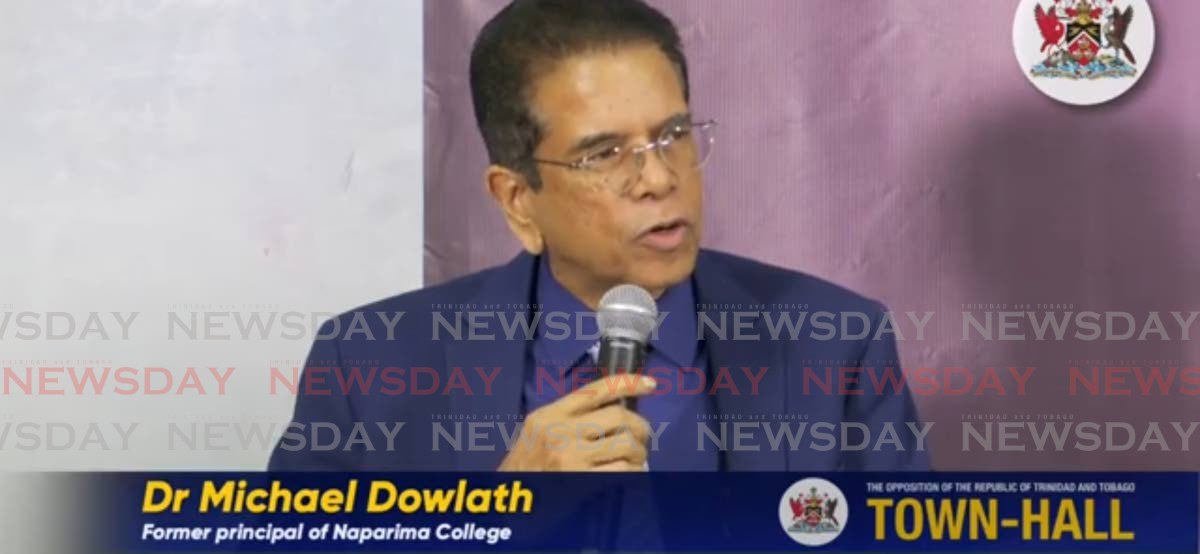
    The Trinidad and Tobago Education Ministry has intensified its focus on addressing escalating conflict among teenagers and pre-teens that frequently escalates into violent outbursts within school settings. While school altercations are not a new phenomenon, their increasing frequency has prompted urgent ministerial attention.

    Analysis indicates that oversized classrooms significantly contribute to this troubling trend by hindering student familiarity and relationship-building. While reducing class sizes presents practical challenges, the Ministry recommends implementing structured programs to foster acquaintance and camaraderie among students. Educational experts suggest reviving bus excursions as a dual-purpose solution that simultaneously promotes national awareness and strengthens classroom bonds.

    Another proposed initiative involves establishing birthday clubs within classrooms, creating opportunities for celebratory gatherings that enhance peer relationships through shared experiences and delicacies.

    The deterioration of respect for school authority represents another critical concern, with teachers increasingly perceived as ordinary individuals rather than respected figures. In response to reported physical confrontations between educators and students, the Ministry recommends mandatory martial arts training for all teaching staff to provide non-violent conflict resolution skills.

    Regarding disciplinary approaches, officials emphasize that many students remain unaware that fighting carries similar legal consequences to weapon possession or drug offenses. The Ministry advocates for measured police intervention in school conflicts, recommending that most incidents be referred to parent-teacher associations for resolution.

    Developmental considerations highlight that adolescence often involves behavioral changes and violations beyond students’ conscious control, raising ethical concerns about administering custodial punishment for actions during this transitional period.

    With the approaching Carnival season anticipated to increase availability of harmful substances, the Ministry stresses enhanced drug awareness programs. Research consistently demonstrates that substance abuse correlates strongly with poor academic performance, increased absenteeism, and higher dropout rates.

    The World Health Organization underscores the critical importance of physical activity, revealing that 80% of adolescents fail to meet recommended activity levels. This inactivity contributes significantly to rising cases of hypertension and diabetes among youth, conditions previously associated primarily with adulthood.

    The Ministry proposes legislative mandates requiring all schools to employ trained physical education instructors, sports coaches, and qualified dietitians. Simultaneously, parents are urged to monitor and limit children’s screen time, particularly during weekends, to prevent sedentary lifestyles that exacerbate health risks.

  • CXC moving to address high rates of absenteeism

    CXC moving to address high rates of absenteeism

    The Caribbean Examinations Council (CXC) is grappling with a persistent and troubling trend of absenteeism among students registered for its Caribbean Secondary Education Certificate (CSEC) examinations. This phenomenon represents both a significant financial concern and an educational challenge across the region.

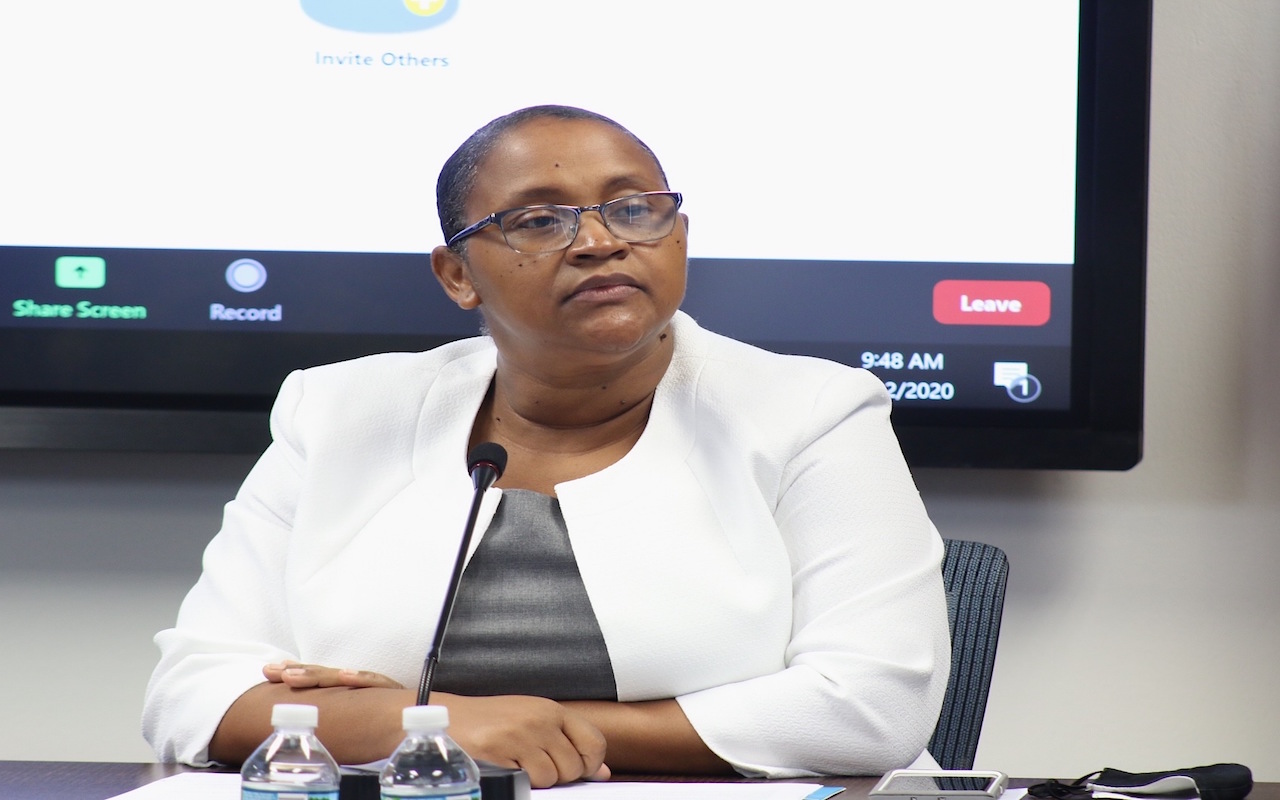
    Dr. Nicole Manning, CXC’s Director of Operations, confirmed the organization is actively investigating the root causes through comprehensive surveys. The financial implications are substantial, with examination fees—often covered by governments or parents—being effectively wasted when students fail to appear for their tests.

    According to CXC’s research, the primary reason students skip examinations is a perceived lack of preparation. Many candidates reportedly feel insufficiently ready to demonstrate their competencies, leading them to avoid sitting the exams entirely. Dr. Manning emphasized the council’s position that students should attempt examinations regardless of their preparedness level, noting that many underestimate their actual knowledge and recall abilities during assessment situations.

    Beyond preparation anxiety, illness and other personal factors contribute to absentee rates. Particularly concerning is the pattern emerging in newer, vocationally-oriented subjects critical to regional development. Fields such as green engineering along with logistics and supply chain management are experiencing disproportionately high absence rates, despite strong performance metrics among examinees who do participate.

    Dr. Manning acknowledged evolving attitudes toward education among younger generations, prompting CXC to pursue innovative solutions through digital transformation. The council has developed the Caribbean Targeted Education Certificate (CTEC), a modularized alternative to traditional CSEC and Caribbean Advanced Proficiency Examination (CAPE) certifications.

    This new micro-credential system, scheduled for pilot implementation in May/June 2025 with over 6,000 participants—more than double initial projections—offers students unprecedented flexibility. The CTEC framework allows candidates to build qualifications incrementally through stackable modules, enabling them to customize their educational profiles according to individual interests and career aspirations.

    CXC has already released marginalized syllabuses for Mathematics, English A, English B, and Integrated Science, with examinations set to commence in 2027. This approach ensures that even students unsuccessful in comprehensive CSEC examinations can still attain certification through CTEC module completion.

    Dr. Manning emphasized that addressing absenteeism, supporting student development, and adapting to contemporary educational needs remain central priorities for CXC as it transforms its operational models to better serve Caribbean youth.