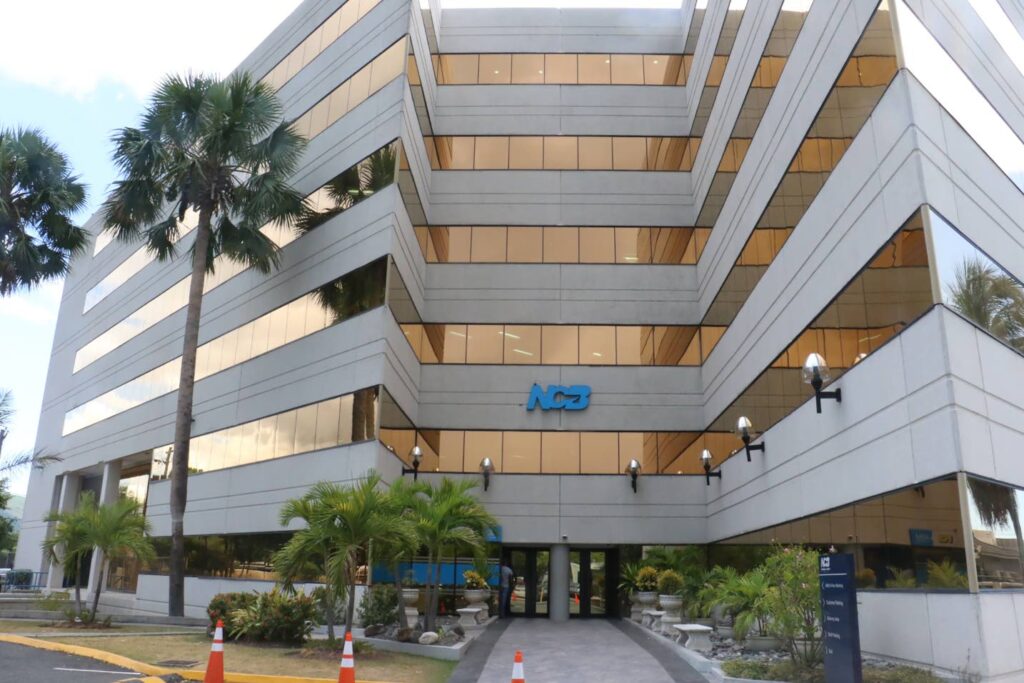
KINGSTON, Jamaica — The National Commercial Bank (NCB) has successfully restored its services across all platforms following significant system disruptions earlier on Wednesday. The bank confirmed the resolution after being contacted by Observer Online, addressing widespread complaints from customers who faced difficulties accessing their accounts via the NCB mobile app and website.
分类: business
-
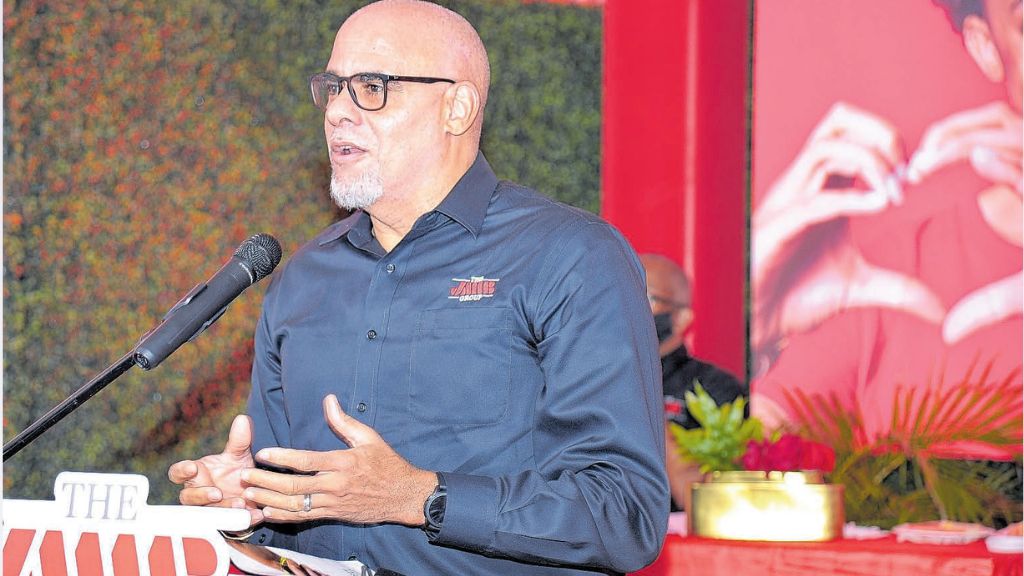
BANKS PUSH BACK AGAINST REGULATORY ONSLAUGHT
Jamaican financial institutions are pressing regulators to synchronize the implementation of new capital and liquidity regulations, citing the rapid pace of reforms as a significant compliance burden that could erode profitability. Keith Duncan, CEO of JMMB Group Ltd, one of Jamaica’s largest financial entities, emphasized this concern during the company’s 12th annual general meeting (AGM) on Friday. Duncan highlighted that over 100 policy reforms have been introduced in the past decade, creating substantial operational challenges for the sector. While these measures aim to enhance financial stability, their accelerated rollout has strained resources, particularly for smaller institutions. The Bank of Jamaica (BOJ) is currently advancing a series of reforms, including Basel III capital standards, a ‘twin peaks’ regulatory model, and new liquidity requirements for financial holding companies (FHCs). These changes, though beneficial in the long term, are driving up costs and limiting capital deployment flexibility. Duncan urged regulators to adopt a collaborative approach, ensuring reforms are sequenced to minimize the burden on the industry. The BOJ is also developing a special resolution regime (SRR) to address failing financial institutions, though its funding mechanism remains contentious. Additionally, the Financial Services Commission (FSC) has introduced reforms to exposure limits for collective investment schemes and dividend declarations by securities dealers. While these measures aim to strengthen the financial system, they may lead to higher compliance costs, potentially passed on to consumers. The JMMB Group CEO called for a balanced regulatory framework to safeguard profitability and shareholder returns.
-

Jamaica’s inflation rises by 0.8% in September, driven by food and housing
KINGSTON, Jamaica — Jamaica’s consumer prices surged by 0.8 per cent in September, according to the Statistical Institute of Jamaica (STATIN). This increase, driven by escalating costs in food, housing, and education, has elevated the annual point-to-point inflation rate to 2.1 per cent for the period spanning September 2024 to September 2025. The education sector witnessed the most pronounced monthly price hike, soaring by 5.6 per cent, primarily due to higher tuition fees at private primary schools as the new academic term commenced. The housing, water, electricity, gas, and other fuels category also saw a 1.0 per cent rise, reflecting increased electricity rates and rental expenses. Food and non-alcoholic beverage prices climbed 0.9 per cent, largely influenced by higher costs for agricultural produce such as sweet potatoes, tomatoes, carrots, and cabbages. Over the twelve months leading to September 2025, the housing division and restaurant and accommodation services were the primary contributors to the 2.1 per cent inflation rate, with increases of 4.8 per cent and 4.1 per cent, respectively. Food and non-alcoholic beverages experienced a more modest annual rise of 0.7 per cent. Regional disparities in inflation were evident, with the Greater Kingston Metropolitan Area recording the highest monthly increase at 1.0 per cent, compared to 0.8 per cent in other urban centres and 0.6 per cent in rural areas. Additional sectors facing upward pressure included transport, which rose 0.3 per cent due to higher petrol prices and toll fees, and personal care goods and services, which increased by 0.5 per cent. These rises were partially mitigated by stability or deflation in other categories. The information and communication division remained unchanged for the month but declined by 5.8 per cent year-on-year, while insurance and financial services showed no monthly or annual variation. The Consumer Price Index (CPI), which tracks changes in the general level of prices for goods and services purchased by households, underscores the ongoing economic challenges faced by Jamaican consumers.
-

Jamaica eyes new port in St Thomas to tap Guyana’s building boom
The Port Authority of Jamaica (PAJ) is actively considering the development of a new export port in St Thomas, a strategic move aimed at positioning Jamaica as the leading supplier of construction materials across the Caribbean. This initiative is particularly targeted at Guyana, where an oil-driven infrastructure boom has created unprecedented demand for aggregates, limestone, and cement. PAJ Chairman Alok Jain revealed these plans during a recent address at the Institute of Chartered Accountants of Jamaica (ICAJ) annual business conference, emphasizing the need for additional ports to meet regional demands. While a specific timeline remains undisclosed, Jain highlighted the importance of locating ports near mining sites to minimize transportation costs and logistical challenges. The St Thomas port is envisioned as a dedicated bulk export facility, designed to streamline the movement of heavy materials to regional buyers. This development aligns with Prime Minister Andrew Holness’s March 2023 call for local quarry operators to expand production to serve Caribbean markets, particularly Guyana. Guyana’s infrastructure projects have surged in recent years, driven by its oil wealth, leading to a 250% increase in gravel and crushed stone imports in 2023, totaling $47 million. While Suriname’s State-owned Grassalco has been a primary supplier, Guyana has also sought materials from Jamaica and other Caribbean nations. The proposed St Thomas port is part of a broader strategy to transform Jamaica into a global logistics hub, with Jain envisioning the island as the fourth global logistics node after Singapore, Dubai, and Rotterdam. This ambition is supported by significant investments in Jamaica’s port infrastructure, including over $400 million in the Kingston Freeport Terminal since 2016 and the development of the Caymanas Special Economic Zone, a modern logistics and light-manufacturing hub. Jain believes that shifting global trade dynamics, including tariff upheavals and supply chain disruptions, present a unique opportunity for Jamaica to leverage its geographic advantage and emerge as a key player in international trade.
-

Observer and Gleaner move to sign joint venture agreement
In a landmark move aimed at optimizing operational efficiency, Jamaica Observer Limited (JOL) and Gleaner Company Media Limited (GCML) have announced plans to establish a formal joint venture (JV) by the end of the calendar year. This collaboration follows the signing of a Memorandum of Understanding (MOU) in early August, which initiated a feasibility study into shared logistics and production services. The MOU explored the potential for consolidating printing, distribution networks, and other operational processes to achieve cost savings, improved delivery timelines, and enhanced consumer service.
Anthony Smith, Chief Executive Officer of the RJRGleaner Communications Group, emphasized the strategic nature of the partnership, stating, ‘Our JV discussions have focused on coordinating efficient printing and distribution logistics, as well as establishing processes that ensure the stability and integrity of both operations.’
Dominic Beaubrun, Managing Director of JOL, highlighted the transformative potential of the venture, noting, ‘This JV represents a practical and forward-thinking approach to preserving the industry. Our companies recognize the exponential benefits this collaboration will bring.’
Despite the joint venture, both companies will retain their independence, with separate ownership, operations, and editorial control. The Gleaner, established in 1834, and the Jamaica Observer, founded in 1993, will continue to deliver high-quality journalism and maintain their unique identities while leveraging the efficiencies of the shared logistics model. This partnership marks a significant step in the evolution of Jamaica’s media landscape, setting a precedent for innovative collaboration in the industry.
-

Unicomer Strengthens OECS Communities Through Culture, Sports, and Education in 2025
In 2025, Unicomer Group has reaffirmed its commitment to the Caribbean region by continuing its legacy of community investment and cultural support across the Organisation of Eastern Caribbean States (OECS). Building on the strong foundation laid in 2024, the company has launched a series of initiatives aimed at enriching lives and strengthening communities through cultural sponsorships, sports partnerships, educational support, and youth empowerment programs.
-

Buitengewone AVA Staatsolie op het laatste moment afgeblazen
The highly anticipated Extraordinary General Meeting (EGM) of Staatsolie, scheduled for today, was abruptly canceled at the last minute. The meeting, convened by Board Chairman Gonda Asadang and the Ministry of Natural Resources (NH), was set to address critical governance changes within the company. Notably, the Ministry of Oil & Gas, which oversees policy in the sector, appeared conspicuously absent from the discussions. The primary agenda items included the resignation of current Board of Commissioners (BOC) members and the appointment of new appointees: Rudolf Elias (Chairman), Sergio Akiemboto (Chief of Staff at the President’s Office), Aroon Samjhawan, Ewald Poetisi, Rudie Chin Jen Sem, Chantal Doekhie, and Edgar Caffé. Staatsolie’s Managing Director, Annand Jagesar, confirmed to Starnieuws that the management was informed of the cancellation this morning. ‘We were notified that the EGM will not proceed today. Beyond that, the management is unaware of the reasons behind this decision,’ Jagesar stated. According to Staatsolie’s statutes, an EGM must be convened at least 15 days in advance, though deviations can be approved during the meeting itself. The reasons for the postponement and the new date for the meeting remain undisclosed, leaving stakeholders in the dark about the future of the company’s leadership.
-

PM Browne Meets with The Antigua and Barbuda and Montserrat Bankers Association
The Antigua and Barbuda and Montserrat Bankers Association (ABMBA) recently convened with Prime Minister Gaston Browne and senior officials from the Ministry of Finance and Corporate Governance to bolster collaboration on financial inclusion and sector resilience. The meeting, held in recognition of October as Financial Literacy Month within the Eastern Caribbean Currency Union (ECCU), emphasized the importance of integrating financial education into national school curricula.
Discussions centered on improving access to financial services for underserved and vulnerable groups, as well as enhancing business confidence across the nation. Both parties reaffirmed their commitment to developing innovative financial products and expanding credit access for small and medium-sized enterprises (SMEs). This initiative is part of a broader roadmap aimed at promoting economic empowerment and fostering long-term collaboration in the banking sector.
Addressing regional and local concerns, the ABMBA and the Ministry of Finance highlighted the rise in banking-related crimes. They urged the public to remain vigilant against scams and fraudulent schemes, agreeing to expand public awareness campaigns that promote responsible banking practices.
The Ministry of Finance and the ABMBA reiterated their dedication to building a secure, inclusive, and resilient financial system that supports the economic advancement of citizens across Antigua and Barbuda and Montserrat.
-

Economy : Summary, key points of the 2025-2026 budget
The Haitian Council of Ministers has officially approved the 2025-2026 national budget, totaling 345 billion gourdes, marking a 6.8% increase from the previous fiscal year. This budget is strategically designed to address critical priorities such as public security, electoral organization, and macroeconomic stabilization, as outlined by the Transitional Government. The budget aims to restore confidence, consolidate progress, and lay the groundwork for inclusive and sustainable growth. Key areas of focus include the restoration of public security, the organization of general elections, economic recovery, and the modernization of tax administration. The budget also emphasizes a territorialized approach to public spending, ensuring greater transparency and efficiency in resource allocation. Macroeconomic projections indicate a modest real GDP growth rate of 0.3%, with an end-of-period inflation rate of 23.4%. The budget will be primarily financed through domestic resources, including tax and customs revenues, which account for 70.5% of the total funding. Capital expenditures, representing 38.2% of the budget, will focus on infrastructure rehabilitation, regional recovery, and social protection systems. Specific initiatives include the rehabilitation of police stations, the strengthening of the Haitian National Police and Army, and the introduction of reliable technologies to ensure transparent elections. Additionally, the budget allocates resources for food security, healthcare, education, and gender-based violence prevention, aiming to address the needs of the most vulnerable populations.
-
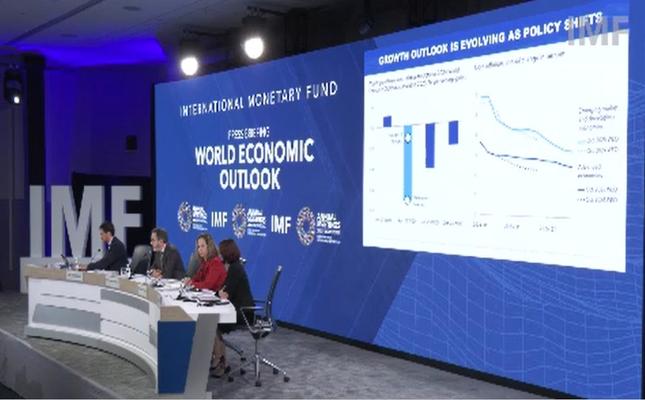
IMF projects continued global growth despite trade tensions and potential economic headwinds
The International Monetary Fund (IMF) has projected a resilient global economic growth trajectory, forecasting expansions of 3.2% in 2025 and 3.1% in 2026, despite persistent trade tensions and broader economic uncertainties. These projections were unveiled during the IMF-World Bank Annual Meetings in Washington, D.C., where officials highlighted the complex interplay of evolving trade policies and fiscal dynamics shaping the global outlook. Pierre-Olivier Gourinchas, IMF’s Chief Economist, emphasized that while inflationary pressures have increased modestly, the impact of tariff shocks has been mitigated by trade exemptions and new agreements. He noted that many countries have avoided retaliatory tariffs, and private-sector adaptability has cushioned the effects of policy shifts. However, Gourinchas warned that risks remain, particularly in advanced economies like the U.S., where growth projections have been revised downward due to inflationary and labor market challenges. In Latin America and the Caribbean, the IMF has revised growth forecasts upward, with Mexico leading the region. Guyana, driven by its booming oil sector, remains the Caribbean’s fastest-growing economy, though growth is expected to slow significantly in 2025.