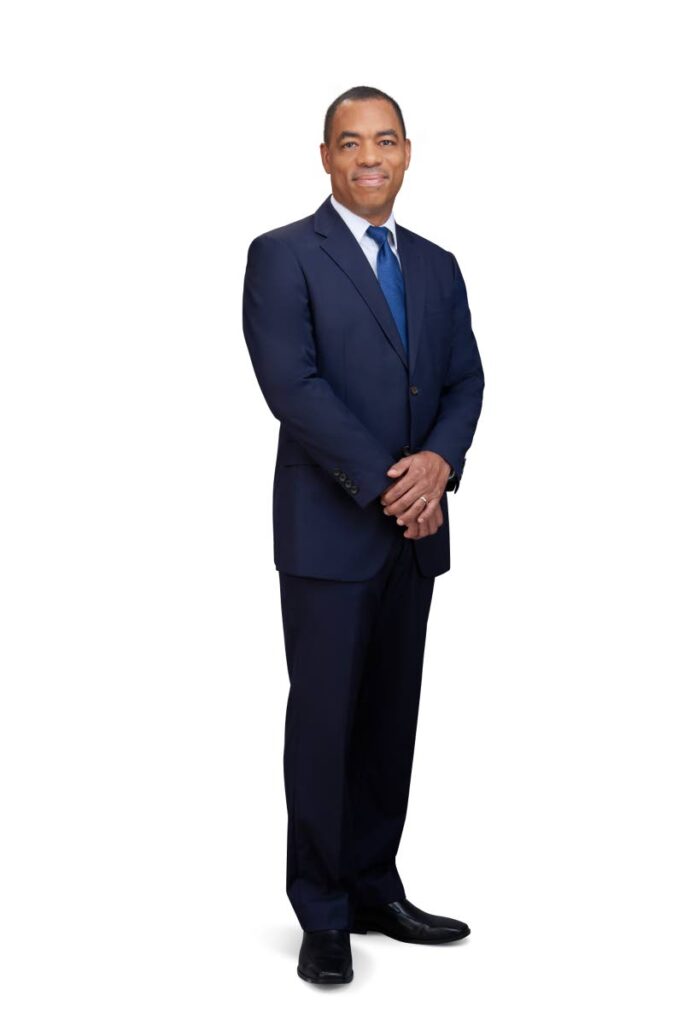
First Citizens Group has officially named Jason Julien as its new Group CEO, effective October 22, as disclosed in a legal notice published on the Trinidad and Tobago Stock Exchange’s website on October 29. Julien, a seasoned banking and finance professional with over 25 years of experience, succeeds Karen Darbasie, who retired on October 21. Julien holds an MBA from Edinburgh Business School, Heriot-Watt University, and a bachelor’s degree in management studies from the University of the West Indies. He is also a Chartered Financial Analyst and holds a Certificate of Financial Advisors from the Institute of Business and Finance. Sana Ragbir, the General Manager for Retail and Commercial Banking, will continue to serve as Group Deputy CEO of Business Generation. Darbasie’s retirement followed her approved vacation leave starting August 21, during which Julien acted as interim Group CEO. The transition occurred amidst broader organizational changes, including the resignation of the entire board of directors on October 7, just before a special general meeting to elect a new board and CEO. Finance Minister Davendranath Tancoo had earlier expressed concerns about the bank’s operations and appointed a new board to First Citizens Holdings, the majority shareholder of First Citizens Group.
分类: business
-
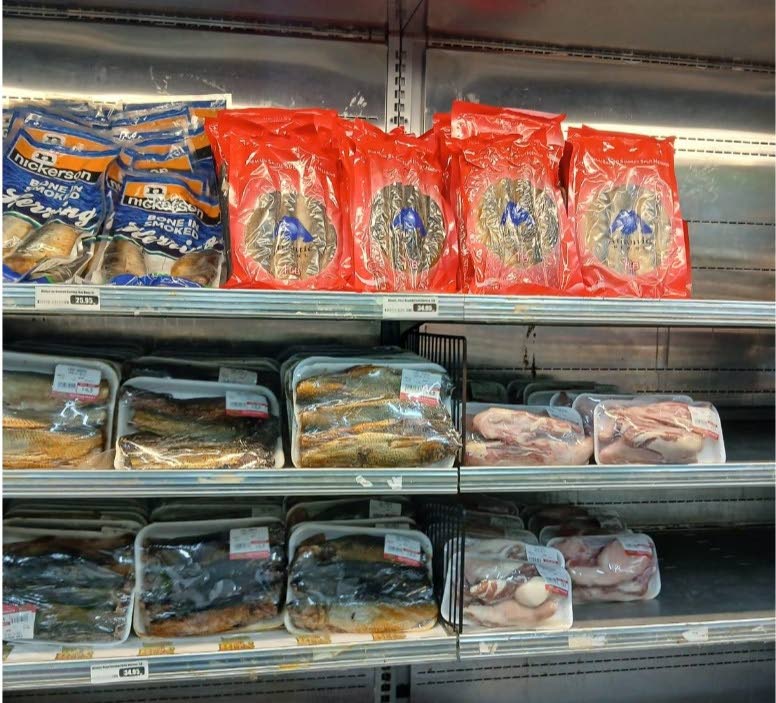
Furness launches Atlantic Pearl smoked herring to local market
Furness Shipping & Marketing Ltd, a subsidiary of the Furness Group, has broadened its seafood product line by introducing premium salted smoked split herring under its Atlantic Pearl brand. Known for its boneless salted fish in vacuum-sealed packaging, the brand has now ventured into smoked herring, a staple in Trinidad and Tobago’s culinary scene. At a recent launch event attended by chefs and retailers, Patrick A Ferreira, the company’s executive chairman, emphasized the popularity of smoked herring and detailed the process of importing fresh split herring, commonly referred to as kippers. Ferreira noted that kippers are favored over alternatives like bloaters or boneless versions, which can lose flavor during processing. Additionally, he revealed plans to diversify the seafood range further, including blue shark, fresh salmon, white fish, and red snapper. Leveraging its extensive expertise in cold storage, Furness ensures efficient preservation of chilled and frozen seafood products.
-
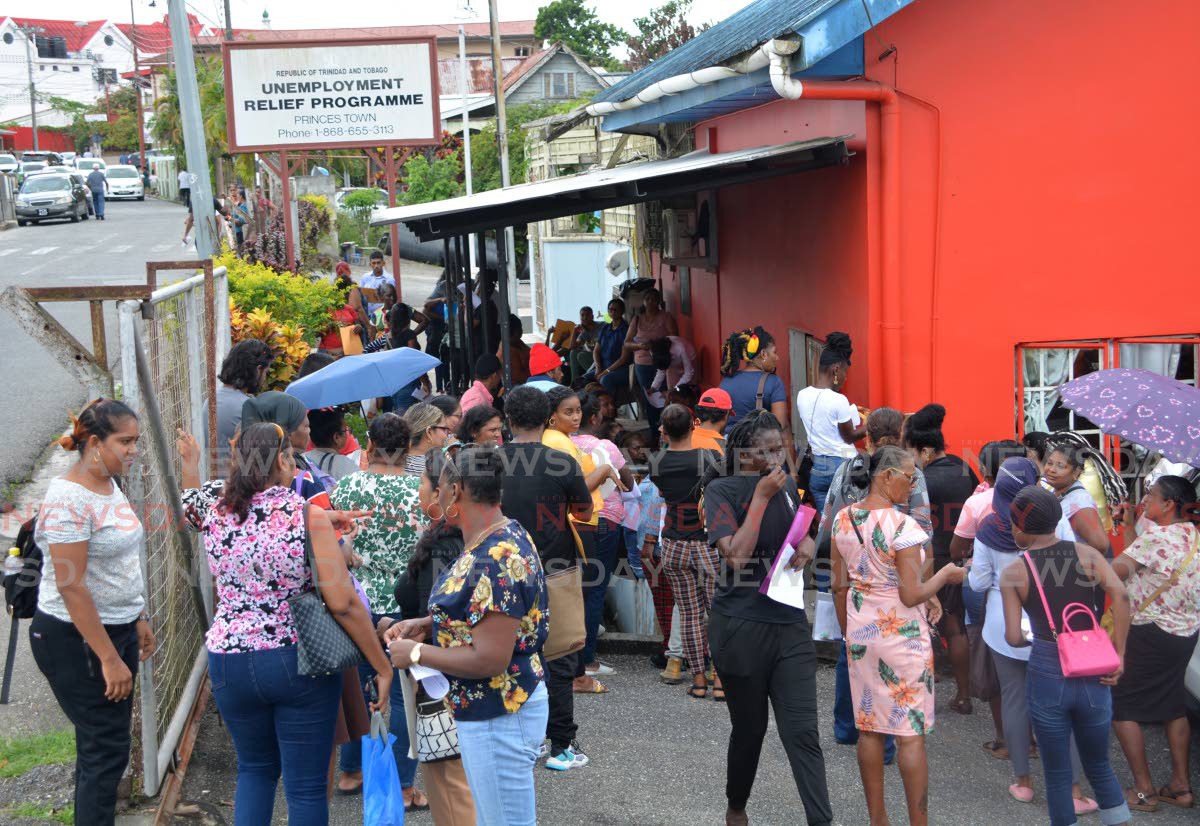
Creating sustainable livelihoods
Trinidad and Tobago has taken a bold step toward reshaping its labor landscape with the introduction of an Employment Fund, designed to transition workers from the Community-Based Environmental Protection and Enhancement Programme (CEPEP) and the Unemployment Relief Programme (URP) into full-time, higher-paying roles. This initiative marks a pivotal shift from dependency-driven schemes to sustainable livelihoods, aiming to address long-standing structural underemployment issues. However, the success of this reform hinges on its alignment with the evolving demands of the labor market and the strategic development of human capital. The 2026 budget underscores key sectors such as tourism, hospitality, digital services, agriculture, and creative industries as pillars of economic diversification. To capitalize on these opportunities, the Employment Fund must foster partnerships with training institutions, industry associations, and professional bodies to ensure workers are equipped with both technical and behavioral competencies. Additionally, the fund must embrace entrepreneurship as a viable pathway to economic empowerment, particularly for women and youth, by providing access to skills training, mentorship, and financial resources. A robust labor market intelligence system will be essential to track progress and ensure the fund remains responsive to workforce needs. Ultimately, this initiative represents more than economic reform; it is a commitment to human dignity, offering workers the tools to thrive in a rapidly changing economy.
-

CSME for creatives: Exporting culture, innovation
The Caribbean’s creative industries, spanning music, fashion, film, animation, digital design, and performing arts, are not only cultural treasures but also significant economic assets with the potential to reshape the region’s growth trajectory. Globally, creative and cultural industries (CCIs) contribute over US$2.3 trillion annually, accounting for 3.1% of global GDP and supporting nearly 30 million jobs. However, in the Caribbean, where creativity is deeply ingrained in national identity, the economic potential of the Orange Economy remains largely untapped due to fragmented markets, inconsistent regulations, limited capital, and small domestic audiences. The Caribbean Single Market and Economy (CSME), a core initiative of Caricom, offers a promising solution by removing barriers and enabling seamless cross-regional operations for creatives. The CSME facilitates the free movement of goods, services, capital, and skilled labor, providing access to an estimated 18 million consumers and fostering collaboration and specialization across borders. By eliminating redundant customs procedures, work permit requirements, and inconsistent VAT regimes, the CSME reduces transaction costs and expands opportunities for creative enterprises. Research by the United Nations Trade and Development (UNCTAD) indicates that creative industries in emerging economies can double their export revenues when regional markets are effectively integrated—a lesson the Caribbean is well-positioned to apply. For instance, a Jamaican filmmaker could collaborate with Barbadian actors, utilize Trinidadian post-production facilities, and distribute across Caricom territories, creating high-quality products at competitive costs. Similarly, a Saint Lucian fashion designer could source sustainable textiles from Suriname, manufacture garments in Trinidad and Tobago, and ship them duty-free throughout the region. These cross-border value chains enhance efficiency, quality, and diversity, making the creative sector more resilient and globally competitive. To ensure the CSME’s continued growth, grant programs and cross-border market access should be tied to clear integration criteria, such as requiring at least 30% of a product’s value to be derived from within Caricom. Legal harmonization, including the Caricom Skilled Nationals Certificate and improved intellectual property (IP) protection, further strengthens the foundation for creatives to license and monetize their work. Realizing the full potential of the Orange Economy requires a deliberate strategy that connects regional integration with measurable economic outcomes, including recognizing the economic and cultural value of creative industries, expanding regional participation, protecting IP, investing in infrastructure, building entrepreneurial capacity, and measuring performance through reliable data. Policymakers and private sector leaders must recognize these as interdependent processes that reinforce each other. For example, investment in digital infrastructure facilitates regional collaboration, enhancing competitiveness and attracting international financing. A modern, regional digital platform could serve as both a marketplace and a knowledge hub, showcasing regional talent, streamlining licensing processes, and connecting creators with international buyers and investors. The Caribbean’s creative economy must balance cultural authenticity with economic pragmatism, integrating fragmented markets, reducing friction, fostering mobility, and enabling collaboration to create a foundation for sustainable growth. Regional governments must commit to enforcing and modernizing CSME provisions, while creative entrepreneurs must view the Caribbean as a unified platform to showcase and commercialize talent. By doing so, the region’s rich cultural heritage, combined with modern business practices and regional cooperation, can generate income, create jobs, and project Caribbean identity on the global stage.
-
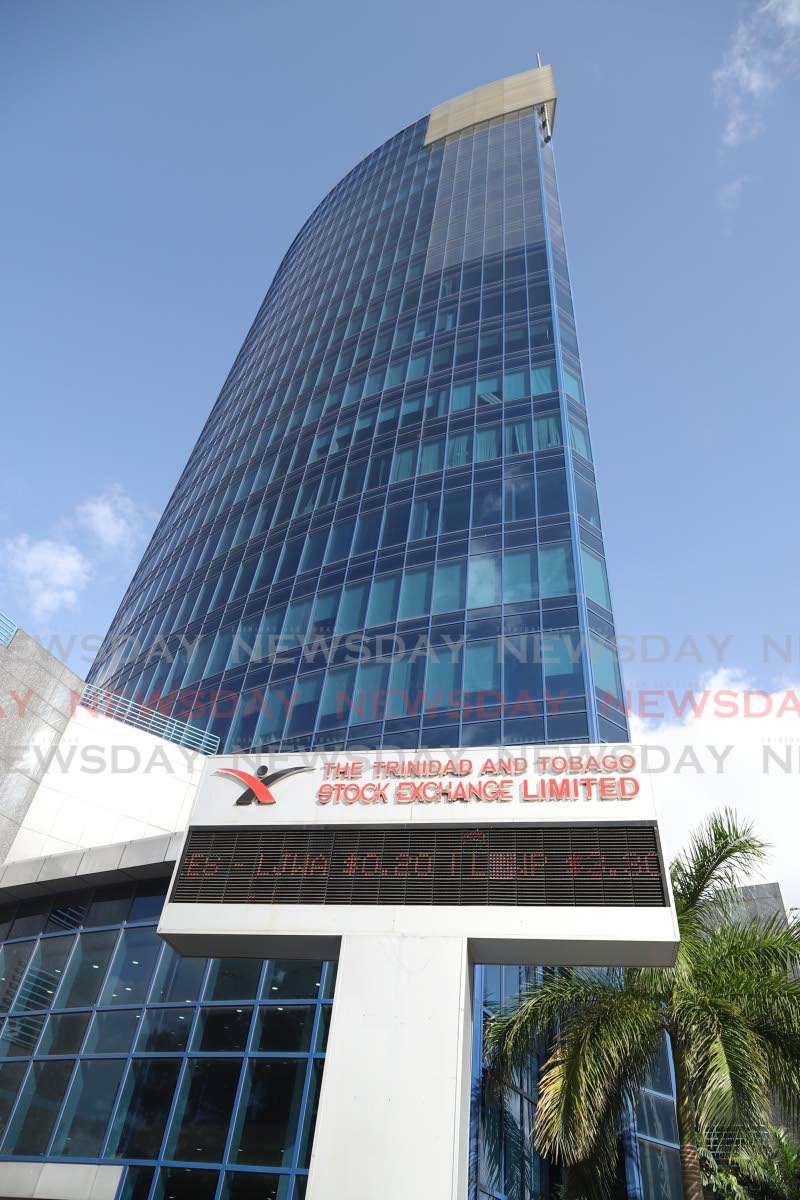
Exploring Trinidad and Tobago’s capital market
Trinidad and Tobago’s economic future hinges on the development of a robust and inclusive capital market that can mobilize private investment and bolster public confidence. This was the central message at the TT Stock Exchange’s Capital Markets and Investor Conference 2025, held on October 24 in Port of Spain. Key stakeholders, including government officials and private-sector experts, emphasized the need to shift from state-driven growth to private-sector-led development. Dr. Kennedy Swaratsingh, Minister of Planning, Economic Affairs and Development, highlighted the government’s role in creating an enabling environment through legislation and policy, while urging broader participation in the TT Stock Exchange (TTSE) to enhance liquidity. Finance Minister Davendranath Tancoo announced initiatives such as a state-sponsored Real Estate Investment Trust and a $1 billion National Investment Fund bond, aimed at democratizing ownership and stimulating the domestic market. Central Bank Governor Larry Howai underscored the importance of balancing monetary policy with capital-market growth, while exploring digital innovations like tokenization and Central Bank Digital Currencies (CBDCs). Anthony Zamore of PricewaterhouseCoopers (PwC) discussed the transformative potential of AI, blockchain, and tokenization in reshaping global finance, urging Trinidad and Tobago to embrace these technologies to attract global investors. Andre Jeffers of Ansa McAL called for bridging the gap between private businesses and public markets to ensure the sustainability of generational enterprises. The conference concluded with a unified call for immediate action to implement these reforms and drive the nation’s next phase of economic development.
-

Additional NCB branches reopen Friday after Melissa
National Commercial Bank Jamaica Limited (NCB) has announced the continued phased reopening of its branches following the disruptions caused by Hurricane Melissa. On Friday, October 31, 2025, four additional branches in Matilda’s Corner, Fairview, Mandeville, and St Ann’s Bay will resume operations. This follows the reopening of other locations on Thursday, October 30. Branches in Kingston and St Andrew will operate from 9 am to 3 pm, while out-of-town branches will open from 9 am to 2 pm. NCB’s Customer Care Centre is also fully operational, providing support to customers. The bank’s ABM network is gradually being restored, with services currently available in parts of Kingston, St Andrew, Manchester, Portland, St Ann, St Catherine, St James, and St Thomas. However, some areas still face power and connectivity issues. Customers are advised to visit the bank’s website (www.jncb.com/abm-status) for real-time updates on ABM availability. Further information on branch reopenings and service restoration will be communicated through NCB’s official channels.
-

Suriname voert nationale zelfevaluatie uit voor WTO-investeringsakkoord
Suriname has initiated a comprehensive national self-assessment of its investment climate as part of the World Trade Organization’s (WTO) Investment Facilitation for Development (IFD) agreement. This significant step was taken during a national workshop held at the Assuria Event Center, attended by government officials, business leaders, civil society organizations, and international partners. The event marked a pivotal moment in Suriname’s efforts to align its investment procedures with global standards and national development priorities. Minister of Foreign Affairs, International Trade, and Cooperation, Melvin Bouva, emphasized that the process is grounded in principles of partnership, transparency, and pragmatism. The primary objective is to streamline investment procedures, making them more efficient, predictable, and internationally competitive. The workshop focused on three key areas: enhancing understanding of the WTO-IFD agreement, conducting a national self-assessment of regulatory frameworks and procedures, and identifying priorities for improvement and capacity building. Minister Bouva highlighted the critical role of the Suriname Investment Trade Agency (SITA) in fostering better coordination, transparency, and investment promotion. ‘By strengthening SITA, we aim to make Suriname more competitive and attractive to sustainable investors,’ he stated. The outcomes of the workshop will serve as a foundation for further policy development and international alignment within the WTO-IFD process, reinforcing Suriname’s commitment to leveraging diplomacy for trade, investment, and sustainable partnerships.
-
CARICOM SG calls on global support to lower insurance costs for islands vulnerable to hurricanes
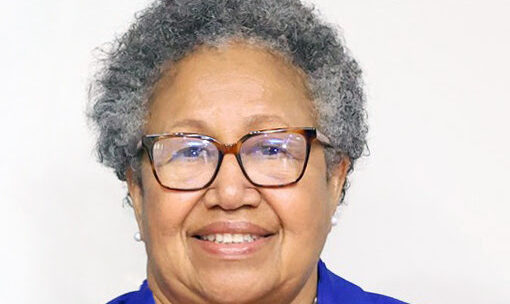
Dr. Carla Barnett, Secretary-General of the Caribbean Community (CARICOM), has issued a compelling call for international cooperation to address the mounting insurance costs plaguing the tourism industry in Small Island Developing States (SIDS). Speaking at the 6th Global Services Forum during the 16th United Nations Conference on Trade and Development (UNCTAD16), Dr. Barnett underscored the severe vulnerabilities of CARICOM’s service-driven economies to climate-related disruptions. She emphasized that rising insurance premiums for older tourism properties and the near-impossibility of securing coverage for new investments pose significant threats to the region’s economic stability. The forum, centered on the theme “Services: A New Frontier of Economic Transformation for Equitable, Inclusive and Sustainable Development,” highlighted the services sector’s critical role in driving global GDP, which accounts for approximately two-thirds of economic output. In CARICOM nations like The Bahamas, Saint Lucia, and Barbados, services contribute up to 75% of GDP, while even more diversified economies such as Trinidad and Tobago and Jamaica rely on services for around 60% of their economic activity. Dr. Barnett also addressed the tourism sector’s heightened anxiety during extreme weather events, such as Hurricane Melissa, and stressed the need for preparedness and resilience. She advocated for strengthened international partnerships with organizations like UNCTAD, the World Trade Organization (WTO), and international development banks to bridge structural gaps and enhance institutional capacities. One key initiative highlighted was UNCTAD’s Trade in Services project, which focuses on building data infrastructure to support evidence-based policymaking. The CARICOM services sector spans diverse industries, including tourism, financial services, ICT, professional services, and entertainment. Dr. Barnett reiterated that targeted global support is essential to unlocking the sector’s potential and safeguarding it against the escalating impacts of climate change.
-
Govt accelerates $20bn energy transformation plan
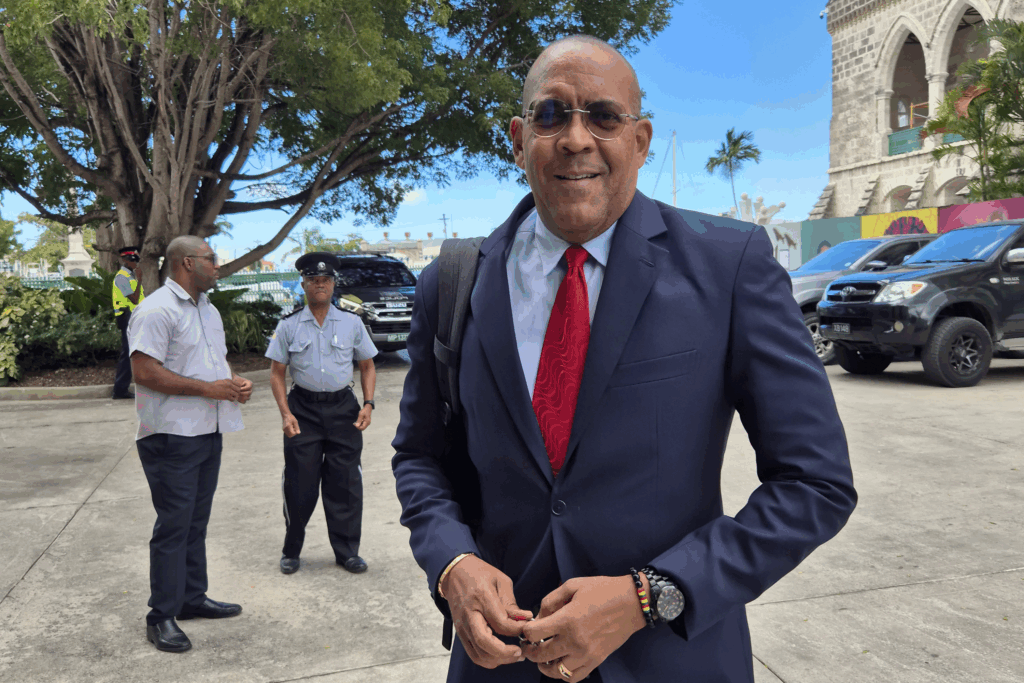
Barbados is poised to embark on a transformative renewable energy journey, as the government accelerates its Energy Transition Investment Plan, a multibillion-dollar initiative expected to save the island $16 billion over the next decade and generate thousands of green jobs. Minister of Foreign Affairs and Foreign Trade Kerrie Symmonds announced the plan in Parliament on Tuesday, emphasizing its potential to reshape the nation’s energy landscape and economy.
-
Long Bay Brewing Marks Milestone with Eye on Regional Market
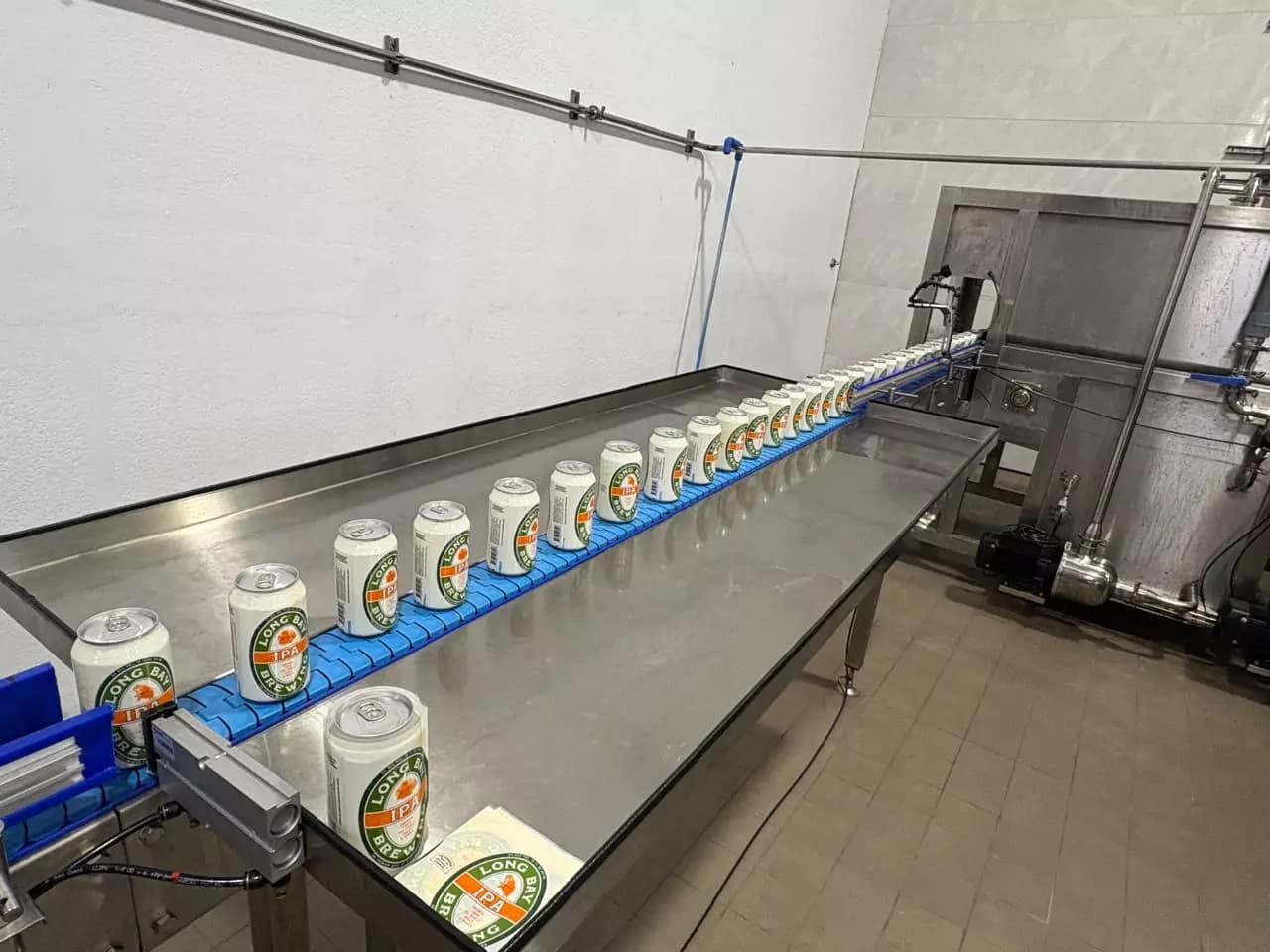
The Long Bay Brewing Company, a proud Antiguan-owned enterprise, recently opened its doors to the public, commemorating three successful years of beer production under the Barrett Group. During an open house event held on Tuesday, attendees were treated to an exclusive tour of the brewery and had the opportunity to sample its diverse range of beers, including lager, IPA, and stout. Originally catering to hotels and bars, the company has now ventured into the retail market with a new line of canned beers, marking a significant milestone in its growth trajectory.
In addition to its product expansion, Long Bay Brewing has solidified its brand presence through strategic sponsorships of major events such as Carnival 2025, Caribana in Barbuda, and The Melting Pot Show. Francis, a representative of the company, emphasized that these sponsorships reflect the brewery’s deep connection to community and celebration. “Long Bay Beer is more than just a product; it’s a symbol of our cultural heritage and shared joy,” he stated.
Currently, the brewery distributes its products island-wide, producing up to 2,000 cases weekly, with the potential to scale up to 3,000 cases. While the primary focus remains on the local market, Francis hinted at broader regional aspirations. “We take immense pride in brewing our beers right here in Antigua and Barbuda,” he said. “Our vision is to create a brand that proudly carries the Antiguan name across the Caribbean, showcasing our craftsmanship and dedication to quality.”