Trinidad and Tobago, the Caribbean’s last remaining investment-grade sovereign, is teetering on the edge of a financial precipice. Last week, Standard & Poor’s (S&P) downgraded the country’s economic outlook from ‘stable’ to ‘negative,’ signaling a one-in-three chance of a full credit rating downgrade within the next 6 to 24 months. This warning has profound implications for the nation’s 1.4 million citizens, who could face skyrocketing borrowing costs, reduced public services, and heightened economic hardship. The twin-island nation currently holds a BBB- rating, the lowest tier of investment-grade status. A further downgrade to BB+ would plunge the country into ‘junk’ territory, forcing institutional investors to divest and significantly increasing the cost of government borrowing. The stakes are high: Trinidad and Tobago’s potential fall would leave the entire English-speaking Caribbean without a single investment-grade sovereign. The root causes of this crisis are deeply entrenched. The country’s over-reliance on its declining oil and gas sector, chronic fiscal deficits, and stagnant economic growth have created a perfect storm. Oil and gas still account for over 25% of GDP, nearly 80% of exports, and the bulk of government revenues. However, production has been declining for years, and new projects require costly deep-water drilling. Meanwhile, the government’s debt burden has reached 81.3% of GDP, and the Heritage and Stabilisation Fund, built from past oil booms, continues to shrink. S&P has issued an ultimatum: implement fundamental structural reforms within the next two years or face junk status. These reforms include diversifying the economy beyond oil and gas, improving fiscal discipline, addressing chronic USD shortages, and strengthening institutions. While the challenges are daunting, Trinidad and Tobago retains some advantages, including political stability, substantial liquid assets, and sound monetary management. The country’s strategic location as a regional energy hub and gateway to South America also offers opportunities for diversification. The government’s response to this crisis will determine whether Trinidad and Tobago can avoid the fate of its Caribbean neighbors, such as Barbados and The Bahamas, which have struggled with high borrowing costs and austerity measures after losing their investment-grade status. The clock is ticking, and the stakes extend far beyond credit ratings. Success could position Trinidad and Tobago as a model for small island developing states navigating the transition to post-petroleum prosperity. Failure, however, would burden citizens with higher costs and eliminate the Caribbean’s last beacon of investment-grade credibility.
分类: business
-
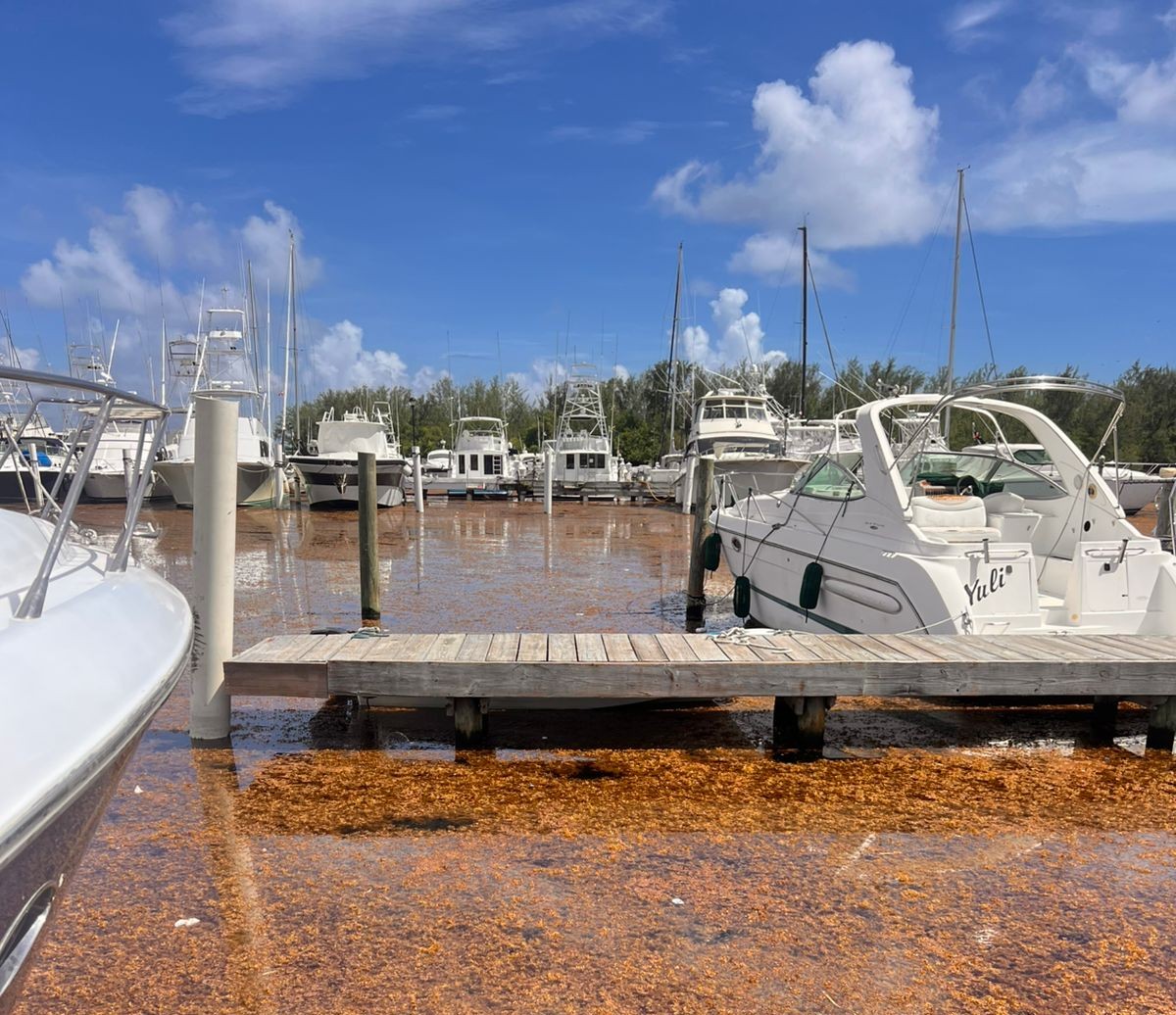
US$50 million to be invested to combat sargassum in the Caribbean, starting in the Dominican Republic
InterEnergy Group has unveiled a groundbreaking $50 million initiative to address the sargassum crisis in the Caribbean, starting with the Dominican Republic. The announcement was made by CEO Rolando González-Bunster during the 20th Clinton Global Initiative (CGI) in New York, underscoring the company’s dedication to sustainable development and environmental preservation. The fund aims to unite public and private sectors in safeguarding the region’s ecosystems and tourism industry, which have been severely impacted by the invasive seaweed. González-Bunster emphasized InterEnergy’s proven track record in renewable energy, including the construction of wind farms like Quilvio Cabrera and Los Cocos I in the Dominican Republic, as well as the Laudato Si’ wind farm in Panama, the largest in Central America and the Caribbean. The company has also spearheaded transformative projects such as converting Energas to natural gas in the Dominican Republic, building Panama’s Gatún Generator—the region’s largest natural gas plant—and achieving 100% renewable electrification of Saona Island. Looking ahead, InterEnergy plans to convert two power plants in Jamaica to natural gas, reducing CO₂ emissions by up to 40% and providing cleaner energy to over 250,000 homes. Over the past two decades, the company has invested more than $2 billion in clean energy, driving energy security, decarbonization, and sustainable development across Latin America and the Caribbean.
-
FRS EXPRESS Des Iles cancels all services till October 12
FRS EXPRESS Des Iles has announced an unexpected suspension of all its services until October 11, 2025, citing a technical issue. In a recent statement, the company expressed its regret for the inconvenience caused and assured passengers that operations are expected to resume by October 12, 2025. Customers seeking further details or assistance are encouraged to contact HHV Whitchurch & Co Ltd at their Roseau or Portsmouth offices. The company also advised passengers to stay updated through its official Facebook and Instagram pages. FRS EXPRESS Des Iles extended its sincere apologies for the disruption, emphasizing its appreciation for customers’ understanding and patience. The company remains committed to resolving the issue promptly and looks forward to restoring its services soon.
-
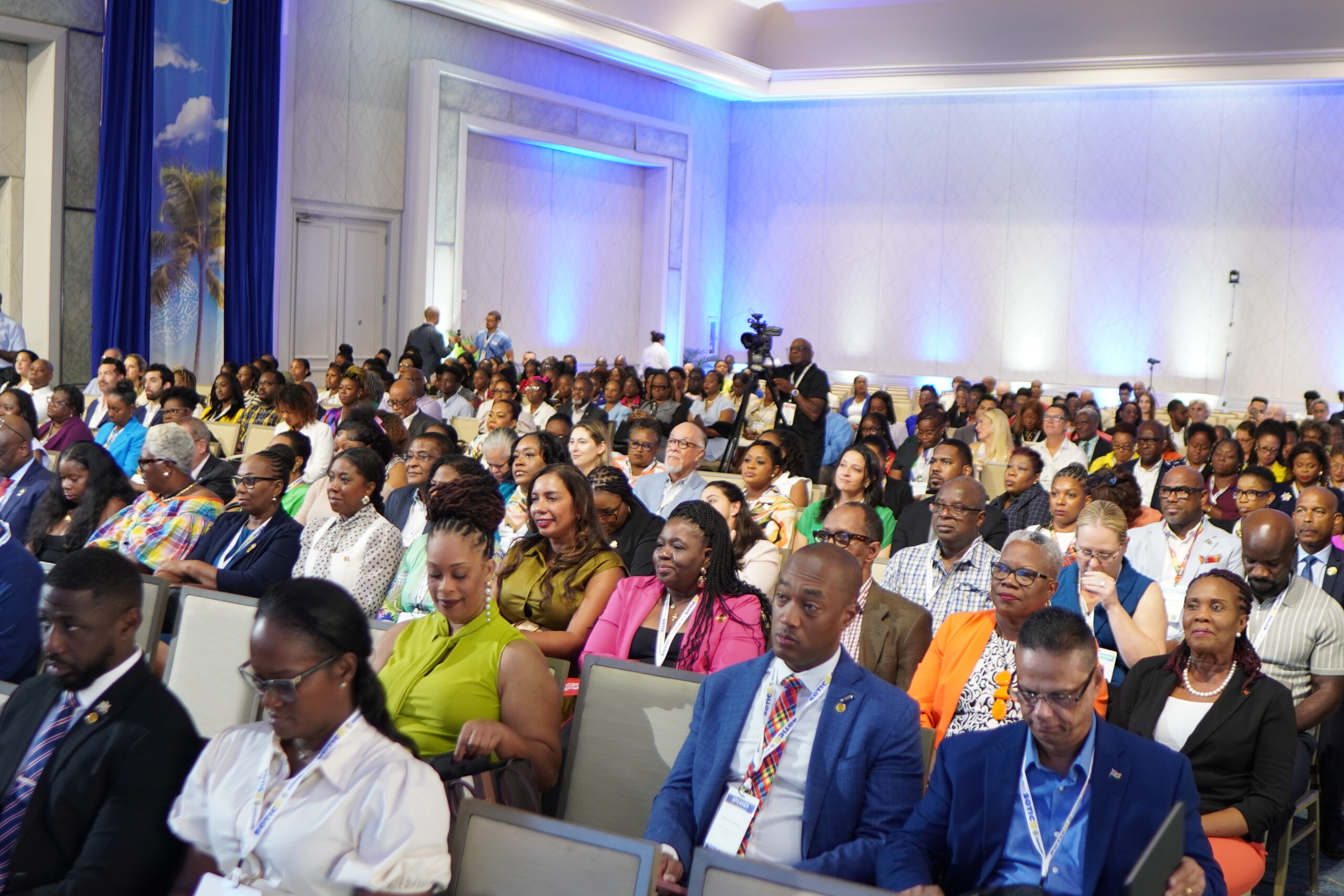
Tourism in the age of AI: Caribbean tourism leaders chart a human-centred path
The Caribbean tourism sector is at a pivotal juncture as industry leaders convened at the State of the Tourism Industry Conference (SOTIC) 2025 to address emerging trends and challenges. Held under the theme ‘Reimagining Caribbean Tourism: Research, Relevance and the Road Ahead,’ the event took place from September 30 to October 3 at the Hilton Barbados. The conference aimed to explore how the region can adapt to technological advancements while preserving its unique cultural identity.
At the official launch ceremony on October 1, keynote speaker Dr. Auliana Poon, founder of Leve Global and a renowned expert in tourism and sustainable development, set the stage for discussions. With a career spanning South Africa, Abu Dhabi, Singapore, and beyond, Poon emphasized the transformative potential of tourism when combined with innovative strategies. She highlighted the dual challenge of leveraging artificial intelligence (AI) while maintaining the authenticity that defines Caribbean tourism.
In her address, Poon underscored the importance of balancing technological efficiency with human connection. ‘AI is inevitable, but it cannot replace the human touch,’ she stated. ‘The antidote to artificial is authentic. Tourism thrives on genuine experiences, and it’s our responsibility to deliver that authenticity.’ She urged industry leaders to adopt AI tools to enhance productivity but stressed that these tools alone are insufficient. ‘Each manager should have their own AI assistant, but we must also reimagine how we deliver authentic experiences.’
The conference marked the beginning of a week-long exploration of insights and innovations designed to guide the Caribbean tourism industry into 2026 and beyond. By embracing both technology and cultural authenticity, the region aims to position itself as a global leader in sustainable and impactful tourism.
-
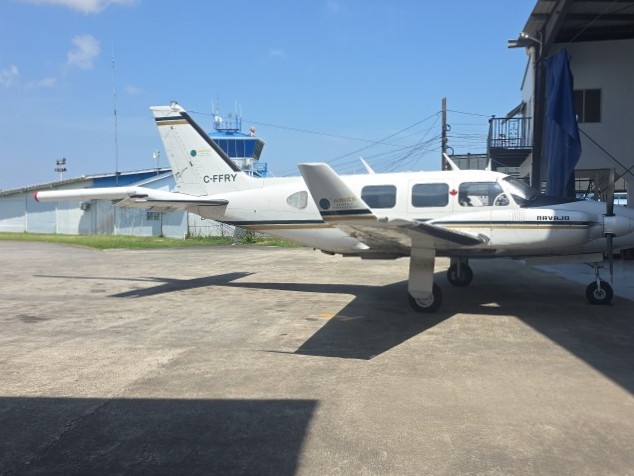
Guyana begins high-tech mineral mapping
Guyana has embarked on an ambitious high-tech aerial mineral mapping project, aimed at creating a comprehensive inventory of its mineral resources. The initiative, launched on October 1, 2025, seeks to provide prospectors with precise data to identify commercially viable deposits of gold, uranium, and rare earth minerals. The project is a collaboration between the Guyana Geology and Mines Commission (GGMC) and U.S.-based Aqua Geo Frameworks, utilizing advanced aircraft equipped with multiple sensors to collect geological data without disturbing the ecosystem. The first phase of mapping is expected to be completed by December 2025, weather permitting. The project, part of the Guyana Mineral Advancement and Prospecting Strategy (GMAPS), also includes training, stakeholder consultations, and validation of past geological surveys. Officials emphasized that the initiative aligns with Guyana’s Low Carbon Development Strategy (LCDS), promoting sustainable and low-impact mining practices. Natural Resources Minister Vickram Bharrat highlighted the project’s potential to enhance Guyana’s global reputation, improve environmental stewardship, and create economic opportunities. The $4 million initiative aims to fill data gaps left by previous prospectors and geoscientists, enabling more informed investment decisions and efficient resource exploitation.
-
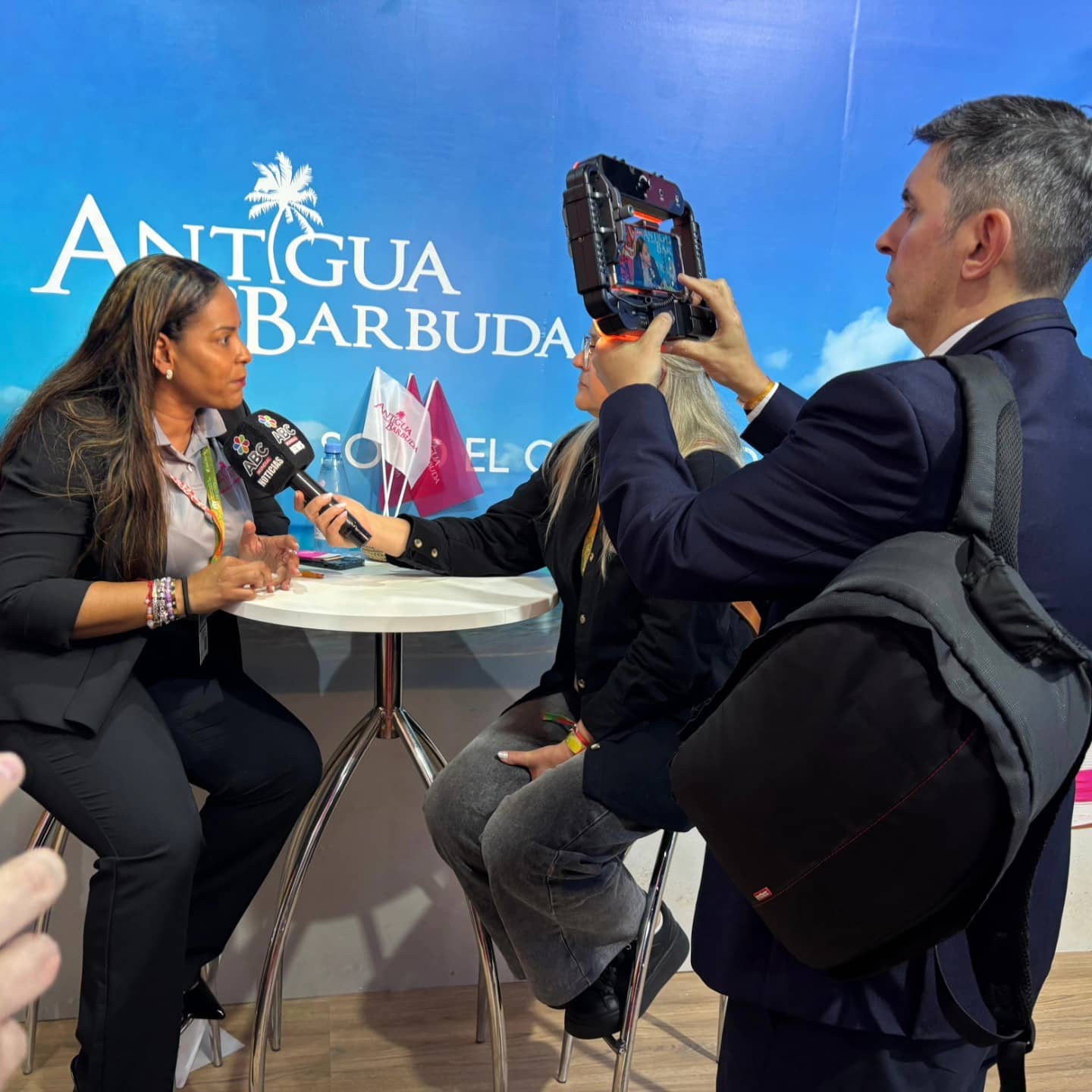
Antigua and Barbuda Promotes Tourism at Major Argentina Travel Fair
Antigua & Barbuda made a remarkable appearance at the Feria Internacional de Turismo (FIT) in Argentina, Latin America’s largest international tourism fair. This prestigious event, attended by thousands of industry professionals, decision-makers, and travel enthusiasts worldwide, serves as a global platform for fostering connections, collaboration, and innovation in the tourism sector. Representing the Antigua and Barbuda Tourism Authority were Charmaine Spencer, Director of Tourism for the Caribbean and Latin America, and Marketing Officer Alfonsina Olmos. They showcased the twin-island nation’s unparalleled allure, from its 365 pristine beaches and vibrant culture to its luxury accommodations and commitment to sustainable tourism. Through direct engagement with travel trade professionals and strategic partnerships, Antigua & Barbuda aims to solidify its position as a top destination for Latin American travelers seeking unforgettable Caribbean experiences. The nation’s participation at FIT highlights its dedication to expanding its global footprint and promoting its unique offerings in the competitive tourism market. Additionally, the event served as an opportunity to explore innovative marketing strategies, including customizable digital advertising packages, to further enhance the destination’s visibility and appeal.
-
RfP: Audit Services for IMA Grenada
The Citizenship by Investment Committee of the Investment Migration Agency Grenada (IMA Grenada) has issued a Request for Proposals (RfP) for audit services aimed at enhancing the governance, transparency, and operational efficiency of its Citizenship by Investment (CBI) program. The initiative seeks to attract experienced audit firms to assess current processes, identify gaps, and develop comprehensive operational manuals, risk registers, and risk management frameworks. The selected firm will collaborate closely with IMA Grenada’s Chief Executive Officer to ensure business continuity and compliance with industry best practices. Established under the Grenada Citizenship by Investment Act of 2013, the CBI program allows individuals to obtain Grenadian citizenship through investment. The application process is highly automated, involving five key phases: application review, enhanced due diligence, due diligence reporting, Cabinet approval, and issuance of citizenship certificates. The audit firm will be tasked with reviewing current legislation, processes, and policies, identifying inefficiencies, and providing actionable recommendations. Proposals must include the firm’s description, relevant experience, methodology, and a detailed financial proposal. The evaluation process will consider the firm’s experience, competitive fees, project approach, and references. The contract is expected to commence in November 2025, with proposals due by October 14, 2025. This initiative underscores IMA Grenada’s commitment to maintaining the integrity and efficiency of its CBI program, ensuring it remains a competitive option for global investors.
-

Campari unveils new bottle design
Campari has unveiled a striking new bottle design, marking its first significant packaging overhaul in years. The revamped bottle features a sleek, modern silhouette with intricate engravings inspired by Milan’s iconic Duomo cathedral, blending the brand’s contemporary vision with its deep Italian heritage. Dominique Bell, communications manager at JWray & Nephew Limited, emphasized that this redesign is more than just a cosmetic update. ‘This new Campari bottle represents a lifestyle moment,’ Bell stated. ‘It’s bold, fresh, and transforms any space it enters. Campari has always dared to stand out in the entertainment scene, and this design amplifies that spirit. We believe it will spark confidence, inspire new connections, and reshape the way people experience Campari. This is a fresh drop for those who dare to be bold, different, and unapologetically themselves.’ The company confirmed that the product inside remains unchanged, and the redesign comes at no additional cost to consumers. Key features include a champagne-gold cap, an embossed Campari logo, and the founder’s signature. Bell explained that the redesign was driven by the need to modernize while staying true to the brand’s roots. ‘The iconic Milanese landmark, Il Duomo, inspired the bottle’s engraved detailing, a nod to the city that birthed Campari,’ she said. The updated packaging will be rolled out globally, with localized marketing campaigns in regions like Jamaica and the wider Caribbean. ‘This is a global initiative with local adaptations,’ Bell added. ‘Each element was chosen to root the brand in Milanese heritage while elevating its tactile, visual, and cultural appeal, solidifying Campari as a modern, sensual icon.’
-
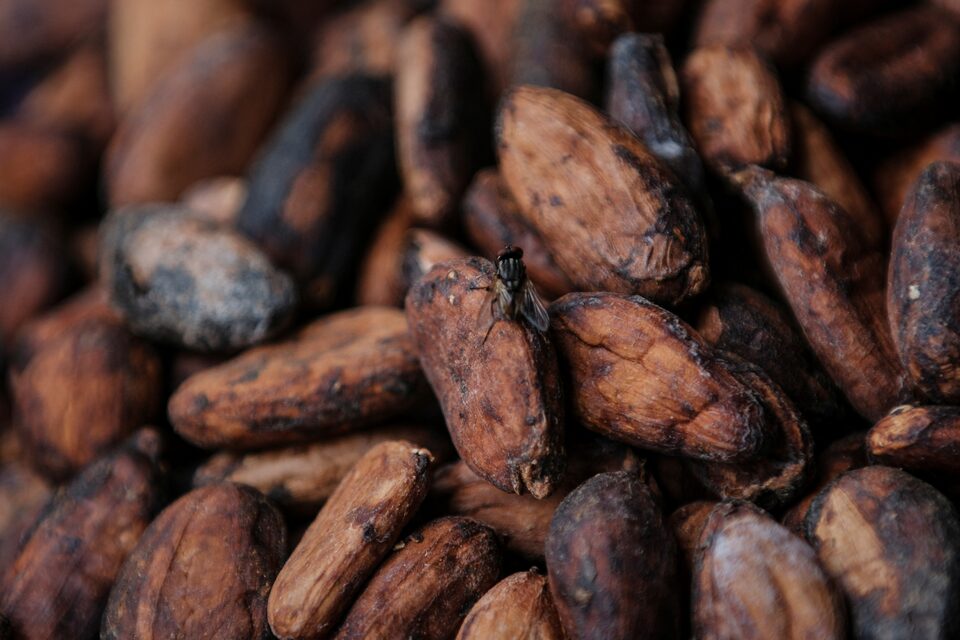
Ghana raises cocoa prices following Ivory Coast hike
In a significant move to support its agricultural sector, Ghana has announced a 12.3% increase in the price paid to cocoa farmers, raising the rate from 3,228.75 to 3,625 cedis ($257 to $289) per 64-kilogram bag, or 58,000 cedis per tonne. This adjustment, effective immediately, positions Ghana’s cocoa price at $4.5 per kilogram, closely trailing its neighbor and top global producer, Ivory Coast, which recently set a record price of 2,800 CFA ($5) per kilogram. The decision underscores the Ghanaian government’s commitment to ensuring farmers receive equitable compensation for their labor, according to Finance Minister Cassiel Ato Forson. This price hike follows a previous announcement in August 2025, which had already marked a 60% increase in dollar terms, though the cedi’s depreciation since then has somewhat diluted its impact. Price controls in Ghana, the world’s second-largest cocoa producer, aim to stabilize farmers’ incomes, particularly during market downturns. However, critics argue that these controls have failed to keep pace with global price surges, prompting some farmers to abandon cocoa farming for more lucrative ventures like gold mining, which has led to environmental degradation and further strained cocoa production. The Ghanaian government, under President John Mahama, has pledged to increase cocoa farmers’ share of export earnings to at least 70% of the Free-On-Board (FOB) value. Additionally, Forson announced ongoing support initiatives for farmers, including free fertilizers, pesticides, and spraying machines, as well as a new scholarship program for cocoa farmers’ children, set to begin in the 2026/27 academic year.
-
Slight increase in Caribbean tourism arrivals amidst softening demand from North America
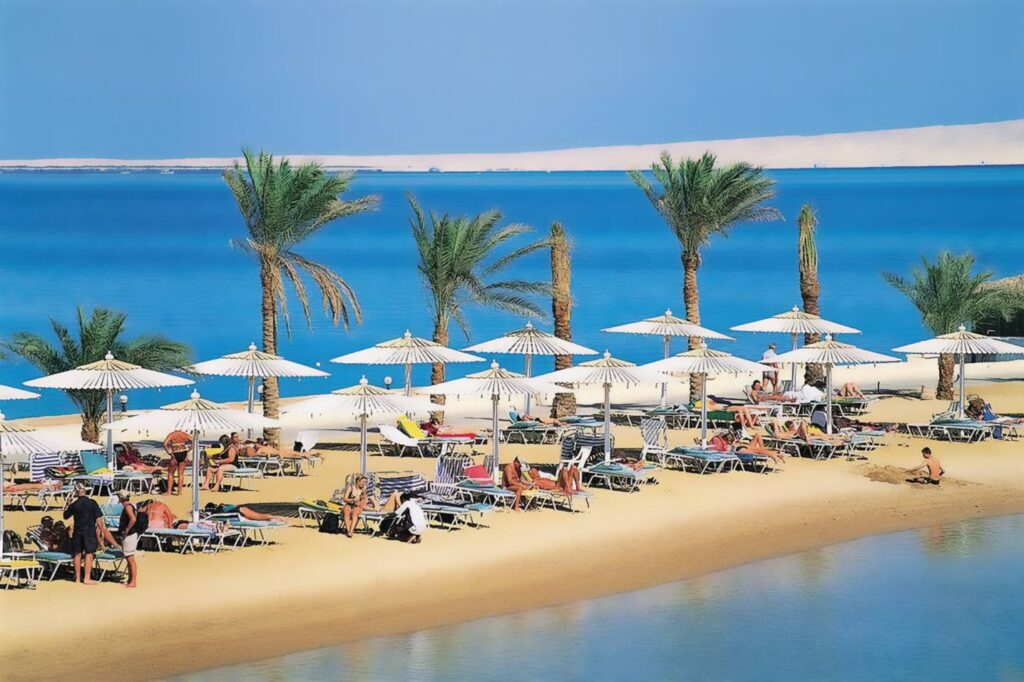
The Caribbean tourism sector has demonstrated remarkable resilience in the first half of 2025, with tourist arrivals increasing by nearly 2% despite a decline in demand from North America. According to Paul Garnes, the Caribbean Tourism Organization’s (CTO) database administrator, the region welcomed 18.5 million visitors during this period, marking a 1.9% year-on-year increase and a 6.1% rise compared to pre-pandemic levels in 2019. These figures were shared at the 2025 State of the Tourism Industry Conference (SOTIC) in Barbados.