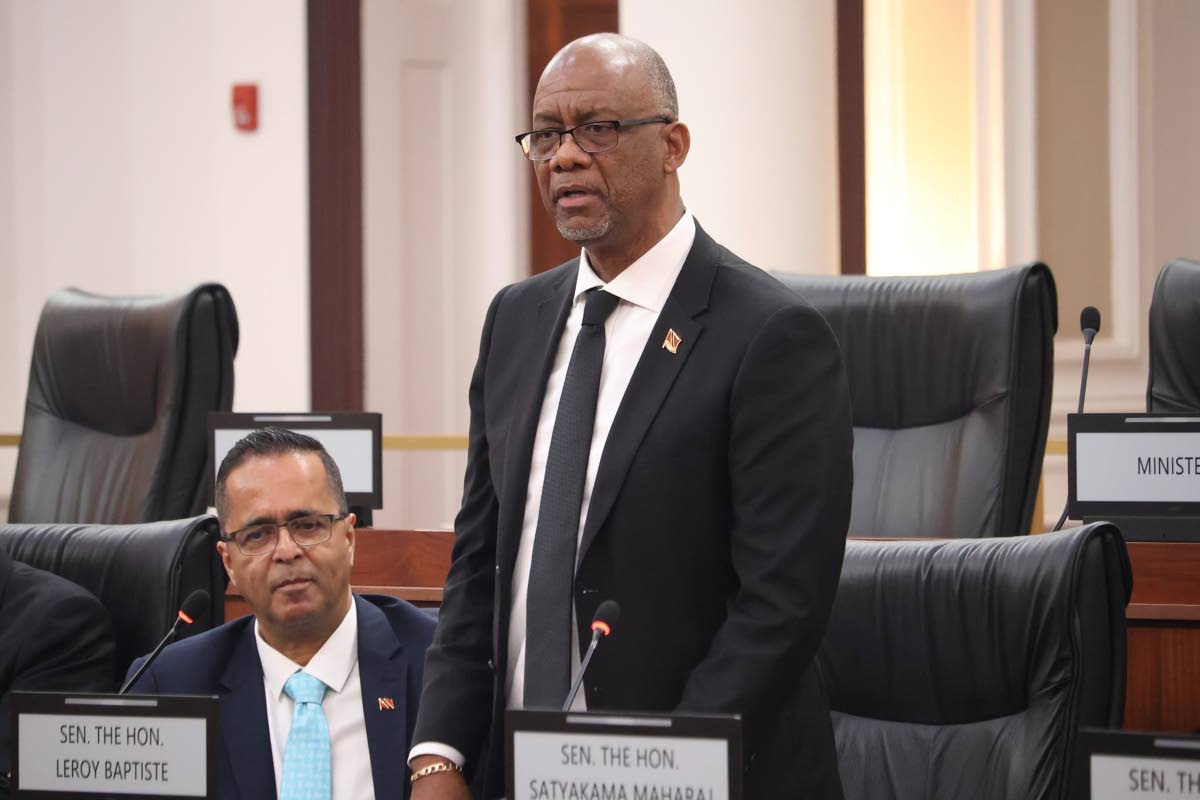
In a significant development for Trinidad and Tobago’s economy, Minister of Labour, Small and Micro Enterprise Development Leroy Baptiste announced that the National Recruitment Drive, launched on October 19, has the potential to inject up to $3 billion into the nation’s economy. This revelation came during the Senate’s budget debate on October 27, where Baptiste emphasized the initiative’s potential to restore employment, stimulate consumption, boost GDP, and reduce poverty. The recruitment drive aims to fill 20,000 vacant positions in the public sector, with a second phase expected to address private sector vacancies. Baptiste highlighted the multiplier effect of job creation, estimating that 20,000 direct jobs could indirectly generate 30,000 additional jobs, resulting in a total of 50,000 new employment opportunities. He projected that even with modest salaries, this could add approximately $1.8 billion to the economy. Furthermore, Baptiste underscored the importance of business community support for the initiative, which he believes will contribute to economic stability and increased contributions to the national insurance framework. The minister also criticized the previous administration, attributing a decline in workforce participation and employment rates to their policies. The budget debate also saw criticism from Vishnu Dhanpaul regarding the government’s proposed ten per cent wage increase for public service employees, though Baptiste did not address this issue in his presentation.
分类: business
-
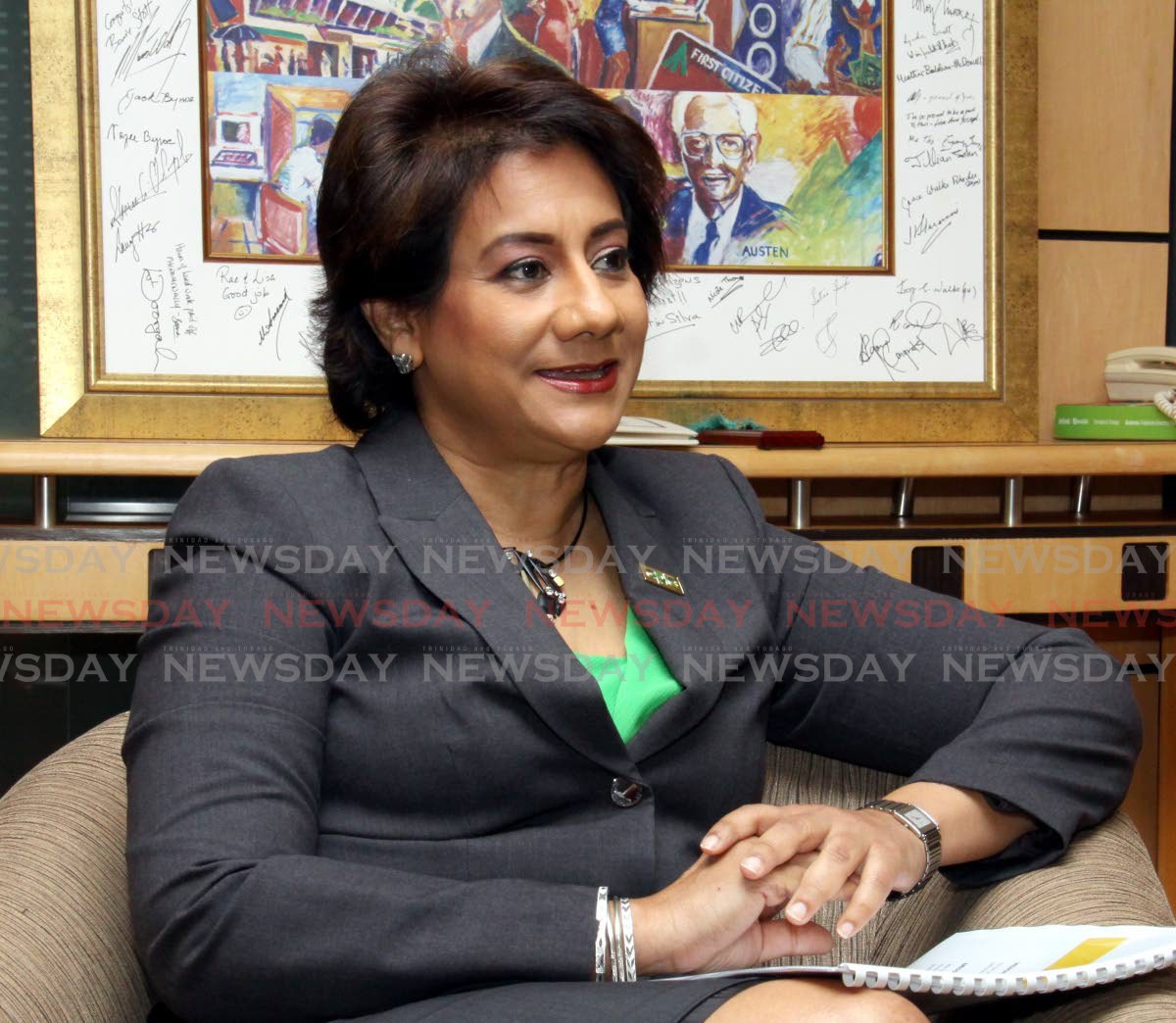
Karen Darbasie officially retires as First Citizens group CEO
Karen Darbasie, the trailblazing CEO of First Citizens Group, has officially retired after nearly a decade of leadership. Her departure was confirmed through a legal notice published on the Trinidad and Tobago Stock Exchange’s website on October 28, 2025. The notice stated that Darbasie’s retirement took effect on October 21, 2025, marking the end of her tenure that began in April 2015 when she succeeded Larry Nath. Notably, Darbasie was the first woman to hold the position of CEO in the history of First Citizens Group.
Darbasie’s retirement follows a period of significant organizational changes within the company. On August 21, 2025, she commenced approved vacation leave, as announced in an all-staff memorandum by then group chairman Anthony Smart. During her absence, Jason Julien, the group deputy CEO, assumed the role of acting CEO. The transition occurred amidst broader concerns about the bank’s operations, as hinted by Finance Minister Davendranath Tancoo on August 22. Subsequently, a new board was appointed to First Citizens Holdings, the majority shareholder of First Citizens Group.
In a surprising turn of events, the entire board of directors resigned on October 7, just one day before a special general meeting scheduled to elect a new board and CEO. The meeting on October 8 resulted in the appointment of a new board led by chairman Shankar Bidaisee, who also serves as chairman of Udecott and First Citizens Holdings Ltd. Jason Julien remains in the acting CEO position as the organization navigates this transitional phase.
Darbasie’s legacy includes not only her groundbreaking role as the first female CEO of First Citizens Group but also her appointment as president of the Bankers Association of Trinidad and Tobago (BATT). Her retirement marks the end of an era for the financial institution, which now faces the challenge of maintaining stability and continuity under new leadership.
-
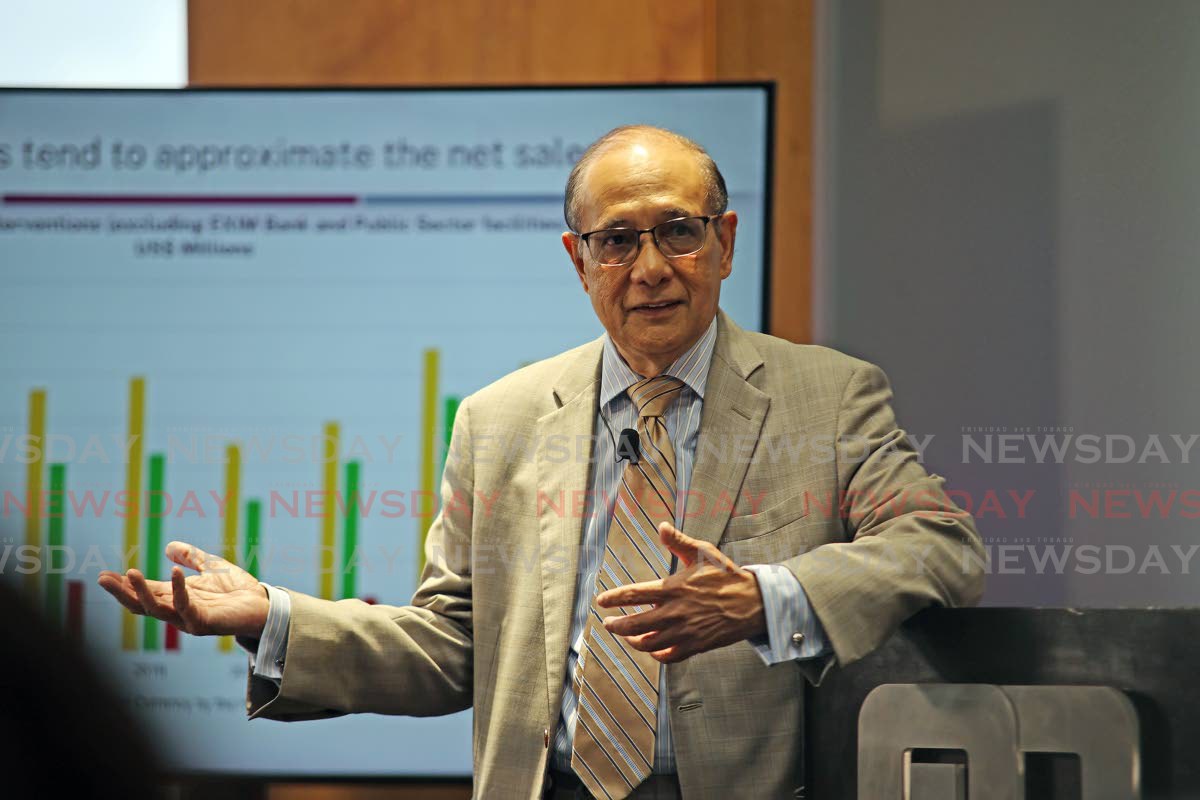
Central bank: $3.3m in fraud reported
Central Bank Governor Larry Howai has raised concerns over a significant surge in fraud incidents, which have collectively amounted to $3.3 million during the fiscal year from October 2024 to September 2025. Addressing a high-level meeting on October 28, Howai highlighted that women aged 30 to 49 residing in eastern and southern Trinidad are particularly vulnerable, being twice as likely to fall victim to such scams. The meeting brought together key stakeholders, including bankers, the TTPS Fraud Squad, the Financial Intelligence Bureau, and the Financial Intelligence Unit, to strategize on combating this alarming trend. Howai emphasized that while the current figures may seem modest, the growing sophistication of fraud schemes demands immediate action. He stressed the need for a unified approach to create restitution mechanisms for victims and implement preventive measures. Additionally, Howai pointed out that elderly individuals are disproportionately affected by online fraud, attributing this to the increasingly complex nature of scams. He also criticized the inconsistent handling of fraud cases by banks, noting that victims often receive varying levels of support depending on the branch or institution involved. In June alone, three women reported losses exceeding $3,000 due to fraudulent activities, including scams on platforms like Facebook Marketplace and false promises of visa assistance. Howai urged banks and the Central Bank to strengthen their frameworks to ensure consistency and enhance customer protection.
-
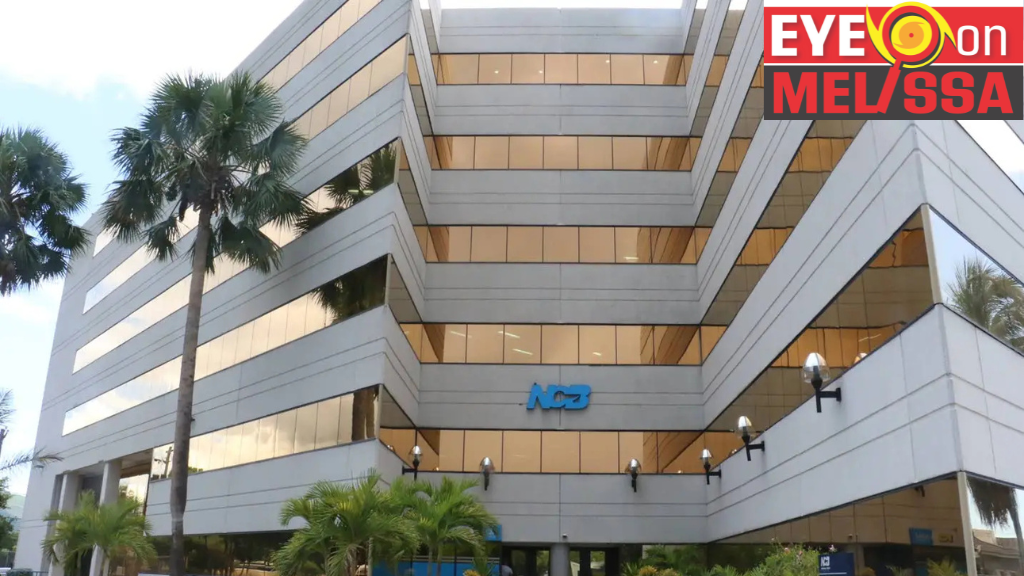
#EyeOnMelissa: NCB branches to remain closed
KINGSTON, Jamaica — In response to the ongoing impact of Hurricane Melissa, the National Commercial Bank (NCB) has announced the temporary closure of all its branches on Wednesday, October 29, 2025. The decision, aimed at ensuring the safety of both customers and staff, was communicated in a public statement on Tuesday. The bank plans to conduct thorough assessments and aims to resume operations on Thursday, October 30, 2025, provided conditions are safe. During this period, NCB is encouraging its customers to utilize its online banking platform, mobile app, and Automated Banking Machines (ABMs) located at branch sites for their banking needs. Bruce Bowen, NCB’s Chief Executive Officer, expressed solidarity with the Jamaican people, stating, ‘NCB stands with the people of Jamaica during this difficult time. Our thoughts are with everyone affected by the hurricane, and we remain committed to supporting the nation’s recovery efforts in any way we can.’ The bank’s proactive measures highlight its dedication to maintaining service continuity while prioritizing safety amidst the natural disaster.
-

Amazon says cutting 14,000 jobs globally
PARIS, France (AFP) — In a significant move to optimize its operations and focus on artificial intelligence (AI), Amazon, the US-based online retail behemoth, revealed on Tuesday its decision to eliminate 14,000 corporate jobs. The announcement, made via a statement on the company’s corporate website, did not specify the regions or departments affected by the layoffs. Senior Vice-President Beth Galetti, who signed the statement, emphasized that the decision is part of Amazon’s ongoing strategy to reduce bureaucracy, streamline operations, and allocate resources toward its most impactful initiatives.
-
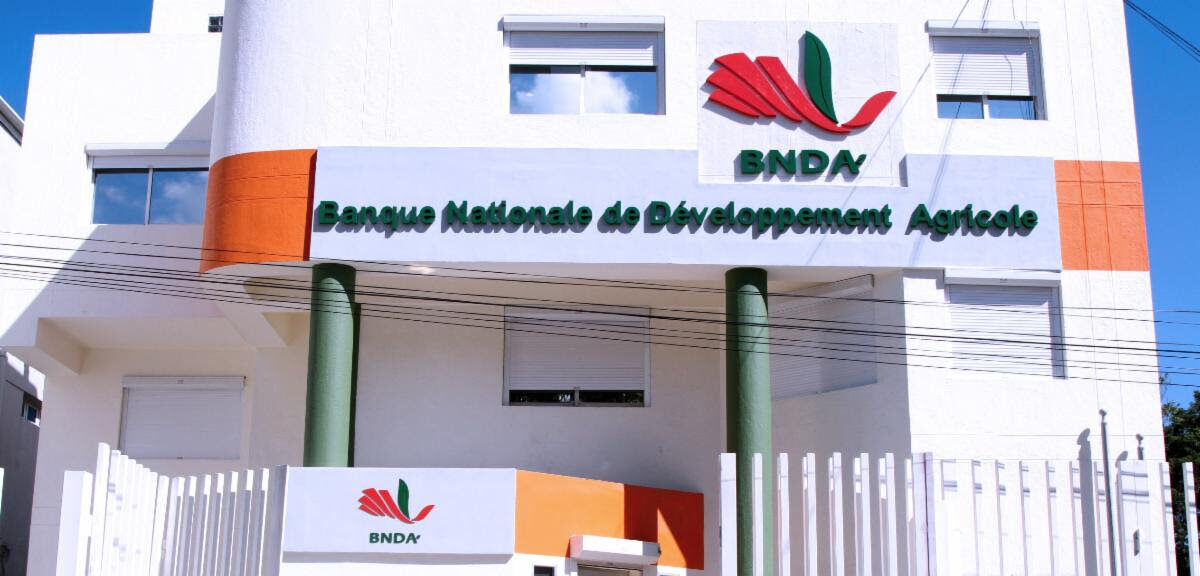
CDB provides technical assistance grant to aid Haiti’s Agricultural Bank in developing a new strategic plan to foster growth
The Caribbean Development Bank (CDB) has expressed its satisfaction in supporting Haiti’s Banque Nationale de Développement Agricole (BNDA) through a USD 72,163 grant to finalize its new five-year Strategic Plan. This initiative aims to enhance BNDA’s institutional capabilities and expand financial access for stakeholders in the agricultural sector. The plan is designed to improve governance structures, operational efficiency, and strategic direction, positioning BNDA to become Haiti’s first universal bank by 2030. The framework will strengthen BNDA’s ability to provide financial services, benefiting farmers, agro-processors, and Micro, Small, and Medium-sized Enterprises (MSMEs).
Lisa Harding, Division Chief of CDB’s Private Sector Division, emphasized the transformative impact of the partnership. “This plan is not just about institutional strengthening—it’s about empowering Haiti’s agricultural sector, improving food security, and creating inclusive economic opportunities for rural communities,” she stated. The initiative aligns with CDB’s broader goals of fostering resilience and private sector development, particularly among MSMEs.
Since its establishment in 2021, BNDA has disbursed over USD 2.1 million in agricultural loans, including specialized financing for rice producers, a critical step toward enhancing national food security. The bank has also established regional service points and partnered with financial institutions to decentralize access to credit and financial services.
Faude Joseph, President of BNDA’s Board, praised CDB’s technical assistance in developing the Strategic Plan. “Their expertise and collaborative approach have helped us craft an ambitious and resilient roadmap aligned with our mission to promote agricultural development and financial inclusion,” he said. The plan, finalized in September 2025 after nearly two years of engagement, focuses on adopting innovative technologies, improving risk management, and expanding outreach to underserved populations, including women and youth in rural areas.
CDB’s statement highlighted its commitment to inclusive and sustainable development across the Caribbean, particularly in nations facing socio-economic challenges. This project underscores the bank’s dedication to fostering long-term progress and resilience in Haiti’s agricultural and financial sectors.
-

Guyana govt requests proposals to build fertiliser plant
The Government of Guyana has officially launched a Request for Proposals (RFP) to establish a state-of-the-art ammonia and urea plant, aiming to produce approximately 300,000 tons of cost-effective fertiliser annually. This initiative, spearheaded by the Prime Minister’s office, seeks to address the high cost of fertilisers in Guyana and its neighboring regions, including northern Brazil and the Caribbean. The project, estimated to cost no more than $300 million, will operate under a public-private partnership model, utilizing 20 million standard cubic feet per day (MMCFD) of natural gas from the second phase of the Wales pipeline. The selected Engineering, Procurement, and Construction (EPC) contractor will be responsible for securing a world-class licensor for the plant, which is slated for completion by 2027/2028, coinciding with the finalization of the gas-to-energy project. The plant will be strategically located in Wales, east of the combined cycle power plant and natural gas liquids facility. GAUP, the private company overseeing the project, will receive lean gas from Guyana Power and Gas Inc (GPGI), a wholly-owned government entity. Proposals must demonstrate prior EPC experience, detailed project schedules, financial projections, and a commitment to local content development. The Guyana government will facilitate the establishment of GAUP, secure financing, and manage contracts and permits, ensuring the project is structured on a Project Finance basis.
-
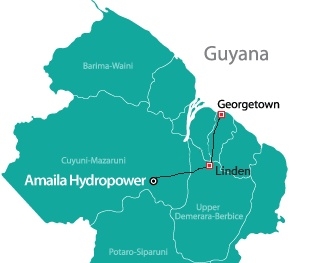
Amaila Falls Hydropower station on front-burner again
The Guyana government has reignited efforts to develop the long-stalled Amaila Falls Hydropower Project, four years after negotiations with a Chinese company collapsed due to financing disagreements. This time, the government has excluded the construction of transmission lines from its Request for Proposals (RFP), focusing solely on the hydropower plant’s development. The project, which includes a 165 MW hydro dam, a 23-square-kilometer storage reservoir, and related infrastructure, is now being pursued under a Build-Own-Operate-Transfer (BOOT) model. The Prime Minister’s Office has set February 17, 2026, as the deadline for submissions, emphasizing that only firms with extensive experience in large-scale hydro projects will be considered. Interested companies must demonstrate prior Engineering, Procurement, and Construction (EPC) expertise and provide detailed financial and technical documentation. The government will evaluate proposals based on the lowest Power Purchase Agreement (PPA) price, operational costs, and financing capabilities. This renewed effort follows the 2021 collapse of negotiations with China Railway First Group, which had placed the project on hold. The latest RFP also allows for potential upgrades to turbine technology, enabling the plant to generate more than 165 MW. Independent supervision will ensure compliance with design and construction standards. The project, initially proposed in 2015, aims to reduce Guyana’s reliance on fossil fuels and has been endorsed by Norwegian experts as a sustainable energy solution.
-

Arajet launches Punta Cana–Orlando Sanford route
Arajet, a prominent airline, has officially launched its new international route linking Punta Cana International Airport in the Dominican Republic and Orlando Sanford International Airport in Florida. This development positions Arajet as the sole carrier currently offering international flights from the U.S. terminal. The route will operate three times weekly—on Tuesdays, Fridays, and Sundays—providing seamless connectivity between Central Florida and key Latin American cities such as Buenos Aires, São Paulo, Santiago de Chile, Mexico City, Córdoba, and Lima. The inaugural ceremony was attended by Dominican Consul General in Orlando Domingo Rosario and Orlando Sanford Airport President Nicole Martz, both of whom lauded the initiative. They emphasized its significance in fostering stronger bilateral ties between the Dominican Republic and Florida and in revitalizing international operations at the airport. This strategic move is expected to enhance travel convenience and boost tourism and economic exchanges between the regions.
-

Celebrity Xcel to arrive in Puerto Plata at year’s end
Santo Domingo – Celebrity Cruises has officially welcomed its newest vessel, the Celebrity Xcel, at the Chantiers de l’Atlantique shipyard in Saint-Nazaire, France. The ship is scheduled to commence operations in November 2024, offering seven innovative onboard spaces and a series of seven-night inaugural voyages from Fort Lauderdale. These itineraries will alternate between destinations such as the Bahamas, Mexico, the Cayman Islands, and Caribbean hotspots including Puerto Plata, St. Thomas, and St. Maarten. In a strategic expansion, the Celebrity Xcel will make its European debut in summer 2026, featuring seven- to 11-night Mediterranean cruises departing from Barcelona and Athens. These voyages will introduce new overnight stays in Madeira, Portugal, enhancing the travel experience. Jason Liberty, President and CEO of Royal Caribbean Group, hailed the Celebrity Xcel as a transformative milestone in premium travel, emphasizing the Edge Series’ cutting-edge design and unparalleled onboard offerings. Laura Hodges Bethge, President of Celebrity Cruises, highlighted the ship’s guest-centric development through the Xcel Dream Makers program, ensuring a tailored and exceptional experience for global travelers.