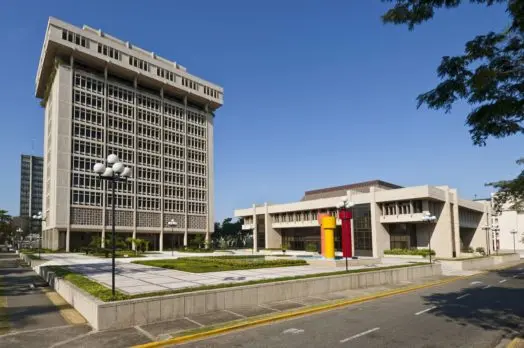
The Dominican Republic has reported a 2.2% economic growth from January to September 2025, as announced by the Central Bank (BCRD). This growth, compared to the same period in 2024, has been fueled by robust performances in several critical sectors. Agriculture led the charge with a 3.9% increase, closely followed by mining at 3.7%, financial services at 7.4%, and tourism at 3.3%. The tourism sector, in particular, saw a significant boost with 8.6 million visitors, marking a 2.7% rise from the previous year. Governor Héctor Valdez Albizu emphasized the role of these sectors in driving the nation’s economic momentum. Additionally, exports surged by 11.7% to reach US$11.6 billion, while tourism revenues and remittances contributed US$8.5 billion and US$8.9 billion, respectively. Foreign direct investment also played a crucial role, amounting to US$4 billion, primarily directed towards mining, energy, and communications projects. The Central Bank anticipates a gradual return to potential growth in the upcoming quarters, supported by stabilizing global conditions and increased investment. The Economic Commission for Latin America and the Caribbean (ECLAC) projects an overall growth rate of 3.4% for the Dominican Republic by the end of 2025.
分类: business
-
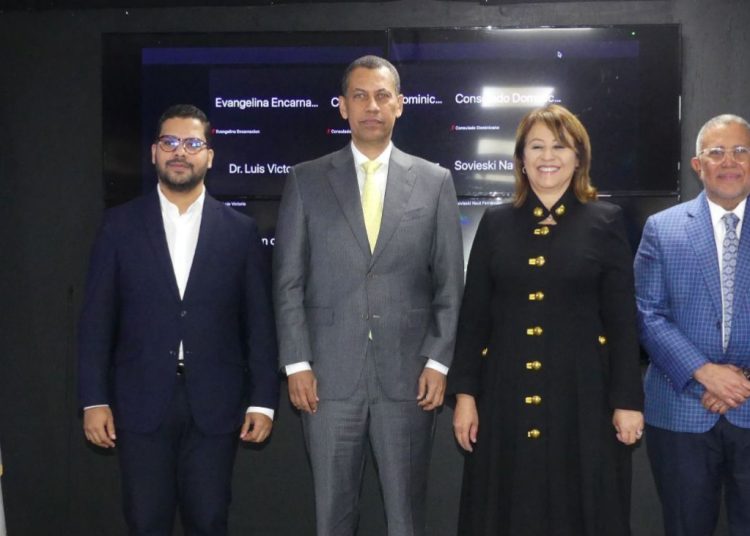
Indotel and ABA launch financial education campaign for Dominican diaspora in the U.S.
The Dominican Telecommunications Institute (Indotel) and the Association of Multiple Banks of the Dominican Republic (ABA) have unveiled a groundbreaking financial education initiative targeting Dominican expatriates in the United States. The campaign, set to commence on November 1, aims to educate individuals on the benefits of digital bank transfers as a more efficient, secure, and cost-effective method for sending remittances to their homeland. Training sessions will be conducted at Dominican consulates in major U.S. cities, including New York, New Jersey, Philadelphia, Boston, and Miami, to facilitate the adoption of digital financial tools. During the campaign’s launch at the Dominican House of Culture in New York, Indotel chairman Guido Gómez Mazara and ABA executive president Rosanna Ruiz highlighted the program’s dual objectives: advancing financial inclusion and reducing dependency on cash-based remittance systems. Gómez Mazara pointed out that while 80% of remittances originate from the U.S., a significant portion is still sent in cash. Despite 40% of senders possessing bank accounts, only 14% utilize digital transfer services. The initiative seeks to bridge this gap through collaborative public-private sector efforts, emphasizing security, efficiency, and traceability in remittance transactions.
-
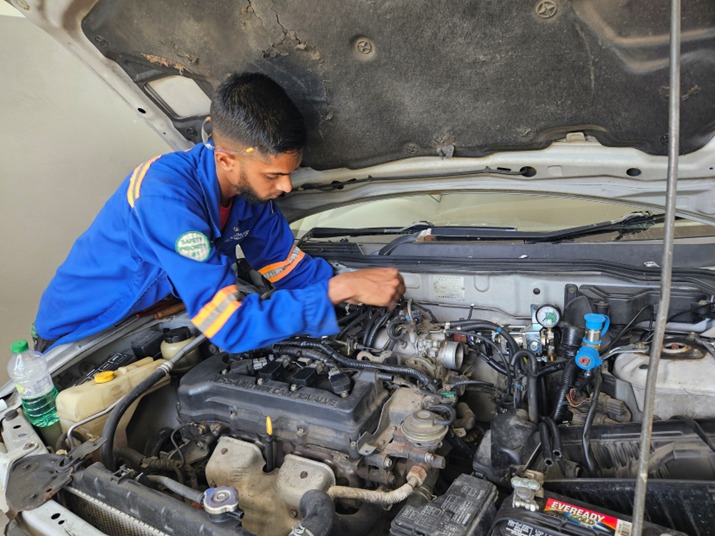
CNG refuelling project promises cheaper, cleaner energy for motorists
Barbados is poised to revolutionize its energy landscape with the launch of a pioneering project aimed at providing discounted compressed natural gas (CNG) to motorists. Spearheaded by Dr. Legena Henry, founder of Rum and Sargassum Inc., the initiative is set to debut in March 2026, offering significant fuel savings to taxi drivers and the general public while promoting cleaner energy alternatives. The project will feature mobile refuelling units strategically positioned across key locations, including the ABC Highway and Bridgetown. Initially targeting 100 taxi operators, the service will later expand to the wider public. Vehicles will be retrofitted with dual-fuel kits, enabling them to run on both petrol and biogas. Dr. Henry, a clean energy researcher at the University of the West Indies, Cave Hill, revealed that the CNG will initially be sourced from the state-owned natural gas supplier, with plans to transition to biogas derived from sargassum seaweed and agricultural waste. Taxi drivers will benefit from a 40% discount on CNG, with further reductions anticipated once sargassum biogas becomes available. The project has already garnered significant interest, with 35 customers signed up and a waiting list in place. Dr. Henry emphasized the project’s scalability, noting the potential to serve thousands of customers. The mobile refuelling stations, equipped with fast-fuelling technology, will allow vehicles to refuel in just three minutes. Customers will receive a swipe card for seamless transactions, with billing handled monthly. The initiative also aligns with broader efforts to address the sargassum seaweed problem through a $186 million bioenergy project, set to produce renewable natural gas (RNG) by April 2025. This public-private partnership aims to generate revenue, create jobs, and reduce foreign exchange expenditures, marking a significant step toward sustainable energy in Barbados.
-
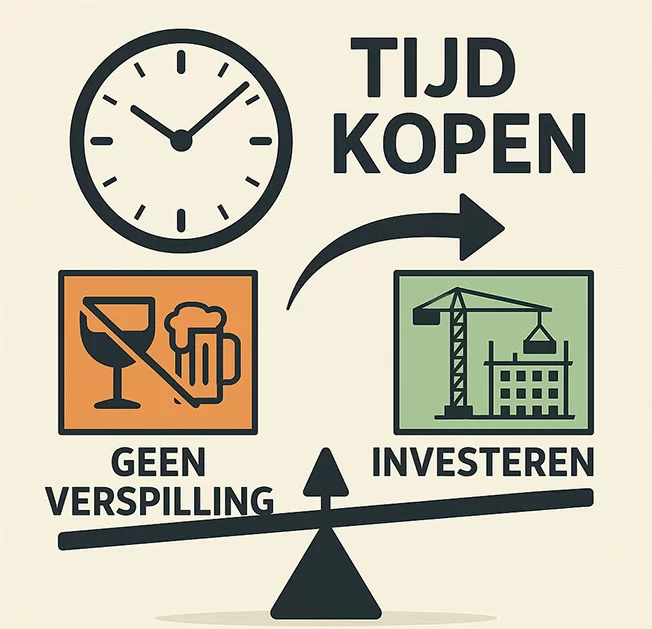
Column: We kopen tijd – maar gebruiken we die ook verstandig?
Suriname is grappling with a severe financial crisis as it faces the daunting task of repaying over USD 400 million starting in 2026. With no immediate solutions in sight, the government has opted to restructure its debts, a move deemed necessary by experts like VES Chairman Steven Debipersad. The strategy aims to buy time until 2028, when oil revenues are expected to flow in. However, the pressing question remains: how will this time be utilized? While the Ministry of Finance & Planning is engaged in complex negotiations with the Bank of America, other government departments continue to operate as usual, indulging in lavish spending and ceremonial activities. This stark contrast has eroded public and international trust. The lack of clear communication has led to misconceptions, with many believing Suriname is ‘buying off’ its debts. In reality, the country is merely deferring payments, incurring higher interest rates (7.95%) and extending the repayment period to 2033. The real challenge lies in whether this borrowed time will be used wisely to implement rational investments and clear policies, or if it will be squandered on short-term measures and loss-making enterprises. The world is watching closely, as the potential oil revenues could either save or destroy Suriname, depending on how the funds are managed. Time is not a solution; it is an opportunity to finally get things right after 50 years of independence.
-
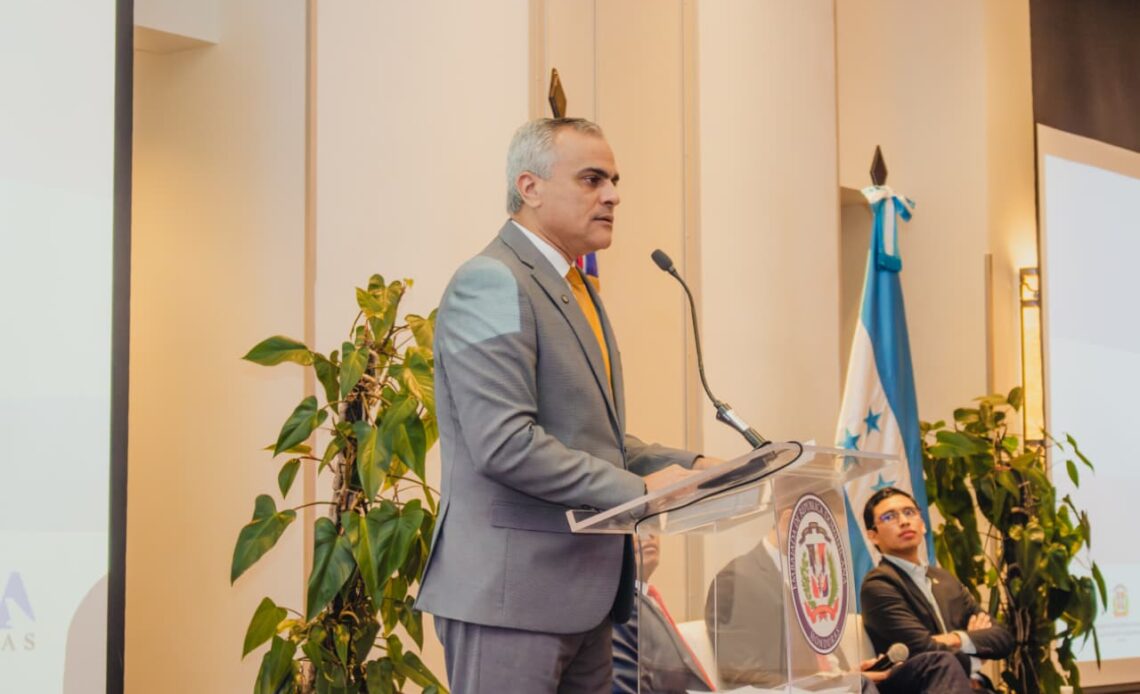
Dominican Embassy holds Third EMBAJADOM-HN 2025 in Honduras
The Dominican Embassy in Honduras successfully organized the Third Business Meeting EMBAJADOM-HN 2025, themed ‘Export, Import, Investment, and Tourism.’ The event convened government officials, business leaders, academics, students, and entrepreneurs from both nations to enhance bilateral economic collaboration and explore investment prospects. Ambassador Luis García underscored the remarkable growth in trade between the Dominican Republic and Honduras, which surged to nearly US$937.7 million by May 2025, marking a 9.3% year-over-year increase. Additionally, Dominican direct investment in Honduras amounted to US$6.7 million, reflecting growing economic confidence. Significant progress was also noted in trade agreements facilitating Honduran exports, particularly citrus and pork products. The event featured high-level panels, business roundtables, and product exhibitions, focusing on technology transfer, public-private partnerships, and best practices. Key discussion topics included export diversification, AI integration in customs, foreign investment policies, MSME participation in international markets, business sustainability, tourism, and e-commerce opportunities. Notable attendees included Honduran and Dominican customs and economic officials, alongside representatives from business chambers and development organizations. Honduras’ Secretary of Foreign Affairs, Javier Bu Soto, and Fedecámara president Manuel Hernández commended the embassy’s efforts in fostering economic synergy. Coordinated with the Dominican Ministry of Foreign Affairs, Prodominicana, and the General Directorate of Customs, the meeting reinforced both nations’ commitment to economic cooperation, innovation, talent development, and sustainable growth, paving the way for strengthened bilateral relations.
-

Credit union league backs new deposit insurance law
The Barbados Co-operative and Credit Union League Limited has firmly defended the upcoming Deposit Insurance Bill, asserting that it will provide essential protections for over 240,000 credit union members. The legislation, which has been in development for over a decade, aims to safeguard members’ deposits in the event of institutional failure. General Manager Tracia Pounder emphasized that the bill offers insurance coverage of up to $25,000 per member, ensuring financial security for savers. Despite the League’s strong endorsement, concerns have emerged from smaller credit unions, which argue that the new requirements could impose significant challenges. A board member from a smaller credit union, speaking anonymously, revealed that many institutions were caught off guard by the Financial Services Commission’s (FSC) communication of the pending legislation, leading to confusion and fear. These smaller entities, often operating on thin margins, face difficulties meeting the bill’s profitability and equity criteria. Pounder acknowledged these concerns but highlighted the FSC’s ongoing remediation efforts to assist credit unions in achieving compliance. She stressed that the bill is designed to protect members, not burden institutions. Following the League’s annual general meeting, President Kemar Cumberbatch described the bill as a milestone in ensuring parity with commercial banks’ deposit protections. He emphasized that the legislation aims to build trust and responsibility within the credit union sector, safeguarding members’ life savings. While the debate continues, the League remains committed to advocating for member protection and encouraging public awareness of deposit insurance benefits.
-
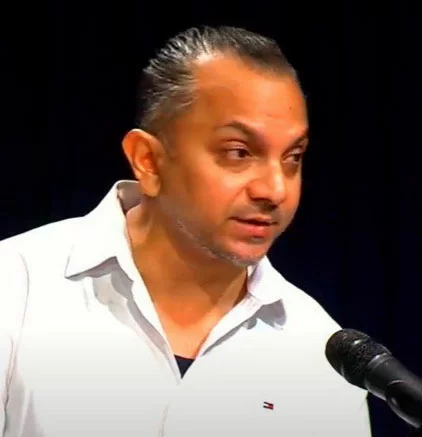
VES-voorzitter Debipersad: Nieuwe schuldendeal biedt ademruimte; duidelijkheid nodig
Steven Debipersad, Chairman of the Association of Economists in Suriname (VES), has described the government’s attempt to restructure its foreign debt as ‘a timely and positive step.’ However, he cautioned that the government’s communication regarding this operation has been insufficient and confusing. ‘The idea is sound, but the government must clarify the specifics of the agreement, how it fits into the budget, and its long-term implications,’ Debipersad stated in an interview with Starnieuws.
-
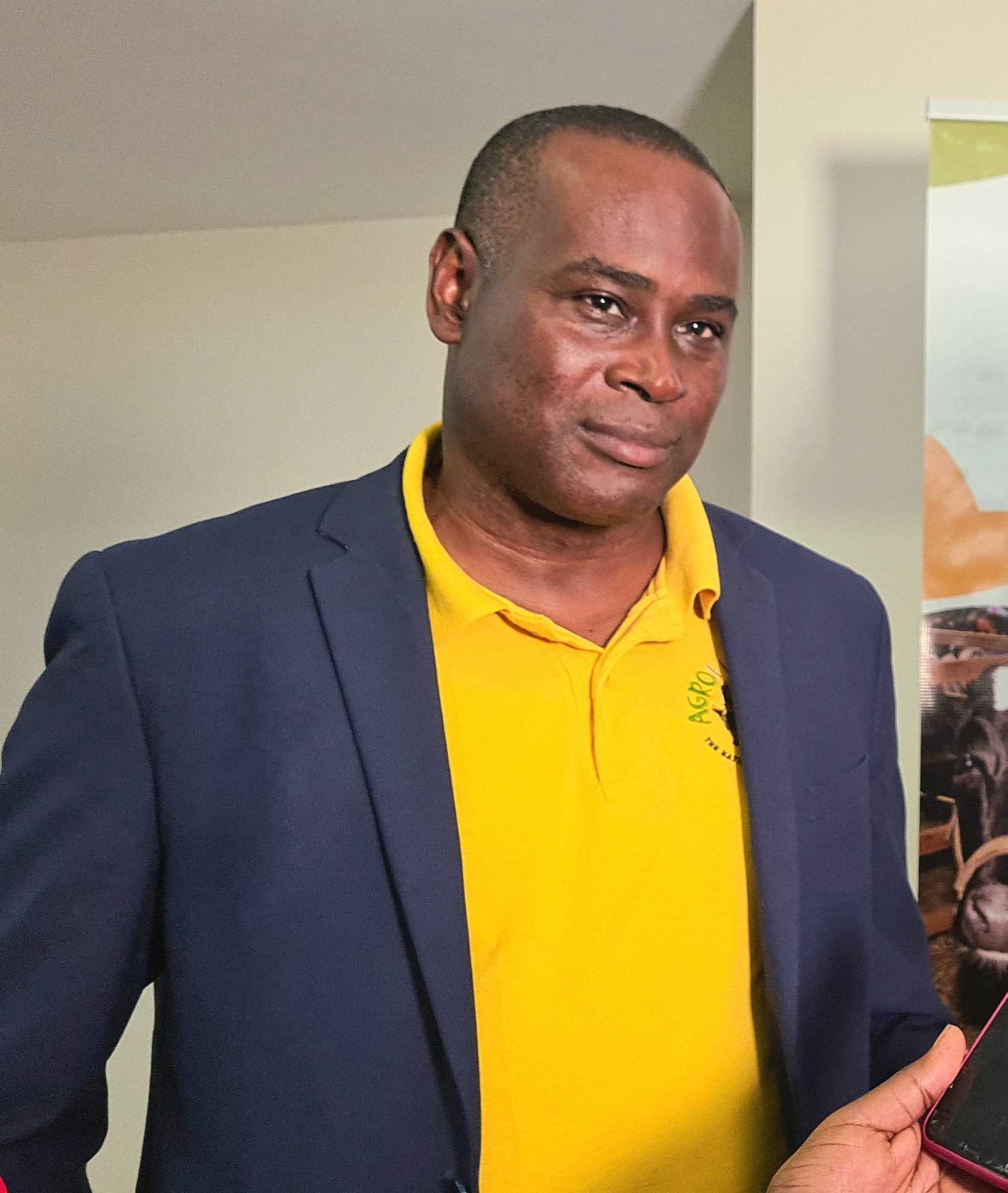
Young farmers, new brands driving innovation
Barbados is witnessing a remarkable resurgence in its pig farming sector, driven by a concerted effort to reduce reliance on imported pork and enhance domestic sales. The Barbados Pig Farmers’ Association has reported a significant increase in membership, with numbers more than doubling as producers unite to strengthen their market position. This growth is fueled by government-backed financing, innovative product development, and an influx of younger farmers under 30 joining the industry.
-
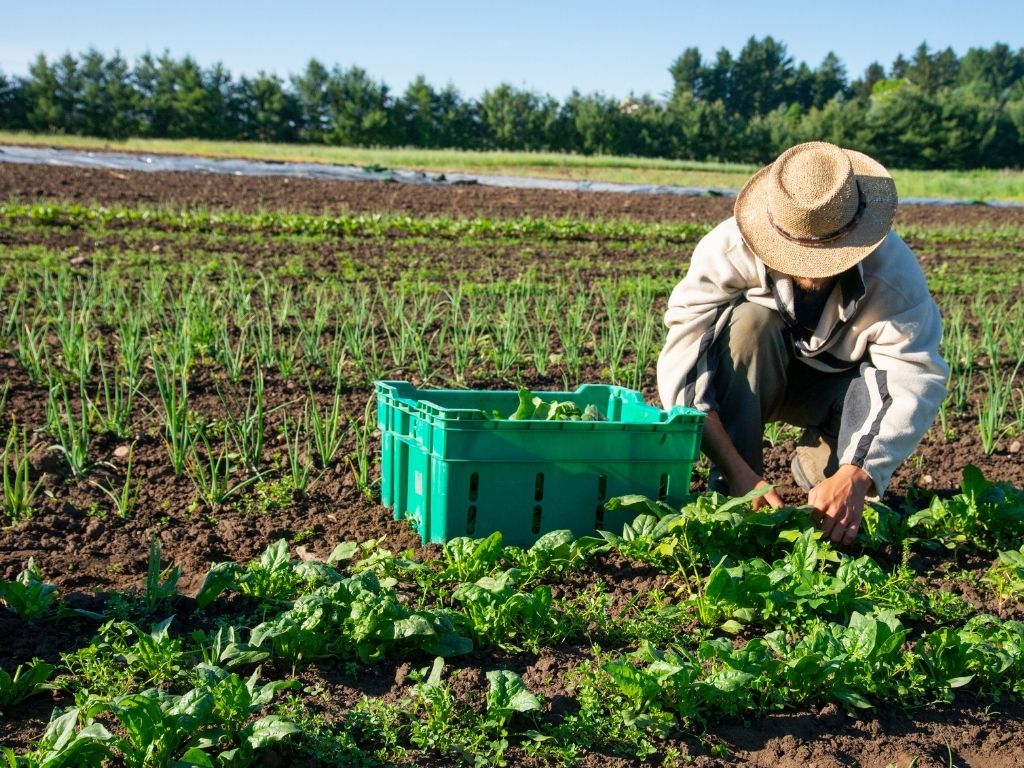
Global experts converge in Saint Lucia for high-level workshops
From October 28 to 30, Saint Lucia will host two high-profile international workshops at the Harbor Club in Rodney Bay, bringing together global experts in trade, policy, and sustainability. These events are part of the Remaking Trade for a Sustainable Future Project (RTP), a global initiative co-led by Dr. Jan Yves Remy, a prominent Saint Lucian trade expert and director of the Shridath Ramphal Centre for International Trade Law, Policy, and Services at The University of the West Indies (UWI) Cave Hill Campus. Launched in 2023, the RTP aims to align global trade policies with the United Nations Sustainable Development Goals (SDGs). After successful dialogues in cities like Brussels, Washington DC, and Nairobi, the project now focuses on the Caribbean, highlighting the region’s potential to lead in sustainable trade transformation. The workshops will feature over 70 participants, including policymakers, private-sector leaders, academics, and civil society representatives, collaborating to shape a greener and more inclusive Caribbean economy. The first workshop, on October 28, will focus on advancing the CARICOM Industrial Policy and Strategy (CIPS), exploring how trade incentives and regional value chains can bolster critical sectors like agriculture, tourism, and renewable energy. The second workshop, on October 29-30, will delve into the burgeoning global bioeconomy, valued at over $4 trillion and projected to reach $30 trillion by 2050. Discussions will center on sustainable agriculture, marine biotechnology, and eco-tourism, culminating in a draft Caribbean Sustainable Trade and Bioeconomy Action Plan to guide climate-smart development.
-

Chickmont to meet Xmas egg demand
Barbados is taking proactive measures to ensure a steady supply of eggs and poultry products during the upcoming Christmas season and tourism peak. Chickmont Foods Limited, the island’s largest poultry producer, plans to import 360,000 eggs next month to address potential shortages. This decision was confirmed by Stephen Layne, President of the Barbados Egg and Poultry Producers Association (BEPPA), during the Barbados Agricultural Society’s annual general meeting held at the Radisson Aquatica Resort in St. Michael. Layne emphasized that the importation of a 40-foot container of eggs is essential to meet the heightened demand during the festive period and the winter tourism surge. Despite a similar shipment arriving just two months ago, the move underscores the importance of maintaining supply stability. Layne highlighted the preference for inter-regional trade, with eggs being sourced from Trinidad and Tobago (T&T). He also noted that the Ministry of Agriculture has implemented necessary precautions to mitigate risks associated with global bird flu concerns. In addition to eggs, four containers of frozen poultry meat were recently imported to support fast-food operations, which were facing stock shortages. Layne expressed optimism about the recovery of domestic poultry production, citing improvements in the industry following setbacks such as the collapse of a Chickmont poultry house and the decline of Star Chick. However, he acknowledged that temporary imports remain crucial to meet the dual pressures of high local consumption and increased demand from the hospitality sector. The upcoming shipment, expected in November, is projected to fulfill national demand through the first quarter of 2024. Layne also reported stable poultry meat supplies heading into the festive season, expressing hope that the main hatchery will maintain its current production levels.