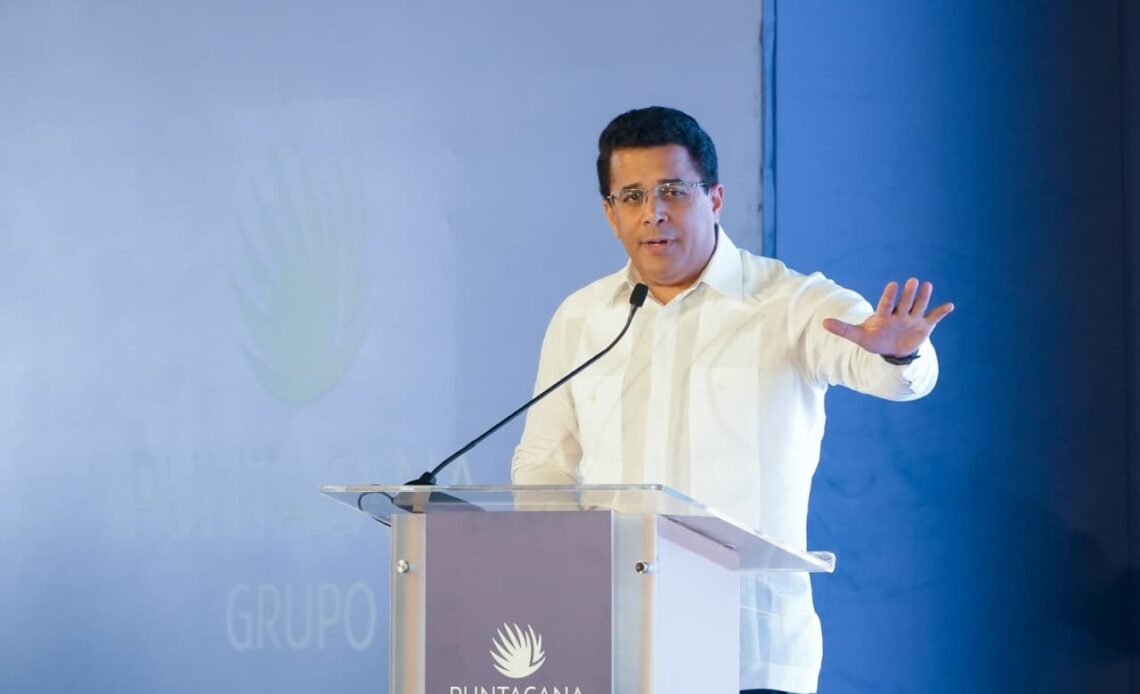
In a recent press briefing during *La Semanal con la Prensa*, Dominican Republic’s Tourism Minister David Collado revealed that the country has emerged as the least affected in the Caribbean region by the recent wave of U.S. flight cancellations triggered by the federal government shutdown. Collado acknowledged the indirect impact on tourism but highlighted the sector’s resilience, with November welcoming 213,000 tourists—a 7% year-on-year increase. The U.S., which accounts for over half of the Dominican Republic’s tourism, remains its primary source market. Despite the grounding of more than 1,000 flights due to the political impasse in Washington, the country’s tourism industry has outperformed its regional counterparts. Collado cited feedback from investors in neighboring nations, who confirmed that the Dominican Republic experienced the least disruption in tourism flows. The U.S. travel crisis, stemming from the partial government shutdown, has left thousands of federal employees, including air traffic controllers, unpaid, leading to widespread flight cancellations and delays. The situation is expected to worsen if Congress fails to resolve the shutdown promptly.
分类: business
-

Dominican Republic tops Latin American investment rankings in FIU report
Miami, FL – The Dominican Republic has been crowned the leading investment destination in Latin America, according to the 2025 Latin America Country Risk Index and Analysis by Florida International University’s (FIU) Adam Smith Center for Economic Freedom. The report reveals that 76% of experts endorse investing in the country, significantly outpacing Paraguay (66%) and Argentina (63%). The Dominican Republic’s governance, institutional strength, and appeal to foreign investors have earned it recognition as one of the region’s most stable, credible, and low-risk nations. Amidst a backdrop of political polarization, economic volatility, and rising insecurity across Latin America, the Dominican Republic stands out for its democratic stability, reliable institutions, and robust business environment. FIU attributes this success to the nation’s consistent macroeconomic policies, fiscal discipline, and investor confidence. Additionally, the country has capitalized on global economic trends like nearshoring and friendshoring, further solidifying its position as a secure and predictable destination for strategic industries. The report also highlights the Dominican Republic’s lower social and security risks compared to the regional average, bolstered by strong foreign relations and a cooperative foreign policy. Its strategic alliance with the United States has further enhanced external stability. The government has welcomed FIU’s findings, viewing them as a testament to its ongoing efforts to modernize, promote transparency, and enhance competitiveness. The administration has reaffirmed its commitment to sustaining economic growth and solidifying the country’s reputation as one of Latin America’s most trustworthy and dynamic investment hubs.
-
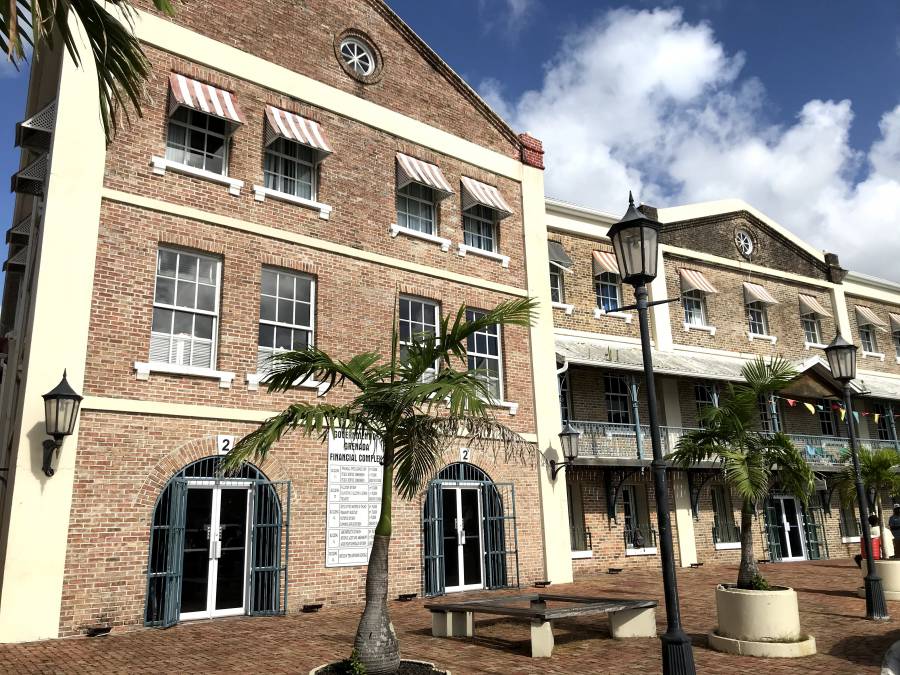
January to July revenue less by EC$239.4 million
Grenada’s fiscal performance for July 2025 revealed a mixed picture, with revenue collections falling short of targets while overall fiscal management remained robust. According to the Ministry of Finance’s July 2025 fiscal report, revenue for the month totaled EC$97.1 million, EC$3.3 million below the projected target. This shortfall was primarily attributed to weaker performance in taxes on domestic goods and services. Compared to July 2024, collections were significantly lower by EC$162.9 million, largely due to the absence of exceptional revenues from the CCRIF payout and the Citizenship by Investment (CBI) programme.
Despite the July shortfall, the cumulative revenue for the period January to July 2025 stood at EC$749.2 million, surpassing the target by EC$20.8 million. This performance underscores the government’s prudent fiscal management and commitment to budgetary goals. Additionally, grant inflows in July 2025 amounted to EC$15.8 million, exceeding the target by EC$9.7 million and representing a substantial increase of EC$14 million compared to July 2024. By the end of July 2025, total grant income reached EC$44 million, EC$8.3 million above projections and EC$30.5 million higher than the same period in 2024.
On the expenditure side, current spending in July 2025 exceeded projections by EC$4.6 million, totaling EC$89.4 million. This was EC$25.7 million higher than the corresponding period in 2024. However, total recurrent expenditure for January to July 2025 was EC$540.3 million, EC$56.4 million below the programmed level but EC$46.4 million more than the same period in 2024. This increase was driven by higher transfers and subsidies, particularly for pension payments and IMA expenses.
Capital expenditure also saw significant growth, with July 2025 spending reaching EC$51.4 million, surpassing both the monthly target of EC$41.8 million and the July 2024 figure of EC$19.9 million. For the first seven months of 2025, capital expenditure amounted to EC$264 million, EC$29.3 million above the programmed level and EC$127 million more than the same period in 2024, reflecting accelerated implementation of capital projects.
-
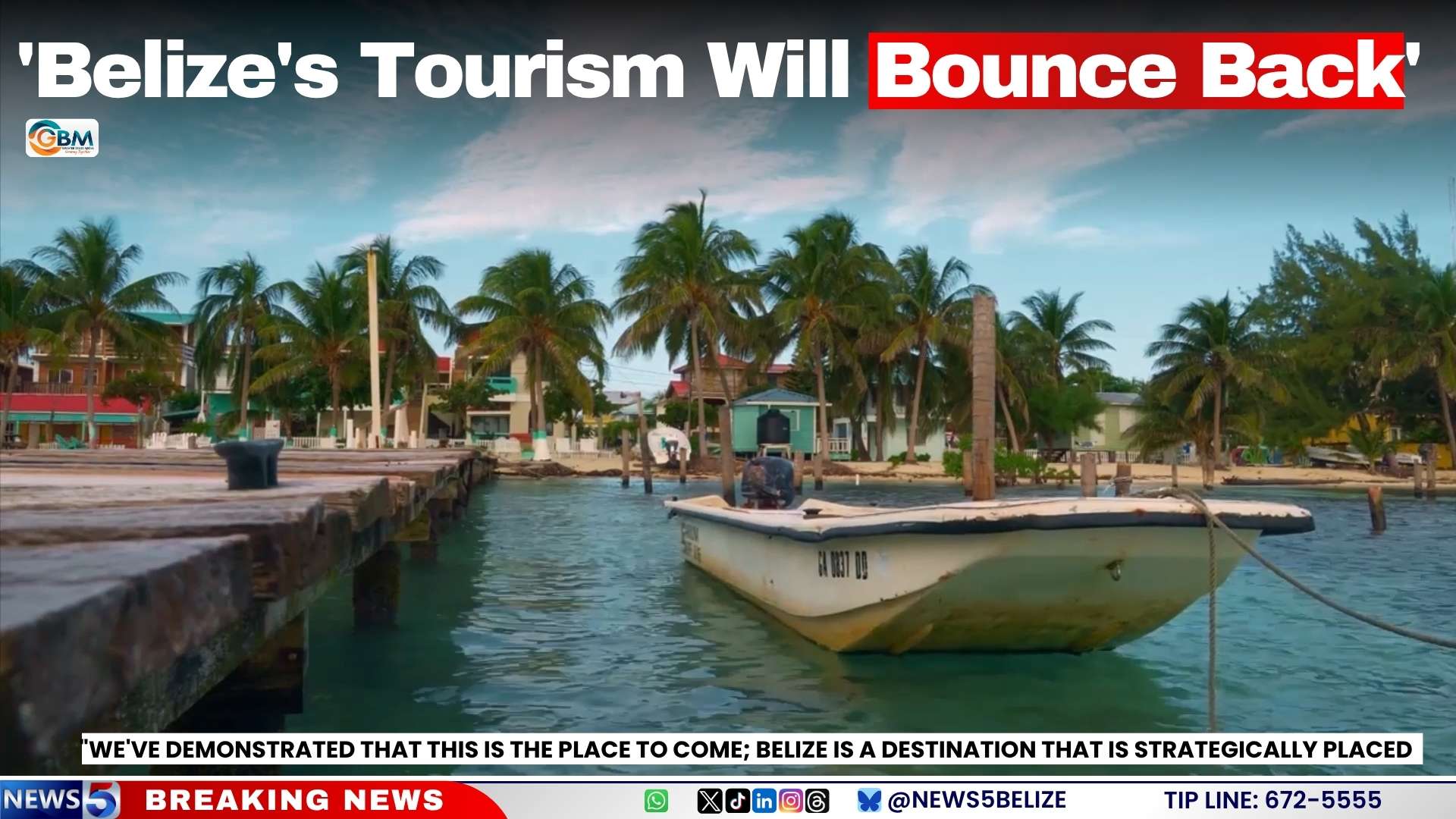
‘Belize’s Tourism Will Bounce Back’
Belize’s tourism sector, a cornerstone of its national economy, is grappling with significant challenges as global economic conditions tighten. Recent data from the Belize Tourism Board reveals an 8.6% decline in overnight tourist arrivals for September 2025 compared to the same period last year. This downturn has raised concerns among industry stakeholders, particularly in popular destinations like Ambergris Caye and Caye Caulker, where tourism activity has notably slowed. Area Representative Andre Perez acknowledged the sluggish recovery post-COVID-19, attributing part of the decline to the ongoing political polarization in the United States, a key source market for Belizean tourism. The prolonged U.S. federal government shutdown has exacerbated the situation, leading to widespread job losses and flight disruptions across 40 major American airports, including those serving Belize and the Caribbean. Despite these hurdles, Perez remains optimistic, emphasizing Belize’s strategic location and accessibility as enduring strengths. He expressed confidence in the industry’s resilience, predicting a successful year ahead. However, analysts caution that the ripple effects of the U.S. shutdown may persist, delaying a full recovery in travel patterns.
-

Reef View Enterprises CBI license permanently revoked
In a significant regulatory move, Reef View Enterprises Ltd., a prominent local agent in Grenada’s Citizenship by Investment (CBI) program, has had its license permanently revoked. The decision, effective as of November 5, 2025, was announced by the Grenadian Minister for Citizenship, following a recommendation from the Citizenship by Investment Committee. This action concludes a three-month investigation initiated in June 2025 by the Investment Migration Agency (IMA), which had previously suspended the company’s license. Reef View Enterprises, led by Colin Bishop, had positioned itself as Grenada’s premier CBI local agent, offering tailored immigration services to businesses and private clients since 2020. The company claims to have assisted over 3,000 individuals and extended its services to other jurisdictions with CBI programs, including Vanuatu and Turkey. The revocation, enforced under Sections 4(6) and 4(7) of the Citizenship by Investment Act, 2013, prohibits the company from further operations under the CBI program. The IMA’s circular emphasized that stakeholders must cease all engagements with Reef View Enterprises, marking a decisive step in Grenada’s commitment to maintaining the integrity of its CBI program.
-

Dream big with ‘one percenters’
Prime Minister Kamla Persad-Bissessar has unveiled the government’s Revitalisation Blueprint, a comprehensive and actionable strategy aimed at redefining Trinidad and Tobago’s economic landscape. Unlike previous plans that often lacked substance, this blueprint is rooted in economic logic and structured ambition, offering a clear pathway for sustainable growth. The initiative has garnered significant support from key business leaders, including A. Norman Sabga, Executive Chairman of ANSA McAL, who emphasized the importance of dreaming big to achieve national progress. Sabga’s endorsement underscores the critical role of the private sector in driving innovation, employment, and investment confidence. The blueprint is not just a government-led effort but a call for national collaboration, where policy stability and infrastructure from the government meet the capital, innovation, and operational excellence of businesses. This initiative is designed to benefit not only large corporations but also small and medium enterprises, creative entrepreneurs, and skilled professionals. With ANSA McAL, a symbol of stability and regional success, leading the charge, the blueprint is poised to inspire broader economic momentum. The plan highlights the collective responsibility of citizens, companies, and leaders in building a stronger Trinidad and Tobago, emphasizing that economic transformation is a shared endeavor. As Sabga aptly stated, ‘We need to dream big, manage the details, and move the country forward.’
-

Lessons from the New Deal, Singapore, Dubai
Prime Minister Kamla Persad-Bissessar recently unveiled the TT Revitalisation Blueprint, a comprehensive plan aimed at reshaping Trinidad and Tobago’s economy and physical infrastructure. Launched at the Diplomatic Centre in St Ann’s on November 6, this initiative draws inspiration from globally successful models such as America’s New Deal, Singapore’s urban transformation, and Dubai’s rapid development. The blueprint outlines over 100 major projects targeting job creation, urban renewal, and sustainable development, with a focus on diversifying the economy beyond energy into construction, tourism, digital transformation, and manufacturing. The government envisions this plan as a catalyst for economic recovery, aiming to create over 50,000 jobs and attract private sector investment. Key projects include the San Fernando Waterfront Redevelopment and the Port of Spain Invaders Bay development, which mirror Dubai’s emphasis on tourism and urban design, as well as industrial renewal zones inspired by Singapore’s economic clustering. While the blueprint has been praised for its bold vision, its success will hinge on effective execution, strong governance, and long-term planning. If implemented successfully, it could position Trinidad and Tobago as a global example of infrastructure-driven economic transformation.
-

Pennywise to retail ZO Skin Health range
Pennywise Cosmetics Ltd, a leading health and beauty retail chain in the Caribbean, has been granted exclusive commercial rights to distribute the ZO Skin Health line of medical-grade skincare products in Trinidad and Tobago. This decision follows a resolution of a legal dispute between Pennywise and the Maraval-based Skin Health Institute (SHI), led by dermatologist Dr. Rachel Eckel. The SHI had previously obtained a High Court injunction in April 2024, preventing Pennywise from selling ZO Skin Health products in its ten local outlets, arguing that the products should only be sold under medical supervision. Pennywise contested the injunction, asserting that it had legally imported genuine products and offered them at competitive prices. After months of negotiations, both parties reached a settlement, allowing Pennywise to become the exclusive authorized retailer. Justice Joan Charles had initially ruled in favor of SHI, stating that Pennywise’s marketing practices created a false impression of an exclusive partnership with SHI, potentially misleading customers. Despite allegations of unfair competition and “passing off” by SHI, Eckel, and Dermedica Medical Ltd., Pennywise maintained its innocence, emphasizing its commitment to honest business practices. The settlement marks a significant milestone for Pennywise, reinforcing its position in the Caribbean’s health and beauty market. ZO Skin Health products, developed by renowned dermatologist Dr. Zein Obagi, are now set to reach a broader audience through Pennywise’s extensive retail network.
-

Moonilal: Energy ‘decline’ halted, oil output up 5.5%
Trinidad and Tobago’s Energy Minister, Dr. Roodal Moonilal, has announced a significant uptick in the nation’s oil and gas production, attributing the growth to renewed investor confidence and the return of ExxonMobil after a 22-year absence. Speaking at the American Chamber of Commerce TT’s Health, Safety, Security, and Environment (HSSE) Conference in Port of Spain on November 11, Moonilal revealed a 5.5% increase in oil output, rising from 52,357 barrels per day in April to 55,271 barrels per day in October. Natural gas production also saw a boost, climbing from 2.41 to 2.63 billion cubic feet per day between April and June. Moonilal emphasized that the new UNC administration’s aggressive policy interventions and expedited negotiations have revitalized exploration activities and restored investor trust. He highlighted ExxonMobil’s return as a pivotal moment, describing it as achieving ‘the gold standard for the pace of negotiations.’ The minister also noted the potential for over $20 billion in investment from ExxonMobil’s ultra-deepwater campaign in the Eastern Tobago Basin, targeting depths exceeding 2,000 metres. Despite these advancements, production levels remain below historical highs, with sustained growth dependent on new exploration projects, regulatory stability, and market conditions. Moonilal expressed optimism, stating, ‘We are bringing change with optimism and hope. And with that optimism will come results.’ Additionally, he mentioned progress in talks with Shell on the Manatee Plus project and securing a new U.S. licence to advance work on Venezuela’s Dragon gas field, despite recent tensions with Venezuelan President Nicolas Maduro.
-
Guyana signs production sharing agreements with international oil and gas firms
In a significant development for Guyana’s energy sector, the government has inked a production sharing agreement for the shallow-water Block S4 offshore Guyana with a consortium of global energy giants, including QatarEnergy, TotalEnergies, and PETRONAS. The agreement, finalized on Tuesday, was awarded under the 2022 Guyana Licensing Round and underscores the nation’s commitment to responsibly harnessing its hydrocarbon resources while bolstering international confidence in its petroleum framework. Located 50 to 100 kilometers off the coast, Block S4 spans 1,788 square kilometers in water depths ranging from 30 to 100 meters. Exploration activities will adhere to both local regulations and international best practices, ensuring environmental protection and sustainable resource management. Natural Resources Minister Vickram Bharrat expressed enthusiasm for the partnership, highlighting the consortium’s investment as a testament to Guyana’s transparent and robust licensing framework. He emphasized the government’s dedication to sustainable development and equitable benefits for all Guyanese. The Ministry of Natural Resources reaffirmed its commitment to environmental stewardship, transparency, and local participation in all petroleum operations, signaling Guyana’s emergence as a responsible energy producer on the global stage.