
Renowned businessman and investor Calvin Ayre has lauded the Government of Antigua and Barbuda for its robust and productive collaboration in fostering real estate and business development on the island. Ayre, who has been involved in numerous projects in Antigua, emphasized the government’s supportive role in creating a conducive environment for entrepreneurs. He described the partnership as ‘everything an entrepreneur could hope for,’ highlighting the government’s willingness to listen, eagerness to collaborate, and focus on the broader benefits projects bring to citizens. Ayre’s remarks were made in connection with the upcoming Nikki Beach Resort & Spa, Antigua, a high-end tourism initiative aimed at driving economic growth. He credited the project’s success to the effective engagement between the investor community and the public sector, underscoring the importance of this collaboration in achieving shared goals. The Nikki Beach development is part of a larger strategy to enhance Antigua and Barbuda’s appeal as a luxury tourism destination, further solidifying its position in the global market.
分类: business
-
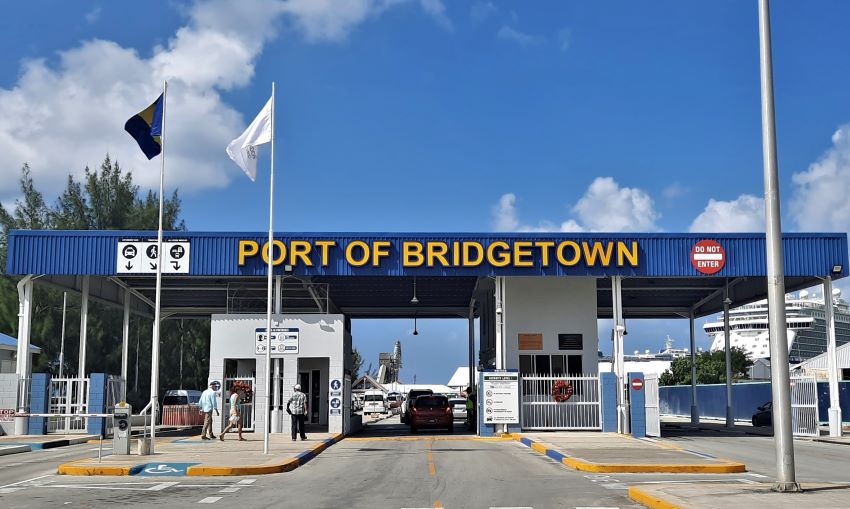
Shed 4 at Bridgetown Port closed for cleaning
Operations at Shed 4 of the Bridgetown Port in Barbados were halted today following an environmental issue that impacted the Customs Office. Barbados Port Inc. announced that the situation necessitated industrial cleaning, leading to the temporary suspension of cargo activities. Despite the closure, port officials confirmed that container services and the delivery of personal effects from Shed 2 remain unaffected and will continue as usual until 11 p.m. The port authority anticipates that commercial operations at Shed 4 will resume by Wednesday, ensuring minimal disruption to overall port activities.
-
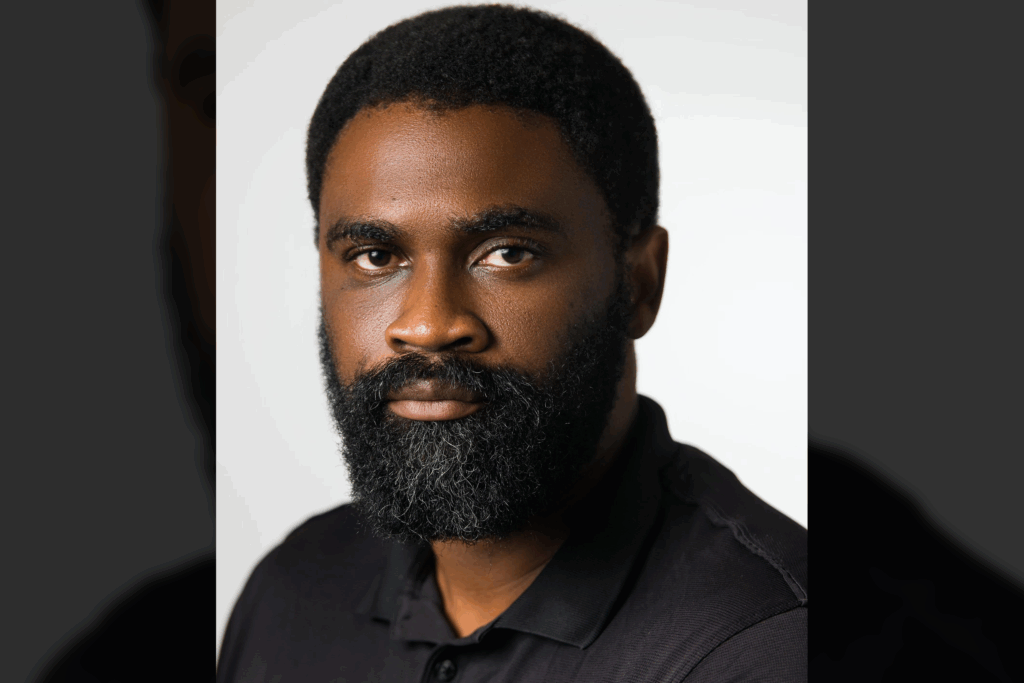
Economist to private sector: Take greater risks to drive growth
Renowned economist Jeremy Stephen has called on the private sector to abandon its risk-averse mindset and embrace bolder investments, emphasizing that over-reliance on government spending is hampering economic growth and perpetuating unsustainable public debt levels. Speaking in response to the Latin American Economic Outlook 2025 report by the Organisation for Economic Co-operation and Development (OECD), Stephen highlighted the urgent need for governments to prioritize mobilizing private investment and move away from ineffective tax incentives. He stressed that innovative financing mechanisms, such as green bonds, could play a pivotal role in attracting both local and foreign investors. Stephen argued that excessive dependence on government initiatives fosters complacency, stifling the economy’s potential. He pointed to Barbados’ weak private sector participation as a key factor behind its unsustainable debt, urging businesses to take calculated risks despite the challenging environment. The OECD report underscores Barbados’ heavy reliance on tourism, which leaves the economy vulnerable to external shocks and limits inclusive growth. It advocates for diversification into sectors like creative industries, renewable energy, and digital services to build resilience. Stephen also criticized the lack of private initiatives in exploring new tourism markets, citing the absence of self-funded roadshows to regions like China and the Middle East. He emphasized the need for a stronger enabling environment to encourage risk-taking and innovation. The report recommends a comprehensive strategy to mobilize private investment, reduce government dependency, and improve fiscal space. Stephen concluded that redefining the public-private partnership model is essential for reducing Barbados’ debt and securing sustainable growth.
-
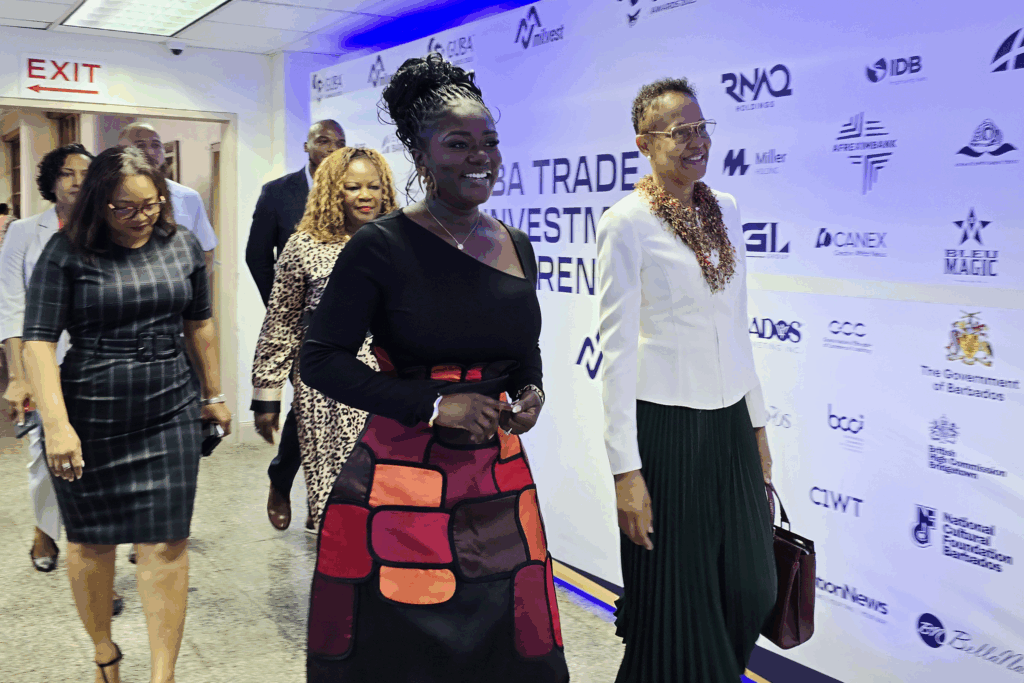
Barbados, Africa urged to seize trade and investment opportunities
Barbados and its Caribbean neighbors have been called upon to explore untapped trade and investment opportunities with Africa, as senior officials convened in Bridgetown for the inaugural GUBA Awards and Trade and Investment Forum. The event, which began on Monday, aims to strengthen economic and cultural ties between Africa and the Caribbean, celebrating the achievements of individuals and organizations from both regions. Lady Dentaa Amoateng, CEO of the GUBA Foundation, emphasized the vast potential for growth, noting that intra-African trade accounts for only 16% of the continent’s total trade, while intra-Caribbean trade stands at around 14%. She highlighted the combined GDP of over $3.5 trillion and a population exceeding 1.4 billion as a testament to the untapped potential. Amoateng called for structured partnerships, including industrial and investment networks, to unlock the trade corridor between the two regions. She pointed to the African Continental Free Trade Area and the Caribbean Single Market and Economy as key platforms for fostering growth. Deputy Prime Minister Santia Bradshaw of Barbados underscored the historical connections between the Caribbean and Africa, highlighting Barbados’s efforts to deepen engagement with African nations such as Ghana, Kenya, and Rwanda. She noted the signing of bilateral agreements, including an air services agreement with Rwanda, and efforts to attract pharmaceutical manufacturing to Barbados. Bradshaw also emphasized the island’s transparent policies, double taxation agreements, and strategic partnerships as factors making it an attractive gateway for African investment into the Americas. The foundation’s chartered flight from Africa to Barbados is set to arrive tomorrow, symbolizing the growing collaboration between the two regions.
-
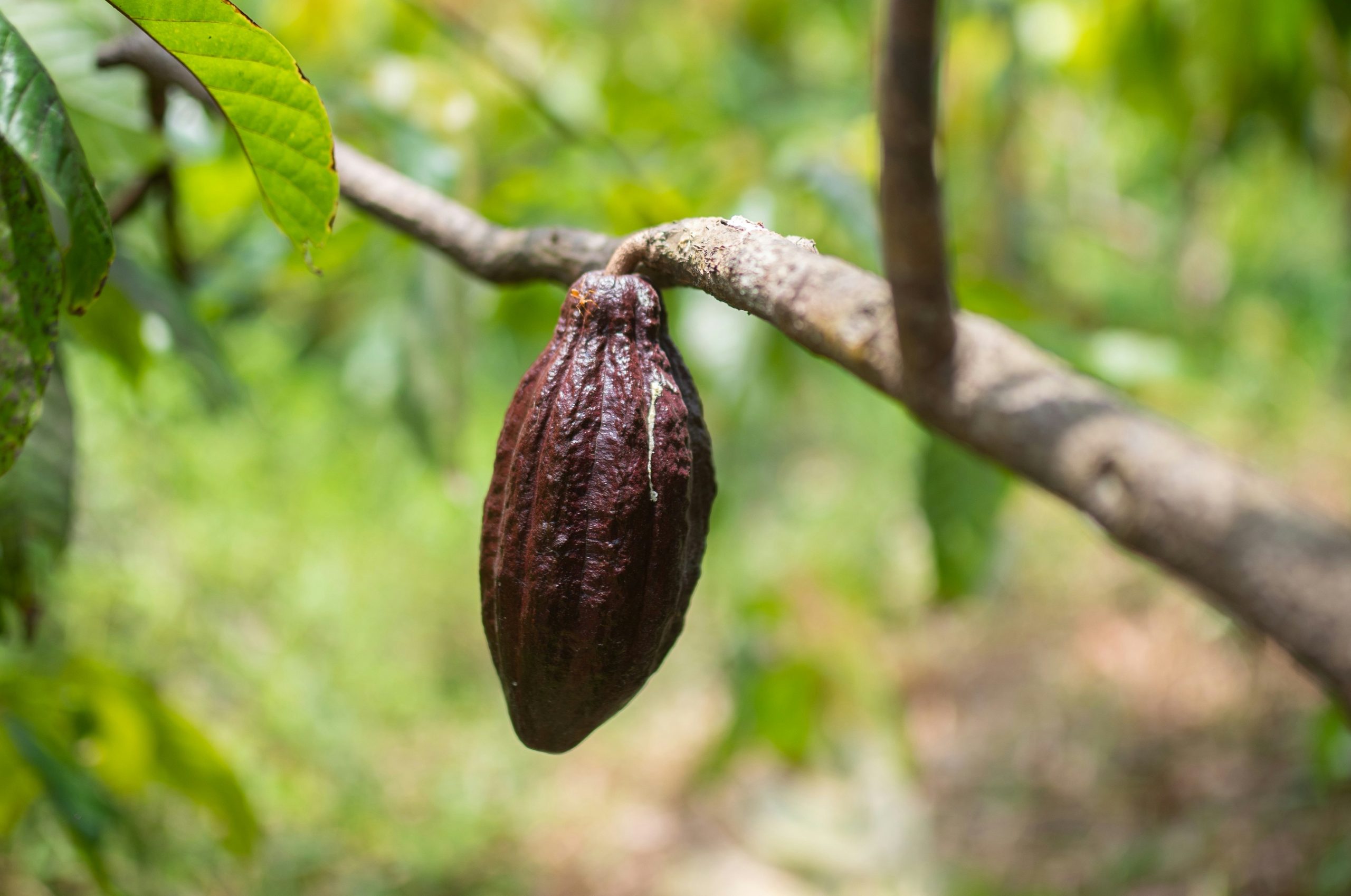
Dominican Republic records US$692.5 million in Cocoa exports for 2024–2025 season
The Dominican Republic has marked a historic milestone in its cocoa industry, achieving record-breaking exports during the 2024–2025 harvest year. A total of 77,453.6 metric tons of cocoa, valued at $692.5 million, were exported, representing a 25% increase in volume and a significant 63.8% rise in revenue compared to the previous year’s figures of 61,877.11 metric tons worth $422.8 million. This surge added an impressive $269.7 million to the nation’s export earnings.
-
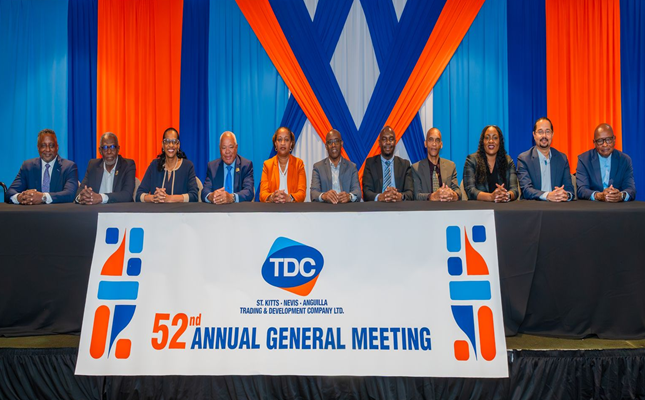
TDC Hosts 52nd Annual General Meeting: Building Dreams and Securing Futures
The St. Kitts Nevis Anguilla Trading and Development Company Limited (TDC) marked a historic milestone during its 52nd Annual General Meeting (AGM), held on November 5, 2025, at the St. Kitts Marriott Resort. Under the theme ‘Building Dreams, Securing Futures,’ the event highlighted the company’s exceptional financial performance and strategic achievements for the fiscal year ending March 31, 2025. Chairman and CEO Earle Kelly opened the meeting by thanking shareholders for their steadfast support, emphasizing their critical role in TDC’s success. CFO Maritza Bowry presented a detailed financial analysis, revealing record-breaking revenue and profitability. The company achieved its highest-ever Profit Before Tax from Continuing Operations at EC$18.675 million, a significant increase from the previous year’s EC$15.763 million. Over its 51-year history, TDC has distributed EC$78.8 million in dividends, including EC$4.68 million for the latest fiscal year. The AGM also addressed upcoming leadership changes, with Mr. Wendell Lawrence set to become Chairman and Mr. Nicolas Menon appointed as CEO following Mr. Kelly’s retirement on January 31, 2026. The event concluded with heartfelt tributes to Mr. Kelly for his decades of leadership, culminating in the presentation of a commemorative plaque honoring his contributions to TDC’s growth and success.
-
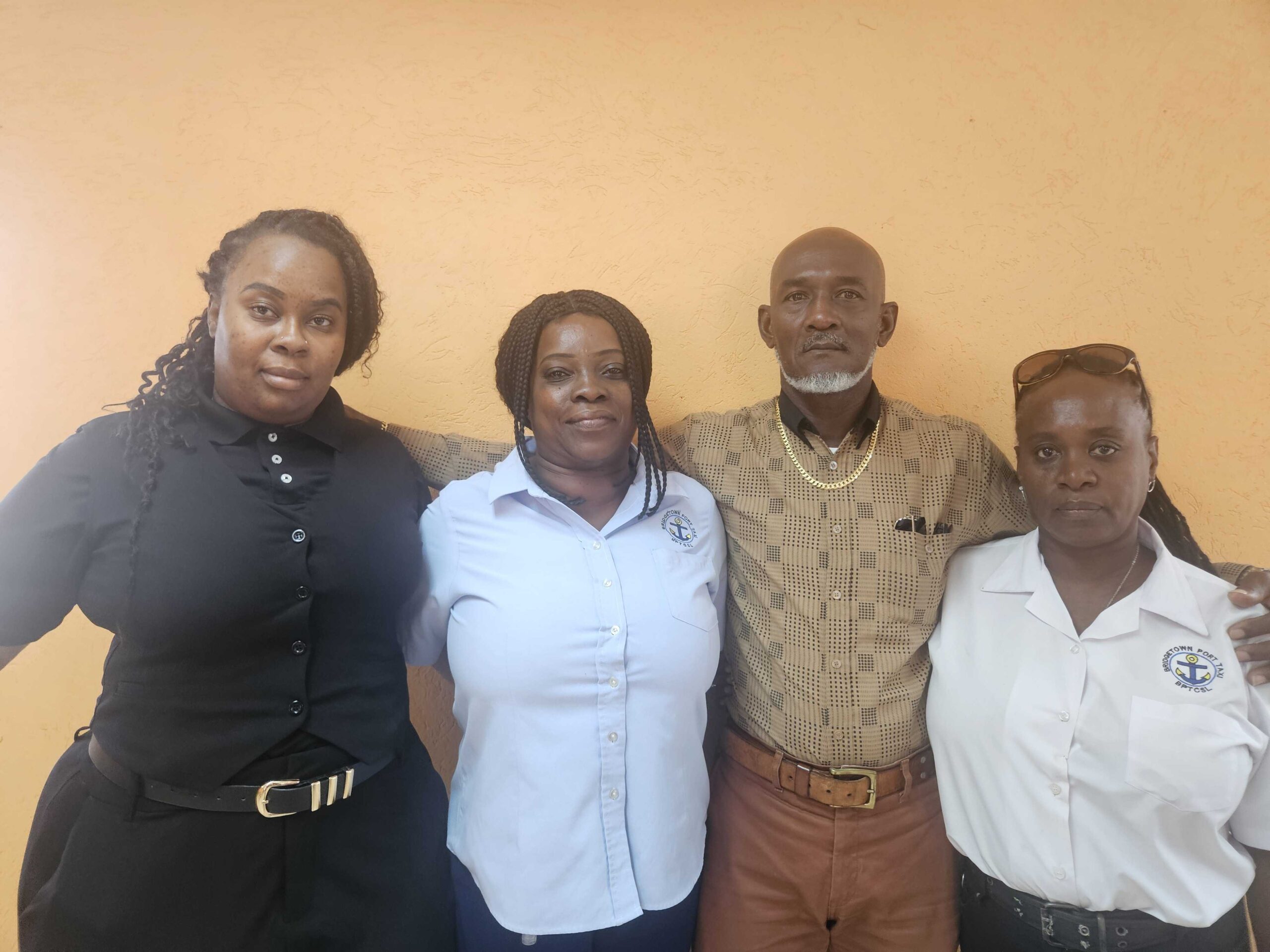
Taxi drivers urged not to join Uber
Barbados taxi representatives have issued a stern warning to local operators, urging them to resist joining the global ride-hailing giant Uber. They argue that Uber’s entry into the market poses a significant threat to the livelihoods of thousands of taxi drivers whose businesses have been built over generations. Anthony Harewood, a representative of the taxi fraternities at the airport and the Barbados Transport Co-operative Society Limited, emphasized the need to protect their hard-earned industry. ‘Do not sign up with Uber,’ he declared. ‘Protect what is ours.’
-

Policy Forum Guyana maintains GYEITI’s civil society convenor in conflict of interest
Policy Forum Guyana (PFG) has raised significant concerns over the appointment of Dr. Ivor English as the civil society convenor for the Guyana Extractive Industries Transparency Initiative’s Multi-Stakeholder Group (MSG), citing a potential conflict of interest due to his extensive ties to the mining sector. Despite assurances from Natural Resources Minister Vickram Bharrat that Dr. English is not in a conflict of interest, PFG maintains that his involvement in mining concessions undermines the impartiality and governance of the role. Dr. English was granted gold-mining concessions totaling 19,586 acres in 2014, later subdivided into 17 permits, 13 of which were medium-scale mining permits. While Minister Bharrat stated that Dr. English is no longer active in gold or sand mining, Dr. English himself hinted at potential future mining activities. PFG criticized the Minister’s justification for the appointment, which emphasized Dr. English’s religious affiliation rather than addressing his mining interests. The organization also highlighted that this appointment marks the second attempt by Minister Bharrat to allegedly control civic appointments within GYEITI through opaque procedures. Earlier this year, the Minister appointed the Chair of the Private Sector Commission, a decision later reversed following intervention from the EITI International Secretariat. PFG emphasized the importance of transparent and impartial selection processes, particularly in a fragile democracy, and called for full civic engagement in the upcoming MSG meeting at the Marriott Hotel to uphold transparency and accountability in Guyana’s extractive industries.
-
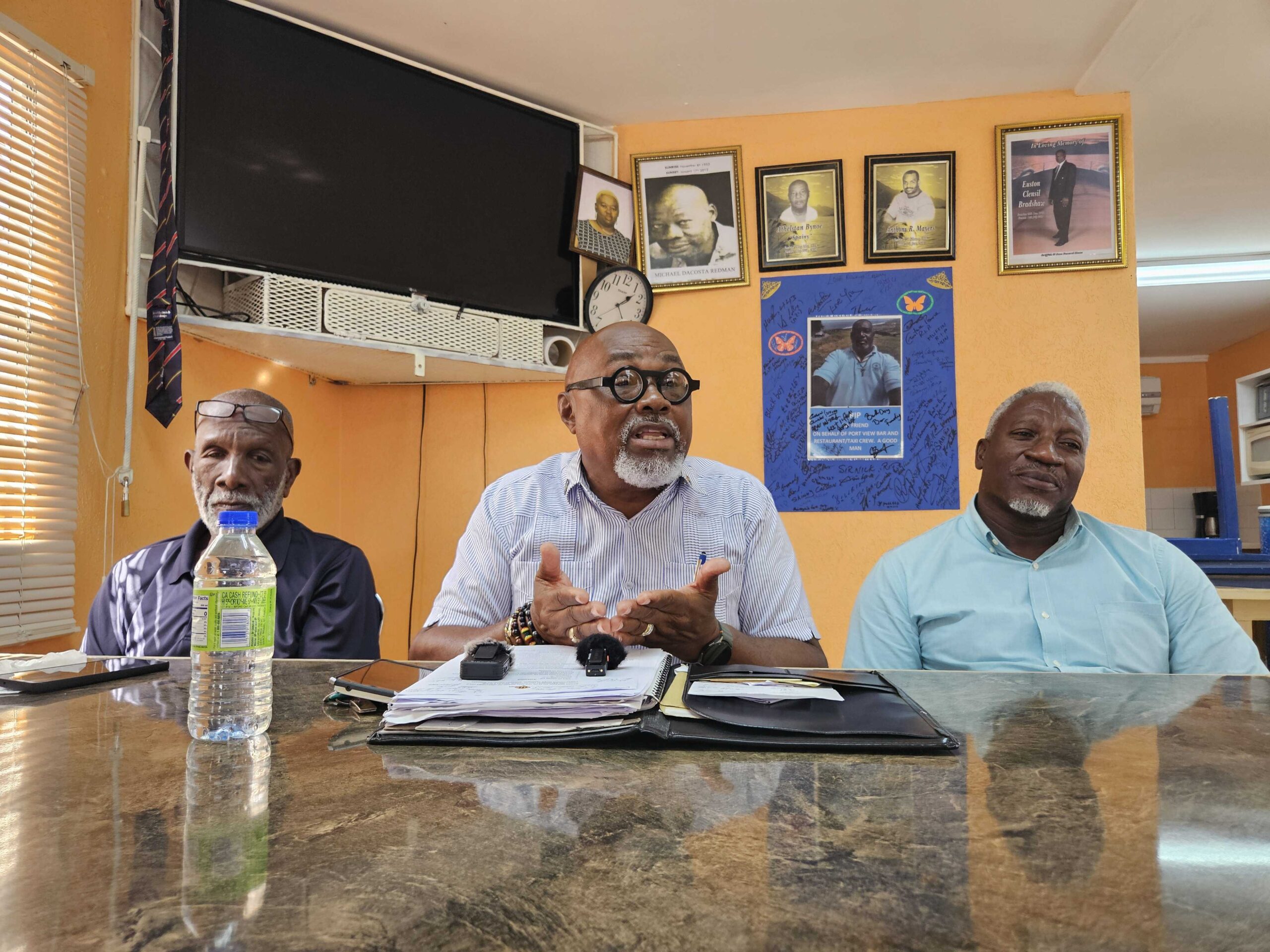
Taxi body claims Uber defying Port restriction
Taxi operators at the Bridgetown Port have raised serious concerns over Uber and its franchise owner, Go Capita, allegedly breaching a government-imposed restriction that prohibits Uber pick-ups around the port area. This violation, they argue, is threatening their livelihoods and has reignited calls for stricter enforcement of taxi regulations. Adrian Smiley Bayley, president of the Bridgetown Port Taxi Co-operative, highlighted the issue during a press conference, stating that Prime Minister Mia Mottley had explicitly instructed Uber to cease operations near the port during a recent meeting with taxi operators. Despite this directive, an Uber-registered driver was reportedly seen picking up passengers directly outside the port gates last week. Bayley presented photographic evidence and emphasized that the incident occurred just six days after the meeting with the Prime Minister. He also revealed that an official report of the incident has been forwarded to Deputy Prime Minister Santia Bradshaw, who serves as the Minister of Transport. Raymond Gill, a representative of Go Capita, acknowledged the complaint and assured that the company would investigate the matter, suggesting that a technical glitch might have caused the breach. Bayley, however, remains steadfast in his demand for a fair resolution, vowing to continue advocating for a level playing field for all taxi operators. He also accused Go Capita of betraying its long-standing partnership with the taxi industry, particularly in relation to the Harbour Lights nightclub, which has benefited significantly from the collaboration with taxi operators over the years. Bayley concluded by urging the government to exert pressure on franchise owners operating in Barbados to ensure compliance with the established regulations.
-
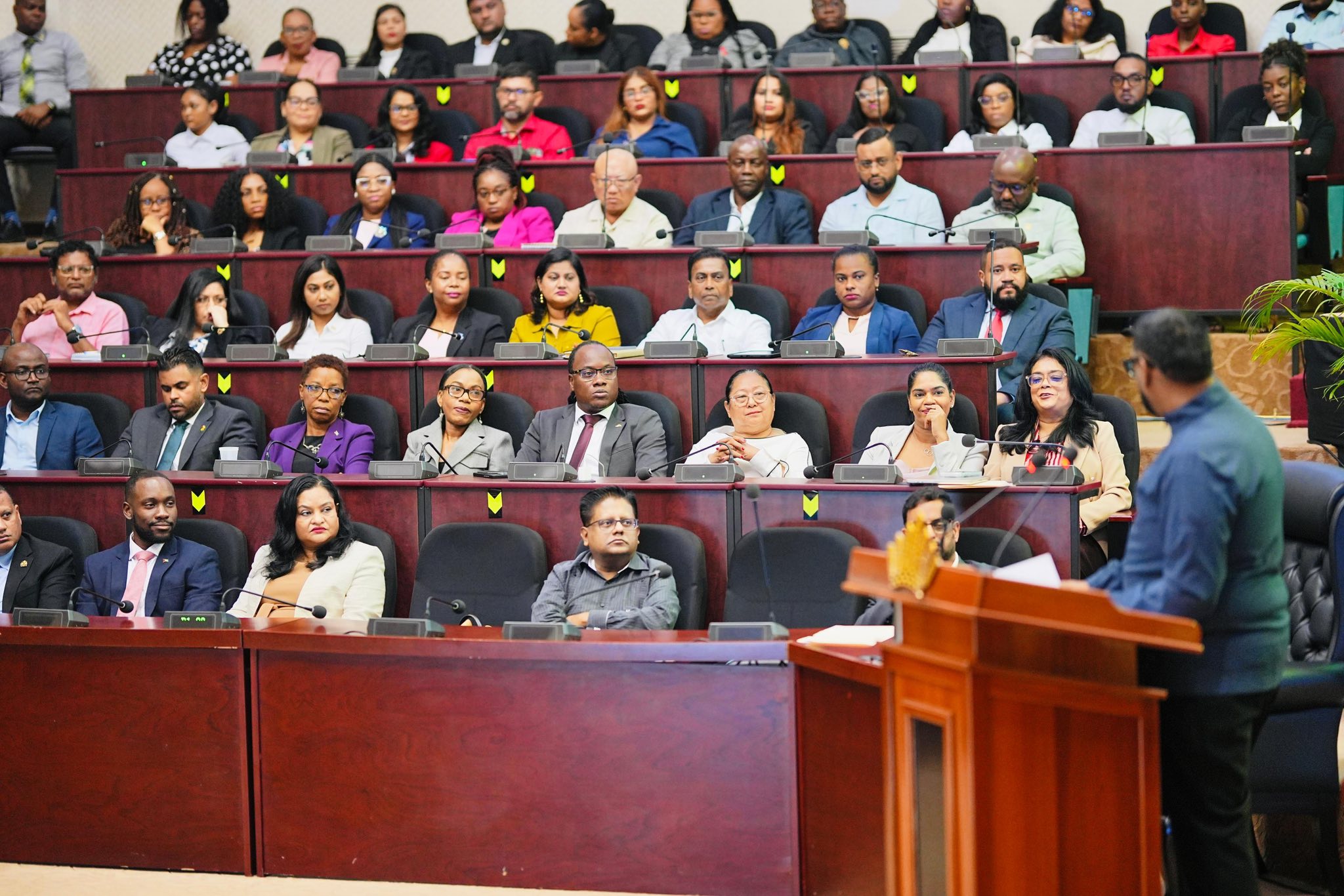
Public servants promotions to be “tied” to successful training, NIS, public service records to be digitised
In a significant move to modernize its public sector, Guyana has announced that promotions for public servants will now be contingent upon the successful completion of free courses offered through the newly launched Public Service Upskilling Platform. This initiative is part of a broader government effort to digitize operations, including the National Insurance Scheme (NIS) records and the entire public service system. Minister of Public Service and Government Efficiency, Zulfikar Ally, emphasized that these certifications will serve as crucial markers for professional development and career advancement. ‘These certifications can and will be tied to your professional development, your advancement, and your promotions within the public service,’ Ally stated during the platform’s launch. The courses, provided via the U.S.-based global online learning platform Coursera, will offer certificates that act as proof of new skills and ‘tickets’ for career progression. President Irfaan Ali has set ambitious deadlines for the digitization of NIS records within eight months and the public service’s human resource information system within five months. Ali highlighted that these digital transformations aim to enhance efficiency, productivity, and competitiveness by reducing transaction times and costs. Furthermore, the President envisions a ‘palm-driven service delivery’ system, enabling government officials to work remotely and deliver services directly to citizens via mobile devices. Ali also mandated that farmers gain access to a digital tool within four months, providing them with real-time field information, weather updates, and agricultural extension services. The Centre of Excellence in Agriculture is expected to be fully integrated into this digital framework. These initiatives collectively aim to propel Guyana ahead of its competitors by leveraging technology to streamline government operations and empower its workforce.