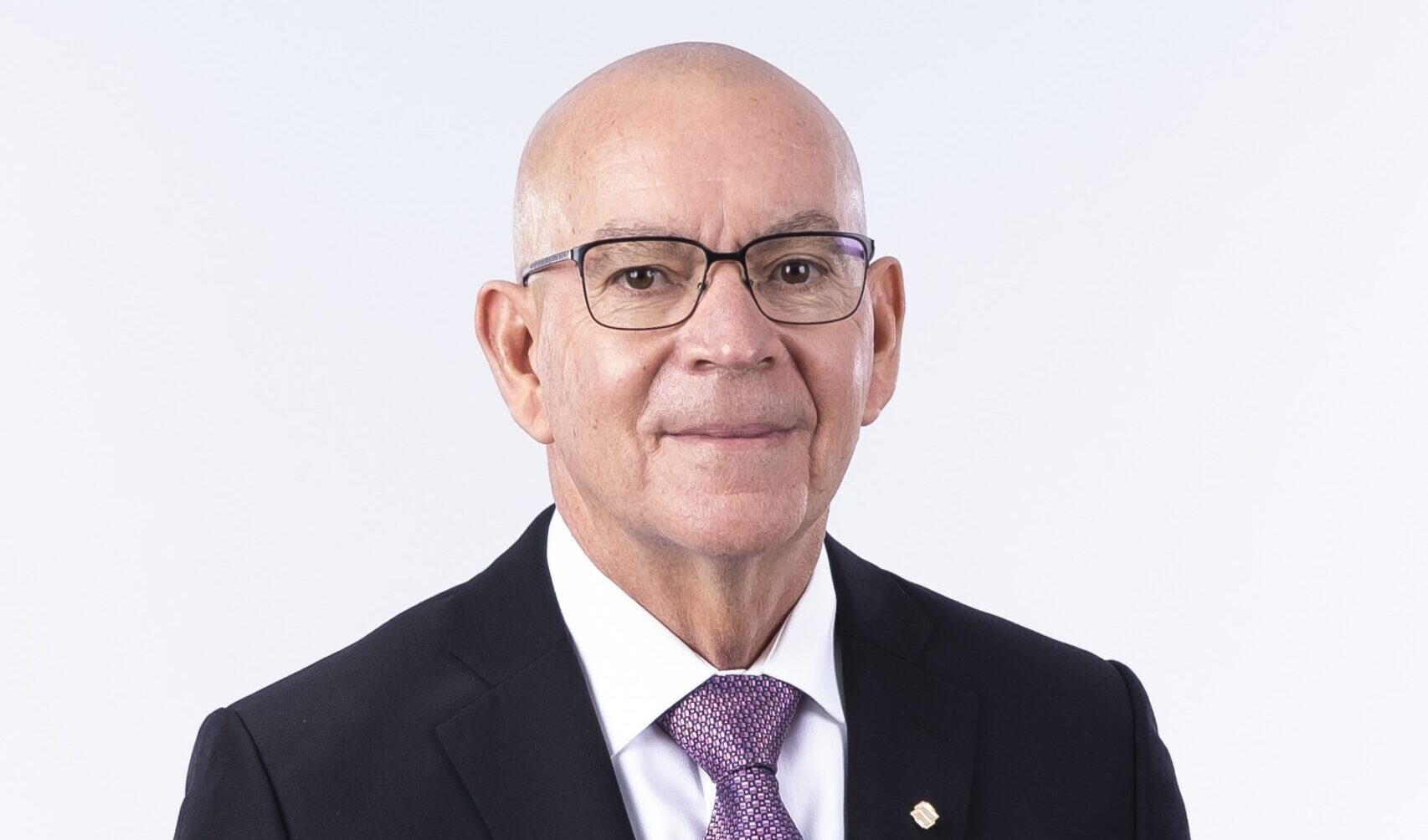
Republic Financial Holdings Limited (RFHL) has announced a record-breaking profit of US$329 million for the fiscal year ending September 30, 2025, marking a significant increase of US$29 million (9.7%) compared to the previous year’s US$300 million. This milestone underscores the earnings available to shareholders and reflects the company’s robust financial health. Chairman Vincent A. Pereira credited this exceptional performance to sustained loan growth, enhanced operational efficiency, and prudent risk management. Pereira emphasized that the past year was characterized by strong performance, disciplined execution, and meaningful progress, even in the face of a challenging global and regional economic landscape. The Board of Directors declared a final dividend of US$0.58 per share, bringing the total annual dividend to US$0.90 per share, a 5.3% increase from the previous year. Pereira highlighted RFHL’s solid capital and liquidity positions, which provide a strong foundation for continued growth and innovation across its sixteen countries of operation. The company has also prioritized strategic initiatives such as improving customer experience, accelerating digital transformation, and embedding sustainability and governance into its operations. Additionally, RFHL has demonstrated a strong commitment to social impact through various community investment programs, focusing on youth development, small business growth, and building inclusive economies. Looking forward, Pereira expressed confidence in the group’s ability to navigate global uncertainties and market volatility, reaffirming its strategic focus on delivering sustainable value to shareholders, exceptional service to customers, and fostering a culture of integrity, innovation, and inclusion.
分类: business
-
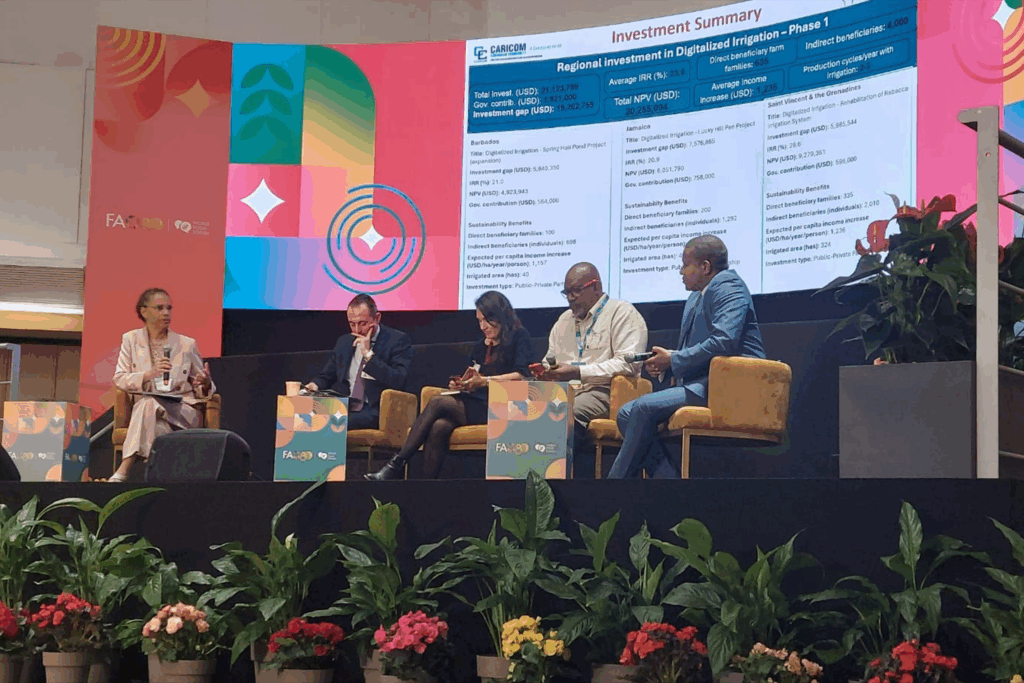
C’bean pushes for scaled-up agricultural irrigation investment at investment forum
A high-level Caribbean delegation, including Floyd Greene, Jamaica’s Minister of Agriculture, Michael James, Barbados’ Chief Agriculture Officer, and Shaun Baugh, CARICOM’s Agriculture Programme Manager, made a strong case for enhanced investment in food and agriculture at the FAO Hand-in-Hand Investment Forum 2025 in Rome, Italy, from October 14 to 16. The delegation engaged in strategic discussions with four major development banks—CAF, CDB, IDB, and the World Bank—focusing on irrigation and climate-resilient agriculture as key to boosting regional food production, reducing import reliance, and fostering sustainable employment. CAF, which has financed over $200 billion in regional projects, pledged technical assistance and pre-feasibility grants up to $1 million, while CDB reaffirmed its commitment to Jamaica, its largest shareholder, with concessional loans. The $19.2 million regional initiative aims to provide irrigation to 764 hectares, benefiting 635 families directly and 4,000 people indirectly, while aligning with CARICOM’s goal to cut food imports by 25% by 2030. Projects include irrigation ponds in Barbados, surface water networks in Jamaica, and infrastructure rehabilitation in St Vincent and the Grenadines. Minister Greene emphasized irrigation as the backbone of agricultural transformation, while James highlighted the necessity of local production. The IDB and World Bank offered diverse financing options, and private-sector partners showcased advanced irrigation technologies. This collaboration marks a significant step toward a more resilient and food-secure Caribbean.
-
Central Bank of Barbados warns public of fraudulent website
The Central Bank of Barbados has issued a stern warning to the public regarding a deceptive website that mimics the Bank’s branding to defraud individuals. In an official statement released on Wednesday, the Bank identified bimpayer.pro as a fraudulent platform designed to mislead users and extract payments. The Bank emphasized that it never solicits money or payments from the public and urged citizens to avoid interacting with the site, sharing personal information, or making any transactions. The Central Bank reiterated that the only legitimate website for its national instant payment system, BiMPay, is www.bimpay.bb, accessible via the Bank’s primary website at www.centralbank.org.bb. Any other site claiming association with the Central Bank or BiMPay should be approached with skepticism. Individuals who have already engaged with the fraudulent site are advised to report the incident to the Barbados Police Service and seek guidance from the Central Bank’s Corporate Communications Unit.
-
Barbados strengthening international ties to boost investment
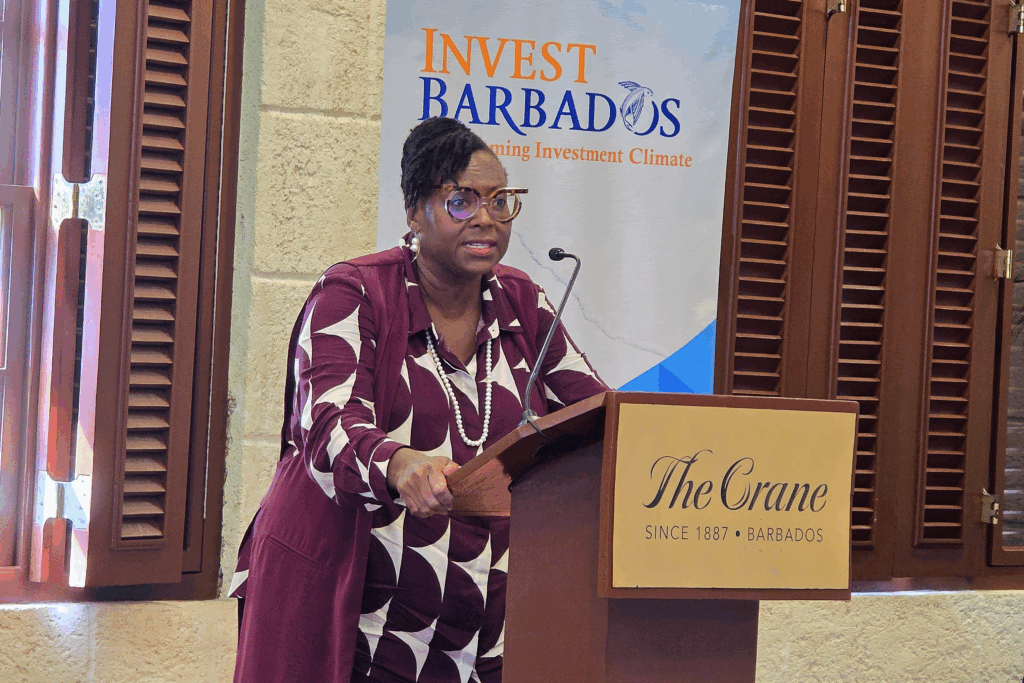
Barbados is actively broadening its diplomatic and economic horizons to attract global investment, as the island nation shifts toward a greener and more diversified economic model. Speaking during a British trade mission to Barbados on Wednesday, Minister of Economic Affairs and Investment Kay McConney emphasized the government’s strategy to forge new partnerships across Africa, the Middle East, and Asia. This move is part of a broader effort to diversify the nation’s economic base and strengthen ties with both traditional and emerging markets. McConney highlighted that Barbados has already expanded its diplomatic relations with countries such as the United Arab Emirates, Qatar, and others, and is preparing to establish a physical diplomatic presence in India. The minister underscored that Barbados’ investment strategy is inclusive, welcoming funding from governments, private sectors, and international agencies. ‘Barbados is open for business to the entire world,’ she stated, emphasizing opportunities for all investors. While deepening ties with the United Kingdom remains a priority, McConney clarified that this is part of a comprehensive global strategy. Export Barbados CEO Mark Hill noted that UK companies are increasingly interested in Barbados’ green industrial initiatives, viewing the Caribbean as a prime location for sustainable development. Hill also highlighted the success of Barbados’ intellectual property investment program, which has attracted attention from European firms, including German companies. He projected that a $2 million increase in IP investment could yield an economic impact of $3 to $4 billion, aligning Barbados with global trends in decarbonization and innovation.
-
Barbados ‘greenfield hub’ for clean, tech-driven industry
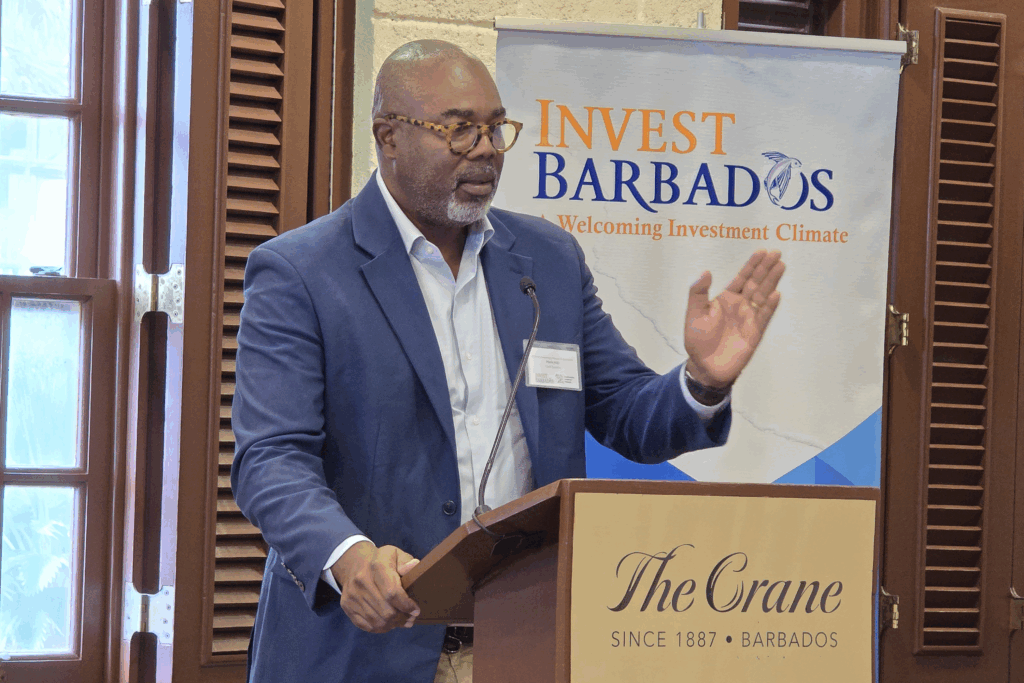
Barbados is strategically positioning itself as a prime destination for clean, technology-driven industrial investment, capitalizing on Europe’s decarbonization efforts. Mark Hill, CEO of Export Barbados, emphasized the nation’s focus on intellectual property (IP) and tax incentives to attract global investors. Speaking at the sixth annual UK Trade Mission to Barbados Business Forum, Hill highlighted the country’s shift from traditional manufacturing to IP-led growth, ensuring creators feel secure in protecting their innovations.
Barbados has introduced the Patent Box initiative, offering tax reductions from 9% to 4.5% for manufacturers operating on the island. This framework, Hill noted, positions Barbados as a global leader in IP-based tax systems, surpassing even Malta and the EU for businesses earning under $750 million annually. The government aims to increase industry’s contribution to GDP from 5-10% to 20-25% over the next decade through this IP-focused strategy.
Export Barbados has also launched the GIGA programme, fostering sustainable, high-tech industrial growth and boosting exports. The initiative aims to transform Barbados into a regional innovation leader by focusing on advanced technology and green industries. Hill underscored the importance of intellectual capital, stating that IP is the core asset of any business, attracting further investment.
As European economies transition from “brownfield” sites to “greenfield” locations, Barbados has emerged as an attractive option for affordable, modern industrial development. Hill emphasized that the future of industrialization lies in robotics, automation, cybersecurity, and data-driven processes, rather than traditional labor-intensive methods.
Barbados is also enhancing its data security infrastructure, inviting investors to build customized data systems on the island. This positions Barbados as a secure, off-grid industrial hub with robust cybersecurity frameworks and access to cutting-edge technologies, enabling rapid scalability for businesses.
-
Official Administrator Appointed for Global Bank of Commerce
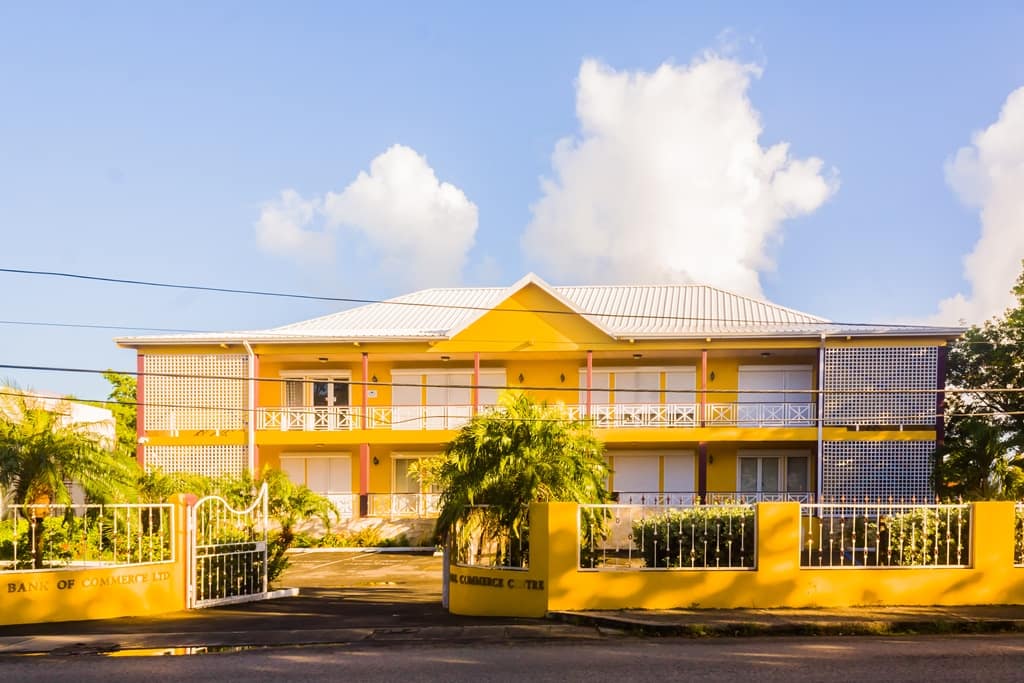
In a significant regulatory move, the Financial Services Regulatory Commission (FSRC) has appointed an Official Administrator to oversee the operations of the Global Bank of Commerce Limited. This action was taken under Section 104 of the International Banking Act, 2016 (No. 6 of 16 as amended), and became effective on November 10, 2025, as confirmed in a notice issued on November 12. The appointed Official Administrator has assumed full control, taking over “all of the duties and powers previously vested and discharged by the directors of the Bank.” The administrator’s role includes exercising, performing, and discharging all statutory powers, duties, and liabilities of the institution in accordance with the law for a limited period. The primary objective of this appointment is to conduct a thorough review of the bank’s financial position and present a detailed report to the FSRC. Despite the intervention, the bank has assured stakeholders that it “will continue to operate as normal.” Customers, creditors, and other stakeholders will be contacted to discuss the status of their obligations and confirm that all existing arrangements remain intact. The official communication was issued under the Global Bank of Commerce letterhead and signed by the Official Administrator, who has been designated “without personal liability.”
-
Central Bank of Barbados warns public of fraudulent website
The Central Bank of Barbados (CBB) has issued a public alert regarding a deceptive website, bimpayer.pro, which is fraudulently using a logo resembling that of the Bank to solicit payments from individuals. This site is a calculated effort to mislead the public and engage in illicit activities. The CBB strongly advises individuals to avoid visiting or making payments through this platform and to refrain from sharing any personal or financial details. It is crucial to note that the Central Bank does not solicit money or payments from the public. The official website for the national instant payment system is www.bimpay.bb, which can also be accessed via the Bank’s primary website, www.centralbank.org.bb. Any other site claiming association with the Central Bank or BiMPay should be approached with utmost caution. Individuals who have already made payments or shared information through bimpayer.pro are urged to report the incident promptly to the Barbados Police Service and to seek guidance from the Central Bank’s Corporate Communications Unit.
-
COMMENTARY: Eye on The Economy – Resilient Future
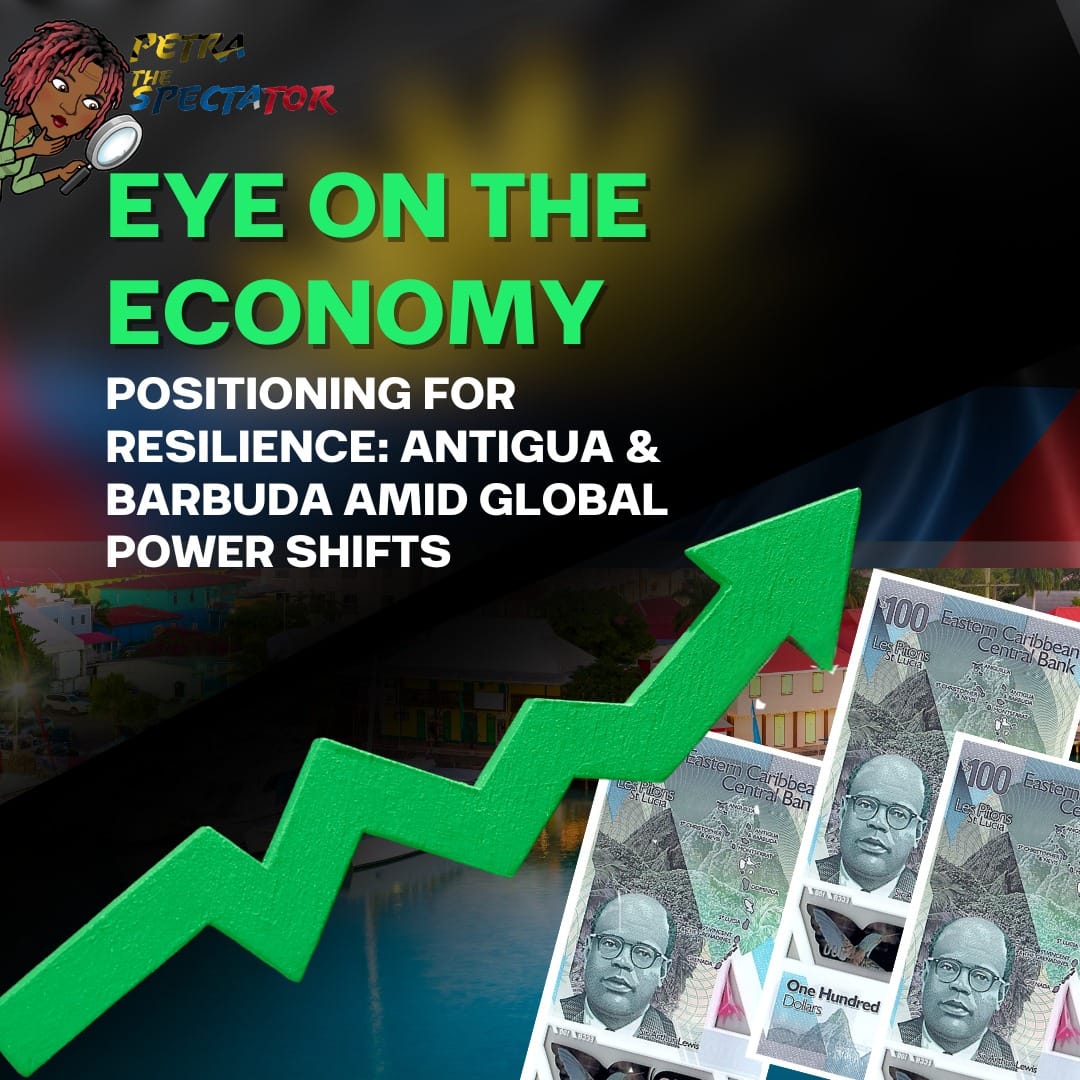
In an era marked by unprecedented global challenges, the concept of economic resilience has emerged as a cornerstone for sustainable development. The recent commentary titled ‘Eye on The Economy – Resilient Future’ delves into the critical strategies required to fortify economies against future uncertainties. The analysis underscores the importance of diversifying economic sectors, investing in innovation, and fostering robust public-private partnerships. By leveraging technological advancements and prioritizing green initiatives, nations can mitigate risks associated with climate change and geopolitical instability. Furthermore, the commentary highlights the role of adaptive policies in ensuring long-term economic stability. As the world navigates through complex economic landscapes, the emphasis on resilience is not merely a precautionary measure but a strategic imperative for fostering inclusive growth and prosperity.
-
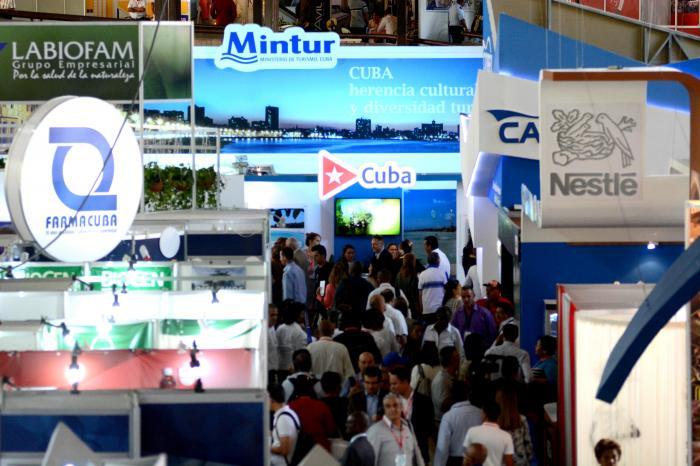
Havana prepares to host the largest trade fair in the Caribbean
From November 24 to 29, 2025, the 41st edition of the Havana International Fair (FIHAV 2025) will convene in Cuba, serving as a pivotal platform for national and international businesses to explore trade opportunities and gain insights into the country’s productive and export capabilities. This year’s event is particularly significant as it unfolds against a backdrop of heightened economic challenges, including the intensification of the U.S. government’s economic blockade and the aftermath of Hurricane Melissa, which severely impacted the eastern regions of Cuba.
Oscar Pérez-Oliva Fraga, Cuba’s Deputy Prime Minister and Minister of Foreign Trade and Investment, emphasized the importance of FIHAV 2025 during a recent press conference. He highlighted that the fair will feature the 8th Investment Forum, where an updated Foreign Investment Opportunities Portfolio will be unveiled. Additionally, the Caribbean Banking Forum will be held to foster regional integration and collaborative strategies among Caricom member states, the Caribbean Banking Association, and the Cuban banking system.
To date, 16 official delegations and representatives from 47 countries have confirmed their participation, with notable attendance from China. Other key participants include the Director of the Colon Free Zone in Panama, executive secretaries of ALBA-TCP and the Latin American Economic System, the Secretary General of the Latin American Integration Association, and 15 trade and foreign investment promotion agencies. This diverse participation underscores the global interest in Cuba’s economic potential despite its current adversities.
-
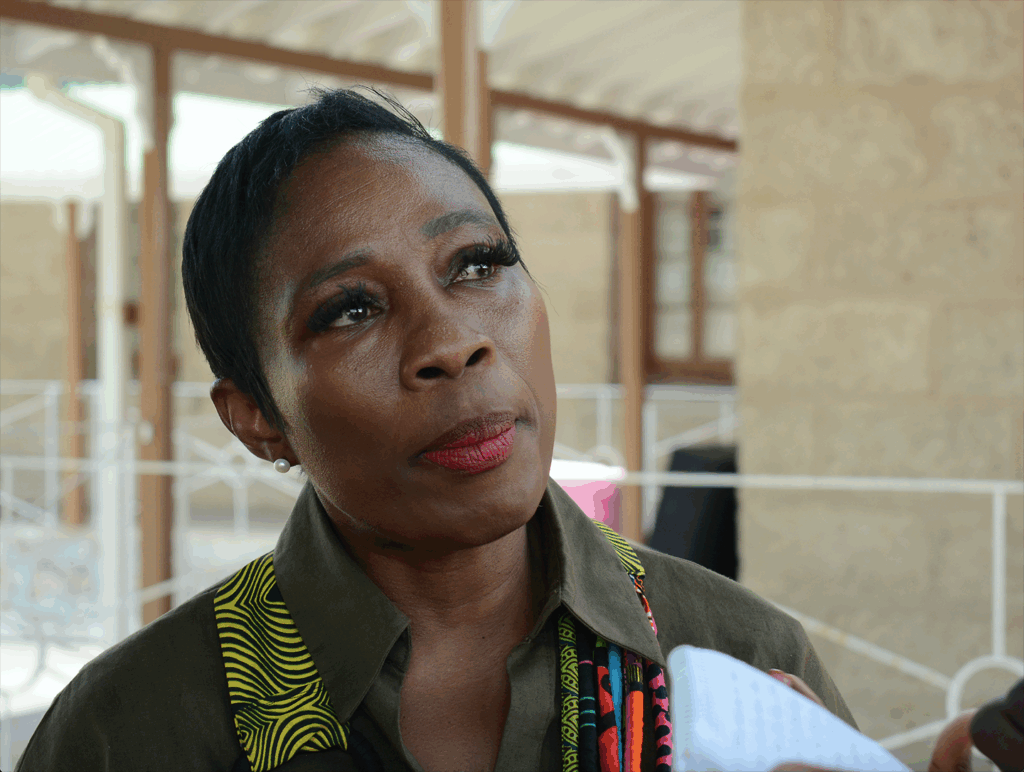
Look beyond IMF as access to climate finance tightens – senator
Barbados is taking decisive steps to diversify its development financing sources and reduce its dependence on traditional international lenders, as global climate finance becomes increasingly constrained. Senator Shantal Munro-Knight, Minister in the Prime Minister’s Office with responsibility for Culture, emphasized the urgency of this shift during a Senate session on Wednesday. The Senate debated the Development Bank of Latin America and the Caribbean (CAF) Bill, which formalizes Barbados’ full membership in CAF by replacing the Latin American Development Bank Act. Munro-Knight highlighted that while some global institutions are retreating from climate financing, CAF offers a regional alternative that is flexible, responsive, and tailored to the needs of small states like Barbados. She pointed out that the International Monetary Fund (IMF) is being urged to return to its core mission, potentially reducing its focus on climate financing, which poses challenges for middle-income, climate-vulnerable nations. Munro-Knight stressed the need for Barbados to proactively build partnerships and buffers to mitigate external shocks. She noted a decline in official development assistance (ODA) to Latin America and the Caribbean, with private capital primarily flowing into energy projects, leaving critical sectors like health, education, and housing underfunded. CAF, she argued, understands the region’s realities and provides a platform for Caribbean nations to shape solutions collectively. Under the new legislation, Barbados will acquire 34,834 Series C shares in CAF, valued at $494.6 million, enabling access to financing worth 18 times that amount over 15 years. This investment will transition Barbados to full membership, granting it a seat on CAF’s board of directors and enhancing its influence in regional decision-making. CAF has already demonstrated its value as a development partner, approving $700,000 in technical assistance for the Barbados Water Authority and funding infrastructure projects on the South Coast. Additionally, CAF has supported cultural initiatives like CARIFESTA and heritage projects, including the digitization of national archives and the development of a heritage district. The phased investment over 15 years will allow Barbados to manage its financial commitments while gaining immediate access to development resources, safeguarding its fiscal space and strengthening its resilience to climate and economic shocks.