分类: business

  • Guyana tekent exploratiecontract met Cybele Energy voor ondiepwaterblok S7

    Guyana tekent exploratiecontract met Cybele Energy voor ondiepwaterblok S7

    In a landmark development for South America’s emerging energy hub, Guyana has inked a significant petroleum agreement with Ghana’s Cybele Energy Ltd., marking the first African energy company to secure an offshore oil block outside Africa. The signing ceremony, held Tuesday at Pegasus Suites in Georgetown, featured Natural Resources Minister Vickram Bharrat and Cybele CEO Beatrice Mensah-Tayui formalizing the production sharing agreement (PSA) for shallow water Block S7.

    The $17 million signing bonus agreement follows Guyana’s standardized fiscal framework implemented since 2023, featuring 10% royalty on production, 10% corporate income tax, 65% cost recovery ceiling, and profit oil sharing between the state and operator. Minister Bharrat emphasized these terms strike an improved balance between investor incentives and national revenue compared to earlier contracts.

    Block S7 represents a pure exploration play with no discovered reserves or existing production. The initial five-year phase will focus exclusively on seismic studies and geological evaluations, with no mandatory drilling requirements for the first three years. Drilling commitments will only trigger based on technical results from these preliminary assessments.

    The agreement culminates three years of technical data analysis and market access negotiations by Cybele Energy. The achievement has been hailed in Ghana as a strategic breakthrough demonstrating the global expansion capabilities of African energy firms, particularly noteworthy as it’s led by a female CEO.

    This partnership aligns with Guyana’s broader sector diversification strategy, complementing ExxonMobil’s deepwater operations by intentionally attracting new entrants and regional players to develop shallow water blocks. The approach aims to maximize both economic returns and opportunities for local enterprises in one of the world’s fastest-growing oil provinces.

  • Nieuwe bedrijfsdirectory stimuleert samenwerking Suriname–Guyana

    Nieuwe bedrijfsdirectory stimuleert samenwerking Suriname–Guyana

    PARAMARIBO – The fourth edition of Who’s Who in Suriname Business was officially unveiled at Royal Torarica during a high-profile gathering that brought together business leaders, diplomatic missions, investors, and regional partners. This comprehensive directory, developed with strategic support from the Suriname-Guyana Chamber of Commerce (SGCC), has established itself as a vital platform for enhancing corporate visibility, business profiling, and cross-border collaboration throughout the Guiana Basin region.

    Minoushi Filemon, SGCC Membership Lead, emphasized during the launch ceremony that the publication is evolving into an essential strategic tool for companies seeking to strengthen their market positioning. The directory serves dual purposes by simultaneously assisting international investors in identifying reliable local partners while enabling Surinamese entrepreneurs to expand their regional footprint.

    Keynote speaker and publisher Vishnu Doerga highlighted the critical importance of developing strong English-language business propositions as Suriname continues to emerge as a significant opportunity hub within the rapidly developing Guiana Basin. Doerga stated, ‘If you don’t tell your own story, others will tell it for you. This directory provides businesses with a credible platform to make their capabilities visible and accessible to potential partners.’ He further emphasized that digital, economic, and professional bridges between Suriname and Guyana are fundamental prerequisites for sustainable regional growth.

    Guyanese Ambassador to Suriname, Virjanand Depoo, commended the professional standards of Suriname’s business community, describing the directory as a milestone achievement that underscores the private sector’s maturity and readiness for international engagement. Minister Patrick Brunings of Oil, Gas & Environment reinforced the message of regional cooperation, highlighting the shared historical ties and common future aspirations of both nations. Minister Brunings asserted that enhanced collaboration between Suriname and Guyana is absolutely crucial for accelerating economic development throughout the region.

  • Petronas rondt Caiman-1-put af in Blok 52 met bemoedigende resultaten

    Petronas rondt Caiman-1-put af in Blok 52 met bemoedigende resultaten

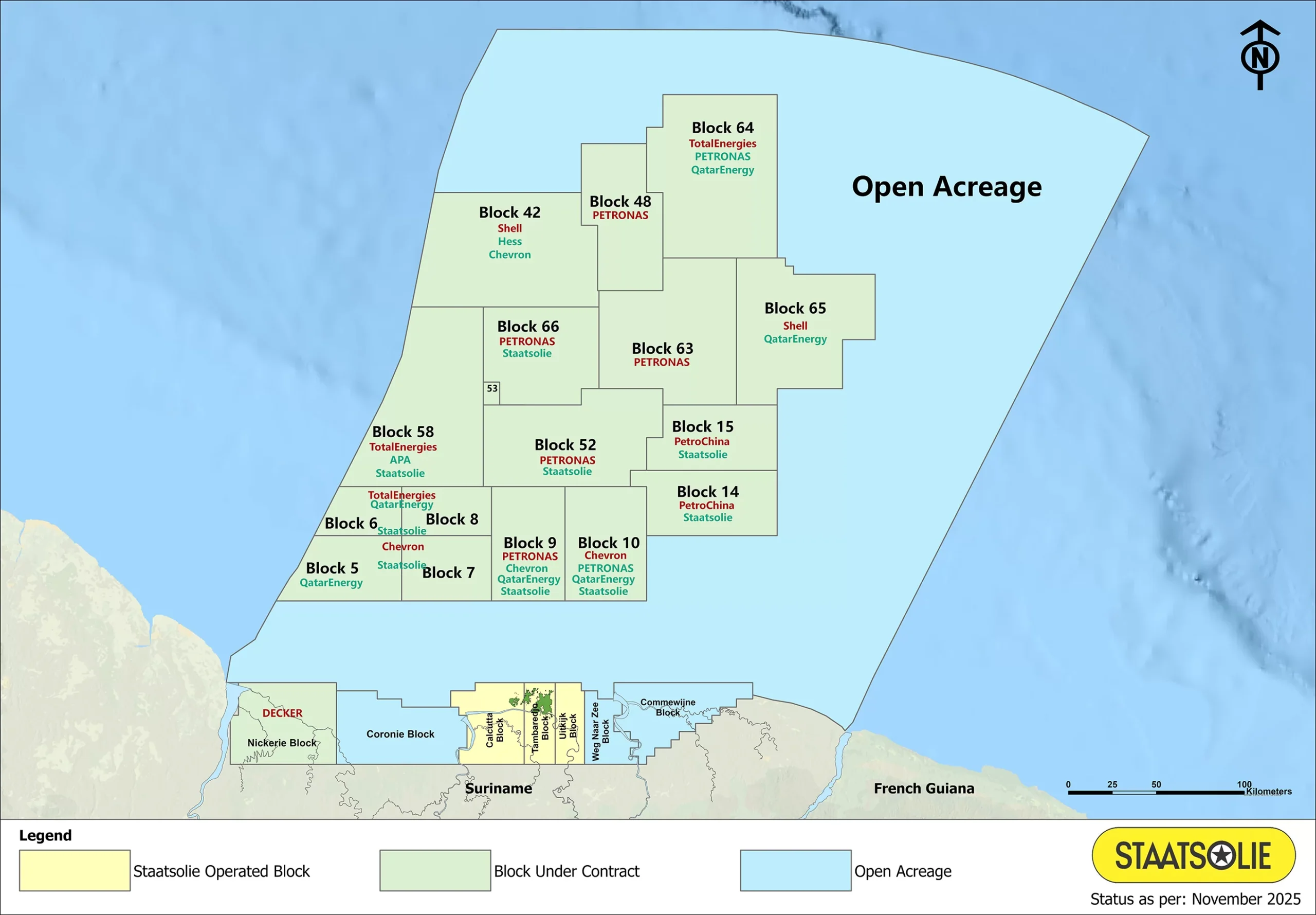
    Petronas Suriname has successfully concluded drilling operations at the Caiman-1 exploration well in offshore Block 52, marking a significant advancement in the company’s ongoing exploration and evaluation program. The drilling campaign, which commenced on July 21st, has yielded highly encouraging results that will substantially contribute to resource delineation and development concept evaluation for potential commercial projects in the region.

    This operation represents the inaugural phase of a comprehensive four-well drilling campaign scheduled between 2025 and 2026, according to an official release from Staatsolie. Situated in the western sector of Block 52, the Caiman-1 well operation demonstrated remarkable local integration, with all logistical support—including materials, provisions, and fuel—being channeled through the shore base in Paramaribo. Personnel transportation to and from the drilling platform was exclusively managed through Surinamese infrastructure.

    The operation’s successful localization strategy has significantly strengthened domestic supply chains while creating substantial opportunities for Surinamese businesses within the growing offshore sector. Block 52 encompasses a substantial 4,750 km² area located approximately 140 kilometers offshore, featuring water depths ranging from 60 to 1,000 meters, presenting both technical challenges and substantial resource potential.

    The positive outcomes from Caiman-1 will enable Petronas to accelerate its assessment of viable development concepts while precisely defining the available hydrocarbon resources. This successful operation establishes a strong foundation for future commercial development and underscores Suriname’s emerging significance as a strategic player in offshore energy exploration.

  • 1,166 new citizens under the CBI from January to September

    1,166 new citizens under the CBI from January to September

    Grenada’s Investment Migration Agency (IMA), formerly known as the Citizenship by Investment Unit, has released comprehensive statistics revealing significant developments in the nation’s citizenship program during the third quarter of 2025. According to the latest data, citizens from 55 different countries received approval for Grenadian citizenship through the Investment Migration Program between July and September 2025.

    The approval distribution shows a notable concentration from six key jurisdictions: Nigeria (15%), China (13%), Iraq, the United States, Pakistan, and Egypt. Collectively, these nations accounted for 51% of the 135 new citizens approved during the quarter. The total number of approvals for the first three quarters of 2025 reached 1,166 individuals, maintaining the program’s steady growth trajectory since its inception in 2014, during which over 20,000 people have obtained Grenadian citizenship.

    A significant operational pause occurred in August 2025 when no approvals were processed due to the Cabinet of Ministers’ recess period, during which no official meetings were conducted. This temporary suspension highlights the program’s structured governance framework requiring ministerial oversight.

    Finance Minister Dennis Cornwall, presenting the 2026 budget statement to Parliament on December 1, emphasized the program’s evolving significance. “The Citizenship By-Investment Programme has become a substantial contributor to government revenues, tourism development, and job creation,” Cornwall stated. “Our Program continues to rank among the most reputable globally, featuring deeply entrenched, robust due diligence processes developed over its 11-year history.”

    The government announced forthcoming regulatory amendments designed to stimulate local participation. In the coming weeks, Grenada will implement revised regulations reducing fees by 70% for local developers initiating new projects within priority economic sectors under the CBI Program. This strategic move responds to advocacy from local business communities seeking enhanced involvement in the investment migration ecosystem.

    Financially, the program has exceeded expectations, with 2025 revenues surpassing the projected EC$165.9 million forecast in the annual budget. Looking ahead to 2026, the Ministry of Finance has projected IMA revenues to reach EC$173,973,807, indicating continued confidence in the program’s sustainable growth and economic contribution.

  • Ghanaian company inks agreement for 400 million barrels of oil Guyana concession

    Ghanaian company inks agreement for 400 million barrels of oil Guyana concession

    In a landmark deal signaling growing international investment in Guyana’s energy sector, Ghana-based Cybele Energy has secured exploration rights to the S7 offshore concession with a winning bid of US$17 million. The agreement was formally signed Tuesday at Pegasus Corporate Suites in Georgetown by Cybele CEO Beatrice Mensah-Tayui and Guyana’s Minister of Natural Resources Vickram Bharrat.

    The S7 block, spanning less than 1,500 square kilometers in shallow waters, represents significant potential with preliminary estimates suggesting approximately 400 million barrels of oil. Minister Bharrat emphasized that this figure remains speculative until comprehensive geological studies are conducted. “That’s an estimate based on geology that they have currently, so you can extrapolate but until you do actual work, you really don’t know,” he told reporters.

    Cybele’s bid exceeded the government’s stipulated minimum by US$7 million, demonstrating both financial capacity and serious commitment to the project. The evaluation process considered not only financial offers but also technical capabilities and exploration experience. The company has announced plans to collaborate with Norway’s Elemental Energies, renowned for its well-engineering expertise with industry supermajors like Total.

    This agreement marks the second major production sharing pact finalized by the Guyanese government within three weeks, totaling US$32 million in signing bonuses. The previous agreement involved a TotalEnergies-led consortium with a US$15 million bonus.

    Notably, Cybele Energy makes history as both the first African-led operator in Guyana and the first woman-led exploration and production company to secure a block outside Africa. The company’s corporate social responsibility initiatives include creating opportunities for women in the energy sector.

    The S7 concession is strategically positioned approximately 50 kilometers from ExxonMobil’s prolific Liza 1 and Liza 2 fields, with 20% overlap with REPSOL’s Carapa-1 3D seismic survey area. Cybele’s geological leadership includes Segun Jebutu, a former lead subsurface scientist with over 25 years of experience working on ExxonMobil’s Guyanese operations.

  • Cuba presents special edition of Punch Cigars in Cyprus

    Cuba presents special edition of Punch Cigars in Cyprus

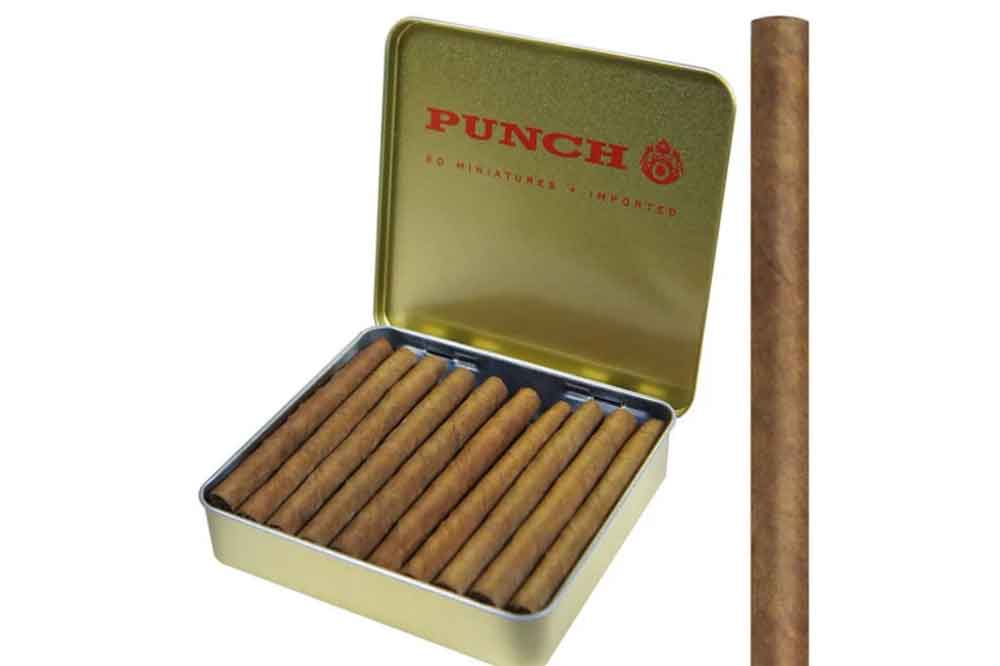
    In a landmark celebration of cigar heritage, Habanos S.A. has introduced ‘Princesas,’ an exclusive commemorative vitola honoring the 185th anniversary of its historic Punch brand. This limited edition release resurrects a distinguished cigar format originally popularized during the 1960s, showcasing the enduring craftsmanship that has defined the brand across generations.

    The global premiere was hosted on December 6th in the prestigious setting of Limassol, Cyprus, selected for its vibrant community of dedicated Habanos enthusiasts. The exclusive event, orchestrated by Phoenicia TAA Cyprus—the official Habanos distributor for Africa and the Middle East—drew an international assembly of over 550 aficionados.

    Established in 1840 to cater to the expanding British market, Punch has cultivated an iconic status within the premium cigar industry. The ‘Princesas’ edition—whose name translates to ‘princesses’—serves as a tribute to the indispensable contributions of women throughout the Habano ecosystem. From skilled workers in tobacco fields and production facilities to retail experts and devoted consumers, women represent a foundational pillar in sustaining the unique legacy and quality of Habanos.

    Following its debut in Cyprus, the Princesas vitola is scheduled to become available in additional international markets throughout the coming months.

  • WEST INDIES PETROLEUM TERMINAL FILES FOR $5.59-B JSE LISTING

    WEST INDIES PETROLEUM TERMINAL FILES FOR $5.59-B JSE LISTING

    In a significant move within Jamaica’s energy sector, West Indies Petroleum Terminal Limited (WIP Terminal) has initiated proceedings to list on the Jamaica Stock Exchange (JSE). The company plans to introduce 11.18 billion existing shares at J$0.50 per share, establishing an approximate market capitalization of J$5.59 billion (US$36.1 million). This listing strategy, structured as an introduction rather than a capital-raising exercise, aims to enhance corporate visibility and create liquidity for existing shareholders.

    The decision to go public follows a major corporate reorganization in May 2025 wherein WIP Energy Limited acquired a controlling 79.84 percent stake from ultimate parent West Indies Petroleum Limited. This restructuring was explicitly designed to maximize shareholder returns and facilitate capital markets accessibility. The current ownership structure shows WIP Energy Limited holding 79.84 percent and World Energy Solutions Limited maintaining 19.96 percent of shares.

    Despite positioning itself as infrastructure critical to Jamaica’s energy security, WIP Terminal faces substantial financial headwinds. For the fiscal year ending December 2024, the company reported an 8.3 percent revenue increase to US$8.21 million, yet net profits plummeted by 51.9 percent to US$1.04 million. This profit compression stemmed from two primary factors: finance costs that more than tripled to US$1.08 million following corporate bond issuances, and a US$1.04 million impairment provision against a promissory note from World Energy Solutions Limited.

    The company’s liquidity position presents immediate concerns. Cash reserves dwindled to just US$11,213 by year-end 2024, down dramatically from US$128,041 the previous year. This minimal cash buffer contrasts sharply with current liabilities of US$5.95 million, including US$4.35 million owed to related parent companies. Financial disclosures indicate that US$5.01 million of total liabilities fall due within the next three months, creating a significant liquidity challenge.

    While the company maintains compliance with debt covenants—showing a conservative debt-to-equity ratio of 0.22 times and debt-to-EBITDA ratio of 1.19 times against a 4.5 times limit—these metrics rely on earnings and asset valuations rather than addressing the immediate cash shortfall. The 2024 financial statements include a restatement from 2023 following a trust deed amendment that corrected a ‘manifest error’ in debt covenant calculations, potentially raising investor scrutiny regarding the sustainability of covenant compliance.

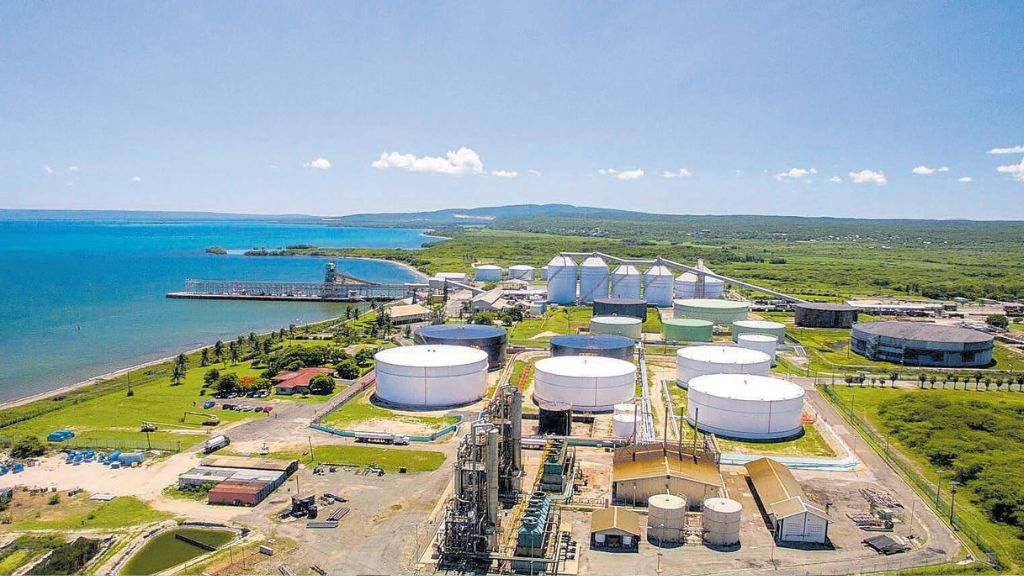
    WIP Terminal’s investment thesis centers on its physical infrastructure assets, primarily the 740,000-barrel South Terminal at Port Esquivel operating within a Special Economic Zone that provides a favorable 12.5 percent corporate tax rate. The company claims its ultimate parent controls approximately 60 percent of Jamaica’s domestic bunker fuel market, though this assertion remains unverified independently. Management is pursuing diversification strategies, having recently secured storage agreements with third-party entities including Musket Corp, TotalEnergies, and Sunoco LP, reducing reliance on parent company revenue from 93 percent to more balanced proportions.

    VM Wealth Management Limited serves as listing sponsor and broker, while PricewaterhouseCoopers East Caribbean provided an unqualified audit opinion on the 2024 financial statements. The board includes independent directors Kurt Boothe, Amanda Levien, and Karl Townsend, who chair key committees overseeing audit and compensation matters.

    This listing represents the culmination of nearly a decade of strategic development since West Indies Petroleum group entered the storage business in 2016 through the acquisition of what was then a 600,000-barrel ethanol facility from Jamaica Broilers Group. The group’s leadership characterized this acquisition as a pivotal transformation ‘from a bunkering specialist into a full-service energy company.’ The public listing now tests whether this strategic vision can generate sustainable value for public shareholders amid evolving energy markets and the company’s current financial challenges.


  • WATCH: The Pinnacle reaches 28 storeys on first tower

    WATCH: The Pinnacle reaches 28 storeys on first tower

    ST JAMES, Jamaica — Jamaica’s architectural landscape has reached new heights as The Pinnacle, the nation’s forthcoming tallest residential complex, has achieved a monumental construction milestone. The landmark development witnessed the successful topping-off of its inaugural 28-story tower, named Swallowtail, during an official ceremony held Wednesday morning.

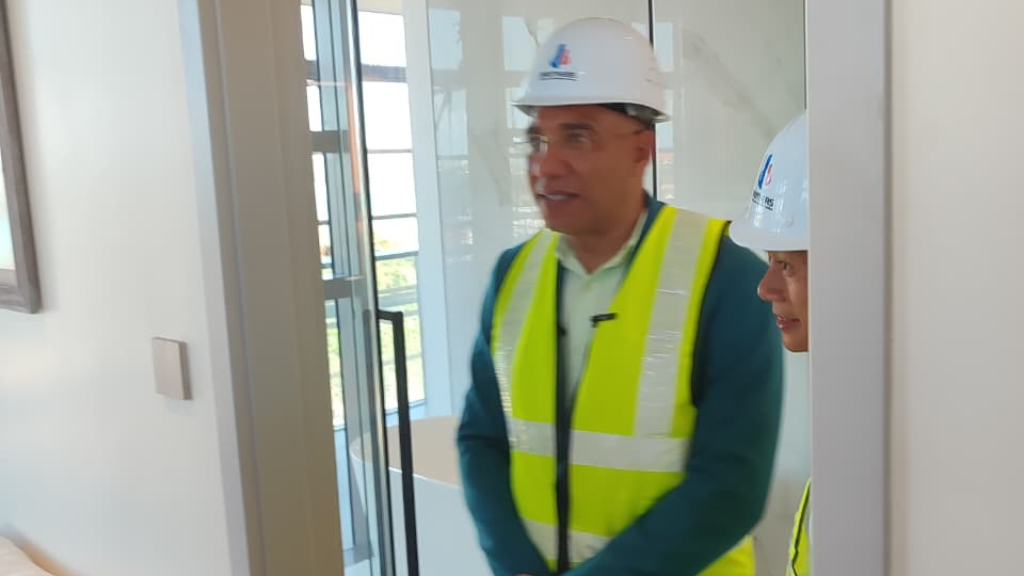
    The ceremony marked the completion of the structural framework through a final concrete pour, signaling the transition to interior finishing phases for the luxury residential project. Prime Minister Andrew Holness attended the event, delivering commendations to LCH Developments for their exceptional execution of the ambitious vision.

    “This project demonstrates remarkable synthesis of meticulous planning, comprehensive research, and intellectual rigor,” Holness stated. “Beyond the technical excellence, what truly distinguishes this achievement is the palpable passion and unwavering commitment to implementation exhibited by the entire team.”

    The Pinnacle development, comprising four planned towers of equal height, represents a fusion of luxury living and lifestyle enhancement within the Jamaican property market. Each tower is designed to offer premium residential experiences while contributing to the nation’s modern infrastructure portfolio.

    The project’s progression to this construction peak not only symbolizes architectural achievement but also reflects growing investor confidence in Jamaica’s high-end real estate sector. The development is anticipated to set new standards for luxury accommodations while potentially influencing future urban planning initiatives across the Caribbean region.

  • Look toGuyana forfeedstock tosave forex

    Look toGuyana forfeedstock tosave forex

    A critical examination of Trinidad and Tobago’s foreign exchange allocation has revealed staggering financial commitments to poultry feed imports, prompting calls for strategic regional collaboration. Recent disclosures from Finance Minister Davendranath Tancoo indicate that poultry-related enterprises accessed over US$150 million in forex reserves between 2020 and mid-2025, representing a substantial national investment in sustaining imported animal feedstock.

    This revelation emerges alongside transformative agricultural developments in neighboring Guyana. The Caricom partner has successfully cultivated approximately 12,000 acres of corn and soya in 2024, with ambitious expansion targets of 25,000-30,000 acres by 2025-2026. Guyana’s strategic initiative aims not only at achieving self-sufficiency in livestock feed production but also at positioning itself as a grain exporter to fellow Caricom nations.

    The convergence of these developments presents a pivotal opportunity for Trinidad’s poultry industry. Industry analysts now question whether major integrators, feed millers, agricultural experts, and relevant government agencies have initiated formal engagement with Guyanese authorities. Such collaboration could establish long-term supply agreements for Guyanese corn and soya, potentially priced in mechanisms that gradually reduce Trinidad’s forex exposure.

    Parallel to negotiation efforts, an urgent domestic assessment appears necessary. Evaluating port infrastructure, storage capabilities, handling procedures, quality assurance protocols, and potential legislative adjustments would be essential for transitioning from distant suppliers to regional partnerships. This strategic pivot could transform Guyana’s agricultural emergence into a concrete, lower-risk intra-Caricom supply chain for poultry feed.

    The scale of forex expenditure on poultry feedstock demands more than routine reassurances—it necessitates a coordinated regional strategy where private sector initiative and government facilitation converge to maximize forex efficiency and regional economic integration.

  • Look to Guyana for feedstock to save forex

    Look to Guyana for feedstock to save forex

    A compelling public letter from Fazir Khan of St Augustine has sounded an urgent alarm regarding Trinidad and Tobago’s substantial foreign exchange expenditures on poultry feed imports, calling for strategic regional collaboration with neighboring Guyana.

    The communication highlights recent disclosures by Finance Minister Davendranath Tancoo revealing that poultry-sector companies accessed over US$150 million in forex reserves between 2020 and mid-2025. This staggering investment in imported feedstock represents a significant drain on the nation’s limited foreign currency resources.

    The analysis identifies a transformative opportunity emerging within the Caribbean Community. Guyana has achieved remarkable agricultural progress, cultivating approximately 12,000 acres of corn and soya in 2024 with ambitious expansion targets of 25,000-30,000 acres by 2025-2026. This development positions Guyana to achieve self-sufficiency in livestock feed while generating surplus grains for export to fellow Caricom nations.

    The core argument questions whether Trinidad’s major poultry integrators, feed millers, agricultural experts, mechanical engineers, and relevant government agencies have initiated formal engagement with Guyanese authorities. Such collaboration could secure long-term supply arrangements for Guyanese corn and soya, potentially priced to gradually reduce Trinidad’s forex exposure.

    Concurrently, the letter urges immediate assessment of Trinidad’s readiness for this regional transition, including evaluation of port facilities, storage capacity, handling capabilities, quality assurance protocols, and necessary legislative or contractual modifications to facilitate trade diversification from distant suppliers to a Caricom partner.

    The conclusion emphasizes that meaningful forex conservation requires more than routine reassurances. It demands a coordinated regional strategy where both private sector and government entities collaborate to transform Guyana’s emerging agricultural production into a stable, cost-effective, intra-Caricom supply chain for poultry feed, ultimately reducing risk and enhancing regional food security.