S&P Global Ratings has elevated Jamaica’s sovereign credit rating from ‘BB-’ to ‘BB’, marking a significant milestone in the nation’s financial recovery. This upgrade, announced on Thursday, underscores Jamaica’s decade-long commitment to fiscal discipline, which has drastically reduced its debt-to-GDP ratio from nearly 145% in 2013 to approximately 62% today. Despite this achievement, the agency’s analysis highlights the pressing challenge of stimulating economic growth in the aftermath of the debt crisis. The ‘BB’ rating, while still within the speculative-grade tier, represents a notable improvement in creditworthiness, signaling reduced default risk. S&P also affirmed Jamaica’s ‘B’ short-term rating and assigned a positive outlook, suggesting the potential for another upgrade within 18 months if fiscal progress continues. The report praised Jamaica’s unique fiscal achievements, including maintaining an annual primary fiscal surplus above 3% of GDP for ten consecutive years—a feat unmatched by any of the 141 sovereigns rated by S&P. However, the agency cautioned that Jamaica’s growth prospects remain constrained by high security costs, low productivity, and vulnerability to external shocks. Policymakers now face the dual challenge of sustaining fiscal credibility while fostering economic expansion. The upgrade reflects Jamaica’s institutional resilience, bolstered by initiatives like its proactive disaster risk framework and strengthened financial institutions. Yet, the path forward hinges on translating fiscal stability into sustainable growth, a task that will define Jamaica’s next chapter.
分类: business
-

Dominica delegation participates in 18th OECS Credit Union Summit in St. Kitts
A delegation of 23 representatives from Dominica is actively participating in the 18th Organisation of Eastern Caribbean States (OECS) Credit Union Summit, held from September 23 to 28, 2025, at the St. Kitts Marriott Resort. The group comprises staff and volunteers from four prominent credit unions—Central Cooperative Credit Union, Marigot Cooperative Credit Union, West Coast Co-operative Credit Union, and National Cooperative Credit Union—alongside officials from the Dominica Co-operative League Ltd and the Corporate Finance Facility (CORPEFF).
The summit, themed “One Vision, One Future: OECS Credit Unions Growing Together,” is organized by the St. Kitts and Nevis National Co-operative League Ltd. It aims to unite cooperators from across the OECS region to devise strategies for bolstering the credit union movement and tackling economic challenges through cooperative business models.
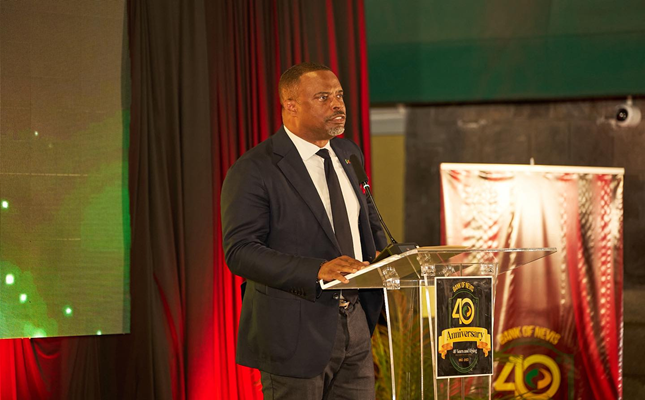
The event kicked off with an Opening Ceremony on September 24, featuring a keynote address by Timothy Antoine, Governor of the Eastern Caribbean Central Bank (ECCB). His presentation, titled “Navigating the Economic and Financial Landscape of the Eastern Caribbean Currency Union (ECCU): Are Credit Unions Positioned for Strategic Expansion?” laid the groundwork for the week’s discussions.
Participants are engaging in a variety of sessions, including plenary discussions, fire side chats, round table engagements, and networking events. Key topics under discussion include modernizing regulatory standards, the potential of green lending, diversifying investment portfolios, multi-generational member engagement, building resilient IT ecosystems, strengthening governance, and reimagining operational models for strategic growth.
The Dominica delegation departed on September 23 and is set to return on September 28, following the summit’s conclusion.
-

ECCB Governor urges Credit Unions to Strengthen Resilience Amid Global Challenges
In a compelling address at the Credit Union Summit held on September 24, 2025, at the St. Kitts Marriott Resort, Timothy Antoine, Governor of the Eastern Caribbean Central Bank (ECCB), urged credit unions across the Organization of Eastern Caribbean States (OECS) to bolster their resilience in the face of a rapidly evolving global financial landscape. Antoine described the credit union movement as a ‘force for good’ in the region, emphasizing its pivotal role in fostering financial and economic empowerment. He highlighted the current global economic challenges, including geopolitical tensions, trade wars, and the accelerating impact of artificial intelligence (AI), and called for proactive adaptation to harness the potential of these technologies while mitigating their risks. Antoine encouraged credit unions to ‘light candles in the darkest places,’ drawing on historical and faith-based resilience to continue empowering communities. Prime Minister Dr. Terrance Drew, speaking virtually from New York, echoed these sentiments, underscoring the critical role of credit unions in supporting ordinary citizens across the Caribbean, particularly where traditional financial institutions have failed. Dr. Drew noted the region’s ‘polycrisis,’ encompassing climate change, post-pandemic recovery, inflation, and geopolitical instability, and urged credit unions to rise to these challenges as they have in the past. The summit, themed ‘One Vision, One Future: OECS Credit Unions Growing Together,’ aims to foster collaboration and growth among credit unions in the region.
-

Amazon reaches $2.5b settlement over Prime enrollment practices
In a landmark settlement, Amazon has agreed to pay $2.5 billion to resolve allegations brought by the Federal Trade Commission (FTC) regarding deceptive practices in enrolling consumers into its Prime subscription service and complicating the cancellation process. The lawsuit, filed in a federal court in Seattle, accused Amazon of intentionally misleading customers during checkout, making it challenging to decline the $139-per-year Prime membership while prominently featuring sign-up options. The FTC highlighted that crucial details about pricing and automatic renewals were often obscured or buried in fine print. Amazon’s internal cancellation system, nicknamed ‘Iliad’—a reference to Homer’s epic about the prolonged Trojan War—was described as deliberately convoluted. As part of the settlement, Amazon is required to overhaul its enrollment and cancellation processes, ensuring transparency and ease of use. Additionally, the company must implement new disclosure requirements before charging consumers. The court had previously ruled that Amazon Prime subscriptions fall under consumer protection laws, emphasizing that Amazon collected billing information without fully disclosing subscription terms. Amazon neither admitted nor denied wrongdoing in the settlement proposal, which was submitted before the third day of testimony in Seattle. This case is part of a broader bipartisan effort to regulate the growing influence of U.S. tech giants, marking a significant shift in government oversight.