分类: business

  • Belize announces resumption of shipments of goods to the United States

    Belize announces resumption of shipments of goods to the United States

    BELMOPAN, Belize—In a significant development for international trade, the Belize Postal Service (BPS) has officially reinstated all outbound shipments to the United States effective January 7. This move concludes a five-month suspension period that began in August last year, triggered by sweeping changes to U.S. customs regulations.

    The operational halt became imperative following the implementation of U.S. Executive Order 14324, which eliminated the traditional duty-free exemption threshold for international parcels. This regulatory shift mandated that all inbound shipments to the U.S., irrespective of their declared value, would become subject to standard customs duties and import taxes.

    To navigate these new regulatory requirements, BPS has implemented the Universal Postal Union’s Delivered Duty Paid (DDP) Global Solution—an advanced logistics framework that represents a fundamental transformation in how international shipments are processed. This sophisticated system enables the pre-calculation and collection of U.S. duties and taxes before departure from Belize, creating a more transparent and efficient customs process.

    The DDP system offers multiple advantages: accelerated customs clearance procedures upon arrival in the U.S., complete cost transparency for shippers, significantly reduced delivery delays, and minimized package returns. This creates a more predictable and reliable shipping experience for both commercial senders and individual recipients.

    This strategic adoption positions Belize as a regional leader in compliant international postal logistics and ensures that Belizean businesses—particularly micro, small, and medium enterprises (MSMEs)—maintain uninterrupted access to their valuable U.S. customer base. The implementation underscores Belize’s commitment to participating fully in global e-commerce while adhering to international trade regulations.

    Postmaster General Dr. Marsha Price emphasized that ‘the Belize Postal Service remains dedicated to providing secure, reliable, and globally compliant postal services. Our implementation of the UPU’s DDP solution not only addresses new U.S. regulatory requirements but significantly enhances Belize’s capacity to engage in international digital commerce. We appreciate the public’s understanding during this necessary transitional period.’

    The BPS has encouraged customers seeking information about the new DDP procedures, applicable duty rates, or required shipping documentation to contact their local post office branch or the customer service department for comprehensive assistance.

  • Tesla loses EV crown to China’s BYD in 2025 as sales slip

    Tesla loses EV crown to China’s BYD in 2025 as sales slip

    In a significant industry shift, Tesla Inc. has relinquished its position as the world’s leading electric vehicle manufacturer to Chinese automotive powerhouse BYD, according to year-end sales reports. The Elon Musk-led company reported approximately 1.64 million EV deliveries for 2025, representing an 8% decline from the previous year’s performance. This downturn contrasts sharply with BYD’s announcement of 2.26 million electric vehicles sold during the same period.

    The fourth quarter proved particularly challenging for Tesla, with 418,227 deliveries falling substantially below the FactSet consensus projection of 449,000 units. Industry analysts attribute this performance to multiple converging factors, including the expiration of the $7,500 federal tax credit in September 2025, which created immediate headwinds for consumer demand. Additionally, market observers note that Musk’s overt political endorsements of former President Donald Trump and far-right figures have impacted brand perception in key markets.

    BYD’s ascendancy marks a watershed moment in global automotive competition. Founded in 1995 as a battery specialist, the Shenzhen-based manufacturer has leveraged China’s position as the world’s largest new energy vehicle market to achieve remarkable scale. The company’s diversified approach—encompassing fully electric and plug-in hybrid vehicles—has proven strategically advantageous in addressing varied consumer preferences across international markets.

    While geopolitical tensions and substantial tariffs limit Chinese EV manufacturers’ access to the American market, BYD has successfully expanded its global footprint through aggressive growth in Southeast Asia, the Middle East, and European territories. This international expansion occurs as domestic Chinese consumers demonstrate increasing price sensitivity, compelling manufacturers to seek growth opportunities abroad.

    Financial markets responded to Tesla’s announcement with measured concern, as shares declined 2.6% in New York trading. However, Wedbush Securities analysts noted that the quarterly performance exceeded some pessimistic forecasts, suggesting underlying resilience despite challenging conditions. The firm highlighted that regulatory approvals for autonomous driving technology in Europe remain a critical hurdle, with potential for sales recovery once these barriers are addressed.

    Emerging markets present a silver lining for Tesla, with smaller regions demonstrating stronger-than-anticipated growth that may partially offset declines in major territories like China and Europe. Industry watchers anticipate a period of market rebalancing as EV demand patterns stabilize following the tax credit expiration and manufacturers adapt to new competitive realities.

  • US to impose 1% tax on cash remittances in 2026

    US to impose 1% tax on cash remittances in 2026

    Beginning January 1, 2026, the United States will implement a groundbreaking federal excise tax that will significantly alter the cost structure of international money transfers for Caribbean communities and other migrants sending funds abroad. The newly enacted 1% levy targets specifically cash-based remittances, marking a fundamental shift in how cross-border financial support is taxed.

    This fiscal policy, embedded within Section 4475 of the Internal Revenue Code, was legislated by the US Congress in July 2025 as a component of the comprehensive ‘One Big Beautiful Bill’ package. The tax represents the first federal imposition on international money transfers, which previously only incurred service charges and exchange rate margins without direct government taxation.

    The regulatory framework specifically applies to remittances facilitated through physical cash transactions at brick-and-mortar locations including grocery stores, pharmacies, and dedicated money transfer outlets. Paper-based payment instruments such as money orders and cashier’s checks also fall within the taxable category. Both US citizens and foreign nationals utilizing American remittance services will be subject to the tax when using cash or cash-equivalent methods.

    Critical exemptions exist for digital and electronic transfer mechanisms. The Internal Revenue Service clarifies in Notice 2025-55 that bank account transfers, debit/credit card transactions, wire transfers, and digital wallet services (including Apple Pay and Google Pay) remain exempt from the additional levy. This creates a distinct advantage for technologically-enabled remittance channels over traditional cash-based methods.

    For Caribbean-American communities, where remittances constitute vital financial lifelines covering educational expenses, medical bills, and household necessities, the tax introduces new economic considerations. The legislation does provide potential relief through a tax credit mechanism for senders possessing Social Security numbers, contingent upon proper transaction reporting by remittance providers. However, the IRS has yet to issue final implementation guidelines regarding credit claims procedures.

  • Ontslagen SLM-directieleden misleidden president met onjuiste cijfers

    Ontslagen SLM-directieleden misleidden president met onjuiste cijfers

    Surinam Airways (SLM) has terminated two top executives after an external audit revealed significant financial discrepancies and potential misconduct. Former directors Steven Gonesh and Santosh Baidjoe were dismissed for presenting misleading financial data to President Jennifer Simons, according to Board Chairman Marlon Telting.

    The preliminary audit uncovered material inconsistencies between reported figures and actual accounting records. Telting stated that the executives’ presentation of inaccurate financial information compromised the shareholder’s decision-making process. The investigation revealed tens of millions of U.S. dollars in outstanding receivables from debtors—funds that could have sustained operations for nearly a year without state subsidies.

    Authorities are investigating why these substantial amounts remained uncollected and why lower revenue figures were reported in official presentations. The findings suggest potential crimes including document forgery, financial statement manipulation, and economic offenses. Specific concerns include possible embezzlement of airport fees collected through ticket sales and discrepancies in a loan agreement with Grassalco that exceeded recorded amounts.

    Telting attributed the situation to years of inadequate internal controls at SLM, noting a complete absence of checks and balances within the organization. The dismissed executives were given opportunity to respond to the allegations but failed to provide adequate justification for the discrepancies.

    The audit represents merely the initial phase of a comprehensive review. An accountant under contract with SLM will be questioned regarding missing audits that were due in 2024. The supervisory board aims to complete its deepened investigation by late January 2026 before making decisions regarding policy changes and potential partnerships.

    Concurrently, the board is restructuring the executive leadership framework, expanding it to four members with specific vacancies for operational and financial directors. Telting acknowledged the dedication of SLM employees who continued working through significant post-COVID measures and recognized that union concerns had previously been insufficiently addressed.

    Despite the challenges, Telting clarified that not all SLM operations are loss-making. While the core airline business operates at a deficit, catering, cargo, and other divisions remain profitable, contradicting narratives of comprehensive institutional failure.

  • Olietankers bereiken Venezuela nog steeds ondanks Amerikaanse blokkade

    Olietankers bereiken Venezuela nog steeds ondanks Amerikaanse blokkade

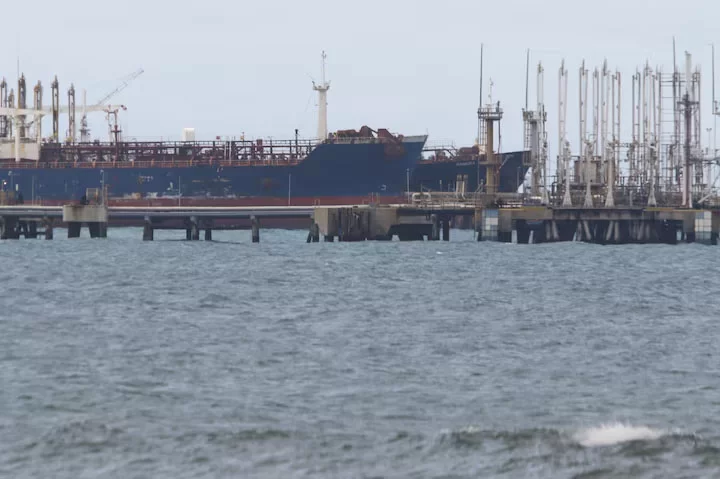
    Venezuela’s state-run oil company PDVSA is mounting a bold challenge against U.S. sanctions by welcoming sanctioned vessels and expanding floating storage capacity despite an American maritime blockade that has crippled the nation’s crude exports. At least two oil tankers have recently entered Venezuelan waters while additional vessels approach the coastline, signaling Caracas’ determination to maintain oil sales despite mounting international pressure.

    The Trump administration’s recent blockade announcement targeting all sanctioned vessels in Venezuelan waters has effectively halved the country’s oil exports compared to November levels. U.S. authorities have already seized two fully-loaded Venezuelan crude shipments and intensified Caribbean patrols, causing widespread apprehension among shipowners that has resulted in numerous diversions and U-turns away from the OPEC nation.

    According to monitoring service TankerTrackers.com, the arriving vessels include sanctioned tankers alongside non-sanctioned ships approaching Venezuela’s coast. This maritime activity forms part of complex swap agreements and arrangements established since 2019 when Venezuela first faced U.S. energy sanctions. The Maduro government continues to settle extensive purchase orders and service debts through oil payments, including substantial obligations to China.

    Two approaching vessels belong to a specialized fleet utilized by China and Venezuela to repay debts through crude oil shipments destined for Chinese ports. The critical question remains whether China will seek U.S. exemptions to guarantee these deliveries proceed unimpeded.

    PDVSA has responded to the crisis by negotiating price reductions and contract modifications with clients to prevent cargo returns or production cuts. However, company sources indicate growing impatience among buyers who lack viable alternatives for moving oil shipments out of Venezuela, even when using non-sanctioned vessels.

    Compounding these challenges, a recent cyberattack forced PDVSA to disable its centralized administrative system, significantly slowing port loading operations. The company now works to meet export loading windows while simultaneously storing crude and fuel aboard vessels to expand storage capacity.

    The only vessels currently departing Venezuelan waters are Chevron-operated tankers operating under Washington’s authorization and smaller ships transporting oil byproducts and petrochemical products, according to shipping data and PDVSA documents.

    This situation echoes the 2020 crisis when Washington intensified pressure on Maduro by sanctioning PDVSA’s primary trading partners, forcing Venezuela to rely on little-known intermediaries to maintain oil sales to Chinese buyers. Those previous measures triggered production declines, oil field closures, and severe motor fuel shortages that took years to partially overcome.

    Currently, nearly two dozen tankers cluster near José port awaiting loading opportunities or departure instructions. The volume of oil stranded aboard idled tankers has surged to approximately 16 million barrels from 11 million barrels in mid-December, creating an increasingly precarious situation for Venezuela’s energy sector.

  • FSC Orders Travis Smith to Cease Activities

    FSC Orders Travis Smith to Cease Activities

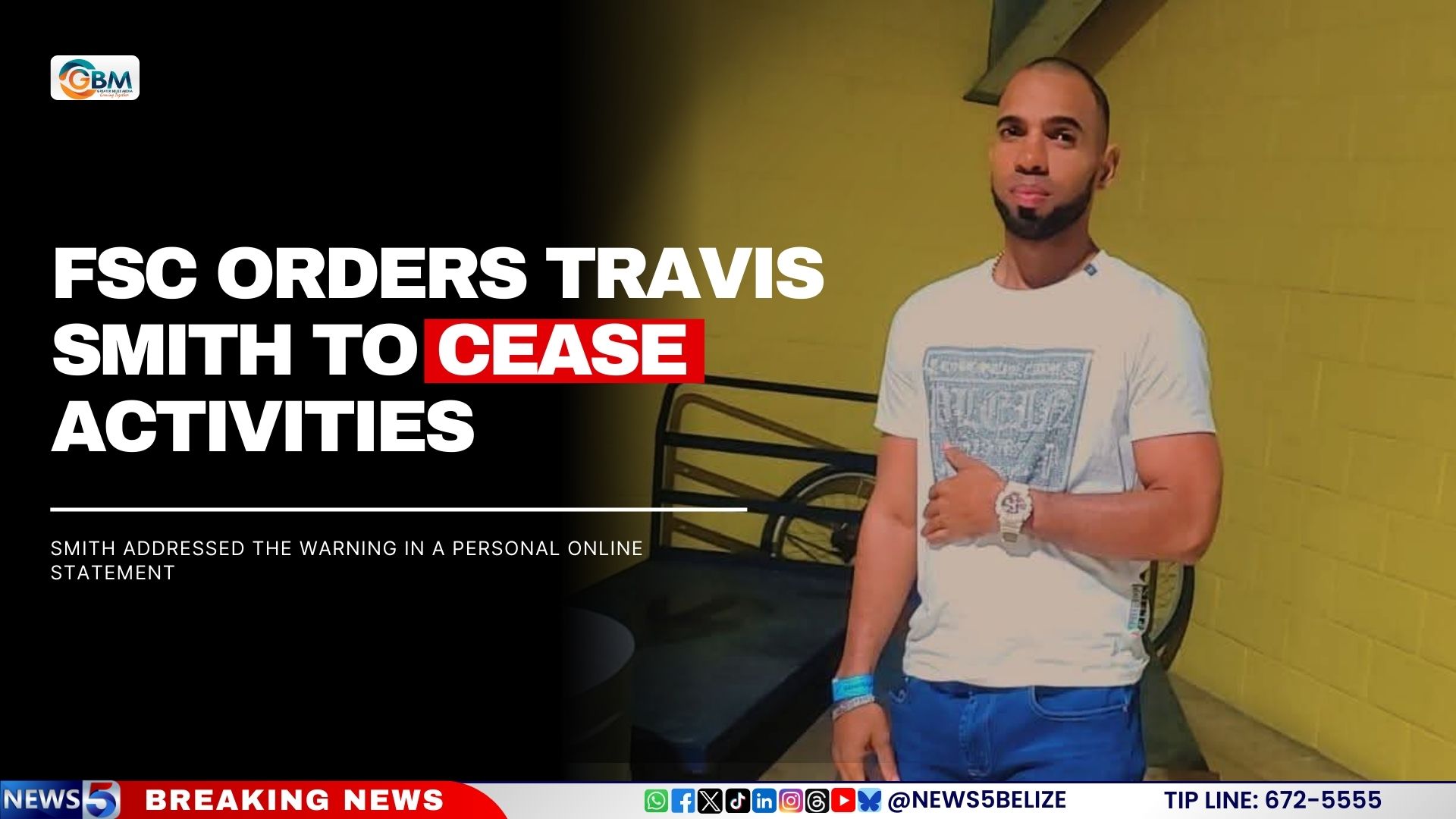
    The Financial Services Commission of Belize (FSC) has issued an official public advisory warning against conducting financial business with Travis Smith, an individual found operating without proper regulatory authorization. According to a formal notice released on December 30, 2025, Smith lacks the mandatory licensing required under both the Financial Services Commission Act and the Securities Industry Act to legally provide any financial or securities services within Belize’s jurisdiction.

    The FSC’s statement explicitly clarifies that Smith is neither licensed nor registered to “provide, carry on, transact, or hold itself out as providing” regulated financial activities. The Commission emphasized that any financial engagements with Smith are undertaken entirely at the public’s own risk, as he operates outside Belize’s regulatory protection framework.

    In addition to the public warning, the regulator has issued a formal cease and desist directive ordering Smith to immediately terminate all unlicensed financial operations. The FSC noted that continuing such activities constitutes a legal offense under Belizean law.

    The Commission stated that this regulatory action serves as a protective measure to safeguard both the public and the integrity of Belize’s financial services sector from potential harm. The warning specifically urges “all persons concerned to take note and exercise extreme caution.”

    In response to the regulatory notice, Smith addressed the matter through a personal online statement, characterizing the FSC’s warning as “not serious.” He claimed the notice merely prohibits him from charging fees for purchasing cryptocurrency on others’ behalf, stating: “I can still invest in crypto. Talk about it. But I simply cannot charge pple to buy crypto for them.”

  • Antigua Cruise Port Pushes Ahead With New Terminal Development

    Antigua Cruise Port Pushes Ahead With New Terminal Development

    Antigua Cruise Port has confirmed significant progress on its comprehensive Upland Development Project, marking a transformative phase for the nation’s maritime tourism infrastructure. The ambitious initiative, developed in partnership with the Antiguan government, features the construction of a state-of-the-art cruise terminal designed to elevate the country’s competitive standing in the Caribbean cruise industry.

    Recent aerial photography of St. John’s Harbour reveals consistent cruise ship traffic, demonstrating sustained market demand for Antigua and Barbuda as a premier port of call. This visible activity reinforces the economic rationale behind the infrastructure investment, which aims to generate substantial trickle-down benefits for local entrepreneurs.

    The port operator emphasized that enhanced facilities will directly support taxi drivers, tour companies, retail vendors, and numerous small businesses that depend on visitor expenditures. By modernizing passenger processing capabilities and upgrading upland amenities, the project seeks to substantially improve the overall tourist experience from disembarkation through departure.

    With construction timelines extending into 2026, Antigua Cruise Port anticipates providing regular progress updates as work advances. The development represents a strategic investment in the nation’s tourism ecosystem, positioning Antigua and Barbuda for increased market share in the region’s highly competitive cruise sector.

  • CDB’s Cultural and Creative Industries Innovation Fund announces USD 190,000 in grants to promote regional events and conferences

    CDB’s Cultural and Creative Industries Innovation Fund announces USD 190,000 in grants to promote regional events and conferences

    The Caribbean Development Bank has announced a significant funding initiative through its Cultural and Creative Industries Innovation Fund (CIIF), making $190,000 available to support the region’s creative sector. This strategic investment targets organizations that can drive development and enhance competitiveness within Caribbean cultural industries.

    Applications for the grant program will remain open until January 31, 2026, with selected projects scheduled for implementation between March 1, 2026, and February 28, 2027. The funding specifically seeks proposals that address critical growth areas including policy development, MSME capacity building, market intelligence enhancement, trade facilitation, and cultural heritage preservation.

    Malene Joseph, Fund Coordinator, emphasized the program’s objectives: “Through this grant call, CDB aims to support home-grown activities that help unlock pathways for our creative Caribbean talent and businesses to become even more empowered. Beyond facilitating necessary policy dialogue and building data-driven insights, CIIF is further enabling creative MSMEs by offering financial support to these targeted events.”

    The funding will be distributed across six grants in three distinct categories. Two $25,000 grants will focus on improving the enabling environment for cultural industries, while another two $20,000 grants will support data intelligence and sector insights initiatives. The remaining two grants, totaling $50,000, will be allocated to activities that prepare MSMEs for market entry and facilitate market access.

    Eligibility is restricted to formally registered organizations operating within the Creative Industries sector, including Business Support Organizations, Non-Governmental Organizations, universities, Community-Based Organizations, and government agencies. Applicants must demonstrate at least three years of experience in hosting industry-related events and provide a co-financing contribution equivalent to at least 10% of the total project budget.

    Prospective applicants can submit proposals through the Bank’s online portal at https://cdb.submittable.com/submit. Additionally, CIIF will host a virtual consultation on January 14, 2026, to provide guidance to potential applicants.

    Established in 2017, CIIF has consistently worked to enhance the global competitiveness of Caribbean cultural and creative sectors by promoting innovation, collaboration, and sustainability through technical assistance and grants across the Bank’s 19 Borrowing Member Countries.

  • Trinidad central bank warns US/Venezuela tension affecting local economy

    Trinidad central bank warns US/Venezuela tension affecting local economy

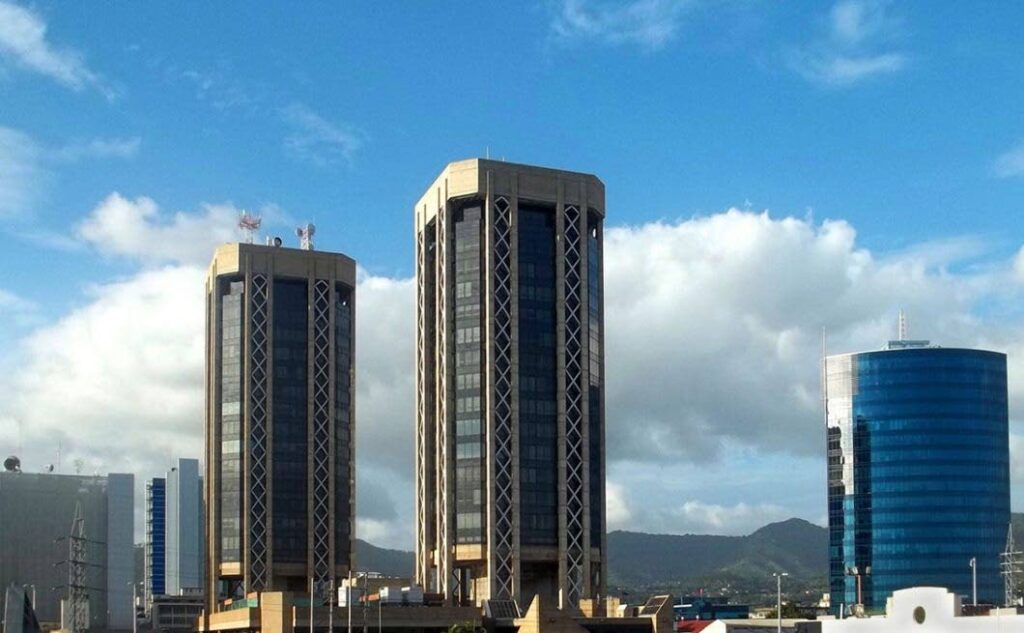
    PORT OF SPAIN, Trinidad – The Central Bank of Trinidad and Tobago (CBTT) has identified escalating geopolitical tensions between the United States and Venezuela as a significant factor contributing to mounting economic uncertainty in the domestic economy. This assessment was detailed in the bank’s year-end Monetary Policy Statement released Wednesday, December 31, 2025.

    While acknowledging that inflation remains well-contained, credit growth reasonable, and liquidity conditions improved, the CBTT characterized the nation’s economic recovery as ‘somewhat tentative.’ The bank reported that gains from increased energy production in Q2 2025, driven by two new natural gas fields (bpTT’s Cypre and bpTT/EOG’s Mento fields), were partially undermined by a non-energy sector showing signs of deceleration across multiple sub-sectors.

    Energy sector output surged 10.4% year-on-year, with natural gas production increasing 11.7% and crude oil output rising 8.9%. The petrochemical industry demonstrated mixed results with ammonia production expanding 23.6% and urea output jumping 51.3%, while methanol production continued its decline with a 12.7% contraction.

    The Central Bank noted concerning softness in distribution, construction, and manufacturing sectors, though these were partially counterbalanced by improvements in finance and utilities. Inflation metrics remained favorable, with headline inflation measured at 0.5% in November 2025 compared to 1.5% in June. Core inflation (excluding food prices) rose moderately by 0.5%, while food inflation decelerated to 0.8% due to lower international food prices and minimal weather-related disruptions to domestic agricultural supplies.

    Financial conditions presented a nuanced picture: system liquidity constraints eased substantially with commercial banks’ excess reserves at the Central Bank climbing from TT$3.5 billion in October to TT$5.3 billion by mid-December. Conversely, private sector credit expansion slowed to 6.3% year-on-year in October from 8.6% in June, primarily influenced by more modest business credit growth.

    The Monetary Policy Committee (MPC) decided to maintain the repo rate at 3.50%, citing softness in the non-energy sector, low inflation environment, and narrowing interest rate differentials with the United States. The bank emphasized that safeguarding international reserves remains paramount given the country’s high import propensity, with foreign reserves strengthening from US$4.6 billion in October to US$5.3 billion as of December 19, 2025.

    The MPC committed to actively monitor the effects of recent wage adjustments on aggregate demand and import growth in coming months, standing ready to implement necessary monetary policy actions to balance foreign reserve protection with maintaining favorable funding conditions for domestic economic activity.

  • Lee-Chin misses US$94-m bond deadline, risks Supreme Court lawsuit

    Lee-Chin misses US$94-m bond deadline, risks Supreme Court lawsuit

    Jamaican-Canadian billionaire Michael Lee-Chin faces imminent asset liquidation after companies under his control defaulted on a critical US$94.1 million bond payment, violating a forbearance agreement with creditors. The formal breach, confirmed Wednesday by trustee JCSD Trustee Services Limited, activates contractual provisions mandating the sale of portions of Lee-Chin’s collateralized stake in NCB Financial Group (NCBFG).

    The payment default occurred despite Lee-Chin’s expressed confidence through representative Christopher Zacca, chairman of the bondholders’ negotiating committee, who had previously characterized the situation as manageable. The missed deadline follows the expiration of a 30-day grace period that concluded on November 29, making the December 31 payment a final opportunity to avoid legal escalation.

    According to the trustee’s advisory, while the issuer communicated intentions to fulfill the obligation by January 26, 2026, the technical default automatically triggers enforcement mechanisms established during November’s bondholder meetings. These provisions authorize the immediate filing of an originating summons and fixed-date claim form before Jamaica’s Supreme Court.

    The collapse of this initial payment tranche jeopardizes a comprehensive three-phase repayment strategy that envisioned complete debt extinguishment by 2027. That plan, negotiated between Lee-Chin and creditors, stipulated interest payments through 2026-2027 alongside a detailed repayment blueprint for the remaining US$203 million debt, due for presentation by March 31, 2026.

    Lee-Chin’s 52.15% stake in NCBFG, valued at approximately US$333 million based on current market prices, represents the most likely source for debt settlement. The stake’s valuation comfortably exceeds the total outstanding debt of US$297 million, suggesting creditors could recover funds through forced asset sales. This development contradicts Lee-Chin’s recent characterization of an ‘orderly process’ and transfers timeline control from the billionaire to the trustee, which committed to providing further updates during the week of January 5, 2026.