分类: business

  • Latin America push

    Latin America push

    In a bold move to diversify its tourism market, the Jamaica Tourist Board (JTB) has successfully launched a strategic initiative targeting Latin America. On Thursday, two direct flights from Colombia, operated by Wingo Airlines, landed in Montego Bay, carrying 370 passengers. This marks a significant step in Jamaica’s plan to tap into non-traditional markets and achieve its ambitious goal of welcoming eight million visitors by 2030, generating $10 billion in revenue. The seasonal flights from Bogotá and Medellin will run from December 18 to January 26, 2026, further strengthening ties with Colombia, one of Jamaica’s fastest-growing source markets. According to JTB data, Colombian arrivals surged by 32.3% in 2024 compared to 2023, with an additional 25.2% growth in the first half of 2025. The new Wingo routes are expected to accelerate this momentum, enhancing connectivity and enriching the visitor experience. Wingo Airlines, a low-cost carrier under Copa Holdings, now offers the only direct flight between Bogotá and Montego Bay, marking its 25th international route. The initiative, a collaboration between JTB, Wingo Airlines, MBJ Airports Limited, and Hyatt Hotels, was celebrated as the beginning of a powerful partnership between Jamaica and Colombia. Passengers on the ‘mystery flights’ were unaware of their destination until arrival, adding an element of excitement to their journey. Upon landing, they were greeted with vibrant mento music and a warm welcome from local officials. The four-day immersive experience includes curated activities such as a full-day adventure at Chukka Ocean Outpost and accommodations at Hyatt’s Secrets Hotel. Stakeholders expressed optimism about the initiative’s potential to deepen ties with Latin America and boost tourism. ‘This is only the beginning of great things from Latin America,’ said JTB Regional Director Odette Dyer. The event underscores Jamaica’s commitment to innovative marketing and strategic partnerships to achieve its tourism goals.

  • DeCambre files suit against NCB

    DeCambre files suit against NCB

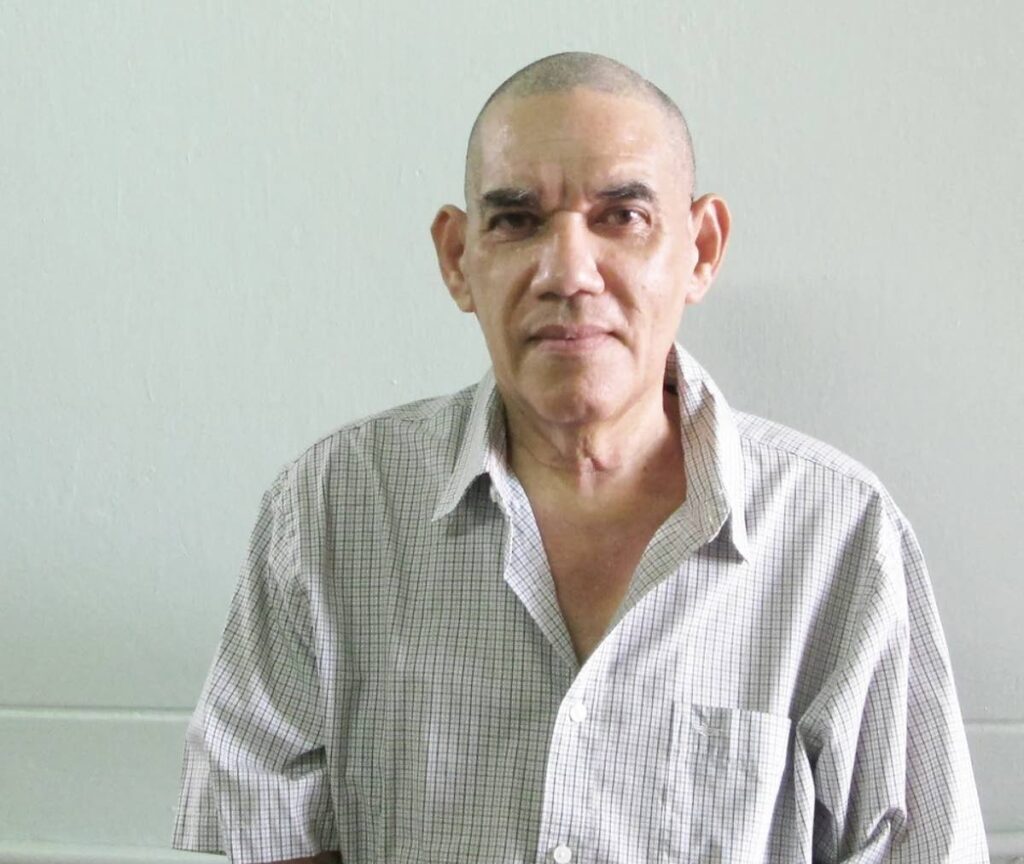
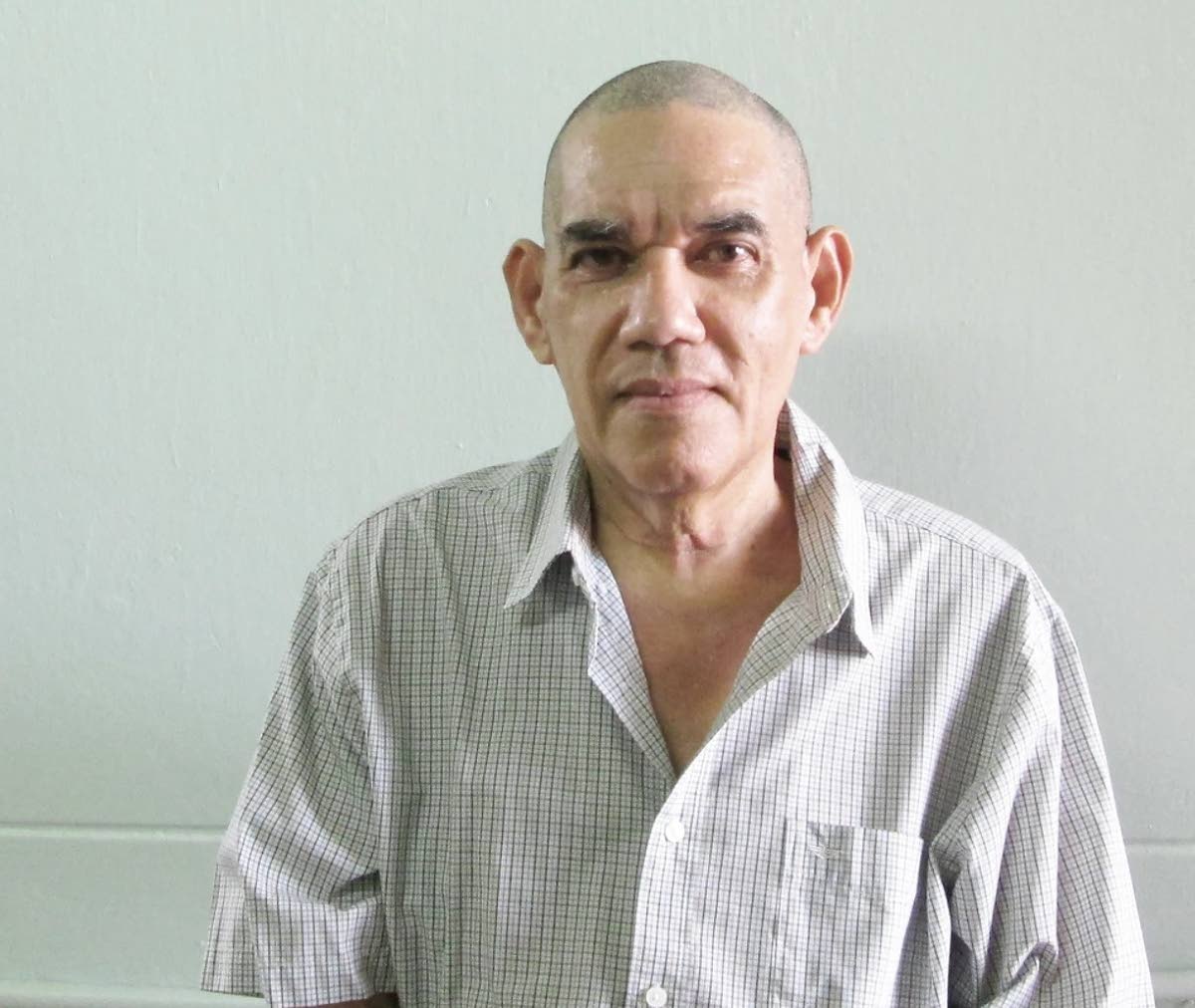
    Renowned Jamaican entrepreneur Roy DeCambre has initiated legal proceedings against the National Commercial Bank (NCB), seeking substantial damages tied to an escrow agreement dispute. The lawsuit, formally lodged in July 2023, involves DeCambre’s companies, National Fuels and Lubricants Limited and Total Jamaica Limited, as the plaintiffs. The contested escrow agreement dates back to January 22, 2004, with DeCambre asserting that NCB breached its terms, leading to significant financial losses. DeCambre expressed confidence in securing a favorable verdict, estimating the damages to amount to billions of dollars. When approached by the Jamaica Observer for comment, an NCB spokesperson declined to address the matter, citing the bank’s policy of not discussing ongoing legal cases.

  • Guyana plans to sell its own crude

    Guyana plans to sell its own crude

    In a landmark announcement on October 2, 2025, Guyana’s President Irfaan Ali revealed the nation’s ambitious plan to enter the global crude oil trading market. Speaking at the Georgetown Chamber of Commerce and Industry’s (GCCI) “Energy Insights” breakfast forum, President Ali outlined a strategic initiative to leverage both local and international expertise to establish Guyana’s presence in the crude oil trade. The plan includes hiring experienced crude oil traders to facilitate knowledge transfer and operational readiness while the country develops its infrastructure and human capital. This move is expected to create significant economic opportunities for Guyana, which is projected to increase its oil production from 650,000 barrels per day to 1.2 million barrels per day by 2030. The initiative will involve collaboration with the domestic private sector and international partners, ensuring Guyana’s ability to trade its crude oil independently in the future. Additionally, Guyana is implementing a competitive bidding system to select a crude marketing firm for its 50% share of profit oil from the Stabroek Block. The announcement coincided with updates from ExxonMobil Guyana, which reported that its Floating Production Storage and Offloading (FPSO) vessel, One Guyana, is nearing its full capacity of 250,000 barrels per day. ExxonMobil is also advancing plans for its eighth project, Longtail, which holds substantial natural gas deposits and could support multiple industrial developments in Berbice.

  • Central Bank takes to the road to promote BiMPay

    Central Bank takes to the road to promote BiMPay

    The Central Bank of Barbados has intensified its efforts to educate residents about BiMPay, the nation’s upcoming instant payment system, set to launch in March 2026. As part of a comprehensive public awareness campaign, a team led by Governor Dr. Kevin Greenidge recently visited the parishes of St James, St Andrew, and St Peter to engage directly with the community. The initiative aims to ensure that Barbadians are well-informed and prepared for the system’s introduction.

  • Central Bank Celebrates 42 Years of Financial Stewardship and Stability

    Central Bank Celebrates 42 Years of Financial Stewardship and Stability

    The Eastern Caribbean Central Bank (ECCB) commemorated its 42nd anniversary on Wednesday, 1 October, marking over four decades of unwavering service to the Eastern Caribbean Currency Union (ECCU). The milestone was celebrated with a special worship service on Sunday, 28 September, attended by ECCB management, staff, retirees, stakeholders, and community members. The event, led by Pastor Leroy Matthew of the People’s Evangelistic Centre, was a heartfelt expression of gratitude for the Bank’s enduring contributions to regional financial stability. Pastor Matthew praised the steadfastness of the Eastern Caribbean (EC) dollar, which has been pegged to the U.S. dollar at EC$2.70=US$1.00 since 1976, highlighting its role in fostering economic confidence. ECCB Governor Timothy N.J. Antoine, in his address, thanked God for the Bank’s journey and reaffirmed the strength of the EC dollar, backed by nearly 99.0% foreign reserves. He emphasized the ECCB’s commitment to maintaining financial stability across its eight member countries. Governor Antoine also honored the Bank’s pioneers, including Dr. Sir Kennedy Simmonds, Sir Cecil Jacobs, Sir K Dwight Venner, and Sir Errol Allen, while acknowledging the collective efforts of past and present contributors. In a poignant moment, he addressed the younger generation, explaining the ECCB’s critical role in regulating financial institutions, issuing currency, and safeguarding deposits. He urged both children and adults to value the Bank’s work and to pray for its continued success. The anniversary coincided with the Financial Information Month (FIM) Festival, a regional initiative promoting financial literacy under the theme ‘Financial Empowerment Through Education.’ The event underscored the ECCB’s legacy of leadership and its ongoing mission to empower the people of the Eastern Caribbean.

  • OP-ED- Last Stand: Trinidad And Tobago Races Against Time To Save Caribbean’s Final Investment Grade Rating

    OP-ED- Last Stand: Trinidad And Tobago Races Against Time To Save Caribbean’s Final Investment Grade Rating

    Trinidad and Tobago, the Caribbean’s last remaining investment-grade sovereign, is teetering on the edge of a financial precipice. Last week, Standard & Poor’s (S&P) downgraded the country’s economic outlook from ‘stable’ to ‘negative,’ signaling a one-in-three chance of a full credit rating downgrade within the next 6 to 24 months. This warning has profound implications for the nation’s 1.4 million citizens, who could face skyrocketing borrowing costs, reduced public services, and heightened economic hardship. The twin-island nation currently holds a BBB- rating, the lowest tier of investment-grade status. A further downgrade to BB+ would plunge the country into ‘junk’ territory, forcing institutional investors to divest and significantly increasing the cost of government borrowing. The stakes are high: Trinidad and Tobago’s potential fall would leave the entire English-speaking Caribbean without a single investment-grade sovereign. The root causes of this crisis are deeply entrenched. The country’s over-reliance on its declining oil and gas sector, chronic fiscal deficits, and stagnant economic growth have created a perfect storm. Oil and gas still account for over 25% of GDP, nearly 80% of exports, and the bulk of government revenues. However, production has been declining for years, and new projects require costly deep-water drilling. Meanwhile, the government’s debt burden has reached 81.3% of GDP, and the Heritage and Stabilisation Fund, built from past oil booms, continues to shrink. S&P has issued an ultimatum: implement fundamental structural reforms within the next two years or face junk status. These reforms include diversifying the economy beyond oil and gas, improving fiscal discipline, addressing chronic USD shortages, and strengthening institutions. While the challenges are daunting, Trinidad and Tobago retains some advantages, including political stability, substantial liquid assets, and sound monetary management. The country’s strategic location as a regional energy hub and gateway to South America also offers opportunities for diversification. The government’s response to this crisis will determine whether Trinidad and Tobago can avoid the fate of its Caribbean neighbors, such as Barbados and The Bahamas, which have struggled with high borrowing costs and austerity measures after losing their investment-grade status. The clock is ticking, and the stakes extend far beyond credit ratings. Success could position Trinidad and Tobago as a model for small island developing states navigating the transition to post-petroleum prosperity. Failure, however, would burden citizens with higher costs and eliminate the Caribbean’s last beacon of investment-grade credibility.

  • US$50 million to be invested to combat sargassum in the Caribbean, starting in the Dominican Republic

    US$50 million to be invested to combat sargassum in the Caribbean, starting in the Dominican Republic

    InterEnergy Group has unveiled a groundbreaking $50 million initiative to address the sargassum crisis in the Caribbean, starting with the Dominican Republic. The announcement was made by CEO Rolando González-Bunster during the 20th Clinton Global Initiative (CGI) in New York, underscoring the company’s dedication to sustainable development and environmental preservation. The fund aims to unite public and private sectors in safeguarding the region’s ecosystems and tourism industry, which have been severely impacted by the invasive seaweed. González-Bunster emphasized InterEnergy’s proven track record in renewable energy, including the construction of wind farms like Quilvio Cabrera and Los Cocos I in the Dominican Republic, as well as the Laudato Si’ wind farm in Panama, the largest in Central America and the Caribbean. The company has also spearheaded transformative projects such as converting Energas to natural gas in the Dominican Republic, building Panama’s Gatún Generator—the region’s largest natural gas plant—and achieving 100% renewable electrification of Saona Island. Looking ahead, InterEnergy plans to convert two power plants in Jamaica to natural gas, reducing CO₂ emissions by up to 40% and providing cleaner energy to over 250,000 homes. Over the past two decades, the company has invested more than $2 billion in clean energy, driving energy security, decarbonization, and sustainable development across Latin America and the Caribbean.

  • FRS EXPRESS Des Iles  cancels all services till October 12

    FRS EXPRESS Des Iles cancels all services till October 12

    FRS EXPRESS Des Iles has announced an unexpected suspension of all its services until October 11, 2025, citing a technical issue. In a recent statement, the company expressed its regret for the inconvenience caused and assured passengers that operations are expected to resume by October 12, 2025. Customers seeking further details or assistance are encouraged to contact HHV Whitchurch & Co Ltd at their Roseau or Portsmouth offices. The company also advised passengers to stay updated through its official Facebook and Instagram pages. FRS EXPRESS Des Iles extended its sincere apologies for the disruption, emphasizing its appreciation for customers’ understanding and patience. The company remains committed to resolving the issue promptly and looks forward to restoring its services soon.

  • Tourism in the age of AI: Caribbean tourism leaders chart a human-centred path

    Tourism in the age of AI: Caribbean tourism leaders chart a human-centred path

    The Caribbean tourism sector is at a pivotal juncture as industry leaders convened at the State of the Tourism Industry Conference (SOTIC) 2025 to address emerging trends and challenges. Held under the theme ‘Reimagining Caribbean Tourism: Research, Relevance and the Road Ahead,’ the event took place from September 30 to October 3 at the Hilton Barbados. The conference aimed to explore how the region can adapt to technological advancements while preserving its unique cultural identity.

    At the official launch ceremony on October 1, keynote speaker Dr. Auliana Poon, founder of Leve Global and a renowned expert in tourism and sustainable development, set the stage for discussions. With a career spanning South Africa, Abu Dhabi, Singapore, and beyond, Poon emphasized the transformative potential of tourism when combined with innovative strategies. She highlighted the dual challenge of leveraging artificial intelligence (AI) while maintaining the authenticity that defines Caribbean tourism.

    In her address, Poon underscored the importance of balancing technological efficiency with human connection. ‘AI is inevitable, but it cannot replace the human touch,’ she stated. ‘The antidote to artificial is authentic. Tourism thrives on genuine experiences, and it’s our responsibility to deliver that authenticity.’ She urged industry leaders to adopt AI tools to enhance productivity but stressed that these tools alone are insufficient. ‘Each manager should have their own AI assistant, but we must also reimagine how we deliver authentic experiences.’

    The conference marked the beginning of a week-long exploration of insights and innovations designed to guide the Caribbean tourism industry into 2026 and beyond. By embracing both technology and cultural authenticity, the region aims to position itself as a global leader in sustainable and impactful tourism.

  • Guyana begins high-tech mineral mapping

    Guyana begins high-tech mineral mapping

    Guyana has embarked on an ambitious high-tech aerial mineral mapping project, aimed at creating a comprehensive inventory of its mineral resources. The initiative, launched on October 1, 2025, seeks to provide prospectors with precise data to identify commercially viable deposits of gold, uranium, and rare earth minerals. The project is a collaboration between the Guyana Geology and Mines Commission (GGMC) and U.S.-based Aqua Geo Frameworks, utilizing advanced aircraft equipped with multiple sensors to collect geological data without disturbing the ecosystem. The first phase of mapping is expected to be completed by December 2025, weather permitting. The project, part of the Guyana Mineral Advancement and Prospecting Strategy (GMAPS), also includes training, stakeholder consultations, and validation of past geological surveys. Officials emphasized that the initiative aligns with Guyana’s Low Carbon Development Strategy (LCDS), promoting sustainable and low-impact mining practices. Natural Resources Minister Vickram Bharrat highlighted the project’s potential to enhance Guyana’s global reputation, improve environmental stewardship, and create economic opportunities. The $4 million initiative aims to fill data gaps left by previous prospectors and geoscientists, enabling more informed investment decisions and efficient resource exploitation.