分类: business

  • Image Plus names Steven Lewis as new chairman

    Image Plus names Steven Lewis as new chairman

    Jamaica’s premier diagnostic imaging provider, Image Plus Consultants Limited operating as Apex Radiology, has commenced a meticulously planned leadership transition after three decades under its founding leadership. This strategic move aims to ensure operational continuity while propelling the publicly-traded healthcare enterprise into its next growth chapter.

    Dr. Karlene McDonnough, the visionary founder and longstanding Chairperson, will step down from her executive leadership position effective February 28, 2026. Her remarkable tenure witnessed the company’s evolution from a private startup to a Jamaica Stock Exchange-listed healthcare powerhouse currently generating annual revenues surpassing $1 billion. While relinquishing her chairmanship, Dr. McDonnough will maintain her board presence as an executive director and continue providing specialized expertise as lead consultant radiologist for nuclear medicine services.

    The corporate transition announcement expressed profound gratitude: “The entire IPCL family wishes to convey our heartfelt appreciation to Dr. McDonnough for her vision, unwavering support, and selfless leadership over the years. We extend our warmest wishes for God’s abundant blessings as she begins her well-earned semi-retirement.”

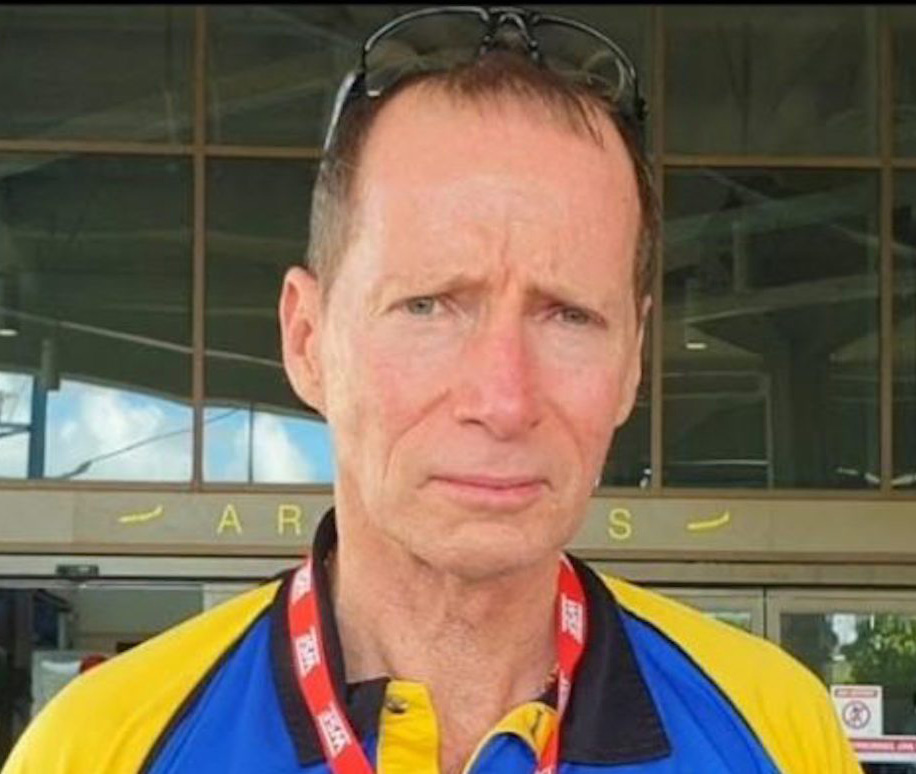
    Assuming the chairman role effective March 1, 2026 will be Dr. Steven Lewis, currently serving as deputy chairman since November 2024. With over two decades of institutional knowledge dating back to his initial joining as consultant radiologist in 2003 and board membership since 2010, Dr. Lewis brings extensive operational and governance expertise to the leadership position.

    This leadership evolution occurs amidst both operational challenges and strategic expansion initiatives. Recent quarterly results reveal resilient performance with Q3 FY2026 revenues reaching $277.2 million—the strongest quarterly achievement thus far in the financial year—despite operational disruptions from Hurricane Melissa that reduced patient volumes, particularly in regions outside Kingston.

    Nine-month financials show revenues of $803.3 million, reflecting a 3.9% year-over-year decrease, while pre-tax profits declined to $33.1 million from $41.6 million in the comparable prior period. Management attributed these contractions to reduced scan volumes and hurricane-related impacts, though strategic cost containment measures helped maintain stable gross margins and modestly reduced administrative expenses.

    Concurrently, the company has advanced its expansion strategy through the $69.8 million acquisition of The Woman’s Place diagnostic imaging operations. This transaction, comprising 75% cash payment with remainder deferred until October 2026, establishes Apex Radiology’s specialized mammography services platform. The acquired unit already contributed over 8% of total scan volume within its first operational month, with intangible assets valued at $49.4 million recognized through this acquisition.

    Future growth remains prioritized, with management indicating advanced negotiations for a second acquisition anticipated to be finalized in Q4 FY2026. Concurrently, the ongoing construction of the 33 LMR facility promises enhanced operational capacity and improved patient throughput upon completion in 2026.
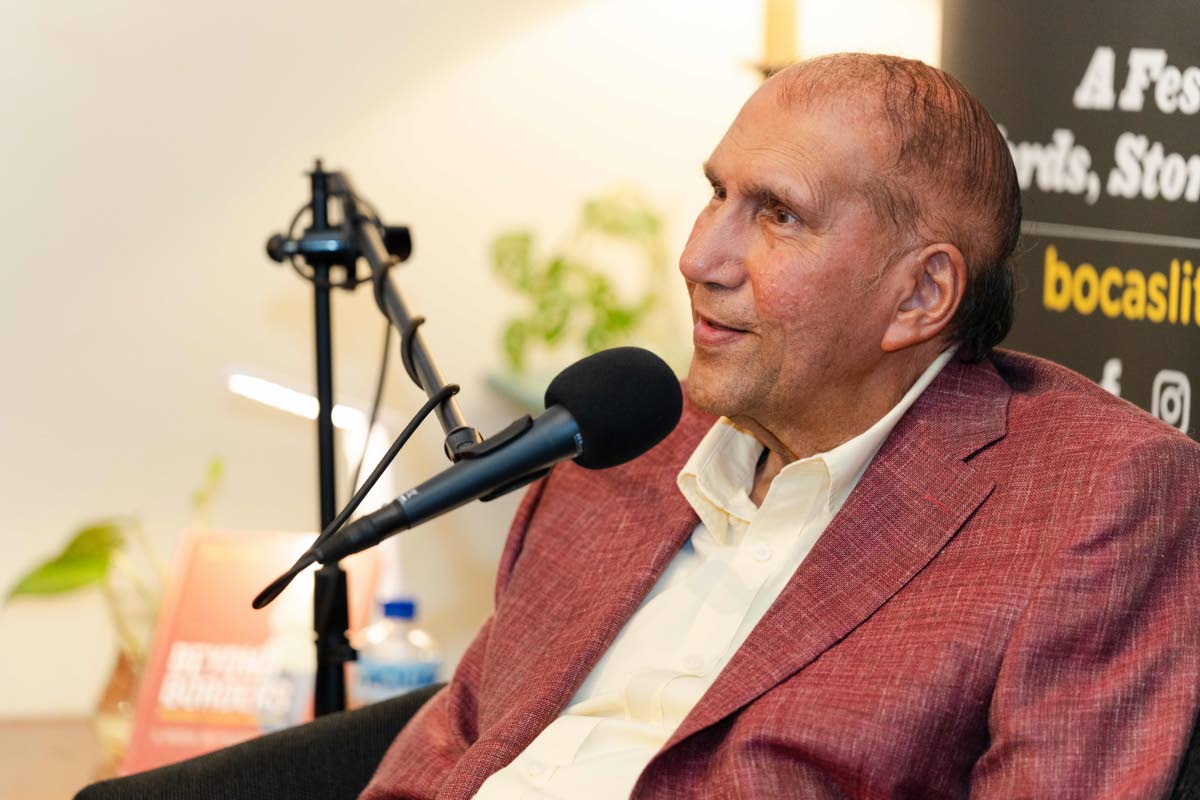

  • Arthur Lok Jack reflects on life, leadership, legacy at The Writers Centre

    Arthur Lok Jack reflects on life, leadership, legacy at The Writers Centre

    Prominent Trinidad and Tobago business leader Arthur Lok Jack captivated audiences at The Writers Centre on January 10th during an insightful discussion about his newly published memoir, “Beyond Borders.” The event, which was open to the public free of charge, drew a diverse crowd comprising readers, aspiring entrepreneurs, students, and cultural enthusiasts.

    During the conversation moderated by seasoned journalist Franka Philip, Lok Jack delved into the profound personal and professional experiences that shaped his remarkable career. He recounted his childhood in St. James, the early emergence of his ambition, and the core values that propelled the growth of iconic Caribbean brands including Sunshine Snacks, Charles Chocolates, Universal Cereals, and Devon Biscuits.

    The business magnate emphasized universal business principles, stating, “Anybody can do business. The principles remain the same, no matter how sophisticated the business.” He shared transformative life experiences, including his courageous battle with leukemia, highlighting how family and community support during challenging times fundamentally influenced his leadership philosophy.

    The discussion expanded to broader themes explored in his memoir, addressing entrepreneurship beyond mere profit, creating institutions with lasting impact, and the critical responsibility leaders bear in investing in human development and education. Lok Jack encouraged attendees to pursue extensive reading and learn from the experiences of established business leaders.

    He also reflected on his significant contributions to Caribbean business education through The UWI-Arthur Lok Jack Graduate School of Business and the global expansion of the Associated Brands Group of Companies, which he founded and led as chairman and CEO. His international business expertise includes former directorships with Consolidated Biscuits (Malta) and Sunshine Snacks (Malta).

    Copies of “Beyond Borders” were available for purchase through Paper Based Bookshop, with all proceeds benefiting The UWI-Arthur Lok Jack Graduate School of Business. The event concluded with a powerful message that true success transcends business achievements, measured instead by lives impacted and legacies created.

  • Trinidad and Tobago tourism: Beyond cruise ship numbers

    Trinidad and Tobago tourism: Beyond cruise ship numbers

    Recent media reports questioning Trinidad and Tobago’s tourism vitality due to fluctuating cruise arrivals have sparked industry debate. However, a ground-level perspective reveals a sector undergoing profound transformation rather than decline. The traditional tourism landscape has fundamentally shifted from large corporate dominance to an ecosystem of agile, digitally-native operators leveraging platforms like Viator, TripAdvisor, and Google to connect directly with global travelers.

    This digital revolution has created significant gaps in official statistics. Visitors now routinely book private cultural tours, local guides, and complete Carnival experiences through direct digital channels—economic activities that remain largely invisible to conventional tracking systems. The accommodation sector mirrors this transformation, with Airbnb and Booking.com enabling stays in guest houses from Paramin to beachfront cottages in Tobago, all occurring outside traditional measurement frameworks.

    Three distinctive visitor profiles illustrate this new reality: a American seeking 48-hour stress relief through cultural immersion, a Ukrainian spiritual traveler selecting Trinidad as his sanctuary, and a dedicated birther pursuing rare hummingbird species. Perhaps most significantly, transit tourism has emerged as a substantial category, with layover passengers booking four-hour tours with local cuisine between flights at Piarco International Airport—experiences completely absent from overnight stay statistics.

    The sector has diversified into specialized niches including culinary tourism (focused on doubles, roti, and pelau), extended Carnival stays, heritage root-tracing, birdwatching expeditions, and medical/wellness visits. These experience-driven travelers demonstrate higher spending commitment and resilience compared to traditional cruise passengers.

    The critical challenge lies in perception management. While government investment in aggressive destination marketing remains essential, equally crucial is curbing self-defeating narratives that undermine Trinidad and Tobago’s global competitiveness. The nation’s authentic cultural assets—from steelbands to calypso storytelling—represent precisely what modern discerning travelers seek. Rather than decline, the sector demonstrates evolution toward its true potential, measured inadequately with outdated metrics. The world stands ready to discover Trinidad and Tobago’s unique offerings—the question remains whether local stakeholders can align behind a unified promotional vision.

  • WATCH: Williams revisits his viral ‘latte’ moment to tout real estate market

    WATCH: Williams revisits his viral ‘latte’ moment to tout real estate market

    Christopher Williams, Chairman and CEO of different Capital, has reflected on a controversial statement he made approximately six years ago regarding housing affordability for the middle class. During his previous tenure as chairman of Proven REIT, while promoting a new residential development, Williams suggested that prospective buyers could afford units by reducing their daily coffee purchases—a remark that sparked significant public criticism and led to his subsequent apology, which he acknowledged as inappropriate at the time.

    In a recent video address, Williams highlighted that the property in question, originally valued at $19 million, has now appreciated to an estimated $35 million. He presented this substantial valuation increase as evidence supporting his underlying argument about real estate’s wealth-building potential. “Don’t ramp and play around with real estate cause that is the path to your long-term wealth, think different,” Williams advised viewers, emphasizing strategic property investment as a key to financial growth.

    Following his departure from Proven last year, Williams co-founded different Capital alongside businessman Gary Matalon. The new real estate brokerage firm aims to provide clients with access to investment properties throughout the Caribbean region, expanding opportunities for property investment and portfolio diversification.

  • Guyana emerging as a premier tourism destination, says president

    Guyana emerging as a premier tourism destination, says president

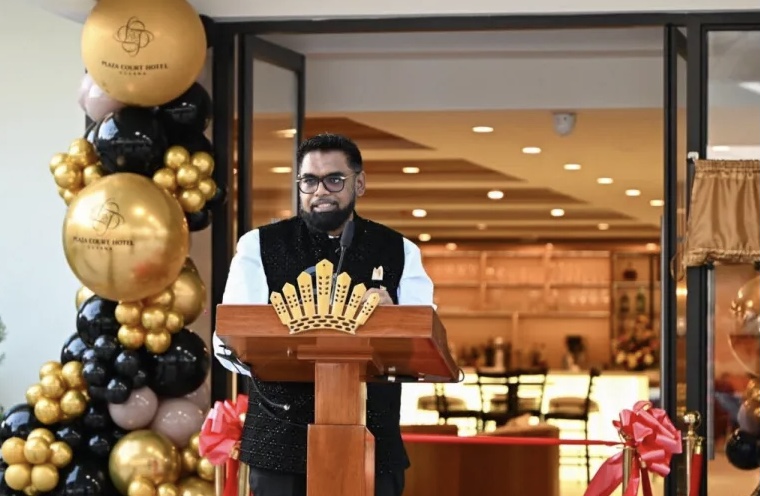
    GEORGETOWN, Guyana — President Dr. Mohamed Irfaan Ali has authoritatively declared Guyana’s transformation into a leading tourism hub for the Caribbean and South America, asserting that the nation’s long-anticipated tourism boom is no longer a future prospect but a present reality. The announcement was made during the inauguration of the new Plaza Court Hotel in Georgetown, symbolizing the country’s aggressive push into the global tourism market.

    President Ali emphasized that strategic and unprecedented government investments in critical infrastructure, national safety, and human capital development have fundamentally shifted Guyana’s position from an aspirant to a formidable competitor in the international tourism arena. ‘Guyana is not waiting for a tourism boom. The boom has already begun,’ he stated. ‘We are not speculators anymore. We are coming for the market, and we are coming to be successful.’

    A central theme of his address was the necessity for industry-wide collaboration. The President framed the entire national tourism sector as a unified entity selling a single product: ‘Brand Guyana.’ He urged all hotel operators and stakeholders to embrace shared standards and accountability, moving beyond individual branding to collectively enhance the nation’s appeal.

    Ali outlined a three-pillar framework—safety, service, and experience—as the cornerstone of Guyana’s tourism strategy. He detailed enhancements in security infrastructure and technology-driven monitoring systems that have significantly bolstered public safety. To elevate service quality, the government is advancing plans for a world-class Hospitality Institute designed to equip Guyanese workers with internationally recognized skills.

    Regarding the visitor experience, the President highlighted comprehensive upgrades, including streamlined airport processing, revitalized public spaces and historic corridors, and improved connectivity to entertainment districts, all aimed at creating a seamless and memorable tourist journey.

    The nation is already reaping the benefits of this strategic push, with a notable surge in interest from international organizations seeking to host major conferences and events in Guyana. The President credited the private sector’s confidence and substantial investments as a vital driver of this growth, reaffirming the government’s commitment to fostering a pro-business environment that generates jobs and raises living standards.

    Looking to the future, President Ali described a deliberate and sustained national project, fueled by historic investments in roads, bridges, ports, and airports, to establish Guyana as a premier sustainable tourism destination. The opening of the Plaza Court Hotel was presented as a tangible marker of this readiness, with the President concluding, ‘Brick by brick, runway by runway, room by room, we are laying the foundation for shared prosperity.’

  • SPOTTED!!

    SPOTTED!!

    In the high-stakes arena of celebrity public relations, Chris Chambers stands as a pivotal yet often unseen force. As the founder of The Chamber Group, a New York-based boutique PR firm established in 2006, Chambers has meticulously crafted the images and narratives for a veritable who’s who of music and entertainment royalty. His client roster boasts iconic names including Usher, Drake, Jamie Foxx, Erykah Badu, OutKast, and Ciara, solidifying his reputation as an industry titan.

    Chambers’ journey into the world of PR began not by design, but through discovery. While pursuing a journalism major at NYU, a single workshop ignited his interest. “There were no real classes that focused on PR; at the time, the journalism department focused on English and writing,” he recalls. The pivotal turning point was an internship during his junior year at Set to Run Public Relations, a firm that worked with all the major music labels. As part of their inaugural internship program, Chambers was immersed in the fundamentals—drafting press releases, scheduling media days, and learning the core mechanics of the industry. This experience cemented his career path.

    His expertise has not gone unnoticed. A significant career milestone was his inclusion in Billboard Magazine’s first-ever ‘Power Publicists’ list in 2023, an inaugural definitive roster highlighting the music industry’s most influential artist representatives. “It always feels good to be recognised for my work, especially amongst my peers… I can honestly say it was a highlight in my career,” Chambers noted.

    The firm’s recent highlights, looking ahead to 2025, underscore its diverse and high-caliber influence. These include Usher’s prominent participation in the Met Gala and his role as the face of the Ralph Lauren fragrance “Ralph’s Club.” Further demonstrating the agency’s expansive reach beyond music, Chambers cites working with the Dance Theatre of Harlem, the iconic premier ballet company, as a profound highlight. The year culminated with Grammy Award-winning rapper Future being named a face of Louis Vuitton, a major coup in the luxury fashion space.

    Reflecting on client Usher’s monumental year, Chambers attributes his success to an unwavering commitment to craft. “Usher comes from that era where performers worked on their craft to be great — not okay or good!” he states, emphasizing that this dedication ensures audiences receive a performance worth the ticket price, offering an escape from everyday life. Chambers hints at even more exciting multi-platform projects on the horizon for the superstar.

    The accompanying photographs—from on-location shoots for American Vogue with Erykah Badu to moments with fashion icon Naomi Campbell and editor Edward Enninful—provide a visual testament to The Chamber Group’s entrenched position at the nexus of music, fashion, and culture.

  • Cane growers decry extra-regional imports threatening centuries-old sugar heritage

    Cane growers decry extra-regional imports threatening centuries-old sugar heritage

    Barbados’ centuries-old sugar industry stands on the brink of catastrophic failure as local cane farmers issue urgent warnings about market destabilization from imported brown sugar. Industry leaders report that unrestricted importation of low-cost sugar from outside the Caribbean Community (CARICOM) threatens to eliminate domestic production within months, jeopardizing agricultural stability and rural employment.

    Mark Sealy, Chairman of the Barbados Sugar Industry Limited (BSIL), expressed profound concern about licensing practices that permit distributors to bring foreign sugar into the domestic market. “We understand there is brown sugar coming from outside CARICOM and competing with local Barbados sugar,” Sealy stated. “That’s basically shooting yourself in the foot — it needs to stop.”

    The economic implications extend beyond direct sales, as sugar production remains intrinsically linked to Barbados’ rum manufacturing through molasses production and contributes significantly to food security through crop rotation practices. Approximately 25% of sugar acreage alternates with food crops, creating an agricultural ecosystem now under threat.

    Sealy emphasized the market dynamics creating unsustainable pressure: “The market for brown sugar in Barbados is between 3,500 and 4,000 tonnes. If you’re bringing in cheaper sugar from countries with lower labor and fuel costs, the factory cannot compete or sell to retailers.” This price disparity creates cash flow constraints that ultimately prevent timely payments to local farmers.

    Contrary to potential justification through supply shortages, Sealy confirmed adequate domestic inventory: “There is no shortage. The factory has sugar in storage. Allowing these imports makes no sense — distributors just want a higher margin because they can buy cheaper elsewhere.”

    The situation has drawn previous governmental concern, with Minister of Agriculture Indar Weir having previously criticized “excessive sugar imports” that undermined the “beleaguered local industry.” While the Ministry continues monitoring the situation, industry representatives await concrete intervention to prevent total sector collapse.

  • Prime Minister Presses ECAB on Long-Delayed Share Conversion Plan

    Prime Minister Presses ECAB on Long-Delayed Share Conversion Plan

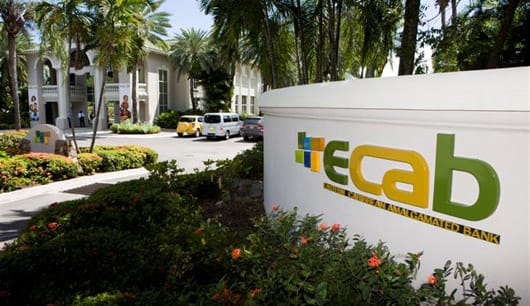
    Prime Minister Gaston Browne of Antigua and Barbuda has escalated his administration’s campaign to transform the ownership structure of Eastern Caribbean Amalgamated Bank (ECAB). The government is pushing for the conversion of preference shares into ordinary shares, a strategic move designed to facilitate wider public ownership among Antiguans and Barbudans.

    In a direct appeal to the financial institution’s leadership, Browne accused ECAB’s directors and shareholders of systematically obstructing this policy initiative. “You have been frustrating this policy initiative of our government,” stated Browne, emphasizing that the conversion would enable the subsequent divestment of shares to local citizens.

    The core objective behind this persistent effort is to democratize ownership within key economic enterprises. The administration believes that broadening local participation in major institutions like ECAB will create more direct economic benefits for citizens and foster greater financial inclusion.

    Despite prolonged discussions spanning several months, the initiative has encountered significant resistance from the bank’s current leadership and shareholder base. The Prime Minister indicated that this opposition has stalled progress, necessitating continued engagement between government officials and bank representatives to break the deadlock.

    This initiative aligns with Browne’s previously stated economic philosophy that expanding domestic equity participation is fundamental to building sustainable national wealth. The government views local ownership stakes in critical financial institutions as a cornerstone for long-term economic resilience and community empowerment.

  • VES-secretaris Girdhari: Jaarrede president schetst richting, maar mist concrete uitwerking

    VES-secretaris Girdhari: Jaarrede president schetst richting, maar mist concrete uitwerking

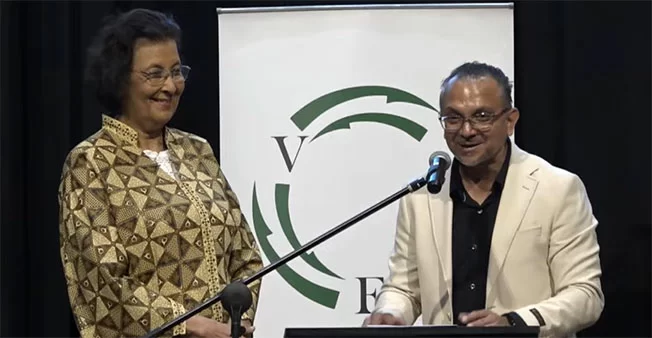
    Suriname’s economic trajectory for 2025-2030, as outlined in President Jennifer Simons’ New Year address to the Association of Economists in Suriname (VES), presents both ambitious frameworks and substantial implementation concerns according to VES Secretary Swami Girdhari. While acknowledging the macroeconomic consistency of the presidential vision, which appropriately emphasized the crucial interconnection between fiscal policy, monetary measures, and structural reforms, Girdhari highlighted significant gaps in practical execution details.

    The address, delivered during a 45-minute presentation, successfully established broad policy contours but fell short in translating abstract concepts—including discipline, institutional strengthening, transparency, and good governance—into measurable policy choices, clear priorities, and concrete timelines. Girdhari noted that while time constraints might explain some omissions, society rightfully expects the government to provide specific operational details in the near future.

    A primary concern centers on governmental implementation capacity. Many proposed policies echo previous administrations’ declarations, raising questions about Suriname’s institutional and human resource capabilities to actualize these plans. The VES supports the president’s stance that export-earned foreign exchange must serve the national economy through full repatriation, emphasizing that production enhancement and revenue generation capacity remain fundamental requirements.

    Although tourism and agricultural sectors were correctly identified as key economic drivers, Girdhari observed that seven months into the administration, policy execution remains disappointing with no coherent, consistent strategy yet visible. Corruption prevention also received insufficient attention according to the VES, with merely two brief mentions in the speech contrasting sharply with daily reports about potential corruption cases from the previous administration involving LVV, Grassalco, EBS, Brownsberg, timber exports, gold smuggling, and land distribution.

    Additional criticism targeted the government’s personnel management approach, where dismissing officials without proven misconduct—often while maintaining their salaries—results in financial waste and human capital underutilization. Girdhari urged creative deployment of available expertise for national development.

    Regarding anticipated oil and gas revenues, the VES acknowledges the president’s correct emphasis on preparation but questions whether Suriname’s political and institutional systems possess sufficient robustness to maintain this course long-term. Ultimately, the association stresses that the president’s central promise of systemic transformation (“Kenki a Systeem”) must begin showing visible contours through tangible actions, noting that recent months’ developments haven’t yet aligned with this commitment.

  • President  plaatst landbouw centraal: Agrarische sector sleutel stabiliteit en brede welvaart

    President plaatst landbouw centraal: Agrarische sector sleutel stabiliteit en brede welvaart

    In a significant policy address at the New Year’s reception of the Association of Economists in Suriname (VES), President Jennifer Simons declared agriculture the cornerstone of her administration’s economic strategy. Speaking before a capacity audience, Simons positioned the agricultural sector as fundamental to achieving food security, price stability, employment generation, and sustainable economic development—particularly as Suriname prepares for anticipated oil revenues.

    The president articulated a paradigm shift in how agriculture should be perceived: not as a secondary industry but as a strategic pillar within the real economy. “True prosperity originates in the real economy,” Simons emphasized, identifying agriculture as the foundation for resilient and inclusive growth. Reduced dependence on food imports, she argued, would not only boost local production and create jobs but also alleviate pressure on the exchange rate.

    Simons underscored that agricultural expansion must not come at environmental expense. Suriname pursues “smart growth” that balances production with sustainable forest management and spatial planning. This approach entails more efficient utilization of existing farmland, rehabilitation of infrastructure, and strengthening agricultural institutions to achieve higher yields and improved quality per hectare. Innovation plays a crucial role, with agro-processing and integrated models like agroforestry serving as key priorities.

    The administration’s vision explicitly links agricultural development to education and vocational training. Simons stressed that secondary and higher agricultural education is indispensable for modernizing the sector, noting that sustainable growth requires well-trained farmers, technicians, and entrepreneurs. Beyond increased investment, the focus lies on smarter investment—developing knowledge, adopting modern production methods, and complying with international standards to maintain competitiveness.

    Notably, Simons positioned agriculture ahead of oil and gas in national priorities. Oil revenues should strengthen existing sectors rather than replace them, she cautioned, referencing international examples where neglect of traditional sectors led to vulnerability when commodity prices declined. “Oil offers opportunities but not certainty for a sustainable future,” the president stated, advocating for agricultural strengthening to ensure economic stability beyond the oil era.

    The success of this agricultural framework depends on policy coherence, regulatory clarity, and institutional reliability. Simons highlighted the need for predictable policies, robust infrastructure, access to financing, and market information to build confidence among farmers, investors, and consumers.