分类: business

  • Uruguayan exporters conclude Mercosur-EU agreement

    Uruguayan exporters conclude Mercosur-EU agreement

    A comprehensive monthly analysis from an economic guild has shed new light on the significant implications of the EU-Mercosur association agreement, formally signed in Montevideo on January 17th. The report underscores the European Union’s pivotal role as a cornerstone for South American export growth and foreign investment.

    According to the study, which draws on official projections, the implementation of the treaty is anticipated to catalyze a substantial upswing in Mercosur nations’ exports, with an estimated increase nearing 4%. Furthermore, the accord is forecast to generate a 0.5% rise in employment, providing a tangible economic stimulus.

    Beyond these macroeconomic gains, exporters are anticipating a robust bilateral enhancement in the trade of both goods and services, coupled with a reciprocal surge in cross-continental investments. The agreement is also projected to fortify the competitiveness and security of international supply chains, addressing a key vulnerability exposed in recent years. A parallel strategic benefit involves the increased competitiveness and critical diversification of energy sources and essential raw materials, reducing dependency on single suppliers.

    The guild’s analysis extends into environmental governance, heralding the pact as a catalyst for transformative changes in the collective fight against climate change. The framework is noted for incorporating stringent measures aimed at curbing deforestation and actively promoting sustainable development practices across the member economies.

  • Grenada must reapply fiscal discipline by 2027, IMF says after hurricane relief

    Grenada must reapply fiscal discipline by 2027, IMF says after hurricane relief

    The International Monetary Fund has advised Grenada to restore its core fiscal rule by 2027 to maintain debt sustainability, following the country’s temporary suspension of the measure this year to finance recovery efforts from Hurricane Beryl. In its annual Article IV economic assessment concluded Wednesday, the IMF justified the temporary pause as necessary for post-disaster reconstruction, which resulted in an estimated 2025 primary deficit of 3.2% of GDP.

    The IMF’s Executive Board supported staff recommendations that returning to fiscal rules is crucial for preserving fiscal discipline and ensuring sustainable debt management. Grenada’s fiscal framework requires a central government primary balance floor of 1.5% of GDP—a surplus level the IMF anticipates will be achieved in 2027. This return to fiscal rigor is projected to establish a firm downward trajectory for public debt, with a key debt target of 60% of GDP now expected by 2033.

    Alongside its call for fiscal consolidation, the IMF commended Grenada’s economic resilience, noting real GDP growth accelerated to 4.4% for 2025 driven by robust investment and construction activity, while inflation eased to 0.3%. The report acknowledged that prudent savings from substantial revenues generated through Grenada’s Citizenship-by-Investment program provided a critical financial buffer during the crisis period.

    Looking forward, the IMF projects growth will gradually moderate from current levels to an estimated potential rate of 2.7% by 2029 as the stimulus from large-scale public investment diminishes. The assessment identified significant external sector challenges, with Grenada’s 2024 position assessed as “weaker than the level implied by medium-term fundamentals.” A substantial current account deficit, estimated at 17.5% of GDP for 2025, is expected to persist due to high construction-related imports.

    The report highlighted Grenada’s heightened vulnerability to natural disasters and its dependence on tourism and imports as principal downside risks. The IMF recommended careful management of ambitious public investment projects to prevent cost overruns and emphasized the need for close monitoring of vulnerabilities within the non-bank financial sector.

    To foster durable growth, the fund proposed policies strengthening domestic economic foundations beyond foreign investment-driven tourism. These include enhancing local business linkages to the tourism sector, reducing trade friction, and investing in human capital development. The assessment also identified significant data deficiencies in key economic statistics as an impediment to effective policy-making, urging Grenada to prioritize improvements in its statistical capacity.

  • What the Trinidad and Tobago economy looked like in 2025

    What the Trinidad and Tobago economy looked like in 2025

    The year 2025 marked a period of significant economic recalibration for Trinidad and Tobago as the nation confronted multiple structural challenges within an increasingly volatile global landscape. Trade policy fluctuations and geopolitical tensions created headwinds for the Caribbean economy, exposing its continued reliance on the energy sector while highlighting urgent needs for diversification and reform.

    Global economic conditions deteriorated throughout 2025, particularly following April tariff actions by the United States that targeted several trading partners including China and Canada. Although subsequent negotiations resulted in partial rollbacks and delayed implementation timelines, persistent uncertainty undermined international trade stability.

    Domestically, the Trinidad and Tobago economy contracted by 2.1% during the first quarter of 2025, with both energy (-4.8%) and non-energy (-1.0%) sectors contributing to this decline. The economic downturn reflected deeper structural issues, including declining natural gas production and a severely constrained foreign exchange market that affected businesses across virtually all sectors.

    Geopolitical tensions with Venezuela emerged as a critical concern, with Caracas suspending key energy cooperation agreements including the strategically important Dragon gas project. This suspension jeopardized Trinidad’s access to Venezuela’s substantial offshore gas reserves, potentially undermining future gas supply security for the nation’s LNG and energy industries while damaging investor confidence in the sector.

    The foreign exchange shortage persisted throughout 2025, creating operational challenges for businesses through unpredictable currency access, delayed supplier payments, rising input costs, and production disruptions. The administratively managed system continued to reduce competitiveness and discourage new investment, demonstrating that rationed rather than market-responsive forex access inhibits efficient economic growth.

    Business confidence metrics revealed a complex picture. The TT Chamber of Industry and Commerce’s Business Outlook Index for Q4 2025 indicated that 54% of executives reported worsened financial performance over the previous six months. However, a majority anticipated improved organizational financial outlook within twelve months, suggesting business leaders viewed current challenges as cyclical rather than permanent. Notably, the Accommodation and Food Services sector demonstrated particular sensitivity to fiscal policy changes, with hiring intentions dropping sharply following excise duty increases on alcohol and tobacco in the 2026 Budget.

    International ratings agencies expressed growing concern about the nation’s economic trajectory. S&P Global Ratings revised Trinidad and Tobago’s outlook to negative on September 25, 2025, citing gradual erosion of fiscal and external buffers alongside subdued long-term economic growth. Moody’s maintained the government’s Ba2 rating but similarly revised the outlook to negative on December 12, 2025, highlighting near-term risks including declining foreign exchange reserves.

    Operational challenges persisted across the business environment, with issues in trade facilitation, port operations, and administrative processing affecting transaction costs and delivery timelines. Tax administration delays, particularly regarding VAT refunds, created cash flow management difficulties for exporters and VAT-intensive businesses.

    The labor market reflected both resilience and structural problems, with job demand continuing to outpace available opportunities—particularly for youth and first-time labor force entrants. A National Recruitment Drive in October 2025 attracted approximately 11,000 online applications on its first day, demonstrating substantial unmet employment demand. Simultaneously, employers reported persistent skills mismatches and difficulties sourcing appropriately trained labor for specialized roles.

    The potential prolonged shutdown of Nutrien’s nitrogen operations at Point Lisas Industrial Estate exemplified the economic consequences of structural challenges. The fertilizer producer cited port access restrictions and unreliable, uneconomic natural gas supply as primary reasons for the closure, which threatens significant foreign exchange earnings from ammonia and urea exports, risks hundreds of jobs, affects related industries, and could undermine investor confidence in the petrochemical sector.

    These developments throughout 2025 underscored the urgent need for decisive economic reform in Trinidad and Tobago. The convergence of global uncertainty, energy sector vulnerabilities, foreign exchange constraints, and business confidence challenges revealed the limitations of the current economic model and emphasized the risks of continued energy sector reliance. The path forward requires prioritizing private sector-led expansion, productivity enhancement, and long-term competitiveness to achieve inclusive and durable economic progress.

  • MV Blue Wave Harmony arrives Jan 22

    MV Blue Wave Harmony arrives Jan 22

    In a significant development for Trinidad and Tobago’s infrastructure and economic landscape, Works and Infrastructure Minister Jearlean John announced the imminent arrival of the MV Blue Wave Harmony. The new passenger and cargo vessel, set to dock at 8 am on January 22, will serve as a replacement for the Cabo Star on the critical seabridge connection.

    The announcement came during the Amcham economic forum at Port of Spain’s Hyatt Regency on January 21, where Minister John revealed extensive redevelopment plans as part of the government’s broader revitalization initiative. The comprehensive strategy encompasses 129 projects targeting key areas nationwide, with particular focus on transformative developments at Invaders Bay and Port of Spain.

    Invaders Bay, comprising 50 acres of prime reclaimed real estate accumulated over two administrations, is poised for dramatic transformation. Minister John outlined ambitious proposals including hotel complexes, marina facilities, and residential housing. The foreshore development alone anticipates 300 premium apartments and 400 marina docks, capitalizing on Trinidad’s advantageous position outside the hurricane belt for dry docking services.

    The Port of Spain revitalization involves repurposing over 400 acres of land, potentially freeing 150 acres of premium real estate for tourism-oriented development including convention centers and entertainment venues. Additionally, Sea Lots is designated for conversion into a specialized “health city” district.

    The scale of construction requirements underscores the project’s magnitude: 3,000 tonnes of structural steel, 23,000 tonnes of cement, 5,000 tonnes of rebar, and substantial additional materials. At peak development, the initiatives are projected to generate over 70,000 jobs, providing significant economic stimulation through construction activity.

    Minister John confirmed the extension of expression of interest submissions for the Invaders Bay project until February 5, responding to numerous requests for additional time. The developments will receive international validation through an upcoming visit by Abu Dhabi’s foreign affairs minister on January 23, who will assess project sites firsthand.

  • BBC announces landmark ‘partnership’ with YouTube

    BBC announces landmark ‘partnership’ with YouTube

    LONDON — In a strategic move to expand its digital footprint, the British Broadcasting Corporation (BBC) has unveiled a groundbreaking partnership with YouTube, the American video streaming behemoth. The collaboration aims to amplify the BBC’s renowned storytelling and journalistic content for a younger, digitally-engaged global audience.

    The multi-faceted agreement will see the BBC significantly enhance its presence on the platform by developing bespoke content specifically tailored for YouTube’s demographic. A key component involves the creation of new programming designed to resonate with younger viewers, alongside initiatives to highlight existing BBC content and foster the development of emerging British digital creators.

    Financially, the partnership introduces a new revenue stream for the publicly-funded broadcaster. Content viewed outside the United Kingdom will feature advertising, potentially generating crucial supplementary income. This development arrives at a pivotal moment for the BBC, which is navigating financial pressures and ongoing scrutiny regarding its long-term funding model, primarily supported by a mandatory television license fee of £174.50 ($234) for UK households.

    While the precise financial terms of the YouTube deal remain confidential, its strategic importance is emphasized by leadership. Tim Davie, the BBC’s outgoing Director-General, stated, ‘It’s essential that everyone gets value from the BBC, and this groundbreaking partnership will help us connect with audiences in new ways.’

    Echoing this sentiment, Pedro Pina, YouTube’s Vice President for EMEA, expressed delight in the alliance, noting it will ‘redefine the boundaries of digital storytelling.’ Pina added that the partnership is designed to ‘translate the BBC’s world-class content for a digital-first audience, ensuring its cultural impact reaches a younger, more global audience.’

  • Angostura gets spicy! Launches new rum & cola blend, non-alcoholic bitters on the horizon

    Angostura gets spicy! Launches new rum & cola blend, non-alcoholic bitters on the horizon

    In a strategic move aligning with Carnival 2026 festivities, Angostura Holdings has launched Cubata—a premium ready-to-drink (RTD) beverage combining spiced rum and cola. The product debuted at a media event on January 20th at the company’s Laventille headquarters, attended by acting CEO Ian Forbes, Chairman Gary Hunt, and brand ambassador Imran ‘GI’ Beharry.

    Cubata represents Angostura’s innovative take on the classic rum-and-cola cocktail, specifically formulated with Angostura Tamboo Spiced Rum rather than traditional white rum. With an alcohol content of 7%—positioned at the higher end of the RTD market—the beverage targets lifestyle-driven consumers aged 21-35, including urban professionals, creatives, and hospitality workers.

    Forbes emphasized that Cubata addresses growing consumer demand for convenience and experimentation within the rapidly expanding RTD sector. Unlike conventional Cuba Libre cocktails, this pre-mixed formulation offers consistent quality and quick service capabilities for bar environments.

    Chairman Gary Hunt revealed broader strategic initiatives accompanying the launch. The company will rebrand its Solera Wines and Spirits outlets as ‘House of Angostura Wines and Spirits’ to strengthen brand recognition and international appeal. This rebranding, already approved by the board, facilitates clearer market association with the Angostura name.

    Looking toward global expansion, Hunt outlined plans to establish House of Angostura outlets in cities with significant Trinidad and Tobago diaspora communities, including Brooklyn and Toronto. The company is simultaneously exploring non-alcoholic product lines, including alcohol-free bitters, to align with emerging consumer trends among Gen Z and millennial demographics.

    These developments form part of Angostura’s ‘2.0 x3’ growth strategy aiming to double revenue and triple profits by 2028. The Cubata launch strategically precedes Carnival celebrations, leveraging shifting consumer preferences toward convenience, flavor innovation, and brand identity.

  • ‘My expertise is not in tending flowers’

    ‘My expertise is not in tending flowers’

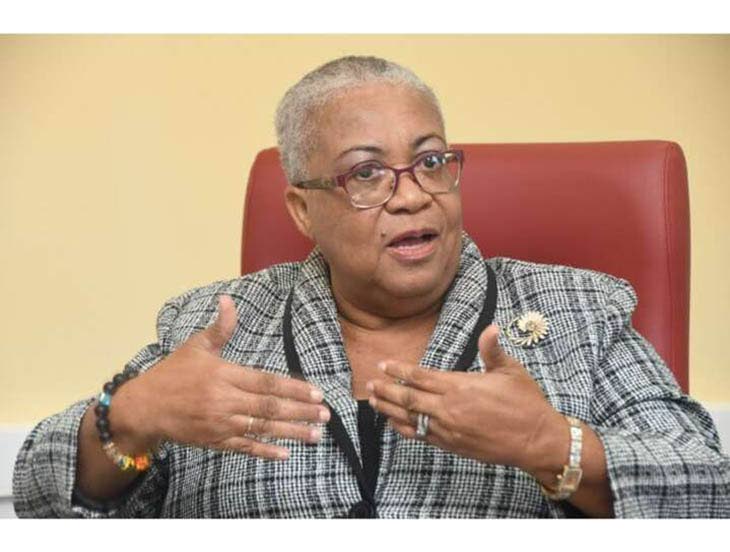
    Marlene Street Forrest, the recently retired Managing Director of the Jamaica Stock Exchange (JSE), has made a swift return to the financial sector by establishing her own consultancy firm. Having concluded her 26-year tenure at the JSE in September 2025—a period the exchange hailed as exceptionally transformational—Street Forrest announced the launch of Street Forrest Business Consultancy Ltd in January 2026.

    The venture represents a strategic redirection of her expertise rather than a conventional retirement. In interviews with Jamaican media, Street Forrest clarified that her motivation stems from identified gaps in corporate governance structures across businesses of all sizes. “I’ve seen where there are many things in business where small, medium, and even large companies need help,” she explained, specifically highlighting deficiencies in governance frameworks and unwritten operating procedures.

    Her consultancy model will leverage the extensive network and knowledge she accumulated leading the Caribbean’s premier securities exchange. Services will encompass policymaking guidance, regulatory assistance, and hands-on mentorship programs for corporate clients. Beyond immediate structural improvements, Street Forrest envisions contributing to regional capital market development, potentially assisting other Caribbean nations in establishing or strengthening their stock exchange operations.

    The consultancy will operate through a collaborative model, engaging external experts and credible industry providers to deliver comprehensive services. Street Forrest also expressed particular interest in supporting social sector organizations through pro bono or reduced-rate arrangements.

    She measures success not by visibility but by systemic impact: creating robust governance systems that continue functioning long after her engagement concludes. This approach, she believes, will ultimately foster stronger enterprises, better-governed institutions, and more confident investment environments throughout the region.

  • Pan American Life: Putting humanity into digitisation

    Pan American Life: Putting humanity into digitisation

    In an era of rapid technological transformation, Pan American Life Insurance Group is making strategic investments to enhance digital capabilities while maintaining the essential human element that defines the insurance industry. During a media conference at Hyatt Regency in Port of Spain on January 20, company executives outlined their vision for balancing technological innovation with personalized customer relationships.

    The insurance giant, operating across 22 countries with over 2,200 employees, announced plans to invest approximately $4 million in two new digital tools scheduled for release in 2026. The first tool targets corporate clients by streamlining claims processing, while the second implements ‘straight through processing’ technology that automates end-to-end workflows including underwriting and data entry.

    Executive Vice President of International Markets Daniel Costello emphasized that these advancements would position the company competitively. ‘These tools are critical to move forward,’ Costello stated. ‘We’re not just keeping pace with competitors—we’re setting new standards for customer satisfaction.’

    Despite the digital push, executives stressed that insurance fundamentally remains about human connections. President of Global Benefits Robert DiCianni noted that while technology has evolved, customer needs haven’t changed since the company’s founding in 1911. ‘People need protection—that’s been our cornerstone since 1958. Technology simply enables us to reach customers more effectively through our agents.’

    The company acknowledges varying technological adoption rates across generations. President of Global Life Bruce Parker explained their phased approach: ‘Younger generations adopt technology much quicker, while older clients have established interaction patterns we won’t abandon. We’re managing digitalization at a pace that brings all customers along.’

    Caribbean CEO Winston Williams highlighted technology’s role as an enabler rather than replacement for human interaction. ‘The face-to-face encounter is still better when discussing dreams—technology doesn’t convert dreams into plans. What technology allows is meaningful connection when physical meetings aren’t possible.’

    Regarding regional operations, executives identified Trinidad and Tobago and the broader Caribbean as crucial growth markets. DiCianni confirmed, ‘We can’t reach our corporate goals without achieving our growth objectives in the Caribbean. We see significant opportunities here.’

    The company is monitoring proposed financial regulation changes, including increased asset levies for financial institutions and pension tax removals. Williams indicated these changes might benefit customers directly, potentially putting ’25 percent more in their pockets’ once implemented.

  • JMMB upgrades May Pen branch as Clarendon activity gathers pace

    JMMB upgrades May Pen branch as Clarendon activity gathers pace

    JMMB Group is significantly enhancing its operational footprint in Clarendon through the strategic relocation of its May Pen branch to a comprehensive Financial Goals Centre at Millennium Mall, Mineral Heights. This expansion, scheduled for inauguration on January 19, represents a substantial evolution from the institution’s previous investment-focused model to a full-service financial hub integrating banking, investment, and insurance services under one roof.

    The relocation decision stems from both the sustained 22-year presence in the parish and the rapidly evolving economic landscape of Clarendon. Historically dominated by sugar production, livestock, and large estates, the region is now experiencing transformative development across multiple sectors. JMMB’s investment specifically addresses the growing demand for integrated financial solutions from diverse client segments including agricultural enterprises, manufacturing operations, and expanding small-to-medium businesses.

    This strategic move occurs against a backdrop of significant infrastructure and development initiatives throughout Clarendon. Government-led residential projects in Longville Park anticipate delivering thousands of new housing solutions over the coming decade, while concurrent agricultural infrastructure advancements—including modern irrigation systems and agro parks—are enhancing productivity in traditional rural sectors.

    Urban planning authorities are simultaneously responding to development pressures through comprehensive updates to Clarendon’s development order, ensuring coordinated expansion around commercial hubs like May Pen. JMMB’s expansion incorporates hybrid service delivery combining digital innovation with personalized advisory services, recognizing that complex financial decisions in communities like Clarendon continue to benefit from face-to-face consultation.

    The new facility will feature teller services, advanced ATM technology, and digital queue management systems designed to improve operational efficiency and customer experience. This physical expansion demonstrates JMMB’s confidence in Clarendon’s economic trajectory while addressing identified gaps in financial access across central and southern regions of the parish.

  • AI bets lift global growth, but IMF flags rising risks

    AI bets lift global growth, but IMF flags rising risks

    The International Monetary Fund (IMF) projects global economic growth of 3.3% this year while issuing a stark warning that the artificial intelligence revolution driving this expansion contains inherent vulnerabilities that could trigger widespread instability. While acknowledging the private sector’s remarkable adaptability in maintaining supply chains and favorable financial conditions, the IMF emphasized that risks remain decidedly tilted toward the downside, with growth concentration in information technology and AI—particularly within the United States—creating new systemic vulnerabilities.

    Pierre-Olivier Gourinchas, Chief Economist and Director of the IMF’s Research Department, revealed that “IT investment, as a share of output, has surged to an all-time high.” This technological investment generates positive global growth through robust demand for technology goods, especially from Asian markets. However, the boom has been substantially fueled by favorable financial conditions that are increasingly shifting toward debt financing—a transition that could magnify economic shocks if anticipated returns fail to materialize.

    Drawing comparisons to the 1995-2000 dot-com bubble, the IMF assessment indicates that current US equity market overvaluation remains relatively modest. Nevertheless, a moderate correction in AI-related stock valuations, coupled with tighter financial conditions, could reduce global output by 0.4% in 2026. The potential impact would be magnified by several structural factors: many critical AI firms remain privately held and heavily debt-dependent, increasing their vulnerability to financial shocks. Additionally, US equity market capitalization has reached historically high levels relative to economic output, meaning any correction would disproportionately affect consumer spending. The substantial increase in foreign ownership of US equities in recent years further raises the risk of global spillover effects.

    The technology surge carries simultaneous upside potential—if productivity gains materialize as projected, global output could increase by 0.3% in 2026. The World Economic Outlook concurrently projects a continued easing of global inflation, slowing from 4.1% in 2025 to 3.8% this year, with a further decline to 3.4% anticipated by 2027.

    Beyond technological vulnerabilities, the IMF identified weakened fiscal discipline as a critical concern. Since the pandemic, looser fiscal policies have increased public debt by an additional 2-8% of GDP in advanced economies—exceeding the debt accumulation observed in emerging markets. This erosion of fiscal buffers jeopardizes governments’ capacity to address future economic challenges, including population aging, climate transition, national security requirements, and responsiveness to major economic shocks.

    The IMF further emphasized that central bank independence remains crucial for maintaining economic stability, noting that weakened credibility could elevate inflation expectations and reduce global demand for US assets—potentially lowering global output by 0.3% in 2026. Gourinchas explicitly warned that “threats to central bank independence are increasing and must be firmly resisted.”

    Geopolitical tensions represent another substantial concern, with fresh trade conflicts emerging alongside existing challenges. Following trade tensions that suppressed global activity last year, new geopolitical risks—including US intervention in Venezuela, escalating tensions involving Greenland, and renewed threats of tariffs and retaliation—are clouding the 2026 outlook. The IMF acknowledged that escalating geopolitical risk and further trade tensions remain among the most pressing challenges confronting the global economy, with current projections assuming maintained tariff levels of 18.5% for the US against the rest of the world. Recent US threats to impose tariffs on several European countries regarding opposition to US ambitions in Greenland have already triggered market volatility and heightened concerns among global policymakers, with the IMF cautioning that such conflicts could destabilize financial markets and impede growth.