分类: business

  • Privy Council dismisses contractor’s claim against WASA

    Privy Council dismisses contractor’s claim against WASA

    In a landmark legal reversal, the Judicial Committee of the Privy Council has unanimously allowed an appeal by Trinidad and Tobago’s Water and Sewerage Authority (WASA), nullifying a multimillion-dollar award previously granted to contractor Uniform Building Contractors Ltd (UBC). The January 22 judgment reinstates the High Court’s original dismissal of UBC’s claims, marking a significant victory for the state utility.

    The dispute originated from a 2007 design-build contract valued at $28 million for pipeline installation between Rio Claro and Mayaro. WASA terminated the agreement in 2009, prompting UBC to seek $13.9 million in compensation for alleged variations beyond the lump-sum contract. The contractor claimed additional costs for roadway pipe-laying, material disposal, backfill importation, and night work.

    Delivering the ruling, Sir Peter Coulson declared the Court of Appeal’s 2023 decision “fundamentally flawed” in its legal reasoning. The Privy Council determined that all four contested work items were expressly or implicitly included within the original contract scope and pricing structure. Crucially, the judgment emphasized that contractual interpretation—not an engineer’s on-site opinion—governs variation determinations.

    The Board further rejected appellate arguments regarding waiver and estoppel, noting these issues were never properly pleaded or evidenced during trial proceedings. Most damningly, UBC failed to comply with mandatory contractual procedures requiring variation claims to be submitted within 28 days—a condition precedent that barred any entitlement to additional payment.

    The ruling clarified that contract termination operates prospectively, unable to resurrect time-barred claims. “The eventual termination could not, in law, resurrect claims that had not been made in time,” the judgment stated, underscoring that contractual rights and obligations accrued before termination remain unaffected.

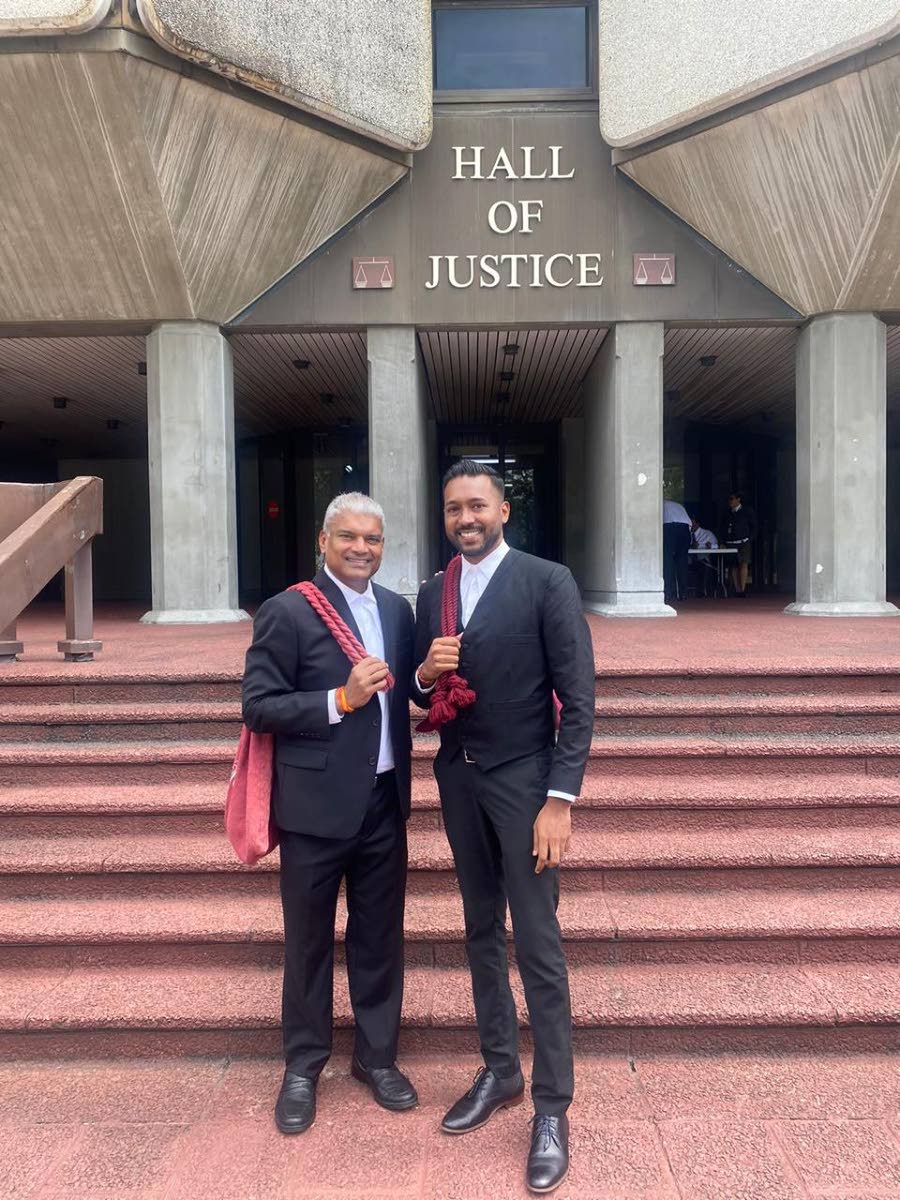
    Legal representation featured Anand Ramlogan, SC, Kate Temple-Mabe, and Ganesh Saroop for WASA, while Irshaad Ali and Adam Razack represented UBC. The decision reinforces strict adherence to contractual notice provisions and affirms that fairness arguments cannot override clear procedural requirements.

  • Caribbean Airlines says no eviction underway at Hope Road office

    Caribbean Airlines says no eviction underway at Hope Road office

    PORT-OF-SPAIN, Trinidad — Caribbean Airlines has formally addressed circulating media reports regarding its Kingston, Jamaica office location, explicitly stating that no eviction process is occurring. The airline characterized recent speculation as inaccurate, clarifying that the upcoming move from its Hope Road office is a strategic decision timed with the natural expiration of its current lease agreement.

    In an official statement released Friday, the airline detailed its transparent and continuous dialogue with the property landlord, emphasizing that such communication is standard corporate practice. The relocation is being executed as a carefully managed transition to guarantee uninterrupted business operations and maintain full service delivery for its clientele.

    The company moved to reassure passengers and stakeholders that all flight operations, customer service, and administrative functions continue without disruption or inconvenience. The relocation strategy is designed to be seamless, ensuring no degradation in service quality or operational efficiency.

    Reaffirming its commitment to customer satisfaction, Caribbean Airlines stated its primary focus remains on delivering a reliable and high-quality travel experience. This proactive approach to addressing the rumors underscores the airline’s dedication to operational transparency and maintaining public trust.

  • Blue Wave Harmony arrives to service seabridge

    Blue Wave Harmony arrives to service seabridge

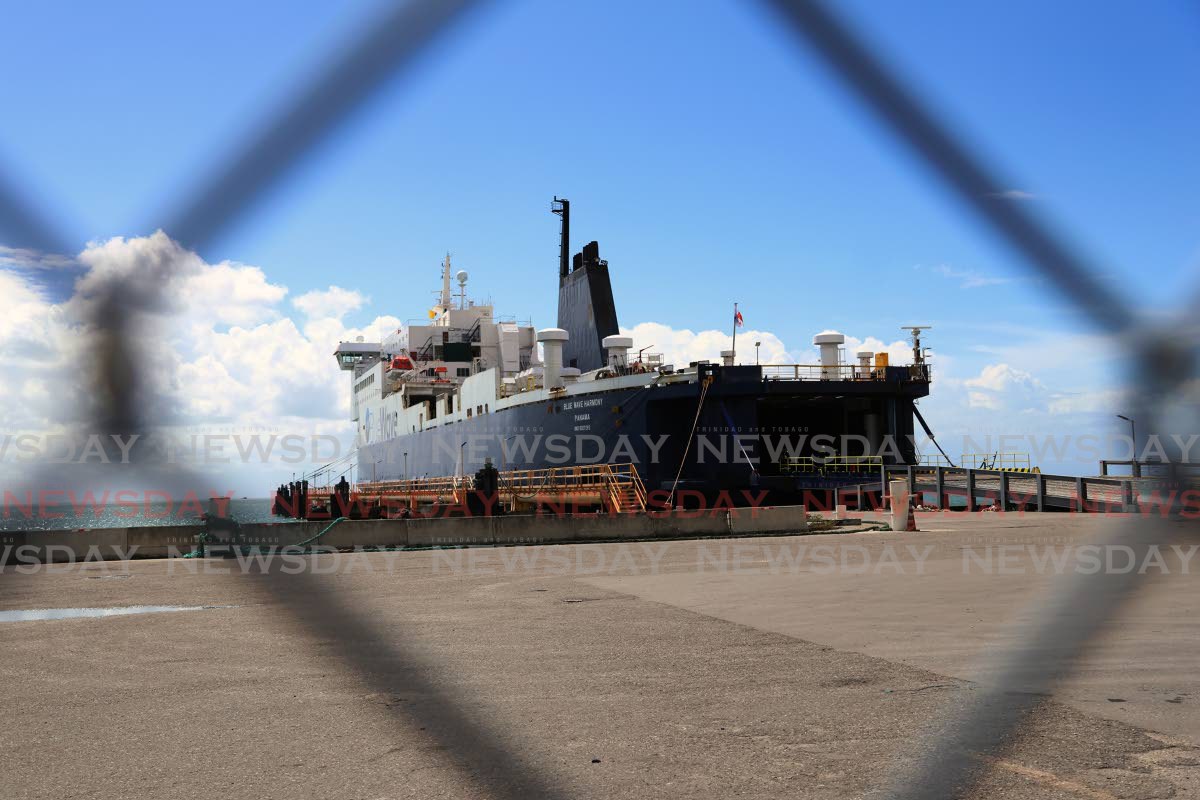
    PORT OF SPAIN, TRINIDAD AND TOBAGO – The MV Blue Wave Harmony, the newly designated replacement for the Cabo Star on the critical inter-island seabridge, made its inaugural arrival at the Port of Port of Spain on January 22. This strategic introduction marks a significant infrastructure upgrade for the nation’s maritime transport network.

    The state-of-the-art roll-on/roll-off (ro-ro) vessel represents a substantial advancement in both cargo and passenger capabilities. It features significantly increased cargo capacity, state-of-the-art refrigerated storage facilities for perishable goods, and markedly improved passenger accommodations. These include private cabins and enhanced onboard amenities, aiming to transform the travel experience between the islands.

    From an operational perspective, the Blue Wave Harmony incorporates upgraded mechanical systems and built-in redundancies specifically engineered to minimize mechanical failures and reduce downtime. This addresses a persistent challenge that has long plagued freight operators and travelers reliant on the seabridge’s consistency.

    The business community in Tobago has responded with cautious optimism. Curtis Williams, Chairman of the Tobago Division of the TT Chamber of Industry and Commerce, characterized the vessel’s arrival as “a positive and timely development.” He emphasized to Newsday that reliable sea transport is absolutely critical for numerous sectors, including distribution, food and beverage, hardware, construction, and retail, all of which depend on the seabridge to maintain inventory and manage supply chains.

    However, the transition has not been without its critics. Martin George, Head of the Tobago Business Chamber, expressed significant concerns regarding a lack of transparency. He highlighted that essential operational details—such as the vessel’s exact capacity, scheduled sailing times, number of weekly sailings, and associated costs—have not been adequately communicated to the public or the business community. George pointed to the prior efficiency of the Cabo Star and stressed the necessity for clarity on the leasing costs and operational framework of its replacement to ensure the new service meets the islands’ economic needs.

  • High Court appoints liquidator, Newsday’s 32-year run nears end

    High Court appoints liquidator, Newsday’s 32-year run nears end

    In a landmark ruling that marks the end of an era for Trinidad and Tobago’s media landscape, the High Court has officially ordered the liquidation of Daily News Ltd, parent company of the Newsday newspaper, after 32 years of operation. Justice Marissa Robertson granted the winding-up petition on January 23, effectively terminating the publication’s print operations that began in September 1993.

    The court appointed Maria Daniel, a chartered financial analyst and partner at Ernst & Young Services Ltd, as liquidator tasked with assuming control of the company’s assets and managing debt repayment to outstanding creditors. The application faced no objections following its official publication in the Gazette on January 15.

    Legal representatives for Daily News Ltd, including attorneys Gregory Pantin and Miguel Vasquez of Hamel-Smith and Company, presented arguments highlighting the company’s insolvency and inability to meet financial obligations. Pantin specifically advocated against provisional liquidation, emphasizing the need for immediate commencement of the winding-up process to minimize additional risks.

    The petition cited Section 355(a) of the Companies Act as legal grounds for dissolution, stating shareholders deemed court-supervised liquidation “desirable and in the best interests of the company” given its unsustainable financial position.

    While Newsday published its final print edition on January 9, its digital operations continue pending the liquidator’s assessment of their viability during the proceedings. The hearing also addressed concerns regarding archival preservation, with interested party Brent Mark Bristol requesting formal safeguards for the newspaper’s historical records.

    Managing Director Grant Taylor previously characterized the closure as resulting from “a perfect storm of challenges” affecting print media globally. He cited multiple contributing factors including a 75% decline in print advertising revenue over the past decade, soaring production costs, changing reader preferences, and financial impacts from lengthy legal battles that left the company over $3 million out of pocket despite successful litigation outcomes.

    Taylor noted that even a minimal price increase from $2 to $3 prompted 40% of readership to abandon the publication, reflecting broader industry challenges in monetizing content. Despite the closure, Taylor expressed pride in Newsday’s legacy of “unwavering independence” and emphasized the critical role of media in maintaining democratic integrity.

  • NGC board needs lesson in economics

    NGC board needs lesson in economics

    A prominent voice from Princes Town has issued a stern warning regarding the National Gas Company of Trinidad and Tobago’s (NGC) recent decision to impose substantial increases in natural gas prices for local manufacturers. This strategic move, intended to boost NGC’s revenue streams, has raised significant concerns about its broader economic repercussions.

    The correspondence draws a direct parallel to a similar policy enacted by the previous PNM administration in 2016, which resulted in the permanent closure of the ArcelorMittal steel plant. That decision led to substantial job losses and a decline in foreign exchange earnings—consequences that now threaten to repeat themselves.

    This pricing shift directly contradicts the stated objectives of the Ministry of Trade Investment and Tourism, which has been actively promoting export growth, investment strengthening, and employment expansion. Instead of fostering these goals, the increased production costs will undermine local manufacturers’ competitiveness against subsidized imports in both domestic and international markets.

    The author points to global economic strategies for contrast: China has implemented export taxes on raw materials to stimulate domestic downstream production, while the United States employs tariffs to protect its manufacturing sector. Trinidad and Tobago appears to be moving in the opposite direction, inadvertently making foreign goods more competitive than locally produced items.

    Manufacturers are already grappling with rising electricity costs and National Insurance Scheme contributions. The natural gas price increase represents an additional burden that could diminish productivity, reduce employment opportunities, and decrease foreign exchange earnings—ultimately harming the nation’s economic stability and growth potential.

  • Ports under pressure as industry urges cargo owners to clear goods

    Ports under pressure as industry urges cargo owners to clear goods

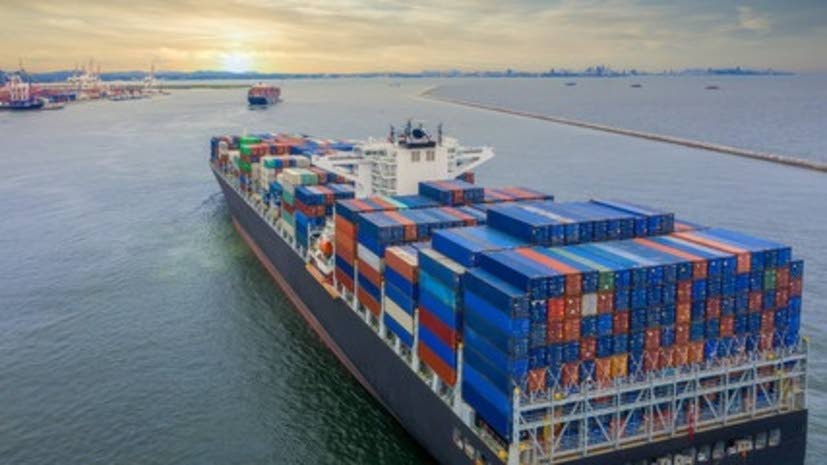
    Jamaica’s maritime infrastructure continues to operate under severe pressure as unprecedented volumes of unclaimed shipments overwhelm port facilities and storage warehouses nationwide. The Shipping Association of Jamaica has issued urgent appeals to importers and cargo owners to expedite the collection of goods that have already been processed for release.

    Industry leaders report that operational challenges have persisted well beyond the typical holiday season congestion period. Corah Ann Robertson-Sylvester, President of the Shipping Association of Jamaica, emphasized the escalating nature of the crisis: “The accumulation of uncollected cargo creates compounding logistical complications. All maritime institutions, including government agencies, are implementing coordinated measures to address this situation, with some facilities extending operating hours to facilitate clearance.”

    The current gridlock stems from a perfect storm of operational disruptions. Hurricane Melissa’s impact on western Jamaica in October significantly hampered port operations just as seasonal import volumes began rising. This convergence was further exacerbated by substantial inflows of international relief supplies and diaspora contributions following the hurricane.

    As an emergency response, authorities diverted some cargo traffic from Montego Bay to Kingston terminals. However, these alternative facilities are now operating substantially beyond their designed capacity. Additional complications have emerged from expired Unaccompanied Baggage Allowance documentation, commonly known as “yellow forms,” which has delayed clearance for both personal and relief shipments.

    Industry stakeholders emphasize that resolving the backlog is critical for maintaining Jamaica’s economic stability. Prompt cargo clearance would reduce substantial demurrage and storage fees for businesses, protect supply chains essential to the tourism and retail sectors, and prevent inflationary pressure on consumer prices.

    Authorities are urging all parties with outstanding shipments—including importers, family members, brokers, and registered charitable organizations—to immediately regularize documentation and collect their goods. The maritime association recommends contacting shipping agents or warehouse authorities directly to arrange expedited clearance.

  • Jamaica and TUI Group to explore expansion into Latin America and Eastern Europe

    Jamaica and TUI Group to explore expansion into Latin America and Eastern Europe

    KINGSTON, Jamaica — In a strategic move to diversify its tourism economy, Jamaica’s Minister of Tourism Edmund Bartlett has announced the initiation of high-level talks with global tourism giant TUI Group. The discussions, held during the FITUR tourism fair, focus on a comprehensive partnership to amplify Jamaica’s visibility and attractiveness within Latin America and Eastern Europe.

    Minister Bartlett emphasized that this collaboration is a cornerstone of Jamaica’s plan to build economic resilience by reducing its historical dependency on North American and Western European source markets. By leveraging TUI’s vast marketing infrastructure and operational expertise in emerging regions, Jamaica aims to secure a formidable presence in markets demonstrating a rapidly growing appetite for Caribbean travel.

    The proposed alliance will explore multifaceted initiatives, including enhancing air connectivity through new and expanded flight routes, developing culturally tailored vacation packages, and executing targeted marketing campaigns designed to resonate with Latin American and Eastern European travelers.

    This initiative is already gaining traction. Jamaica is currently witnessing a notable surge in arrivals from Latin America, complemented by strategic growth in European traffic fueled by new airlift from carriers like World2Fly from Portugal and Edelweiss from Switzerland. Current projections, based on escalating demand, indicate this growth trajectory is set to accelerate throughout the year.

    “This partnership with TUI is poised to be a transformative opportunity for Jamaica’s tourism sector,” stated Minister Bartlett. “We are future-proofing our industry through value-driven strategic partnerships. The global outpouring of support for the Jamaican brand provides a powerful foundation for this expansion.”

    The minister is currently leading a delegation at FITUR 2024, a premier global tourism forum featuring representatives from 156 countries and over 100,000 visitors, which serves as a key nexus for tourism professionals across Latin America’s inbound and outbound markets.

  • IDB says exports from Latin America and Caribbean increase last year

    IDB says exports from Latin America and Caribbean increase last year

    The Inter-American Development Bank (IDB) has released its latest trade analysis, revealing a significant upswing in export performance across Latin America and the Caribbean (LAC). According to the 2025 edition of the ‘Trade Trends Estimates for Latin America and the Caribbean’ report, the value of goods exported from the region grew by an estimated 6.4%, marking a notable improvement from the 4.7% increase recorded in 2024.

    This expansion was primarily fueled by a substantial rise in export volumes, with commodity prices playing only a marginal role. The report identifies a robust performance in the metals sector—particularly gold, copper, and silver—as a key driver. Concurrently, the agro-industrial sector demonstrated solid gains, with exports of coffee, cocoa, fruit, and meat posting significant increases. Several manufacturing segments also contributed to the growth, including data-processing machinery, medical supplies, vehicles, and plastics.

    Paolo Giordano, the IDB’s Principal Economist for the Productivity, Trade and Innovation Sector and the report’s coordinator, noted, ‘Despite the challenging global environment, Latin America and the Caribbean’s recent export performance has shown remarkable resilience.’ The analysis suggests the region may be entering a phase of sustained trade growth, albeit within a context of persistent global uncertainty and a risk balance that remains moderately tilted to the downside.

    Regional performance was uneven. South America and Mesoamerica saw an acceleration in export expansion, while Central America experienced strong growth that lost momentum in the latter half of the year. The Caribbean’s aggregate results, showing a moderation from 2024’s 41.2% surge to a 14.6% rise in 2025, masked pronounced volatility and significant disparities among individual nations. For instance:
    – Guyana’s growth slowed dramatically to 18.3% from 137.6%.
    – Suriname rebounded impressively to 70.4% from -40.2%.
    – Trinidad and Tobago saw growth increase to 5.6% from 3.5%.
    – Several nations, including Barbados, Belize, and Jamaica, remained in negative territory.

    Complementing the export surge, the region’s total imports also gained momentum, increasing by 6.1% in 2025, up from 3.2% in 2024, aligned with a rebound in domestic demand.

    The report highlighted volatile price movements for key export commodities. While coffee prices soared by 49.9% and gold by 42.2%, other critical commodities like oil and iron ore experienced significant declines of 14.3% and 7.8%, respectively.

    The IDB concludes that for the region to solidify this growth trajectory, countries must prioritize reforms and investments aimed at boosting productivity and reducing trade costs. Ensuring international trade remains a primary engine for economic growth will require sustained policy support for exports and investments.

  • Antigua Cruise Port to unveil new terminal this weekend

    Antigua Cruise Port to unveil new terminal this weekend

    Antigua and Barbuda is poised to enter a transformative phase in its cruise tourism sector with the official unveiling of its state-of-the-art cruise terminal scheduled for January 24, 2026. Antigua Cruise Port has announced preparations for the landmark reveal, which will showcase the culmination of a significant infrastructure project.

    The development represents a cornerstone of the broader Upland Development Project, a strategic collaboration between the Government of Antigua and Barbuda and Global Ports Holding, the world’s largest independent cruise port operator. This partnership underscores a mutual dedication to revolutionizing the island nation’s maritime facilities.

    Officials emphasize that the project was driven by a tripartite mission: to comprehensively modernize cruise infrastructure, elevate the overall passenger experience to world-class standards, and create lasting, sustainable economic advantages for local communities. The terminal’s design progressed through meticulous phases, evolving from initial conceptual frameworks into detailed architectural plans and final construction blueprints, all aimed at materializing a forward-looking vision for Antigua’s tourism economy.

    In the days preceding the grand opening ceremony, Antigua Cruise Port has committed to releasing a series of comprehensive updates. These communications are designed to chronicle the project’s extensive journey from its original conception through to its final completion, highlighting the milestones achieved and the anticipated impact on the nation’s tourism landscape.

  • Antigua And Barbuda Tourism Authority Hosts U.S. Travel Advisory Board

    Antigua And Barbuda Tourism Authority Hosts U.S. Travel Advisory Board

    The Antigua and Barbuda Tourism Authority (ABTA) recently concluded a strategic on-island retreat for its U.S. Travel Advisory Board, bringing together prominent travel advisors from key American markets. The immersive program combined destination experiences with high-level strategic discussions aimed at strengthening trade relationships and enhancing the islands’ tourism appeal.

    Led by Dean Fenton, U.S. Director for ABTA, the retreat served as the final on-island meeting for the current Advisory Board before new appointments in March. The carefully orchestrated agenda featured comprehensive site inspections at premier resorts including Blue Waters Resort & Spa and Hodges Bay Resort & Spa, where board members evaluated accommodation standards and held strategic planning sessions with ABTA leadership.

    The experiential component showcased Antigua and Barbuda’s diverse tourism offerings through curated culinary experiences at renowned establishments including The Palm, The Cove, and White Sands Restaurant. Participants enjoyed a sailing excursion aboard the Excellence Catamaran, explored St. John’s shopping district, visited Prickly Pear Island, and experienced beachfront dining at The Hut. The program concluded with a dinner at Mamma Mia, highlighting the islands’ vibrant culinary scene.

    Beyond commercial activities, the retreat incorporated community engagement initiatives including a beach clean-up at Jabberwock Beach and a donation of supplies to the Denis Bowers Rehabilitation Centre. Minister of Tourism, Civil Aviation, Transportation and Investment, The Honourable Charles Fernandez, personally met with the group, expressing appreciation for their support and participation in these responsible tourism efforts.

    The current Advisory Board comprises senior travel specialists representing luxury travel, destination weddings, honeymoons, and experiential travel, including representatives from Travel Smart with Paula, Bayside Travel, Romantics Travel, and several other prominent agencies. This initiative forms part of ABTA’s ongoing strategy to deepen industry partnerships and drive increased visitor bookings to the dual-island nation.