分类: business

  • Hilaire: Talks with Uber yet to take place

    Hilaire: Talks with Uber yet to take place

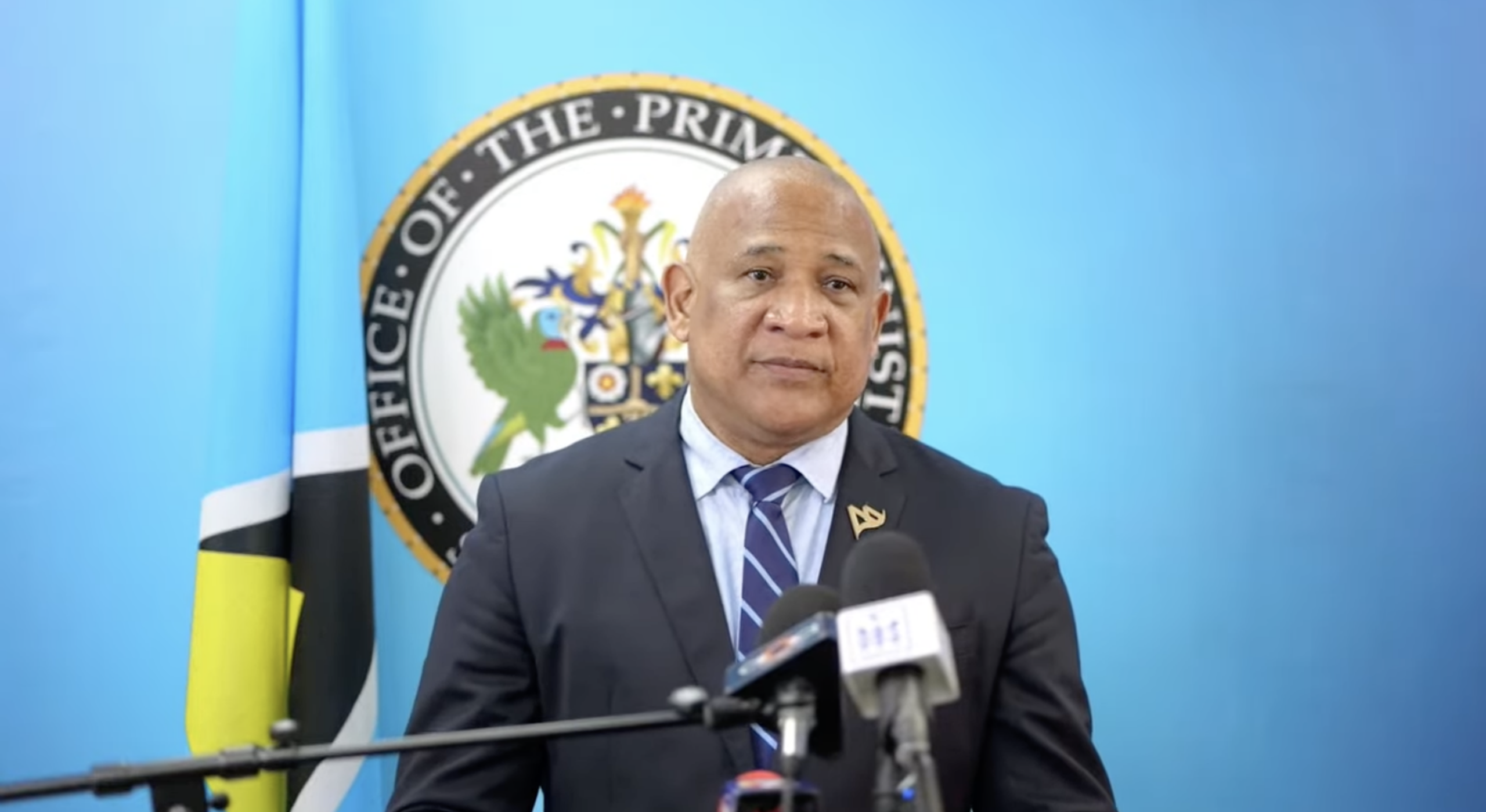
    The highly anticipated launch of global ride-sharing giant Uber in Saint Lucia faces regulatory uncertainty as crucial discussions with Tourism Minister Ernest Hilaire remain unconvened. Despite preliminary correspondence indicating mutual interest in dialogue, no formal engagement has occurred between the company and government officials.

    Minister Hilaire confirmed the stalled communications during a January 19th pre-Cabinet briefing, acknowledging receipt of Uber’s written expression of interest but noting the absence of subsequent scheduling. “I agreed that we shall have a meeting in the new year,” Hilaire stated, “but no meeting has been held.” The minister emphasized he would await Uber’s formal presentation at the appropriate time.

    Complicating the potential market entry, the Saint Lucia National Taxi Union has submitted what the minister characterized as an ‘interesting’ letter outlining substantial concerns regarding Uber’s disruptive impact on traditional taxi services. Union President Terry Valcin has previously voiced strong opposition, labeling the proposed service as “potentially detrimental” to local operators, with multiple affiliated associations echoing this resistance.

    This stands in direct contrast to Uber’s own assessment of local receptiveness. In December 2025 statements to St. Lucia Times, company representatives reported being “encouraged by the positive response,” citing numerous driver and association sign-ups during preliminary outreach.

    Amid these conflicting perspectives, Minister Hilaire advocated for measured patience, clarifying that Uber’s launch currently falls outside the administration’s priority agenda. He urged stakeholders to maintain calm as future discussions develop, emphasizing that any formal negotiations would prioritize transparent dialogue between government entities, the taxi union, and Uber representatives.

    The minister further highlighted existing regulatory frameworks that restrict participation in transport services exclusively to licensed taxi drivers operating vehicles with official ‘TX’ license plates, establishing significant legal considerations for Uber’s proposed operations.

  • Inflation Increased by 0.4% in November 2025

    Inflation Increased by 0.4% in November 2025

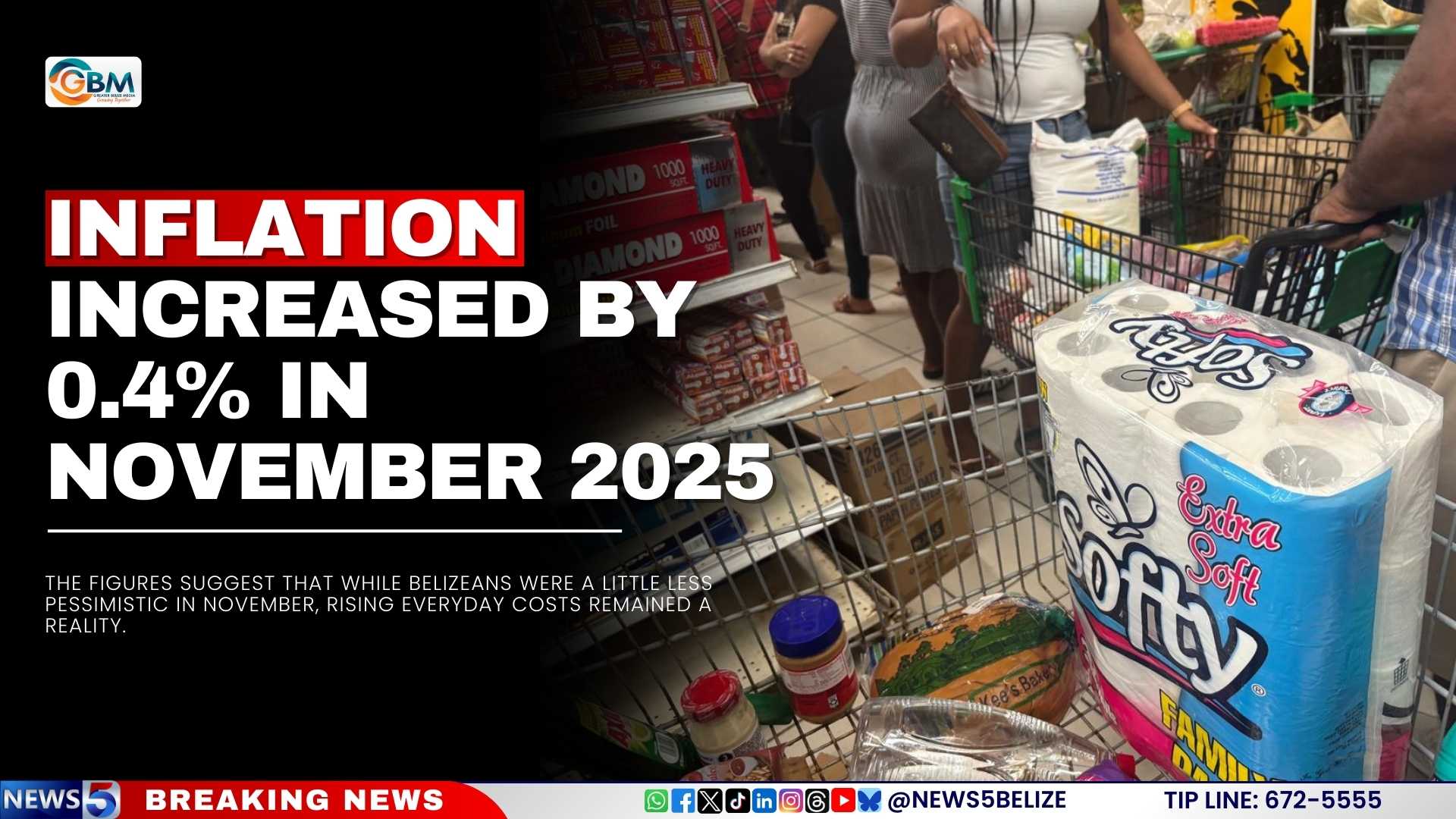
    The Statistical Institute of Belize (SIB) reported a 0.4% increase in the Consumer Price Index (CPI) for November 2025, revealing a complex economic landscape where consumer confidence showed modest improvement despite persistent cost-of-living pressures. The inflation data indicates Belizeans expressed slightly greater optimism about household finances even as essential expenses continued their upward trajectory.

    Housing and utilities emerged as primary inflation drivers, with rental costs climbing significantly and liquefied petroleum gas (LPG) prices reaching $128.57 per 100-pound cylinder—a notable increase from $123.97 recorded during the same period in 2024. The healthcare sector experienced substantial price escalations across medical services, including elevated fees for physician consultations, pharmaceutical products, and surgical procedures.

    Food categories demonstrated particular volatility, with beef products, grapes, and watermelon showing marked price increases. The transportation sector provided counterbalancing relief through reduced fuel costs, with diesel prices declining by $0.56 per gallon, regular gasoline decreasing by $0.46, and premium fuel dropping by $0.33 compared to previous year levels.

    Geographic analysis revealed significant regional disparities, with Punta Gorda residents experiencing the steepest cost increases for essential commodities including food staples and educational materials. Conversely, Orange Walk documented modest deflationary trends as fuel and personal care items became more affordable.

    The cumulative inflation for 2025 reached just over 1% year-to-date, indicating moderate price growth across the annual period. These economic indicators present a nuanced picture of consumer sentiment juxtaposed against ongoing financial pressures affecting household budgeting decisions.

  • Liberty Caribbean Named Diamond Sponsor of CANTO Connect 2026

    Liberty Caribbean Named Diamond Sponsor of CANTO Connect 2026

    PORT OF SPAIN, Trinidad & Tobago – In a significant development for Caribbean digital infrastructure, Liberty Caribbean has been announced as the Diamond Sponsor for the prestigious CANTO Connect 2026 conference. The telecommunications giant, which operates Flow, BTC, and Liberty Business networks, will play a pivotal role in shaping the region’s technological dialogue during the February 1-3 gathering at Hyatt Regency Hotel.

    The sponsorship arrangement positions Liberty Caribbean at the forefront of critical discussions surrounding digital transformation throughout the Caribbean basin. The company’s CEO, Inge Smidts, is scheduled to deliver the keynote address on the conference’s opening day, establishing the thematic foundation for industry leaders and policymakers attending the event.

    CANTO Connect 2026 operates under the ambitious theme “Elevate the Caribbean: From Connectivity to Global Competitiveness,” mirroring regional aspirations to enhance digital economic capabilities and international market positioning. The conference will serve as a platform for addressing pressing issues including intelligent connectivity solutions, innovation tailored to Caribbean cultural identity, and human-centric technological development.

    Smidts emphasized the strategic importance of this partnership, stating: “Our Diamond Sponsorship transcends mere financial support – it represents our commitment to steering the Caribbean’s digital destiny. We are positioned to drive resilient network development, groundbreaking innovation, and equitable digital advancement across all communities we serve.”

    The collaboration between Liberty Caribbean and CANTO demonstrates a unified vision to connect populations, empower commercial enterprises, and enable governmental functions through advanced telecommunications infrastructure and progressive policy frameworks. This alliance highlights Liberty Caribbean’s influential role as both catalyst and enabler of regional technological progress, placing the company at the heart of strategic conversations that will determine the Caribbean’s digital future.

  • Belizeans Little Less Pessimistic About Finances in Nov 2025

    Belizeans Little Less Pessimistic About Finances in Nov 2025

    The Statistical Institute of Belize has reported a notable improvement in national economic sentiment during November 2025, marking a significant reversal from previous downward trends. According to the latest Consumer Confidence Index (CCI) findings, Belizean households demonstrated increased optimism regarding both macroeconomic conditions and personal financial circumstances.

    The comprehensive index, which measures public perception across three critical dimensions—national economic outlook, personal financial situations, and major purchase readiness—climbed to 48.2 points in November. This represents a substantial 6.8% increase from October’s reading of 45.2, indicating the most pronounced monthly improvement recorded in 2025.

    Despite remaining below the 50-point threshold that traditionally separates optimism from pessimism, this upward movement suggests a potential turning point in consumer psychology after consecutive months of declining confidence earlier in the year. The sustained sub-50 reading simultaneously reflects persistent economic caution among significant portions of the population.

    Geographic analysis revealed distinct regional patterns, with Belize District experiencing the most dramatic confidence surge while Cayo District registered as the sole region showing decreased optimism. A notable urban-rural divide emerged, with rural residents reporting systematically higher confidence levels than their urban counterparts.

    Demographic breakdowns showed particularly strong improvements among young adults aged 18-24, suggesting heightened economic expectations within this cohort. While both genders reported improved outlooks, male respondents maintained a slight confidence advantage over female respondents. The Garifuna community demonstrated the most significant confidence increase among ethnic groups, though specific contributing factors remain unspecified in the report.

    Economists interpret these findings as potentially reflecting divergent regional economic conditions and varying employment prospects across demographic groups. As consumer spending constitutes a substantial component of Belize’s economic activity, this confidence uptick may foreshadow modest improvements in domestic consumption patterns heading into 2026.

    The Statistical Institute of Belize maintains standard methodological protocols for the CCI survey, though specific sample sizes and margin-of-error data were not disclosed in this release. Perception-based indicators inherently capture subjective economic assessments rather than objective financial conditions, potentially overlooking variations in household economic pressures.

    Future data releases will determine whether this November improvement represents a temporary fluctuation or the beginning of a sustained confidence recovery, providing crucial insights for policymakers and business leaders navigating Belize’s economic landscape.

  • NGC board needs lesson in economics

    NGC board needs lesson in economics

    A prominent voice from Princes Town has issued a stern warning regarding the National Gas Company of Trinidad and Tobago’s (NGC) recent decision to impose substantial increases in natural gas prices for local manufacturers. This strategic move, intended to boost NGC’s revenue streams, has raised significant concerns about its broader economic repercussions.

    The correspondence draws a direct parallel to a similar policy enacted by the previous PNM administration in 2016, which resulted in the permanent closure of the ArcelorMittal steel plant. That decision led to substantial job losses and a decline in foreign exchange earnings—consequences that now threaten to repeat themselves.

    This pricing shift directly contradicts the stated objectives of the Ministry of Trade Investment and Tourism, which has been actively promoting export growth, investment strengthening, and employment expansion. Instead of fostering these goals, the increased production costs will undermine local manufacturers’ competitiveness against subsidized imports in both domestic and international markets.

    The author points to global economic strategies for contrast: China has implemented export taxes on raw materials to stimulate domestic downstream production, while the United States employs tariffs to protect its manufacturing sector. Trinidad and Tobago appears to be moving in the opposite direction, inadvertently making foreign goods more competitive than locally produced items.

    Manufacturers are already grappling with rising electricity costs and National Insurance Scheme contributions. The natural gas price increase represents an additional burden that could diminish productivity, reduce employment opportunities, and decrease foreign exchange earnings—ultimately harming the nation’s economic stability and growth potential.

  • Ports under pressure as industry urges cargo owners to clear goods

    Ports under pressure as industry urges cargo owners to clear goods

    Jamaica’s maritime infrastructure continues to operate under severe pressure as unprecedented volumes of unclaimed shipments overwhelm port facilities and storage warehouses nationwide. The Shipping Association of Jamaica has issued urgent appeals to importers and cargo owners to expedite the collection of goods that have already been processed for release.

    Industry leaders report that operational challenges have persisted well beyond the typical holiday season congestion period. Corah Ann Robertson-Sylvester, President of the Shipping Association of Jamaica, emphasized the escalating nature of the crisis: “The accumulation of uncollected cargo creates compounding logistical complications. All maritime institutions, including government agencies, are implementing coordinated measures to address this situation, with some facilities extending operating hours to facilitate clearance.”

    The current gridlock stems from a perfect storm of operational disruptions. Hurricane Melissa’s impact on western Jamaica in October significantly hampered port operations just as seasonal import volumes began rising. This convergence was further exacerbated by substantial inflows of international relief supplies and diaspora contributions following the hurricane.

    As an emergency response, authorities diverted some cargo traffic from Montego Bay to Kingston terminals. However, these alternative facilities are now operating substantially beyond their designed capacity. Additional complications have emerged from expired Unaccompanied Baggage Allowance documentation, commonly known as “yellow forms,” which has delayed clearance for both personal and relief shipments.

    Industry stakeholders emphasize that resolving the backlog is critical for maintaining Jamaica’s economic stability. Prompt cargo clearance would reduce substantial demurrage and storage fees for businesses, protect supply chains essential to the tourism and retail sectors, and prevent inflationary pressure on consumer prices.

    Authorities are urging all parties with outstanding shipments—including importers, family members, brokers, and registered charitable organizations—to immediately regularize documentation and collect their goods. The maritime association recommends contacting shipping agents or warehouse authorities directly to arrange expedited clearance.

  • Jamaica and TUI Group to explore expansion into Latin America and Eastern Europe

    Jamaica and TUI Group to explore expansion into Latin America and Eastern Europe

    KINGSTON, Jamaica — In a strategic move to diversify its tourism economy, Jamaica’s Minister of Tourism Edmund Bartlett has announced the initiation of high-level talks with global tourism giant TUI Group. The discussions, held during the FITUR tourism fair, focus on a comprehensive partnership to amplify Jamaica’s visibility and attractiveness within Latin America and Eastern Europe.

    Minister Bartlett emphasized that this collaboration is a cornerstone of Jamaica’s plan to build economic resilience by reducing its historical dependency on North American and Western European source markets. By leveraging TUI’s vast marketing infrastructure and operational expertise in emerging regions, Jamaica aims to secure a formidable presence in markets demonstrating a rapidly growing appetite for Caribbean travel.

    The proposed alliance will explore multifaceted initiatives, including enhancing air connectivity through new and expanded flight routes, developing culturally tailored vacation packages, and executing targeted marketing campaigns designed to resonate with Latin American and Eastern European travelers.

    This initiative is already gaining traction. Jamaica is currently witnessing a notable surge in arrivals from Latin America, complemented by strategic growth in European traffic fueled by new airlift from carriers like World2Fly from Portugal and Edelweiss from Switzerland. Current projections, based on escalating demand, indicate this growth trajectory is set to accelerate throughout the year.

    “This partnership with TUI is poised to be a transformative opportunity for Jamaica’s tourism sector,” stated Minister Bartlett. “We are future-proofing our industry through value-driven strategic partnerships. The global outpouring of support for the Jamaican brand provides a powerful foundation for this expansion.”

    The minister is currently leading a delegation at FITUR 2024, a premier global tourism forum featuring representatives from 156 countries and over 100,000 visitors, which serves as a key nexus for tourism professionals across Latin America’s inbound and outbound markets.

  • IDB says exports from Latin America and Caribbean increase last year

    IDB says exports from Latin America and Caribbean increase last year

    The Inter-American Development Bank (IDB) has released its latest trade analysis, revealing a significant upswing in export performance across Latin America and the Caribbean (LAC). According to the 2025 edition of the ‘Trade Trends Estimates for Latin America and the Caribbean’ report, the value of goods exported from the region grew by an estimated 6.4%, marking a notable improvement from the 4.7% increase recorded in 2024.

    This expansion was primarily fueled by a substantial rise in export volumes, with commodity prices playing only a marginal role. The report identifies a robust performance in the metals sector—particularly gold, copper, and silver—as a key driver. Concurrently, the agro-industrial sector demonstrated solid gains, with exports of coffee, cocoa, fruit, and meat posting significant increases. Several manufacturing segments also contributed to the growth, including data-processing machinery, medical supplies, vehicles, and plastics.

    Paolo Giordano, the IDB’s Principal Economist for the Productivity, Trade and Innovation Sector and the report’s coordinator, noted, ‘Despite the challenging global environment, Latin America and the Caribbean’s recent export performance has shown remarkable resilience.’ The analysis suggests the region may be entering a phase of sustained trade growth, albeit within a context of persistent global uncertainty and a risk balance that remains moderately tilted to the downside.

    Regional performance was uneven. South America and Mesoamerica saw an acceleration in export expansion, while Central America experienced strong growth that lost momentum in the latter half of the year. The Caribbean’s aggregate results, showing a moderation from 2024’s 41.2% surge to a 14.6% rise in 2025, masked pronounced volatility and significant disparities among individual nations. For instance:
    – Guyana’s growth slowed dramatically to 18.3% from 137.6%.
    – Suriname rebounded impressively to 70.4% from -40.2%.
    – Trinidad and Tobago saw growth increase to 5.6% from 3.5%.
    – Several nations, including Barbados, Belize, and Jamaica, remained in negative territory.

    Complementing the export surge, the region’s total imports also gained momentum, increasing by 6.1% in 2025, up from 3.2% in 2024, aligned with a rebound in domestic demand.

    The report highlighted volatile price movements for key export commodities. While coffee prices soared by 49.9% and gold by 42.2%, other critical commodities like oil and iron ore experienced significant declines of 14.3% and 7.8%, respectively.

    The IDB concludes that for the region to solidify this growth trajectory, countries must prioritize reforms and investments aimed at boosting productivity and reducing trade costs. Ensuring international trade remains a primary engine for economic growth will require sustained policy support for exports and investments.

  • Grace Foods ramps up support for farm relief and recovery post-Hurricane Melissa

    Grace Foods ramps up support for farm relief and recovery post-Hurricane Melissa

    KINGSTON, Jamaica — Grace Foods has launched a strategic humanitarian initiative in collaboration with the BREDS Treasure Beach Foundation to support Jamaican farmers devastated by Hurricane Melissa in October 2025. The company integrated donation mechanisms into its airport pop-up experiences at Donald Sangster International Airport (January 3) and Norman Manley International Airport (January 9), allowing travelers to contribute directly to agricultural recovery programs while experiencing authentic Jamaican flavors.

    The activation formed part of Grace Foods’ ‘Bring Jamaica Home’ campaign, designed to connect travelers with Jamaican culture through culinary experiences. Led by Grace chefs, the pop-ups featured dishes prepared with Grace Jamaican Honey Jerk Seasoning and other products, creating both a cultural immersion and fundraising opportunity.

    Sabrina Watson, Global Category Manager of Seasonings, Sauces and Spices at Grace Foods, emphasized the initiative’s dual purpose: ‘Hurricane Melissa left parts of our island devastated, and months later, many farming communities are still rebuilding. Through Grace Jamaican Jerk, we wanted to celebrate Jamaican flavor while giving travelers a tangible way to support the farmers who make those flavors possible.’

    The generated funds will specifically target agricultural recovery in St Elizabeth and surrounding communities, providing critical resources including seeds, irrigation support, and other essential inputs for replanting and livelihood restoration. This focus acknowledges that authentic Jamaican jerk cuisine depends on locally sourced ingredients and the farmers who produce them.

    Watson noted the natural alignment with BREDS Foundation, citing their deep community embeddedness and effective ground operations. The partnership extends Grace Foods’ existing relationships with St Elizabeth farming communities near its Hounslow processing facility, where key jerk ingredients like peppers, thyme, escallion, and onions are sourced.

    Traveler response demonstrated appreciation for the initiative’s tangible impact. Richard Ho-sing, a Jamaican traveler who participated, commented: ‘Grace is a brand we grew up with. Seeing them partner with a local foundation like BREDS to give back to farmers is a good look, not just for Grace, but for Jamaica. Farmers are the backbone of the food we love.’

    The initiative represents part of Grace Foods’ broader ‘We Care’ ethos, emphasizing community development, resilience building, and sustained support for local producers beyond crisis response.

  • ‘Pockets of The Bahamas set for best year in history’

    ‘Pockets of The Bahamas set for best year in history’

    Prominent Bahamian business leader Sir Franklyn Wilson has projected that selective regions within The Bahamas will witness unprecedented economic prosperity in 2026, while simultaneously addressing the persistent challenge of unequal wealth distribution across the archipelago. The chairman of Arawak Homes and Sunshine Holdings specifically highlighted south Eleuthera as a prime beneficiary, attributing its anticipated growth to major developments including the Jack’s Bay project which he chairs, Disney’s Lighthouse Point cruise port, and the Ritz-Carlton Reserve development led by Colombian billionaire Luis Carlos Sarmiento.

    Grand Bahama also emerged as another focal point in Wilson’s economic forecast, with ‘very significant developments’ anticipated in early 2026. These are expected to include resolutions concerning the Grand Lucayan property and Grand Bahama International Airport, alongside potential settlements in the $357 million arbitration dispute with the Grand Bahama Port Authority.

    Despite his optimistic regional projections, Sir Franklyn acknowledged the prevailing sentiment among many Bahamians who feel excluded from economic gains. He identified problematic personal financial behaviors—including excessive consumer debt accumulation and gambling expenditures—as significant barriers to individual economic advancement.

    The business magnate issued a compelling appeal to skilled Bahamians living abroad to reverse the brain drain by returning home. He emphasized that numerous opportunities exist within The Bahamas that may surpass their current overseas prospects, urging them to overcome any hesitation about returning and contribute their expertise to national development.

    Wilson cautioned that south Eleuthera’s rapid growth would inevitably create new challenges, including housing shortages and potential over-employment situations. He stressed that resolving longstanding land title issues would be crucial for addressing affordable housing needs in the developing region.

    Regarding national energy policies, Sir Franklyn indicated that meaningful impacts from renewable energy reforms and potential electricity price reductions would likely materialize in 2027 rather than 2026. His company, FOCOL Holdings, plays a significant role in these developments as New Providence’s baseload generation provider.