分类: business

  • Fernandez Says Major Hotel Projects Will Set New Standards for Antigua and Barbuda

    Fernandez Says Major Hotel Projects Will Set New Standards for Antigua and Barbuda

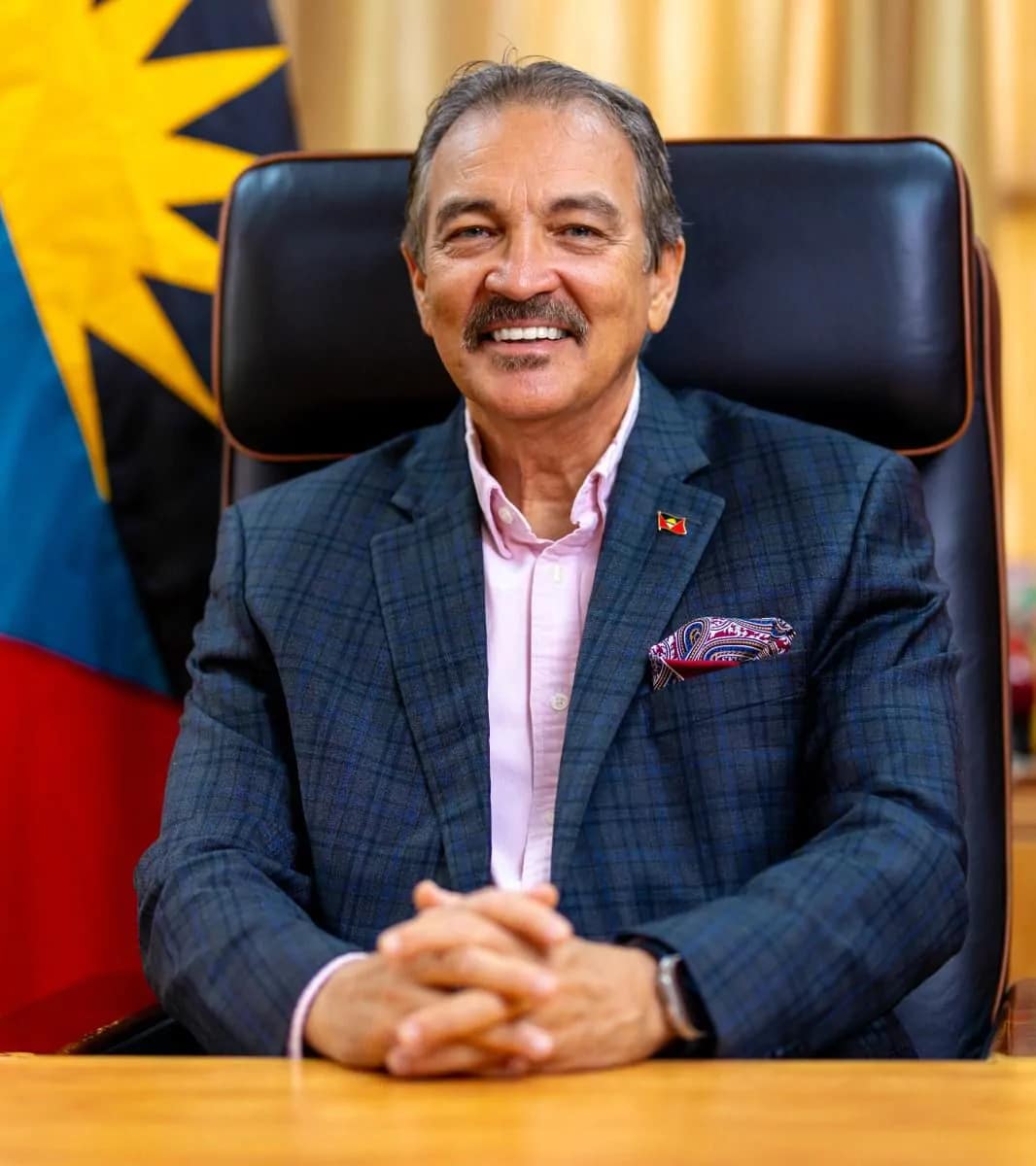
    Antigua and Barbuda is poised to transform its tourism landscape through a strategic shift toward premium quality and sustainable development, according to Tourism Minister Charles Fernandez. In a comprehensive video address outlining the nation’s tourism roadmap for 2026, Fernandez emphasized that the upcoming year will mark a critical juncture for the sector’s evolution.

    The minister revealed that multiple high-profile hospitality projects are advancing concurrently, representing a deliberate move away from mere room quantity expansion. Instead, these developments focus on elevating international standards through luxury branding, enhanced visitor experiences, and environmental sustainability. Major projects include the Marriott Resort, Moongate Development, Nikki Beach Resort and Spa, and the Nobu Hotel brand expansion.

    Fernandez characterized these developments as indicators of a broader industry transformation. “These projects signify more than additional capacity—they represent our commitment to establishing new benchmarks in quality, luxury, and global brand presence,” he stated during his address.

    The government’s approach integrates sustainability principles, workforce development, and community engagement as fundamental requirements for all tourism investments. This holistic strategy aims to ensure that tourism growth generates widespread socioeconomic benefits across the twin-island nation while maintaining environmental responsibility.

    Minister Fernandez concluded that this coordinated development push will strengthen Antigua and Barbuda’s competitive positioning in the global tourism market while creating substantial employment opportunities and fostering sustainable economic development.
  • IMF Calls for Stronger Oversight of State-Owned Enterprises

    IMF Calls for Stronger Oversight of State-Owned Enterprises

    The International Monetary Fund (IMF) has issued a stark warning to the government of Antigua and Barbuda, highlighting significant vulnerabilities in the oversight of its state-owned enterprises (SOEs). Following its comprehensive Article IV consultation, the Fund concluded that systemic capacity constraints and a lack of financial transparency within these public entities present a substantial threat to the nation’s fiscal stability.

    While acknowledging recent governmental efforts to centralize SOE monitoring within the Ministry of Finance, the IMF mission identified a critical shortfall: the dedicated oversight unit is severely under-resourced and lacks sufficient staffing. This deficiency critically impairs the authorities’ capacity to conduct thorough assessments of the financial health and contingent liabilities of SOEs, many of which are pivotal to economic output and essential public service provision.

    A central pillar of the IMF’s recommendations is the imperative for regular and timely financial disclosures from all state-owned enterprises. The Fund emphasized that enhanced reporting mechanisms would fundamentally improve transparency, bolster public accountability, and reinforce the credibility of national economic policy. Officials were advised to prioritize the routine publication of key SOE financial data as institutional capabilities are strengthened.

    Further concerns were directed at the country’s strained Supreme Audit Institution, with the IMF underscoring that robust audit functions are a non-negotiable prerequisite for ensuring proper governance of public funds and for containing potential fiscal contagion. The Fund asserted that comprehensive reforms in SOE governance are not merely administrative but are vital for safeguarding central government finances from being destabilized by the financial weaknesses of these enterprises. Such reforms are projected to enhance fiscal transparency, support more informed macroeconomic decision-making, and ultimately reduce fiscal risks.

  • IMF Calls for Stronger Oversight of State-Owned Enterprises

    IMF Calls for Stronger Oversight of State-Owned Enterprises

    The International Monetary Fund (IMF) has issued a stark warning to the government of Antigua and Barbuda, highlighting critical vulnerabilities in the oversight of its state-owned enterprises (SOEs) that present a substantial threat to national fiscal stability. This caution emerged from the conclusive assessment of the Fund’s recent Article IV consultation mission, which provides a comprehensive evaluation of the country’s economic health.

    While the IMF acknowledged recent governmental initiatives to centralize SOE monitoring within the Ministry of Finance as a positive step, it pinpointed severe operational deficiencies. The specialized unit tasked with this crucial oversight is critically hampered by a lack of personnel and insufficient financial resources. These capacity constraints, the Fund argues, fundamentally cripple the government’s ability to conduct accurate assessments of the financial performance and underlying risks of SOEs, which are pivotal to the nation’s economic infrastructure and public service provision.

    A central pillar of the IMF’s recommendations is the imperative for regular and timely financial disclosure from all state-owned entities. The Fund emphasized that enhanced reporting standards are non-negotiable for achieving greater transparency, bolstering public accountability, and reinforcing the credibility of government policy. Officials were encouraged to establish a framework for the routine publication of essential SOE financial data, contingent on first building the necessary administrative capacity.

    Further compounding the oversight issue are significant concerns regarding the nation’s audit capabilities. The IMF reported that the Supreme Audit Institution, the primary body responsible for auditing public entities, is operating under visible strain and requires immediate reinforcement. Strengthening these audit functions was described as absolutely essential for ensuring proper scrutiny of public finances and for containing potential fiscal contagion.

    The IMF concluded that robust SOE governance is not merely an administrative improvement but a vital safeguard. Enhanced oversight mechanisms would directly contribute to improved fiscal transparency, inform superior policy and financial decision-making, and most importantly, reduce the probability that financial distress within a state-owned enterprise could trigger a broader crisis within the central government’s finances.

  • A Telecom Tug‑of‑War: The Battle Over BTL and Speednet

    A Telecom Tug‑of‑War: The Battle Over BTL and Speednet

    A proposed acquisition that would reshape Belize’s telecommunications landscape has ignited intense national debate. Belize Telemedia Limited (BTL), the nation’s dominant telecom provider, has sought regulatory approval to purchase its primary competitor Speednet in an $80 million deal that would effectively create a market monopoly.

    The controversy emerged when BTL submitted its application to the Public Utilities Commission (PUC) on January 8, 2026, initially targeting four telecom and broadband companies. Public pressure quickly prompted three companies to withdraw from negotiations, leaving Speednet as the sole remaining acquisition target.

    BTL’s Chief Financial Officer Ian Cleverly argues the consolidation would create operational efficiencies in Belize’s small, mature market. “Operating two parallel mobile networks increases costs and limits rural expansion,” Cleverly stated, emphasizing pledged consumer protections including no forced plan changes, maintained services, unchanged phone numbers, and a 36-month price freeze under PUC oversight.

    However, significant obstacles have emerged. BTL’s board, comprising majority shareholder Government of Belize, secondary stakeholder Social Security Board, and an independent member, has repeatedly failed to secure majority support for the acquisition. Growing public resistance has further complicated efforts to convene board meetings.

    The Belize Chamber of Commerce and Industry has expressed consumer protection concerns, citing BTL’s past practices. National Trade Union Congress of Belize President Ella Waight warned that Social Security’s involvement risks pension funds, stating “If we lose in a monopoly at the Social Security Board, it will not allow for certain things to happen when you and I retire.”

    Political opposition has mounted with the United Democratic Party staging multiple public demonstrations. Independent senators, including Church Senator Louis Wade, have called for abandoning the deal over monopoly concerns. Retired BTL employees have joined protests while demanding outstanding severance payments.

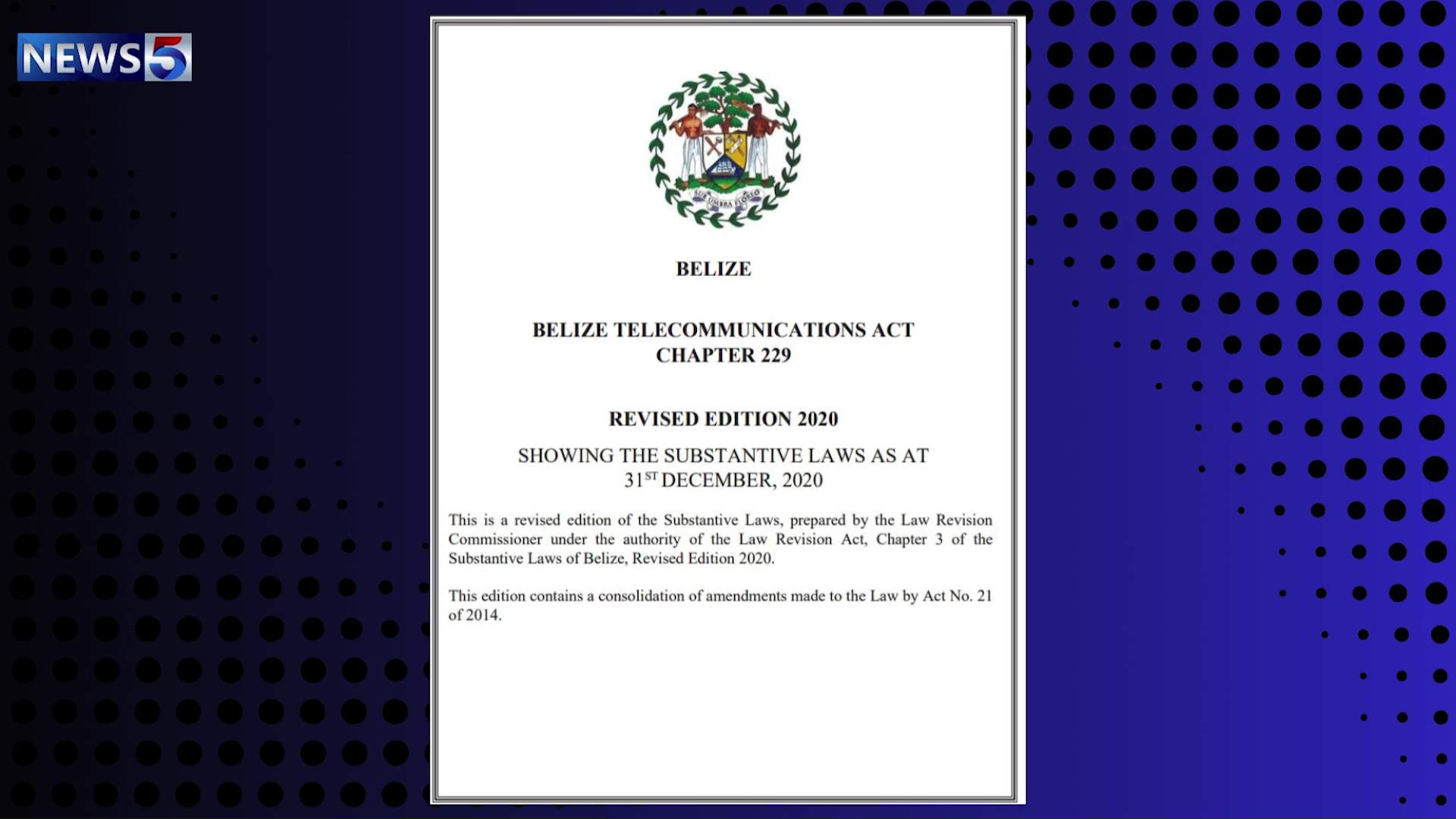
    The ultimate decision rests with the PUC, which must evaluate the proposal against eleven statutory objectives under the Belize Telecommunications Act. Internal Legal Counsel Stacy Grinage confirmed the commission must consider service quality, reliability, pricing, and overall consumer impact.

    Prime Minister John Briceño has maintained a neutral stance, emphasizing process integrity: “I have said all along let the process proceed… But as a Cabinet we have said let the process continue.”

    With negotiations at an impasse, the nation awaits the PUC’s ruling that will determine whether Belize maintains competitive telecommunications markets or transitions to a consolidated monopoly structure.

  • Price Caps or Regulation? PUC Explains

    Price Caps or Regulation? PUC Explains

    Amid growing public discourse about potential telecommunications price controls in Belize, the Public Utilities Commission (PUC) has provided crucial clarification regarding its regulatory approach and authority. The commission addressed questions about whether new statutory instruments are necessary for implementing consumer protection measures in the telecom sector.

    Stacy Grinage, Internal Legal Counsel at PUC, referenced Section 26 of the Belize Telecommunications Act, explaining that the commission already possesses regulatory authority to implement rate controls when a sole or dominant provider exists in the market. “What we are doing here is the initial consultation process in determining a dominant provider,” Grinage stated, noting that while multiple licenses exist, the market currently operates with two primary providers.

    Abraham Teck, Director of Regulated Services at PUC, emphasized that market share represents just one factor in their comprehensive assessment. “Our exercise is an independent exercise that looks at market share as one and other areas,” Teck explained, distancing the commission’s technical evaluation from political considerations.

    When questioned about the necessity of additional statutory instruments, Teck indicated that certain regulatory remedies might require specific S.I. implementation, though not in all cases. The commission’s comments suggest a methodical, evidence-based approach to telecommunications regulation rather than immediate price intervention, with the current focus remaining on properly assessing market dominance through established legal frameworks.

  • PUC Says BTL Not Monopoly Across Market

    PUC Says BTL Not Monopoly Across Market

    In a significant regulatory development, Belize’s Public Utilities Commission (PUC) has released preliminary findings regarding BTL’s proposed acquisition of competitor Speednet. The regulatory body acknowledges that BTL currently maintains the strongest position within the telecommunications market but contends this does not equate to complete market domination.

    The central question under examination is whether the acquisition would transform BTL into an absolute monopoly. While critics of the transaction assert this outcome is inevitable, the PUC maintains a more nuanced perspective. The commission’s analysis indicates that while BTL would likely dominate specific market segments, it would not exercise control over the entire telecommunications landscape.

    Stacy Grinage, Internal Legal Counsel for the PUC, emphasized the regulatory process is designed to preserve competition and protect public and consumer interests. “This exercise of declaring dominance and identifying possible remedies aims to limit any abuse of that dominant position,” Grinage stated. “The PUC has initially found that BTL is the dominant provider. If it moves to acquire the shares of the biggest competitor, will that make BTL a monopoly? Only in certain markets. Competition will still continue in other markets.”

    Abraham Teck, Director of Regulated Services at the PUC, further clarified the regulatory approach, noting that “market share is not the only factor that we are required to consider when making an initial determination or a determination,” particularly regarding broadband services.

    The PUC confirmed its comprehensive review remains ongoing, with a final, well-reasoned decision to be issued in due course. This determination will address whether BTL’s proposed acquisition raises substantial competition concerns and what specific safeguards might be necessary to protect consumer interests.

  • Independent Senators Question Legality of BTL Acquisitions

    Independent Senators Question Legality of BTL Acquisitions

    A significant legal challenge has emerged against Belize Telemedia Limited’s proposed acquisition of Speednet, with independent senators raising fundamental questions about the transaction’s compliance with national telecommunications legislation. The controversy centers on whether the merger violates explicit anti-competition provisions within Belize’s Telecommunications Act.

    Despite recent comparisons by Dr. Leroy Almendarez, CEO in the Ministry of Public Utilities, who characterized the acquisition as a ‘natural monopoly’ similar to Belize Electricity Limited, senators have rejected this analogy. They emphasize that the regulatory frameworks governing telecommunications and electricity sectors are fundamentally distinct.

    Business Senator Kevin Herrera presented a detailed legal argument referencing Section 42 of the Telecommunications Act, which expressly prohibits licensees from undertaking actions that ‘significantly lessen competition’ within the market. Herrera emphasized that the legislation was specifically crafted twenty-two years ago to transition Belize away from telecommunications monopolies and toward competitive market structures.

    NGO Senator Janelle Chanona further questioned the procedural aspects, noting that substantive changes to telecommunications law would require parliamentary approval through the House of Representatives rather than through statutory instruments, which typically address regulatory adjustments rather than fundamental legislative amendments.

    The developing situation suggests that the proposed acquisition may face significant legal hurdles unless addressed through formal parliamentary processes to amend existing telecommunications legislation.

  • EU Ambassador praises Dominican economic performance in meeting with Central Bank

    EU Ambassador praises Dominican economic performance in meeting with Central Bank

    In a significant diplomatic engagement, Central Bank of the Dominican Republic Governor Héctor Valdez Albizu and European Union Ambassador Raúl Fuentes Milani convened to discuss enhanced economic cooperation between the Caribbean nation and the European bloc. The meeting highlighted the Dominican Republic’s robust economic fundamentals and its emerging status as a premier investment destination for European businesses.

    Governor Valdez Albizu presented comprehensive data demonstrating the country’s economic resilience, emphasizing three key pillars of stability: a fortified financial system, disciplined fiscal management, and a credible monetary policy framework. These foundations have earned international recognition from leading economic organizations and created an environment conducive to foreign investment.

    Remarkable economic indicators supported these claims: Foreign Direct Investment surged to $5.03 billion in 2025, representing an 11.3% year-over-year increase despite global economic uncertainties. Combined foreign exchange inflows—encompassing FDI, remittances, tourism revenues, and exports—exceeded $47.3 billion, providing substantial support for exchange rate stability. Inflation maintained remarkable consistency at 4.95%, marking 32 consecutive months within the central bank’s target range.

    Looking forward, the governor projected sustained growth of approximately 4.0% through 2026, driven by robust domestic demand, strategic public investment, and favorable terms of trade including elevated gold prices and manageable petroleum costs.

    Ambassador Fuentes Milani acknowledged these achievements, specifically highlighting substantial European investments in the Dominican tourism sector, with Spanish companies playing a particularly prominent role. The ambassador reaffirmed the EU’s commitment to strengthening bilateral relations and praised the central bank’s longstanding dedication to macroeconomic stability.

  • ABHTA Holds 2026 Annual General Meeting, Reviews 2025 and Sets Priorities for Year Ahead

    ABHTA Holds 2026 Annual General Meeting, Reviews 2025 and Sets Priorities for Year Ahead

    Antigua and Barbuda’s hospitality sector convened for a pivotal strategic gathering as the Antigua and Barbuda Hotels and Tourism Association (ABHTA) hosted its 2026 Annual General Meeting at the prestigious Carlisle Bay Resort on January 27. The event assembled prominent industry figures and stakeholders to evaluate previous performance metrics and establish forward-looking development frameworks.

    Keynote addresses from national tourism leadership provided comprehensive sector analysis. Colin C. James, Chief Executive Officer of the Antigua and Barbuda Tourism Authority, delivered an extensive overview of market dynamics, infrastructure investments, and destination expansion strategies. His presentation identified critical factors influencing visitor attraction patterns and competitive positioning within the Caribbean tourism market.

    Transportation infrastructure received significant attention as Miguel Southwell, CEO of V. C. Bird International Airport, detailed forthcoming enhancements aimed at elevating airlift capacity and improving passenger processing efficiency at the nation’s primary aviation facility. Concurrently, the maritime tourism segment was addressed by Gasper P. George, General Manager of Antigua Cruise Port, who outlined initiatives balancing visitor experience enhancement with environmentally sustainable growth practices.

    ABHTA leadership presented comprehensive organizational reports during the proceedings. Chairman Craig Marshall enumerated the association’s substantial accomplishments throughout 2025 while establishing clear strategic priorities for the upcoming operational cycle. Executive Director Patrice Christian Simon supplemented this outlook with detailed operational reviews and implementation frameworks for the association’s future initiatives.

    The collective vision emerging from the summit emphasizes strengthened partnership networks and collaborative engagement strategies. Industry leadership confirmed their commitment to advancing national tourism objectives through coordinated stakeholder action and innovative sector development approaches throughout 2026.

  • Paradise Beach Club: Chef wanted

    Paradise Beach Club: Chef wanted

    Paradise Beach Club (PBC), Carriacou’s premier luxury destination, has announced an exceptional career opportunity for an accomplished culinary professional. The upscale establishment, renowned for serving both local patrons and international visitors including expatriates and the yachting community, is seeking to recruit an executive chef with demonstrated expertise in high-volume gourmet operations.

    The ideal candidate must possess a minimum of five years’ experience in bustling, upscale restaurant environments with verifiable credentials in delivering superior dining experiences. Essential qualifications include comprehensive knowledge of Caribbean gastronomy alongside international culinary techniques, exceptional organizational capabilities with emphasis on cost containment and inventory management, and thorough understanding of Grenada’s food safety regulatory requirements.

    Primary responsibilities will involve designing and implementing menus that elevate the guest culinary journey, preparing premium dishes that creatively blend local seafood and Caribbean flavors with international influences, and ensuring consistent portion control and artistic presentation. The position requires close collaboration with kitchen and service teams to guarantee seamless operations, meticulous inventory monitoring to reduce waste, and maintaining impeccable workstation organization during peak service periods.

    The successful applicant will receive a competitive compensation package including paid vacation leave and join a professional work environment that prioritizes teamwork, mutual respect, and operational excellence. Interested candidates should submit their curriculum vitae along with three verifiable professional references to the designated recruitment portal.

    This recruitment initiative underscores Paradise Beach Club’s commitment to maintaining its status as Carriacou’s leading culinary destination while contributing to the island’s hospitality employment sector.