分类: business

  • A’ila rises on Mt Pimard

    A’ila rises on Mt Pimard

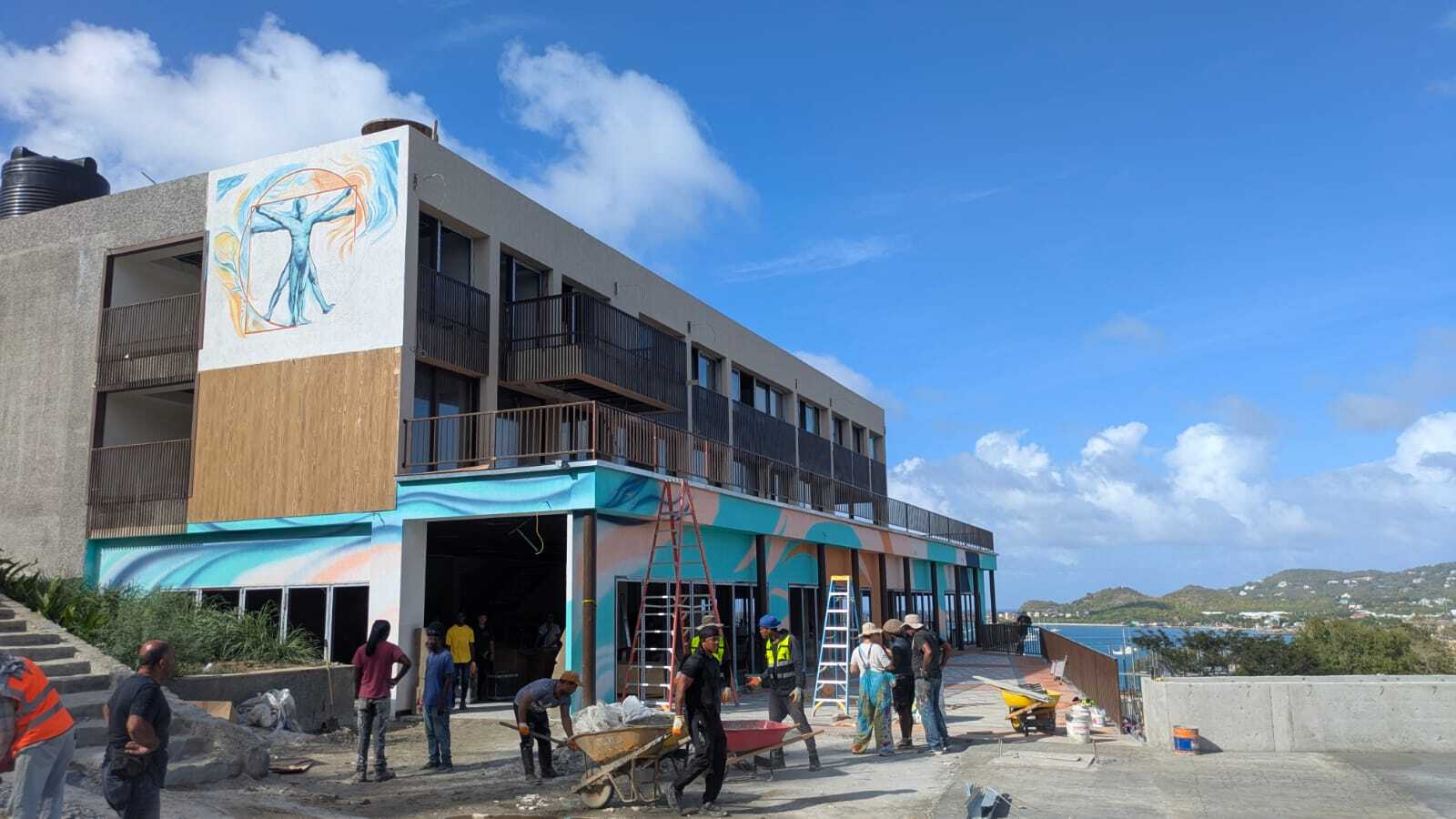
    Saint Lucia’s tourism landscape is undergoing a transformative expansion with the imminent opening of the first phase of the massive A’ila Resort project. Perched on the slopes of Mt Pimard in Rodney Bay, the development offers breathtaking panoramic views encompassing Pigeon Island and extending as far as Martinique.

    The project’s inception traces back to developer Yunus Dogan’s initial visit to the island, where he found himself captivated by both Saint Lucia’s natural beauty and the genuine warmth of its people. This personal connection sparked the ambitious development that broke ground in early 2025.

    The inaugural phase features a 65-room wellness hotel operated by TheLifeCo, scheduled to welcome guests beginning March. This strategic emphasis on wellness aligns perfectly with Saint Lucia’s tourism evolution. Dexter Percil, Director of Global Marketing at the Saint Lucia Tourism Authority, confirmed the island’s deliberate pivot toward wellness tourism, noting that A’ila Resort will significantly enhance their promotional efforts while addressing critical room capacity needs.

    Tourism and Investment Minister Dr. Ernest Hilaire emphasized the project’s importance in replenishing the island’s accommodation inventory, particularly after the loss of several hotel properties along the Reduit strip last year. The minister expressed considerable excitement about both the immediate opening and subsequent phases planned through 2027.

    The project’s local impact has been substantial already. According to administrative consultant Sean Bonete, hundreds of Saint Lucians have gained employment during construction, with the resort expected to create numerous permanent positions across various skill levels. When fully completed, the development is projected to employ over 800 nationals directly while generating additional indirect economic benefits for surrounding communities.

    TheLifeCo wellness center will serve as a holistic retreat offering natural therapies and programs designed to help guests reconnect with themselves through conscious living practices. Project manager Aslihan Ozgur explained that Saint Lucia’s pristine natural environment and vibrant culture made it an ideal location for expanding their mission that began in Turkey two years ago.

    The comprehensive $1.3 billion development, representing one of Saint Lucia’s largest tourism projects under Invest Saint Lucia, will eventually include a family hotel, adults-only resort, luxury villas, residential units, a shopping boulevard, and one of the country’s largest conference facilities. Subsequent phases are targeted for completion between late 2026 and 2027.


  • Uber dodges legal questions but open to talks with stakeholders

    Uber dodges legal questions but open to talks with stakeholders

    The global ride-hailing behemoth Uber has declared its intention to remain part of Saint Lucia’s future despite facing mounting regulatory challenges and government opposition. This Caribbean confrontation escalated when Deputy Prime Minister Ernest Hilaire publicly declared Uber’s operations illegal earlier this month, citing significant regulatory violations.

    Despite direct questioning from St Lucia Times regarding its legal status and compliance intentions, Uber provided evasive responses, avoiding specific answers about its regulatory standing. Instead, the company reiterated its willingness to engage in “respectful dialogue with all stakeholders” while maintaining operations despite the government’s cease-and-desist order.

    The core regulatory conflicts identified by Minister Hilaire encompass three critical areas: Uber’s failure to obtain a necessary trade license, non-registration with the Inland Revenue Department for tax purposes, and lack of certification under the Tourism Development Act. Compounding these official challenges, the National Taxi Union has warned its members that association with the Uber platform could jeopardize their union registration status.

    Since its January 27 launch on the island, Uber has promoted its platform as a technological solution benefiting local drivers through enhanced connectivity with tourists, credit card payment options, and schedule flexibility. However, its arrival has ignited complex debates about transportation modernization versus regulatory compliance.

    The controversy reflects deeper systemic issues within Saint Lucia’s transportation infrastructure. Residents report persistent challenges with limited routes, inconsistent service, and coverage gaps that complicate daily commutes for workers and students alike.

    One Beausejour resident, familiar with international ride-hailing services, expressed cautious optimism tempered by practical concerns: “The idea of a dependable service is appealing but I’ve faced disappointing experiences with local platforms—unavailable drivers or unexpected fees eventually made me stop trying.”

    This standoff transcends corporate-regulatory tensions, revealing fundamental questions about how Saint Lucia might develop more reliable, affordable, and accessible transportation systems. As the government and union maintain firm opposition, many citizens are weighing the potential benefits of technological innovation against the necessity of regulatory oversight and fair competition.

  • Local egg farmers crying foul

    Local egg farmers crying foul

    FALMOUTH, Trelawny — Jamaica’s domestic egg industry is confronting an existential threat as prolonged importation policies, initially enacted following Hurricane Melissa, now jeopardize the recovery of local producers. Mark Campbell, President of the Jamaica Egg Farmers’ Association (JEFA), issued a stark warning that imported eggs are systematically displacing local products in retail and hospitality markets, undermining the resilience of farmers who had nearly recovered from previous hurricane damage.

    Campbell reported that both large-scale and small-scale farmers are experiencing market rejection, with supermarkets and shops prioritizing cheaper imported eggs over locally sourced produce. This sudden shift has left numerous long-term suppliers without viable outlets for their stock, creating severe uncertainty across the agricultural sector.

    The industry had demonstrated remarkable recovery following hurricanes Beryl and Melissa, with production levels in St. Elizabeth, St. Ann, Trelawny, and western Jamaica rebounding to approximately 80% of pre-hurricane capacity. While JEFA had initially supported limited, temporary imports to address peak-season shortages, Campbell emphasized that continued foreign egg shipments now threaten to deliver a “double blow” to local farmers, potentially creating oversupply conditions that could lead to spoilage and financial losses.

    Additionally, Campbell raised alarms about alleged improper repackaging of imported eggs without adequate origin labeling or expiration dates, creating potential consumer safety risks and traceability challenges. He acknowledged the post-hurricane support from the Ministry of Agriculture and Fisheries and the Rural Agricultural Development Authority but urged immediate regulatory intervention to protect local producers and ensure market stability. Campbell asserted that any supermarket experiencing shortages should contact JEFA directly for local egg sourcing, warning that continued imports might inflict irreparable damage on Jamaica’s agricultural sector.

  • IMF warns pressure is mounting on Trinidad to loosen grip on currency

    IMF warns pressure is mounting on Trinidad to loosen grip on currency

    The International Monetary Fund has issued a stark warning to Trinidad and Tobago regarding its economic stability, emphasizing that maintaining the country’s fixed currency regime will require significant fiscal discipline and monetary policy adjustments. With foreign reserves experiencing a concerning decline—projected to drop from $6.88 billion in 2021 to approximately $4.61 billion by 2026—the IMF stresses that defending the current exchange rate framework necessitates immediate policy interventions.

    According to the Fund’s latest economic assessment, the Central Bank’s repeated interventions in currency markets have steadily depleted the nation’s financial buffers. While reserves remain above traditional adequacy benchmarks at approximately 5.4 months of import cover, the IMF projects that without corrective measures, the fiscal deficit will remain around 5% of GDP—significantly higher than the government’s 2.2% target.

    The IMF recommends a multi-pronged approach: implementing additional fiscal measures equivalent to 2.8% of GDP, raising interest rates from their current 3.5% level (unchanged since 2020), and pursuing structural reforms including tax base broadening and reduction of untargeted subsidies. These measures aim to stabilize public debt, which has climbed to 84% of GDP, while limiting negative impacts on economic growth.

    As an alternative strategy, the IMF suggested greater exchange rate flexibility could alleviate pressure on reserves and allow for more gradual fiscal adjustment. While this approach might introduce short-term volatility, it could ultimately help rebalance the economy through export encouragement and import restraint.

    The report noted several positive indicators: inflation remains low at approximately 2%, unemployment sits below 5%, the banking system demonstrates resilience, and the government maintains access to international capital markets—evidenced by the successful oversubscription of a $1 billion bond issuance in January. However, recent negative outlook revisions by ratings agencies underscore the urgency of addressing these economic challenges.

  • St Kitts and Nevis tourism to double by 2027 – WIC News

    St Kitts and Nevis tourism to double by 2027 – WIC News

    The Federation of St. Kitts and Nevis is positioning itself for unprecedented tourism growth through two landmark developments scheduled for completion by late 2027. Strategic infrastructure enhancements at Port Zante and the innovative Symbol of Love Monument project are expected to fundamentally reshape the nation’s tourism economy and global positioning.

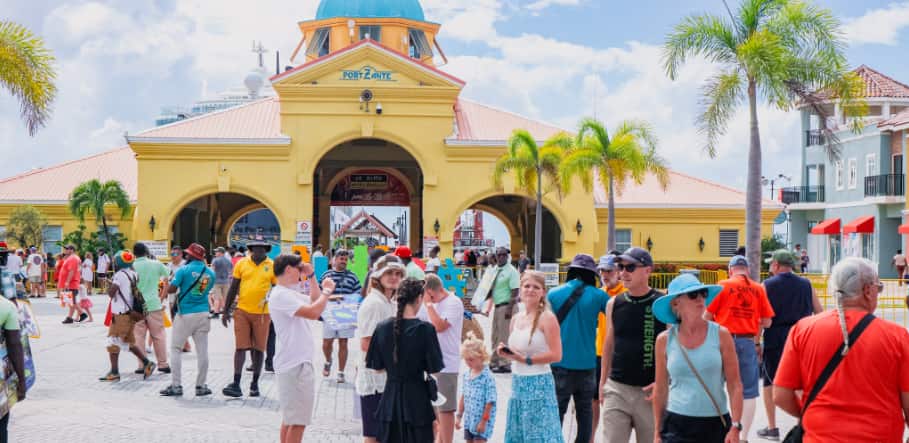
    Port Zante is undergoing comprehensive upgrades to establish home-porting capabilities for major cruise operators, with P&O Cruises confirmed as the primary operator. This strategic shift will transition the destination from a transit port to a cruise itinerary starting point beginning November 2027. The transformation will see passengers arriving by air, utilizing local accommodation, dining establishments, and entertainment venues before embarking from the newly enhanced facility.

    Tourism Minister Marsha Henderson emphasized the economic implications of this development: ‘Home-porting generates substantially greater economic impact than traditional cruise calls. Passengers will extend their stays, generating increased hotel occupancy, restaurant revenue, and tour bookings while creating sustained demand for transportation and retail services.’

    Concurrently, the US$30 million Symbol of Love Monument and Museum project at Fort Thomas represents a sophisticated cultural tourism initiative. Prime Minister Dr. Terrance Drew describes the complex as a ‘world-class cultural and educational landmark’ designed to establish St. Kitts and Nevis as ‘The Island of Love’ and premium wedding destination. The development will feature two museum facilities—the Caribbean Museum of History and the International Museum—alongside a ceremonial monument space specifically designed for wedding ceremonies.

    Industry analysts project these complementary developments could potentially double tourism numbers by 2027, creating a synergistic effect between cruise tourism and cultural attractions. The infrastructure investments position St. Kitts and Nevis as an emerging strategic hub in the Eastern Caribbean tourism market, offering both recreational and cultural experiences that extend beyond traditional beach tourism.

  • Cabinet Backs $40M Reset Wellness Tourism Project in Freetown

    Cabinet Backs $40M Reset Wellness Tourism Project in Freetown

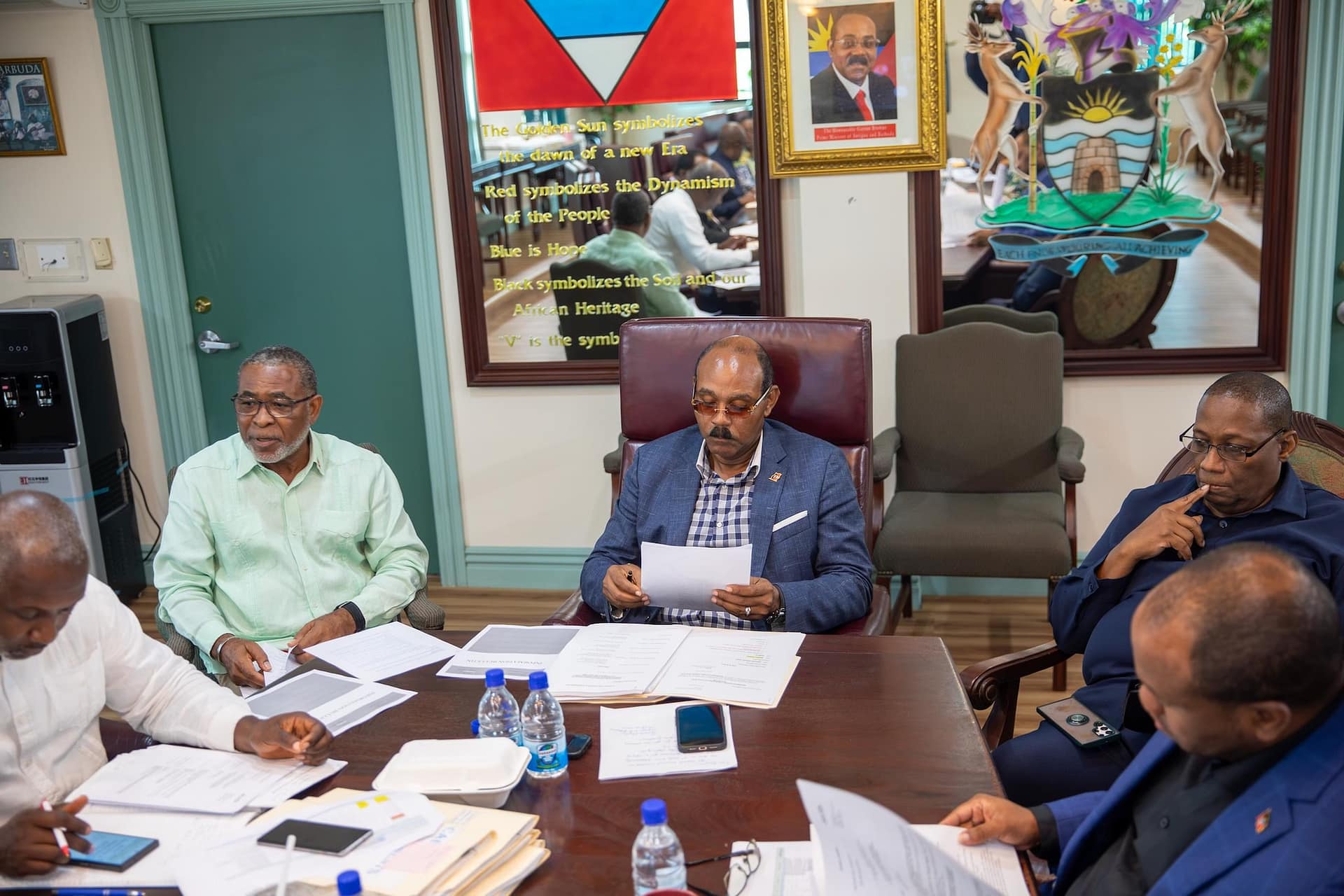
    The government of Antigua and Barbuda has granted official endorsement to Reset Wellness Antigua, a substantial tourism initiative designed to position the dual-island nation as a premier destination in the rapidly expanding global wellness sector. The project received full cabinet support following a formal presentation by its principals, marking a strategic pivot from conventional sun-and-sand tourism toward experiential, high-value travel experiences.

    Strategically situated at Harmony Hall at Brown’s Bay Mill in Freetown near Non-Such Bay, the development will integrate luxury wellness offerings with the archipelago’s pristine natural environment. The project represents a conscious effort to attract visitors seeking extended stays and premium services while maintaining ecological sensitivity through low-density construction and sustainable design principles.

    The development promises significant economic benefits through job creation, with an estimated 150-200 direct employment opportunities during construction phases, predominantly filled by local workers. Upon completion within a 24-month timeframe, the facility is projected to generate 80-120 permanent positions across diverse sectors including wellness services, culinary operations, administration, and property maintenance.

    Environmental sustainability forms a cornerstone of the project’s architecture, incorporating advanced features such as solar energy integration, passive cooling systems, green roofing, native vegetation restoration, and comprehensive stormwater management infrastructure.

    The initial development phase will utilize five acres of the twelve-acre property, featuring approximately 172 units developed under the Citizenship by Investment Programme framework. The project represents a capital investment exceeding US$40 million, with the government offering concessions aligned with CBI legislation to facilitate development.

    Cabinet officials characterized the initiative as integral to a broader national strategy targeting high-quality, sustainable tourism investment. The project aims to capitalize on growing consumer interest in wellness and experiential travel while enhancing Antigua and Barbuda’s competitive positioning in the premium tourism market.

  • Government in Talks with New Fixed-Base Operator for Antigua

    Government in Talks with New Fixed-Base Operator for Antigua

    The Caribbean nation of Antigua and Barbuda is progressing through advanced negotiations with an undisclosed fixed-base operator (FBO) to significantly upgrade its private aviation infrastructure. This strategic move aims to position the dual-island state as a premier destination for corporate and high-net-worth travel within the region.

    Maurice Merchant, the Director General of Communications, publicly verified the ongoing discussions during a recent post-Cabinet briefing. While confirming that talks are advancing constructively, Merchant emphasized the government’s decision to withhold the identity of the prospective company until a final agreement is formally ratified. “There have been further discussions,” Merchant stated, “but as the discussions continue, the government believes that it would be premature to disclose who these principals are until everything has been finalized.” He assured that a full public disclosure will follow the conclusion of negotiations.

    The establishment of a new FBO is anticipated to bring substantial enhancements to Antigua’s aviation sector. These improvements are projected to include state-of-the-art ground handling services, expanded hangar capacity, comprehensive aircraft maintenance, and premium passenger amenities tailored for executive jets. Fixed-base operators are essential service providers in the aviation ecosystem, offering critical support such as refueling, parking, and concierge services for private and corporate aircraft.

    This initiative underscores the government’s dedicated focus on leveraging private sector investment to bolster its tourism and business travel industries. Although specific details regarding the investment scope and contractual terms remain confidential, the active negotiations signal a committed effort to stimulate economic development through aviation sector expansion. Government officials have indicated that further official updates will be provided upon the finalization of all contractual agreements.

  • Senator Chris Coye Appointed Special Envoy for Finance and Investment

    Senator Chris Coye Appointed Special Envoy for Finance and Investment

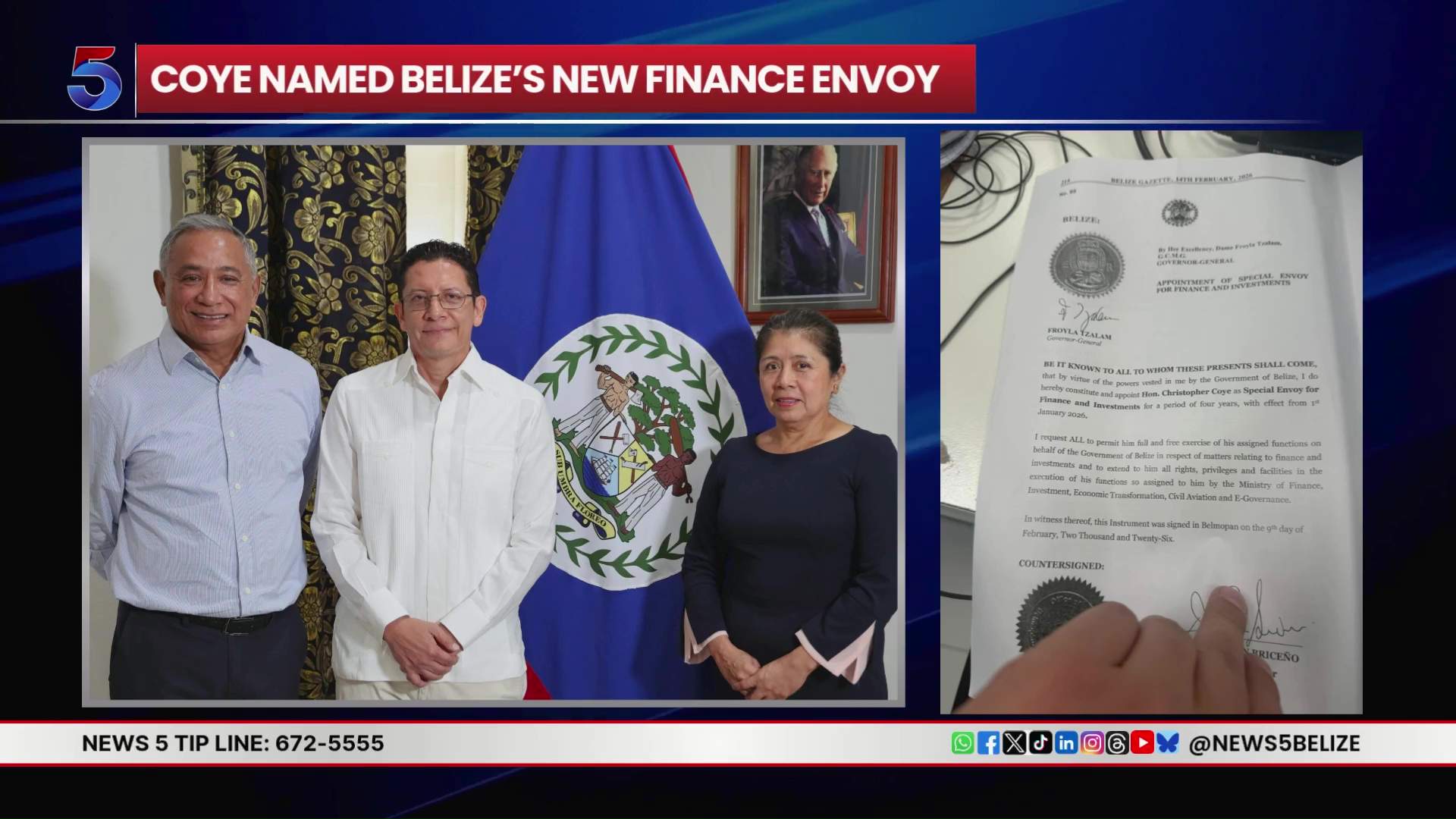
    In a strategic move to bolster its economic development agenda, the Government of Belize has officially designated Senator Christopher Coye as the nation’s Special Envoy for Finance and Investments. The appointment, formally executed by Governor General Froyla Tzalam and documented in the Belize Gazette, carries retroactive effect from January 1, 2026, establishing Coye’s four-year mandate to orchestrate high-value financial initiatives.

    The newly created position empowers the seasoned attorney and former Finance Minister to represent governmental interests across all financial and investment domains. Coye’s authority encompasses collaborative operations with ministries dedicated to economic transformation, civil aviation, and digital governance infrastructure.

    This appointment marks a return to fiscal leadership for Coye, who previously served as Minister of State in the Finance Ministry before resigning in September 2025 following the People’s United Party’s electoral triumph. Since his departure from the executive branch, Coye has maintained his legislative role while resuming private legal practice.

    In exclusive comments to News Five, Senator Coye expressed readiness to leverage his expertise, stating: “I stand prepared to utilize my experience and professional networks at the Prime Minister’s discretion to attract substantive finance and investment opportunities for Belize.” His designation positions him as a pivotal architect of Belize’s economic trajectory during a period of significant investment potential.

    Concurrently, the Transport Ministry’s engagement of law firm Courtenay Coye LLP for the National Bus Company initiative has generated public scrutiny. Transport Minister Louis Zabaneh defended the selection, emphasizing the firm’s documented competency in public-private partnerships and precedent work on the National Gas Company and Southern Deep Port projects.

  • Guyana assisting T&T to search for financing to restart Petrotrin refinery

    Guyana assisting T&T to search for financing to restart Petrotrin refinery

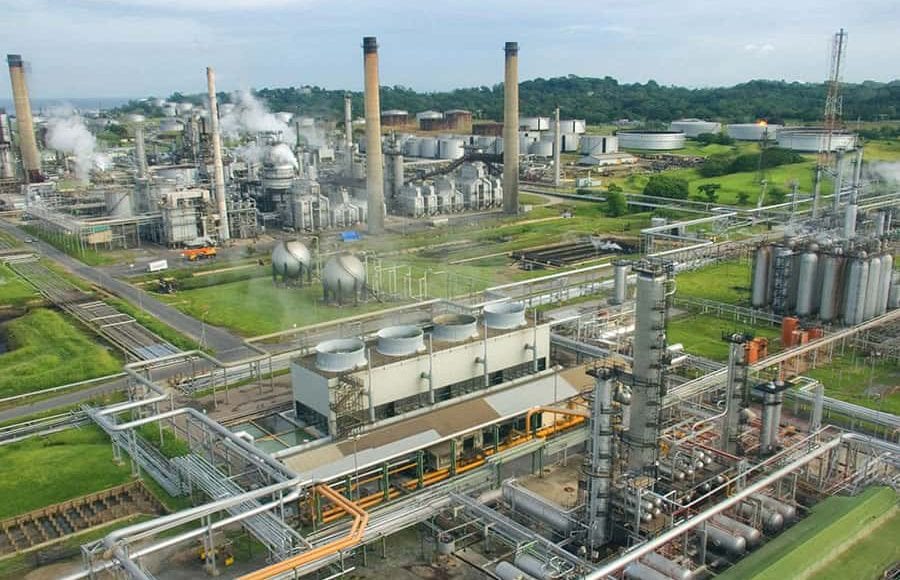
    In a significant move for Caribbean energy cooperation, Guyana is actively assisting Trinidad and Tobago in securing crucial financing to restart the long-dormant Petrotrin oil refinery. The development emerged during the 5th Guyana Energy Conference held in Georgetown from February 17-20, 2026.

    Guyana’s Energy Minister Roodal Moonilal revealed that President Irfaan Ali’s administration has been instrumental in connecting Trinidadian officials with potential Arab investors and local banking representatives. The collaborative effort aims to secure approximately US$200 million needed for the comprehensive revitalization of the refinery complex.

    Minister Moonilal expressed optimism about the project timeline, suggesting that if financial arrangements are finalized by mid-year or the third quarter, preparatory work could commence as early as the last quarter of 2026. This would potentially allow operations to resume within approximately one year thereafter.

    The financial requirements are structured in two phases: an initial US$50 million injection for short-term recommencement of operations, followed by a larger US$200 million investment to restore the refinery’s full capacity. This expanded capability would enable Trinidad to resume its historical role as a primary fuel supplier to the 15-nation Caribbean Community (CARICOM).

    Minister Moonilal highlighted that the Saudi Arabian investment community has shown particular interest in the venture during discussions held in Guyana. The allocated funds would address critical technical upgrades, design modifications, and essential health and safety improvements at the facility.

    While acknowledging Trinidad’s substantial domestic expertise in refinery operations, Moonilal indicated that international partnerships might be necessary. Potential collaborators could include specialized subcontractors from Houston, Texas, alongside technical experts from energy giants Shell and BP.

    Addressing questions about crude compatibility, Moonilal clarified that technological advancements have largely eliminated the historical distinction between heavy and light crude processing. Modern conversion technologies and potential oil swap arrangements would allow the refinery to efficiently process various crude types, including Guyana’s light sweet crude.

    The Petrotrin refinery was shuttered in November 2018 by the previous People’s National Movement administration following years of financial challenges and substantial debt accumulation.

  • Nine proposals submitted to build cooking gas bottling plant

    Nine proposals submitted to build cooking gas bottling plant

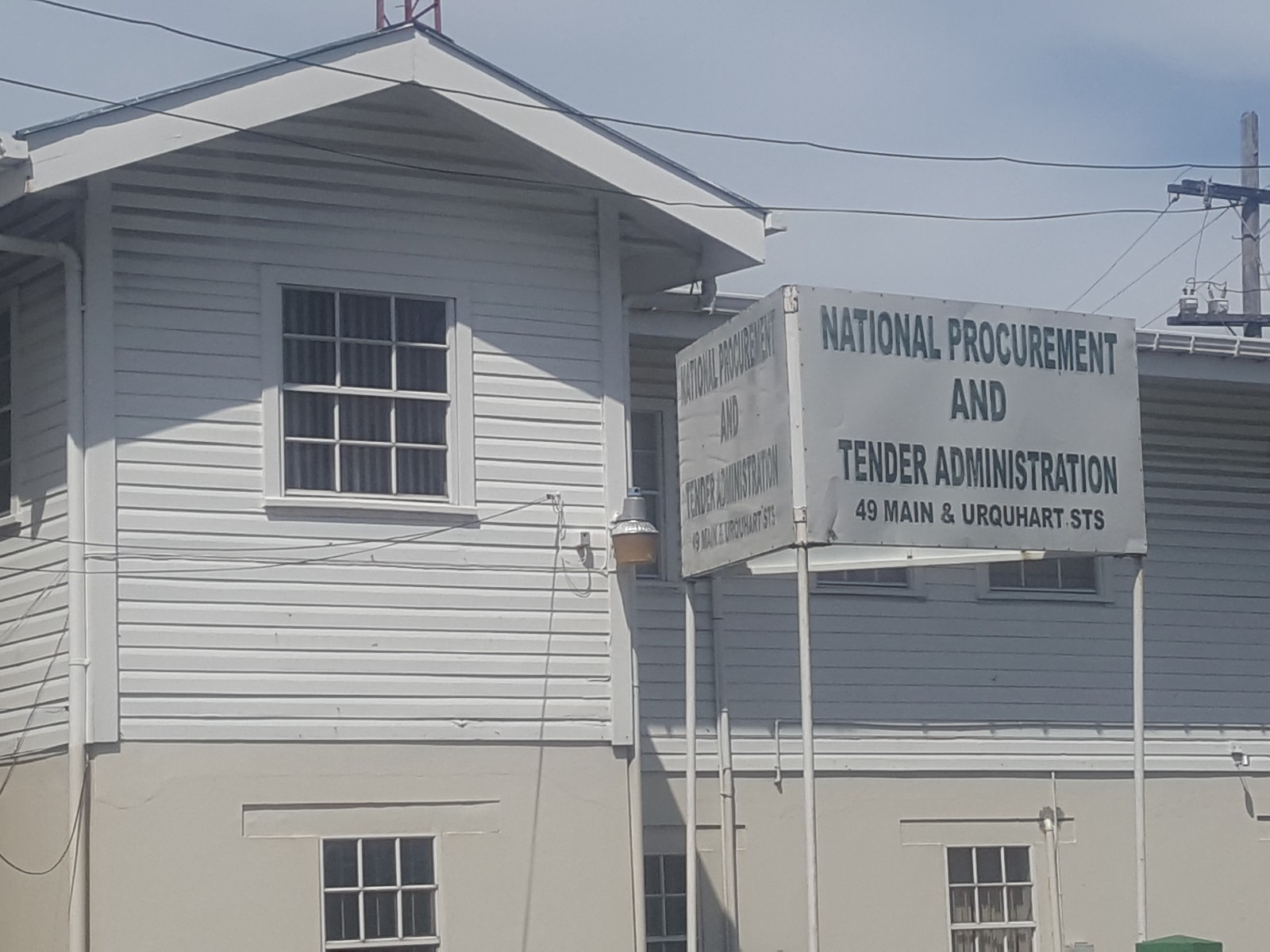
    Guyana’s energy sector is witnessing significant international investment interest as nine competitive proposals have been submitted for the construction of a major cooking gas bottling plant. The National Procurement and Tender Administration Board (NPTAB) confirmed the submissions from a diverse consortium of local and international energy companies.

    The bidding consortium includes Guygas, which has formed strategic partnerships with Denmark’s Makeen Energy and India’s RAMCO Industries. Other prominent contenders include Massy Gas Products, SOL Guyana Inc, and RUBIS Guyana Inc. International participation extends to Houston-based LINDSAYCA, currently engaged in constructing the 300-megawatt natural gas-fired power plant and NGL facility at Wales, West Bank Demerara.

    Additional joint venture proposals have been submitted by Divyan International Inc, along with a collaborative effort between Gate Ventures and Consulting Guyana Inc with Canada’s Propak Systems Limited and Makeen Energy. Further international interest comes from Colombia’s Gas Zipa SASESP partnering with Fix It Depot and Standard Energy Company, and India’s ILF Consulting Engineering Inc. collaborating with Mahatma Phule Renewable and Infrastructure Technology Limited.

    Winston Brassington, Project Lead for the Gas-to-Energy Project, revealed during the Guyana Energy Conference that the proposed facility is projected to bottle approximately 63 million gallons of cooking fuel annually, representing a substantial advancement in the country’s energy infrastructure development.