分类: business

  • Nicholls: Terminal dues critical to Caribbean postal sustainability

    Nicholls: Terminal dues critical to Caribbean postal sustainability

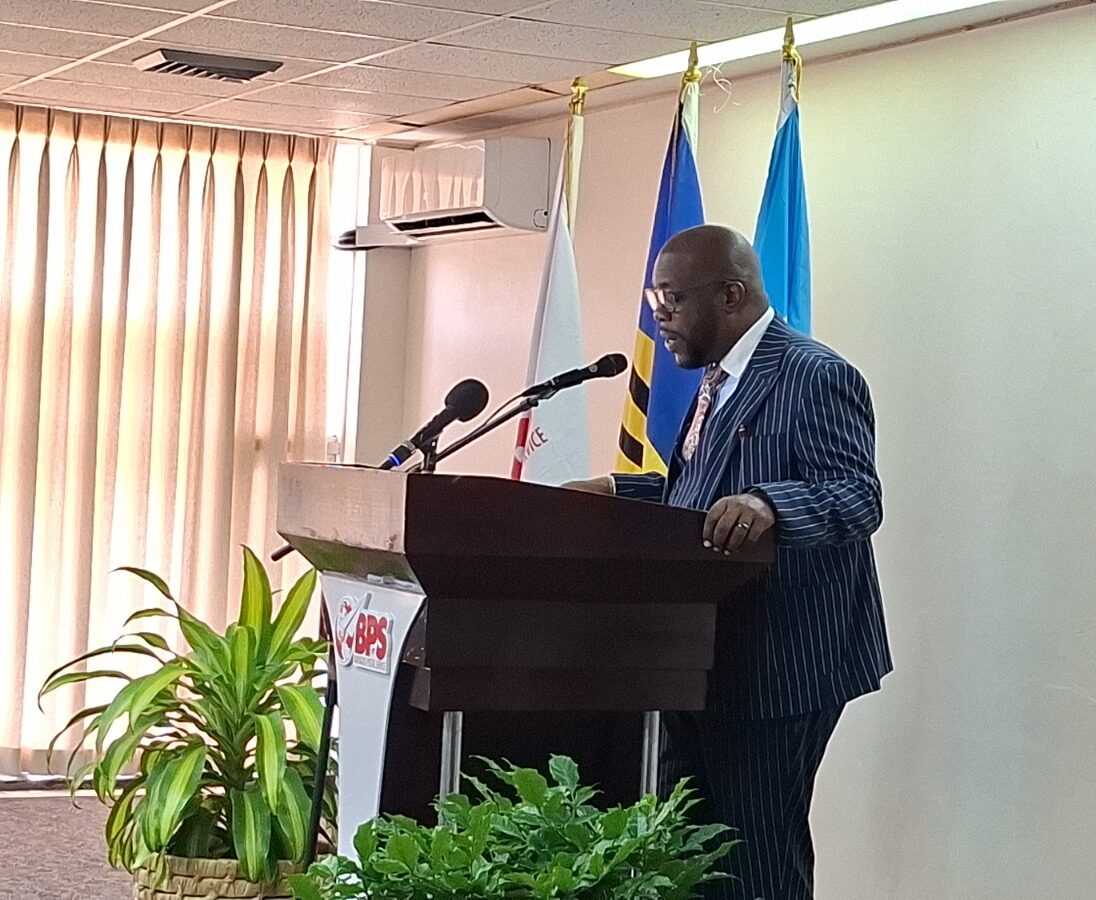
    Caribbean postal administrations are confronting a critical financial challenge as cross-border e-commerce drives unprecedented growth in international parcel volumes. Gregory Nicholls, Barbados’ Minister of Home Affairs and Information, has emphasized that reforming terminal dues—the system governing how postal operators compensate each other for delivering international mail—is essential for the region’s postal sustainability.

    Speaking at the Universal Postal Union–Caribbean Postal Union Remuneration Workshop in Bridgetown, Nicholls highlighted the disproportionate burden faced by small island states. These administrations grapple with elevated transportation expenses, constrained economies of scale, and complex logistics networks that strain their operational capabilities.

    “When strategically managed,” Nicholls asserted, “terminal dues systems can become powerful tools for modernization, efficiency gains, and revenue optimization rather than financial liabilities.” He warned that without proper negotiation and understanding, these systems could impose unsustainable pressure on regional postal services.

    The minister outlined a comprehensive strategy involving enhanced regional cooperation, sophisticated cost accounting mechanisms, and data-informed policymaking. He stressed the importance of continuous professional development and training investments to build institutional capacity across Caribbean postal networks.

    Nicholls reaffirmed the Barbadian government’s dedication to modernizing its national postal system while championing the cause of equitable treatment for small states within global postal policy frameworks. He urged workshop participants to approach the event as a strategic initiative to strengthen collective bargaining power and elevate service standards throughout the Caribbean region.

  • Saint Lucia pushes air service improvements at CTO summit

    Saint Lucia pushes air service improvements at CTO summit

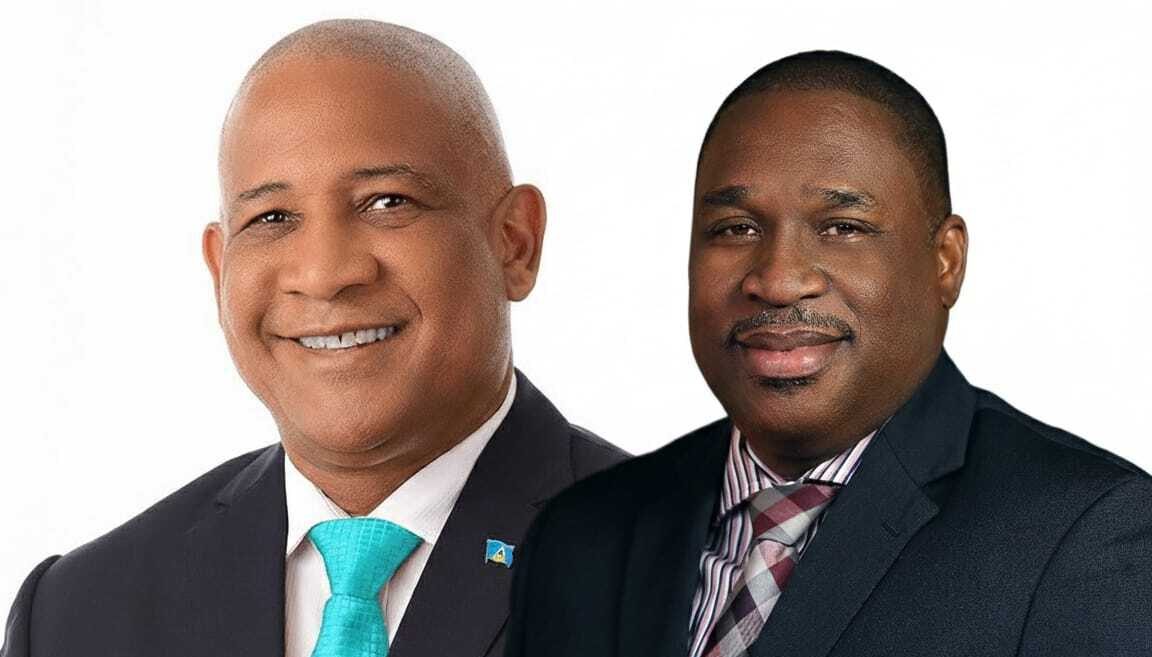
    Saint Lucia’s government delegation is spearheading a regional push for strengthened aviation infrastructure at the Caribbean Tourism Organisation’s Air Connectivity Summit in Bermuda this week. Leading the island nation’s representation are Tourism Minister Dr. Ernest Hilaire and Saint Lucia Tourism Authority CEO Louis E. A. Lewis at the February 24th convening.

    The high-stakes assembly brings together tourism ministers, airline executives, aviation regulators, and policy architects to deliberate on the future of air transportation and its indispensable function in driving tourism economies throughout the Caribbean region and internationally. The summit’s agenda features strategic dialogues with aviation industry leaders focused on amplifying global airlift capabilities, reinforcing regional air networks, and examining aviation’s direct correlation with tourism expansion.

    Saint Lucia’s involvement highlights the administration’s dedicated emphasis on cultivating airlift alliances, refining route development methodologies, and positioning the destination for consistent growth in overnight visitor arrivals. Minister Hilaire emphasized in an official statement that ‘air connectivity remains one of the most critical pillars of tourism competitiveness,’ noting that ‘strategic airlift development is fundamental to Saint Lucia’s tourism growth and overall economic resilience.’

    CEO Lewis reinforced the collaborative nature of aviation advancement, stating that ‘air connectivity is more than routes; it is about partnerships, data-driven planning, and aligning aviation strategy with tourism demand.’ The tourism authority anticipates the summit discussions will bolster existing initiatives to improve connectivity from primary source markets while tackling the persistent challenges of intra-regional travel within the Caribbean basin.

  • Staff rally support as super value owner airlifted to U.S.

    Staff rally support as super value owner airlifted to U.S.

    The Bahamian business community has mobilized in support of Rupert Roberts, founder and owner of the nation’s largest all-Bahamian food retail chain Super Value, following his medical emergency over the weekend. According to company president Debra Symonette, staff responded “almost immediately” after learning of Roberts’ urgent need for blood donations, demonstrating the deep loyalty he commands within his organization.

    While Symonette declined to specify Roberts’ medical condition, she confirmed the prominent businessman has been transferred via air ambulance to Mayo Clinic in Rochester, Minnesota, where he remains under intensive care. Social media platforms were flooded with appeals for blood donors throughout the weekend as news of his health crisis spread rapidly throughout the islands.

    The Super Value president described staff as “very optimistic” about Roberts’ recovery, noting that employees across the retail chain have rallied together with a team in place to maintain operations while regularly receiving updates on his condition. “We’re just praying for him and hoping that everything will turn out for the best,” Symonette stated, emphasizing that Roberts is “very much loved by his staff.”

    Beyond his retail empire, Roberts has been a pivotal figure in Bahamian commercial development for decades. He previously served as chairman of Commonwealth Bank Limited from 1984 to 1992 following the bank’s Bahamianisation, overseeing a period of remarkable expansion. Under his leadership, the institution relocated its headquarters to East Bay Street, established new branches in Oakes Field and Marsh Harbour, and achieved unprecedented growth with total assets soaring by over 700 percent to exceed $125 million while net income tripled from $1.3 million to $4 million during his tenure.

  • BOJ to launch finance-based game for children

    BOJ to launch finance-based game for children

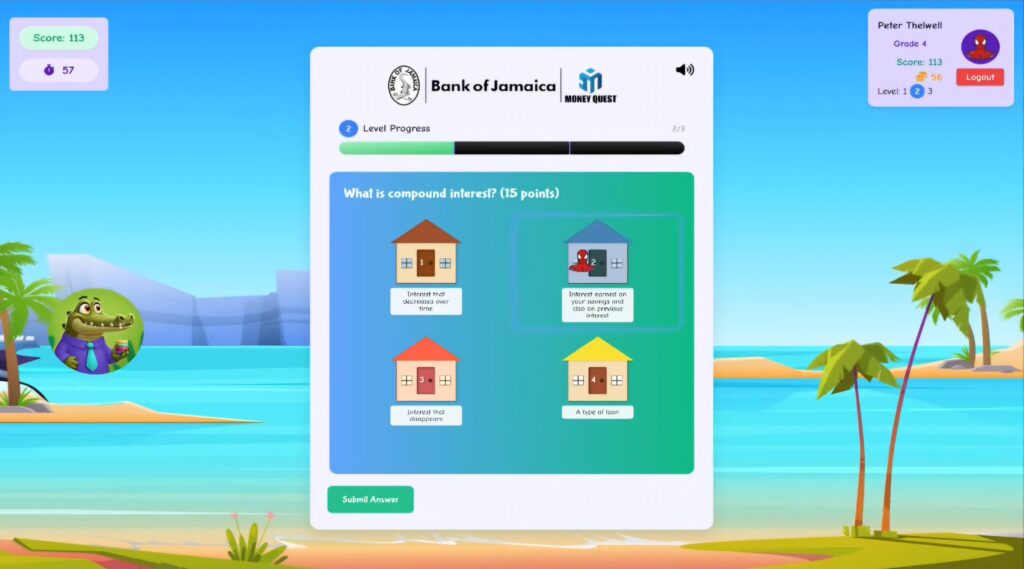
    KINGSTON, Jamaica — In an innovative move to advance financial literacy among youth, the Bank of Jamaica (BOJ) has announced the April launch of ‘Money Quest,’ an online educational game specifically designed for primary school students in grades four through six. The initiative represents a strategic effort to embed essential financial skills early in the national education framework.

    Dr. Andre Murray, Head of the Financial Inclusion Unit at BOJ, unveiled the project during the central bank’s Quarterly Monetary Policy Report press conference held Tuesday at its downtown Kingston auditorium. He detailed that the game integrates core financial principles with existing academic curricula, including the Primary Exit Profile (PEP) syllabus, transforming complex concepts into an engaging adventure-based format.

    ‘Money Quest is engineered to merge financial knowledge with problem-solving in a dynamic, interactive environment, making the acquisition of these vital skills both enjoyable and memorable,’ Dr. Murray stated. The development follows extensive beta testing with a diverse range of schools across Jamaica, leveraging the pedagogical power of play to instill lifelong financial habits and confidence.

    The project is a cornerstone of the central bank’s broader mission to cultivate a financially capable generation. Dr. Murray articulated a vision where Jamaican youth approach money management not as an intimidating academic subject, but as an essential life skill mastered with curiosity and control. This initiative, alongside the televised series ‘Common Cents,’ aims to strengthen public trust in and access to the nation’s financial system.

    Ultimately, the BOJ believes that foundational financial education will empower citizens to make stronger economic choices, contributing to family prosperity, national economic growth, and greater societal resilience. ‘Money Quest’ was developed in collaboration with Database Technologies Limited.

  • Recovery in sight

    Recovery in sight

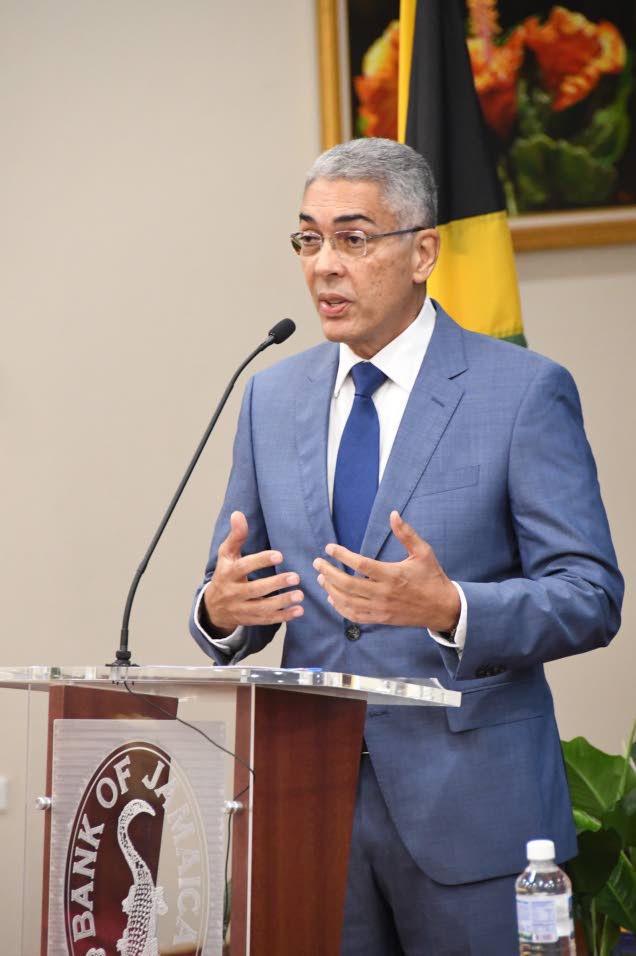
    The Bank of Jamaica (BOJ) has expressed confidence that the government’s recently implemented tax package will not hinder the nation’s economic recovery trajectory in the coming year, despite concurrent fiscal expansion and massive hurricane reconstruction efforts. Governor Richard Byles addressed concerns during the central bank’s quarterly monetary policy briefing, dismissing predictions that the combined effect of increased taxation and post-Hurricane Melissa spending would suppress economic growth or trigger renewed inflationary pressures.

    While acknowledging that higher taxes typically reduce consumer demand, Governor Byles emphasized that the government’s deficit-financed reconstruction initiative would inject sufficient stimulus to counterbalance any economic drag. This perspective reflects the central bank’s growing assurance that Jamaica can successfully navigate toward recovery in 2026-27, even with the temporary suspension of fiscal rules enacted following Hurricane Melissa’s devastation in late 2025.

    The BOJ’s current projections indicate the economy will contract between 1-3% this fiscal year before rebounding to positive growth of 1-3% next year. This anticipated turnaround is expected to be driven by significant recoveries across multiple sectors including agriculture, mining, tourism, and electricity supply. Notably, the agricultural sector alone is forecast to rebound by 5-10% in the upcoming year after suffering devastating declines of 15-20% in the hurricane’s aftermath.

    Regarding inflation risks associated with increased government spending, the central bank maintains that Jamaica can manage reconstruction efforts without exceeding the 4-6% inflation target corridor over the next 12-18 months. This confidence stems from anticipated improvements in agricultural output, moderating hurricane-related price pressures, and modest exchange rate appreciation.

    The BOJ recently implemented a cautious 25-basis-point rate reduction, bringing the policy rate to 5.50%, which Governor Byles characterized as more of a directional indicator than an immediate trigger for widespread commercial lending rate reductions. He explained that major financial institutions continue to hold substantial portfolios of fixed-rate loans issued during the low-rate pandemic period, which will naturally slow the transmission of monetary policy changes to borrowing costs.

  • Keeping the house clean

    Keeping the house clean

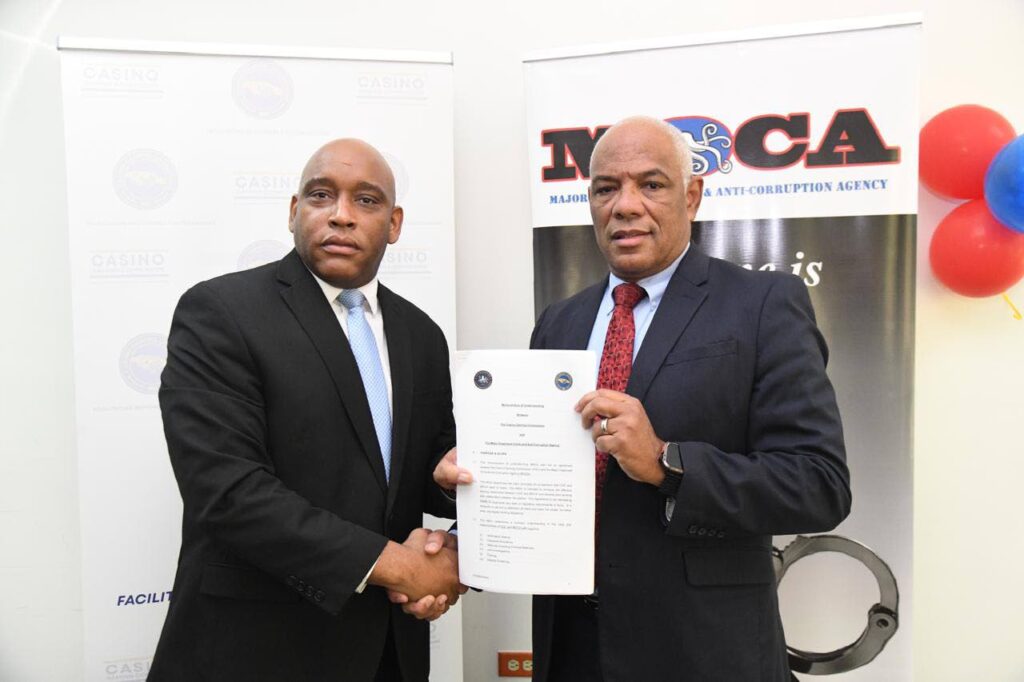
    Jamaica has taken decisive action to protect its nascent gaming sector from organized criminal infiltration through a newly established cooperation framework between key regulatory bodies. The memorandum of understanding (MOU) signed between the Major Organised Crime and Anti-Corruption Agency (MOCA) and the Casino Gaming Commission represents a strategic move to prevent the nation’s reinstatement to the Financial Action Task Force’s (FATF) increased monitoring list.

    Colonel Desmond Edwards, Director General of MOCA, emphasized the critical importance of maintaining Jamaica’s hard-won removal from the FATF grey list in 2024 after four years of heightened scrutiny. “We don’t want to go back on the list,” Edwards stated, noting that grey list status severely diminishes a country’s appeal to international investors due to perceived high-risk categorization.

    The FATF, as the global watchdog combating money laundering and terrorist financing, places nations on its grey list when their anti-financial crime frameworks are deemed inadequate. Edwards highlighted that Jamaica’s delisting resulted from concerted efforts across multiple sectors to address systemic vulnerabilities.

    Gaming industries worldwide remain particularly susceptible to money laundering schemes, necessitating robust regulatory structures. The newly signed MOU establishes stringent protocols to prevent illicit funds from entering Jamaica’s gaming ecosystem while fostering investor confidence and public trust.

    Casino Gaming Commission Chairman Ryan Reid characterized the agreement as demonstrating Jamaica’s commitment to industry integrity. “We are putting structures in place to combat anything or any intentions they may have,” Reid stated, referencing potential bad actors seeking to exploit the emerging sector.

    Commission CEO Cleveland Allen clarified that Jamaica’s vision differs markedly from traditional gambling hubs like Las Vegas. Instead, the nation aims to integrate casino gaming as one component of a diversified tourism offering rather than establishing itself as a primary gaming destination.

    The regulatory foundation was strengthened on February 10 when Jamaica’s House of Representatives approved the Casino Gaming (General) Regulations 2025. These comprehensive rules govern administrative processes, licensee obligations, record-keeping, reporting requirements, and enforcement mechanisms to ensure transparent and orderly industry operations.

  • ExxonMobil launches US$100 million science, tech, math initiative for Guyana

    ExxonMobil launches US$100 million science, tech, math initiative for Guyana

    In a landmark move for educational development, global energy giant ExxonMobil has unveiled a comprehensive decade-long initiative valued at US$100 million to revolutionize Science, Technology, Engineering, and Mathematics (STEM) education throughout Guyana. The announcement was formally made by ExxonMobil Chairman and CEO Darren Woods during a high-profile dinner event at the Guyanese State House, the official presidential residence, on Monday evening.

    The ambitious program, designed to span ten years, will fundamentally reshape Guyana’s educational infrastructure by implementing multiple strategic projects targeting both students and educators. Central to the initiative is the establishment of an extensive teacher training framework for secondary-level mathematics and science instruction, developed through a collaborative partnership with Guyana’s Ministry of Education and the University of Guyana.

    A cornerstone of the project involves creating a nationwide network of specialized STEM centers dedicated to hands-on learning experiences for teenagers and young adults. The inaugural facility is scheduled for construction at the University of Guyana’s Turkeyen Campus in Georgetown, with completion targeted for the 2028-2029 timeframe. This center will emulate a successful model previously observed by Guyanese President Irfaan Ali during his visit to Houston, Texas, last year.

    President Ali emphasized the critical importance of adhering to the 2028 completion deadline during his address, noting that trainer and facilitator development would commence almost immediately. The president highlighted that situating the center within a university environment would provide younger students with early exposure to campus life while significantly elevating the quality of STEM education nationwide.

    The high-level event, broadcast via delayed livestream on the president’s official Facebook platform, gathered government ministers, private sector representatives, senior military and police officials, ExxonMobil executives, and diplomatic personnel from the United States Embassy.

  • China roept VS op tot opheffing Trump-tarieven na vernietigend vonnis Supreme Court

    China roept VS op tot opheffing Trump-tarieven na vernietigend vonnis Supreme Court

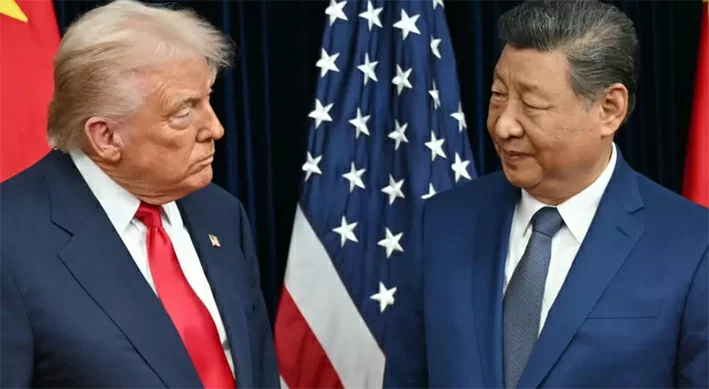
    In a landmark decision with global trade implications, the US Supreme Court has struck down significant portions of former President Donald Trump’s unilateral tariff policies, prompting China to demand complete elimination of the remaining trade barriers. The 6-3 ruling determined that Trump exceeded his statutory authority when imposing tariffs under a 1977 trade law, dealing a substantial political blow to his controversial trade agenda that disrupted international commerce.

    China’s Commerce Ministry announced it is conducting a comprehensive assessment of the ruling’s consequences while formally urging Washington to abolish all remaining tariffs. “There are no victors in trade conflicts, and protectionism leads nowhere,” the ministry stated, emphasizing the mutual damage caused by trade wars.

    The development comes as the US prepared to implement new 15% global import levies this Tuesday, measures designed to remain effective for up to 150 days with certain product exemptions. China’s Foreign Ministry indicated it would vigilantly monitor potential alternative American measures, including trade investigations that might circumvent the court’s decision. “China will resolutely defend its interests,” a spokesperson affirmed.

    International responses have been measured yet concerned. The European Union stressed the importance of predictable and fair trade rules, with a European Commission spokesperson noting: “We are monitoring developments closely and remain committed to an open, equitable trading system beneficial to all parties.”

    Japan, a key trade partner to both nations, warned of possible further escalation. Canada, similarly affected by US tariffs, advocated for constructive dialogue through multilateral forums. The World Trade Organization reiterated the critical importance of maintaining stable, rules-based international trade frameworks.

    The ruling represents a pivotal moment in global trade politics, where judicial oversight, political interests, and economic strategies intersect. The coming months will prove crucial in determining the direction of world trade amid rising protectionist tendencies.

  • Coastal Pressures Rise as Perez Drives Airport Plan

    Coastal Pressures Rise as Perez Drives Airport Plan

    BELIZE – Amid ongoing coastal management challenges, Belizean officials are propelling forward with ambitious infrastructure development plans for Ambergris Caye. Andre Perez, Area Representative for Belize Rural South, confirms significant progress on a multimillion-dollar international airport project designed to transform the island’s economic landscape.

    The northern air facility, currently in advanced planning stages, aims specifically to capture the high-end private jet market. Perez emphasizes the project’s economic rationale, drawing parallels to successful fixed-base operations in the Bahamas. The strategy centers on attracting affluent travelers seeking convenience and efficiency, with projected customs and immigration clearance times under twenty minutes.

    Infrastructure development has reached critical milestones with funding secured through international partnerships, including IDB approval. Land acquisition adjacent to Social Security properties is complete, and technical designs meet international aviation standards. The blueprint calls for a 7,000-8,000 foot runway capable of accommodating larger aircraft like ATRs with 40-passenger capacity—addressing current limitations of San Pedro’s existing infrastructure.

    Perez projects construction commencement within three years, positioning the airport as both a luxury travel gateway and solution to regional transportation bottlenecks. The development forms part of broader infrastructure improvements including road networks, sewer systems, and water management facilities.

    This initiative proceeds alongside ongoing coastal management efforts by the Ministry of Blue Economy, which continues to address sargassum seaweed influx and dredging concerns affecting Belize’s shoreline communities.

  • Expect higher prices as shipping fees become ‘permanent burden’ – BMA, BCEN

    Expect higher prices as shipping fees become ‘permanent burden’ – BMA, BCEN

    Consumer and manufacturing groups in Barbados have issued a joint alert regarding the transformation of temporary shipping surcharges into permanent cost burdens, warning of imminent price increases for essential goods. The Barbados Manufacturers’ Association (BMA) and Barbados Consumer Empowerment Network (BCEN) revealed on Monday that peak season surcharges (PSS) originally designed for seasonal demand fluctuations have effectively become perpetual additions to freight costs.

    According to the organizations, what began as limited-period charges for holiday season shipping demand has evolved into a continuous five-month surcharge period immediately followed by General Rate Increases (GRI), creating an unbroken cycle of escalating transportation expenses. This structural change in shipping pricing directly impacts production costs and consumer prices throughout the Barbadian economy.

    BCEN emphasized that these increased freight charges inevitably transfer to consumers through higher prices for food, household items, building materials, and daily essentials. Meanwhile, the BMA warned that the compounding effect of extended surcharges and subsequent rate increases is eroding the competitiveness of local manufacturers operating in an already challenging economic environment.

    BMA Executive Director Shardae Boyce explained the manufacturing sector’s vulnerability: ‘Many local manufacturers import raw materials and machinery since not every input can be sourced locally. When shipping carriers impose sudden and unregulated surcharges, it directly increases our production costs with limited absorption capacity.’

    Both organizations stressed they don’t oppose legitimate cost recovery by shipping providers but called for greater transparency, proportionality, and accountability in how surcharges are structured and applied to Caribbean shipping routes. They specifically urged the new Mottley administration to introduce budgetary mechanisms in the upcoming April 1 financial plan that enable government-manufacturer collaboration to lower prices on locally produced goods.

    The groups plan to meet with the Fair Trading Commission, government ministries, and Barbados Port Inc. to seek clarity and constructive dialogue. They also encouraged shipping firms to engage openly with interest groups on developing fairer and more transparent freight pricing structures for small island economies.