分类: business

  • Hurricane recovery sales drive growth for Omni

    Hurricane recovery sales drive growth for Omni

    OMNI Industries Limited concluded its 2025 fiscal year with exceptional financial performance, achieving a significant 14% surge in annual revenue driven by post-hurricane reconstruction demands and sustained construction sector activity. The thermoplastics manufacturer reported total revenue of $2.19 billion, marking a substantial increase from the $1.92 billion recorded in the previous year.

    The company’s strategic foresight in modernizing manufacturing facilities and controlling operational costs proved instrumental when Hurricane Melissa, a Category 5 storm, struck Jamaica on October 28, 2025. Despite the devastation that left thousands homeless in western regions, OMNI’s Twickenham Park operations remained largely unaffected, enabling the company to resume full production capacity within days of the disaster.

    Managing Director Patrick Kumst emphasized that beyond the $10 million allocated for direct relief aid, the company’s most valuable contribution was maintaining operational continuity to supply essential construction materials. The manufacturer significantly increased production and distribution of critical building components, including zinc roofing and PVC piping systems, to accelerate national recovery efforts.

    The fourth quarter particularly demonstrated the impact of reconstruction activities, with revenue soaring to $616 million—a remarkable 50% increase compared to the same period in 2024. This growth was primarily fueled by heightened domestic orders for infrastructure rehabilitation projects.

    Financial metrics revealed strengthened profitability, with gross profit climbing to $891 million and net profit jumping 34% to $169.9 million. These improvements reflected enhanced production volumes and more efficient absorption of fixed manufacturing costs as plants operated near maximum capacity.

    Strategic capital investments, including the integration of advanced injection moulding machinery, contributed to a 37% expansion in property, plant and equipment, which reached $603 million by year-end. Concurrently, OMNI pursued geographic diversification, successfully entering new Caribbean markets including Dominica, St. Lucia, Barbados, and Guyana.

    The company maintained strategic inventory levels of $826.8 million to support ongoing recovery demands, while total assets grew to $1.85 billion. Despite facing global logistics disruptions, foreign exchange volatility, and elevated import costs throughout the year, OMNI’s operational resilience and timely investments positioned it for sustained growth.

    Looking forward, management outlined plans for continued capacity expansion, enhanced export readiness, and ongoing support for national rebuilding initiatives, expressing confidence in further business development across Jamaica and the wider Caribbean region.


  • HR Leader Calisha Spencer Selected as Presenter for International LOUD26 HR Conference

    HR Leader Calisha Spencer Selected as Presenter for International LOUD26 HR Conference

    In a significant recognition of Caribbean professional excellence, Antiguan human resources authority Calisha Spencer has been chosen as a featured presenter at the internationally acclaimed LOUD26 Conference. This exclusive gathering convenes pioneering HR specialists, innovative thinkers, and transformative organizational leaders from diverse global industries.

    Spencer’s invitation marks both an exceptional career achievement and a moment of national pride for Antigua and Barbuda, showcasing the nation’s growing influence in global business leadership circles. Renowned for her assertive and contemporary approach to corporate leadership, Spencer has established herself as a strategic catalyst for organizational change. Her expertise spans talent acquisition, human capital management, policy formulation, and structural reinforcement, enabling enterprises to revolutionize their workforce strategies and corporate environments.

    Her scheduled LOUD26 address, titled “One Size No Longer Fits All,” will examine HR’s transformation into a strategic force driving institutional performance, cultural metamorphosis, and economic advancement. Spencer has consistently championed the paradigm shift viewing Human Resources not as administrative support but as fundamental to business viability and national progress.

    “This platform transcends individual recognition,” Spencer stated. “It embodies the substantial contributions Caribbean experts deliver globally. Our specialized knowledge, inventive approaches, and guidance merit international recognition.”

    The timing coincides with the imminent celebration of International Women’s Day, accentuating the expanding prominence of Caribbean women in authoritative positions. Spencer’s professional journey includes vigorous advocacy for career advancement initiatives, youth development programs, and contemporary leadership benchmarks throughout Antigua and Barbuda.

    In addition to her HR consultancy and hospitality sector background, Spencer facilitates vision boarding workshops and contributes HR commentary, motivating both nascent professionals and seasoned executives to pursue decisive, empathetic, and purposeful leadership.

    As Spencer prepares for her LOUD26 appearance, she exemplifies how Antiguan influence transcends geographical boundaries—possessing worldwide resonance and visionary ambition.

  • Five Cruise Ships Bring 18,000 Passengers to Antigua in Single Day

    Five Cruise Ships Bring 18,000 Passengers to Antigua in Single Day

    The Antigua Cruise Port witnessed an extraordinary spectacle of maritime activity as five premier cruise liners—Grand Princess, Norwegian Epic, Britannia, Explora I, and Celebrity Eclipse—converged simultaneously at the harbor. This unprecedented event facilitated the arrival of approximately 18,000 passengers into St. John’s within a 24-hour window, creating a vibrant surge of economic and social engagement throughout the capital and its surrounding regions.

    This massive convergence underscores Antigua and Barbuda’s ascendant status as a preeminent hub within the Caribbean cruise circuit. The strategic docking of such a formidable fleet highlights the destination’s robust infrastructure and its compelling appeal to major industry operators.

    Economic reverberations were felt instantly across the island’s commercial landscape. Throngs of visitors dispersed to acclaimed coastal and cultural sites, including Dickenson Bay, Valley Church, and the historic Nelson’s Dockyard. This dispersal catalyzed a significant uptick in business for local taxi services, guided tour operators, retail establishments, and beachfront vendors. Industry analysts and tourism stakeholders emphasized that this single-day influx provided a substantial financial injection, particularly vital for the sustainability and growth of small and medium-sized enterprises (SMEs) that form the backbone of the local tourism economy.

    The event is not an anomaly but rather a testament to the sustained upward trajectory of the island’s cruise sector. The consistent ability to attract vessels from leading global cruise lines signals strong recovery and continued momentum post-pandemic, positioning Antigua and Barbuda for a potentially record-breaking tourism season.

  • IMF Outlook: St. Kitts and Nevis GDP to reach 2.2% in 2026 – WIC News

    IMF Outlook: St. Kitts and Nevis GDP to reach 2.2% in 2026 – WIC News

    The International Monetary Fund has issued an optimistic economic assessment for the Federation of St. Kitts and Nevis, projecting substantial GDP growth acceleration from 1.5% in 2025 to 2.2% in 2026 with medium-term stability anticipated at approximately 2.5%. This positive trajectory, outlined in the IMF’s 2026 Article IV Mission Concluding Statement, reflects strengthening fundamentals across multiple sectors.

    Key growth drivers identified include vigorous construction activity, agricultural development, renewable energy initiatives, and sustained tourism sector recovery. The financial system demonstrates notable resilience with credit expansion reaching 8.2% in 2025, primarily fueled by mortgage lending, construction financing, and tourism-related investments. Private sector credit similarly expanded by approximately 10%, indicating improved domestic lending conditions and heightened economic confidence.

    Despite fiscal pressures and increasing public debt, the IMF maintains that debt sustainability remains intact. While Citizenship by Investment revenues have moderated compared to previous years, the economy exhibits remarkable resilience. International reserves have remained stable, providing crucial external buffers against global volatility and unexpected shocks.

    The Federation’s energy transition presents significant medium-term growth opportunities, with potential to substantially strengthen economic prospects. The IMF notes that implementing fiscal consolidation measures could stabilize public debt at approximately 60% of GDP by 2031, simultaneously increasing government deposits to around 10% of GDP.

    Although CBI inflows have moderated, robust tourism recovery and stable remittance flows continue to cushion economic adjustments. With structural reforms underway and diversification efforts advancing, St. Kitts and Nevis appears well-positioned to navigate fiscal challenges while pursuing sustainable development objectives.

  • Column: CEO Leo onder stroom: Macht, verweer en verzet bij EBS

    Column: CEO Leo onder stroom: Macht, verweer en verzet bij EBS

    A severe corporate governance crisis has erupted at Energy Company of Suriname (EBS), where CEO Leo Brunswijk’s confrontational leadership style has triggered an executive rebellion and raised concerns about institutional stability. The conflict reached its boiling point when the Board of Commissioners formally requested the CEO to defend his management approach, prompting an explosive reaction from the traditionally authoritative leader.

    The company’s entire leadership structure now faces unprecedented strain as Chief Operating Officer, Chief Technology Officer, and Chief Financial Officer have collectively suspended their participation in regular management meetings. In a formal letter to the CEO, the executives cited unprofessional conduct and intimidating behavior, including alleged table-pounding incidents during meetings. They emphasized the statutory equality of all management board members, asserting that corporate governance operates through collegial decision-making rather than monarchical rule.

    At the heart of the confrontation lies a critical debt restructuring agreement that requires unanimous executive approval. While both the management team and Board of Commissioners have endorsed the proposal, CEO Brunswijk’s refusal to sign has created an operational deadlock. This missing signature represents more than procedural oversight—it constitutes a fundamental blockage that threatens organizational continuity.

    Sources indicate the CEO initially planned to publicly confront the Board through media channels but was confronted with constitutional realities: the shareholder’s representative is the President of Suriname, and those accountable to the Board cannot simultaneously apply pressure through public platforms.

    The striking contrast between the CEO’s emotional responses and the management team’s formally worded request for restored professional relationships highlights deeper governance issues. The situation gains additional complexity considering union involvement and the broader political context surrounding Suriname’s primary energy provider.

    Industry observers note that the fundamental question transcends the CEO’s anger management issues. The real test involves recognizing that corporate leadership exists within a system of checks and balances, where equality among executives represents administrative necessity rather than personal challenge. Showing respect for the President as shareholder representative demonstrates institutional maturity rather than weakness.

    While tensions have temporarily subsided, the underlying structural vulnerabilities remain exposed. For a company responsible for national energy security, uncontrolled power surges—whether electrical or administrative—risk triggering systemic failure. The ultimate challenge lies not in determining who can pound the table hardest, but in identifying the stabilizing switch that prevents the entire nation from descending into governance blackout.

    Coinciding with the Holi festival celebrating the victory of good over evil, Suriname faces its own corporate morality play where reason and responsibility must ultimately triumph over momentary passions and power struggles.

  • Abinader announces 150 million tons of rare earth reserves in Dominican Republic

    Abinader announces 150 million tons of rare earth reserves in Dominican Republic

    SANTO DOMINGO – In a landmark announcement that could reshape global mineral markets, President Luis Abinader revealed during his Independence Day address to the National Assembly that the Dominican Republic has formally certified over 150 million tons of rare earth element reserves. This monumental discovery positions the Caribbean nation as a future heavyweight in the strategic minerals sector, crucial for modern technology and defense industries.

    International laboratory analyses have confirmed the exceptional purity and economic viability of these deposits, which include minerals vital for producing high-tech devices ranging from smartphones and electric vehicles to semiconductors and renewable energy infrastructure. President Abinader projected that the responsible development and refinement of these resources could evolve into the nation’s primary non-tax revenue stream, driving substantial economic expansion and attracting foreign capital.

    To oversee the strategic management of these resources, the government established the state-owned Dominican Mining Company (Emidom) in August 2024. Current exploratory operations are concentrated in the Ávila mining reserve of Pedernales, designated a fiscal mining reserve in 2018. The ambitious initiative benefits from collaborative technical expertise provided by the University of Barcelona and the United States Army Corps of Engineers, underscoring its scientific credibility and international strategic importance.

  • Regulator abandons one-year wind-down for urgent asset protection

    Regulator abandons one-year wind-down for urgent asset protection

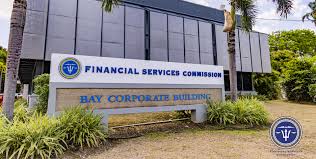
    In a decisive regulatory action, Barbados’s Financial Services Commission (FSC) has petitioned the High Court to initiate the liquidation of Equity Insurance Company Limited, signaling a grave financial deterioration and warning that policyholders may not recover the full value of their claims. This shift from an initially planned one-year run-off period to an urgent liquidation was prompted by what FSC Chief Executive Warrick Ward described as ‘significant additional risk factors’ that have critically undermined the insurer’s stability.

    The FSC’s intervention follows a history of statutory non-compliance by Equity Insurance, culminating in the revocation of its license effective December 31st. The regulator had previously appointed Craig Waterman of PwC to manage the company last August. Waterman’s findings confirmed the necessity of license revocation to protect consumers and creditors. Recent developments, however, including a severe disruption to the company’s crucial reinsurance arrangements, revealed that its financial position poses an intolerable risk, making an orderly, court-supervised wind-up the most prudent path forward.

    Chief Executive Ward emphasized that an immediate liquidation is essential to ensure the equitable distribution of the company’s limited assets according to statutory priorities. Without court supervision, there is a substantial risk of unlawful preferential payments that could disadvantage certain creditor groups. He advised that while existing policies remain technically in force pending the court’s decision, policyholders must confront the ‘real and present possibility’ of insufficient resources to honor all obligations.

    The FSC has concurrently engaged with the General Insurance Association of Barbados (GIAB) to develop bespoke arrangements aimed at helping displaced policyholders secure alternative coverage. Policyholders are urgently encouraged to contact their brokers or seek independent advice to arrange replacement policies ahead of their current policies’ expiration.

    The statutory reserve fund, designed as a safety net in such scenarios, is also acknowledged to be inadequate to cover all outstanding obligations fully. The court process is anticipated to unfold over several months, with a decision on the petition expected within a month and a substantive hearing likely within three. The FSC has committed to maintaining transparency throughout the process, providing ongoing updates via its website and social media platforms.

  • VAE sluit aandelenmarkten door regionale spanningen

    VAE sluit aandelenmarkten door regionale spanningen

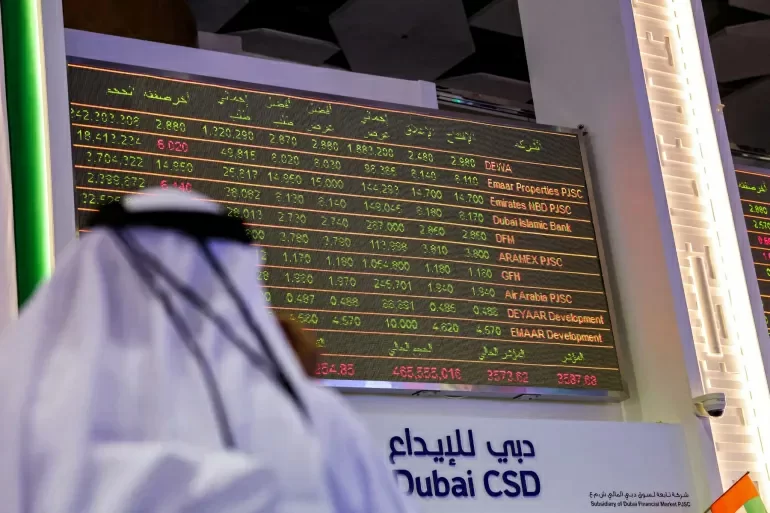
    The United Arab Emirates has taken the extraordinary step of suspending trading operations at its premier financial hubs—the Dubai Financial Market and Abu Dhabi Securities Exchange—in response to escalating regional hostilities following joint U.S.-Israeli airstrikes against Iranian targets. This decisive action comes after a weekend of heightened security concerns, during which the UAE endured hundreds of Iranian missile and drone assaults, including a direct strike on Abu Dhabi International Airport that resulted in one fatality and seven injuries.

    The UAE’s Capital Markets Authority formally announced Sunday that both exchanges would remain shuttered through Monday and Tuesday as authorities closely monitor the rapidly evolving security situation in the Gulf region. In an official statement, the regulatory body emphasized its commitment to continuous evaluation of developments, pledging to implement additional protective measures if circumstances require further intervention.

    Market analysts identify the primary rationale behind the trading halt as preventive crisis management—an unconventional but globally recognized measure to avert panic-driven selloffs during periods of extreme volatility. Such market suspensions historically occur during wartime scenarios or financial shocks when investors typically rush to liquidate positions, potentially triggering destructive downward spirals that could culminate in full-scale market collapses.

    Global financial markets have demonstrated heightened sensitivity since the initiation of U.S.-Israeli operations against Iran. Regional indicators reflected this strain with Saudi Arabia’s Tadawul Index plunging over 4% Sunday, while Egypt’s EGX 30 benchmark retreated approximately 2.5%. Asian markets including Japan and Hong Kong opened Monday’s session with notable declines, confirming the contagion effect across international trading floors.

    The economic ramifications extend beyond equity markets, with oil prices experiencing sharp increases due to airspace closures above the Gulf region and mounting uncertainties regarding the security of hydrocarbon transportation through the critical Strait of Hormuz. This energy supply disruption exerts substantial pressure on the global economy, elevating fuel costs that ultimately translate into increased expenses for consumers and businesses worldwide.

    Despite the preventive intent, financial experts caution that extended trading suspensions carry significant drawbacks. Investors face temporary capital immobility while markets lose essential price discovery mechanisms. According to Professor Burdin Hickok of New York University, prolonged closures risk undermining Dubai’s status as a premier financial center and potentially eroding investor confidence in the region’s market infrastructure.

    Historical precedents exist for such extraordinary measures within the UAE, primarily following the passing of prominent leaders, though market suspensions triggered by regional conflicts remain exceptionally rare. Other nations have implemented similar protocols, including Russia during its 2022 invasion of Ukraine and Egypt throughout the Arab Spring uprising of 2011.

    Market fundamentals preceding the current geopolitical crisis remained robust, with UAE equities recording nearly 30% gains over the trailing twelve-month period. Haytham Aoun, Assistant Professor at the American University in Dubai, characterizes the suspension as a precautionary maneuver rather than an indication of structural economic vulnerability, suggesting underlying strength should support market recovery once normal operations resume.

  • From US$3B to US$5B: Afreximbank strengthens support for CARICOM

    From US$3B to US$5B: Afreximbank strengthens support for CARICOM

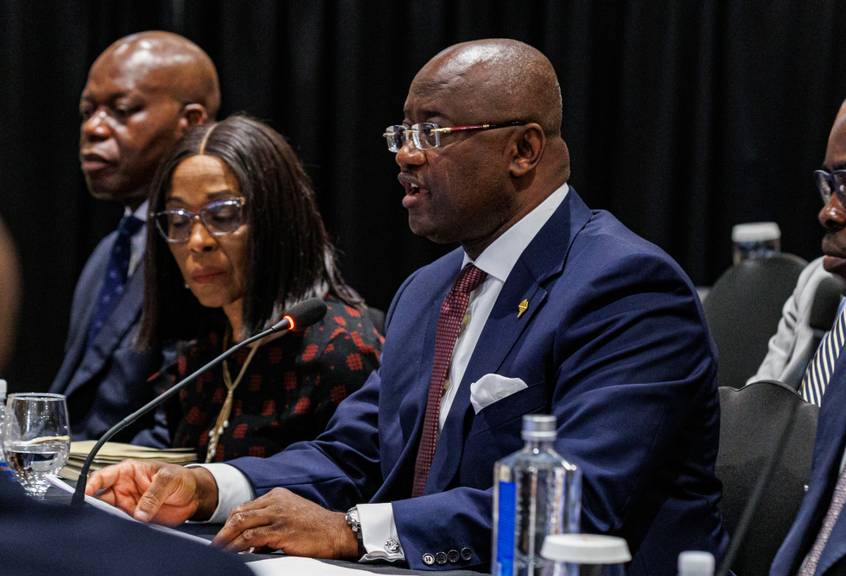
    In a landmark move to deepen economic ties between Africa and the Caribbean, the African Export-Import Bank (Afreximbank) has dramatically increased its financial commitment to CARICOM nations. President Dr. Benedict Oramah Elombi announced during the 50th Regular Meeting of CARICOM Heads of Government in Basseterre that the bank’s regional financing limit would surge from $3 billion to $5 billion over the next three to four years.

    This substantial capital infusion builds upon the $750 million already deployed across the region and an active pipeline exceeding $2 billion in current transactions. The strategic expansion represents one of the most significant cross-regional economic development initiatives in recent years.

    Dr. Elombi articulated a transformative vision for the partnership, emphasizing that “our aim over the next decade is to change the structure of our economies.” The bank’s strategy focuses on value addition and processing of agricultural outputs and natural resources to ensure Caribbean nations retain greater economic benefits from their commodities.

    The comprehensive investment plan includes developing healthcare facilities in Barbados, Guyana and Grenada; supporting tourism projects across multiple islands including The Bahamas and Antigua and Barbuda; and financing agro-processing and logistics facilities throughout the region. Infrastructure development receives particular emphasis, with planned investments in power generation, road projects, conferencing facilities, and trade centers across Grenada, Jamaica, The Bahamas, and Suriname.

    Beyond physical infrastructure, the bank will provide crucial financial support to regional banking institutions in Suriname, St. Lucia, Grenada, and Dominica, including SME-focused lending facilities to development banks. The initiative also promotes local content participation in resource-rich countries and advances sea and air interconnectivity to improve regional mobility.

    A significant cultural component involves expanding the Creative Africa Nexus Programme to strengthen financing, capacity building, and trade in creative industries between Africa and the Caribbean. The bank has also agreed to support the Eastern Caribbean Central Bank’s development strategy aimed at doubling the region’s economy within a decade.

    The institutional presence will be strengthened through the establishment of an Afreximbank African Trade Centre in Bridgetown, Barbados, and continued advancement toward creating a Caribbean Eximbank. The initiative gained further momentum with CARICOM Central Bank Governors’ decision to implement a CARICOM Payment and Settlement System, modeled on Afreximbank’s pioneering Pan-African Payment and Settlement System launched in 2022.

    This enhanced partnership sets the stage for the upcoming fifth Africa-Caribbean Trade and Investment Forum (ACTIF 2026), scheduled for July in St. Kitts and Nevis, which will further solidify this transcontinental economic alliance.

  • CDB predicts ‘modest’ growth for Caribbean countries in 2026

    CDB predicts ‘modest’ growth for Caribbean countries in 2026

    BRIDGETOWN, Barbados – The Caribbean Development Bank (CDB) has projected a period of restrained economic expansion across its borrowing member nations for the current year, citing a complex interplay of global and regional challenges. During its annual news conference held Tuesday, bank officials presented a cautiously optimistic yet tempered outlook for the region.

    Jason Cotton, Acting Deputy Director of the CDB’s Economics Department, revealed that regional Gross Domestic Product (GDP), excluding the rapidly expanding economy of Guyana, is anticipated to grow by a modest 1.1 percent. This figure underscores the broader challenges facing most Caribbean economies. However, when incorporating Guyana’s extraordinary projected growth rate of over 20 percent—driven primarily by its burgeoning oil and gas sector—the overall regional growth projection surges to 6.2 percent.

    The economic prospects for other commodity-exporting nations within the Caribbean remain decidedly mixed, with their performance heavily contingent on volatile international commodity prices and domestic production capabilities. Conversely, service-oriented economies, particularly those reliant on tourism and construction, are expected to achieve steady but modest growth. Inflation trajectories through 2026 will be significantly influenced by developments in global commodity markets.

    On fiscal policy, Cotton indicated that several member countries will persist with efforts to consolidate public finances and enhance revenue administration systems. Nevertheless, significant pressures endure, including expenditures related to post-disaster recovery, escalating public sector wage bills, and declining revenues from Citizenship by Investment programs. These fiscal strains have already prompted deviations from medium-term debt reduction strategies in several cases, necessitating adjustments to realign with sustainability targets.

    The bank emphasized that risks to the economic outlook remain tilted to the downside. A precarious global environment, characterized by heightened geopolitical tensions—both internationally and within the Caribbean basin—and the ever-present threat of climate-related disasters, continues to cloud economic prospects. Fiscal vulnerabilities are particularly acute in highly indebted nations with limited financial buffers.

    Despite these challenges, potential catalysts for improved medium-term performance exist. These include a stronger-than-anticipated recovery in tourism arrivals, an acceleration of public and private investment, meaningful progress in transitioning to renewable energy sources, and the implementation of business climate reforms.

    Cotton concluded by reflecting on the region’s recent history of sequential external shocks, which has highlighted the inherent vulnerabilities of small, open economies. He stressed that in an increasingly fragmented and uncertain global landscape, regional cooperation has evolved from a strategic choice to an absolute necessity. While acknowledging the significance of external conditions, he emphatically stated that Caribbean nations are not without agency, asserting that internal policy decisions remain crucial in shaping economic outcomes.