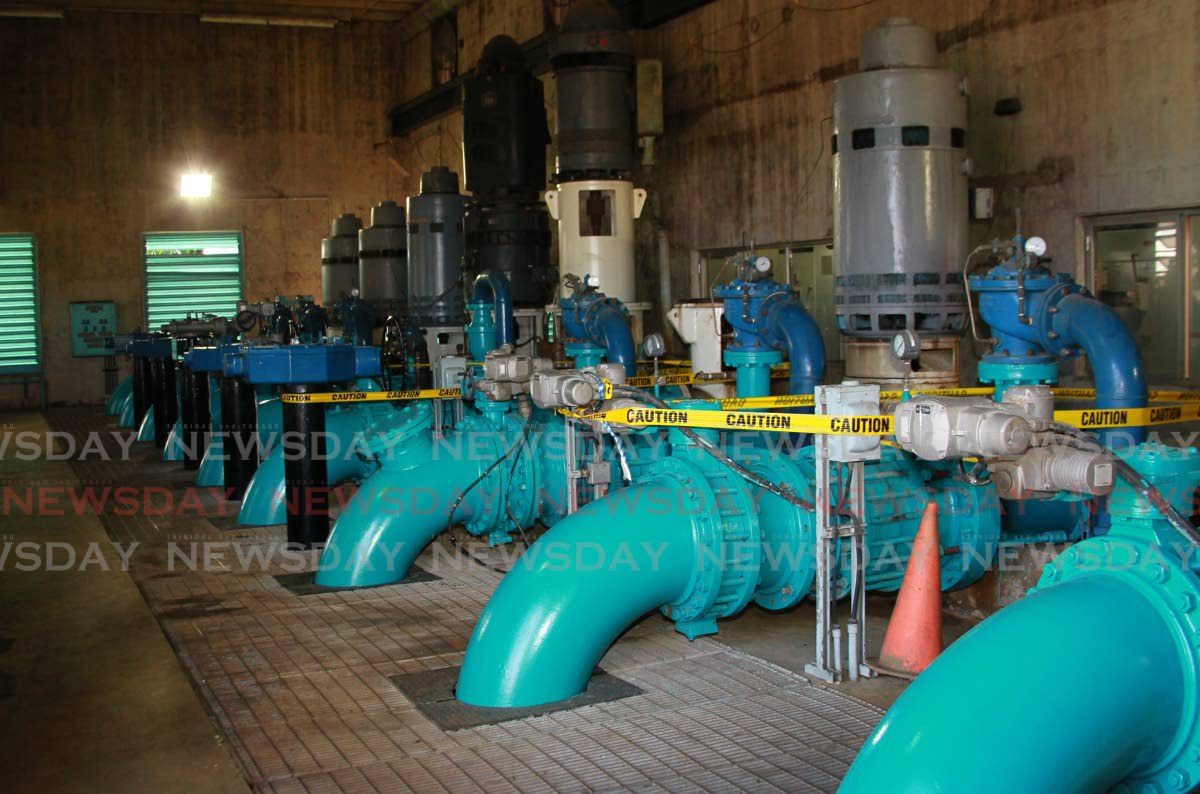
Finance Minister Davendranath Tancoo has unveiled a $50 million smart-metering initiative aimed at modernizing Trinidad and Tobago’s water infrastructure. The program, set to launch in the 2026 fiscal year, is part of a broader strategy to enhance revenue generation and curb water wastage. Tancoo emphasized the government’s decision to scrap the WASA transformation plan, a move that safeguards 3,700 jobs and reallocates $30 million in savings to essential services. He highlighted significant improvements in water supply, particularly in historically underserved areas like Siparia and Maracas Bay, where residents now receive water three times a week and five days a week, respectively. Additionally, a $300 million pipeline replacement program will target key mains in Port of Spain, San Fernando, and Arima. The smart-metering system, initially proposed in 2019 by former Public Utilities Minister Robert Le Hunte, aims to enhance billing accuracy and reduce water losses. Despite previous resistance, the renewed initiative reflects the government’s commitment to sustainable water management.
分类: business
-
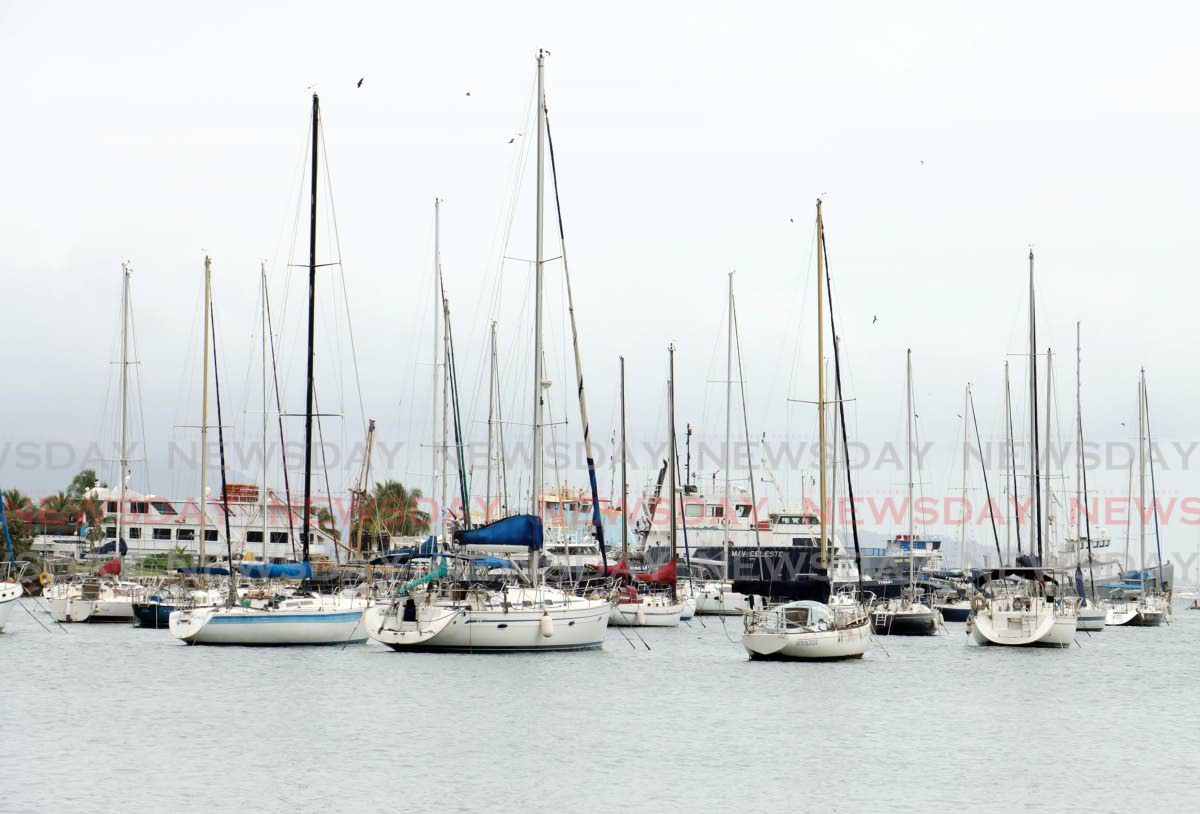
Government to invest US$12b in maritime sector
In a bold move to revitalize its maritime sector, Trinidad and Tobago’s Finance Minister Davendranath Tancoo unveiled a comprehensive $12 billion investment plan spanning seven years. The initiative aims to create 3,000 jobs and reposition the nation as a regional maritime hub. Key strategies include streamlining immigration and customs procedures, implementing digital clearances, and developing public-private partnership (PPP)-driven marinas and super yacht facilities to boost tourism and attract foreign investment. Additionally, the government plans to repurpose underutilized state assets, such as transforming the Caroni racing complex into a world-class convention center in collaboration with the TT Manufacturers’ Association (TTMA). To further strengthen the economy, a new export academy will be established, aiming to produce 100 export-ready firms annually. The government will also partner with the TT Chamber of Industry and Commerce and the Inter-American Development Bank to provide SMEs with training in trade facilitation, financing, e-commerce, and global marketing. The Eximbank will resume its core mandate of supporting exporters through foreign currency loans, with payments initially made in TT dollars before transitioning to the loan’s currency. Transparency in eligibility criteria and public reporting will ensure fairness, particularly for SMEs. Other initiatives include launching a national registry of exporters, promoting a ‘buy local’ campaign, and advancing partial scope agreements with India and West Africa.
-

Saint Lucia receives automated passport control kiosks from OECS Commission
The soaring costs of regional travel within the Caribbean continue to burden commuters, with high taxes on airline tickets being a primary culprit. These taxes, often exceeding the base airfare, have made intra-Caribbean flights significantly more expensive compared to regions like Europe and Southeast Asia, where lower aviation taxes and government support have fostered the growth of budget airlines. This disparity has created a challenging environment for Caribbean travelers and the tourism industry alike. Locals are increasingly priced out of flying between islands, while tourists face unexpectedly high costs, dampening demand for regional travel. The financial strain is also felt by local airlines, which struggle to compete with subsidized foreign carriers. Among these is LIAT Air, a new entrant in 2024, which faces the dual challenge of distancing itself from its failed predecessor, LIAT 1974, and navigating the heavy tax burden. LIAT Air CEO Hafsah Abdulsalam highlighted these issues during her address at the State of the Tourism Industry Conference (SOTIC) 2025, emphasizing the need for efficiency and government collaboration to reduce costs. Abdulsalam also revealed LIAT’s ambitious plans to expand connectivity to South America and Africa, underscoring the potential benefits of increased travel volume for local airlines, airports, and tourism-dependent businesses. However, achieving this vision requires a concerted effort from regional governments to address the tax issue and foster a more supportive environment for aviation. Whether the discussions at SOTIC 2025 will lead to actionable steps remains uncertain, but the stakes are high for the Caribbean’s most vital industry.
-

SEC en overheid bundelen krachten voor Local Content Conference 2025
In a significant step toward advancing Suriname’s energy sector, Ashwin Adhin, Chairman of the National Assembly (DNA), highlighted the critical importance of collaboration between parliament, government, and the private sector during a meeting with the Suriname Energy Chamber (SEC). The discussion, held in preparation for the upcoming Local Content Conference 2025 scheduled from October 21 to 23, focused on refining the local content policy to drive national development. The conference, organized by the SEC in partnership with Afreximbank, the Energy Authority Suriname (EAS), and the Surinamese government, aims to produce actionable recommendations, including a national definition of local content and a comprehensive roadmap for its implementation. Adhin emphasized that local content is a vital tool for Suriname’s economic growth, with DNA’s legal staff and parliamentary committees actively engaging to identify necessary legislative support. SEC Chairman Orlando Olmberg underscored the broader vision of local content, stating that it extends beyond oil and gas to encompass collaboration, knowledge sharing, and economic diversification. A key objective of the conference is to identify projects worth $200 million that align with the $5 billion in available funding for sector development, facilitated by Afreximbank. Additionally, the initiative aims to foster joint ventures between Surinamese and foreign companies, further boosting the country’s energy sector and economic prospects.
-

Saint Lucia receives automated passport control kiosks from OECS Commission
Saint Lucia’s Citizenship by Investment Programme (CIP) has become a cornerstone of the nation’s economy, offering foreign investors a pathway to citizenship through various investment options. Launched in 2015, the programme has evolved into a significant revenue stream, contributing over $121 million in the 2023–2024 fiscal year alone. However, its rapid growth has sparked debates about its impact on local property markets and housing affordability for citizens. The CIP allows investors to obtain citizenship through donations to the National Economic Fund, real estate investments, government bonds, or enterprise projects. While the programme has tightened due diligence and aligned with regional standards, concerns persist about its long-term effects on local communities. Critics argue that without explicit measures to curb inflationary pressures on real estate, locals risk being priced out of their homeland. Lessons from Tobago, which enforces stricter foreign land acquisition rules, highlight potential solutions for balancing economic growth with social equity. As Saint Lucia’s CIP continues to attract high-net-worth individuals, policymakers face the challenge of ensuring that the benefits of economic citizenship are equitably shared.
-

Armand Bipat vervangen als technisch directeur EBS
In a significant organizational restructuring, the Energy Bedrijven Suriname (EBS) has announced major changes to its leadership during its annual general shareholders’ meeting. Armand Bipat, who assumed the role of Technical Director in January this year following Marcel Eijndhoven’s departure, has been relieved of his duties. Stepping into the position of Chief Technical Officer (CTO) is Rishidath Mathoera, the current secretary of the EBS union.
-

Regional data center in Guyana can cost US$3 billion
Guyana is poised to become a technological hub for the Caribbean with the proposed development of a state-of-the-art data center, estimated to cost between US$2 billion and US$3 billion. President Irfaan Ali unveiled this ambitious plan during the grand opening of the SOMA Hotel and Restaurant, a venture by TOTALTEC Group, on October 11, 2025. The project aims to establish Guyana as a regional leader in innovation, computing, and data storage. The data center, requiring vast land and a stable, cost-effective energy supply, is expected to support various industries, including FinTech, digitization, and modernisation across the Caribbean. President Ali emphasized the strategic importance of this investment, envisioning Guyana as the sovereign storage and computing hub for the region. The initiative aligns with ExxonMobil Guyana’s appraisal of hydrocarbon resources at Longtail in the Stabroek Block, which could fuel energy plants and other industrial facilities. The SOMA Hotel, a symbol of local economic growth, will employ 60 to 100 Guyanese and source materials locally, reflecting the nation’s commitment to sustainable development.
-

FLASH : HOPE/HELP Law between optimism and concern in the Haitian textile sector
The Haitian Hemispheric Opportunity Through Partnership for Encouragement (HOPE) laws and the Haiti Economic Lift Program (HELP) law, which expired at the end of September 2025, have left the Haitian textile sector in a state of uncertainty. These laws, initially approved by the U.S. Congress in 2005 and 2010, allowed Haiti to export clothing to the U.S. market duty-free, accounting for 90% of the country’s exports. The benefits also extended to the Dominican Republic, where textile mills produced fabrics and yarns sent to Haiti for garment production. In 2018, the sector employed 62,000 people, but due to security concerns, this number has plummeted to 26,000, with at least 15 factories closing. Fernando Capellan, president of the Industrial Development Company (CODEVI), remains optimistic about the laws’ renewal within the next 90 days, citing support from the White House and the program’s impact on the U.S. supply chain. However, Haiti’s Minister of Trade and Industry, James Monazard, expressed concern over the alarming situation, warning that without renewal, many companies in the subcontracting sector—a cornerstone of Haiti’s economy—could face closure. Political disagreements in the U.S. Congress have further delayed any decision, with the Trump administration expected to make a final call by December 19, 2025. The future of Haiti’s outsourcing sector hangs in the balance as stakeholders await a resolution.
-
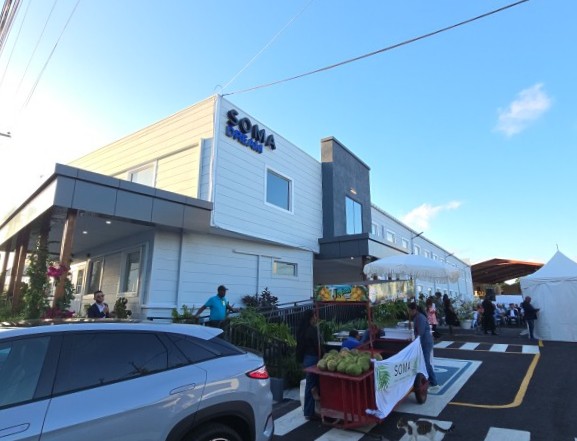
Ali says new govt transaction apps will guarantee accountability
In a significant move to bolster transparency and efficiency in government transactions, President Irfaan Ali announced the upcoming launch of four innovative applications designed for the private sector to interact with the government. The announcement was made during the commissioning of the SOMA Hotel & Restaurant, a flagship project by TOTALTEC Group, located in Houston, East Bank Demerara. President Ali emphasized that these apps would enable a ‘transparent, productive, and efficient’ process for conducting government business, while also ensuring accountability among officials through digital tracking mechanisms. The system is engineered to detect and prevent malpractices, reinforcing trust in public administration. A collaborative meeting between government representatives and the private sector is scheduled in six weeks to officially roll out the apps. President Ali highlighted that this initiative reflects the government’s commitment to accountability and leveraging technology for sustainable growth. The SOMA Hotel & Restaurant, developed by TOTALTEC, is set to create 60 to 100 direct and indirect jobs, supporting local suppliers and aligning with Guyana’s workforce development goals. The project is part of a broader vision to expand affordable, high-quality hospitality services across Guyana, catering to business travelers and industrial clients. TOTALTEC, a Guyanese-owned company established in 2016, has been instrumental in advancing local content and sustainable development, having trained over 6,000 individuals for careers in the oil and gas industry.
-
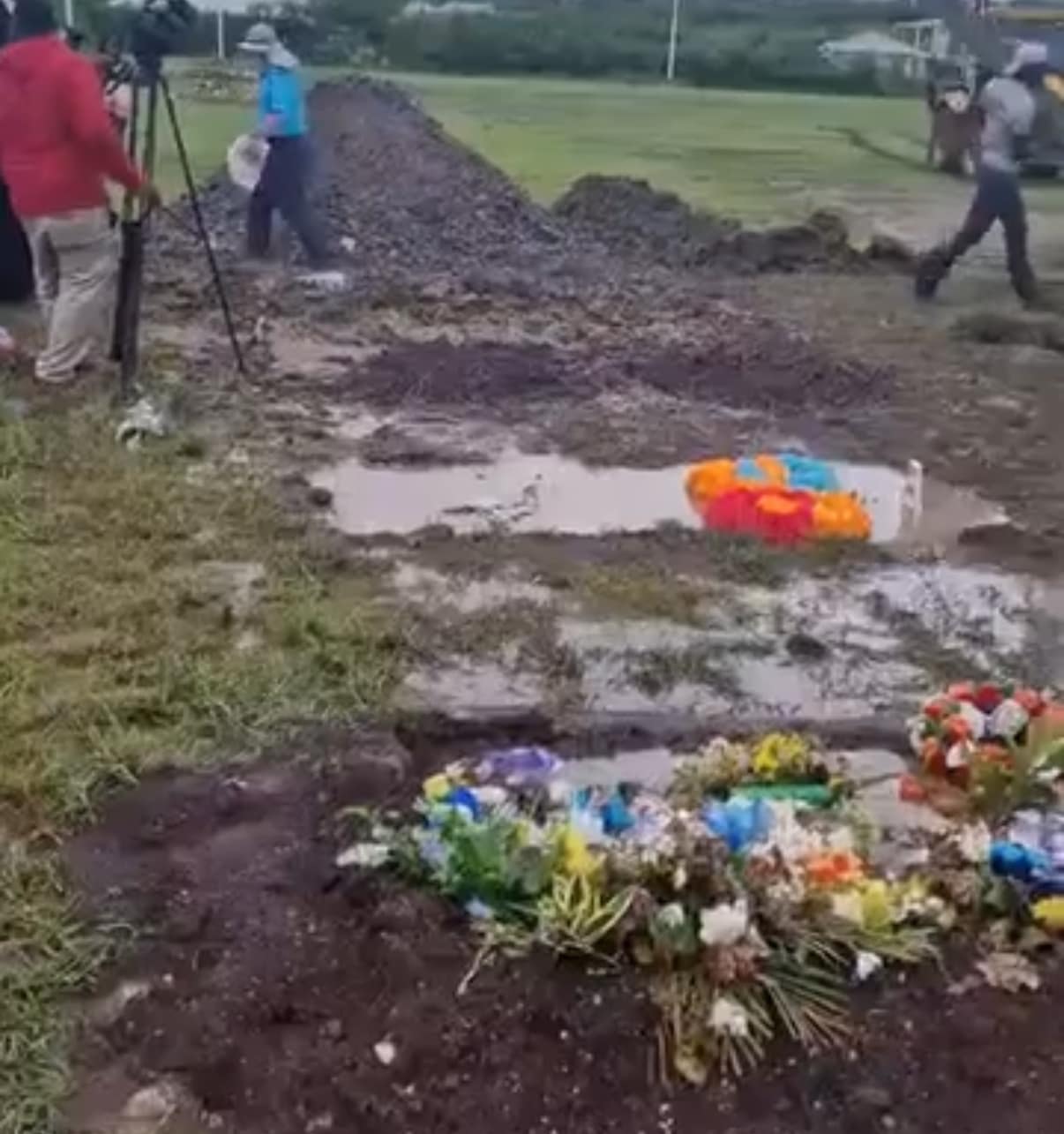
VIDEO: Flooded Graves at Tranquility Park Cemetery
Antigua’s most visited news website is now offering fully customizable and flexible digital marketing packages to businesses looking to enhance their online presence. With a proven track record of high traffic and engagement, the platform provides advertisers with unique opportunities to reach a broad audience effectively. The marketing solutions are designed to be adaptable, catering to the specific needs and goals of each client. Interested parties are encouraged to contact the team at [email protected] to explore tailored advertising strategies. This initiative aims to support local and international businesses in maximizing their digital outreach through innovative and targeted campaigns.